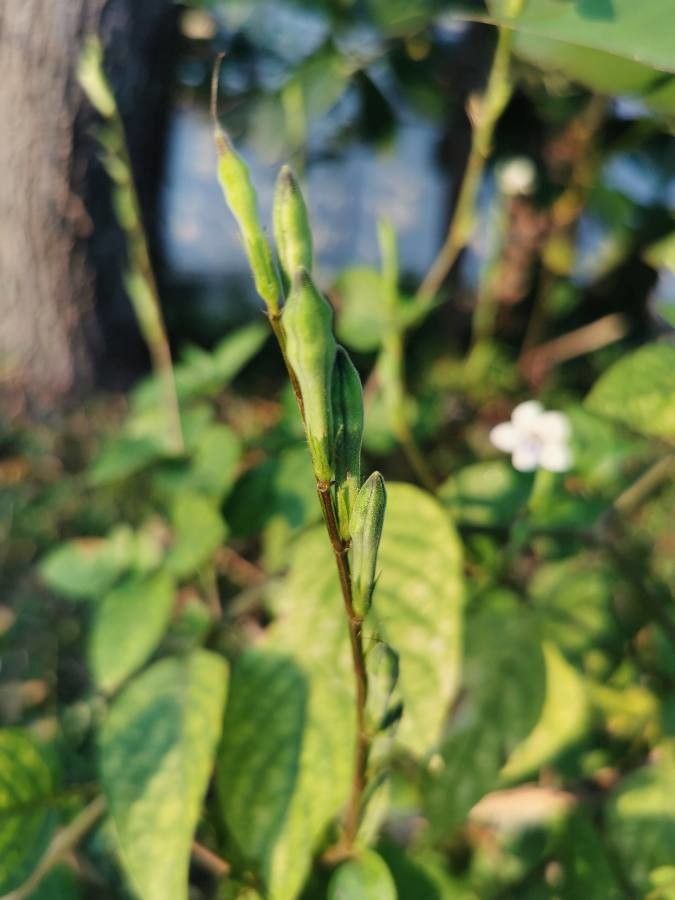
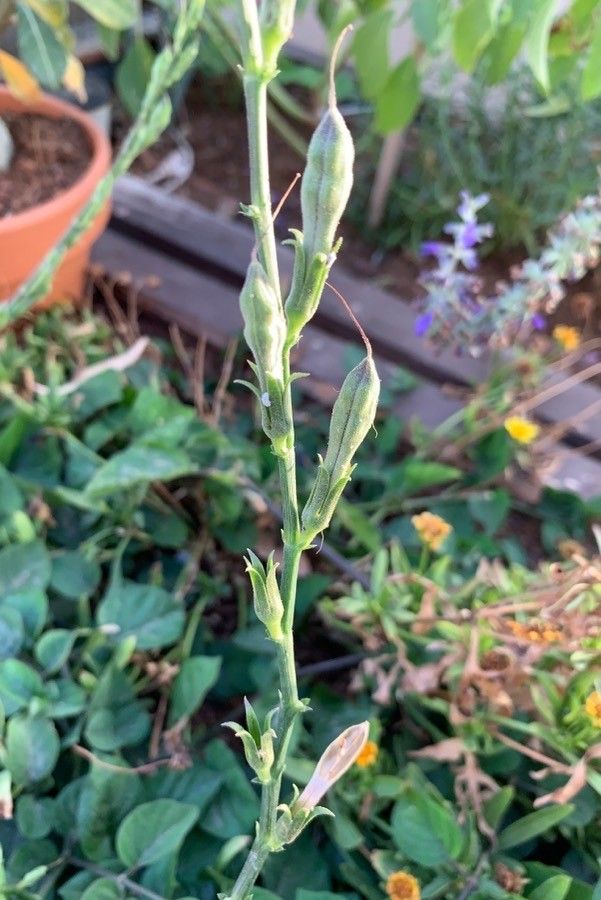
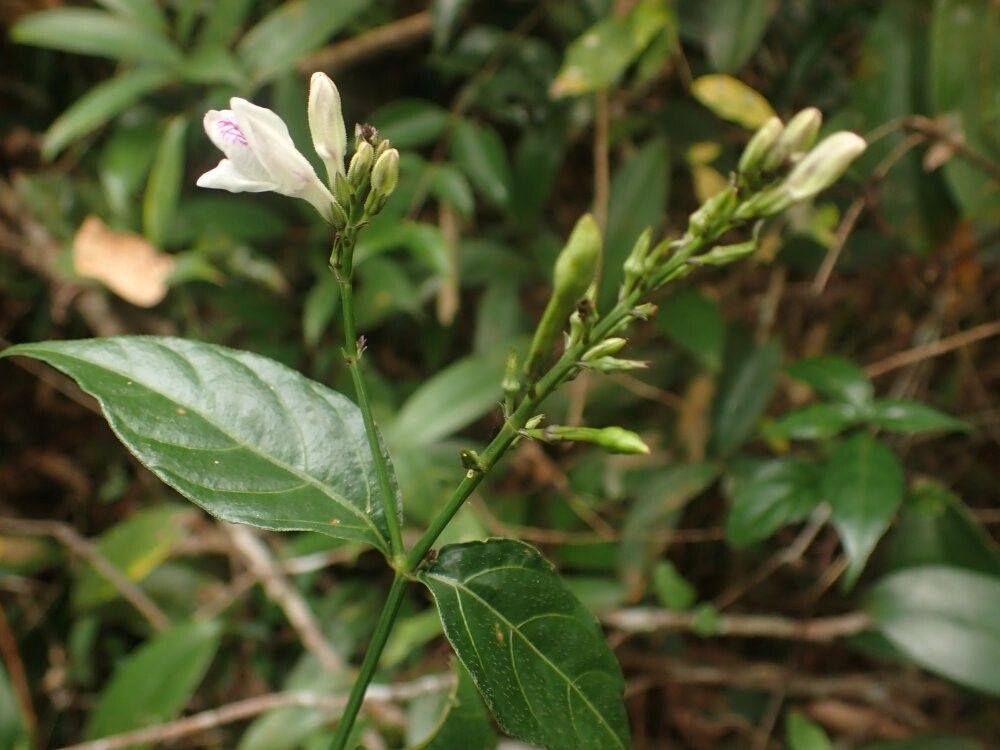
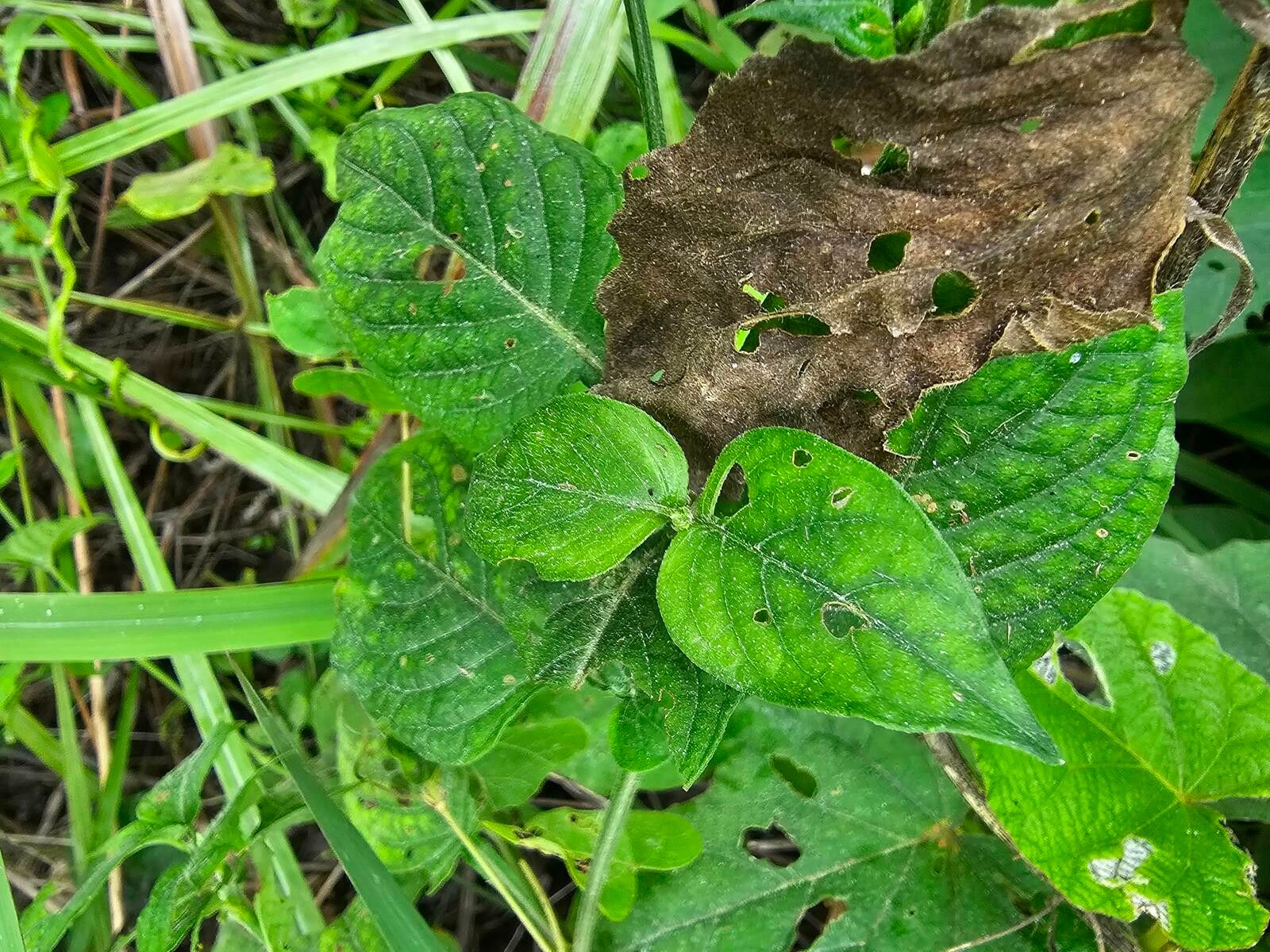
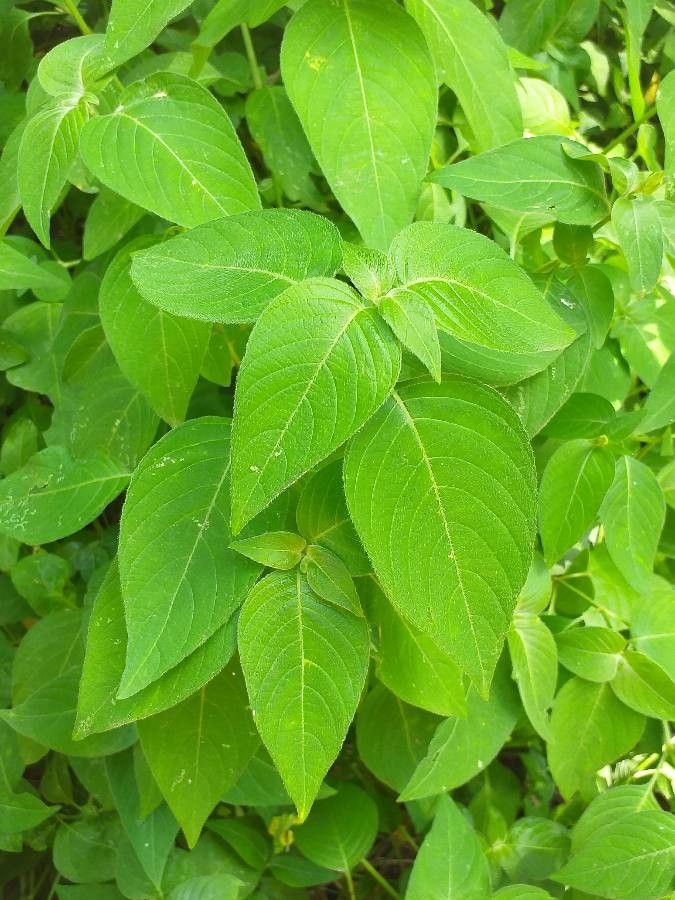
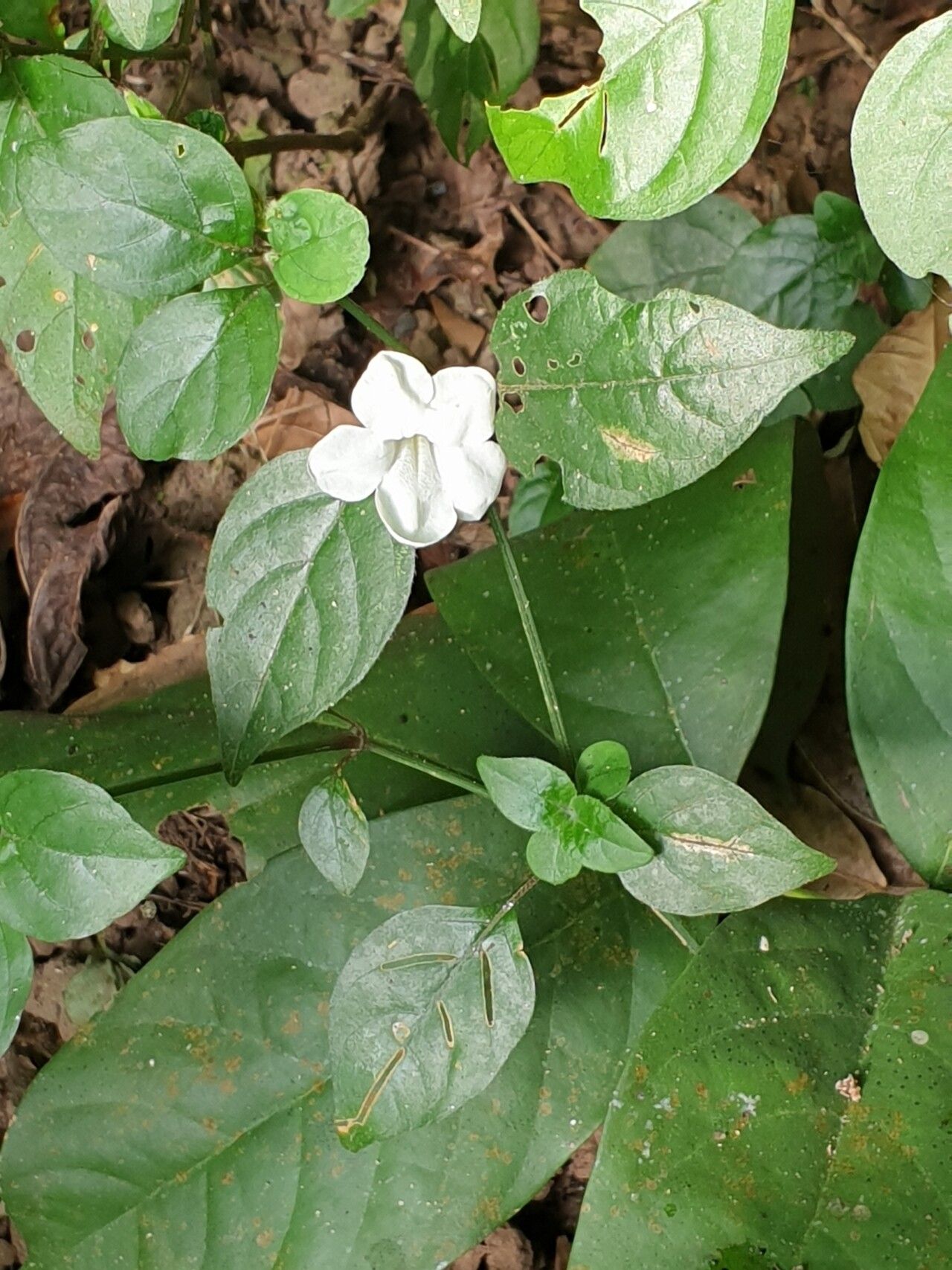
Asystasia gangetica, commonly known as Chinese violet or creeping foxglove, is a perennial herbaceous plant in the Acanthaceae family. Native to tropical and subtropical regions of Asia and Africa, it has been introduced to other parts of the world as an ornamental plant.
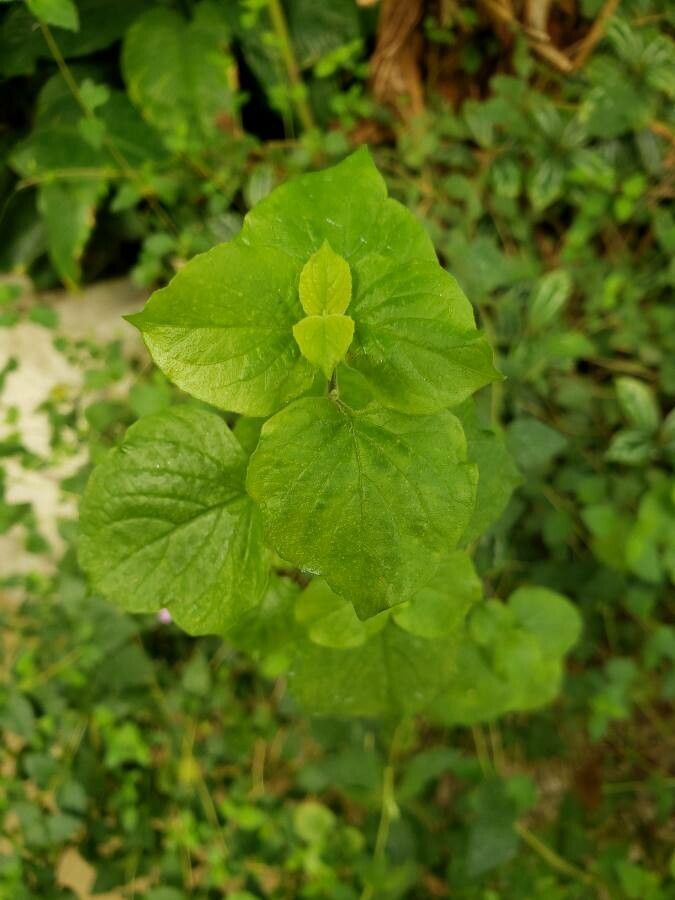
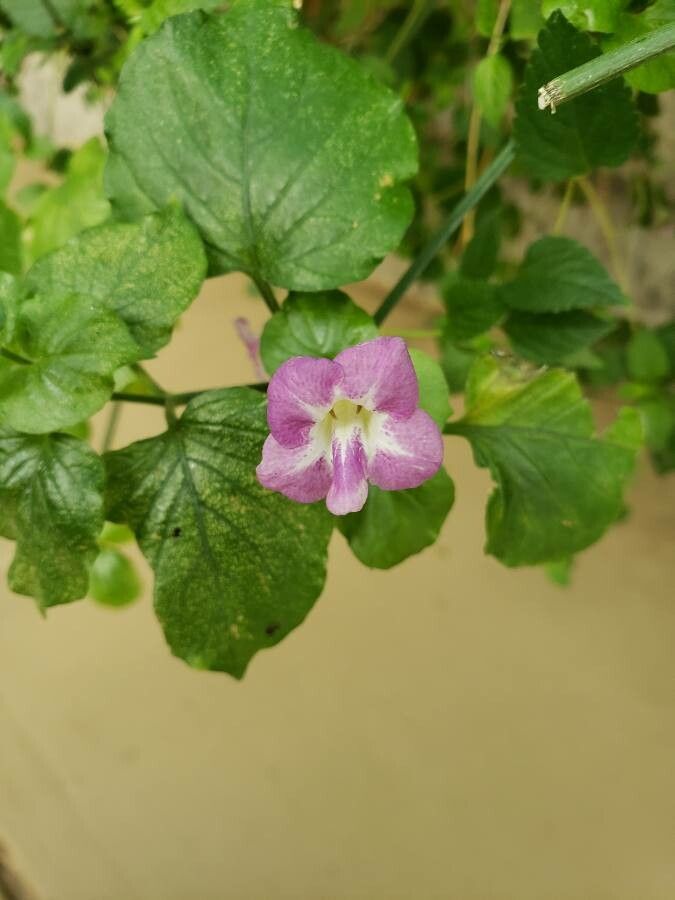
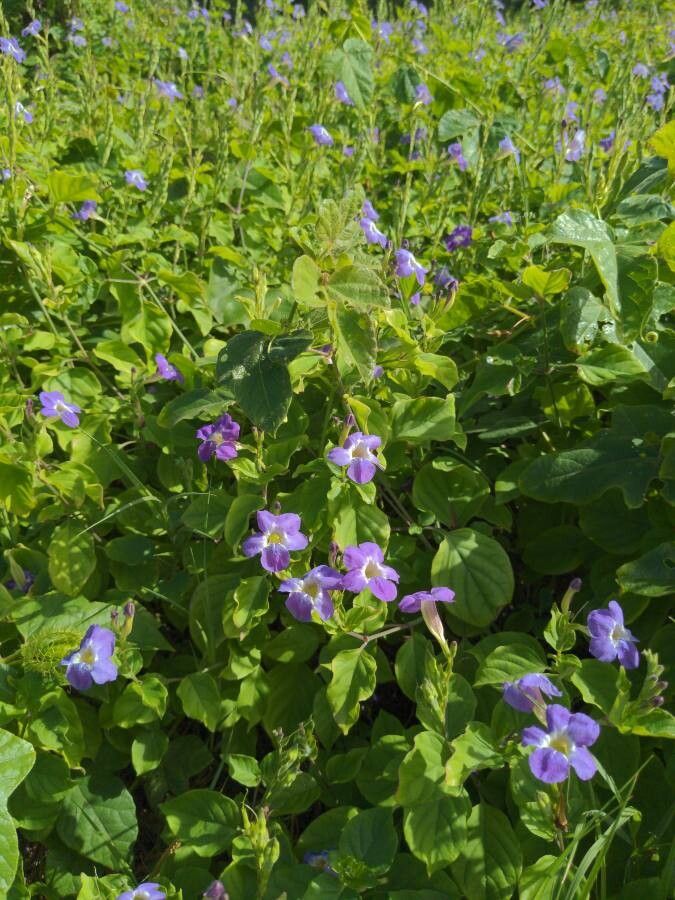
The plant exhibits a creeping habit, with stems that can grow up to 1 meter long. Its leaves are simple, ovate or lanceolate in shape, with serrated margins, and can reach up to 10 cm in length. The flowers are tubular with five petals and typically appear in shades of purple or white, though pink or blue varieties also exist.
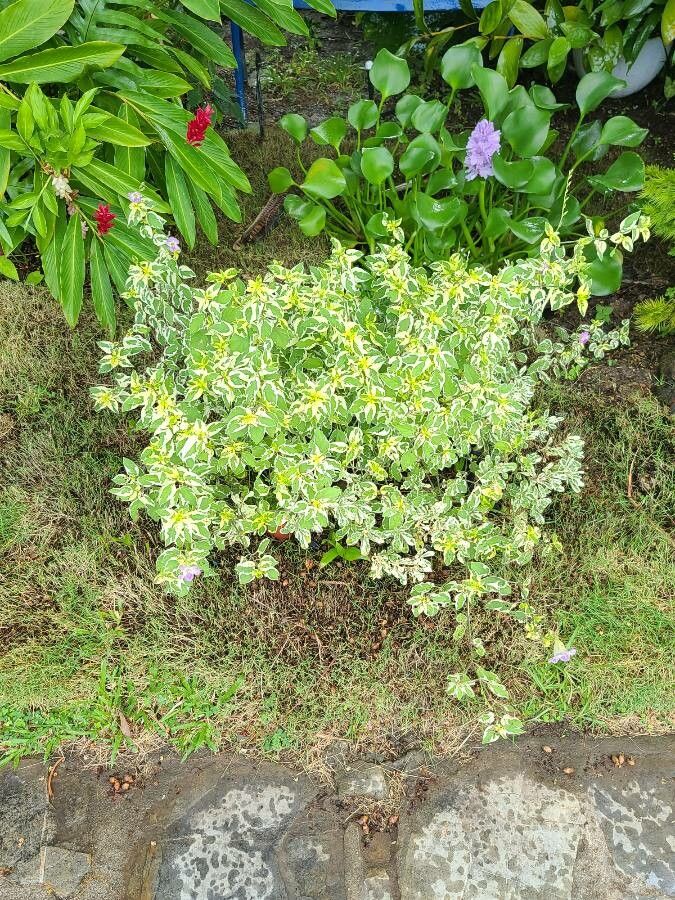
Asystasia gangetica thrives in moist soils and partial shade but can also tolerate full sun. It is often utilized as an ornamental ground cover due to its attractive foliage and flowers.
In traditional medicine, Asystasia gangetica has been used to treat various ailments such as fever, coughs, asthma, diarrhea, and dysentery, owing to its anti-inflammatory properties.
Overall, Asystasia gangetica is a versatile plant that enhances beauty both indoors (as a potted plant) and outdoors (as ground cover). It also holds medicinal properties, making it a valuable addition for any gardening enthusiast seeking both beauty and functionality in their plants.
Chinese violet has good resistance to disease and is generally not prone to illness. However, it can still be affected by pests and diseases present in its environment. These infections are typically not severe. In terms of care, the plant needs moderate upkeep. It should be pruned regularly to maintain an attractive appearance and healthy growth. Applying fertilizer can also help encourage flowering. Chinese violet is suitable for anyone with outdoor space, such as a garden or patio, and does not require extensive care experience. It may need more attention when grown indoors.
How to keep Asystasia Gangetica.
Light
The Chinese violet grows best with abundant sunlight, though it can tolerate lower light levels. Sunlight aids its growth and health. Coming from sun-rich habitats, it can still thrive when light is partially shaded. However, both excessive and insufficient light can harm the plant's well-being.
Water
Chinese violet thrives in tropical environments and prefers consistently moist soil. To support its lush foliage, it should be watered weekly. Additionally, higher indoor humidity levels are beneficial for this evergreen plant, as it needs adequate hydration to maintain its vibrant greenery throughout the year.
Humidity
This plant will thrive in moderate humidity, which is probably the level in your home. However, misting it a few times a week can be very beneficial. Make sure the room has good ventilation.
Temperature
Native to tropical regions, chinese violet does best in temperatures from 68 to 100 ℉ (20 to 38 ℃). If temperatures fall below 50 ℉ (10 ℃), it should be kept in a warm indoor spot, especially during winter months. Adjust watering and fertilizing to correspond with seasonal changes in light and temperature.
Fertilizer
Chinese violet needs the most fertilizer during its active growth period, which falls mainly in spring, summer, and early fall. Fertilization supplies essential nutrients that the soil may lack, encouraging healthy root and stem growth and the attractive foliage that is a defining feature of this plant.
Pruning
The Chinese violet is a hardy, fast-growing plant known for its attractive purple flowers. To manage its growth and encourage healthy blooms, it is best to prune the plant in early spring. During pruning, remove any dead stems and thin out dense areas to improve air circulation. This practice not only promotes healthier blooms but also helps maintain a tidy appearance in the landscape.
Botanical profile.
- Plant Type
- Herb
- Life Cycle
- Perennial
- Genus
- Asystasia
- Family
- Acanthaceae
- Hardiness Zone
- 10-11
- Mature Height
- 61 cm to 91 cm
- Mature Spread
- 61 cm to 91 cm
- Leaf Color
- Green
- Leaf Type
- Evergreen
- Flower Color
- White, Lavender
- Flower Size
- 2.54 cm to 5.08 cm
- Bloom Time
- All year round
- Planting Time
- Spring
- Harvest Time
- All year round
- Native Area
- Sri Lanka, India, Malaysia, Namibia, Nigeria, Guinea-Bissau, Kenya, Tanzania, Uganda, Mali, Sierra Leone, Indonesia, Cambodia, Equatorial Guinea, Liberia, Cameroon, Ghana, Ethiopia, Botswana, South Africa, Bangladesh, Vietnam, Myanmar, Togo, Senegal, Eswatini, Côte d'Ivoire, Gambia, Thailand, Gabon
Other names.
Reader questions.
How should I water my Chinese violet?
To properly water the Chinese violet plant, it is recommended to use filtered water at room temperature. Filtered water is preferred over tap water because tap water may contain harmful particles. The water should ideally be at room temperature or slightly warmer as the Chinese violet plant is native to warm environments and cold water can be stressful for it. Additionally, it is best to avoid watering the plant from above as this can cause issues with its foliage. Instead, gently apply the filtered room temperature water directly to the soil until it is fully saturated. This method has numerous benefits as it helps to moisten the roots and facilitates their growth throughout the soil, enabling proper nutrient absorption.
Why should I put fertilizer on my Chinese violet?
Plants need soil nutrients to grow, including the Chinese violet. However, the soil may not always have all the necessary nutrients. Fertilization and soil amendments can help provide the basic and specific nutrients required by the plants in your garden. For the Chinese violet, fertilizer is essential to support healthy root and stem development. It will also contribute to a beautiful set of leaves, which is particularly important as the foliage is the main attraction of this plant.
What are the sunlight requirements for Chinese Violet?
Chinese Violet (Asystasia gangetica) thrives best with ample sunlight exposure, ideally flourishing under full sun conditions which means more than 6 hours of sunlight daily. It can also adapt to partial sun, receiving about 3-6 hours of sunlight. This level of sunlight positively influences its growth and overall health. Originating from sunny environments, the plant manages to thrive even with partially obscured light. However, maintaining the right balance of sunlight is crucial as both excessive and insufficient light can have adverse effects.
What are the ideal growing conditions for Chinese violet?
Chinese violet, scientifically known as Asystasia gangetica, thrives in tropical environments and prefers temperatures between 68°F and 100°F (20°C to 38°C). It's crucial to keep the plant in a warm area indoors when temperatures fall below 50°F (10°C), especially during the winter. As an extremely heat-loving plant, Chinese violet requires adjustments in watering and fertilizing in response to seasonal changes in light and temperature. In autumn, it's advisable to bring outdoor plants indoors, placing them near a bright window but away from direct heat sources. Maintaining temperatures above 20°C during winter supports its growth, and exposure to temperatures near 5°C can be harmful.
What should I do if I give too much or too little water to my Chinese violet?
Overwatering and underwatering can both harm your Chinese violet, but overwatering is more common. Too much water can cause wilting and yellowing of the stems and leaves. It can also lead to diseases like root rot, mold, and mildew, which can be fatal for your plant. Underwatering is less common, as the Chinese violet is somewhat drought-tolerant. However, it can still happen, resulting in brittle, brown leaves. It's important to recognize the signs of overwatering early on, as some diseases like root rot may be irreversible if not addressed promptly. If you notice signs of overwatering, reduce your watering schedule and consider if the soil is draining properly. If not, replace it with a loose, well-draining potting mix. If your Chinese violet is not receiving enough water, increase your watering frequency until the signs improve.
When should I fertilize my Chinese violet?
During the active growing seasons of spring, summer, and early fall, a Chinese violet requires the highest amount of fertilizer. As winter ends, you should feed your Chinese violet every two to four weeks. Keep up this feeding schedule until fall, when you can gradually decrease the amount of fertilizer. Eventually, stop feeding altogether in preparation for winter, as the Chinese violet will have minimal growth during this time.
How does one manage sunlight exposure for indoor Chinese Violet plants?
For indoor Chinese Violet plants, when natural sunlight is insufficient, especially during winter or in less sunny spaces, using artificial lights can provide a necessary boost. LEDs are an ideal choice as they can simulate the specific wavelengths needed by plants. Full sun plants require 30-50 watts per square foot, partial sun plants need 20-30 watts per square foot, and full shade plants should have 10-20 watts per square foot of artificial light. The distance between plants and light source should be 12-36 inches to effectively mimic natural sunlight, and most plants benefit from 8-12 hours of light per day.
How do you care for Chinese violet in low temperatures?
Chinese violet prefers warm conditions and thrives best above 20°C, requiring temperatures to be kept above 5°C during winter. Exposure to temperatures below 1°C can cause the leaves to lighten in color, and following frost damage, leaves may turn brown or black, with wilting and drooping observed. To care for Chinese violet in low temperatures, trim off the frost-damaged parts and move the plant to a warm indoor environment for cold protection. Positioning the plant near a south-facing window ensures ample sunlight. It's also important to avoid placing the plant near sources of dry heat, such as heaters or air conditioning vents, to prevent the air around the plant from becoming excessively dry.
How frequently should I water my Chinese violet plant?
Determining when to water your Chinese violet depends on whether it is in a pot or planted outdoors. For potted plants, the most accurate way is to stick your finger into the soil. If the top two to three inches are dry, it's time to water. The same method applies to outdoor plants; when the first few inches of soil have dried out, water is needed. Generally, watering once a week during spring and early fall is sufficient. During hot weather, watering may need to be increased to twice or more per week. However, mature Chinese violets are resilient and can withstand drought.
When is not a good time to put fertilizer on my Chinese violet?
For most of the year, including spring, summer, and most of fall, it's important to regularly feed your Chinese violet. However, there are a couple exceptions. If you notice that your Chinese violet has received too much fertilizer or if you have fertilized it incorrectly, causing fertilizer burn or other issues, you'll need to fix that before resuming regular feeding. The only time you should not fertilize a Chinese violet is during winter. If you grow this plant indoors in a cold winter area, it will go into a dormant phase during winter. Feeding the plant during this phase is not necessary or helpful for its growth and is likely to cause fertilizer burn.
What are symptoms of incorrect sunlight exposure in Chinese Violet?
Symptoms of incorrect sunlight exposure in Chinese Violet include small, new leaves that are smaller in size than previous ones, leggy or sparse growth leading to a stretched-out appearance, premature leaf drop, halted or no new growth, paler new leaves, chlorosis or yellowing of leaves, sunscald with pale or necrotic spots on the plant, leaf curling as a defense mechanism against excessive sunlight, wilting due to lost turgor pressure from overexposure, and leaf scorching evidenced by brown, dry patches on the leaves.
How should Chinese violet be cared for in high temperatures?
In summer, it's essential to keep Chinese violet's temperature below 100°F (38°C). High temperatures above 43°C can lighten the color of the leaves and make the plant more prone to sunburn. To care for Chinese violet in high temperatures, trim away any sunburned or dried parts and move the plant to a cooler location, ideally one that offers shade from the midday and afternoon sun. Water the plant in the morning and evening to ensure the soil remains moist, providing relief from the heat.