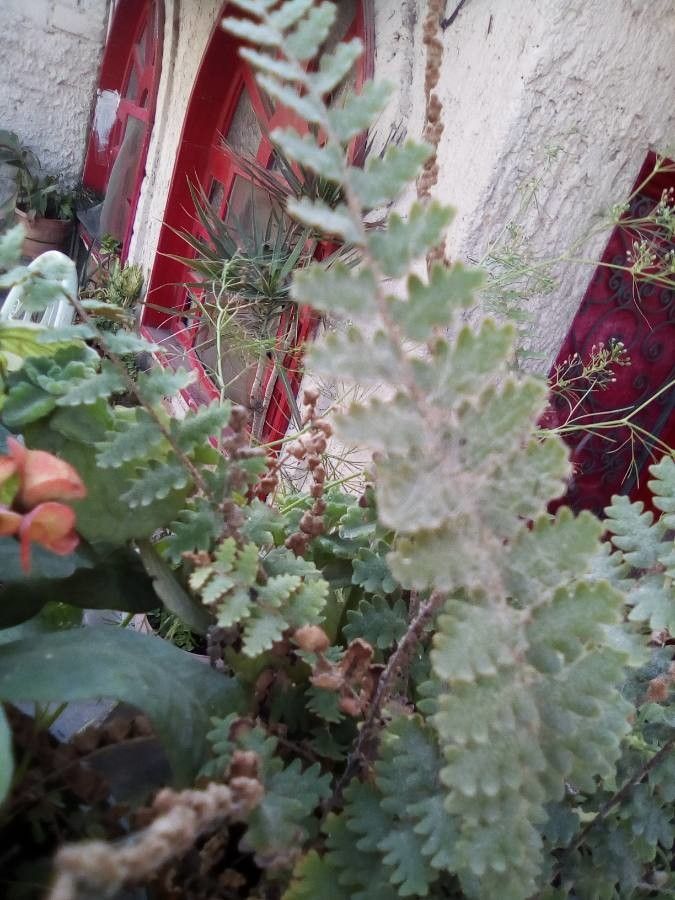
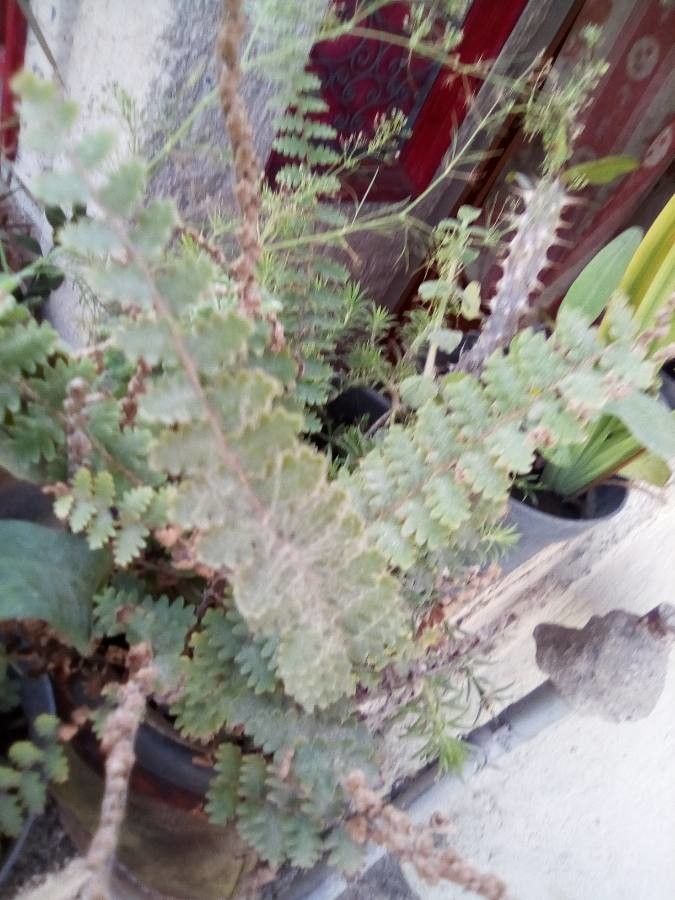
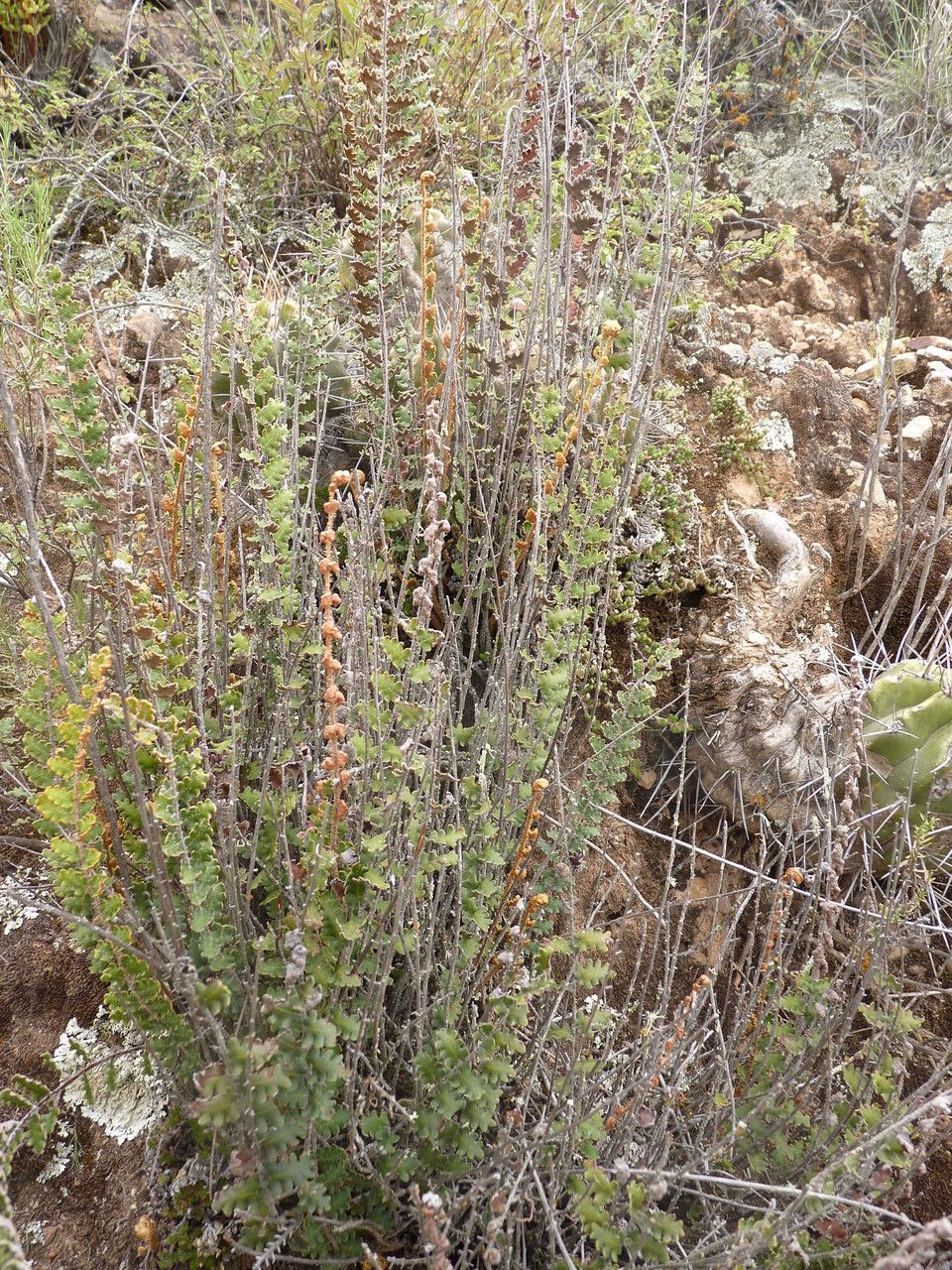
Wavy scaly cloakfern has good disease resistance and is generally not prone to diseases. However, it can be vulnerable to pests and diseases present in its environment. These issues are typically mild. Regarding care, this plant has moderate maintenance needs. It requires regular pruning to preserve a neat appearance and healthy growth. Fertilizing can also help encourage flowering. Wavy scaly cloakfern is appropriate for anyone with outdoor space, such as a garden or patio, and does not demand extensive plant-care experience. It may need more attention when cultivated indoors.
How to keep Astrolepis Sinuata.
Light
The wavy scaly cloakfern prefers habitats that receive a great amount of sunlight often. Though it has the ability to survive in moderately sunny conditions, it exhibits its best growth in full sun exposure. An overprotection from the sun or the lack thereof can disrupt and hinder the plant's development and prosperity.
Temperature
The wavy scaly cloakfern is adapted to survive in areas with temperatures between 59 and 95 degrees Fahrenheit (15 to 35 degrees Celsius). In order to maximize its growth, its indoor environment should maintain temperatures close to this range, particularly during extreme seasons.
Fertilizer
Applying fertilizer just once in spring is generally enough for the Wavy scaly cloakfern, although additional feedings can stimulate more growth. Fertilize once every one to one and a half months. The use of fertilizers helps improve the look and utility of the leaves by maintaining a consistent color and preserving a healthy texture. Moreover, it encourages root development and the absorption of nutrients, contributing to the overall health of the plant over time.
Pruning
Pruning the wavy scaly cloakfern is essential for maintaining its health and vitality. This involves removing dead or damaged fronds and cutting back any overgrowth, typically from early to late spring. Regular pruning improves air circulation, reduces the risk of disease, and encourages denser growth. To achieve the best results, always use clean, sharp tools.
Botanical profile.
- Plant Type
- Herb
- Life Cycle
- Perennial
- Genus
- Astrolepis
- Family
- Pteridaceae
- Hardiness Zone
- 7-9
- Mature Height
- 61 cm
- Mature Spread
- 46 cm
- Leaf Color
- Green, Gray
- Leaf Type
- Evergreen
- Planting Time
- Spring, Summer, Autumn
- Native Area
- Colombia, Honduras, Mexico, Guatemala, Bolivia, Venezuela, Peru, Ecuador, Costa Rica, Panama
Other names.
Reader questions.
What are the sun requirements for Wavy scaly cloakfern (Astrolepis sinuata)?
Wavy scaly cloakfern thrives in environments with substantial sunlight exposure, showing optimal growth in full sun conditions, which means the plant should receive above 6 hours of direct sunlight per day. It can also grow in partial sun, receiving about 3-6 hours of sunlight daily. However, it's essential to watch how sunlight moves through your garden to ensure that your plants get an adequate balance of light and shade, aligning with their specific needs for growth and health.
What is the optimal temperature range for growing Wavy scaly cloakfern?
Wavy scaly cloakfern (Astrolepis sinuata) thrives in temperatures ranging from 59 to 95 °F (15 to 35 °C). To optimize its growth, especially during harsh seasons, it's beneficial to adjust indoor temperatures closely within this range. The plant has strong cold resistance, indicating that special frost protection measures are generally not necessary. However, when winter temperatures are expected to drop below -15°C, it's important to provide cold protection by covering the plant with soil or straw and watering it abundantly before the first freeze to keep the soil moist, helping prevent drought and water scarcity during winter and early spring.
How does artificial lighting affect the growth of Wavy scaly cloakfern indoors?
For indoor Wavy scaly cloakfern plants, where natural sunlight may be insufficient, artificial lighting can be pivotal for promoting optimal growth. This is particularly relevant in winter or less sunny spaces. LED lights are recommended due to their ability to be customized to provide specific wavelengths needed by plants. Full sun plants require 30-50W/sq ft of artificial light, partial sun plants need 20-30W/sq ft, and full shade plants require 10-20W/sq ft. The light source should be placed 12-36 inches above the plant, mimicking natural sunlight as closely as possible, and plants generally need 8-12 hours of light per day.
How does Wavy scaly cloakfern react to low temperatures?
Wavy scaly cloakfern is cold-tolerant and fares best when kept above 15°C. Throughout the winter, temperatures should remain above -10°C. Although the plant may not show noticeable changes when temperatures fall below -15°C during winter, such conditions may lead to a decreased sprouting rate or even a lack of sprouting in spring. To address this, in spring, it is advised to remove any parts of the plant that have failed to sprout.
What are the symptoms of inadequate light for Wavy scaly cloakfern?
When Wavy scaly cloakfern is exposed to inadequate lighting, several symptoms may arise, including smaller new leaves, leggy or sparse growth, faster leaf drop, and slower or halted growth. Leaves might develop lighter colors or show signs of chlorosis (yellowing), indicating a lack of chlorophyll and essential nutrients. Excessive sunlight can cause symptoms such as sunscald, leaf curling, wilting, and leaf scorching, where leaves show dry, brown edges or patches.
What should be done if the Wavy scaly cloakfern is exposed to high temperatures?
During summer, it's crucial to keep the Wavy scaly cloakfern below 35°C. Exposing the plant to temperatures exceeding 38°C can cause its leaves to lighten in color, become prone to curling, susceptible to sunburn, and in severe cases, lead to the wilting and drying of the entire plant. To mitigate these effects, it's recommended to trim away sunburned and dried-up parts of the plant. Moving the plant to a location shielded from the midday and afternoon sun or using a shade cloth can provide necessary protection. Additionally, watering the plant in the morning and evening helps keep the soil moist and supports the plant’s health during high temperatures.
What solutions can help Wavy scaly cloakfern with insufficient sunlight?
To address insufficient sunlight for Wavy scaly cloakfern, gradually move the plants to sunnier locations, aiming for at least 6 hours of direct sunlight daily for outdoor plants or using a south-facing window for indoor plants. If the plant is large or not easily movable, consider using artificial grow lights for at least 8 hours daily. It's also advisable to reduce obstructions that block sunlight, like pruning overhanging trees, and for smaller plants, consider transplanting them to a sunnier spot during their dormant period for better growth.