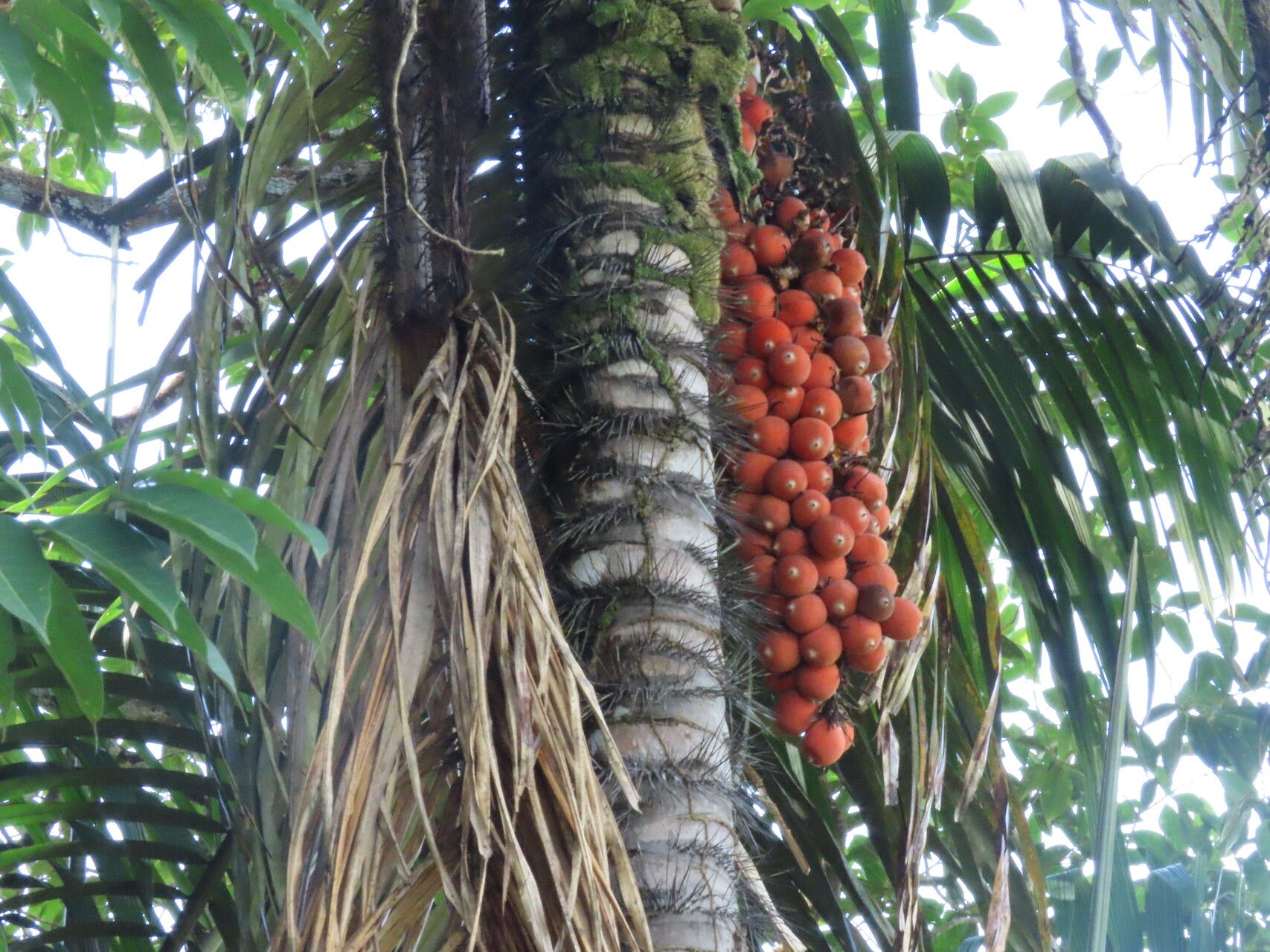
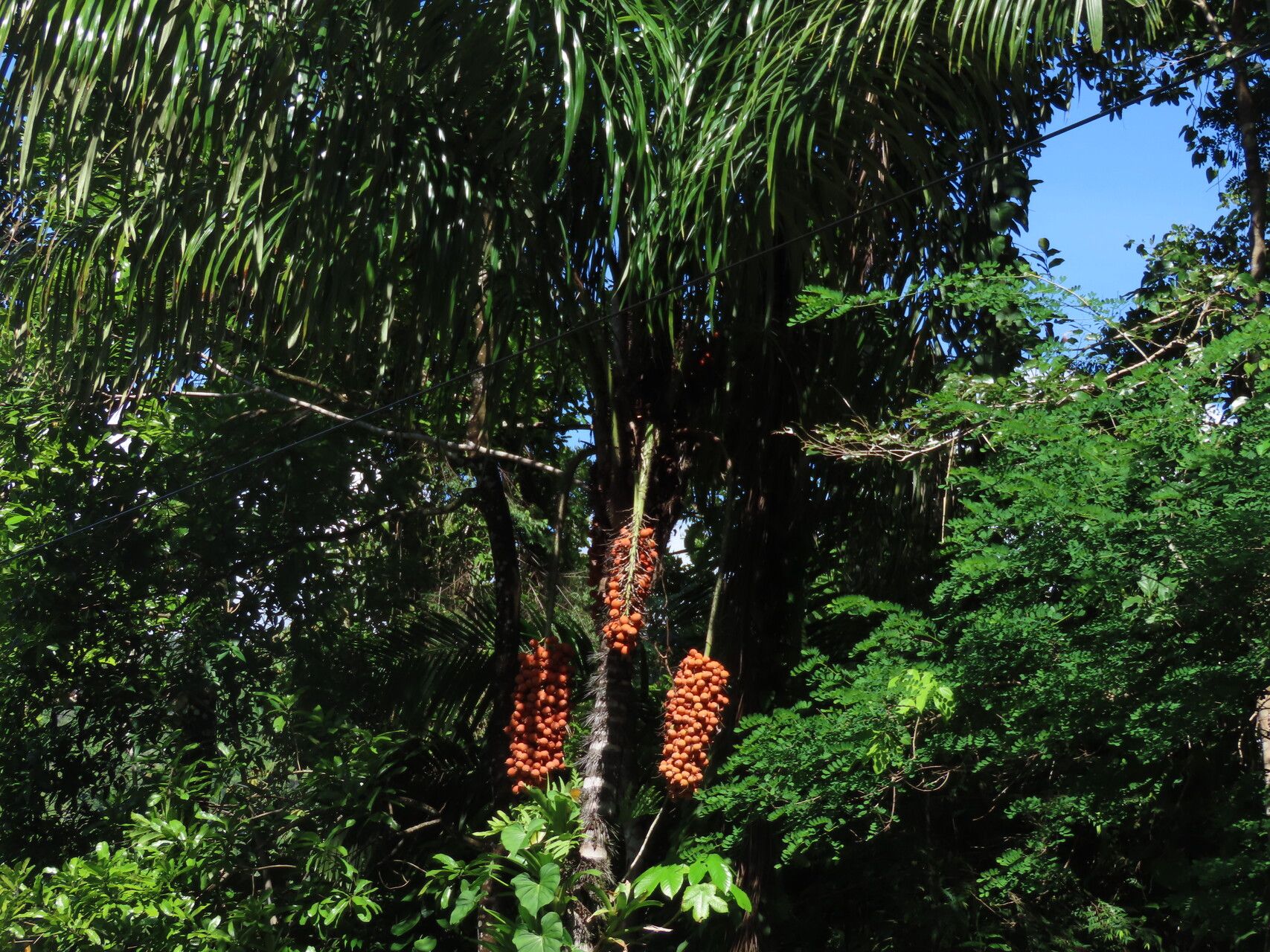
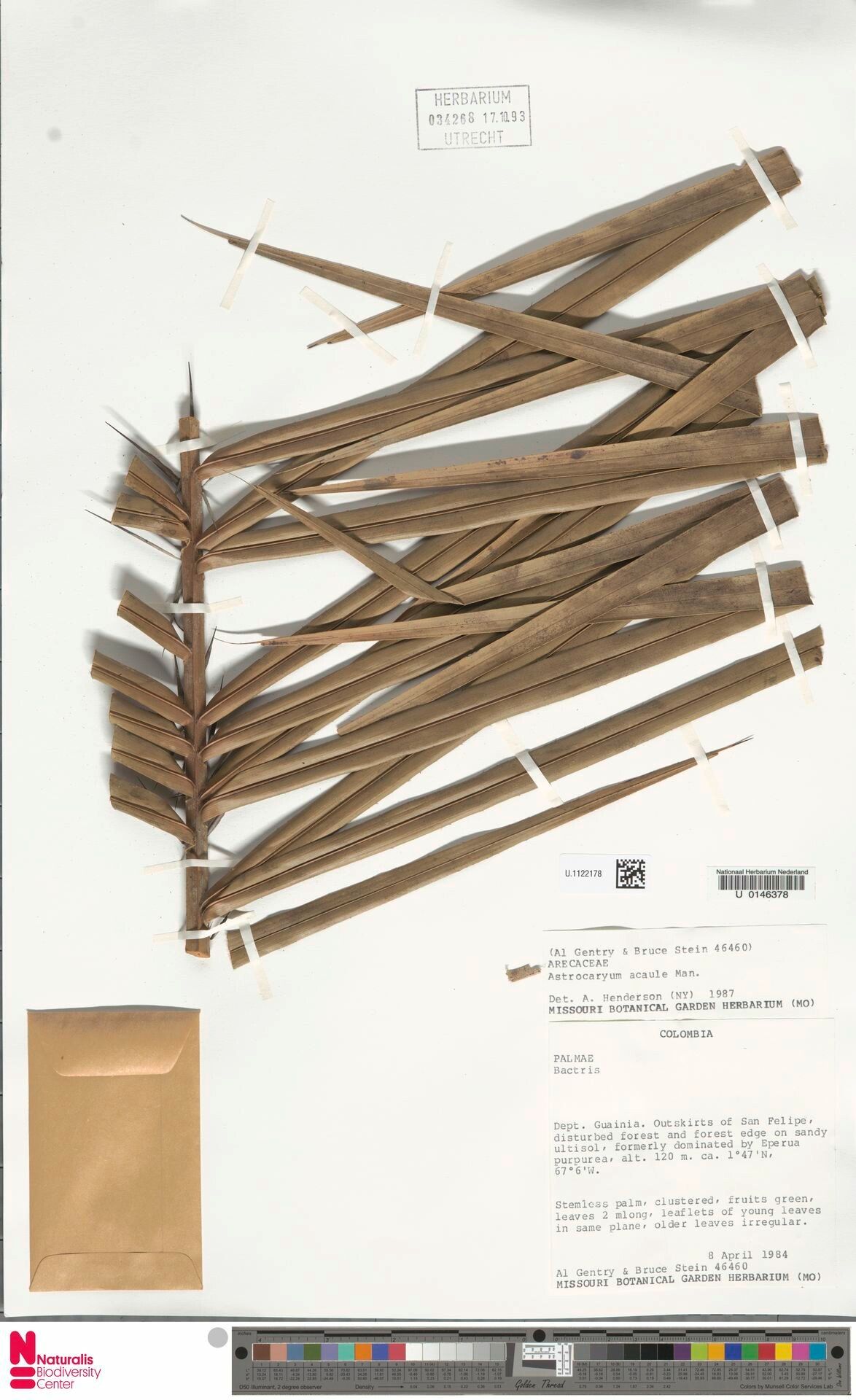
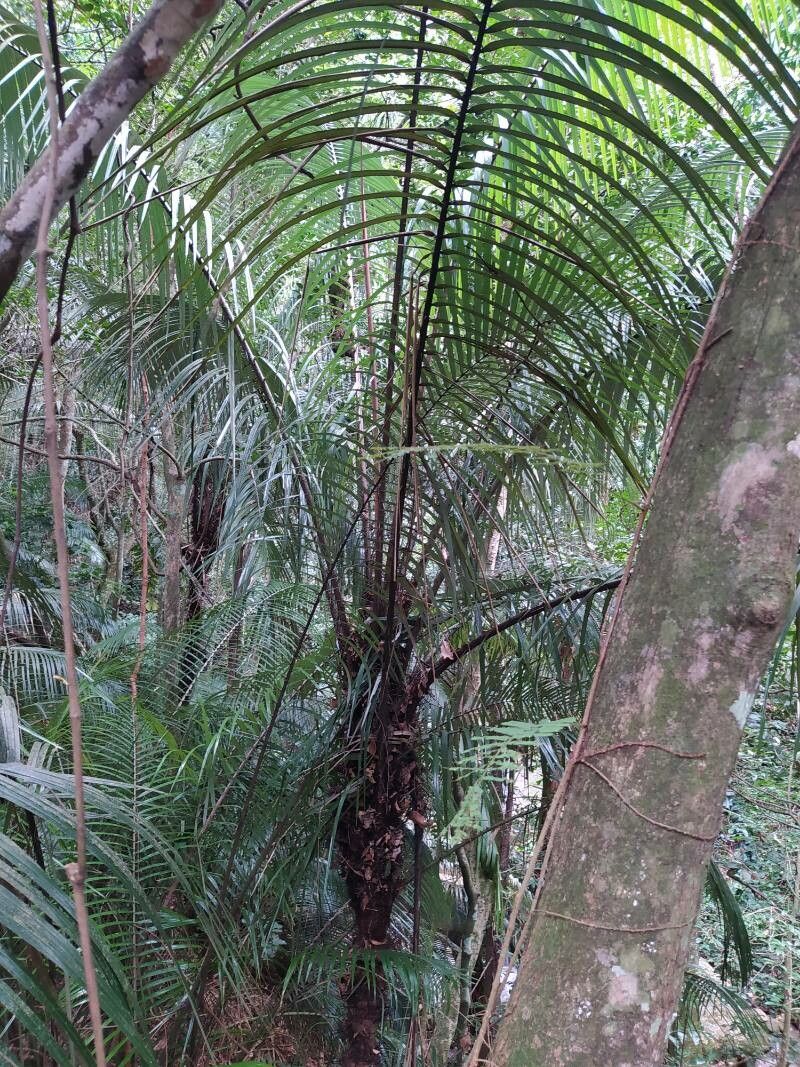
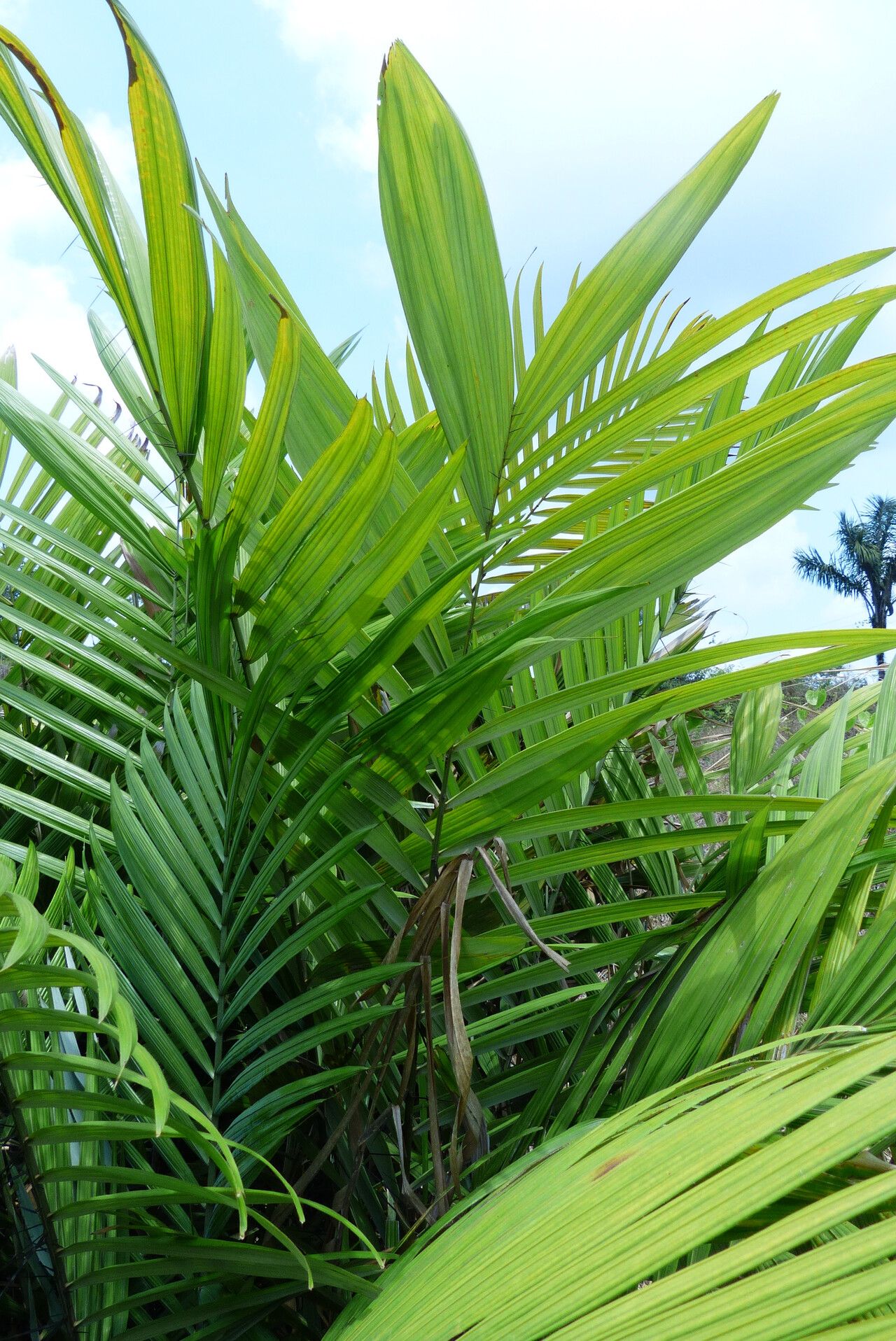
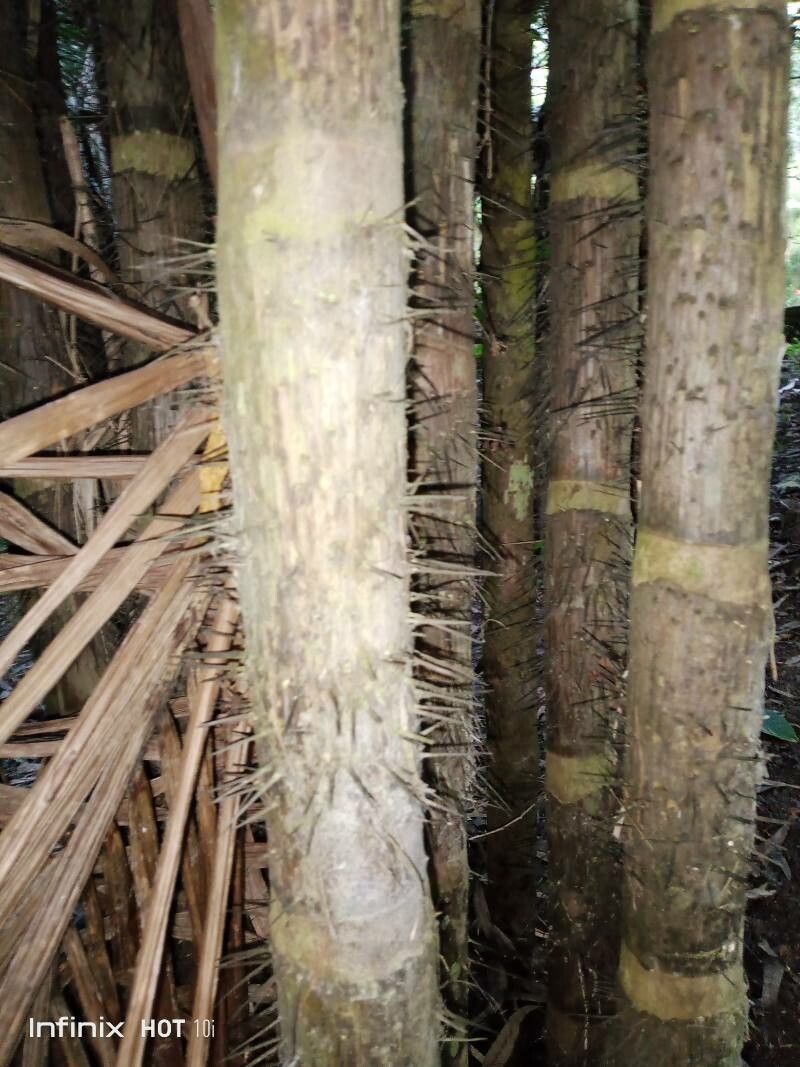
Astrocaryum standleyanum is a species of palm known by many common names, including chumba wumba, black palm, chonta, chontadura, coquillo, palma negra, pejibaye de montaña, güerre, güérregue, güinul, mocora, pucaishchi (Chachi), and chunga (Emberá). It is native to Central and South America, where its distribution extends from Nicaragua to Ecuador. It is most common in central Panama, even becoming abundant in the tropical forests around the Panama Canal, but in general it is not a common plant.
Black palm is fairly resistant to disease and is usually not susceptible to illnesses. Regarding care, this plant is relatively low-maintenance. When grown outdoors it needs little watering, and larger plants typically do not require pruning; smaller plants, however, should be pruned after they finish blooming. The black palm is suitable for anyone with an outdoor area, such as a garden or deck, and does not demand much plant-care experience.
How to keep Astrocaryum Standleyanum.
Light
Black palm originates from habitats such as forest understories and rocky areas, where it is exposed to natural shade. It favors partial sun but can tolerate full sun or full shade, demonstrating its versatile and hardy nature.
Water
Black palm, native to tropical rainforests, thrives in high humidity and consistent moisture. It benefits from a watering schedule that mimics natural rainfall, typically requiring water once a week to balance hydration and drainage. This evergreen species is often grown outdoors and exhibits moderate drought tolerance.
Temperature
Black palm comes from tropical areas where the climate is usually warm and humid. Consequently, it is well suited to high temperatures and humidity. It does not tolerate sudden temperature shifts and prefers a consistent temperature, so avoiding indoor temperature swings is important. It typically cannot endure cold conditions and needs higher temperatures to grow. If the ambient temperature falls too low, the plant may stop growing or even die.
Fertilizer
Fertilize your Black palm in early spring to encourage healthy growth. Regular fertilization boosts overall health, promoting vigorous growth, greater resilience to harsh conditions, and improved resistance to diseases and pests. Adhere to a set fertilization schedule for your Black palm to ensure vibrant, deep-colored foliage and a lush appearance.
Pruning
The black palm features a thorny trunk and feather-like leaves. To care for this plant, prune it in early spring. Remove any dead fronds near the trunk, but be careful not to over-prune, as this can stress the plant. Proper pruning encourages healthy growth, helps maintain the plant's shape, and improves air circulation, which reduces the risk of disease.
Botanical profile.
- Plant Type
- Palm
- Life Cycle
- Perennial
- Genus
- Astrocaryum
- Family
- Arecaceae
- Hardiness Zone
- 10-12
- Mature Height
- 10.06 m to 14.94 m
- Mature Spread
- 4.88 m to 7.01 m
- Leaf Color
- Dark Green
- Leaf Type
- Evergreen
- Flower Size
- 0.51 cm to 1.02 cm
- Bloom Time
- All year round
- Planting Time
- Spring, Summer, Autumn
- Harvest Time
- All year round
- Native Area
- Colombia, Honduras, Ecuador, Costa Rica, Panama