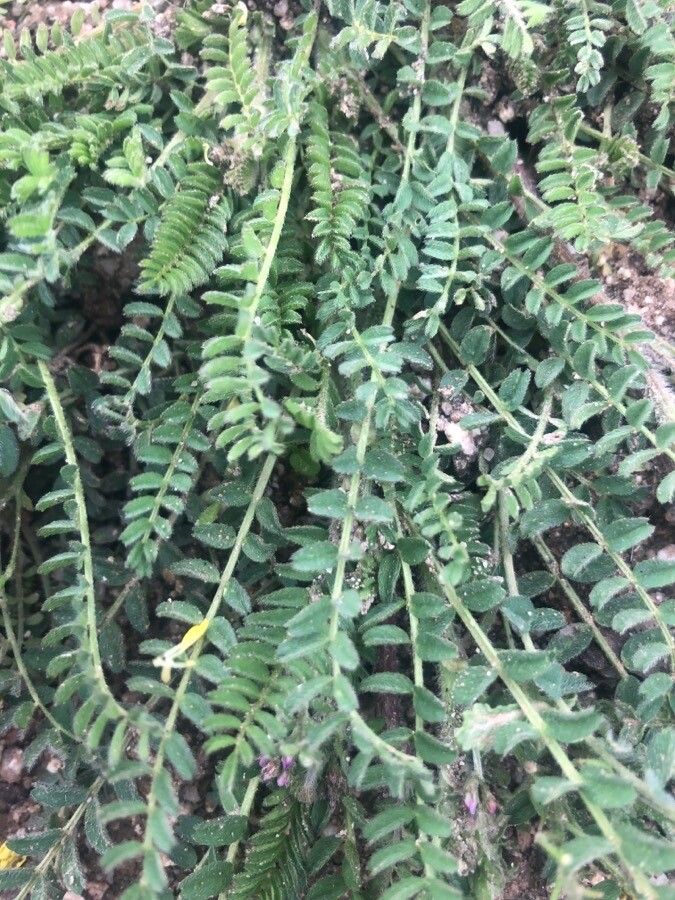
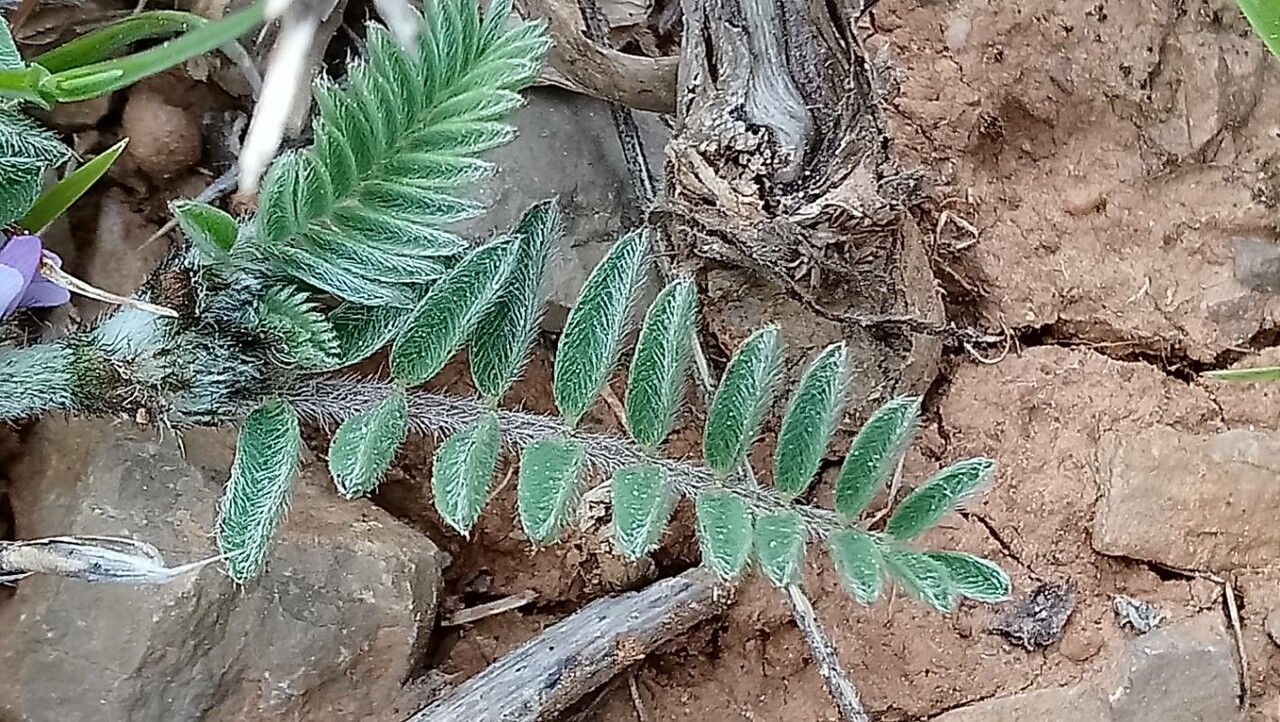
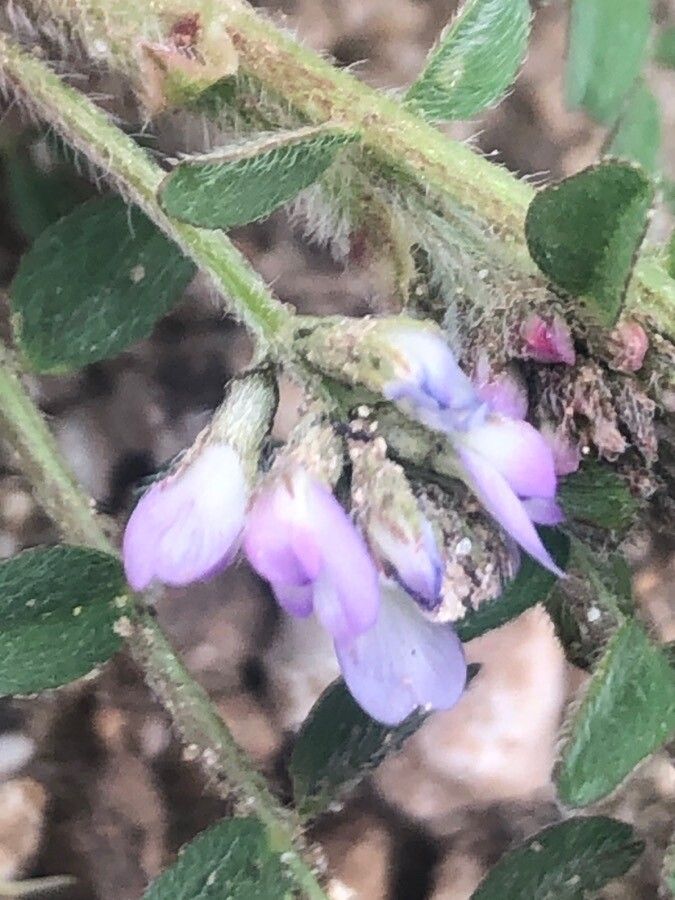
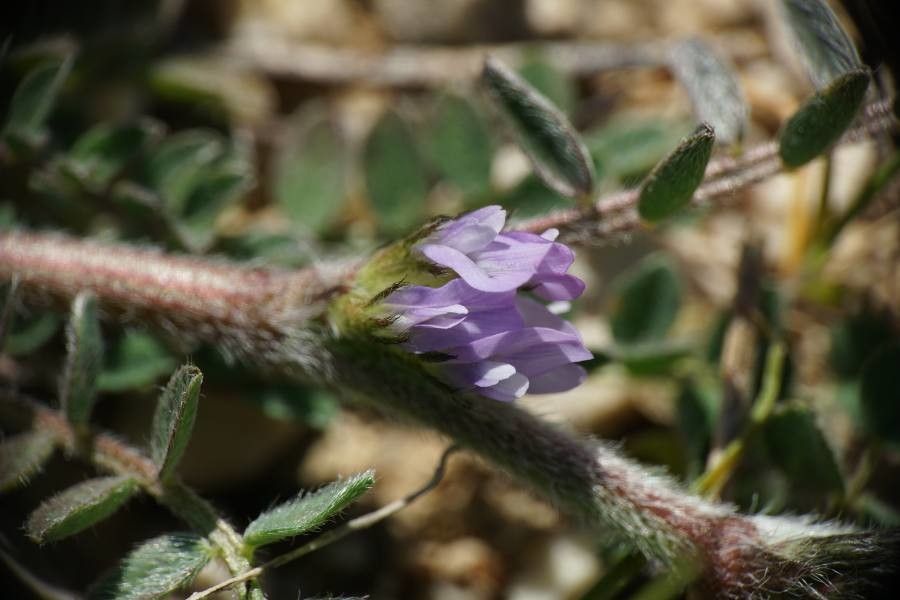
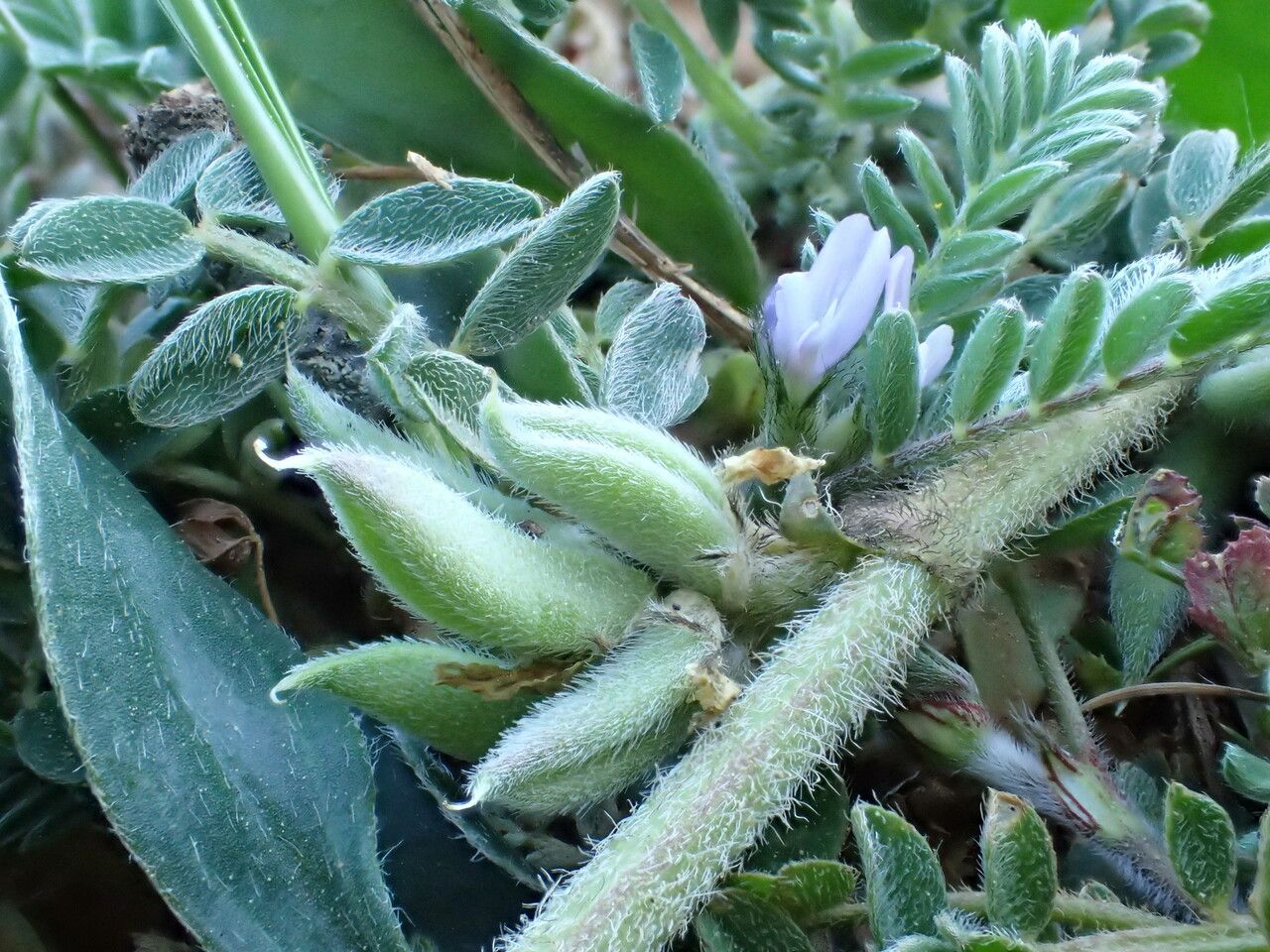
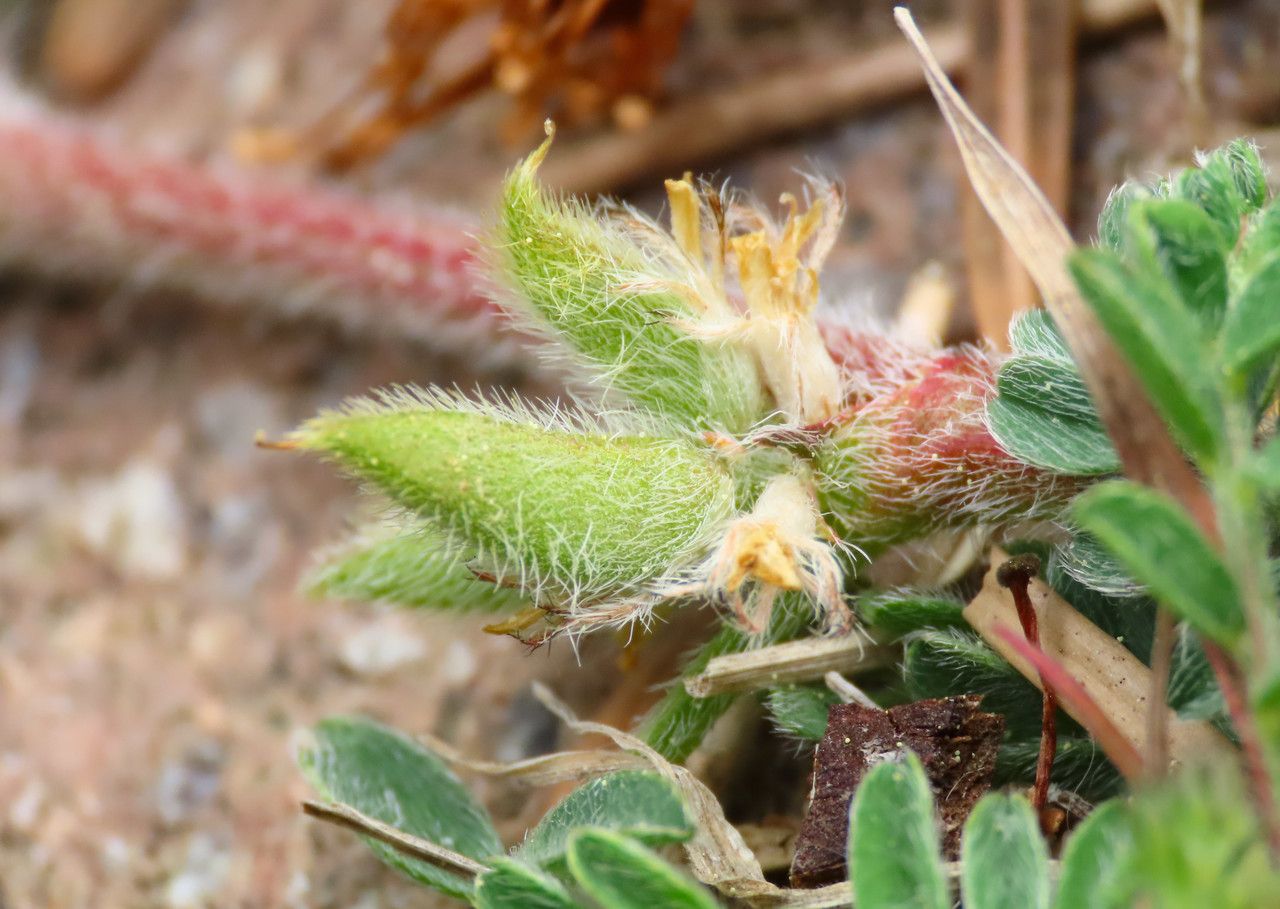
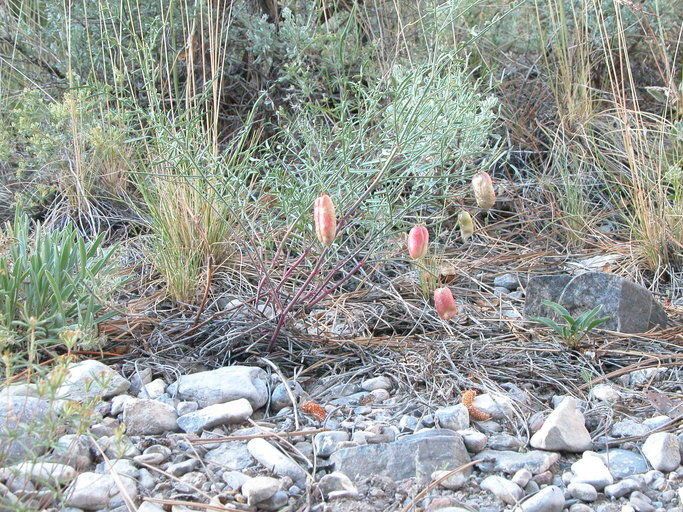
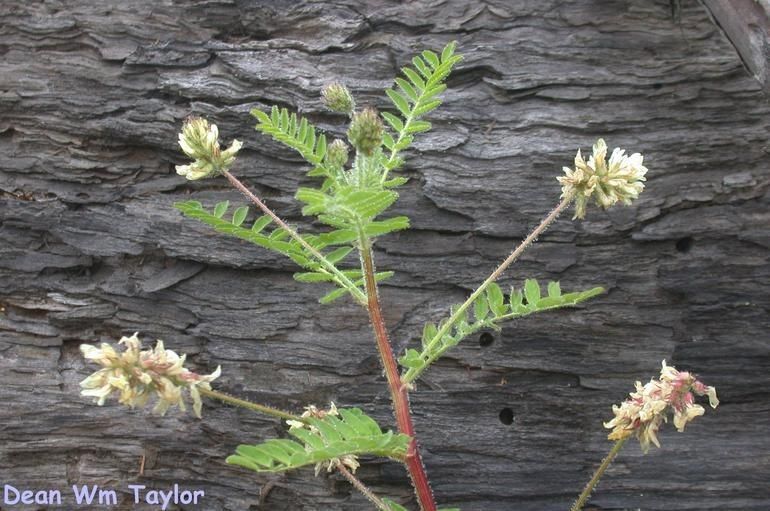
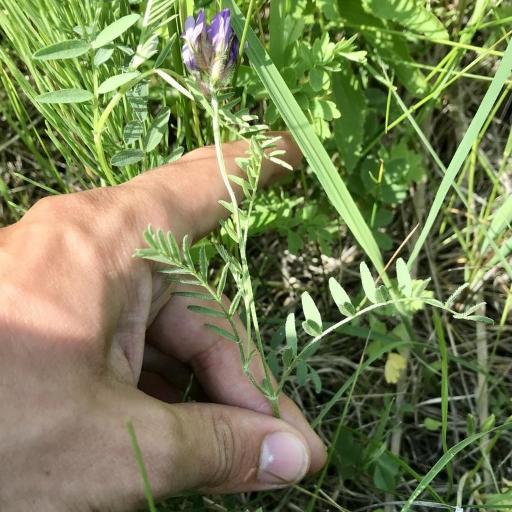
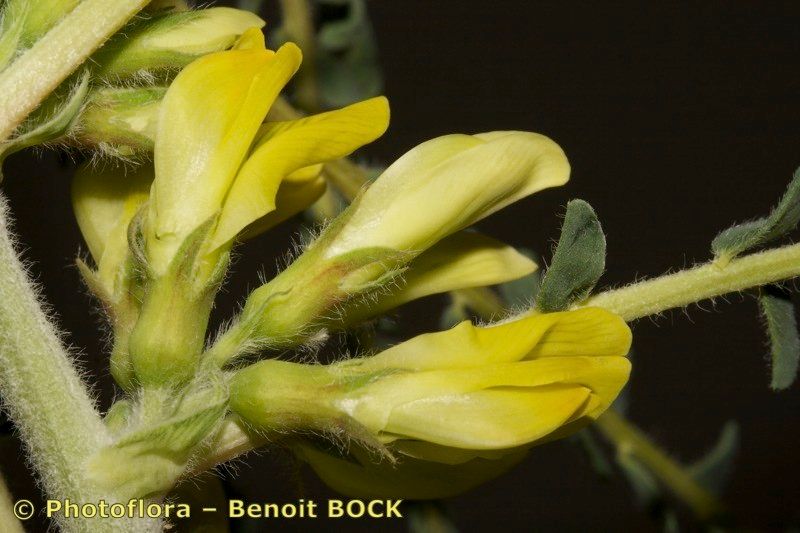
Astragalus sesameus is a species of plant in the family Fabaceae.
Small-flowered milk vetch has strong resistance to disease and is generally not prone to infections. Nevertheless, it can be affected by pests and diseases present in its environment. Such infections are typically mild. Regarding care, the plant requires moderate maintenance. Regular pruning is necessary to preserve an attractive appearance and encourage healthy growth. Applying fertilizer can also help stimulate flowering. Small-flowered milk vetch is suitable for people with outdoor spaces, such as a garden or patio, and does not demand extensive care experience. When grown indoors, it may require more attentive care.
How to keep Astragalus Sesameus.
Light
Small-flowered milk vetch is a sun-loving, perennial herbaceous plant native to open habitats, frequently flourishing in meadows and grasslands. It prefers full sun but can also tolerate partial sun.
Water
Small-flowered milk vetch, native to arid regions, is known for its impressive drought tolerance. It can thrive with just weekly watering, as long as the soil is well-draining to prevent root rot. This plant particularly favors rocky terrains, and it thrives best in conditions that mimic its natural habitat.
Temperature
Small-flowered milk vetch is well adapted to temperature, able to endure higher heat and wide temperature fluctuations. In hot weather, attention should be paid to watering and providing proper shade to avoid sunburn. Conversely, Small-flowered milk vetch is less tolerant of low temperatures. While it can survive some cold, excessively low temperatures may cause frost damage.
Fertilizer
Generally, a single fertilization in spring suffices for Small-flowered milk vetch, but repeated feedings can boost growth. Fertilize roughly every month to month and a half. Feeding improves leaf appearance and function, maintaining even color and a healthy texture. It also promotes root development and nutrient uptake for sustained plant health.
Pruning
Pruning small-flowered milk vetch from early to late spring encourages healthy growth by removing dead stems and shaping the plant. This timing improves air circulation, reduces the risk of disease, and promotes vigorous flowering. Be sure to use sterilized tools and avoid heavy pruning to prevent stressing the plant.
Botanical profile.
- Plant Type
- Herb
- Life Cycle
- Perennial
- Genus
- Astragalus
- Family
- Fabaceae
- Hardiness Zone
- 7-10
- Mature Height
- 10 cm to 30 cm
- Mature Spread
- 15 cm to 25 cm
- Leaf Color
- Green, Dark Green
- Leaf Type
- Deciduous
- Flower Color
- Lavender
- Flower Size
- 0.51 cm to 0.76 cm
- Bloom Time
- Mid spring, Late spring
- Planting Time
- Spring, Summer
- Harvest Time
- Early summer, Mid summer
- Native Area
- Turkey, Tunisia, Italy, Portugal, Spain, Bulgaria, Albania, Algeria, Greece, Croatia, Morocco, France
Other names.
Reader questions.
What are the sunlight requirements for Small-flowered milk vetch (Astragalus sesameus)?
Small-flowered milk vetch (Astragalus sesameus) thrives in various sunlight conditions. It requires full sun, which means it should receive above 6 hours of sunlight daily, to flourish. However, it can also tolerate partial sun, getting about 3-6 hours of sunlight. It's important to observe the movement of sunlight in your garden to find spots that offer a good balance of light and shade, ensuring the plant's health and happiness.