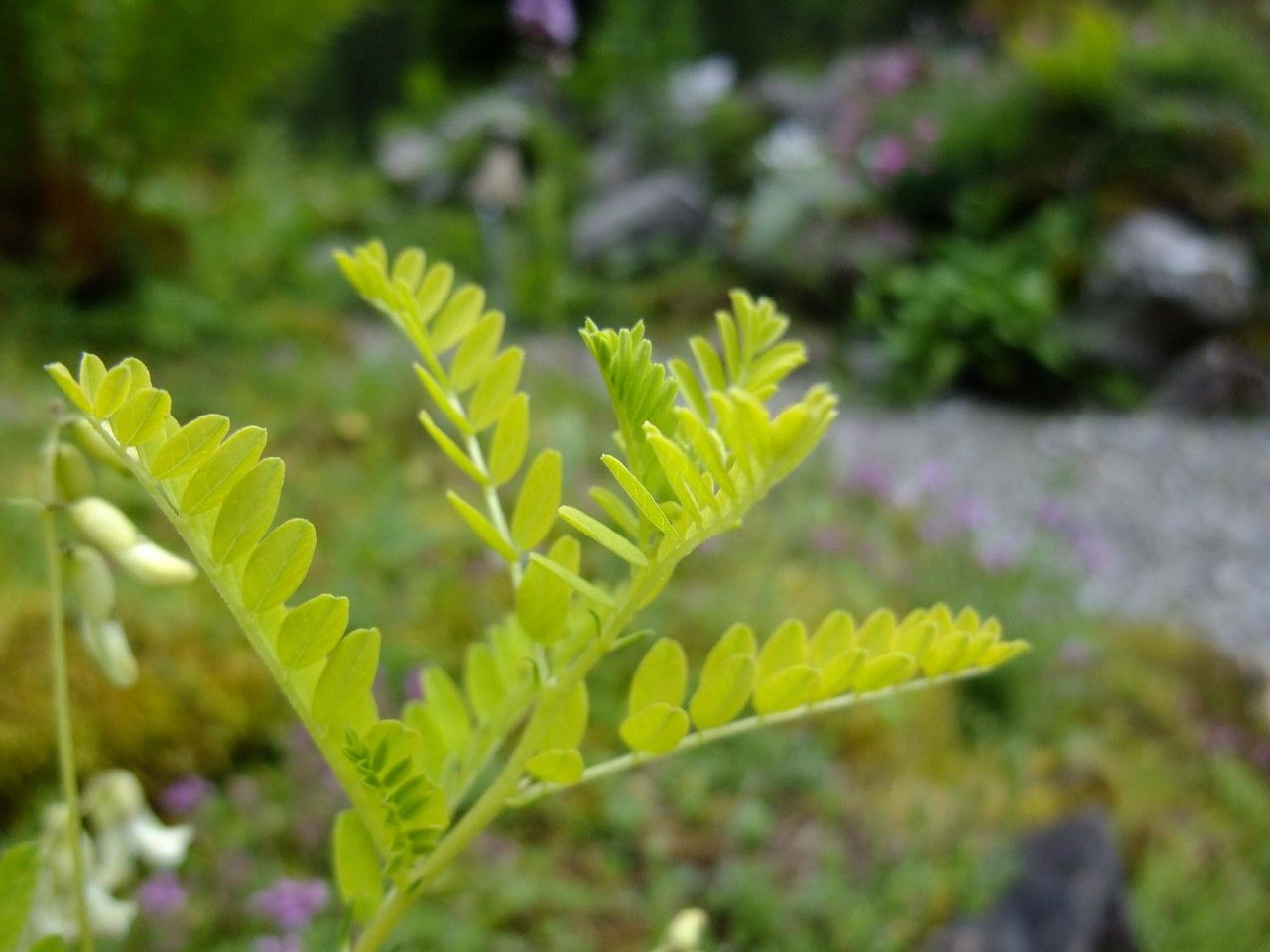
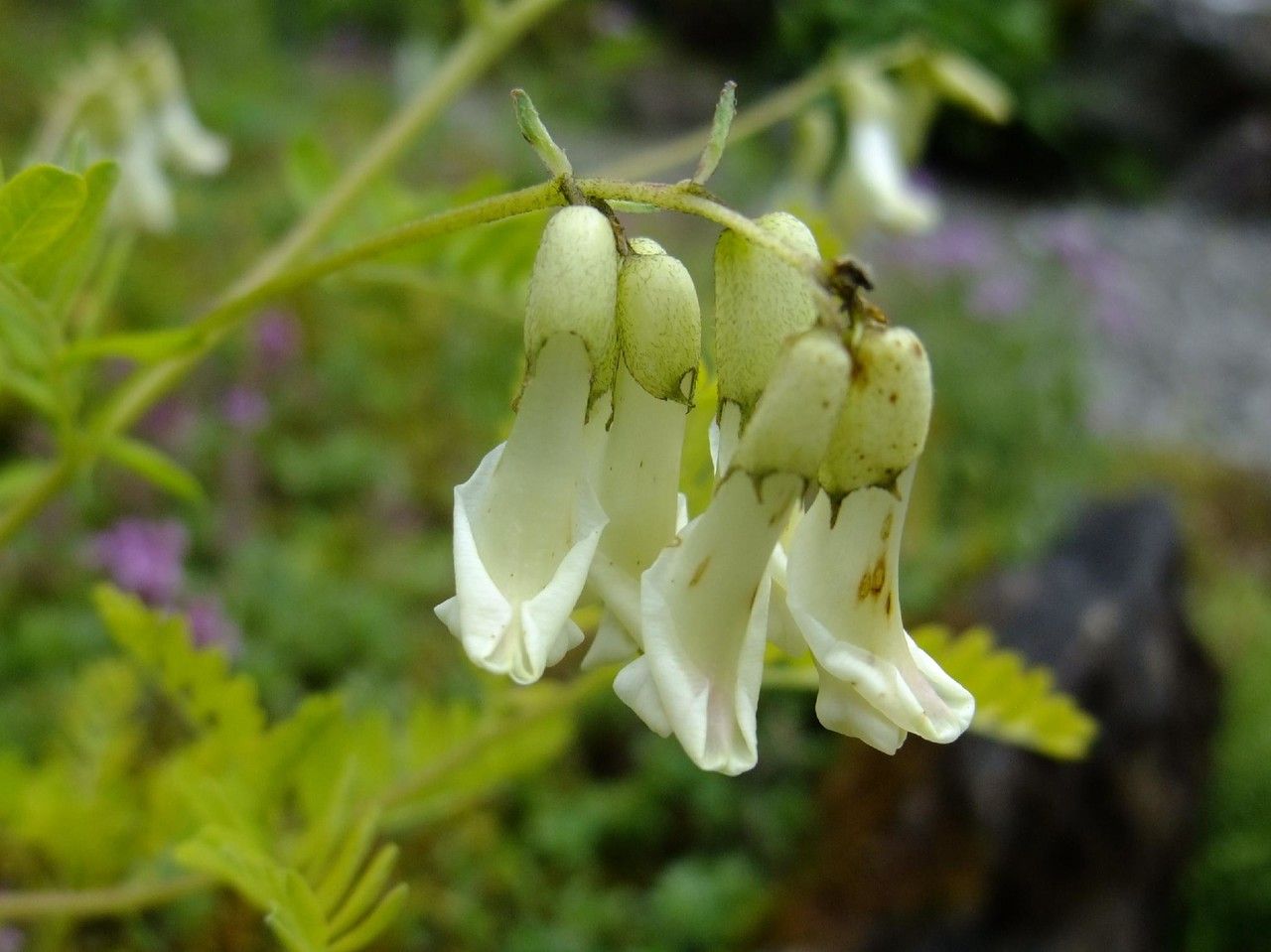
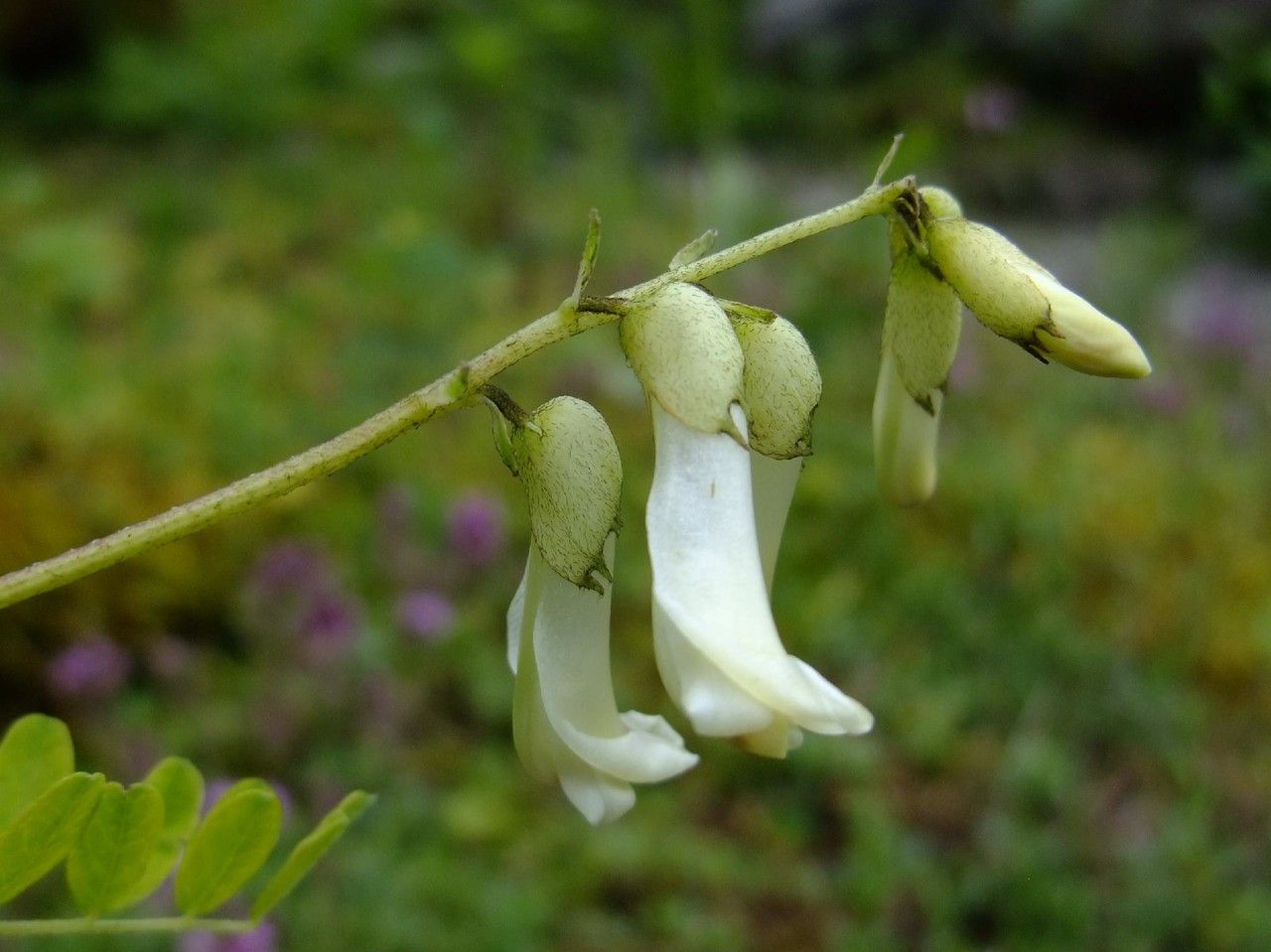
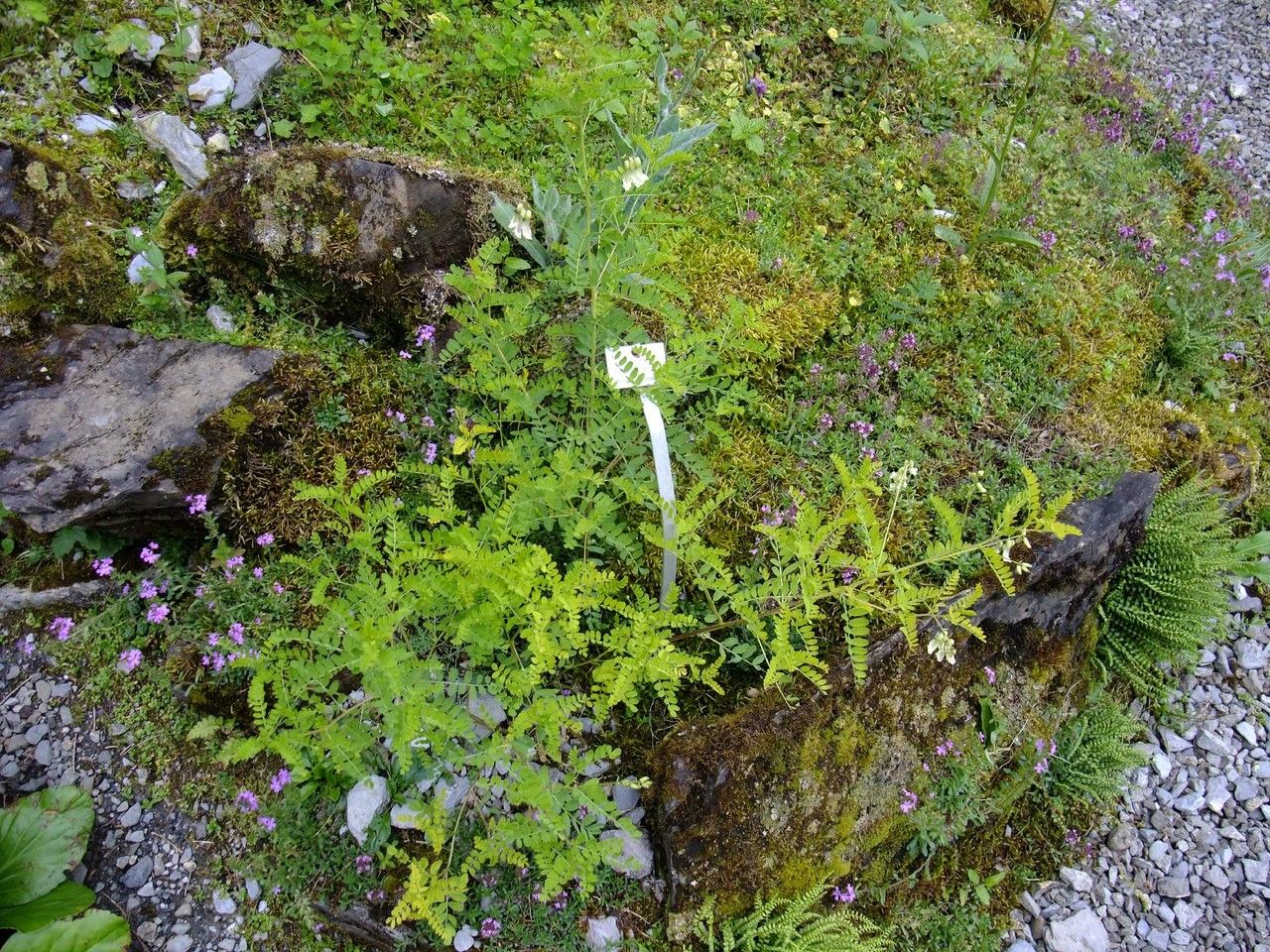
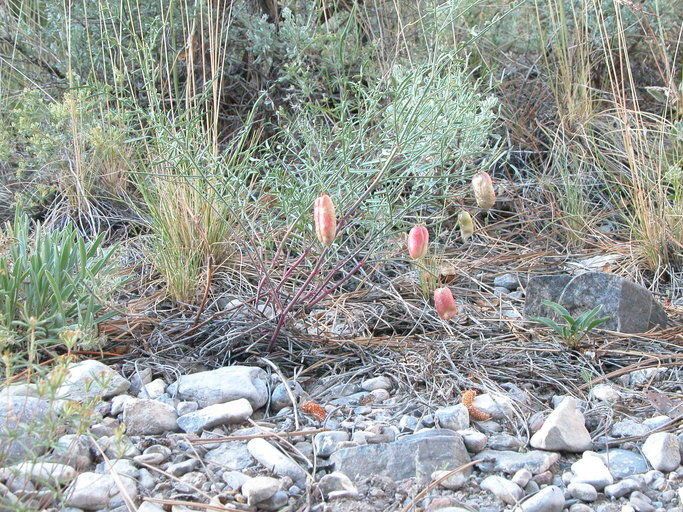
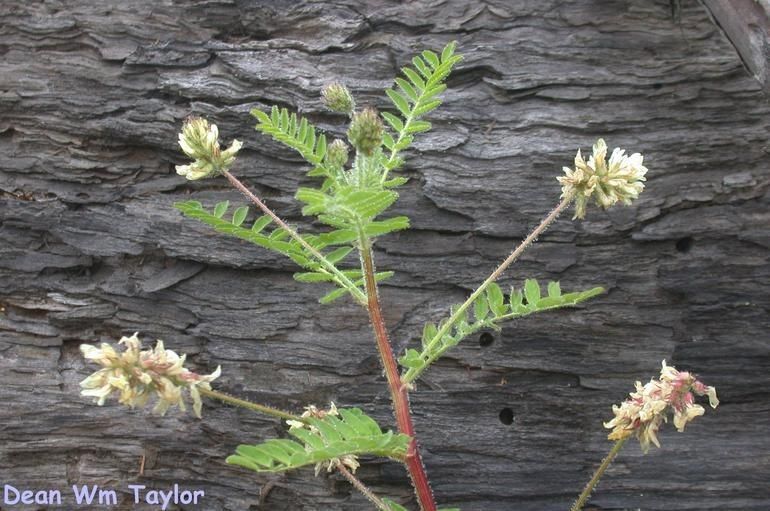
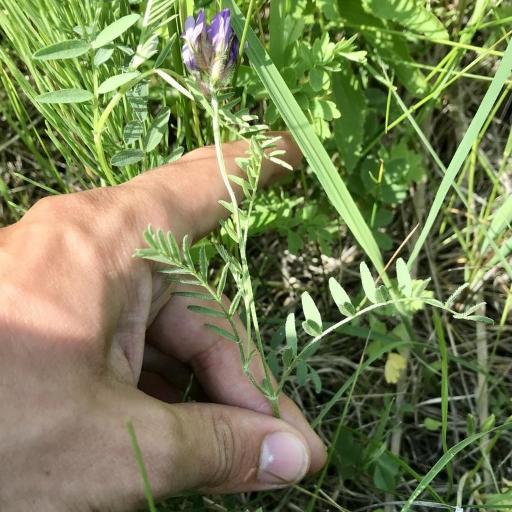
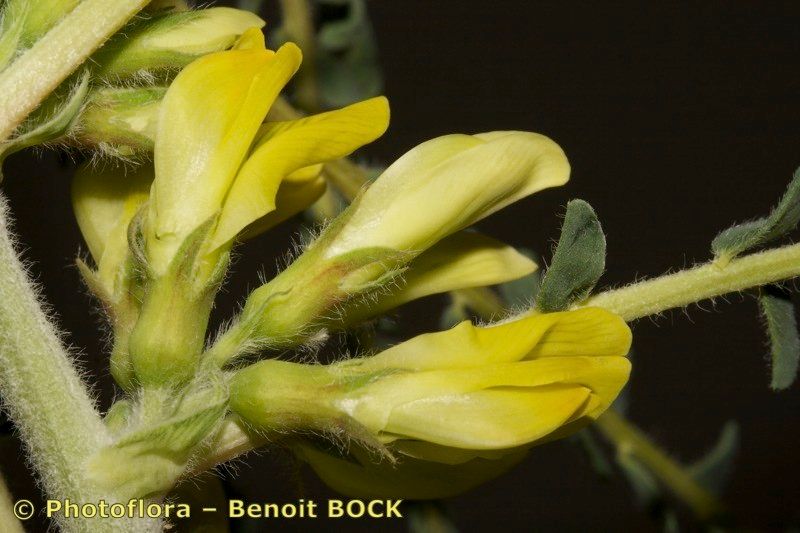
Astragalus mongholicus, commonly known as Mongolian milkvetch in English; 'Хунчир' in Mongolian; huángqí, běiqí or huánghuā huángqí, in Mongolia, is a flowering plant in the family Fabaceae. It is one of the 50 fundamental herbs used in traditional Mongolian medicine. It is a perennial plant and it is not listed as being threatened.
Membranous milk-vetch has strong disease resistance and is generally not prone to illnesses. Nevertheless, it can be affected by pests and diseases found in its environment. Such infections are typically mild. Regarding maintenance, this plant needs a moderate amount of care. Regular pruning is necessary to preserve a neat appearance and encourage healthy growth. Applying fertilizer can also help stimulate flowering. Membranous milk-vetch is well suited to people who have outdoor areas like a garden or patio and does not demand extensive gardening experience. It may need more attention if cultivated indoors.
How to keep Astragalus Mongholicus.
Light
The membranous milk-vetch is a perennial herb that loves sunlight and is native to open environments, typically flourishing in grasslands and meadows. While it prefers full sunlight, it can also survive in conditions with only partial sunlight.
Temperature
The Membranous milk-vetch is capable of adjusting to diverse temperature ranges, however, its spread can still be constrained by various combinations of heat and water conditions. This plant flourishes optimally in summer periods with warm temperatures accompanied by sufficient rain or irrigation. Overextended phases of overcast and wet weather, along with sustained high temperatures, can heighten the chances of the Membranous milk-vetch becoming extinct. Its probability of surviving the winter can be enhanced by appropriate protection against the cold.
Fertilizer
Typically, one application of fertilizer in the spring season is adequate for Membranous milk-vetch, although providing several feedings can optimize development. Dispense nutrient boosters every one month to one and a half months. Fertilization not only betters the appearance and functionality of the leaves by sustaining a consistent color and a wholesome texture. It also spurs the expansion of roots and the absorption of nutrients, contributing to the enduring well-being of the plant.
Pruning
To encourage the healthy growth of membranous milk-vetch, it is beneficial to prune it from early to late spring. Focus on removing any dead or diseased branches to improve air circulation and reduce the risk of fungal problems. Light trimming can promote bushiness and enhance flowering, but avoid heavy pruning because of the plant's slow growth rate. Regular pruning also helps manage the plant's size and contributes to its overall health.
Botanical profile.
- Plant Type
- Herb
- Life Cycle
- Perennial
- Genus
- Astragalus
- Family
- Fabaceae
- Hardiness Zone
- 4-8
- Mature Height
- 49 cm to 91 cm
- Mature Spread
- 0.91 m to 1.22 m
- Leaf Color
- Green
- Leaf Type
- Deciduous
- Flower Color
- Yellow
- Flower Size
- 1.02 cm to 2.03 cm
- Bloom Time
- Early summer, Mid summer
- Planting Time
- Spring, Autumn
- Harvest Time
- Late summer, Early fall
- Native Area
- Russia, Kazakhstan, Mongolia, China
Other names.