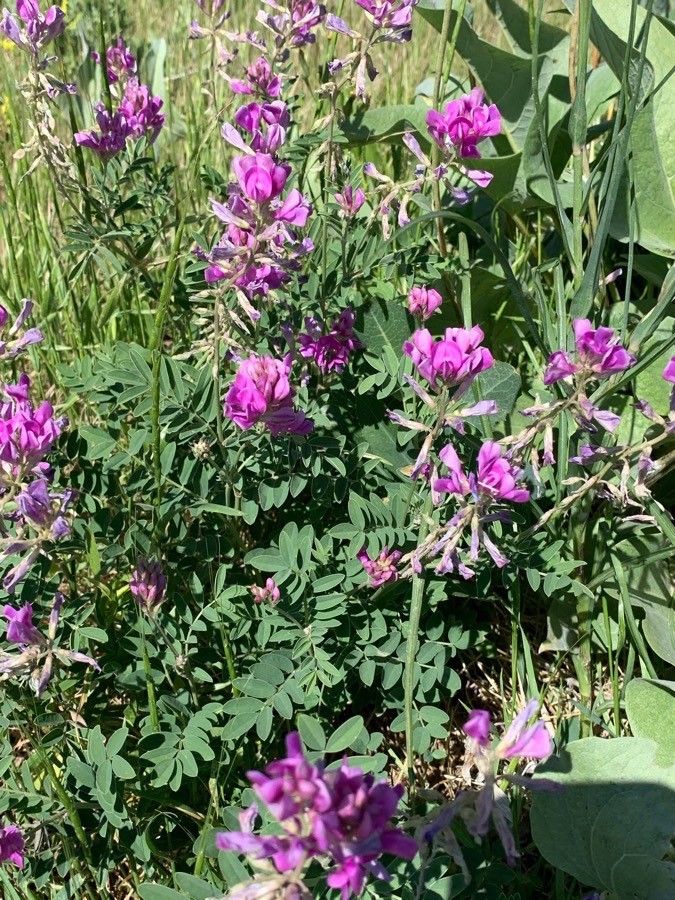
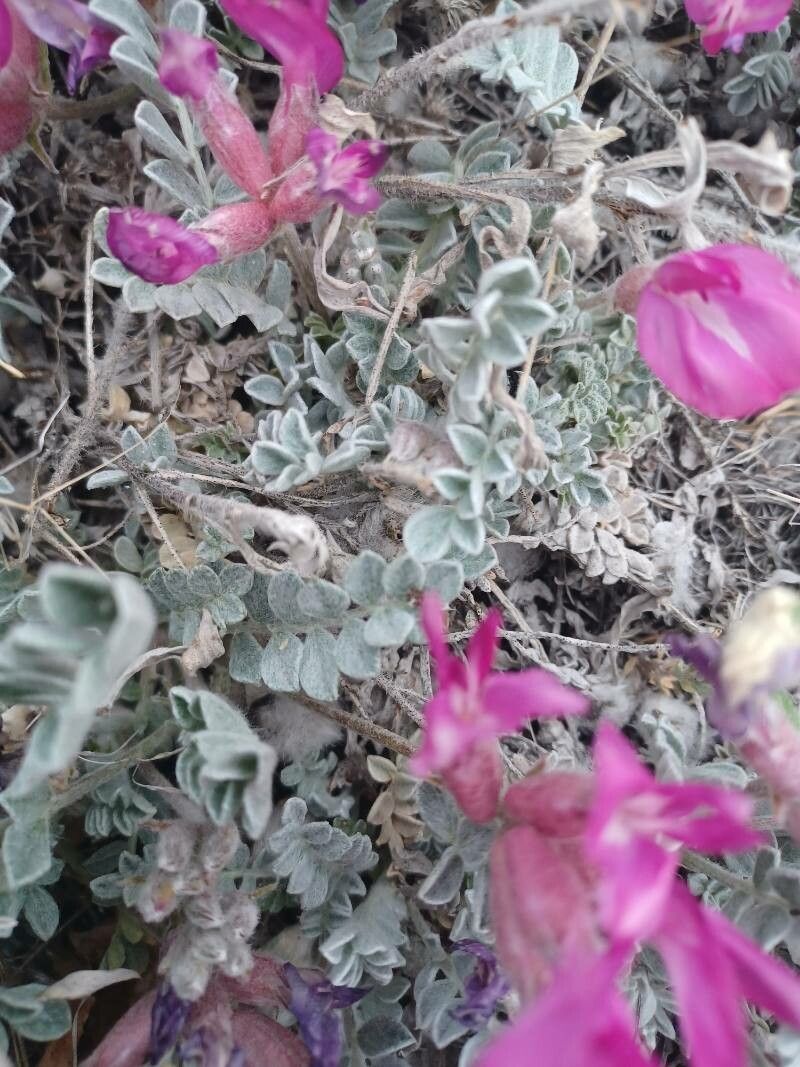
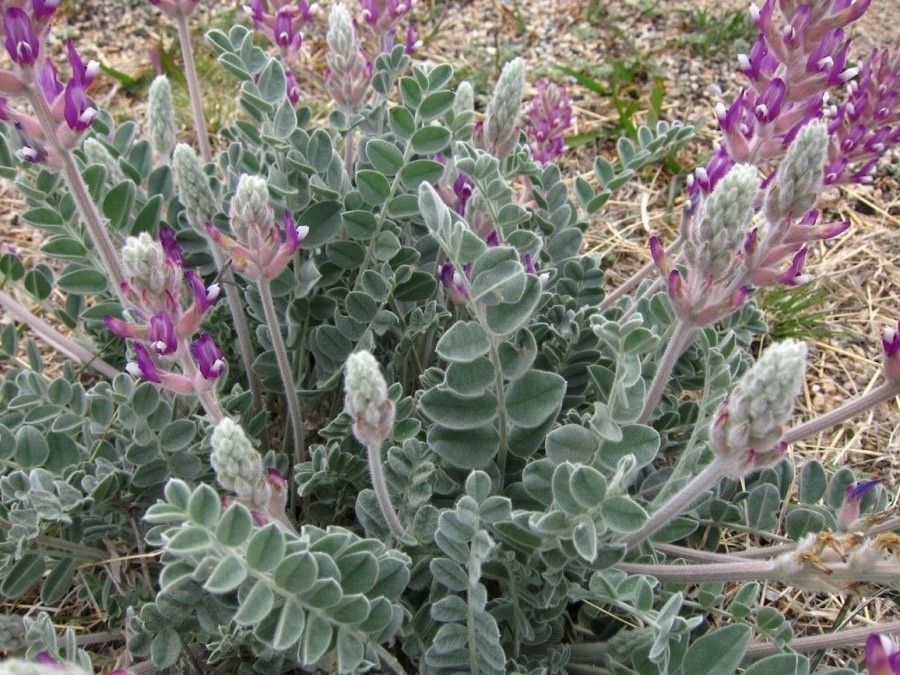
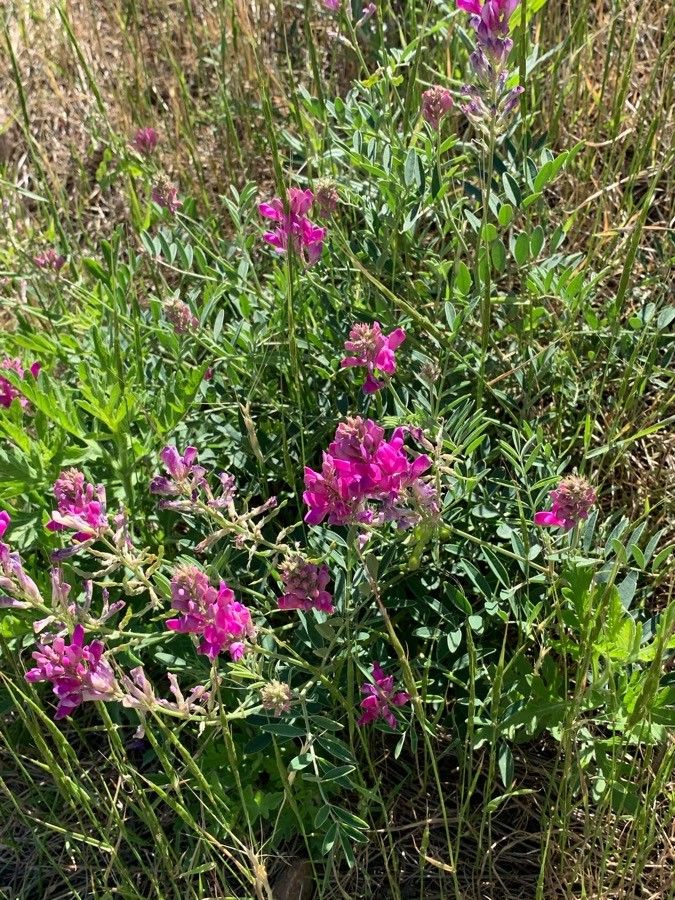
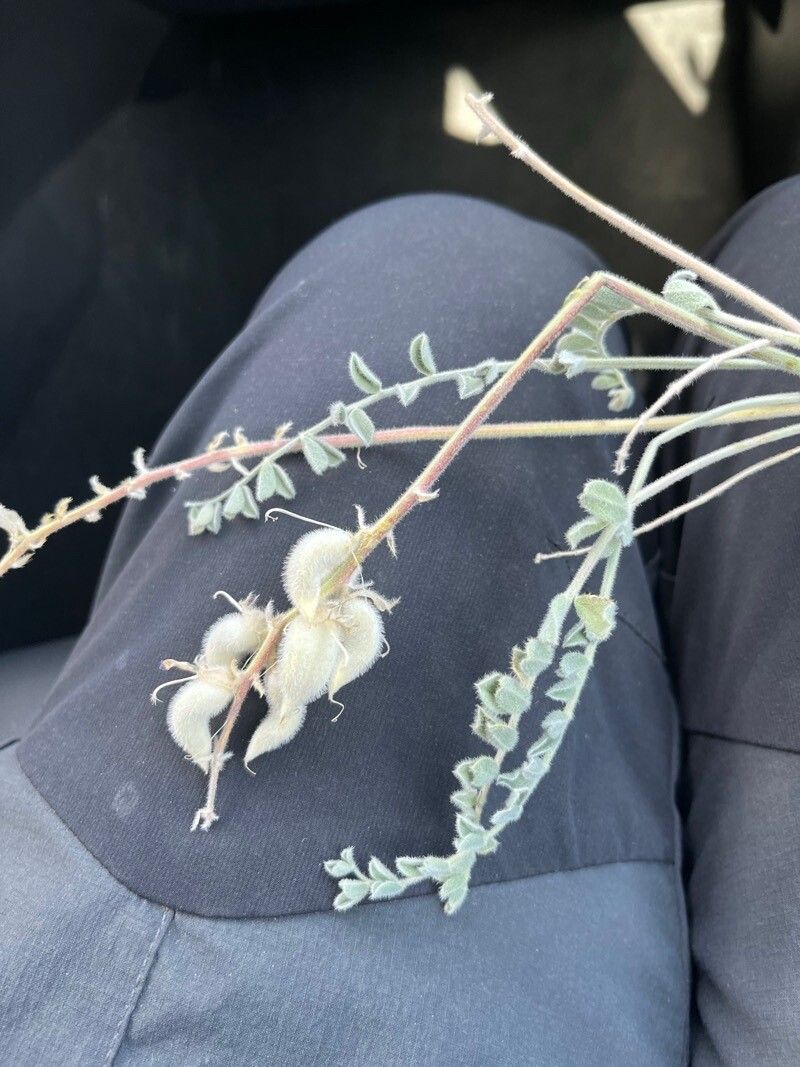
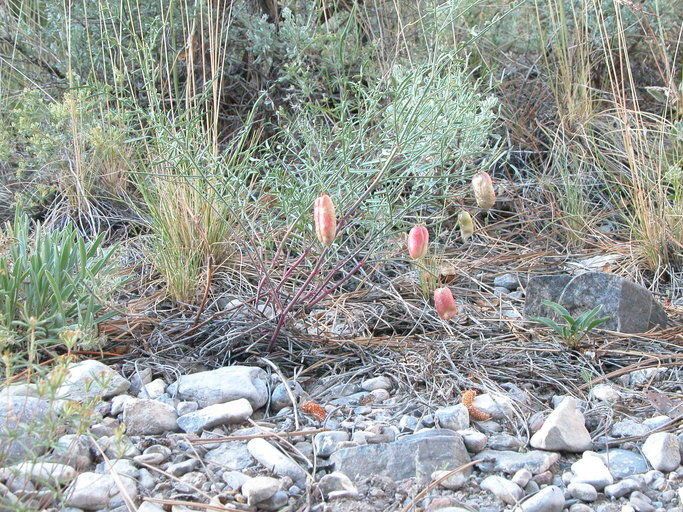
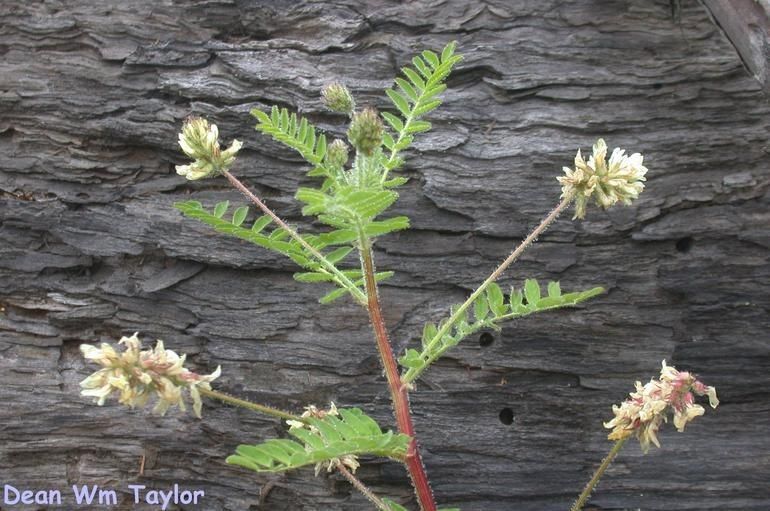
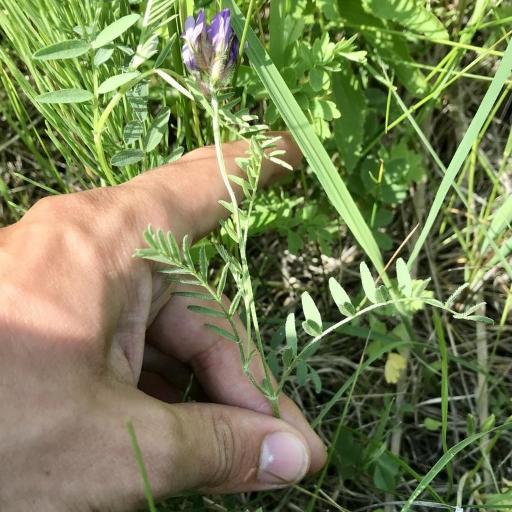
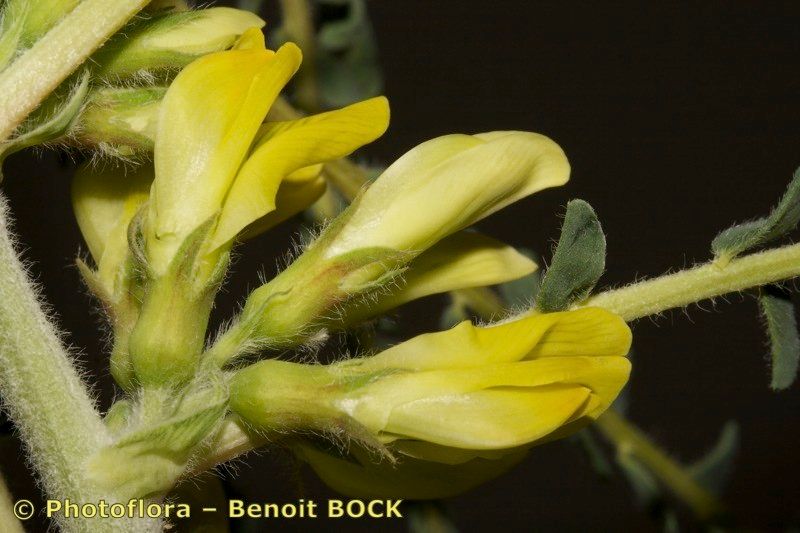
Astragalus mollissimus, commonly known as woolly milkvetch, is a perennial herbaceous plant belonging to the Fabaceae family. It is native to western North America and thrives in diverse habitats such as sagebrush steppe, pinyon-juniper woodlands, and montane meadows. The woolly milkvetch features a woody stem that can grow up to 60 cm tall. Its leaves are compound, with 11 to 21 leaflets covered in fine hairs, giving them a woolly appearance. From May to July, the plant produces small yellow flowers in clusters on long stalks. For centuries, Native American tribes have utilized Astragalus mollissimus for its medicinal properties. The roots were used as a poultice for wounds and burns, while the leaves were brewed into tea to treat colds and coughs. This plant plays a crucial role in its ecosystem by fixing nitrogen in the soil through its roots, which in turn aids the growth of other plants. Additionally, it serves as a food source for various animals, including deer, elk, rabbits, and rodents. Despite its ecological importance and long-standing medicinal uses, Astragalus mollissimus is not commonly cultivated or used commercially today. Nonetheless, it remains a fascinating subject of study among botanists due to its unique characteristics and ecological significance.
Woolly Locoweed is fairly disease-resistant and generally not prone to illnesses. However, it can be affected by pests and diseases present in its environment, and these problems are typically mild. Care requirements are moderate. It should be pruned regularly to maintain a neat appearance and healthy growth, and fertilizing can encourage flowering. Woolly Locoweed is well suited for people with outdoor spaces such as a garden or patio and does not demand extensive care experience. It may need more attention when grown indoors.
How to keep Astragalus Mollissimus.
Light
Woolly Locoweed comes from sunny tropical regions where it prospers in direct sunlight. It prefers full sun but can also tolerate partial sun, adapting well to lightly shaded areas.
Water
Woolly Locoweed is native to arid regions and is highly drought-tolerant, thriving with minimal moisture. To avoid over-saturation, it only needs to be watered once a week. As an outdoor plant, its growth is closely tied to rainfall patterns, making it an excellent choice for xeriscaping.
Temperature
Woolly Locoweed is native to temperate environments and prefers temperatures between 68 and 95 °F (20 to 35 °C). Seasonal adjustments may be necessary to replicate its natural growing conditions, especially in extreme climates.
Fertilizer
Woolly Locoweed needs the most fertilizer during its active growth period, which mainly occurs in spring, summer, and early fall. Fertilization supplies essential nutrients that the soil may lack, encouraging healthy root and stem development as well as the attractive foliage that is a notable characteristic of this plant.
Pruning
Woolly Locoweed, known for its fuzzy texture and vibrant flowers, benefits greatly from proper pruning. To maintain its health and promote vigorous blooming, key pruning techniques include removing damaged stems and thinning out dense areas to improve airflow. It's best to prune from early to late spring to support plant health and prevent disease. Always use clean, sharp tools for the best results.
Botanical profile.
- Plant Type
- Herb
- Life Cycle
- Perennial
- Genus
- Astragalus
- Family
- Fabaceae
- Hardiness Zone
- 10
- Mature Height
- 5 cm to 91 cm
- Mature Spread
- 30 cm to 61 cm
- Leaf Color
- Light Green, Gray
- Leaf Type
- Deciduous
- Flower Color
- Purple, Lavender
- Flower Size
- 1.78 cm to 25.40 cm
- Bloom Time
- Mid spring, Late spring, Early summer
- Planting Time
- Spring
- Harvest Time
- Summer
- Native Area
- Mexico
Other names.
Reader questions.
How should I water my Woolly Locoweed plant?
To properly water the Woolly Locoweed, it is recommended to use filtered water at room temperature. Tap water may contain harmful particles, so it is better to use filtered water. The plant is accustomed to warm environments, so using cold water could be a shock to its system. It is also advised to avoid overhead watering to prevent foliage complications. Instead, slowly apply the filtered room temperature water directly to the soil until it is completely soaked. This method benefits the plant by moisturizing the roots and aiding in the absorption of nutrients as they spread through the soil.
What are the sunlight requirements for Woolly Locoweed?
Woolly Locoweed thrives in environments that receive full sun, which means it requires more than 6 hours of sunlight daily. However, it can also adapt to partial sun conditions, receiving about 3-6 hours of sunlight. Observing the movement of sunlight through your garden to find spots that provide a balance of light and shade can ensure the health and happiness of your plants.
What are the essential growing conditions for Woolly Locoweed?
Woolly Locoweed, known botanically as Astragalus mollissimus, is native to temperate environments and thrives best within a temperature range of 68 to 95 °F (20 to 35 °C). It is extremely heat-loving, and exposure to cold temperatures can be harmful. To simulate its natural growth conditions, especially in extreme climates, certain seasonal adjustments might be necessary. During autumn, it is advisable to bring Woolly Locoweed grown outdoors indoors, placing it near a bright window, yet at a distance from direct heat sources like heaters. Keeping the temperatures above 20°C during winter supports its growth, while exposure to temperatures near or below 5°C can be detrimental.
What should I do if I give my Woolly Locoweed too much or too little water?
Both overwatering and underwatering can harm the health of your Woolly Locoweed, but overwatering is more common. Excess water can cause wilting, yellowing leaves, and even diseases like root rot, mold, and mildew that can kill your plant. Woolly Locoweeds are relatively tolerant to drought, so underwatering is less likely. However, it can still happen, resulting in brittle, brown leaves. It's important to detect signs of overwatering early to prevent irreparable damage. Reduce watering immediately if you notice symptoms and ensure the soil drains well. If underwatering is the issue, simply water more regularly until the signs disappear.
Can Woolly Locoweed be grown indoors and do they need artificial lighting?
Yes, Woolly Locoweed can be cultivated indoors, particularly during winter when it is sensitive to the cold. In indoor settings, especially in less sunny spaces or during winter, artificial lighting becomes crucial for optimal growth. LED lights are recommended because they can be customized to provide the specific wavelengths of light needed. Full sun plants need 30-50W/sq ft of artificial light, partial sun plants need 20-30W/sq ft, and the light source should be placed 12-36 inches above the plant for 8-12 hours per day to mimic natural daylight.
How does Woolly Locoweed react to low temperatures?
Woolly Locoweed prefers warm conditions and lacks tolerance for low temperatures, thriving best when the mercury stays above 20°C. It's crucial to maintain temperatures above 5°C during winter to prevent damage. Falling below 1°C, the leaves may lighten in color, which after frostbite, turns to brown or black. These changes come alongside symptoms such as wilting and drooping. The remedy involves trimming the frostbitten parts and moving the plant to a warmer indoor setting for protection. Ideally, place it near a south-facing window to ensure it receives sufficient sunlight while avoiding the placement near heaters or air conditioning vents to prevent air dryness.
How often do I need to water my Woolly Locoweed?
If your Woolly Locoweed is in a pot, the most precise way to determine if it needs water is by checking the moisture level of the soil. Simply stick your finger into the soil; if the top two to three inches feel dry, then it's time to water it. If you have your Woolly Locoweed planted outdoors in the ground, you can use a similar method to test the soil. Once again, when you find that the top few inches have dried out, it's time to water. Usually, during spring and early fall, following this method will typically result in watering the plant once a week. However, when the weather becomes extremely hot, you may need to increase watering frequency to about twice a week or more. However, it's worth noting that mature and well-established Woolly Locoweed plants have remarkable resilience to drought and can endure long periods without water.
What are the symptoms of light deficiency in Woolly Locoweed?
When Woolly Locoweed doesn't receive adequate light, several symptoms can emerge, including smaller new leaves, leggy or sparse growth, faster leaf drop, slowed or halted growth, and pale or irregularly colored new leaves. Conditions such as chlorosis, sunscald, leaf curling, wilting, and leaf scorching may also appear, indicating excessive sunlight exposure or severe light deficiency.
What should be done if Woolly Locoweed experiences high temperatures?
During the summer, it's pivotal to keep Woolly Locoweed's temperatures below 35°C. Exceeding 41°C can cause the leaves to lighten in color, making the plant more prone to sunburn. To mitigate damage, trim away the sunburned and dried-up parts, and relocate the plant to a shaded area to protect it from the harsh midday and afternoon sun. It's also beneficial to water the plant in the morning and evening to maintain soil moisture, hence helping it cope with high temperatures.
How much water does my Woolly Locoweed plant need?
Here are some tips for watering your Woolly Locoweed effectively: - Don't hesitate to give your plant a good amount of water. When the top two to three inches of soil are dry, it's time to water thoroughly. - Make sure to water enough to fully saturate the soil. You should aim for the water to flow through the drainage holes at the bottom of the pot. - If you don't see any excess water draining out, it's likely that you haven't watered enough. Be careful not to let water accumulate inside the soil, as this can harm the plant. - On the other hand, if water is not draining through the pot, it may indicate that the soil doesn't have good drainage. It's important to avoid poorly draining soils, as they can negatively affect the health of the plant. - If your plant is kept outdoors, approximately 1 inch of rain per week should be sufficient.
What solutions can help Woolly Locoweed with insufficient or excessive sunlight?
To manage light conditions for Woolly Locoweed, indoor plants can be gradually moved to sunnier locations to receive at least 6 hours of direct sunlight daily or use artificial lighting like grow lights for 8 hours daily. Outdoor plants should be moved gradually to avoid sunburn. Meanwhile, minimizing obstructions like pruning obstructive branches or transplanting to sunnier locations with good drainage can help plants receive ample sunlight. It's essential to avoid sudden changes in light intensity to prevent damage.
How do I water my Woolly Locoweed when it is growing at different stages?
The water needs of the Woolly Locoweed depend on its growth stages. In the first few years or after transplanting, you should provide more water. During these stages, the plant focuses on developing new roots for future growth, which require extra moisture. As the plant matures, it will require less water. Additionally, during the bloom period, the flower development utilizes more moisture, so you may need to increase watering at this time.