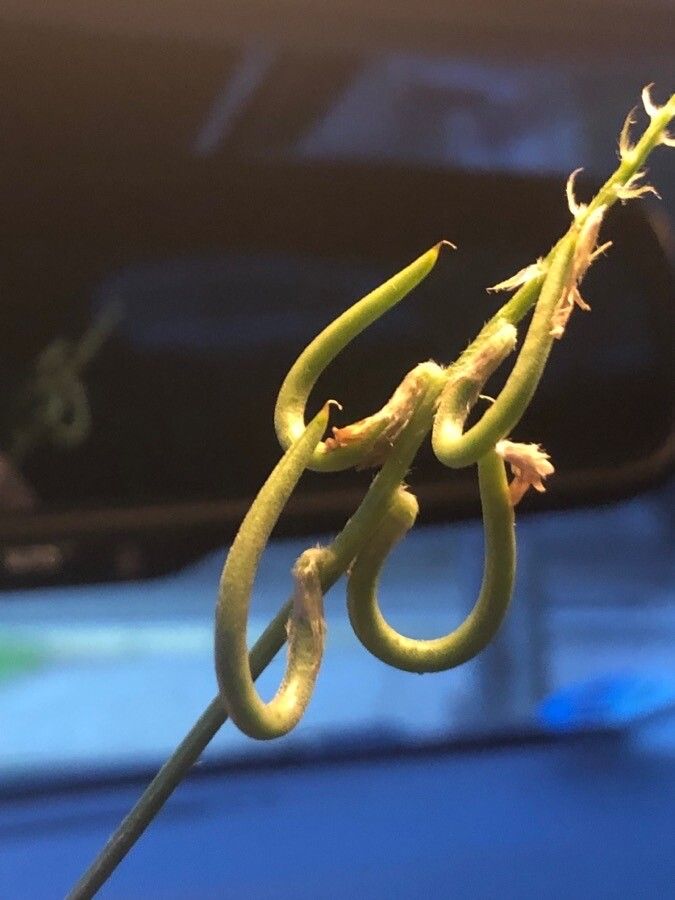
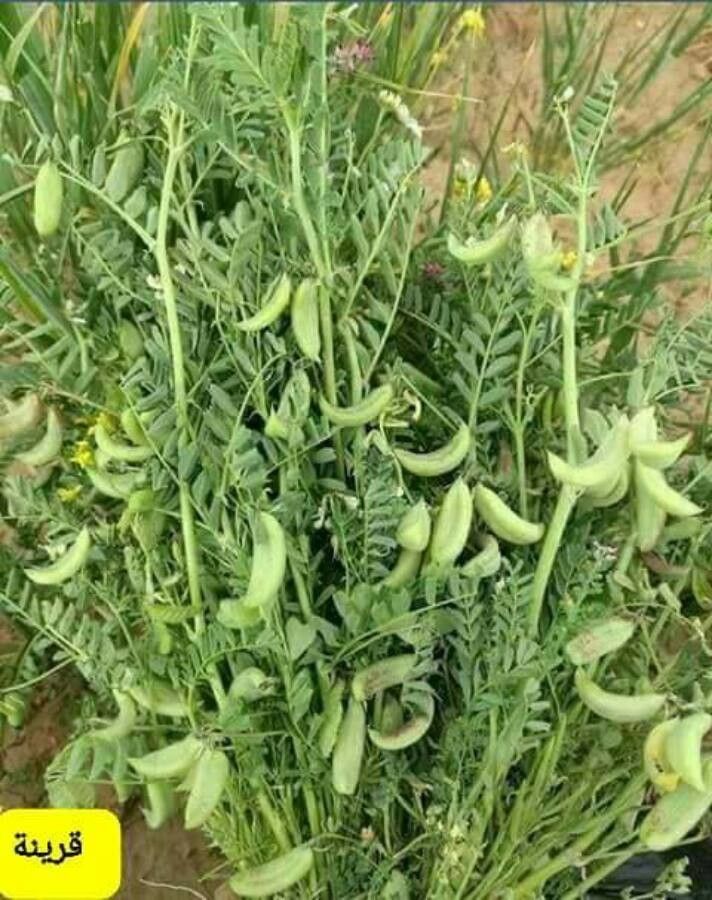
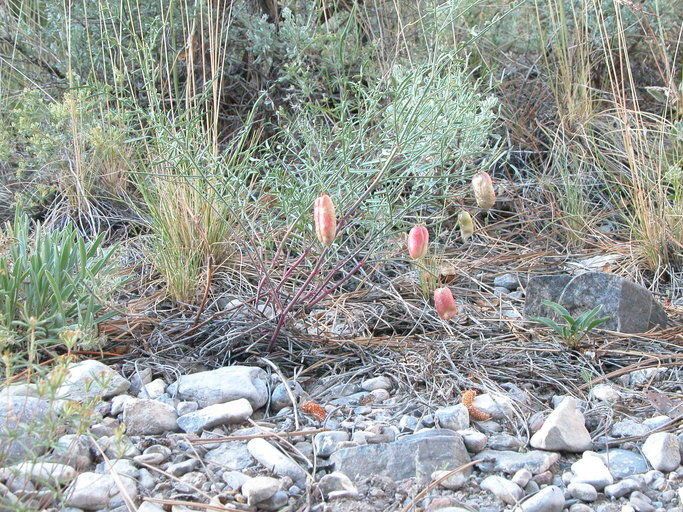
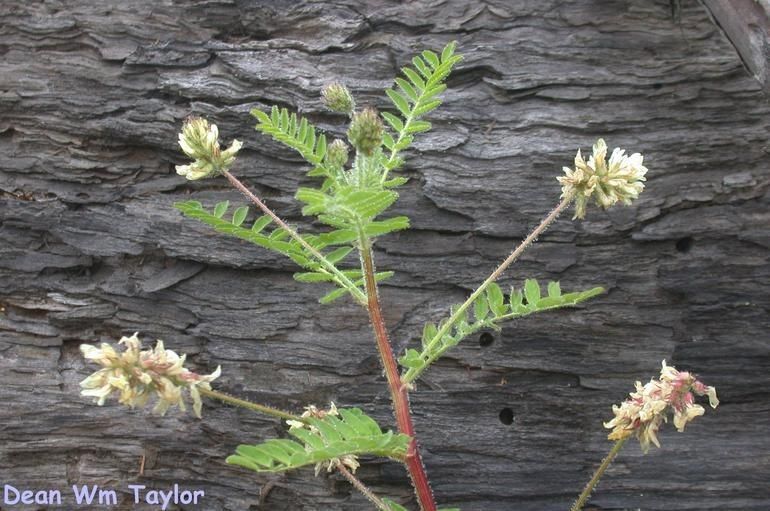
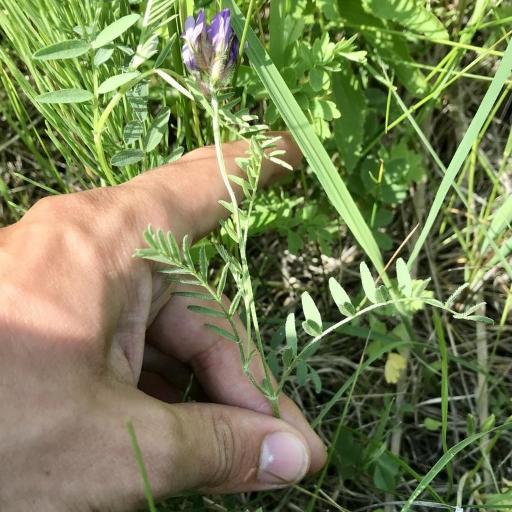
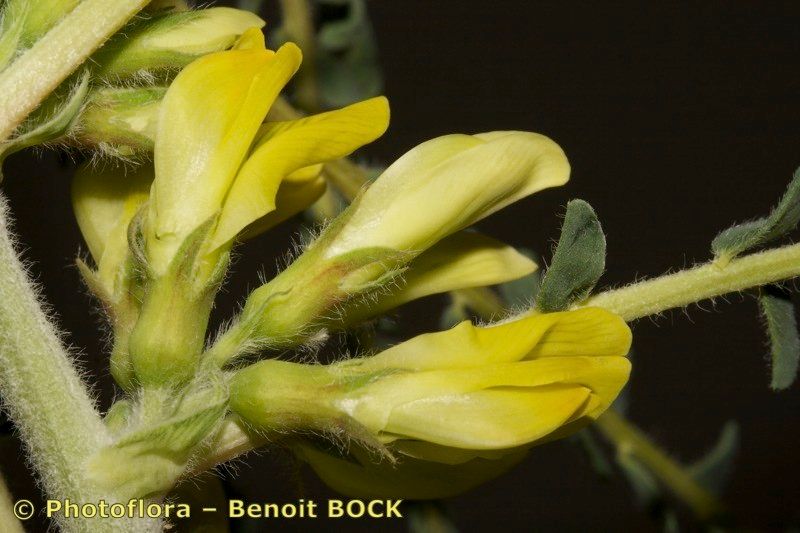
Astragalus hamosus, commonly known as the woolly milkvetch, is a perennial herbaceous plant that belongs to the family Fabaceae. Native to Europe and Asia, this plant thrives in dry grasslands, rocky slopes, and open woodlands. It can grow up to 60 cm in height and features a woody stem that branches into multiple stems.
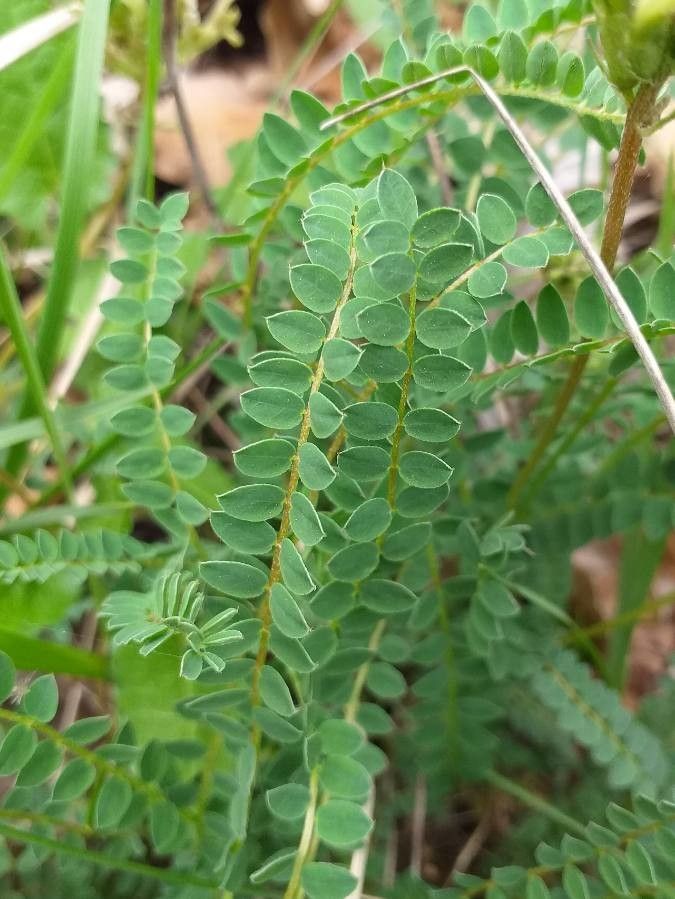
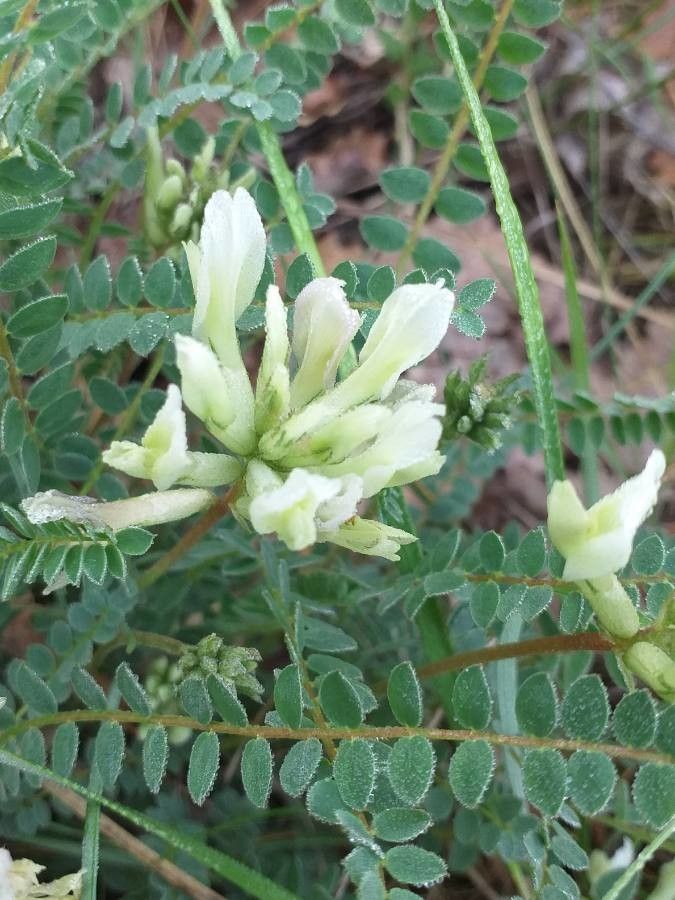
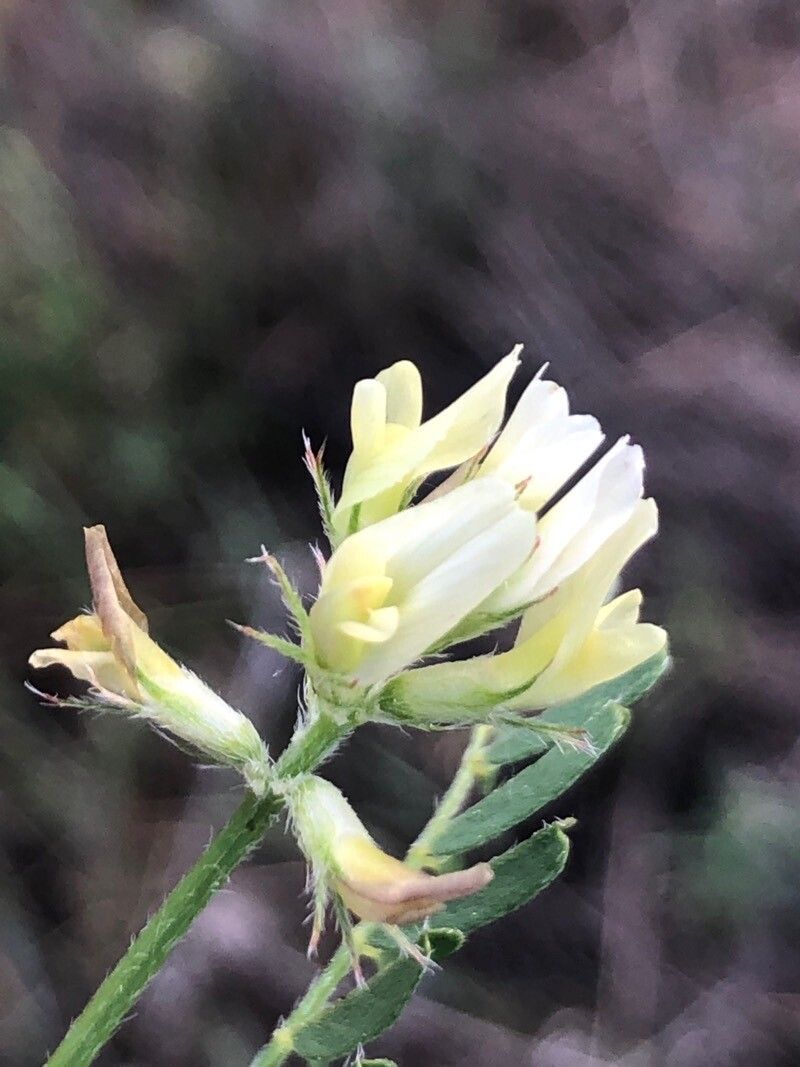
The leaves of Astragalus hamosus are pinnately compound, consisting of 7-15 oval-shaped leaflets covered in fine hairs. The plant produces small flowers that are typically white or pinkish-purple with a distinctive pea-like shape, blooming from May to August.
Astragalus hamosus has been used for medicinal purposes for centuries, particularly for its anti-inflammatory properties. It has been employed as an herbal remedy for respiratory infections, including bronchitis, asthma, coughs, and colds, as well as for digestive issues such as diarrhea.
Ecologically, the woolly milkvetch plays a significant role by fixing nitrogen into the soil through its roots, thereby improving soil fertility. Additionally, it provides food for pollinators such as bees, which in turn help pollinate other nearby plants.
Overall, Astragalus hamosus is an important perennial plant both ecologically and medicinally. Its unique properties make it a valuable addition to gardens and natural landscapes, serving both aesthetic and functional purposes.
European milkvetch is fairly resistant to disease and is usually not highly vulnerable. Nonetheless, it can be affected by pests and illnesses present in its environment. These problems are typically not serious. Regarding upkeep, the plant needs moderate maintenance. It should be pruned on a regular basis to keep a tidy appearance and encourage healthy growth. Fertilizing can also aid in promoting blooms. European milkvetch is well suited to anyone with outdoor space, such as a garden or patio, and does not demand extensive plant-care experience. It may need extra attention if grown indoors.
How to keep Astragalus Hamosus.
Light
European milkvetch is native to bright, open habitats where it prospers in full sun. It can tolerate partial sun but prefers direct sunlight for the best growth. This plant, which may be annual or biennial, is known for its sun-loving habit.
Water
European milkvetch thrives in well-drained soils with moderate moisture, making it perfect for outdoor cultivation. To maintain its health, it's essential to water it weekly. This regular watering prevents waterlogging and supports the flowering phase, which requires consistent hydration for optimal blooms. Adapted to temperate climates, European milkvetch grows best in its native environment.
Temperature
European milkvetch originates from temperate regions and does best in a comfortable temperature range of 68 to 95°F (20 to 35℃). To encourage healthy growth, adjust ambient temperatures with the seasons, lowering warmth in winter.
Fertilizer
European milkvetch benefits from regular, light applications of fertilizer to encourage healthy leaf development. Apply fertilizer to European milkvetch roughly once a month throughout the summer. Nitrogen is essential for foliage, and providing nitrogen-rich sources helps European milkvetch thrive.
Pruning
To encourage growth and improve air circulation, European milkvetch benefits from regular pruning. Begin by pruning in early spring to remove any dead stems. Later in the season, trim the plant again to shape it. This practice stimulates bushier growth, supporting the plant's natural cycle for better health and development.
Botanical profile.
- Plant Type
- Herb
- Life Cycle
- Annual
- Genus
- Astragalus
- Family
- Fabaceae
- Hardiness Zone
- 4-8
- Mature Height
- 5 cm to 76 cm
- Mature Spread
- 49 cm
- Leaf Color
- Green, Light Green
- Leaf Type
- Semi-evergreen
- Flower Color
- Yellow, Cream
- Flower Size
- 11.43 cm
- Bloom Time
- Mid spring, Late spring, Early summer
- Planting Time
- Spring, Summer, Autumn
- Harvest Time
- Summer
- Native Area
- Libya, Egypt, Turkey, United Arab Emirates, Pakistan, Croatia, Slovenia, Morocco, Russia, Iraq, Romania, Qatar, France, Portugal, Saudi Arabia, Tunisia, Cyprus, Bulgaria, Armenia, Greece, Serbia, Lebanon, Syria, Italy, Spain, Iran, Albania, Azerbaijan, Algeria, Kuwait, Turkmenistan
Other names.
Reader questions.
How should I water my European milkvetch for best results?
To water European milkvetch, there are multiple options available. You can use a garden hose with a spray nozzle, a watering can, or any other common watering tool. This plant is not very particular about the type of water it receives, as it can thrive with rainwater, tap water, or filtered water. However, it is best to avoid watering it from above as this can harm the leaves and flowers and possibly lead to disease. One effective method for watering European milkvetch is setting up a drip irrigation system, which evenly supplies water directly to the soil. If you have a container-grown European milkvetch, the same watering approach applies, but you can use a cup, watering can, or tap to apply water directly to the soil.
What are the essential growth conditions for European milkvetch?
European milkvetch, or Astragalus hamosus, thrives in temperate regions, preferring a temperature range between 68 to 95°F (20 to 35°C) for optimal growth. It adapts well to seasonal changes, requiring cooler conditions in winter without needing special frost protection except in extreme cold below -30°C. In such cases, protecting the plant with soil or straw coverings is advisable. Before the onset of winter's first freeze, it is beneficial to water the plant abundantly to keep the soil moist, which helps prevent drought and water scarcity during the colder months.
What do I do if I give my European milkvetch too much water or too little water?
To successfully care for European milkvetch, it's important to address both underwatering and overwatering. If you notice that your plant is lacking moisture, simply water it more regularly. However, overwatering can be a more serious issue, as it can lead to diseases and ultimately the death of the plant. To prevent this, choose a growing location that receives ample sunlight to dry the soil and has good drainage to prevent water from pooling. If your European milkvetch is in a pot and you've overwatered it, consider changing to a new pot with better drainage and loose soil.
How does low temperature affect European milkvetch and what are the solutions?
European milkvetch is quite cold-tolerant and performs best when temperatures stay above 20°C. However, it can survive winter temperatures above 0°C. If temperatures plunge below -30°C, the plant might not show immediate distress, but its ability to sprout in spring could be diminished or completely inhibited. The solution for such an issue is to wait until spring and then remove any parts of the plant that have failed to sprout, allowing for the growth of new, healthy parts.
How often do I need to water my European milkvetch?
European milkvetch requires regular watering throughout the growing season. In the spring, it should be watered once a week, and as the season progresses and temperatures rise, the watering rate may need to increase to two to three times per week. However, over-watering can be harmful to the plant. It is important to keep the soil moist but not waterlogged, regardless of the watering frequency. Watering European milkvetch in a pot is slightly different. Potted plants tend to dry out faster, so they will generally need to be watered more frequently. In most cases, container-grown European milkvetch should be watered a few times per week, compared to once a week for plants in the ground.
What should be done when European milkvetch experiences high temperature?
During the summer, it's crucial to ensure that the temperature around European milkvetch doesn't exceed 35°C. Temperatures above 38°C can lead to symptoms such as leaves turning lighter, curling, becoming prone to sunburn, and in severe cases, the plant might wilt and dry out completely. To mitigate these issues, it is recommended to trim away the sunburned and dried parts, move the plant to a shadier location or use a shade cloth for protection during the sun's peak hours. Additionally, watering the plant in the morning and evening can help keep the soil appropriately moist.
How much water does my European milkvetch plant need?
There are a few ways to decide how much water to give your European milkvetch. Some gardeners go by how moist the soil feels, aiming to water until the top six inches are damp. Another approach is using a set amount of water, like two gallons per week, considering factors like heat and dry soil. However, if your plant needs less water, strict guidelines can cause overwatering. When growing in a container, you'll need a different method. Moistening all dry soil layers is recommended. You can check this by feeling the soil with your finger or watering until you see excess water coming out of the pot's drainage holes.
How can I know if I'm giving enough water to my European milkvetch?
Avoiding overwatering your European milkvetch can be challenging due to a few factors. Firstly, their deep roots necessitate weekly watering to keep the soil moist. However, these plants are highly prone to root rot, which can cause browning. While it is less likely to underwater your European milkvetch as they can survive for some time without supplemental watering, prolonged periods without water can result in wilting and dry leaves.
How do I water my European milkvetch all year round?
As the seasons progress, the water needs of your European milkvetch will increase. During spring, watering once per week should be sufficient. However, as the summer heat arrives, you will likely need to increase watering to about three times per week, especially if your European milkvetch is growing in containers. Containers tend to dry out faster than ground soil in warm weather. In autumn, when your European milkvetch is still blooming, it may require slightly less water as the temperature cools down and the sun is not as intense as in summer.
How should I water my European milkvetch as it grows?
Throughout the year, European milkvetch goes through various growth stages, some of which require different amounts of water. To start, when you sow the seeds, you should provide more water than the mature plants will need later on. It's important to water regularly to maintain consistent soil moisture while the seeds germinate. After a few weeks, the milkvetch will emerge from the soil and require slightly less water than during the seedling phase. Once the plant is fully mature, you can decrease watering to once per week. However, during flower development, it may be necessary to provide a bit more water to support the process.
How does watering European milkvetch inside compare to watering it outside?
Most European milkvetch prefer to grow outdoors rather than indoors for a few reasons. Firstly, these plants tend to grow quite tall, which makes them more suitable for outdoor environments. Secondly, European milkvetch requires more sunlight than most indoor locations can provide on a daily basis. If you can create a suitable indoor growing environment, you may need to water your European milkvetch more often compared to outdoor growing. This is because indoor environments tend to be drier due to HVAC units, and soil in containers can dry out quickly compared to soil in the ground.