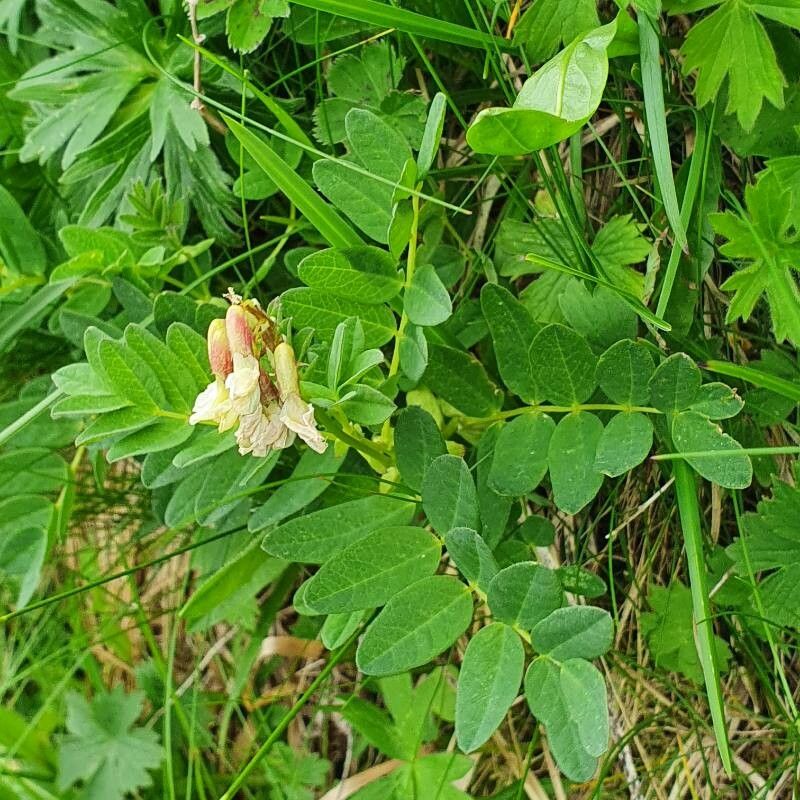
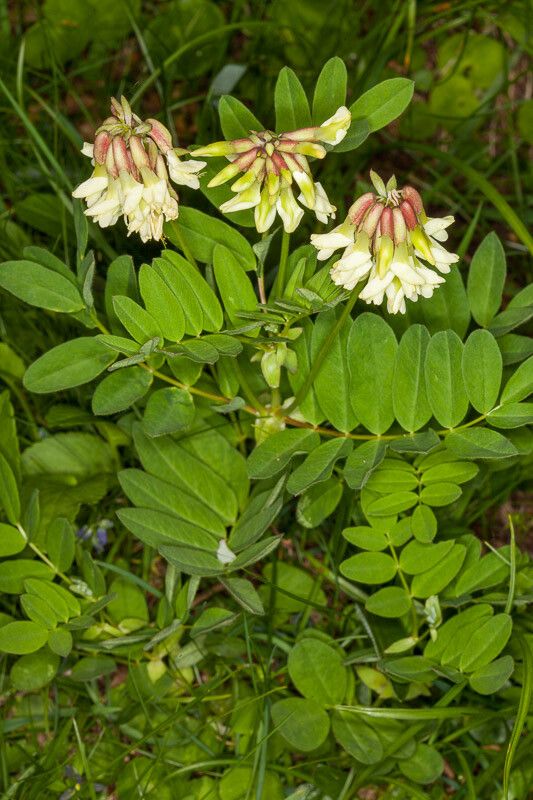
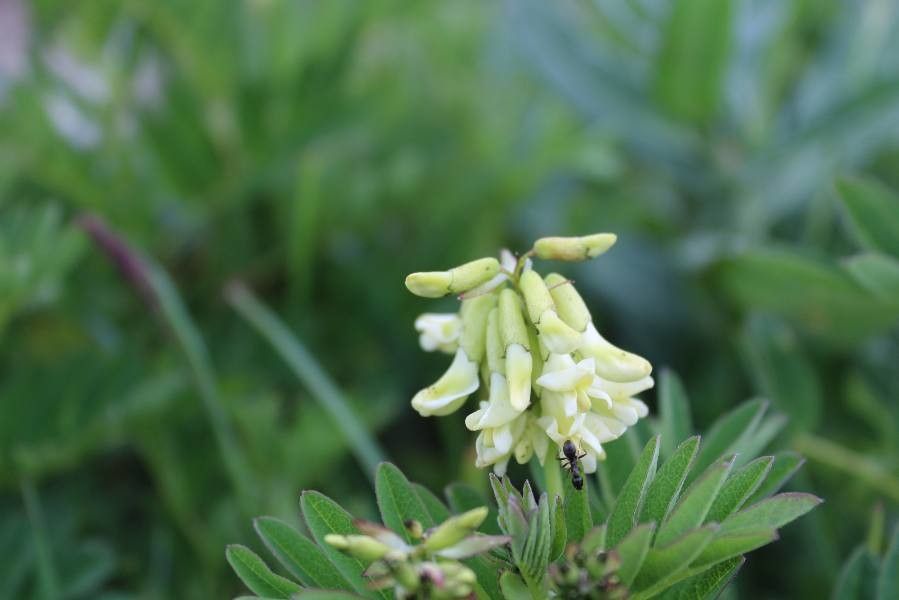
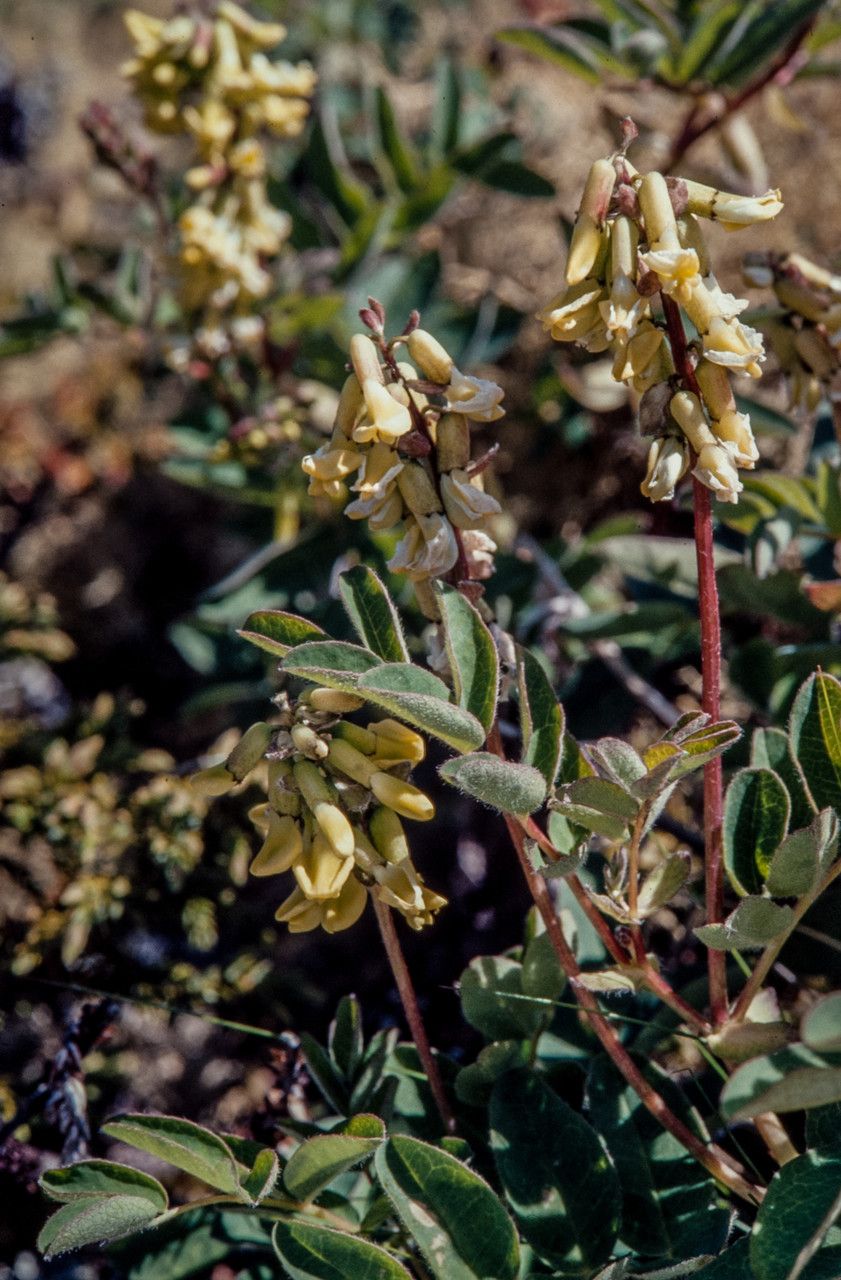
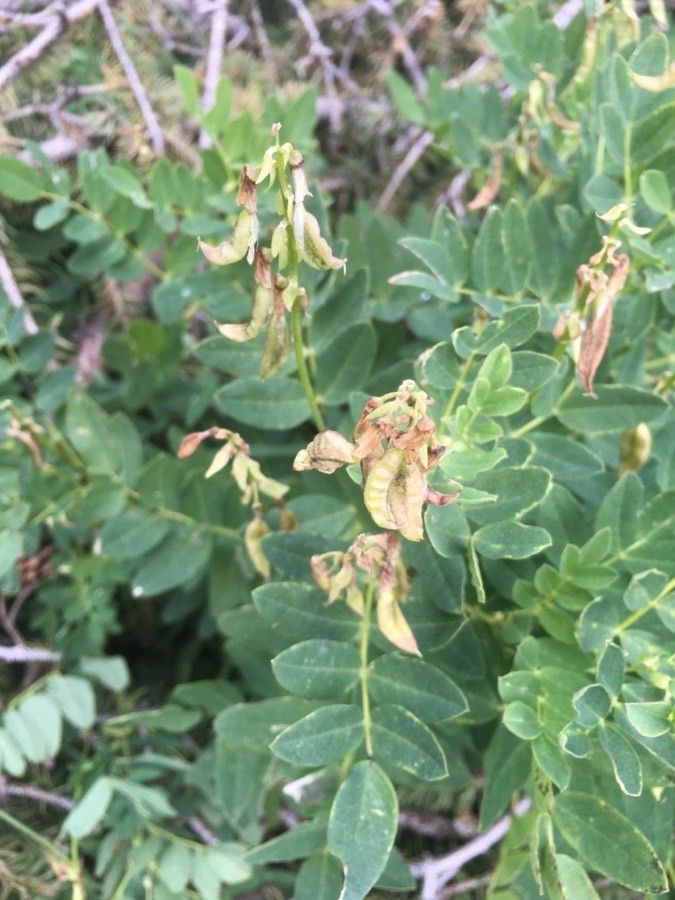
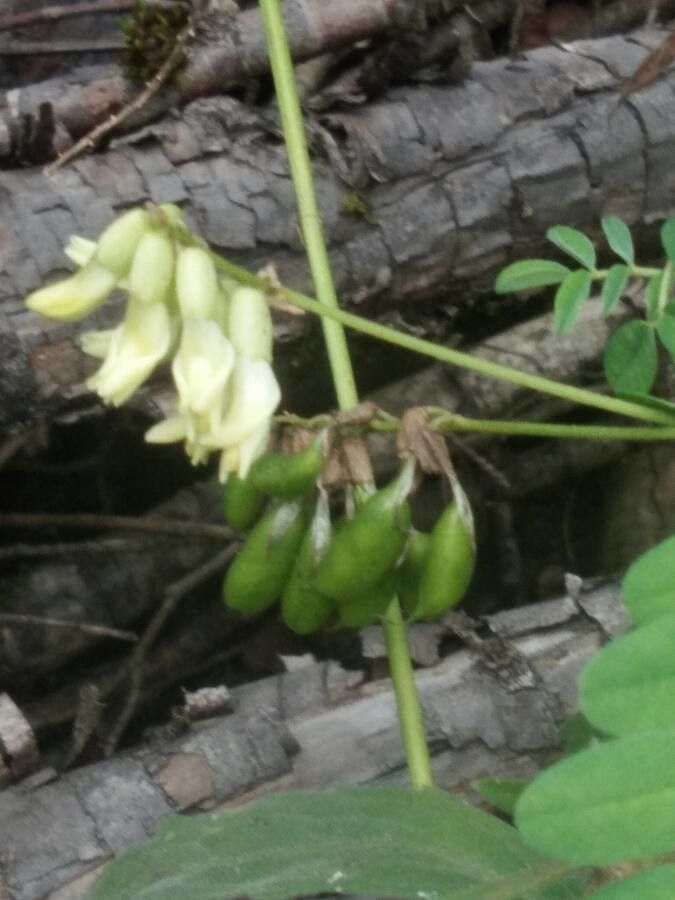
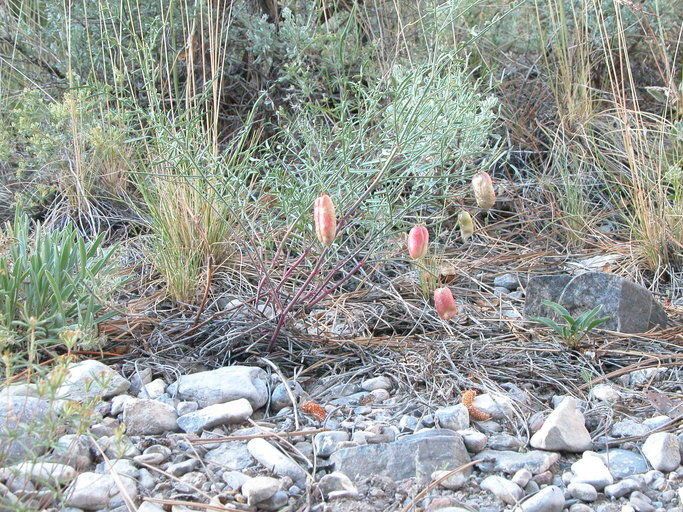
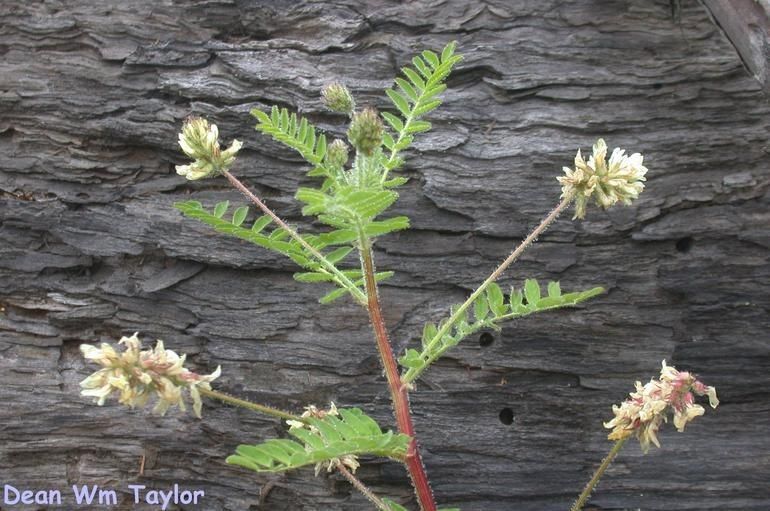
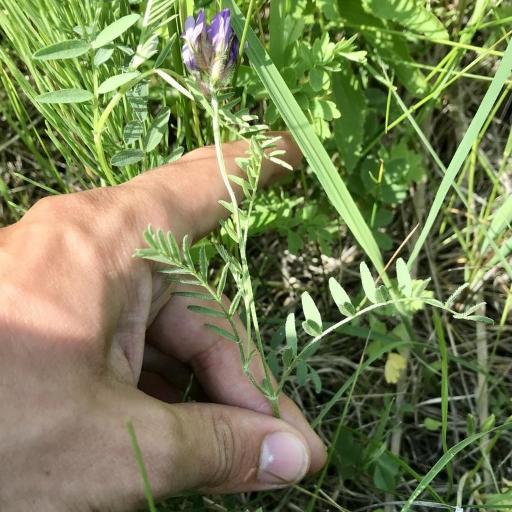
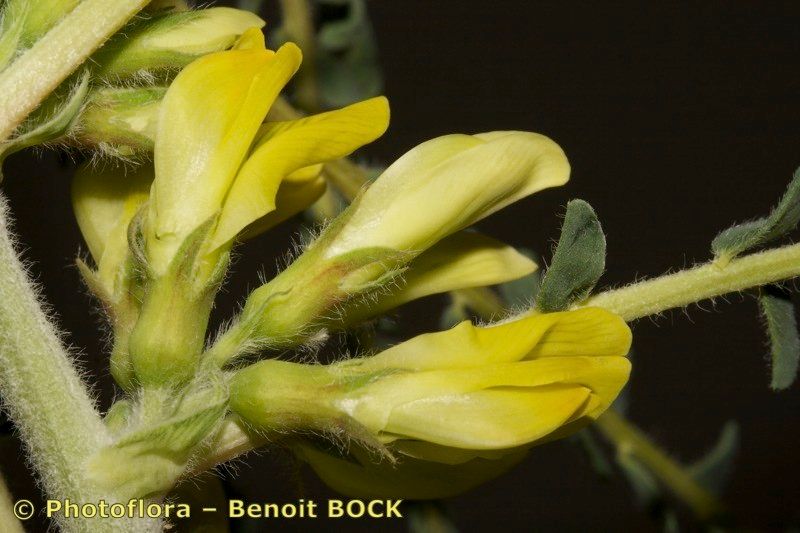
Pallid milk vetch has good disease resistance and is generally not prone to illnesses. However, it can be affected by pests and diseases present in its surroundings. These infections are usually mild. Regarding care, this plant requires moderate maintenance. It should be pruned regularly to keep a neat appearance and support healthy growth. Applying fertilizer can also help encourage flowering. Pallid milk vetch is suitable for anyone with outdoor space, such as a garden or patio, and does not demand extensive care experience. It may need more attention when grown indoors.
How to keep Astragalus Frigidus.
Light
Pallid milk vetch is a sun-loving, herbaceous perennial native to open habitats and commonly found in meadows and grasslands. It prefers full sun but can also tolerate partial sun.
Water
Pallid milk vetch, which originates from harsh environments, is exceptionally drought-tolerant and thrives with very little moisture. Watering it once a week matches its natural adaptation to sporadic rainfall, making it an excellent choice for xeriscaping. It efficiently uses available water during its growing season.
Fertilizer
One spring application of fertilizer is generally enough for Pallid milk vetch, though repeated feedings can maximize growth. Apply every one to one and a half months. Fertilization improves leaf appearance and function, helping maintain even color and a healthy texture. It also promotes root development and nutrient uptake for long-term plant health.
Pruning
Pallid milk vetch thrives in cold alpine regions and benefits from strategic pruning between early and late spring to encourage growth. To promote better air circulation and increase flower production, remove any dead or damaged stems. Make sure to sterilize your tools to prevent disease and ensure clean cuts, which are essential for the plant's optimal health.
Botanical profile.
- Plant Type
- Herb
- Life Cycle
- Perennial
- Genus
- Astragalus
- Family
- Fabaceae
- Hardiness Zone
- 6
- Mature Height
- 10 cm to 40 cm
- Leaf Type
- Deciduous
- Native Area
- Nepal, India, Sweden, Austria, Slovakia, Poland, Pakistan, China, Russia, Norway, Germany, Italy, Kazakhstan, Switzerland, Japan, Mongolia, Romania, France
Other names.