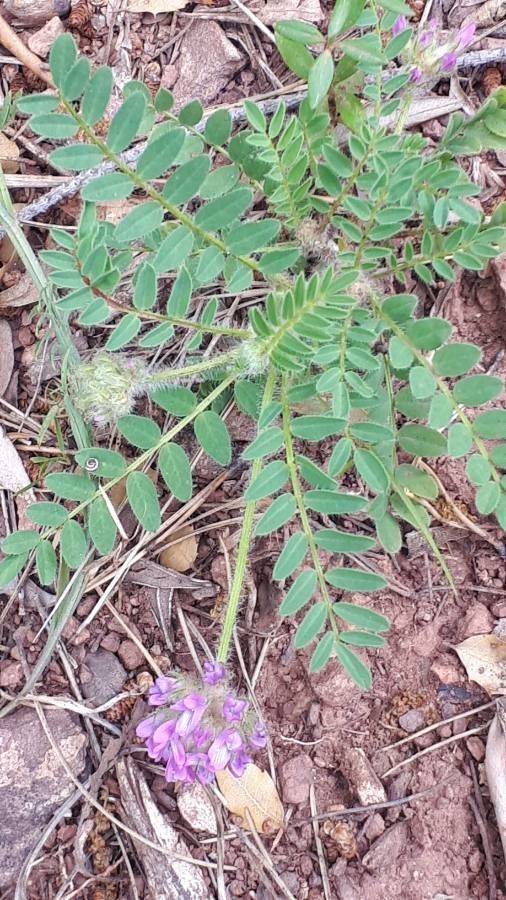
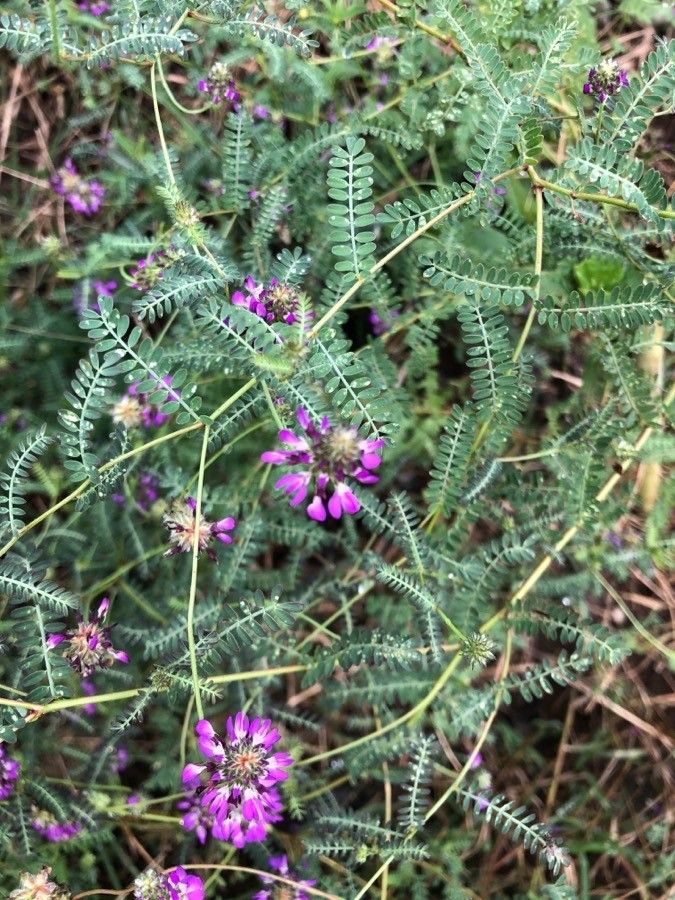
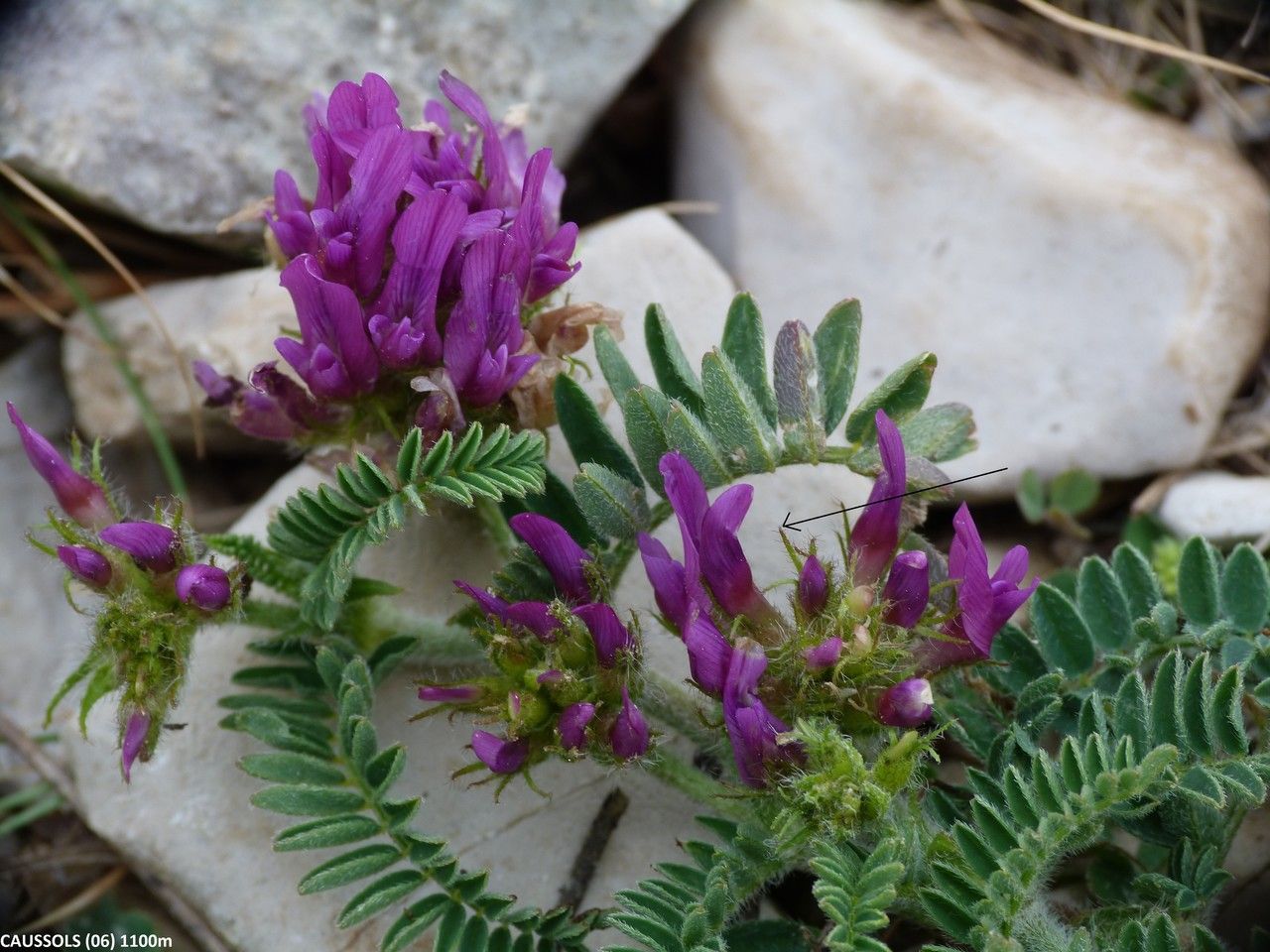
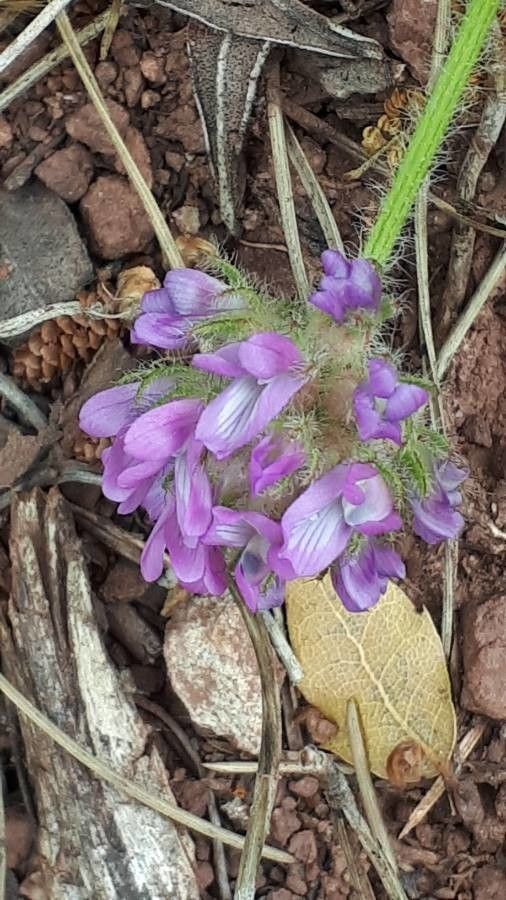
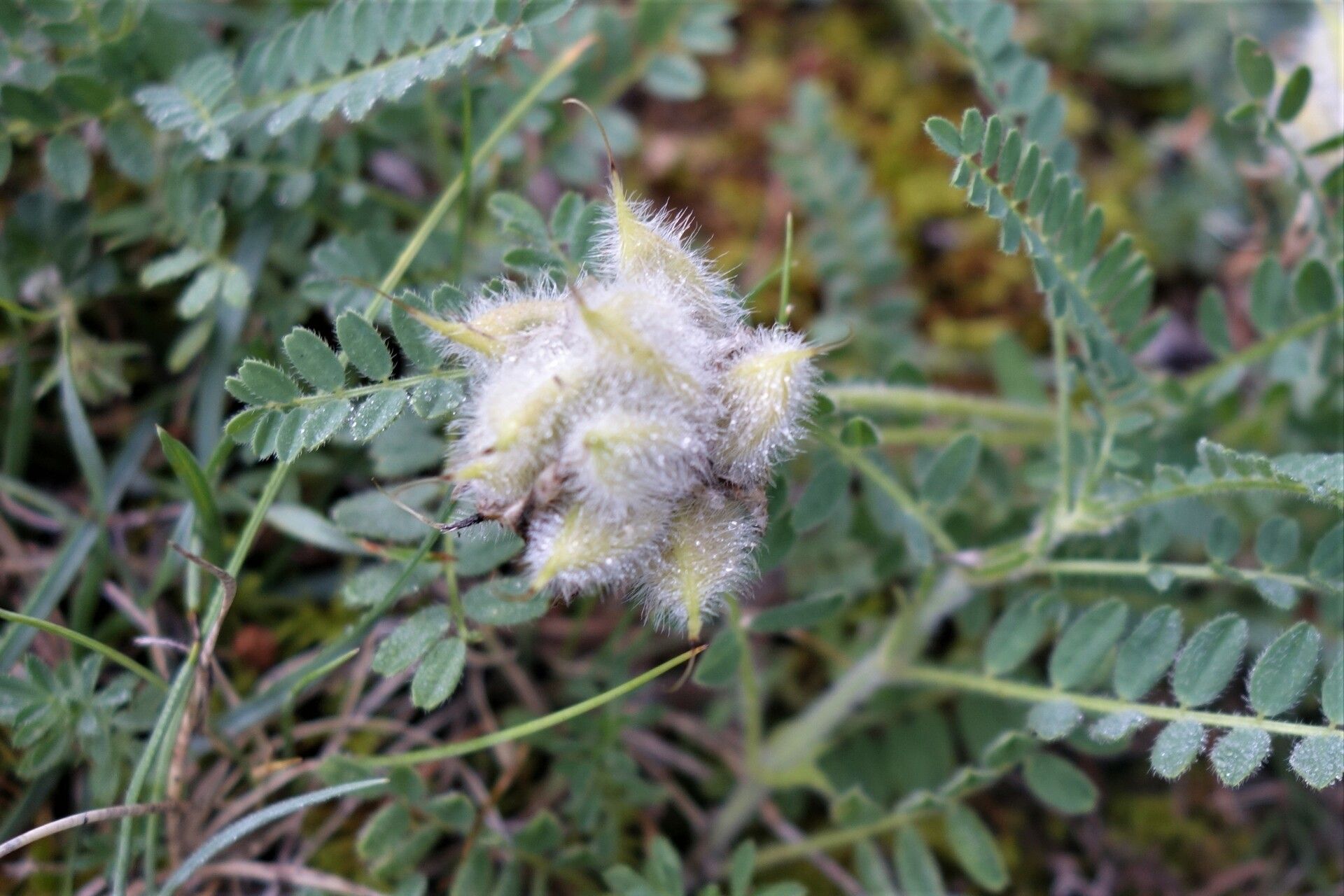
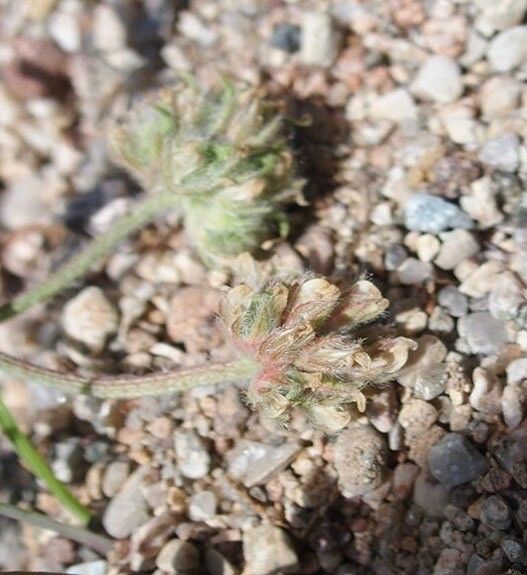
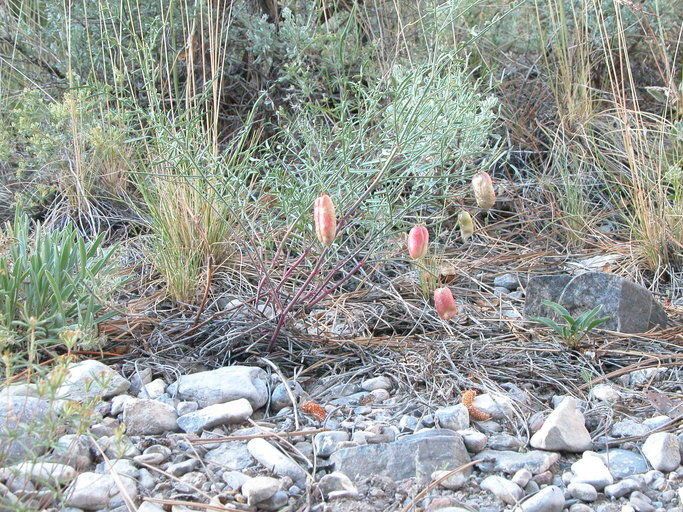
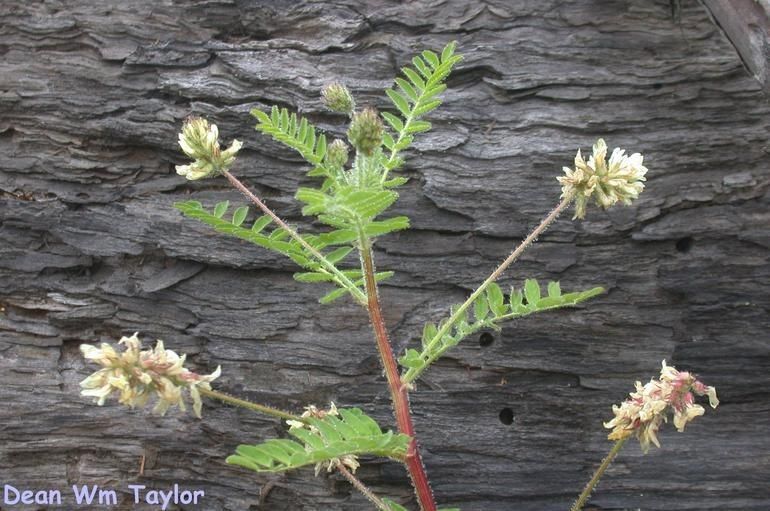
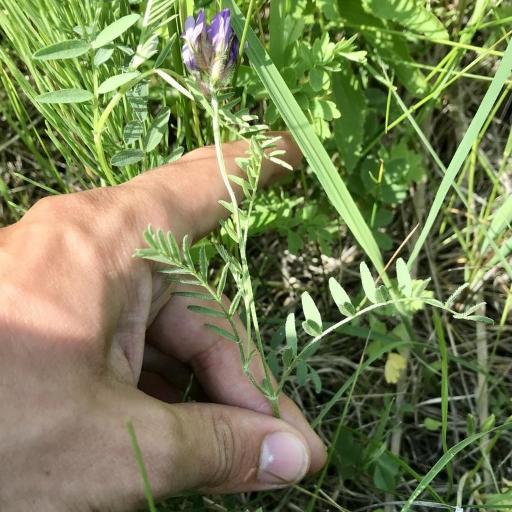
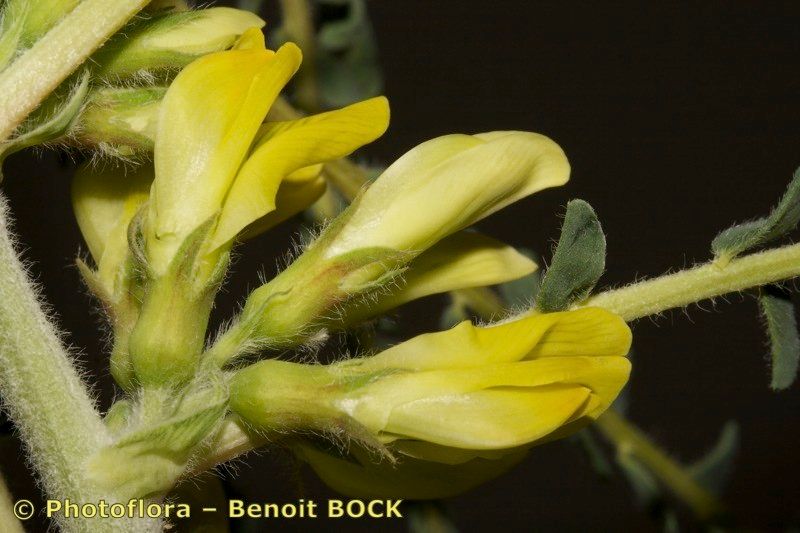
Clover milk vetch is fairly disease-resistant and generally not prone to illnesses. However, it can be affected by pests and diseases present in its environment. These infections are typically not serious. In terms of care, the plant needs moderate maintenance. It should be pruned regularly to maintain a good appearance and support healthy growth. Fertilizing can also help encourage flowering. Clover milk vetch is suitable for anyone with outdoor space, such as a garden or patio, and does not demand extensive care experience. It may require more attention when grown indoors.
How to keep Astragalus Echinatus.
Light
Clover milk vetch comes from bright, open habitats where it flourishes in full sun. It can tolerate partial sun but prefers direct sunlight for optimal growth. This annual and biennial plant is known for its sun-loving nature.
Water
Clover milk vetch, native to arid regions, is highly drought-tolerant and requires little moisture to thrive. It should be watered moderately, about twice a week. This plant prefers well-draining soil to avoid waterlogging, reflecting its adaptation to the dry conditions of its natural habitat.
Temperature
Clover milk vetch can tolerate a broad range of temperatures, though its range may still be restricted by various combinations of moisture and heat. It performs best in warm summer conditions with sufficient rainfall or irrigation. Extended stretches of overcast, rainy weather or prolonged high heat can raise the chance of Clover milk vetch dying. During winter, shielding it from severe cold can help improve its survival rate.
Fertilizer
Clover milk vetch benefits from frequent, light fertilizer applications to encourage healthy leaf growth. Apply fertilizer to Clover milk vetch roughly once a month during the summer months. Nitrogen is important for foliage, and adding nitrogen-rich sources helps Clover milk vetch thrive.
Pruning
To promote the health and growth of clover milk vetch, it is beneficial to prune the plant annually in early to late spring. By removing damaged or excessive branches, you encourage the plant's vigor and improve air circulation and flowering. When pruning, make cuts just above the leaf nodes to minimize stress on the plant. This practice not only deters pests but also enhances the plant's overall attractiveness.
Botanical profile.
- Plant Type
- Herb
- Life Cycle
- Annual
- Genus
- Astragalus
- Family
- Fabaceae
- Hardiness Zone
- 7-10
- Mature Height
- 20 cm to 40 cm
- Mature Spread
- 15 cm to 30 cm
- Leaf Color
- Green, Light Green
- Leaf Type
- Deciduous
- Flower Color
- Lavender
- Flower Size
- 0.76 cm to 1.27 cm
- Bloom Time
- Mid spring, Late spring, Early summer
- Planting Time
- Spring, Summer
- Harvest Time
- Summer
- Native Area
- Turkey, Tunisia, Syria, Italy, Spain, Portugal, Mauritania, Algeria, Greece, Morocco, France
Reader questions.
What are the sunlight requirements for Clover milk vetch?
Clover milk vetch, also known by its botanical name Astragalus echinatus, thrives in conditions that provide the right balance of light and shade. The plant requires full sun, meaning it should receive above 6 hours of sunlight daily, or partial sun, which amounts to about 3-6 hours of sunlight daily. It's essential to observe how sunlight moves through your garden to select the best spots for planting, ensuring your Clover milk vetch's happiness and health.