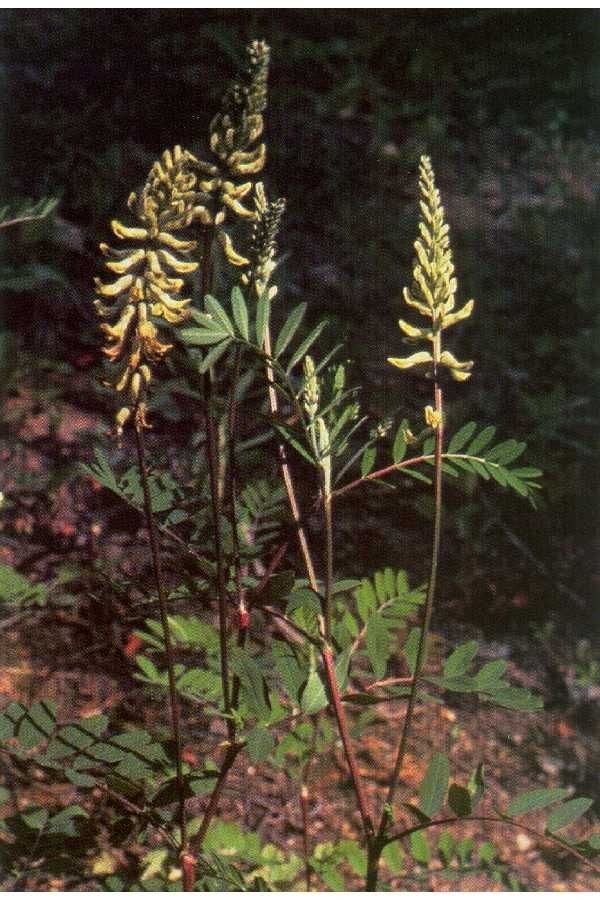
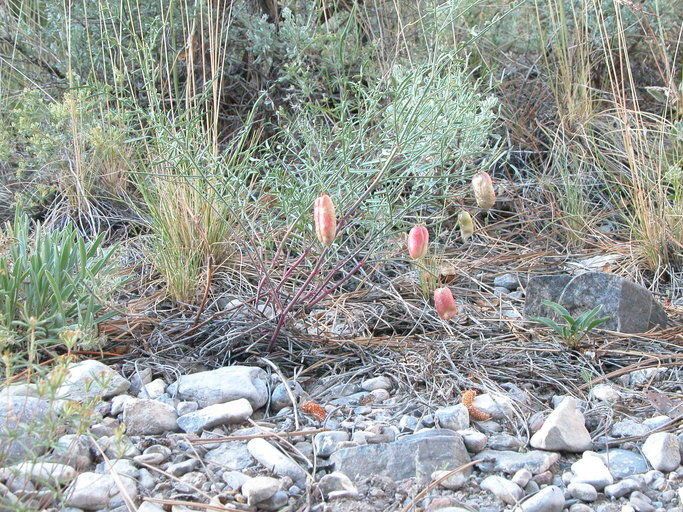
Astragalus canadensis, commonly known as Canadian milkvetch or Canada milkvetch, is a perennial herbaceous plant that belongs to the legume family. Native to North America, it thrives in various habitats, including prairies, meadows, and open woodlands. This plant can grow up to 1 meter tall and has a deep taproot system that helps it survive in dry conditions.
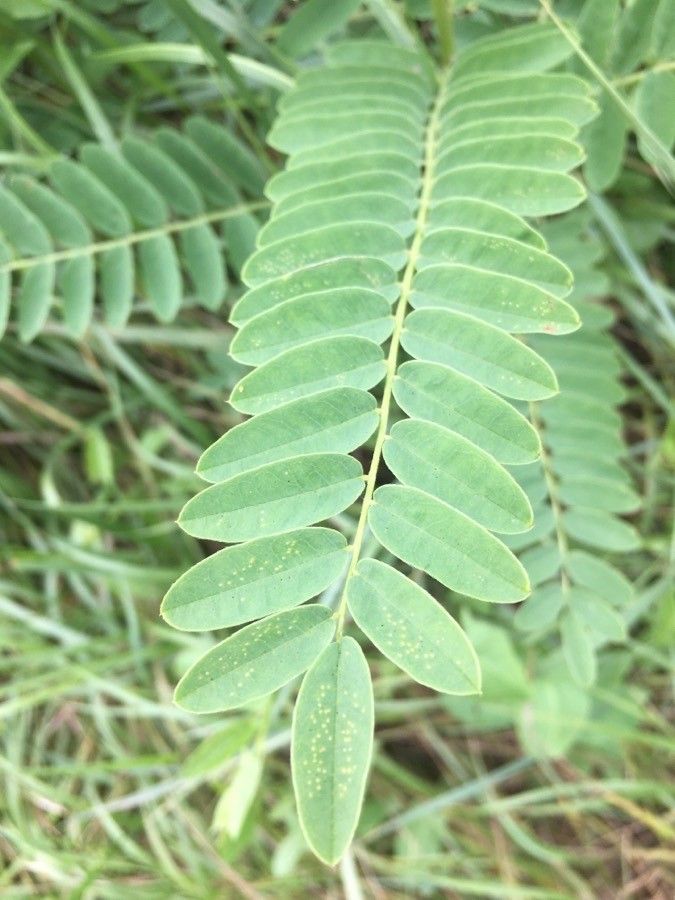
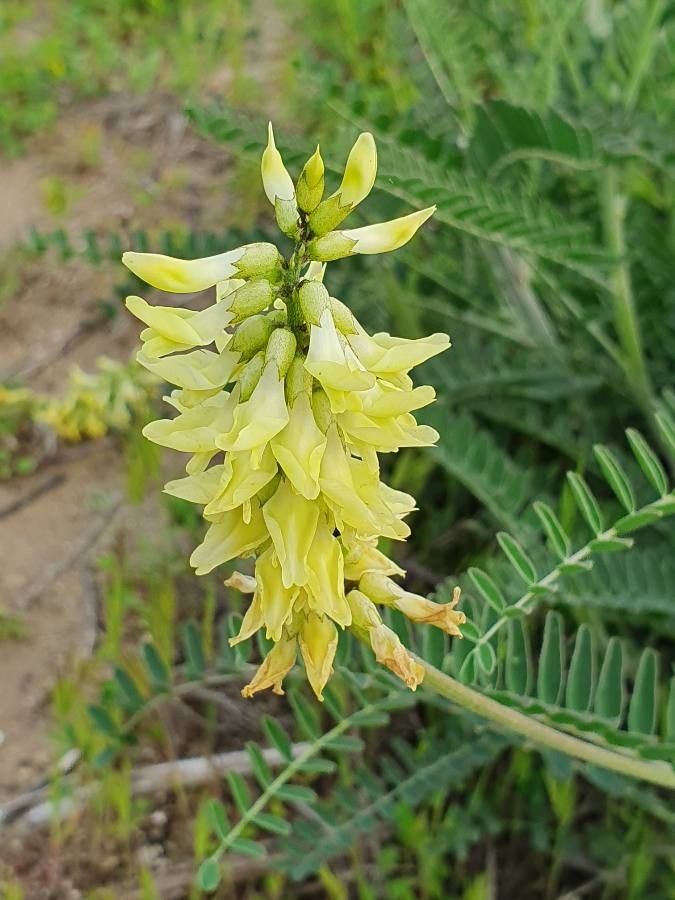
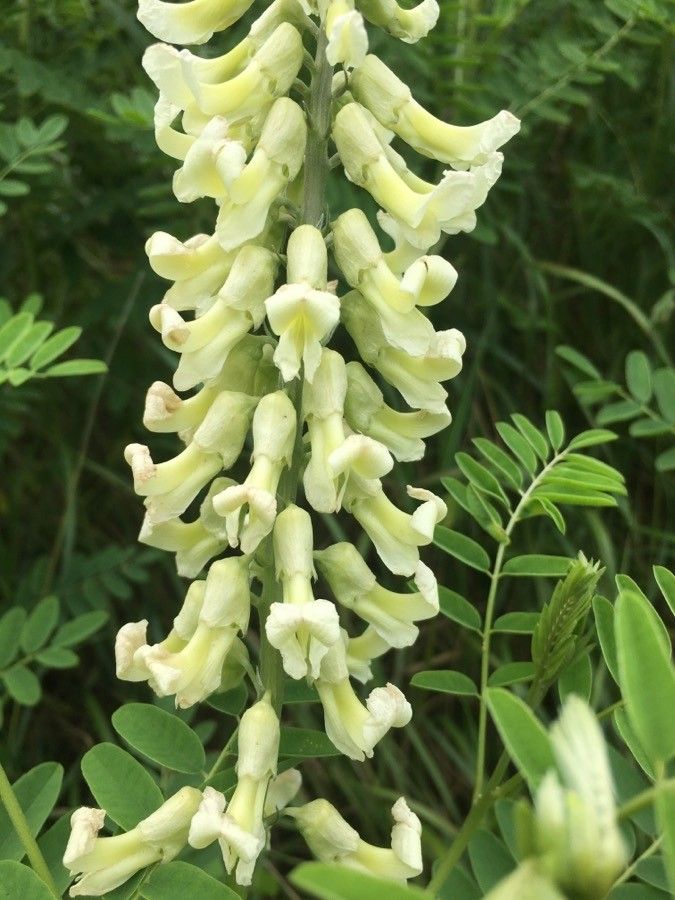
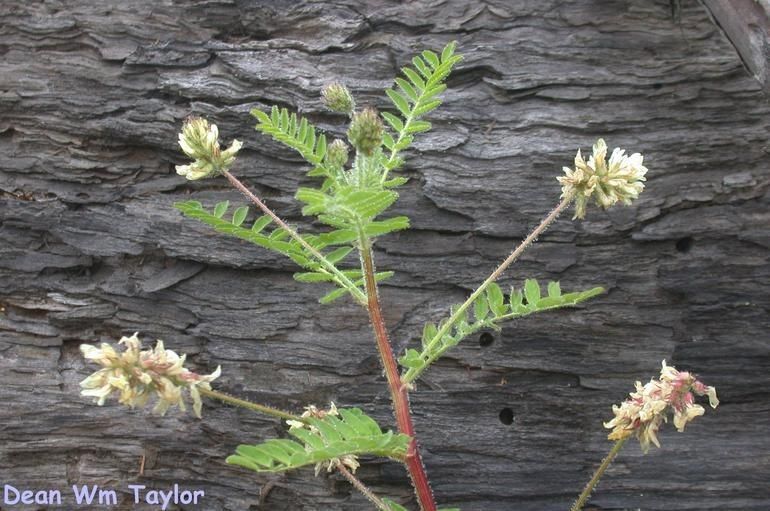
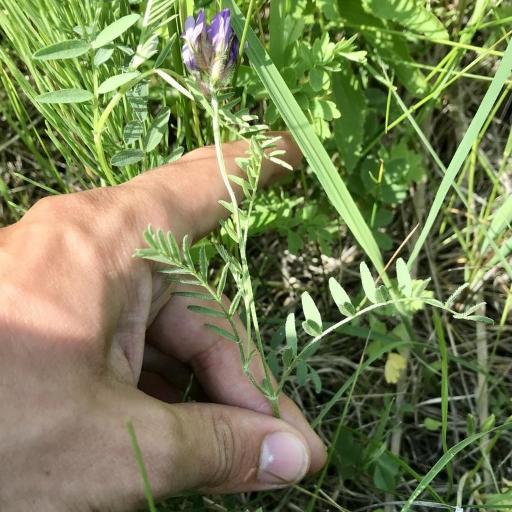
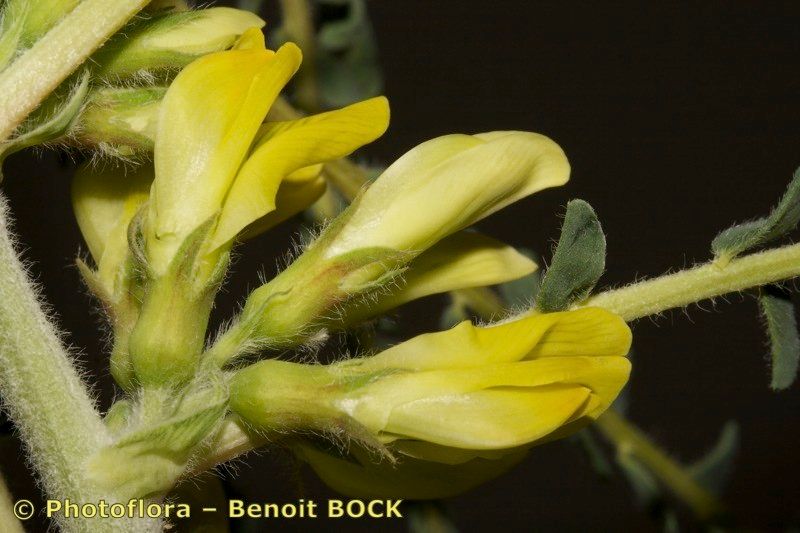
The leaves of Astragalus canadensis are compound, consisting of 15-21 oblong or elliptic leaflets. Its small white flowers, marked with purple veins, grow in clusters at the top of the stem from May through July. The fruit is a small pod containing several seeds.
For centuries, Native Americans have used Astragalus canadensis for medicinal purposes. The plant contains compounds such as flavonoids, saponins, and polysaccharides, which have demonstrated anti-inflammatory properties.
Ecologically, Astragalus canadensis plays an important role by providing food for pollinators like bees and butterflies. It also serves as a host plant for certain butterfly species, such as the silver-spotted skipper.
Overall, Astragalus canadensis is a vital native species with both ecological and medicinal significance, making it an essential part of North American flora.
Canadian milkvetch displays strong resistance to disease and is generally not prone to illnesses. It can, however, be affected by pests and diseases present in its environment; such infections are usually mild. Regarding maintenance, this plant needs moderate care. Regular pruning is required to preserve a neat appearance and support healthy growth. Fertilizing can also encourage flowering. Canadian milkvetch is suitable for people with outdoor spaces like a garden or patio and does not demand extensive experience in plant care. It may need more attention when grown indoors.
How to keep Astragalus Canadensis.
Light
Canadian milkvetch grows most successfully with plenty of sunlight, though it can also tolerate moderate light levels. It originally inhabited areas with abundant sun. If it does not get sufficient sunlight, it can display reduced growth and less vibrant foliage.
Water
Canadian milkvetch thrives in moderate moisture conditions and needs regular watering without becoming waterlogged. It does well with weekly watering and benefits from natural rainfall when grown outdoors. However, during dry periods, it's important to monitor its moisture levels, especially during its active growing season, to ensure it receives enough water.
Temperature
Canadian milkvetch is native to temperate regions where temperatures range from 59 to 95 °F (15 to 35 °C). It grows best under these conditions. To achieve optimal growth, adjust the temperature as the seasons change.
Fertilizer
The best time to fertilize Canadian milkvetch is in early spring, as it emerges from dormancy and starts active growth. Fertilization supplies essential nutrients for healthy development. Although Canadian milkvetch has fairly low fertilizer requirements, an annual application can improve its survival and encourage better, longer-lasting flowers.
Pruning
To ensure Canadian milkvetch thrives, it's best to prune it carefully, ideally from early to late spring, after its dormant period. Begin by removing any damaged stems and thinning out crowded areas to improve airflow, which helps reduce the risk of disease. This practice not only promotes healthy growth but also enhances the plant's appearance and supports vibrant blooms throughout the growing season.
Botanical profile.
- Plant Type
- Herb
- Life Cycle
- Perennial
- Genus
- Astragalus
- Family
- Fabaceae
- Hardiness Zone
- 7-10
- Mature Height
- 30 cm to 76 cm
- Mature Spread
- 61 cm to 91 cm
- Leaf Color
- Green
- Leaf Type
- Semi-evergreen
- Flower Color
- Yellow, Cream
- Flower Size
- 1.02 cm to 2.03 cm
- Bloom Time
- Summer
- Planting Time
- Winter
- Harvest Time
- Late summer, Early fall, Mid fall
Other names.
Reader questions.
What are the sunlight requirements for Canadian milkvetch?
Canadian milkvetch thrives best in an abundance of sunlight, benefiting from locations that provide over 6 hours of direct sunlight for full sun exposure, or about 3-6 hours for partial sun conditions. It's important to note that while this plant can tolerate moderate sunlit conditions, its growth may be stunted and its foliage less vibrant when not sufficiently exposed to sunlight. For optimal growth, especially indoors during less sunny seasons or in areas with inadequate natural light, artificial lighting can be employed. LED lights are recommended for their ability to be customized to specific plant needs, with full sun plants requiring 30-50W/sq ft, partial sun plants 20-30W/sq ft, and full shade plants 10-20W/sq ft of artificial light. The light source should be placed 12-36 inches above the plant, keeping it on for 8-12 hours per day to mimic natural daylight hours.
What is Canadian milkvetch and where is it native to?
Canadian milkvetch, botanically known as Astragalus canadensis, is native to regions with temperate climates. It thrives in temperature ranges from 59 to 95 °F (15 to 35 °C), indicating its preference for environments that can support its growth through varying seasonal temperatures.
What are common symptoms of inadequate sunlight in Canadian milkvetch, and how can they be addressed?
When Canadian milkvetch receives insufficient sunlight, it may exhibit symptoms such as smaller leaves, leggy or sparse growth, faster leaf drop, slowed or ceased new growth, lighter-colored new leaves, chlorosis, sunscald, leaf curling, wilting, and leaf scorching. To address these issues for indoor plants, gradually move them to a sunnier location until they receive at least 6 hours of direct sunlight daily or use artificial lights if the plant is large or not easily movable. For outdoor plants, it's also key to gradually adjust them to sunnier spots to avoid sunburn. Removing obstacles that block sunlight and, if needed, transplanting smaller plants to sunnier locations during their dormant period can also help improve light exposure. It's important to remember that while parts of the plant affected by insufficient light might not recover, new growth should be healthy with increased light exposure.
Does Canadian milkvetch require special frost protection measures during winter?
Canadian milkvetch possesses strong cold resistance, thus special frost protection is generally not necessary. However, in instances where winter temperatures are expected to plummet below -15°C, it is advised to undertake cold protection measures. This can be achieved by covering the plant with insulating materials such as soil or straw. Additionally, ensuring the soil is moist by watering abundantly before the first freeze in autumn helps the plant withstand drought and water scarcity during the colder months.
What additional care tips are provided for preventing and managing sunlight-related issues in Canadian milkvetch?
To ensure Canadian milkvetch receives adequate sunlight, regularly observe how sunlight moves through your garden and choose spots that achieve a good balance of light and shade. Indoor plants may require additional light sources to meet their growth needs, especially in winter or less sunny spaces; professional plant grow lights are an effective solution. Watch for signs of insufficient or excessive sunlight, such as changing leaf color and plant stature, and adjust your plant's location or lighting accordingly. If outdoor plants are receiving too much direct sunlight, gradually moving them to slightly shadier spots can help prevent sunburn or other sunlight damage. When aiming to improve sunlight exposure for ground-planted Canadian milkvetch, reducing obstructions like overhanging branches and considering transplantation during the dormant season can be beneficial strategies for ensuring your plants thrive.
What are the temperature-related symptoms to look out for in Canadian milkvetch, and how can they be addressed?
For Canadian milkvetch, temperature extremes can present challenges. Low temperatures below -15°C might not show immediate effects during winter, but can lead to decreased sprouting or absence of it in spring. To address this, remove any parts of the plant that fail to sprout as spring arrives. On the other hand, high temperatures above 35°C can cause the leaves to lighten in color, curl, suffer from sunburn, or in severe cases, lead to wilting and drying of the plant. To mitigate high temperature effects, trim sunburned or dried parts, move the plant to a shaded area especially during midday and afternoon, or use a shade cloth. Additionally, watering the plant during cooler times of the day, like morning and evening, can help maintain soil moisture.