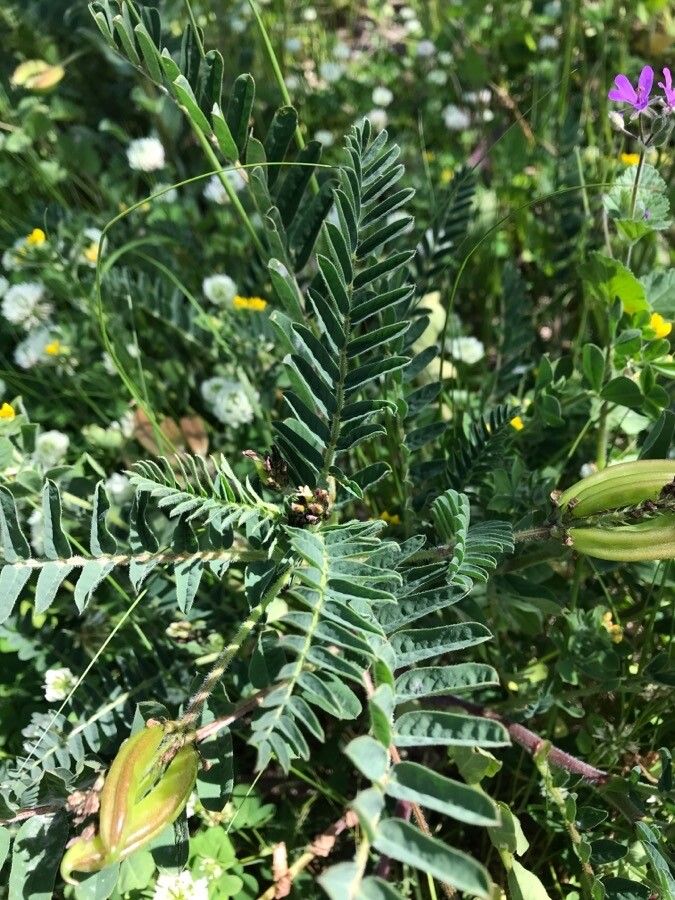
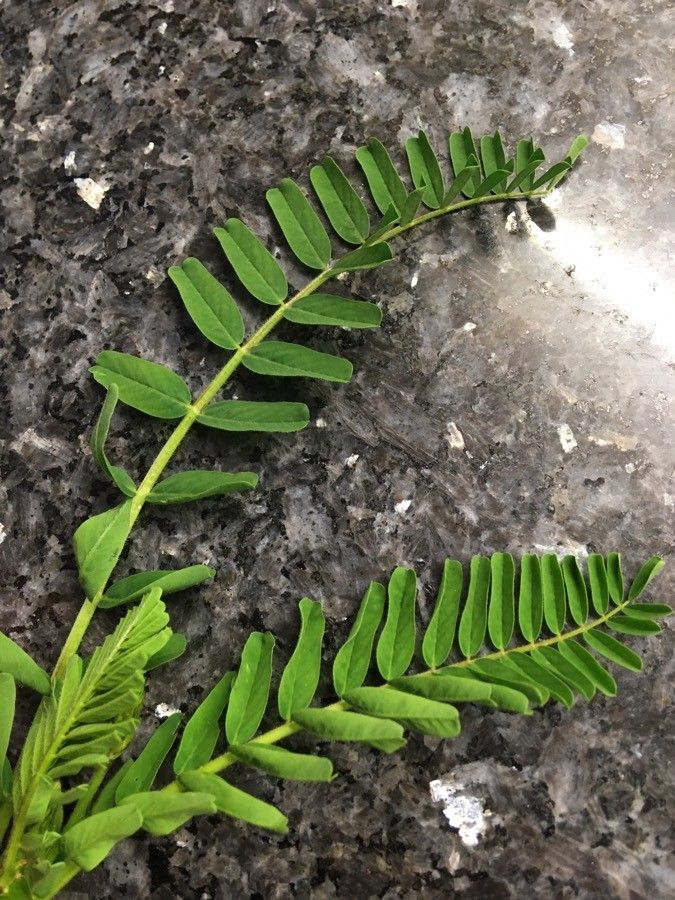
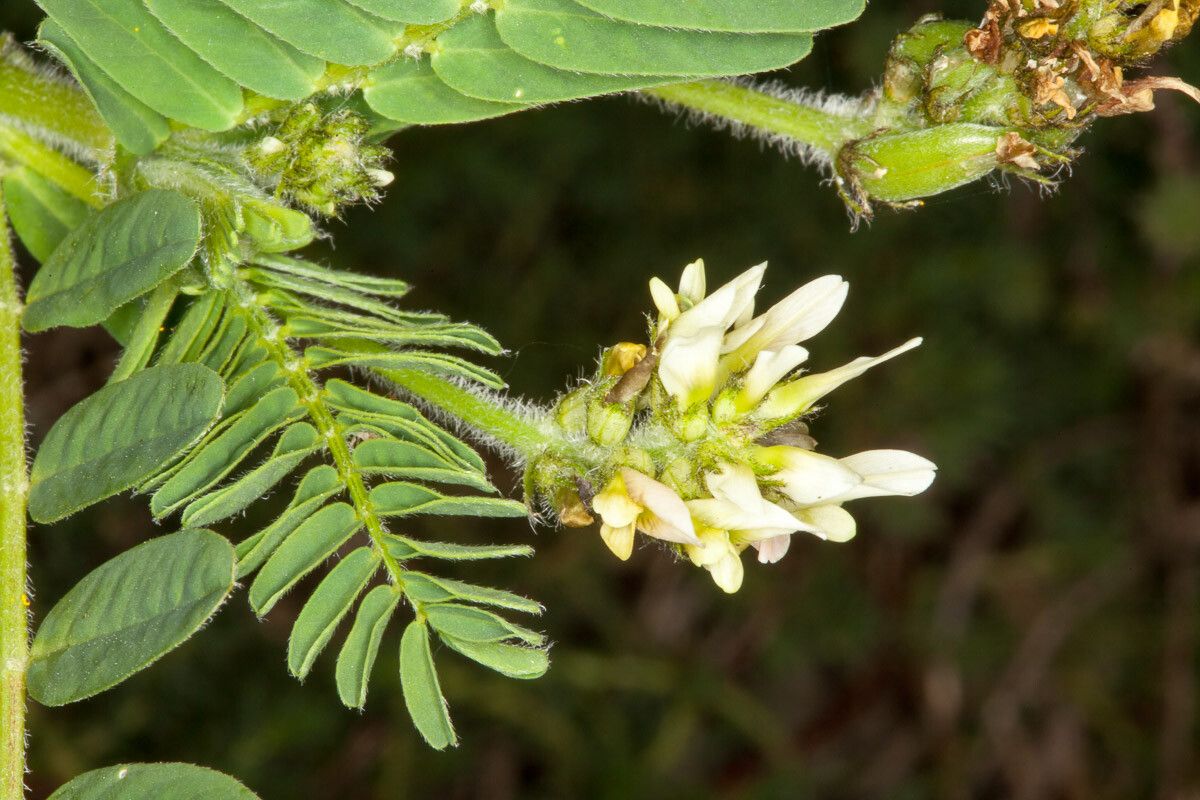
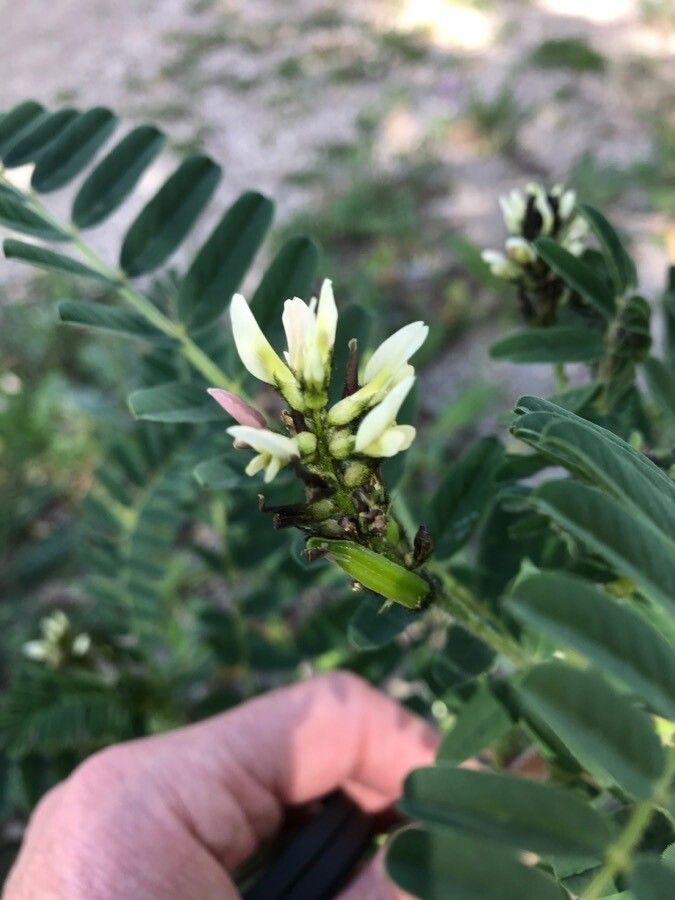
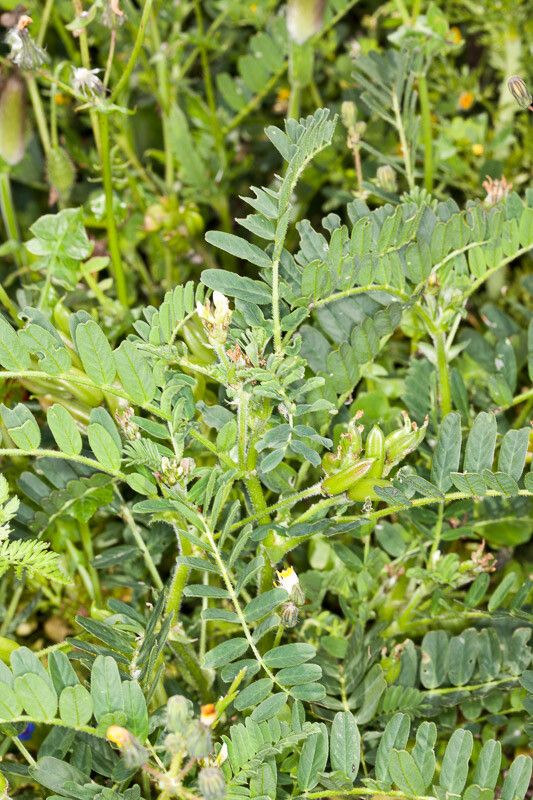
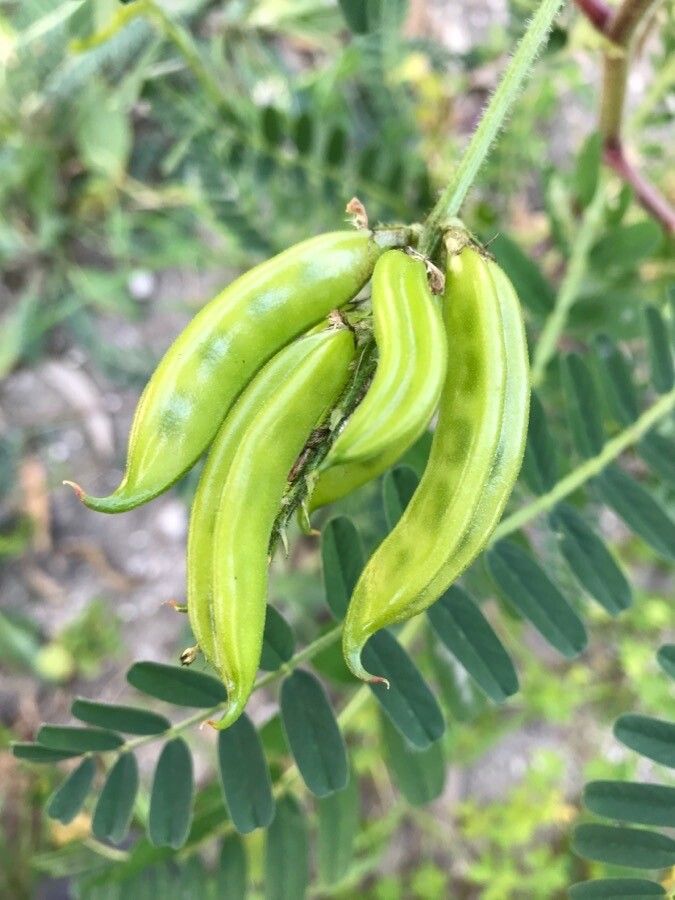
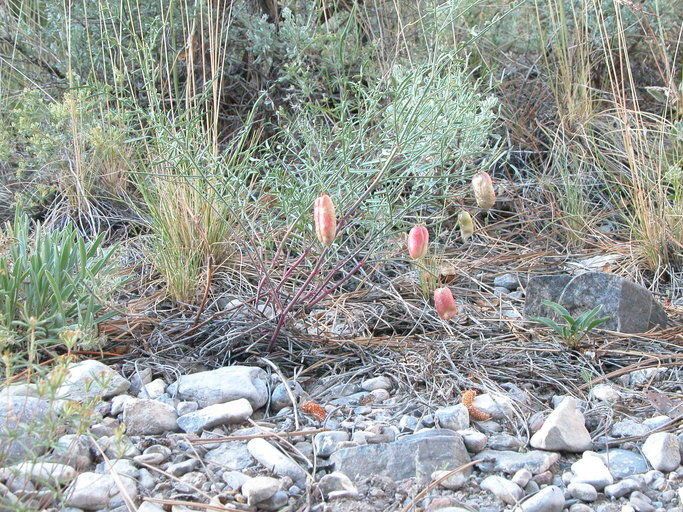
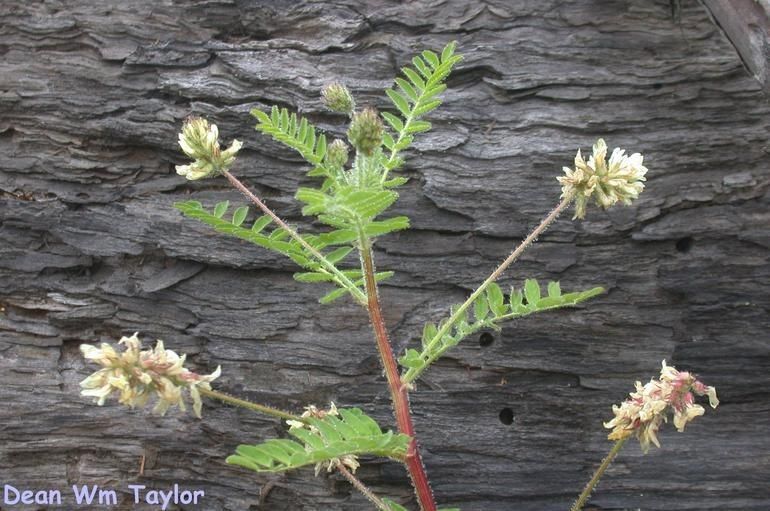
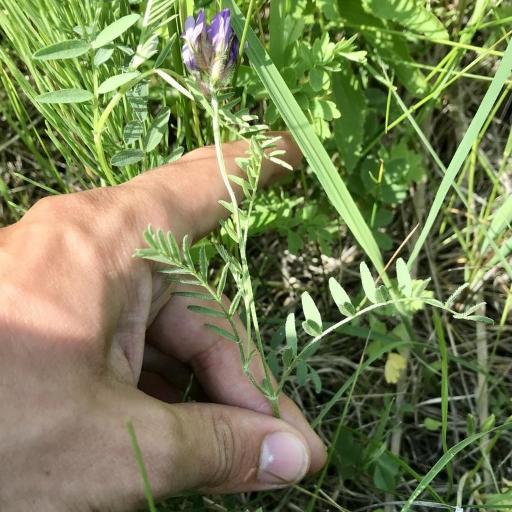
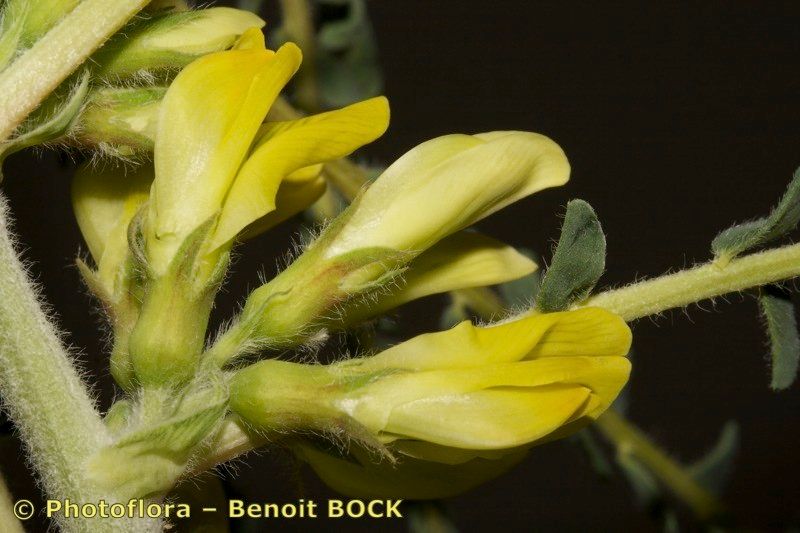
Astragalus boeticus, the yellow milk vetch, is a species of annual herb in the family Fabaceae. They have a self-supporting growth form and compound, broad leaves.
Swedish coffee has strong disease resistance and is generally not prone to illnesses. However, it can be vulnerable to pests and diseases present in its surroundings. These infections are typically not severe. For care, this plant needs moderate maintenance. It should be pruned regularly to keep a neat appearance and healthy growth. Fertilizing can also help encourage flowering. Swedish coffee is suitable for anyone with outdoor space, like a garden or patio, and does not demand much plant-care experience. It may need more attention when grown indoors.
How to keep Astragalus Boeticus.
Light
Swedish coffee is native to bright, open areas and flourishes in full sun. It can tolerate partial sun but prefers direct sunlight for best growth. This plant, which may be annual or biennial, is characterized by its sun-loving nature.
Water
Swedish coffee is a plant that originally comes from arid regions, which means it can thrive with very little moisture and shows strong drought tolerance. It only needs to be watered infrequently, about once a week. Its resilience and ability to withstand full sun exposure make it an excellent choice for xeriscaping.
Temperature
Swedish coffee originates from a temperate climate and prefers temperatures between 68 and 95 °F (20 to 35 °C). Seasonal temperature adjustments may be required to maintain an optimal growth environment.
Fertilizer
Swedish coffee benefits from regular, dilute applications of fertilizer to encourage healthy leaf growth. You should feed Swedish coffee about once a month during the summer. Nitrogen is vital for the foliage, and adding nitrogen-rich sources helps Swedish coffee thrive.
Pruning
Swedish coffee plants have delicate leaves and seeds that resemble coffee beans. To keep your plant healthy, prune it from early to late spring. This helps remove dead growth, improves air circulation, and shapes the plant. Regular pruning also helps prevent diseases and pests. Make sure to use sharp, sterilized tools for clean cutting.
Botanical profile.
- Plant Type
- Herb
- Life Cycle
- Annual
- Genus
- Astragalus
- Family
- Fabaceae
- Hardiness Zone
- 7-10
- Mature Height
- 20 cm to 61 cm
- Mature Spread
- 30 cm to 49 cm
- Leaf Color
- Green, Light Green
- Leaf Type
- Deciduous
- Flower Color
- Purple, Lavender
- Flower Size
- 2.03 cm to 3.05 cm
- Bloom Time
- Mid spring, Late spring, Early summer
- Planting Time
- Spring
- Harvest Time
- Summer
- Native Area
- Libya, Egypt, Tunisia, Cyprus, Greece, Croatia, Morocco, Lebanon, Syria, Portugal, Italy, Spain, Iran, Albania, Algeria, France
Other names.
Reader questions.
How should I water my Swedish coffee to make it taste the best?
To effectively water Swedish coffee, you have various options: using a garden hose with a spray nozzle, a watering can, or any other common watering tool. Swedish coffee plants are not too particular about their water source, as they can thrive with rainwater, tap water, or filtered water. However, it is advisable to avoid watering from above as it can harm the leaves, flowers, and potentially lead to disease. Drip irrigation systems are often recommended for watering Swedish coffee as they provide an even and direct supply of water to the soil. If you have a Swedish coffee plant in a container, you can follow a similar watering approach but adapt the tools used, such as using a cup, watering can, or tap to directly water the soil.
What are the sunlight requirements for Swedish coffee plants?
Swedish coffee plants, or Astragalus boeticus, thrive in environments that offer full sun, requiring more than 6 hours of sunlight daily for optimal growth. They can also tolerate partial sun, needing about 3-6 hours of sunlight. It's vital to observe how sunlight moves through your garden to identify the best spots that offer a balance of light and shade, ensuring the plants' well-being and growth.
What are the optimal growing conditions for Swedish coffee?
Swedish coffee, botanically known as Astragalus boeticus, thrives in a temperate climate with temperatures ranging between 68 to 95 °F (20 to 35 °C). It has a strong resistance to cold, not usually requiring frost protection measures. However, in winters where temperatures are expected to fall below -15°C, protective measures such as covering the plant with soil or straw should be taken. It’s also advisable to water the plant abundantly before the first freeze in autumn to keep the soil moist, which helps in preventing drought and water scarcity during the colder months.
What should I do if I put too much or too little water in my Swedish coffee?
To remedy underwatering Swedish coffee plants, simply water them more regularly if you notice they lack moisture. However, overwatering can be more serious, potentially leading to diseases and ultimately the death of the plant. To prevent this, choose a growing location with ample sunlight to dry the soil and good drainage to prevent water from pooling. If you overwater a potted Swedish coffee plant, consider changing to a new pot with better drainage and loose soil during repotting.
How do Swedish coffee plants benefit from artificial lighting?
In indoor settings or during periods of insufficient natural sunlight, such as winter or in less sunny spaces, Swedish coffee plants benefit significantly from artificial lighting. Using the right type of artificial light, such as LED lights, can enhance growth by providing the specific wavelengths of light that plants need. Full sun plants require 30-50W/sq ft, partial sun plants need 20-30W/sq ft, and full shade plants require 10-20W/sq ft of artificial light. Adjusting the distance (12-36 inches above the plant) and duration (8-12 hours per day) of the light source can mimic natural sunlight, promoting healthier and faster plant growth.
How does low temperature affect Swedish coffee, and what are the solutions?
Swedish coffee boasts a strong tolerance to cold weather, ideally growing in temperatures above 20°C and surviving winter conditions above 0°C. However, when temperatures dip below -15°C, it might not visibly affect the plant during winter, but you might observe a decreased sprouting or a complete lack of sprouting in spring. In such cases, it is recommended to remove any parts of the plant that have failed to sprout in spring as a solution.
How often should I water my Swedish coffee?
To keep your Swedish coffee plant healthy, it's important to provide regular water throughout the growing season. In the spring, watering once a week should suffice. As the weather gets warmer, you may need to increase watering to two or three times per week. However, be careful not to overdo it, as excessive watering can harm the plant. Regardless of how often you water, remember to keep the soil consistently moist but not overly wet. When it comes to potted Swedish coffee plants, they tend to dry out faster than those planted in the ground. Therefore, it's recommended to water them a few times per week, as opposed to just once for plants in the ground.
What are the common symptoms of insufficient light in Swedish coffee plants?
Swedish coffee plants may display several symptoms signaling insufficient light, including smaller new leaves, leggy or sparse growth, early leaf drop, slowed or halted growth, paler new leaves, chlorosis (yellowing leaves), sunscald, leaf curling, wilting, and leaf scorching. These symptoms indicate that the plant is not receiving adequate sunlight, affecting its overall health and ability to photosynthesize properly.
How does high temperature affect Swedish coffee, and what are the solutions?
In the summer months, it is vital to ensure that the Swedish coffee plant's surroundings do not exceed 35°C. Experiencing temperatures above 41°C can cause the leaves to lighten in color, become prone to curling, and the plant is at a higher risk of suffering from sunburn. In severe cases, the plant may wilt and dry up completely. To mitigate these effects, trim away any sunburned and dry parts of the plant. Relocate the plant to a shaded area, especially to avoid the midday and afternoon sun, or use a shade cloth. Additionally, watering the plant in the morning and evening will help keep the soil moist and support the plant's health.
How much water should I use for my Swedish coffee?
There are a few different ways to determine the amount of water to give your Swedish coffee plant. One option is to feel the soil for moisture and water until the first six inches of soil feel moist. Alternatively, you can use a set measurement of about two gallons per week, adjusting for factors like temperature and soil dryness. However, be cautious not to overwater if your plant needs less than two gallons per week. When growing Swedish coffee in a container, use a different method. Water enough to moisten all dry layers of soil - you can check by sticking your finger in the soil or watch for excess water coming out of the drainage holes.
What solutions can support Swedish coffee plants lacking sufficient sunlight?
To support Swedish coffee plants lacking in sunlight, it's important to adjust their exposure gradually to prevent shock or sunburn. Indoors, you can move plants to sunnier locations or utilize artificial lighting, such as desk or ceiling lamps on for at least 8 hours a day or professional grow lights for ample light exposure. Outdoors, consider shifting your plants to spots with better sunlight weekly. If physical structures obstruct sunlight, try pruning or transplanting smaller plants to unobstructed areas for better access to sunlight. While some damage from insufficient light may be irreversible, new growth will be healthy with improved light conditions.
How do I know if I am giving enough water to my Swedish coffee?
Avoiding overwatering your Swedish coffee can be challenging. This is because these plants have deep roots that need weekly moisture, but they are also highly prone to root rot, which can cause browning. Underwatering is less of a concern as Swedish coffee plants can survive for a while without extra water. However, if you wait too long to water them, they will likely wilt and show signs of dry leaves.