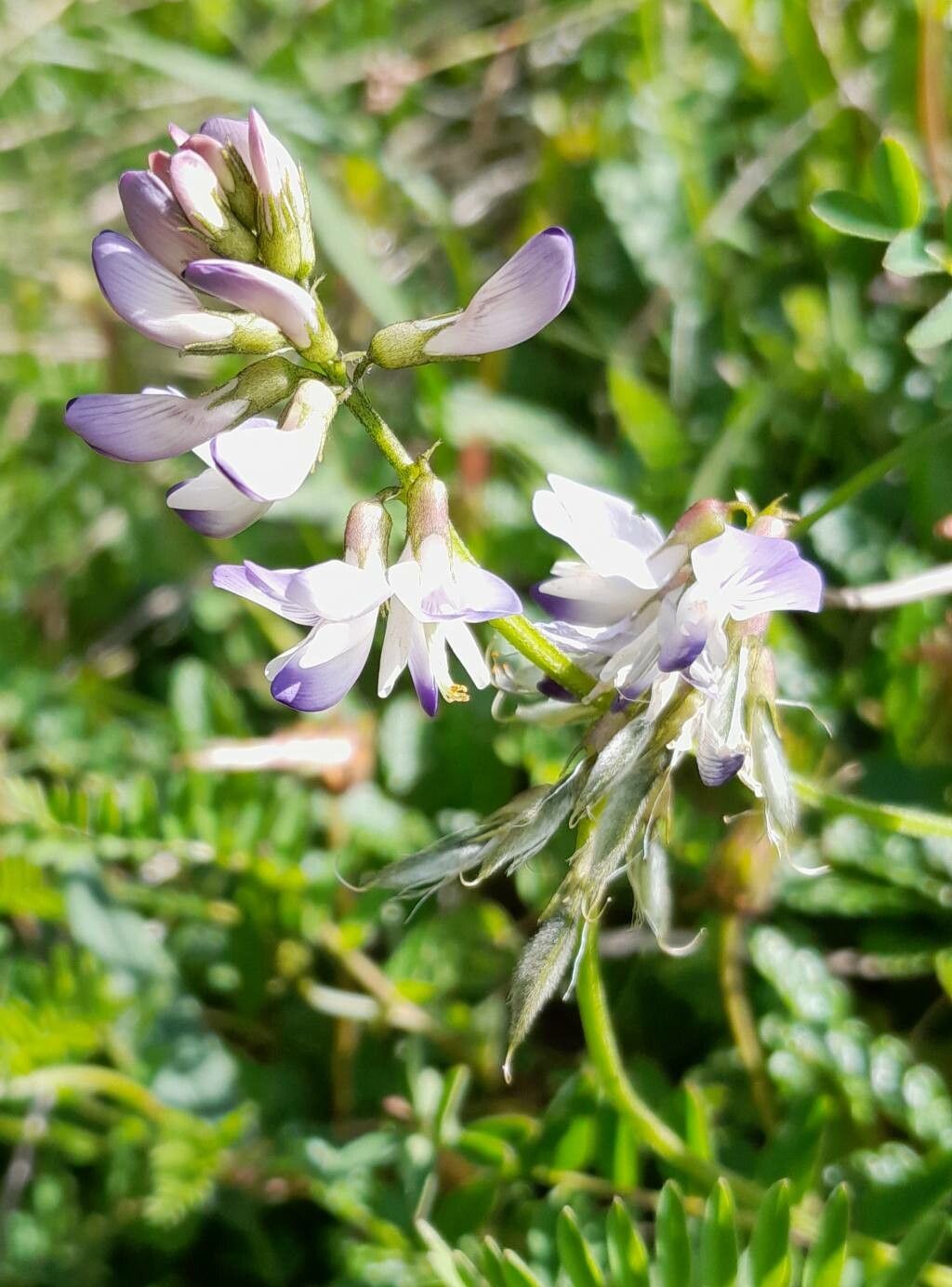
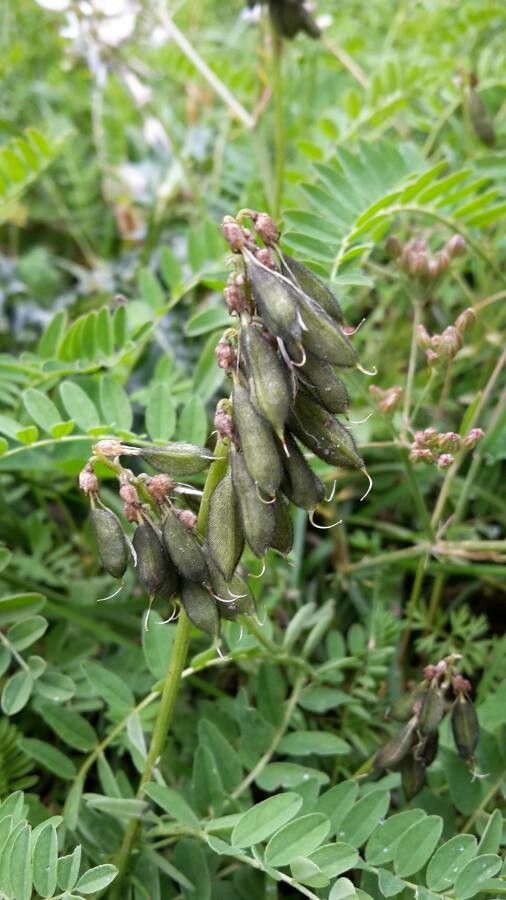
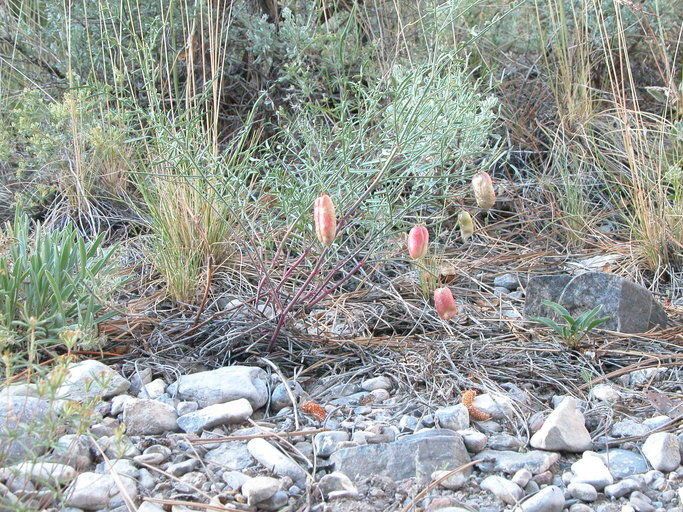
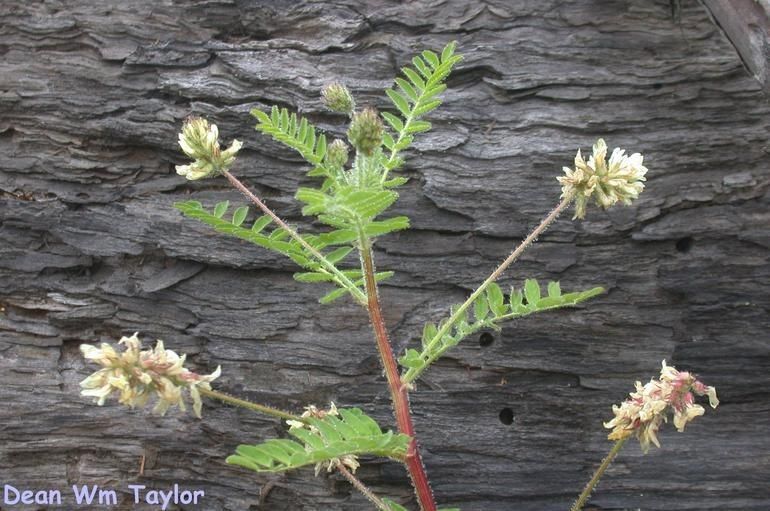
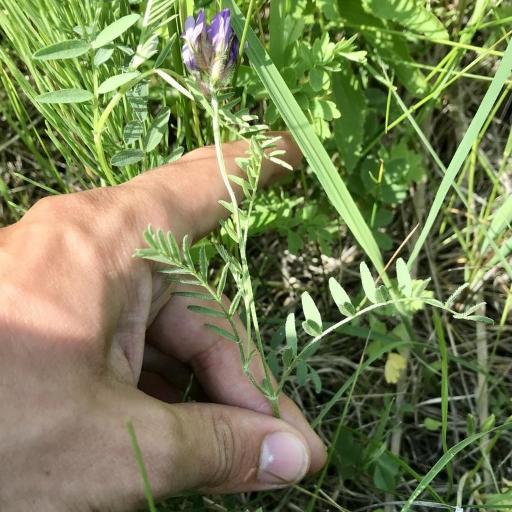
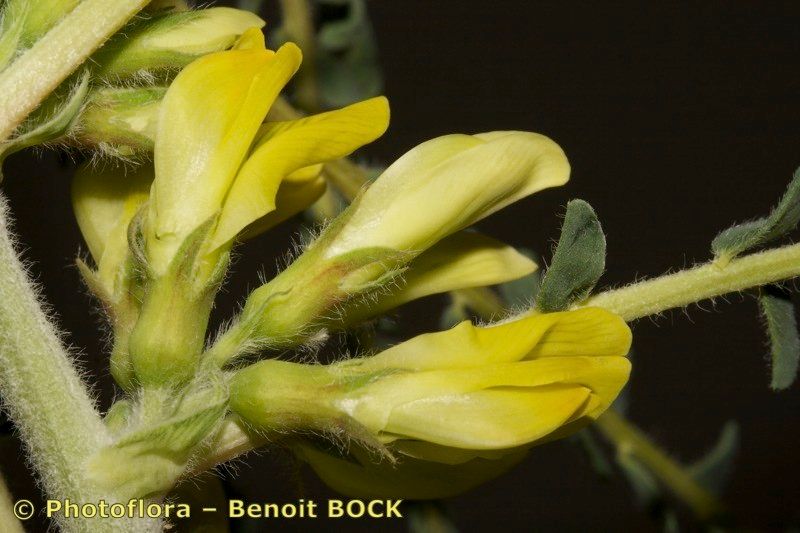
Astragalus alpinus is a species of flowering plant in the legume family known by the common name alpine milkvetch. It has a circumpolar distribution, occurring throughout the upper latitudes of the Northern Hemisphere.
Alpine milk-vetch has strong resistance to disease and is generally unlikely to develop illnesses. Still, it can be vulnerable to pests and diseases present in its environment. Such infections are typically not serious. Regarding care, the plant needs moderate maintenance. It should be pruned regularly to preserve an attractive appearance and healthy growth. Applying fertilizer can also help encourage flowering. Alpine milk-vetch is appropriate for anyone with an outdoor area, like a garden or patio, and does not demand extensive gardening experience. It may need more attention if kept indoors.
How to keep Astragalus Alpinus.
Light
Alpine milk-vetch does best in locations where it can absorb the full intensity of sunlight. It can also tolerate reduced daylight exposure. However, excessive shade may impair its growth and overall health. Native to alpine habitats, it is naturally adapted to endure intense sunlight. Insufficient sunshine may cause stunted growth or discoloration.
Water
Alpine milk-vetch, a plant native to alpine environments, thrives in conditions of consistent moisture but is also drought-resistant. It benefits from weekly watering to maintain its health. When grown outdoors, it flourishes due to the natural fluctuations in temperature and moisture, which promote growth in the cool, moist conditions found at high elevations.
Temperature
Alpine milk-vetch is native to habitats where temperatures range from 32 to 77 °F (0 to 25 ℃). It prefers moderate to cooler conditions, with slightly lower temperatures in winter to mirror its natural habitat.
Fertilizer
Typically, a single fertilizer application in spring is adequate for Alpine milk-vetch, though multiple feedings can boost growth. Feed every one to one and a half months. Fertilization improves leaf appearance and function, helping maintain even color and a healthy texture. It also promotes root development and nutrient uptake for the plant’s long-term health.
Pruning
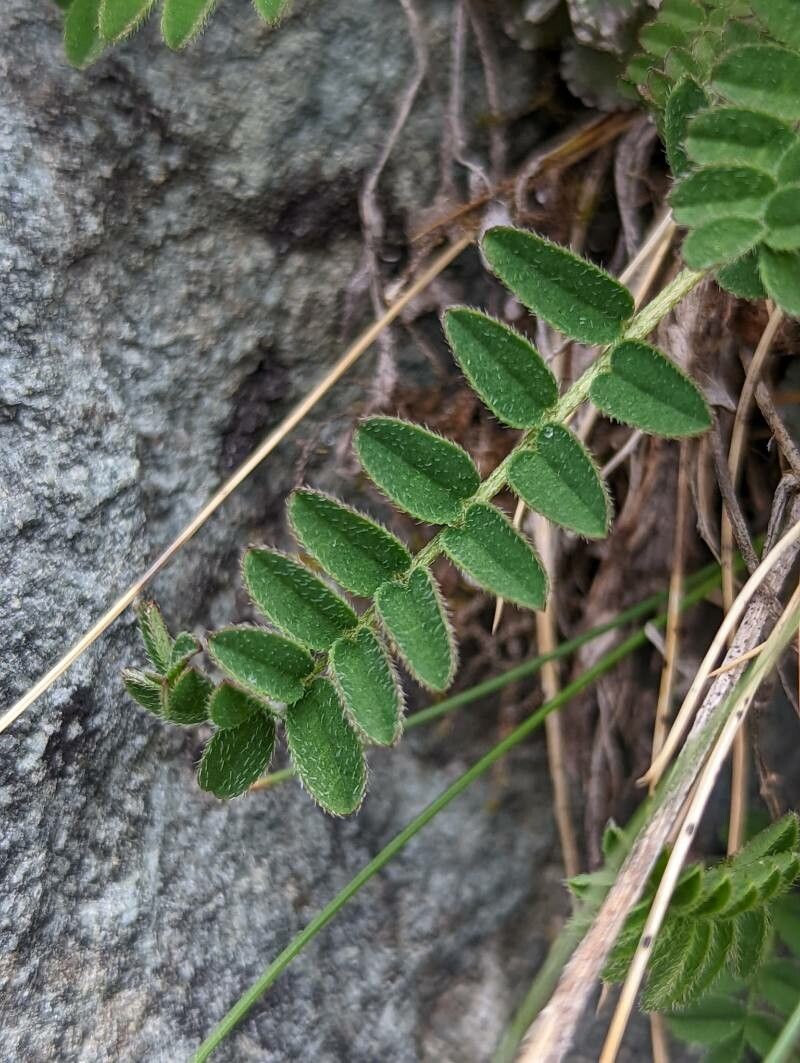
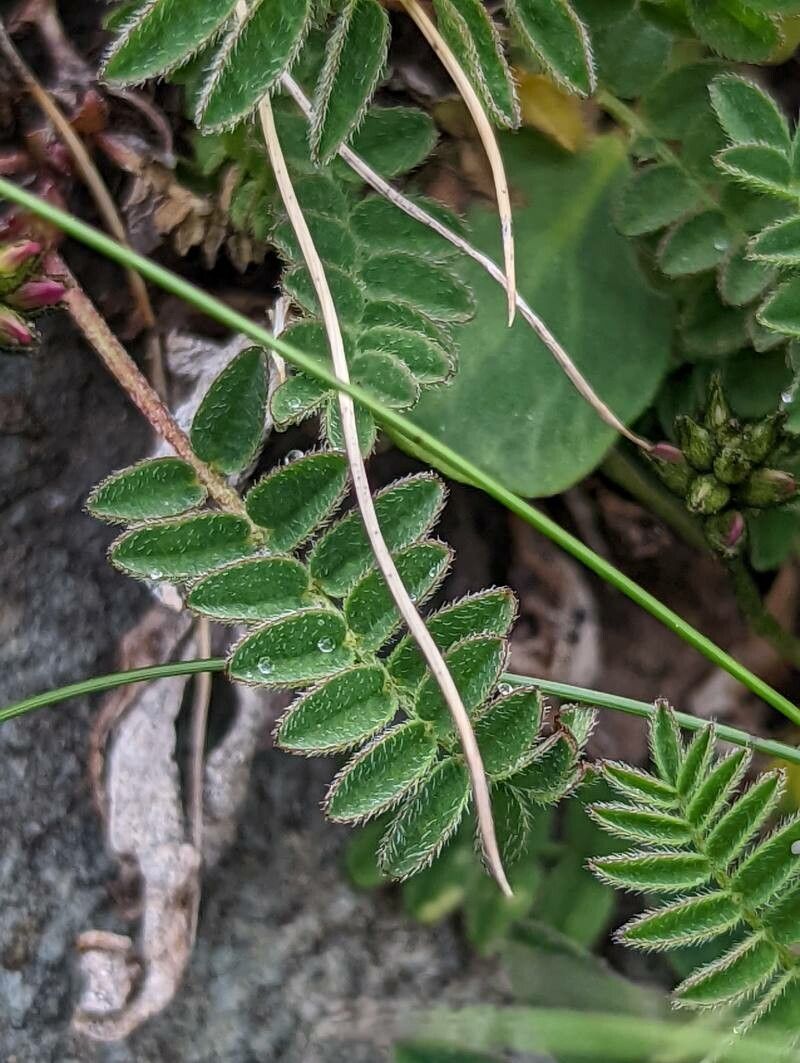
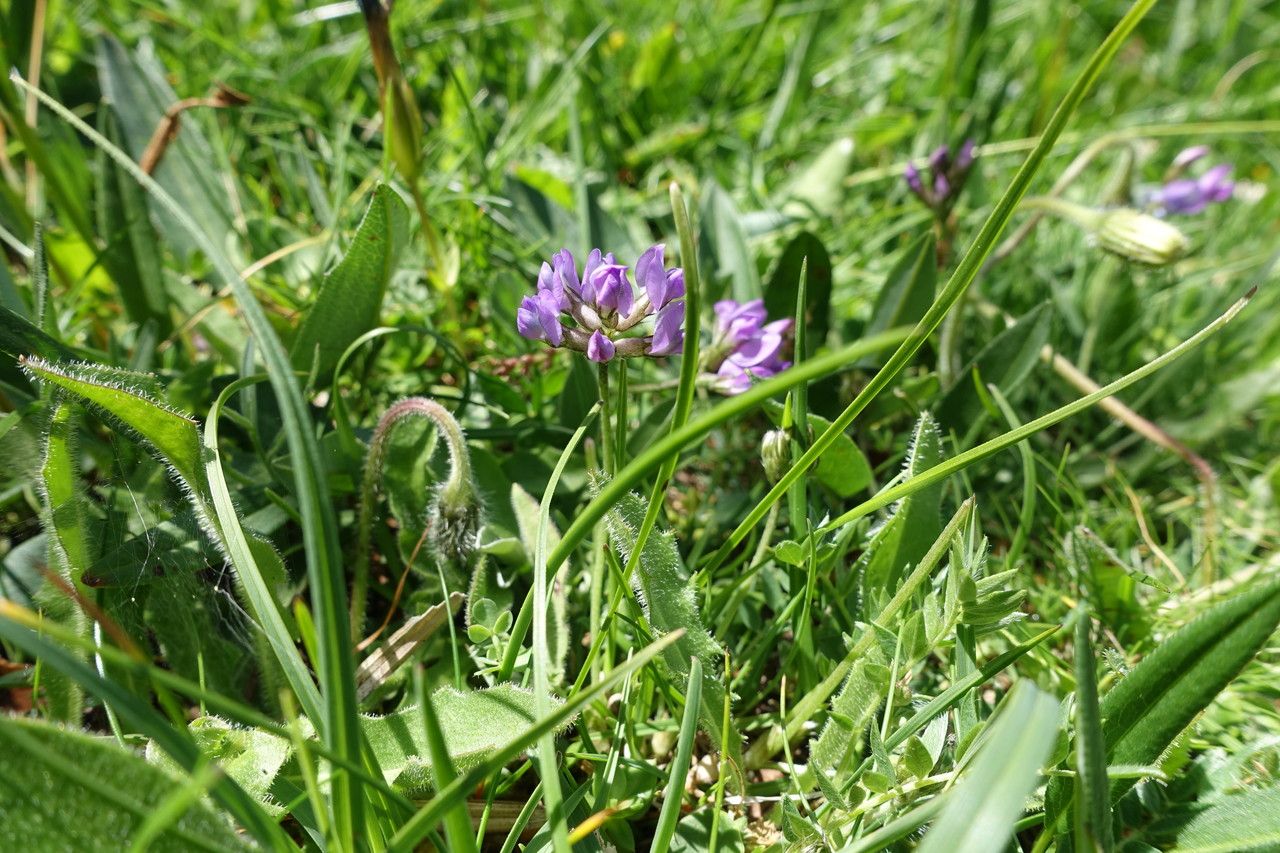
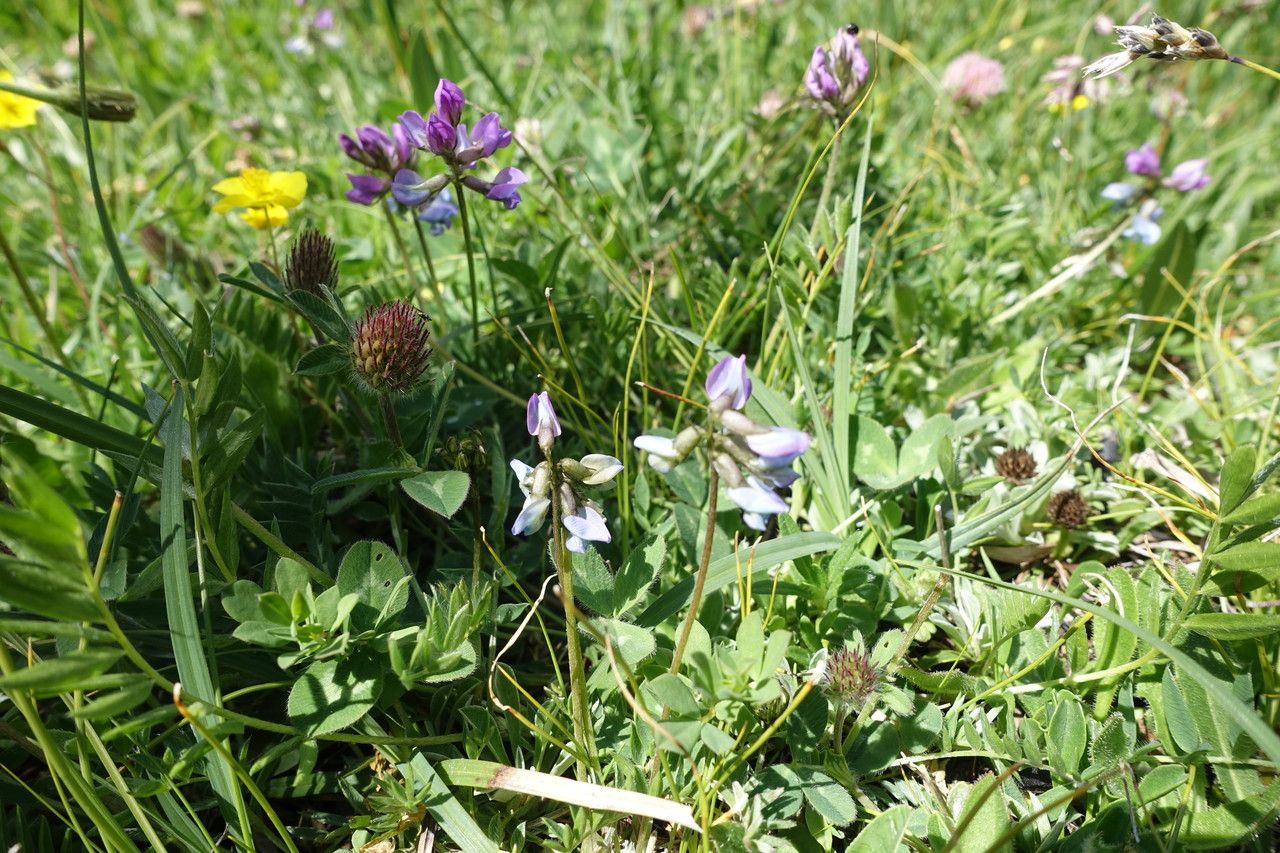
Alpine milk-vetch is a low-growing perennial plant known for its vibrant purple flowers and fern-like foliage. To ensure healthy growth, it is essential to prune the plant from early to late spring. This process helps remove damaged stems, encourages new growth, and extends the blooming period. For the best results, use sharp, sterilized tools and make cuts just above the leaf nodes.
Botanical profile.
- Plant Type
- Herb
- Life Cycle
- Perennial
- Genus
- Astragalus
- Family
- Fabaceae
- Hardiness Zone
- 3-6
- Mature Height
- 8 cm to 20 cm
- Mature Spread
- 15 cm to 25 cm
- Leaf Color
- Green, Dark Green
- Leaf Type
- Deciduous
- Flower Color
- Purple, Blue
- Flower Size
- 1.02 cm
- Bloom Time
- Late spring, Early summer, Mid summer
- Planting Time
- Spring, Summer, Autumn
- Harvest Time
- Mid summer, Late summer, Early fall
Other names.
Reader questions.
How should I water my Alpine milk-vetch plant?
To properly water the Alpine milk-vetch, use filtered water at room temperature. Tap water should be avoided because it may contain harmful particles. The water should be at room temperature or slightly warmer to avoid shocking the plant, as it originates from a warm environment. Instead of watering from above, apply the filtered room temperature water directly to the soil until it is fully soaked. This helps the roots gather nutrients and spread through the soil.
What are the sunlight requirements for Alpine milk-vetch?
Alpine milk-vetch requires full sun, meaning it should receive above 6 hours of sunlight daily, to thrive optimally. However, it can also grow under partial sun conditions, with about 3-6 hours of sunlight. It's important to observe how sunlight moves through your garden to choose spots that ensure a balance of light and shade, supporting the plant's health.
What is the native environment temperature range for Alpine milk-vetch?
Alpine milk-vetch, botanically known as Astragalus alpinus, thrives in environments where temperatures range from 32 to 77 °F (0 to 25 °C). This plant prefers average to cooler conditions, ideally with slightly lower temperatures during the winter months to closely mimic its natural habitat.
What should I do if I give my Alpine milk-vetch too much or too little water?
Both overwatering and underwatering can harm the health of your Alpine milk-vetch, but overwatering is more common. Excess water causes wilting and yellowing of stems and leaves, as well as diseases like root rot, mold, and mildew that can be fatal. Underwatering is less likely since the plant can withstand drought, but it is still a possibility. In this case, the leaves become brittle and brown. It's crucial to recognize signs of overwatering early on. Some diseases from overwatering, such as root rot, may be irreversible if not addressed promptly. Reduce watering if you notice early signs. Check the soil's drainage and replace it with a loose, well-draining mix if necessary. If you see signs of underwatering, simply increase watering until the symptoms improve.
What are the essential care tips for growing Alpine milk-vetch?
Alpine milk-vetch, originating from alpine environments, is well-adapted to absorb the full intensity of sunlight throughout the day. While it can withstand less sunlight, excessive shade may inhibit its growth and affect its health. In conditions where natural sunlight is insufficient, especially during winter or in less sunny areas, artificial lighting can be a practical solution. Optimal growth under artificial lighting requires choosing the right light type, determining the appropriate distance above the plant (12-36 inches), and ensuring the plant receives 8-12 hours of light daily. The exact requirements vary; full sun plants need 30-50W/sq ft, partial sun plants 20-30W/sq ft, and full shade plants 10-20W/sq ft of artificial light.
Does Alpine milk-vetch require frost protection in winter?
Alpine milk-vetch is highly cold-tolerant and does not typically require additional frost protection measures during the winter. However, to prepare for the first freeze of autumn, it's beneficial to water the plant generously. This ensures the soil remains moist when it enters a frozen state, helping to prevent drought and water scarcity for the plant during winter and early spring.
How often do I need to water my Alpine milk-vetch plant?
If your Alpine milk-vetch is in a pot, the most precise way to determine if it needs water is by checking the soil with your finger. If the top two to three inches of soil feel dry, it's time to water. If you have the Alpine milk-vetch planted outdoors in the ground, you can use a similar method. When the top few inches of soil are dry, it's time to add water. Typically, watering once a week is sufficient during spring and early fall. However, during extremely hot weather, you may need to increase watering to at least twice a week. It's worth mentioning that mature and well-established Alpine milk-vetch plants have a remarkable ability to withstand drought.
What symptoms indicate insufficient sunlight for Alpine milk-vetch?
Symptoms of light deficiency in Alpine milk-vetch include smaller new leaves, leggy or sparse growth, faster leaf drop, and slower or halted new growth. These signs suggest the plant isn't receiving enough sunlight. Conditions of excessive sunlight can cause chlorosis (leaves turning yellow), sunscald, leaf curling, wilting, and leaf scorching. Monitoring these symptoms helps in adjusting the plant's exposure to light, ensuring its health.
What should be done if Alpine milk-vetch experiences temperatures below -35°C?
Alpine milk-vetch is extremely cold-tolerant, capable of withstanding winter temperatures above -35°C. If the temperature falls below this threshold, while there may not be noticeable changes during winter, the plant could exhibit a decrease in sprouting or potentially not sprout at all during spring. In such cases, it's recommended to remove any parts of the plant that have failed to sprout come spring.
How much water does my Alpine milk-vetch plant need?
When watering your Alpine milk-vetch plant, it is important to give it a generous amount of water. Make sure the top two to three inches of soil are dry before watering. Water the plant thoroughly and ensure that the soil is completely soaked. The water should be enough to cause excess water to drain out of the pot through the drainage holes. If you do not see any excess water draining, you may have not given enough water. Avoid letting water accumulate in the soil, as this can be harmful to the plant. If there is no drainage, it may indicate that the soil does not drain well, which is not good for the plant's health. If the plant is outside, it typically only needs about 1 inch of rainwater per week.
How can I provide sufficient sunlight to my indoor or outdoor Alpine milk-vetch plants?
For indoor Alpine milk-vetch plants, gradually move them to sunnier locations each week until they receive at least 6 hours of direct sunlight daily, utilizing south-facing windows for maximum exposure. If the plant is too large or not easily moved, artificial lights, such as professional plant grow lights, can be used to supplement light for at least 8 hours a day. For outdoor plants, avoid sudden changes in light intensity by progressively moving plants to sunnier spots each week to prevent sunburn. If sunlight is blocked by trees or other obstructions, consider pruning or transplanting smaller plants to areas with more sunlight and good drainage. Note that parts of the plant that have suffered due to insufficient sunlight may not recover, but new growth should be healthy once light conditions improve.
How does Alpine milk-vetch respond to high temperatures?
Alpine milk-vetch does not tolerate high temperatures well. Growth will halt, and the plant becomes more susceptible to rot if the temperature exceeds 25°C. To manage this, trim away any sunburned and dried parts of the plant. Relocate the plant to a shaded location or use a shade cloth to protect it from the midday and afternoon sun. Additionally, water the plant in the morning and evening to maintain soil moisture.