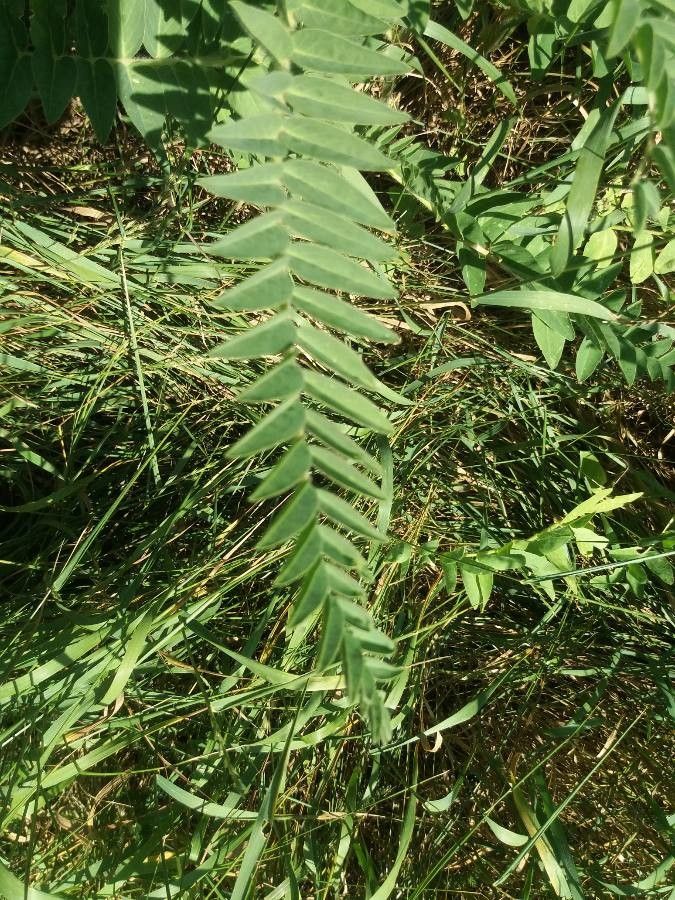
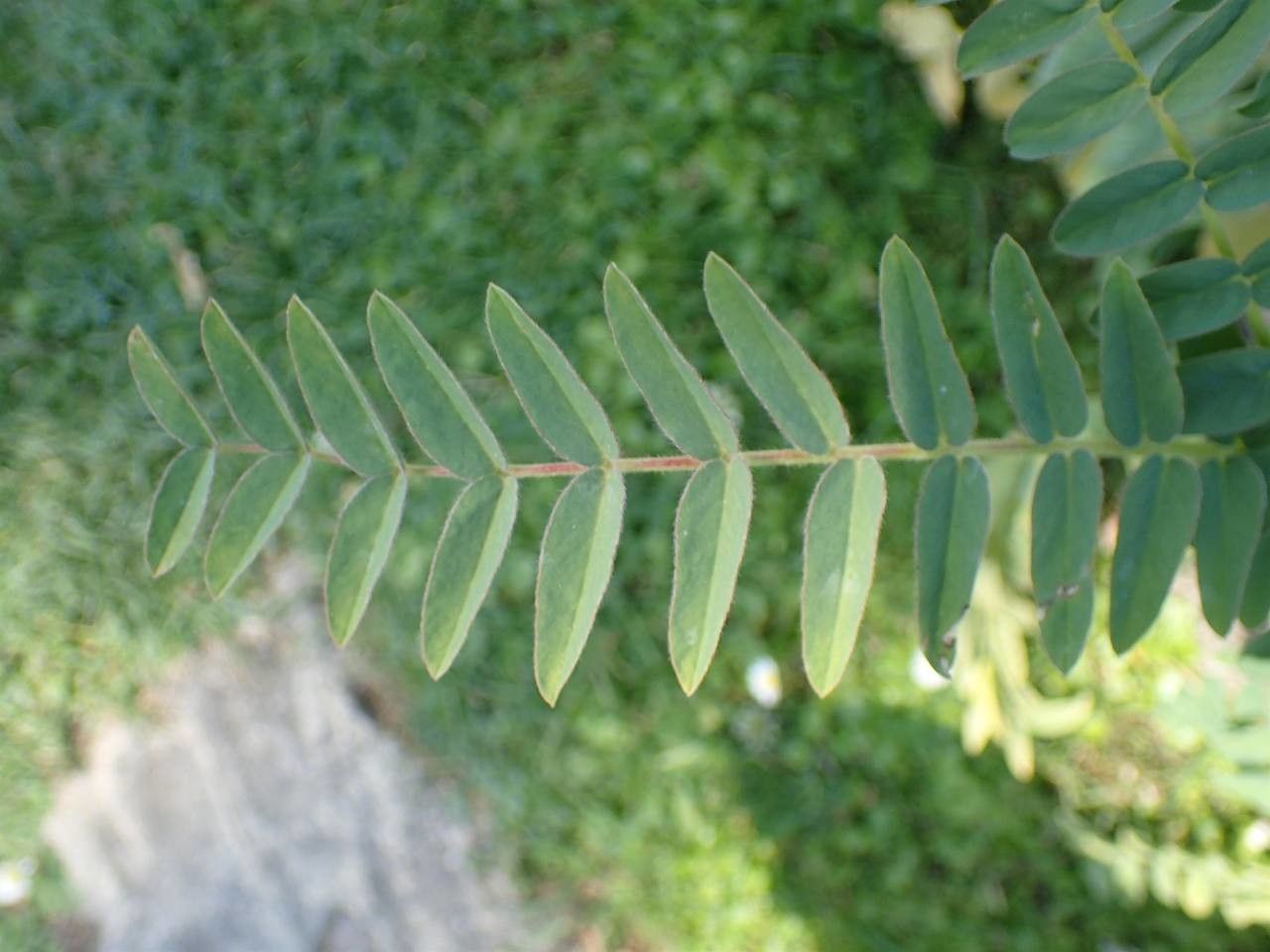
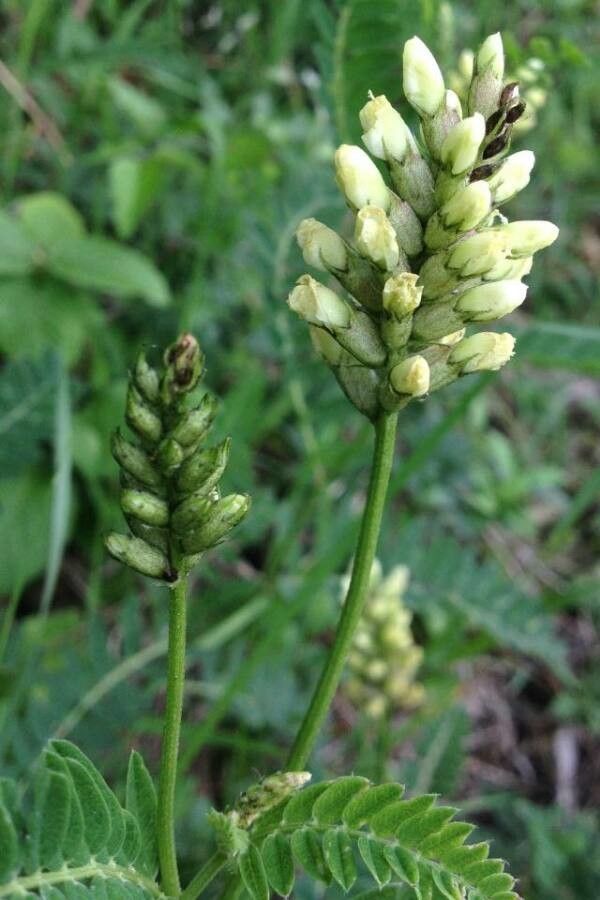
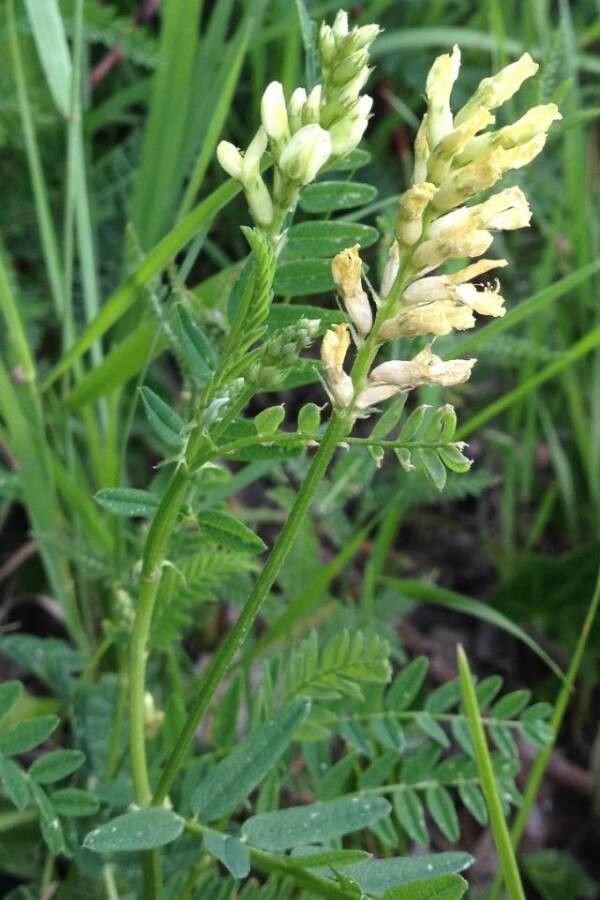
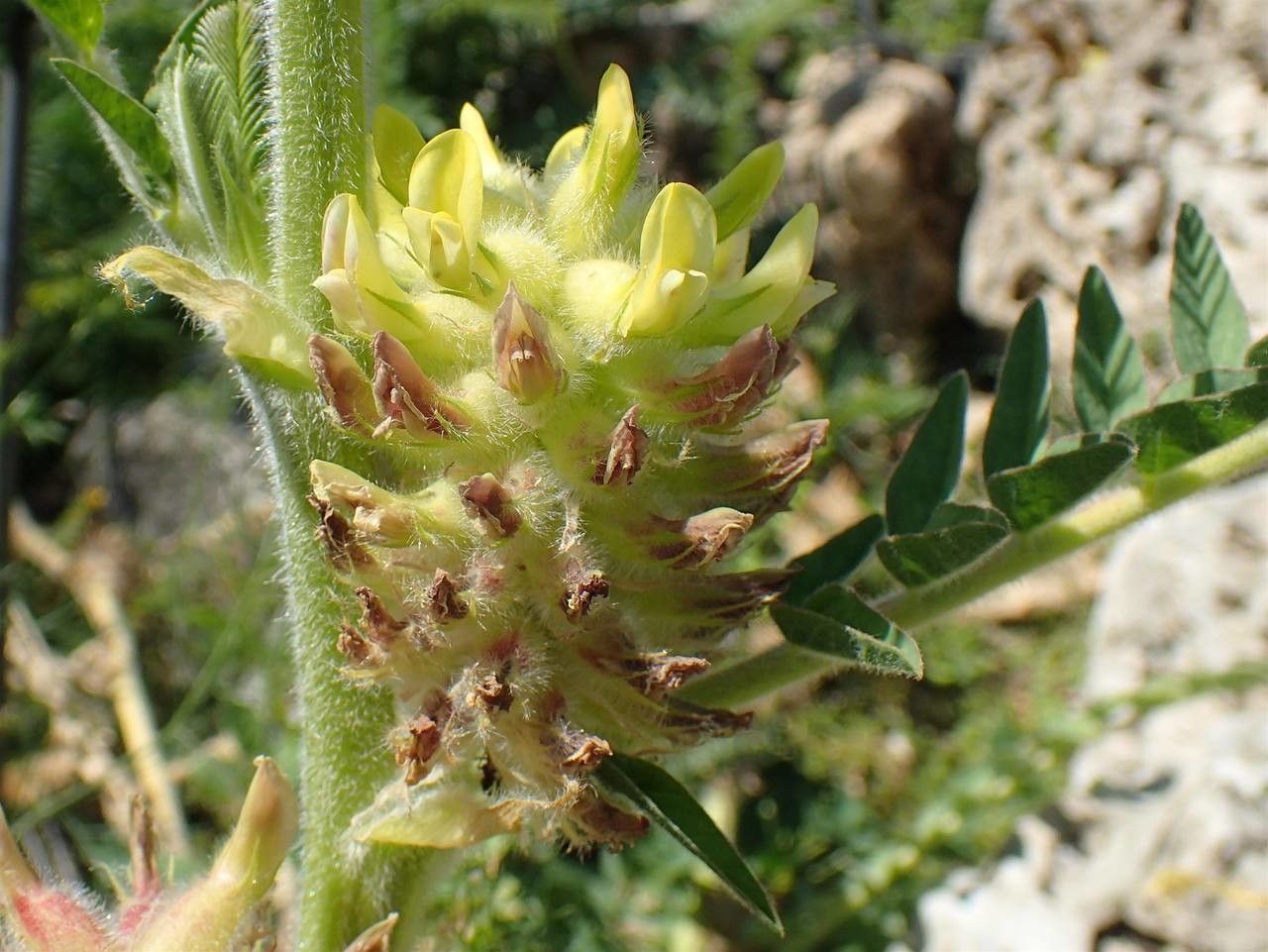
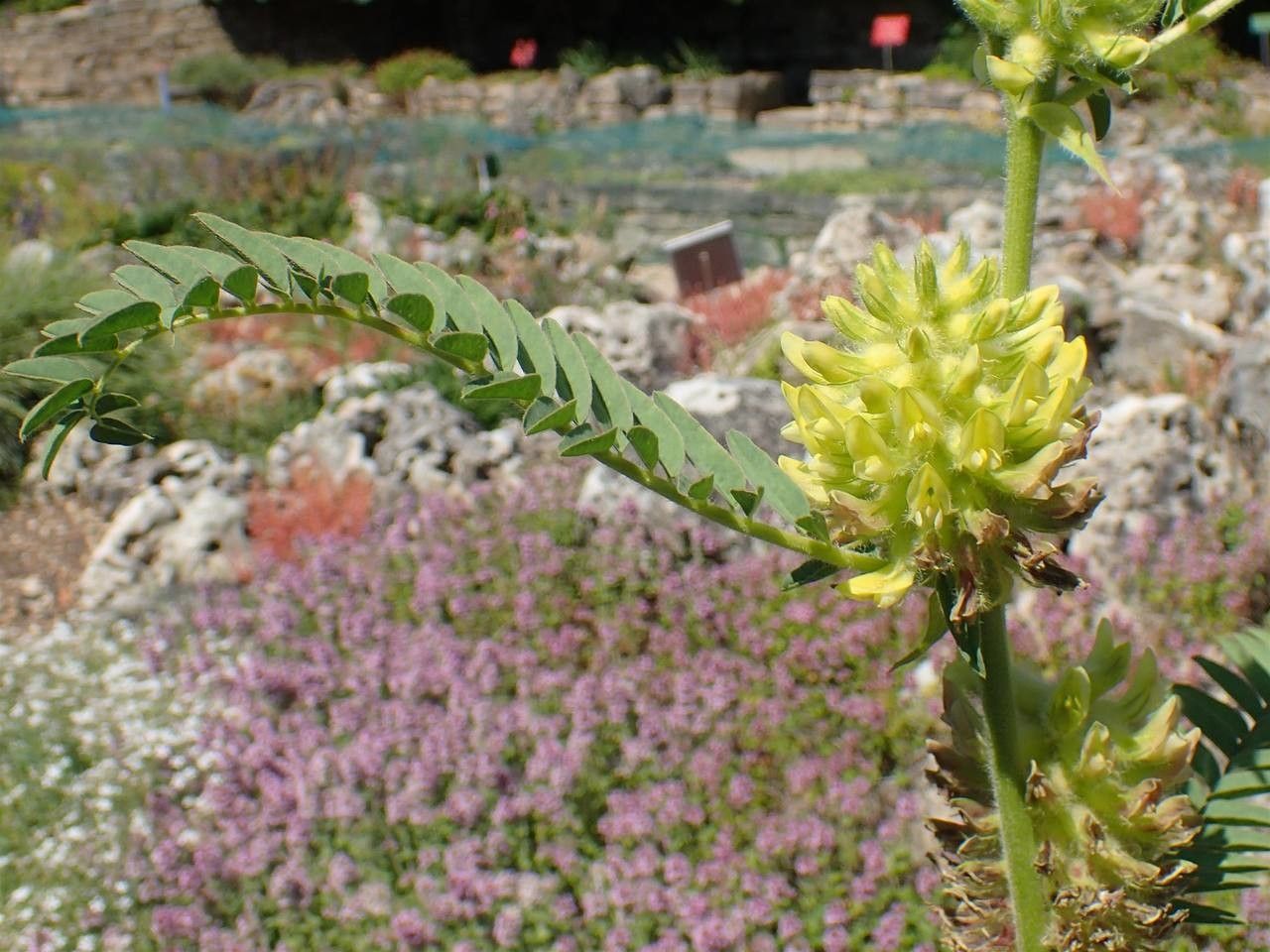
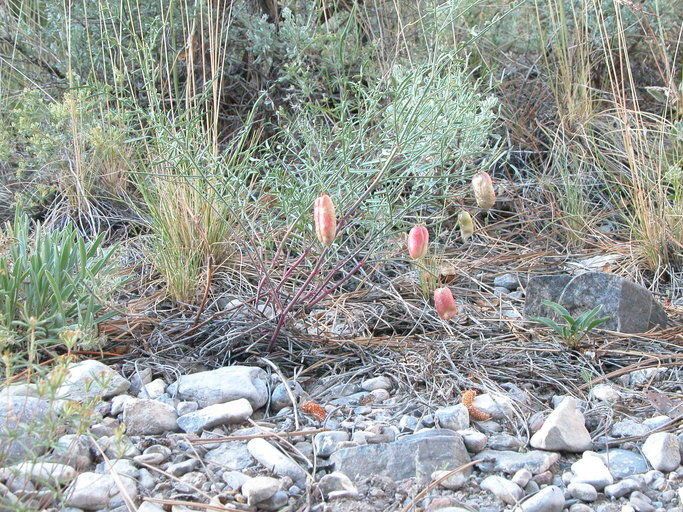
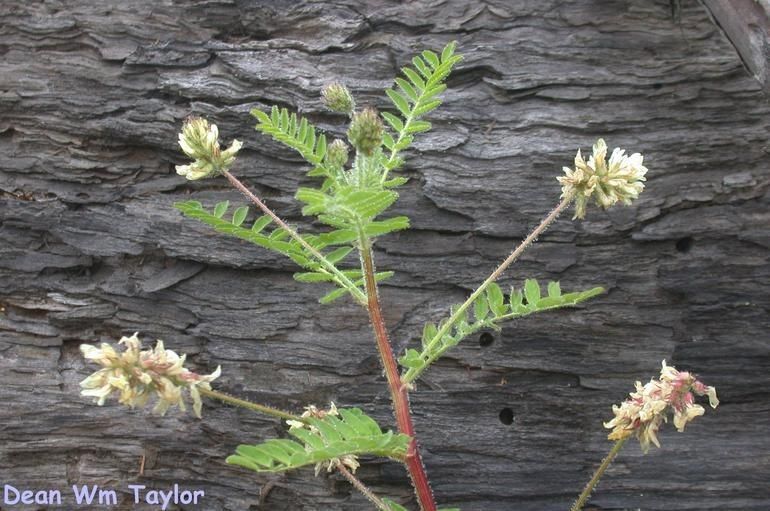
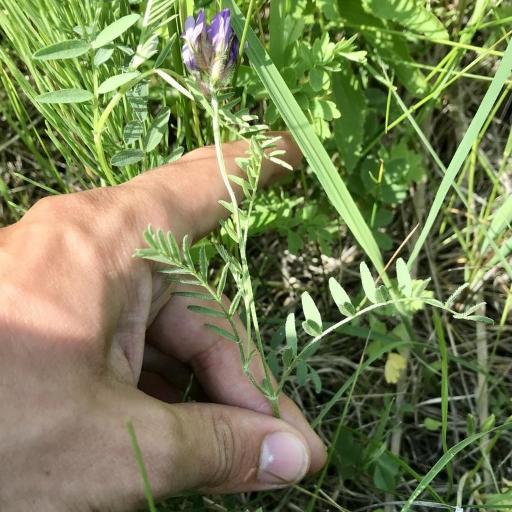
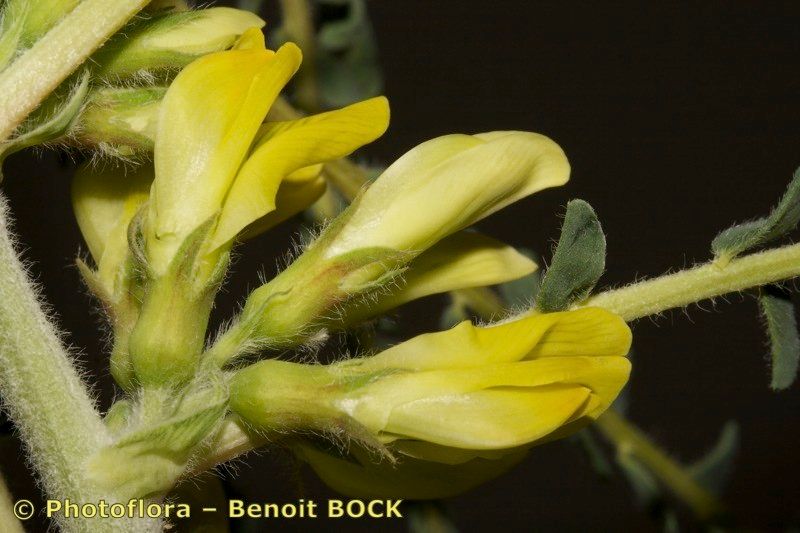
Astragalus alopecurus, synonym Astragalus centralpinus, is a species of milkvetch in the family Fabaceae.
Centralpine milk-vetch has strong disease resistance and is typically not prone to illnesses. Still, it can be affected by pests and diseases present in its surroundings; such infections are generally mild. Regarding care, the plant needs moderate maintenance. It should be pruned regularly to preserve a good appearance and support healthy growth. Fertilizing can also encourage flowering. Centralpine milk-vetch is suitable for anyone with outdoor space, like a garden or patio, and does not demand extensive care experience. It may need more attention when cultivated indoors.
How to keep Astragalus Alopecurus.
Light
Centralpine milk-vetch is a sun-loving, perennial herbaceous plant native to open habitats and frequently thriving in meadows and grasslands. Its sunlight preference is full sun, though it can also tolerate partial sun.
Water
Centralpine milk-vetch is well-suited to arid environments due to its high drought tolerance and deep root systems, which allow it to efficiently extract moisture from the soil. To thrive, it requires weekly watering and benefits from well-draining soil that prevents waterlogging, thereby mimicking its natural habitat for optimal growth.
Temperature
Centralpine milk-vetch can tolerate a broad range of temperatures, but its range may still be constrained by different combinations of moisture and heat. It grows best in warm summer conditions with adequate rainfall or irrigation. Extended periods of cloudy, rainy weather or of sustained high temperatures can raise the risk of Centralpine milk-vetch dying. In winter, protecting the plant from cold can increase its chances of survival.
Fertilizer
One fertilizer application in spring is usually enough for Centralpine milk-vetch, though repeated feedings can maximize growth. Feed about once every month to a month and a half. Fertilizing improves the leaves’ appearance and function, encouraging even color and a healthy texture. It also promotes root growth and nutrient uptake, supporting the plant’s long-term health.
Pruning
Centralpine milk-vetch features vibrant flowers and pinnate leaves. Prune it from early to late spring to remove dead wood, improve air circulation, and stimulate growth. Be sure to use sterilized tools to make clean cuts just above the buds. Maintaining a balanced shape will enhance the plant's overall health and improve its resilience against diseases.
Botanical profile.
- Plant Type
- Herb
- Life Cycle
- Perennial
- Genus
- Astragalus
- Family
- Fabaceae
- Hardiness Zone
- 4-8
- Mature Height
- 49 cm to 76 cm
- Mature Spread
- 20 cm to 40 cm
- Leaf Color
- Green, Dark Green
- Leaf Type
- Semi-evergreen
- Flower Color
- Yellow
- Flower Size
- 3.56 cm to 4.06 cm
- Bloom Time
- Late spring, Early summer
- Planting Time
- Spring, Summer
- Harvest Time
- Mid summer, Late summer
- Native Area
- Russia, Turkey, Italy, Kazakhstan, France, Bulgaria, Armenia, Azerbaijan, China
Other names.
Reader questions.
What are the sunlight requirements for Centralpine milk-vetch (Astragalus alopecurus)?
Centralpine milk-vetch, also known by its botanical name Astragalus alopecurus, thrives in various sunlight conditions. For optimal growth, it requires 'full sun' which is defined as receiving above 6 hours of sunlight daily. However, it can also grow in 'partial sun', meaning it should get about 3-6 hours of sunlight each day. It's important to observe the movement of sunlight through your garden to select spots that offer the ideal balance of light and shade, ensuring the plants stay healthy and happy.