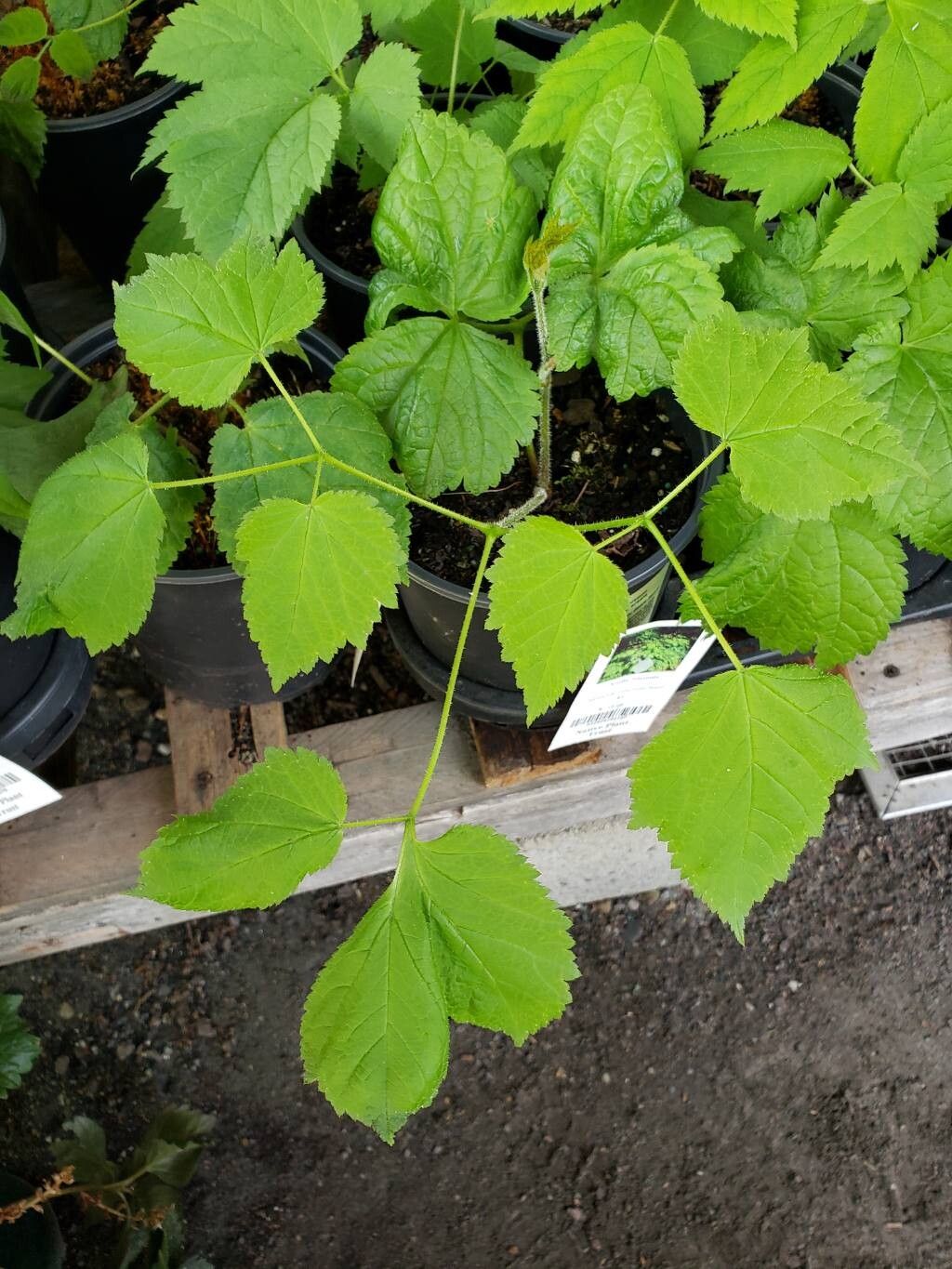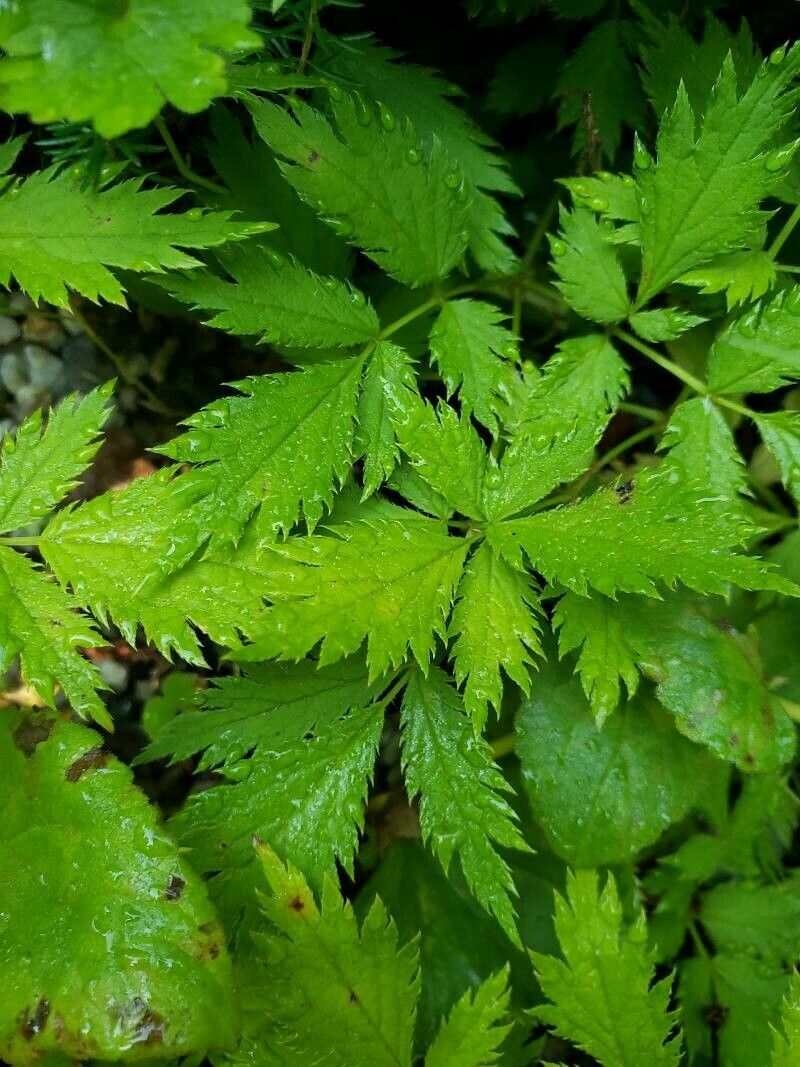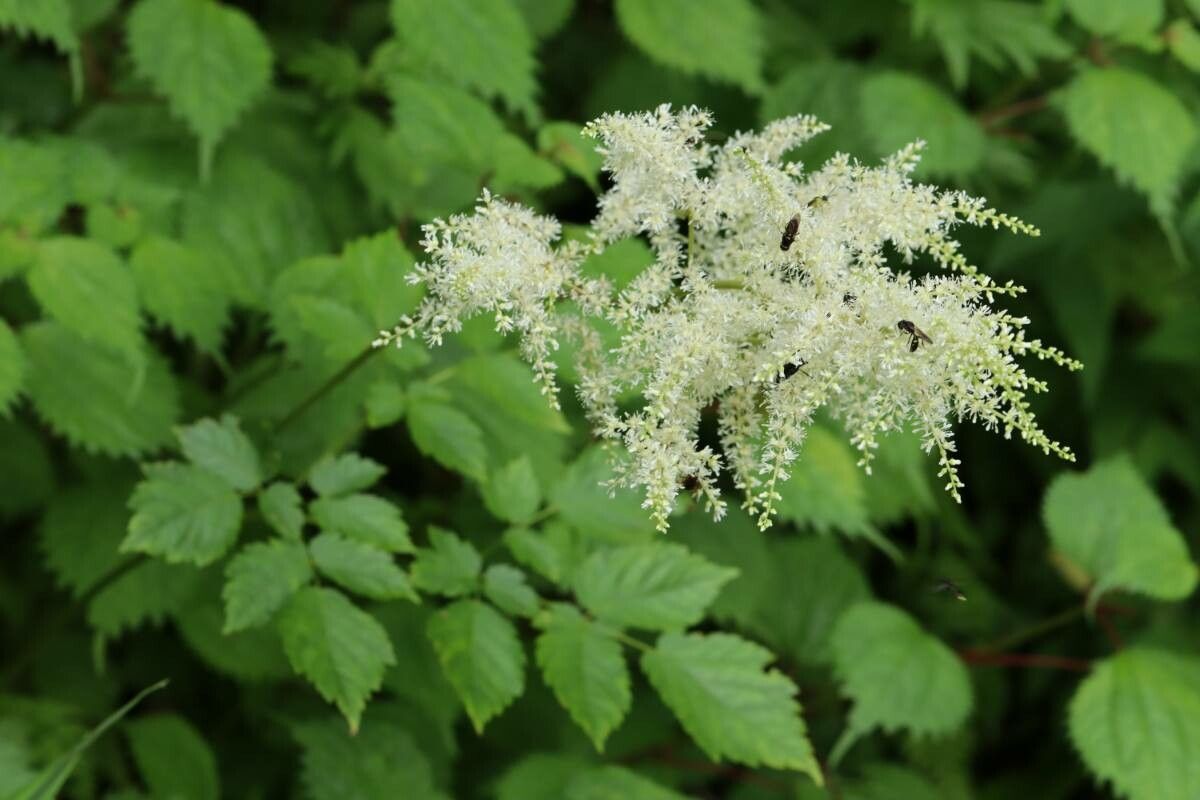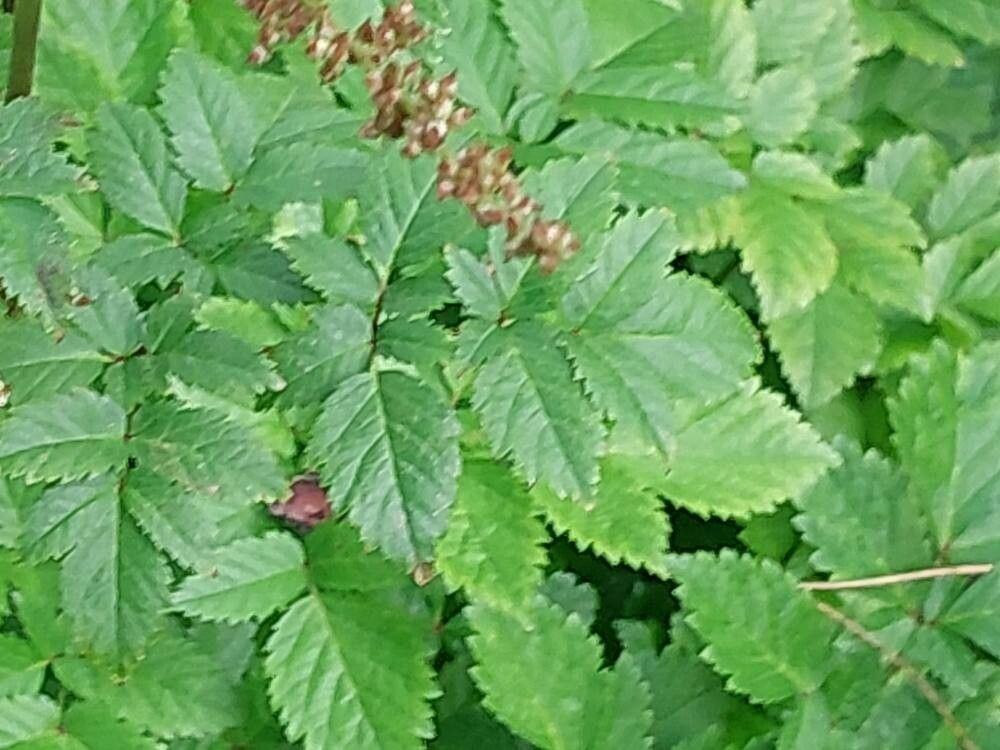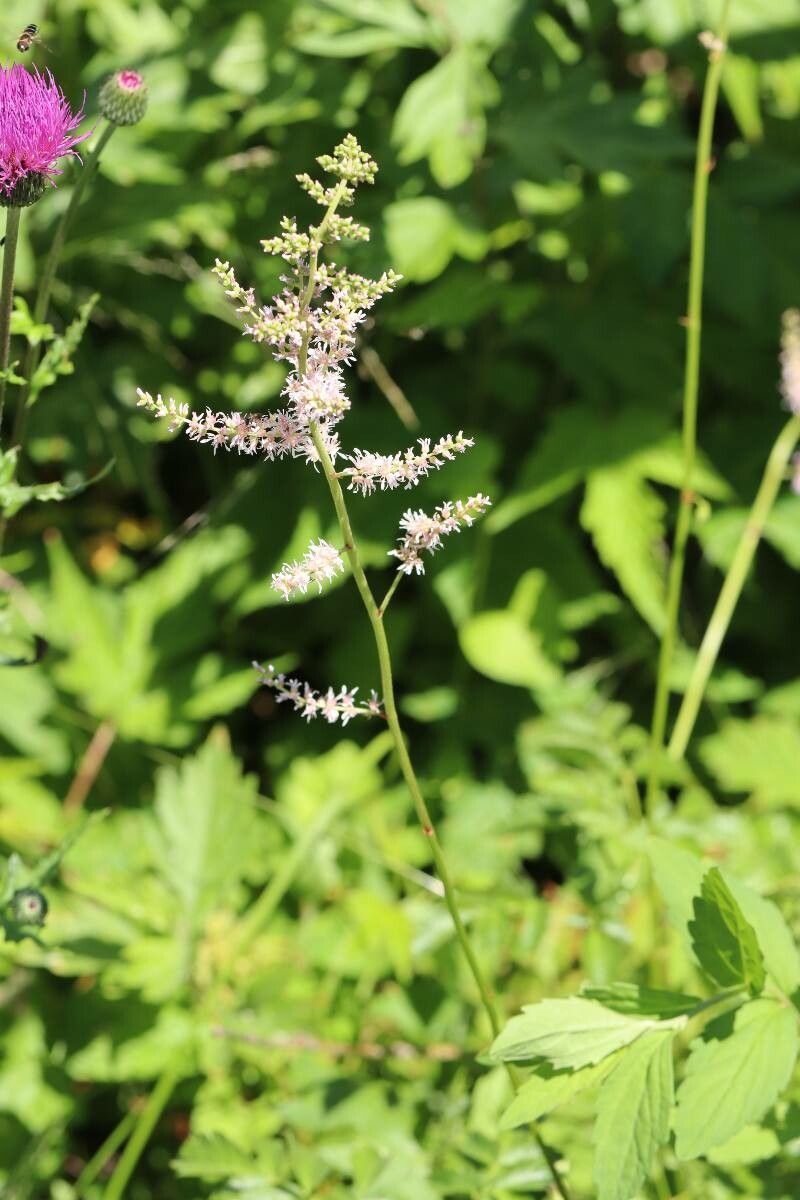
Astilbe microphylla displays good resistance to diseases and is generally not prone to them. However, it can be affected by pests and diseases present in its surroundings. These infections are usually not serious. For care, this plant requires a moderate level of maintenance. It should be pruned regularly to maintain a neat appearance and healthy growth. Fertilizing can also help encourage flowering. Astilbe microphylla is suitable for anyone with an outdoor area, such as a garden or patio, and does not need extensive gardening experience. It may need more care when grown indoors.
How to keep Astilbe Microphylla.
Light
Astilbe microphylla originates from settings like forest underlayers or stony regions, where it naturally exists in shade. It favors conditions of partial sunlight, though it's capable of adjusting to complete sun or complete shade, showing its flexible and robust characteristics.
Water
A newly planted astilbe microphylla needs to be watered by hand at least once a week until it becomes established. It thrives best in moist soil, as this helps prevent the leaf edges from drying out or getting scorched, which can be fatal to the plant. Be sure to regularly check the soil moisture, especially during hot summers or if the plant is in a sunny spot.
Temperature
Astilbe microphylla possesses the capability to acclimate to diverse temperature ranges. Nevertheless, varying combinations of moisture and heat conditions might restrict its propagation. This plant flourishes optimally in warm summer climates that are sufficiently watered, either through rainfall or controlled watering. Lengthy intervals of overcast and wet weather, along with extended periods of intense heat, enhance the chances of the Astilbe microphylla plant perishing. During the winter, adequate safeguarding against the chill can boost the survivability of the plant.
Fertilizer
The optimal period to apply fertilizer to an Astilbe microphylla is during early spring, as it transitions from dormancy to active growth. Fertilization supplies essential nutrients necessary for robust growth. Even though the Astilbe microphylla does not require much fertilizer, fertilizing it once a year can boost its lifespan and result in more vibrant, enduring blooms.
Pruning
Trim your Astilbe microphylla in early spring to promote new growth and improve air circulation. Cut old stems down to ground level and remove spent flowers to extend the blooming period. Always use clean and sharp tools when pruning to minimize the risk of disease and ensure healthy blooms.
Botanical profile.
- Plant Type
- Herb
- Life Cycle
- Perennial
- Genus
- Astilbe
- Family
- Saxifragaceae
- Hardiness Zone
- 4-9
- Mature Height
- 30 cm to 61 cm
- Mature Spread
- 30 cm to 46 cm
- Leaf Color
- Dark Green, Forest Green
- Leaf Type
- Deciduous
- Flower Color
- Pink, White
- Flower Size
- 0.20 cm to 0.25 cm
- Bloom Time
- Early summer, Mid summer
- Planting Time
- Spring, Summer
- Harvest Time
- Late summer, Early fall
- Native Area
- Japan