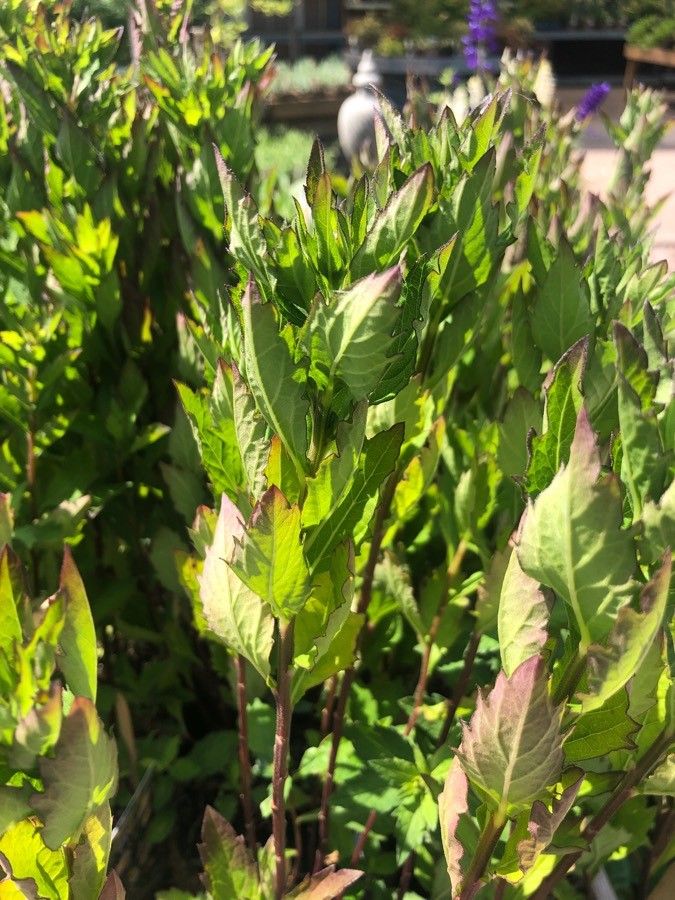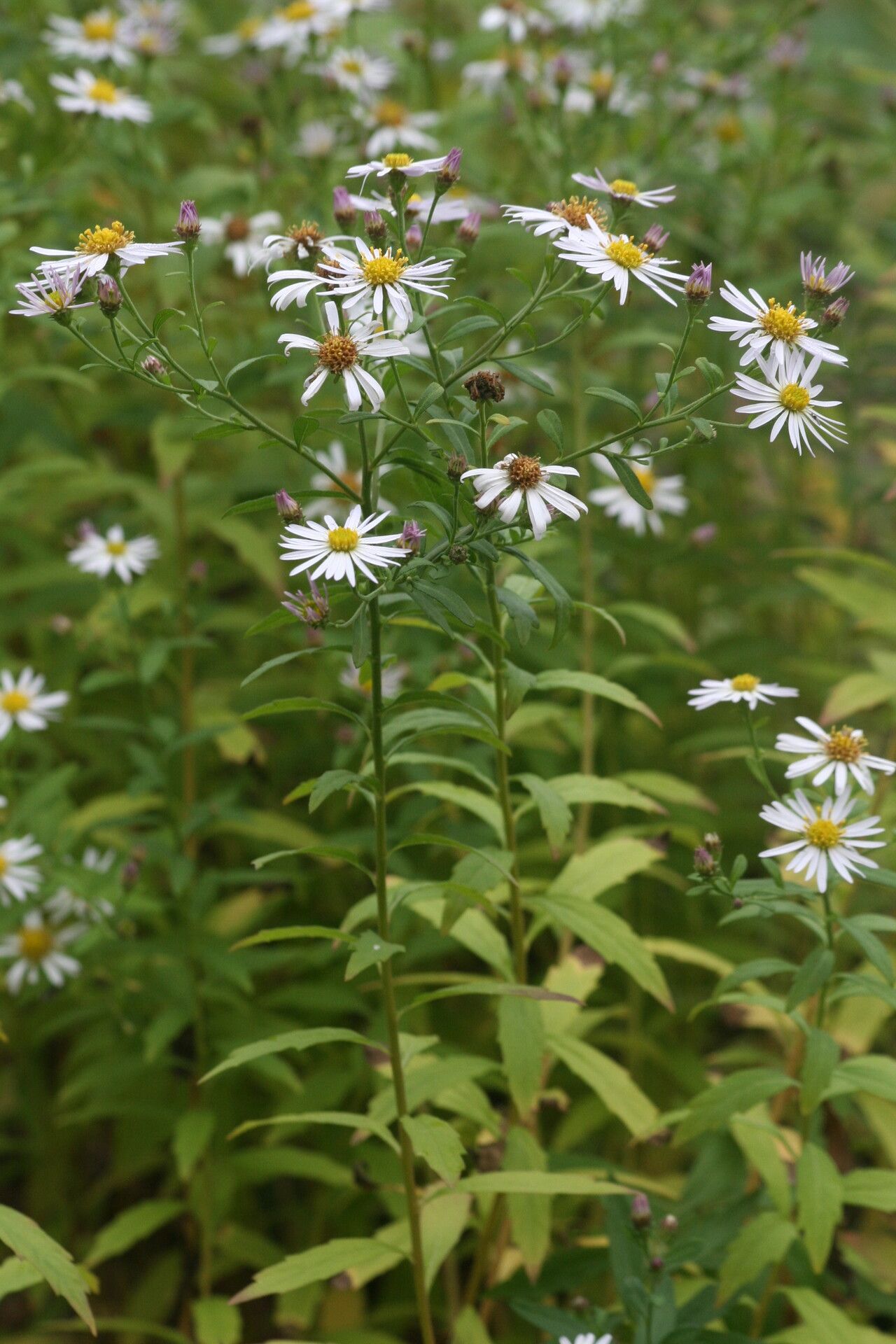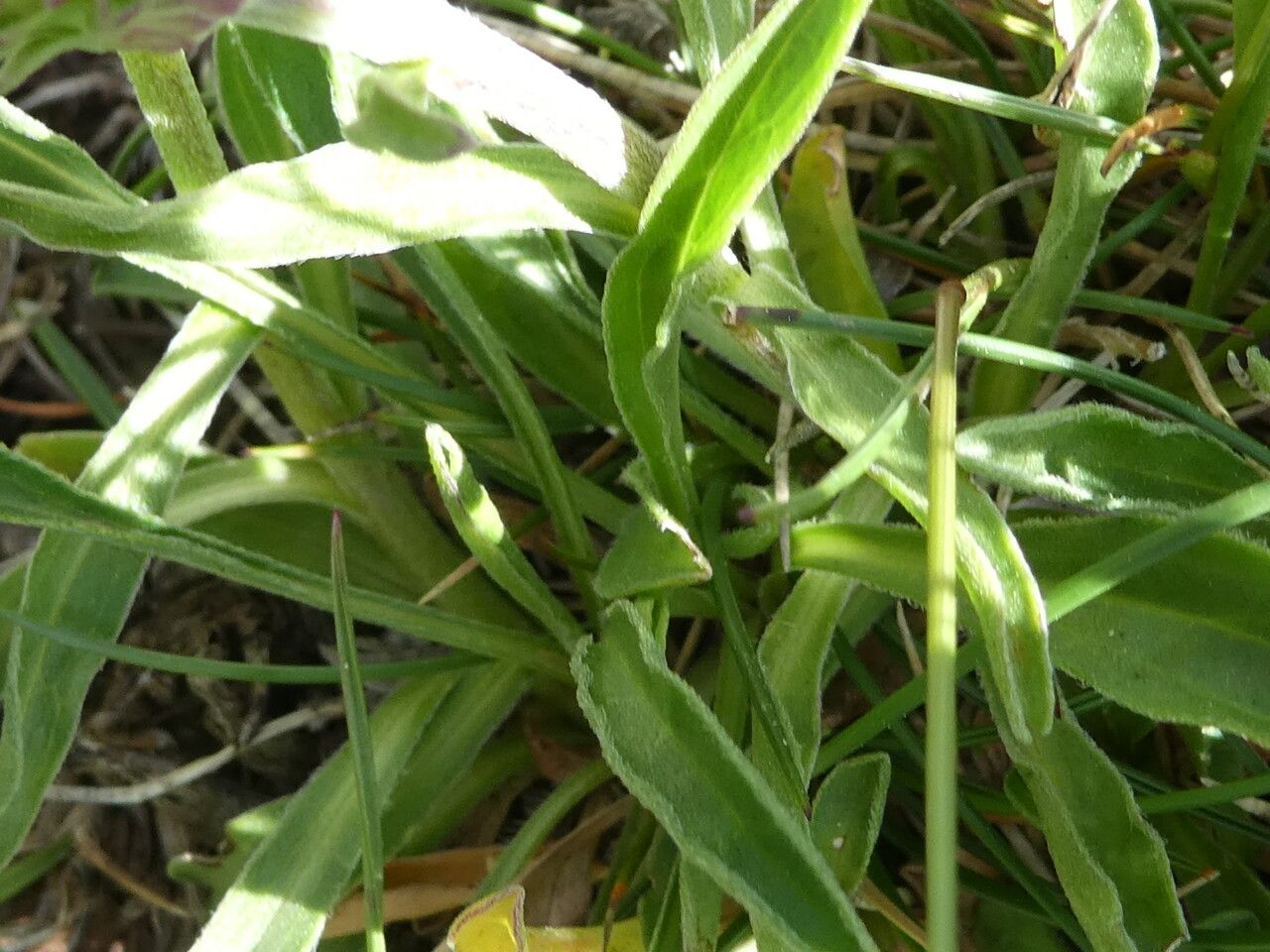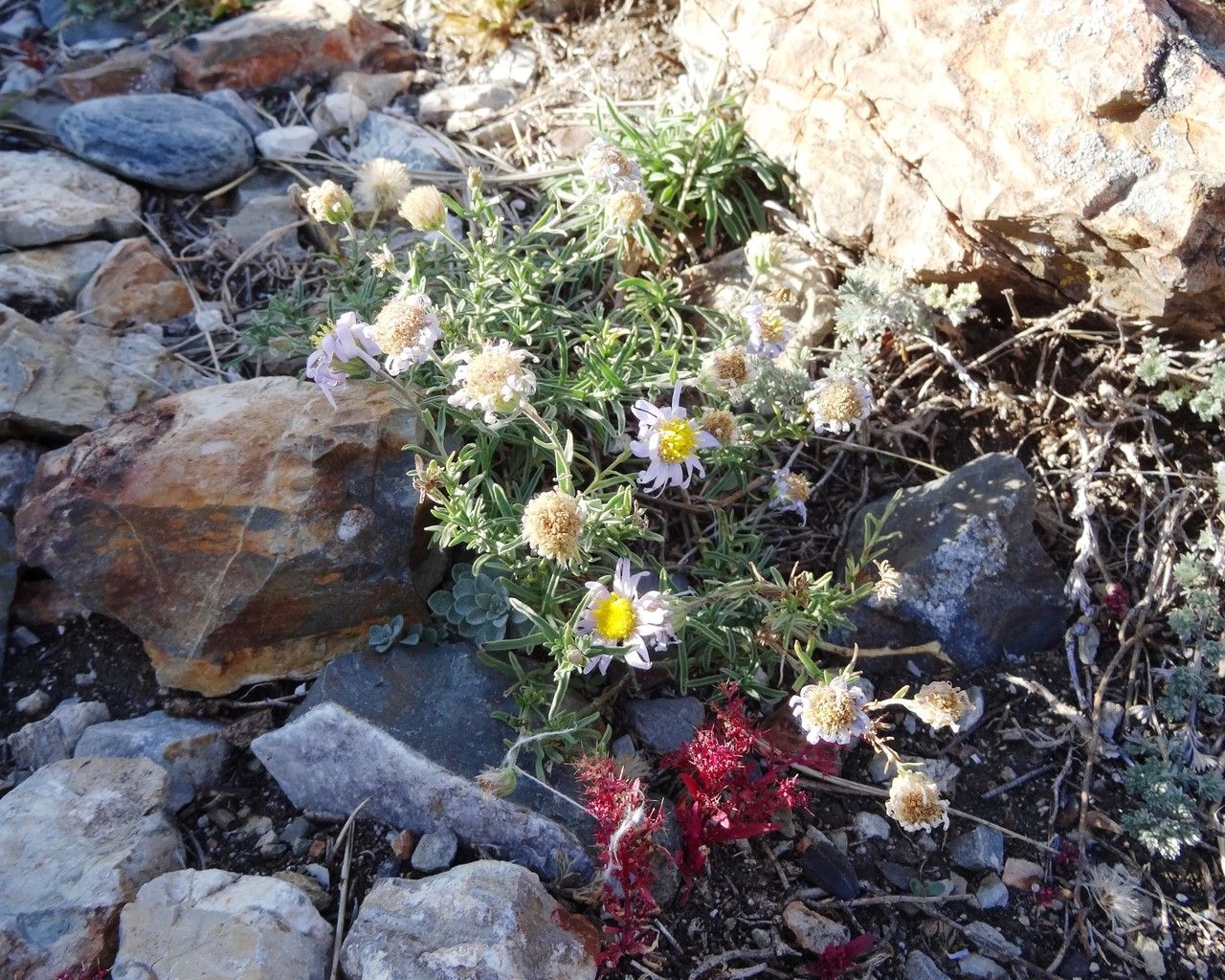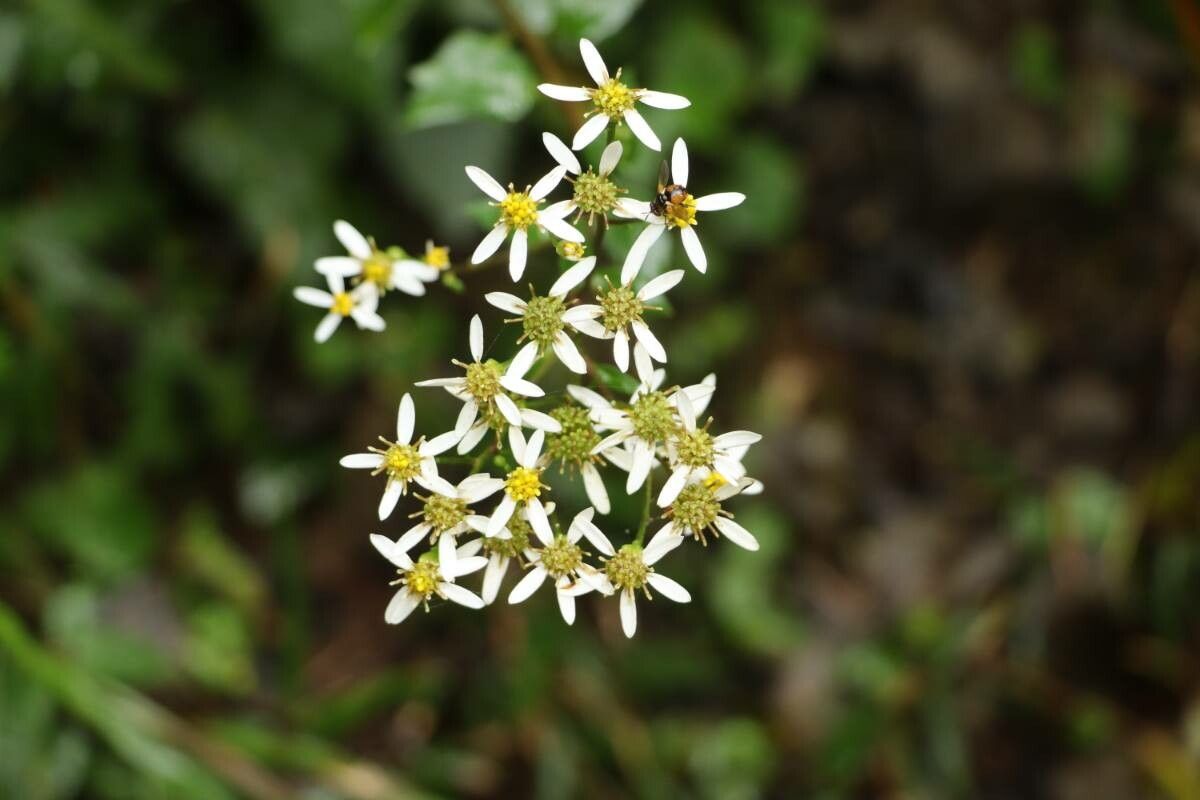
Doellingeria scabra is a perennial herb of the family Asteraceae from Eurasia. It is frequently found in wild mountain regions of Korea, eastern Russia, China, and Japan.
Alpine aster shows moderate resistance to disease and can be prone to problems like leaf spot. Its vulnerability to insect pests varies by variety, but most types are not very resistant to pests. For care, alpine aster requires regular watering and feeding, along with frequent removal of yellow leaves. It is important to manage pests and diseases when they occur and to harvest the plant promptly. Alpine aster is suited to people who can spend some time and effort on routine care.
How to keep Aster Scaber.
Light
Alpine aster grows best in full sun but can tolerate limited light as well. Its native environment has similar sunlight conditions, which support healthy growth. Too much or too little light can impede its development, causing stress to the plant or faded leaves, respectively.
Water
The Alpine aster flourishes in cool mountain environments, where it prefers moderate moisture and benefits from weekly watering. When grown indoors, it sustains its lush foliage even in low light conditions, requiring less frequent irrigation. Proper watering is vital for maintaining the plant's vibrant blooms and frequent flowering.
Temperature
Alpine aster thrives in a temperate climate with temperatures ranging from 50 to 95 °F (10 to 35 °C). If temperatures fall substantially, consider taking protective measures to help the alpine aster adjust comfortably.
Fertilizer
Alpine aster species benefit from one or two applications of organic, natural fertilizers containing potassium and phosphorus. Apply the fertilizer before planting, work it into the soil, and water thoroughly. Usually a single application is sufficient, but a second can be applied after seedlings have become established. Avoid excessive fertilizer use to prevent damage to the plants.
Pruning
The Alpine aster is known for its daisy-like flowers and compact growth. To encourage healthy growth and abundant flowering, it is best to prune the plant from early to late spring. Regularly remove spent blooms and dead stems to improve air circulation, and occasionally trim the plant to maintain its shape. Pruning promotes new growth, ensuring the plant remains vibrant throughout the growing season.
Pot & Repot
Alpine asters need well-drained soil for optimal growth, especially when planted in pots. Make sure the soil allows water to flow through quickly to prevent root rot and keep the plant healthy.
Botanical profile.
- Plant Type
- Herb
- Life Cycle
- Perennial
- Genus
- Aster
- Family
- Asteraceae
- Hardiness Zone
- 6-9
- Mature Height
- 0.91 m to 1.52 m
- Mature Spread
- 30 cm to 49 cm
- Leaf Color
- Green, Dark Green
- Leaf Type
- Deciduous
- Flower Color
- Lavender, White
- Flower Size
- 1.78 cm to 2.29 cm
- Bloom Time
- Late summer, Early fall, Mid fall
- Planting Time
- Spring, Summer, Autumn
- Harvest Time
- Mid fall, Late fall
Other names.
Reader questions.
What are the sunlight requirements for Alpine aster?
Alpine aster requires full sun exposure, meaning it thrives in areas that receive above 6 hours of sunlight daily. It can also tolerate partial sun conditions where it would receive about 3-6 hours of sunlight. The plant originates from environments with similar patterns of sunlight, which is crucial for its robust growth. It's important to monitor the movement of sunlight through your garden to ensure that the plants are placed in optimal conditions of light and shade.
What is the ideal climate for Alpine aster?
Alpine aster thrives in a temperate climate with temperatures ranging from 50 to 95°F (10 to 35°C). It prefers relatively warm temperatures and benefits from being kept above 10°C during the winter months. The plant should be protected from freezing, ensuring the minimum temperature remains above freezing point. When outdoor temperatures approach -5°C (25°F) during winter, it's advisable to bring Alpine aster indoors or to use protective measures such as a temporary greenhouse or wrapping the plant with plastic film or fabric to prevent damage.
Can Alpine aster grow indoors and how should artificial lighting be used?
Yes, Alpine aster can be grown indoors, especially when natural sunlight is insufficient, such as in winter or less sunny spaces. In such cases, artificial lighting is essential for the plant's optimal growth. LED lights are recommended as they can be customized to the specific wavelengths needed by the plant. For full sun plants like Alpine aster, 30-50W/sq ft of artificial light is ideal. The light source should be placed 12-36 inches above the plant to mimic natural sunlight and left on for 8-12 hours per day to simulate the length of natural daylight hours.
How does Alpine aster react to low temperatures?
Alpine aster has a moderate tolerance to low temperatures, performing best between 10°C and 35°C. During winter, it's crucial to keep the temperature above -15°C to avoid damage. If temperatures drop below -25°C, the plant's leaves may darken, and symptoms such as water-soaked necrosis, wilting, and drooping can occur, with the leaves eventually turning brown. To remedy this, trim away frost-damaged parts and move the plant to a warm environment indoors or into a makeshift greenhouse, ensuring it's placed near a south-facing window for sufficient sunlight. Supplemental lighting can be used if natural light is insufficient.
What are common symptoms of insufficient light in Alpine aster when grown indoors?
Alpine aster may show subtle signs of light deficiency if grown indoors under limited light. Symptoms include smaller new leaves compared to mature ones, leggy or sparse growth, faster leaf drop, delayed growth or complete stop in new leaf production, lighter-colored new leaves, chlorosis (yellowing leaves due to the breakdown of chlorophyll), sunscald, leaf curling, wilting, and leaf scorching. Each of these symptoms indicates that the plant is not receiving adequate sunlight for healthy growth.
How does Alpine aster handle high temperatures?
During summer, it's important to keep Alpine aster below 35°C to ensure healthy growth. Temperatures above 38°C can slow down the plant's growth, lighten the color of its leaves, and increase susceptibility to sunburn. If this occurs, trim away the sunburned and dry parts of the plant. Relocate the plant to a shaded area, particularly from the afternoon sun, and water it in the morning and evening to maintain soil moisture.
How can the growth conditions of Alpine aster be improved both indoors and outdoors?
To optimize Alpine aster's growth, gradually increase its sun exposure. Indoors, move the plant to a sunnier location each week, aiming for at least 6 hours of direct sunlight daily, preferably using a south-facing window. Consider artificial lighting for large or immovable plants, ensuring it's on for at least 8 hours daily. Outdoors, transition the plants to sunnier spots gradually to avoid sunburn. Prune any obstructions like tree branches to enhance sunlight access. For smaller plants that are easily relocatable, consider transplanting during their dormant period to a brighter location with good drainage.