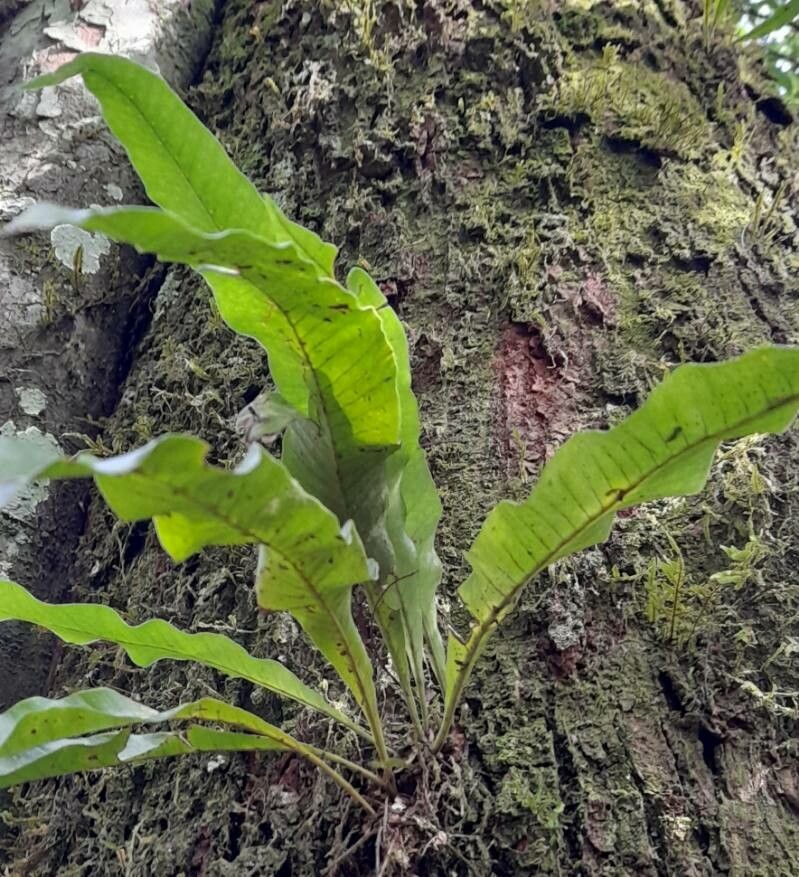
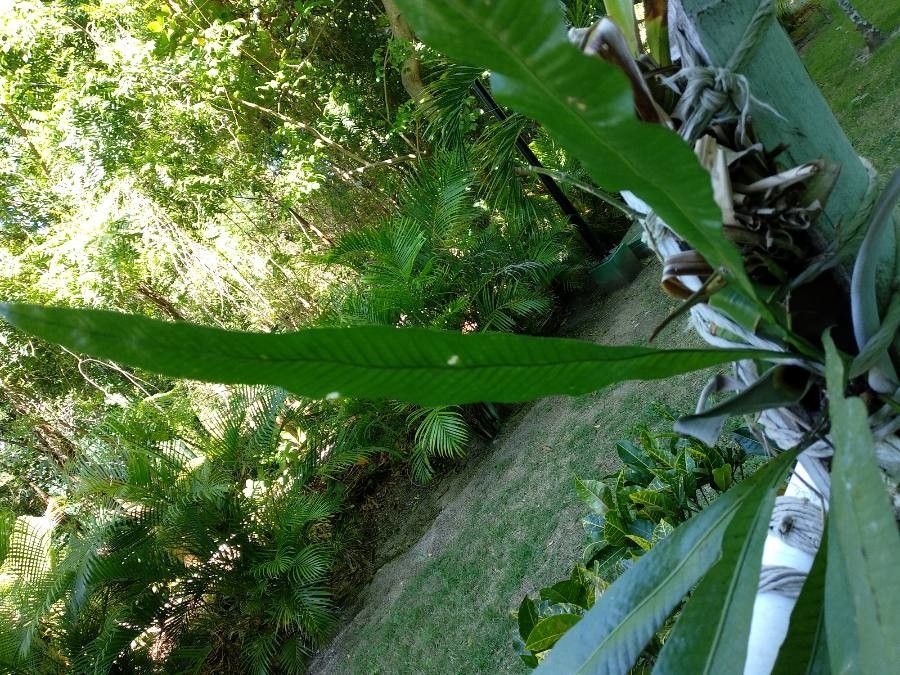
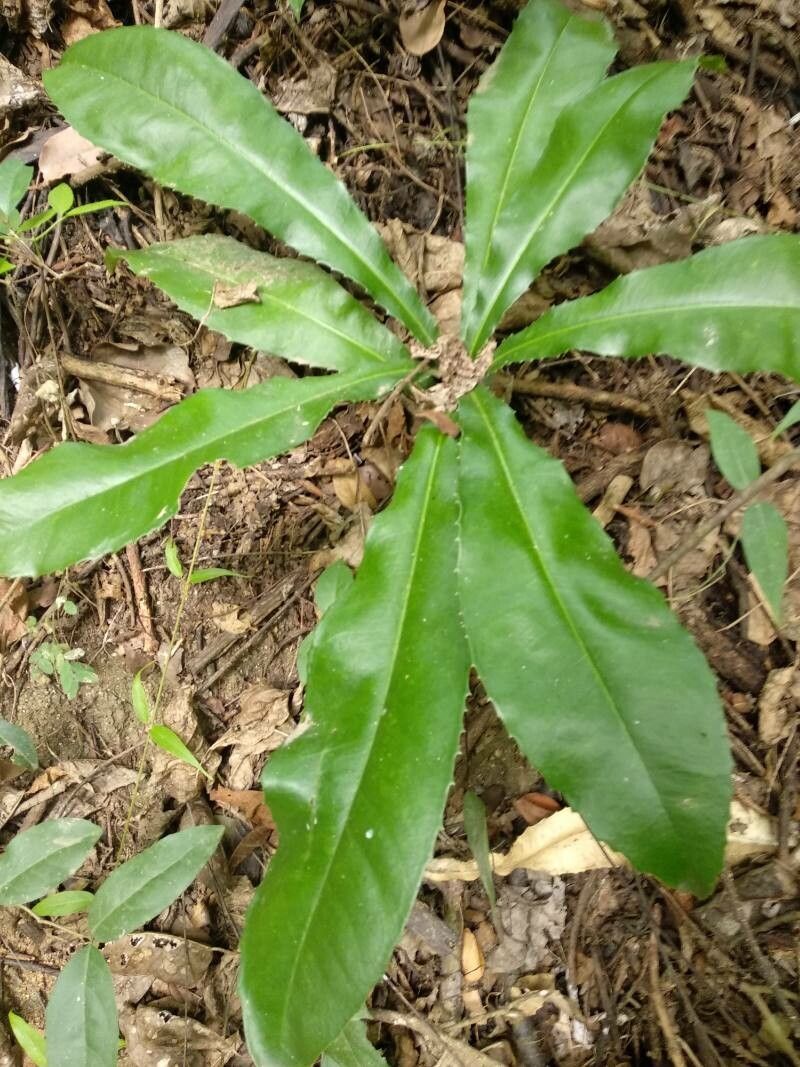
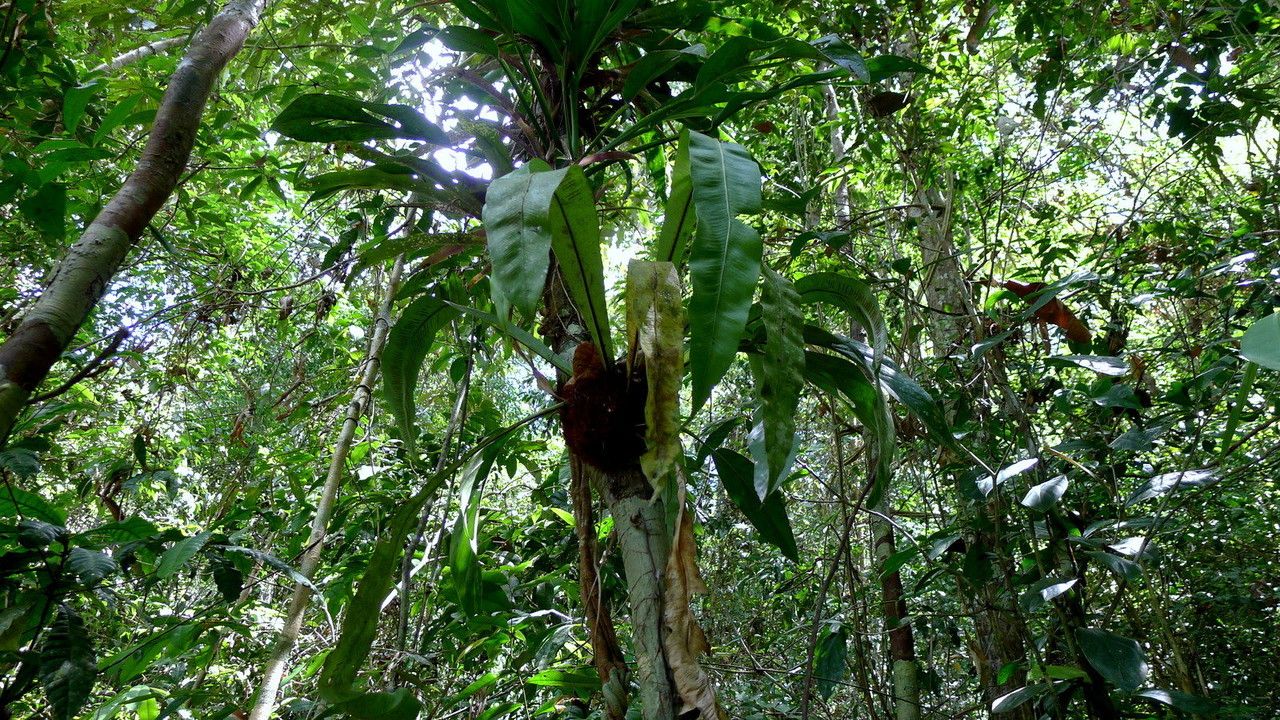
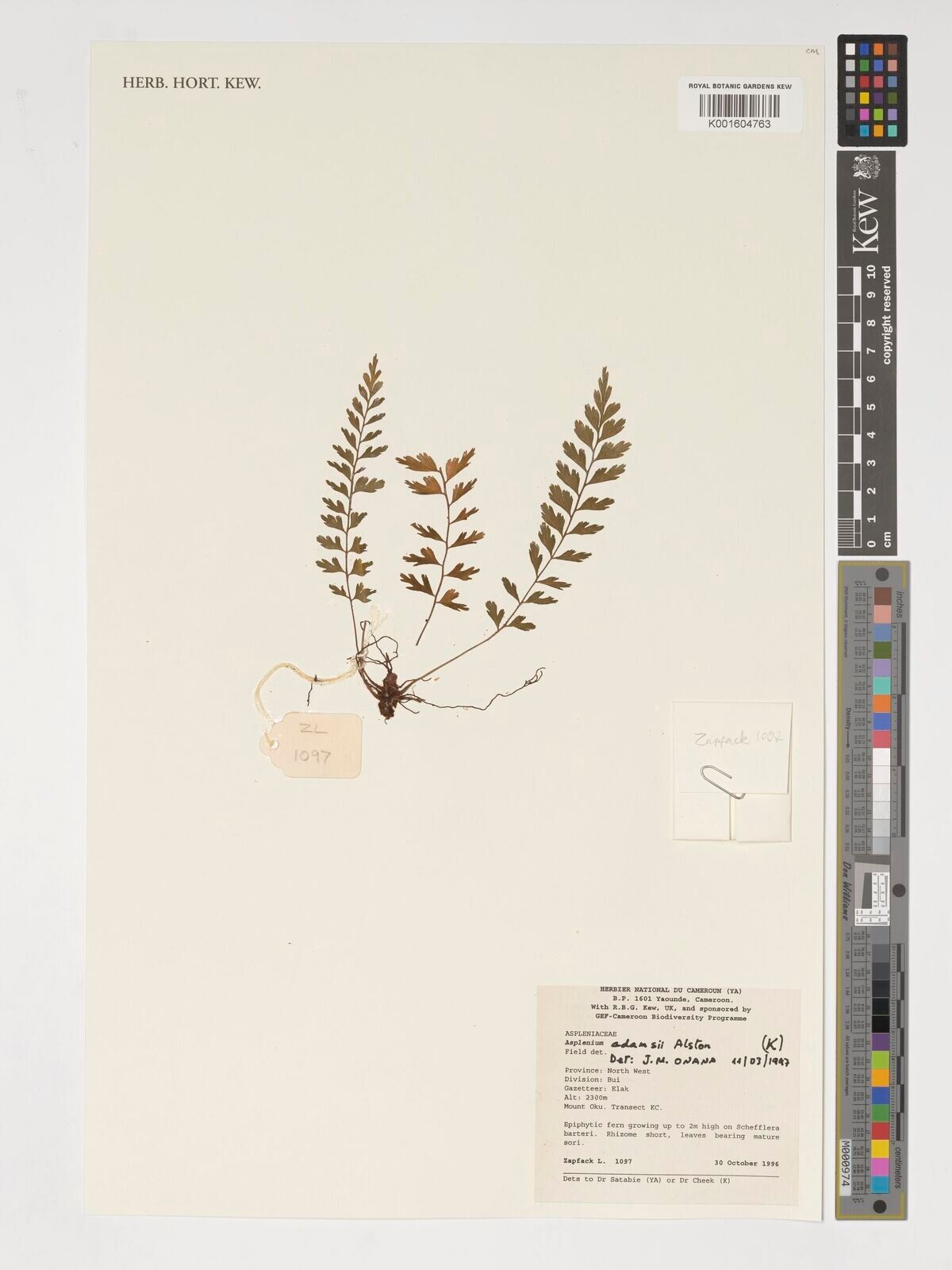
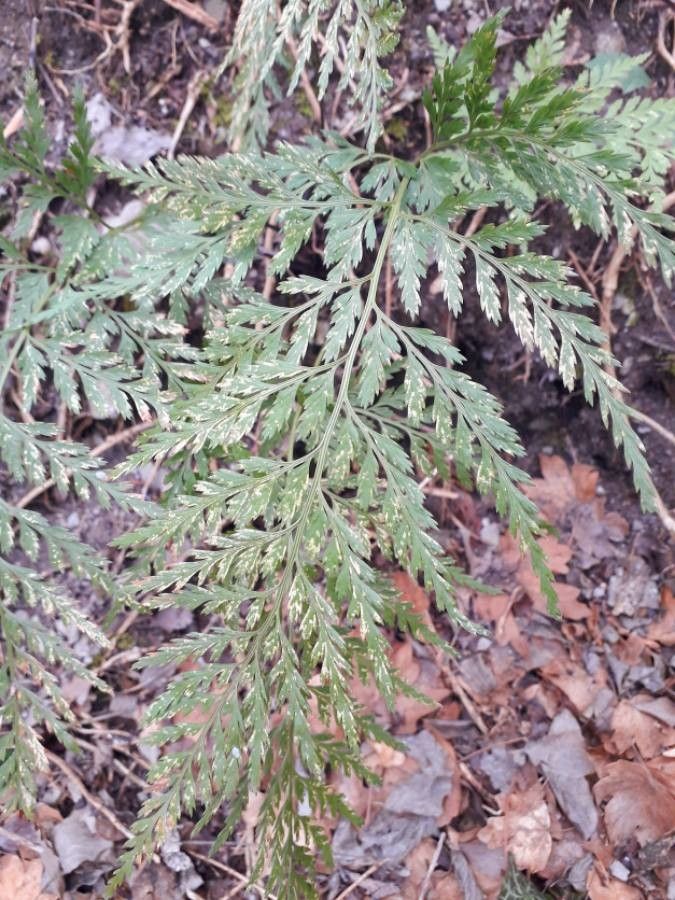
Asplenium serratum, commonly known as the Bird's Nest Fern, is a tropical plant native to Southeast Asia and the Pacific Islands. Its popularity as a houseplant can be attributed to its striking appearance and ease of care. The plant gets its name from its fronds, which grow in a circular pattern reminiscent of a bird's nest.
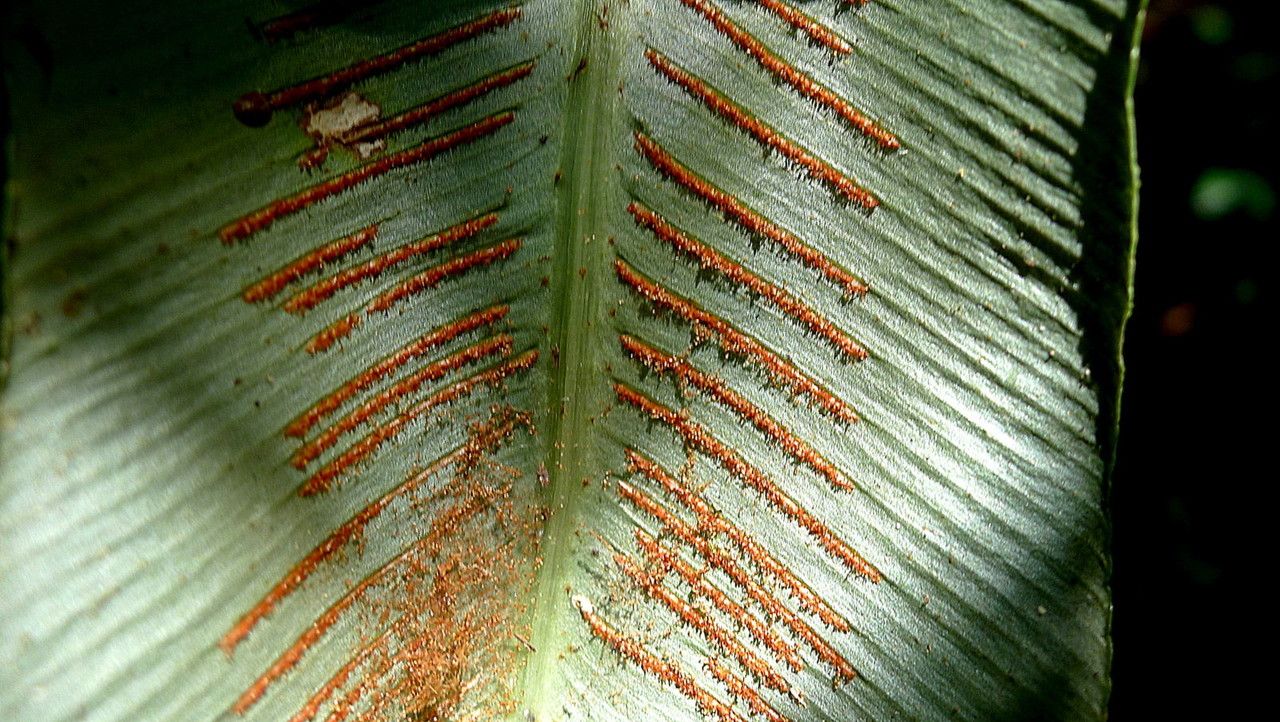
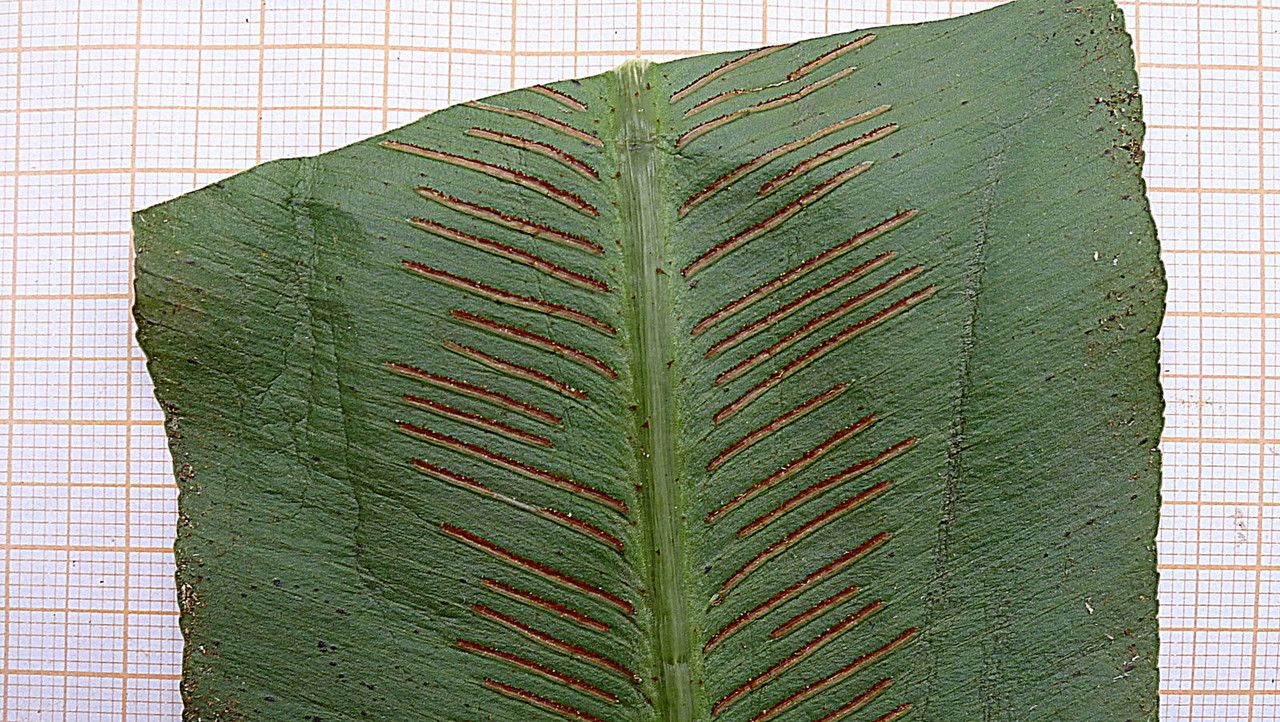
The Bird's Nest Fern features long, glossy fronds that can reach up to two feet in length. The dark green leaves have wavy edges, adding to their elegant look. Unlike many other plants, this fern does not produce flowers or seeds but reproduces through spores.
This fern thrives in bright, indirect light and prefers humid environments such as bathrooms or kitchens. It requires regular watering but should not be overwatered, as this can cause root rot.
Additionally, Asplenium serratum is known for its air-purifying properties, making it a valuable addition to any indoor space to improve air quality.
Overall, the Bird's Nest Fern is an excellent choice for anyone seeking an attractive, low-maintenance houseplant that also offers health benefits by purifying indoor air.
Wild birdnest fern typically shows strong resistance to disease and is affected by relatively few insect pests. Its care is regarded as challenging because it needs a consistently moist atmosphere and frequent watering. At the same time, its roots can rot if it is overwatered or kept in a space with poor ventilation. Wild birdnest fern is best suited to growers with some experience, since most people can keep it alive for a period. Still, it can struggle to flourish and its fronds may dry out and lose vigor over time.
How to keep Asplenium Serratum.
Light
Wild birdnest fern is native to habitats such as forest understories or rocky areas that provide natural shade. It prefers Full Shade but can tolerate Partial Sun.
Temperature
The wild birdnest fern comes from tropical areas, where the climate is commonly warm and humid. As a result, it is adapted to high temperatures and moisture. It does not tolerate sudden temperature shifts and prefers a steady temperature, so keeping indoor temperature fluctuations to a minimum is important. It generally cannot endure cold and requires relatively warm conditions for growth. If temperatures fall too low, the plant may stop growing or die.
Pruning
Wild bird's nest fern, known for its glossy, arching fronds, requires minimal pruning. In early spring, concentrate on removing dead or damaged fronds and trimming any overgrown sections. Using clean, sharp scissors will help promote healthier growth, prevent overcrowding, and enhance the plant's appearance and vigor.
Botanical profile.
- Plant Type
- Fern
- Life Cycle
- Perennial
- Genus
- Asplenium
- Family
- Aspleniaceae
- Hardiness Zone
- 10-12
- Mature Height
- 30 cm to 61 cm
- Mature Spread
- 40 cm to 76 cm
- Leaf Color
- Green, Dark Green
- Leaf Type
- Evergreen
- Planting Time
- Spring, Summer, Autumn
- Native Area
- Belize, Honduras, Mexico, Guatemala, Peru, Panama, Jamaica, Colombia, Cuba, Bolivia, Venezuela, Guyana, Brazil, Nicaragua, Ecuador, Costa Rica
Other names.
Reader questions.
What are the sunlight requirements for a Wild Birdnest Fern?
The Wild Birdnest Fern (Asplenium serratum) thrives in full shade, which means it requires less than 3 hours of direct sunlight per day. It is important to monitor the movement of sunlight through your garden accurately to identify spots that offer an ideal balance of light and shade. Finding the right location is crucial for the happiness and health of your plants.
What is the botanical name of the Wild Birdnest Fern?
The botanical name of the Wild Birdnest Fern is Asplenium serratum. This species is known for its distinct features but specific details such as essentials, content, additional information, and symptoms were not provided.