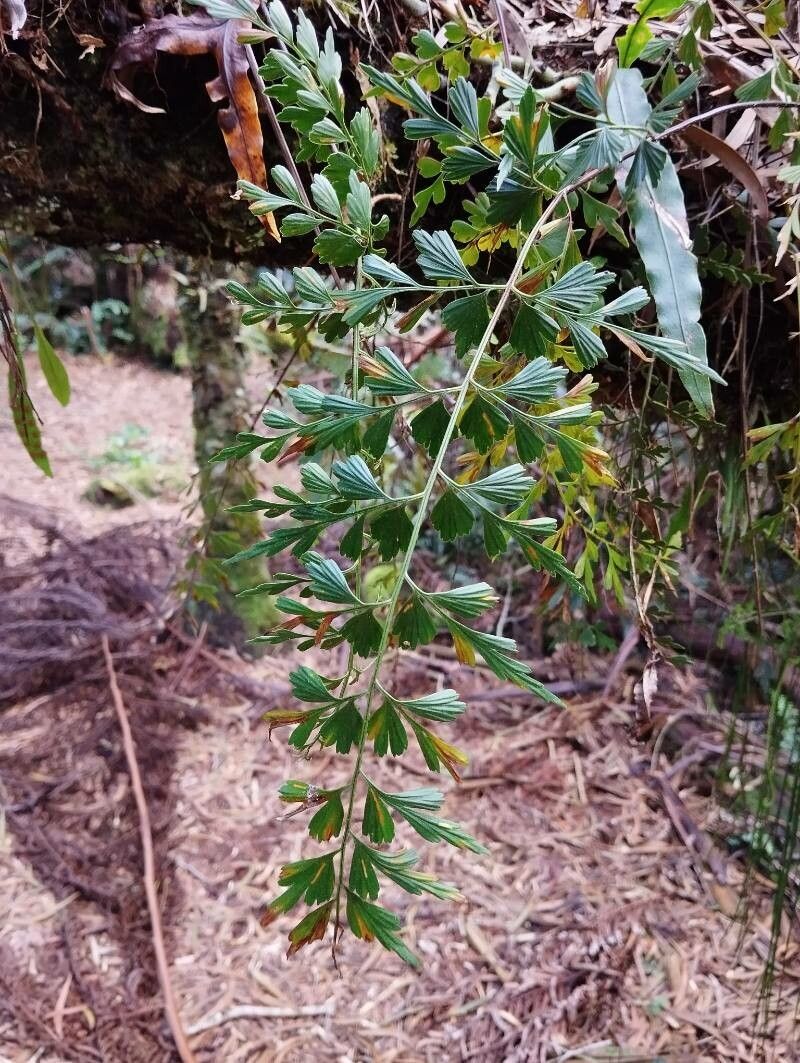
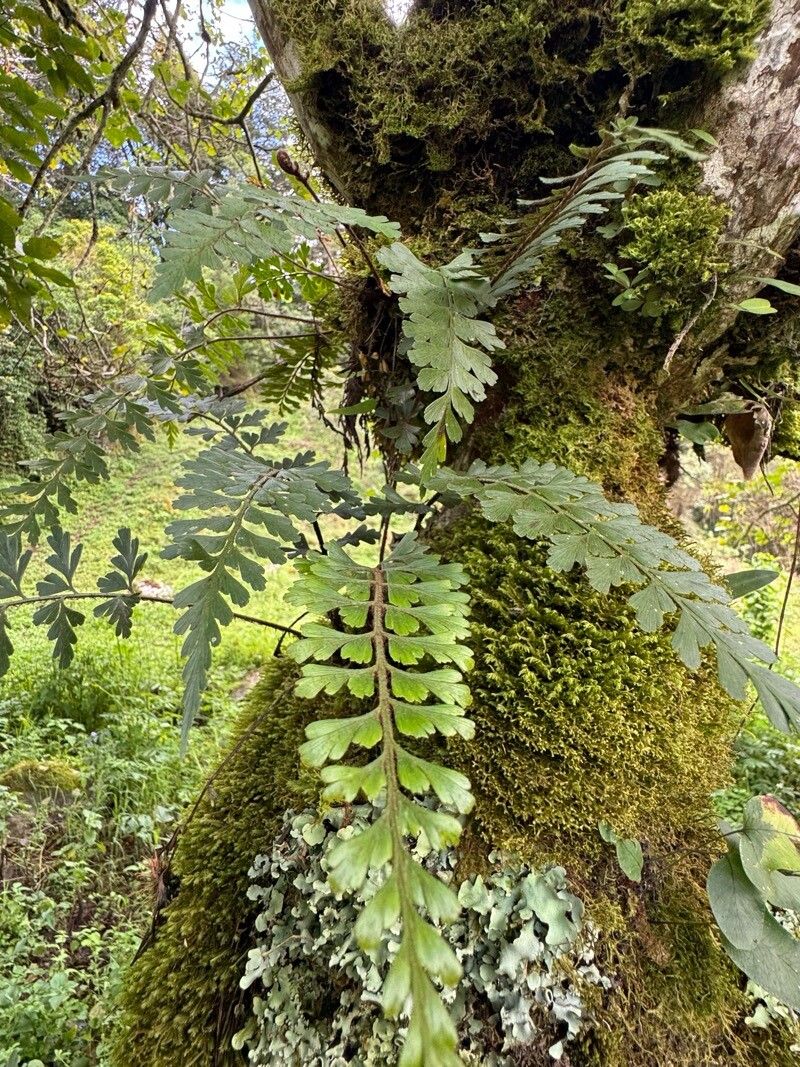
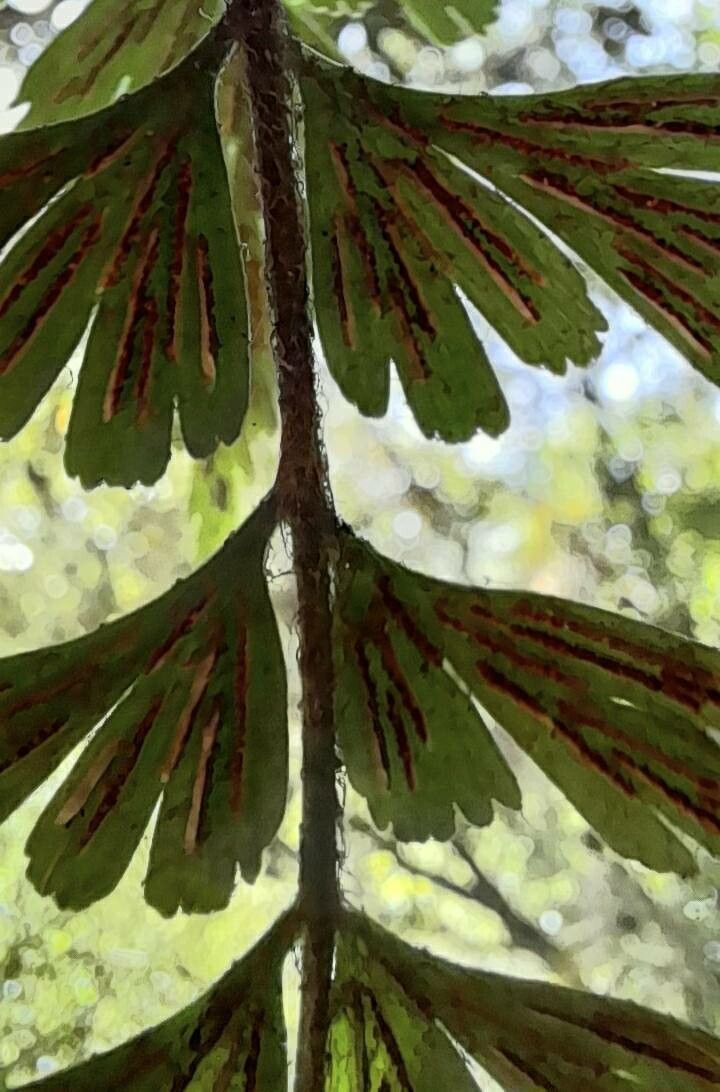
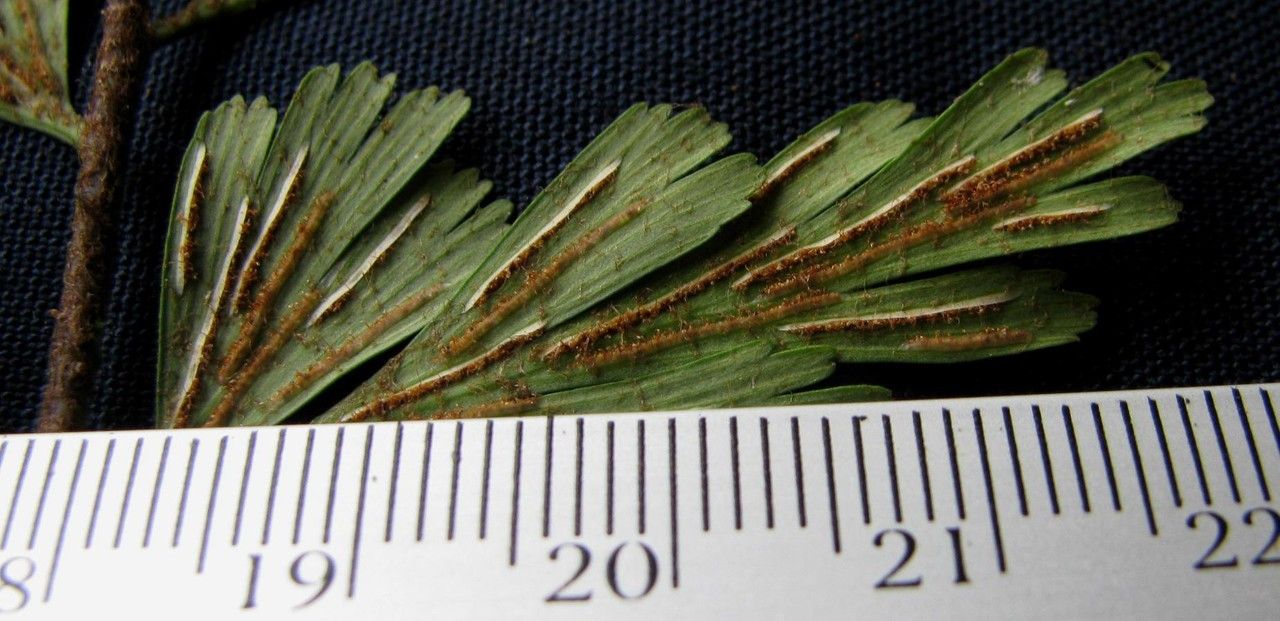
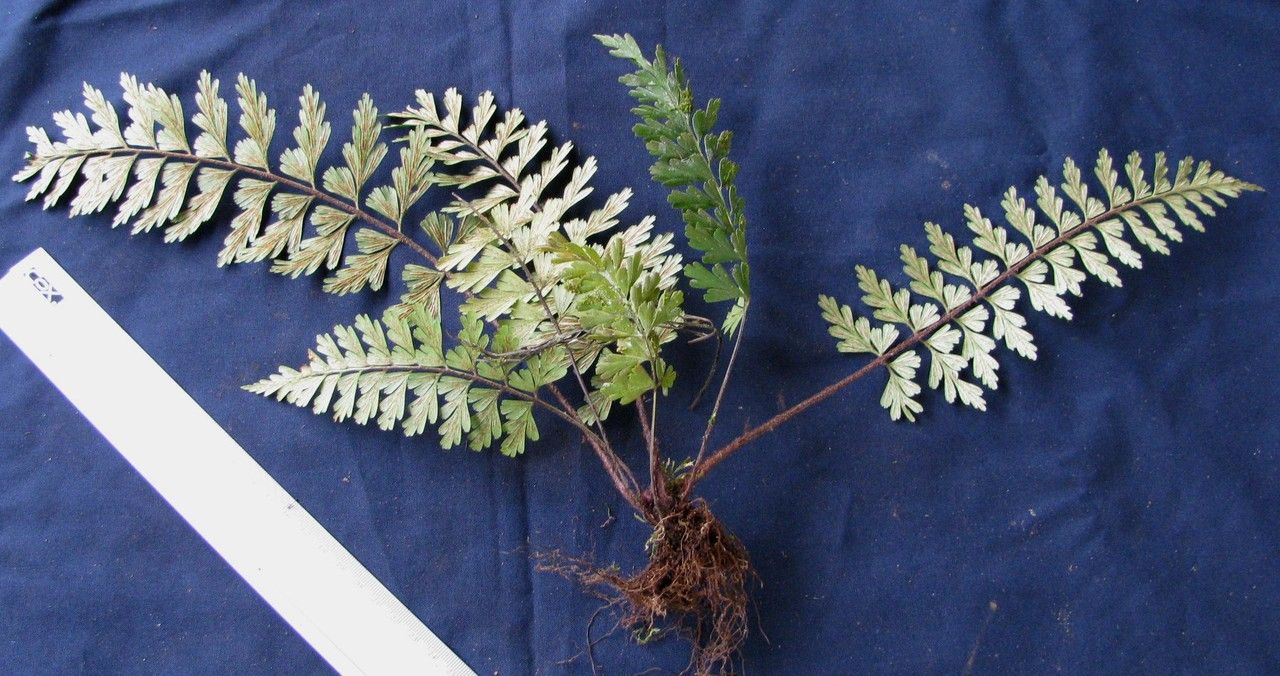
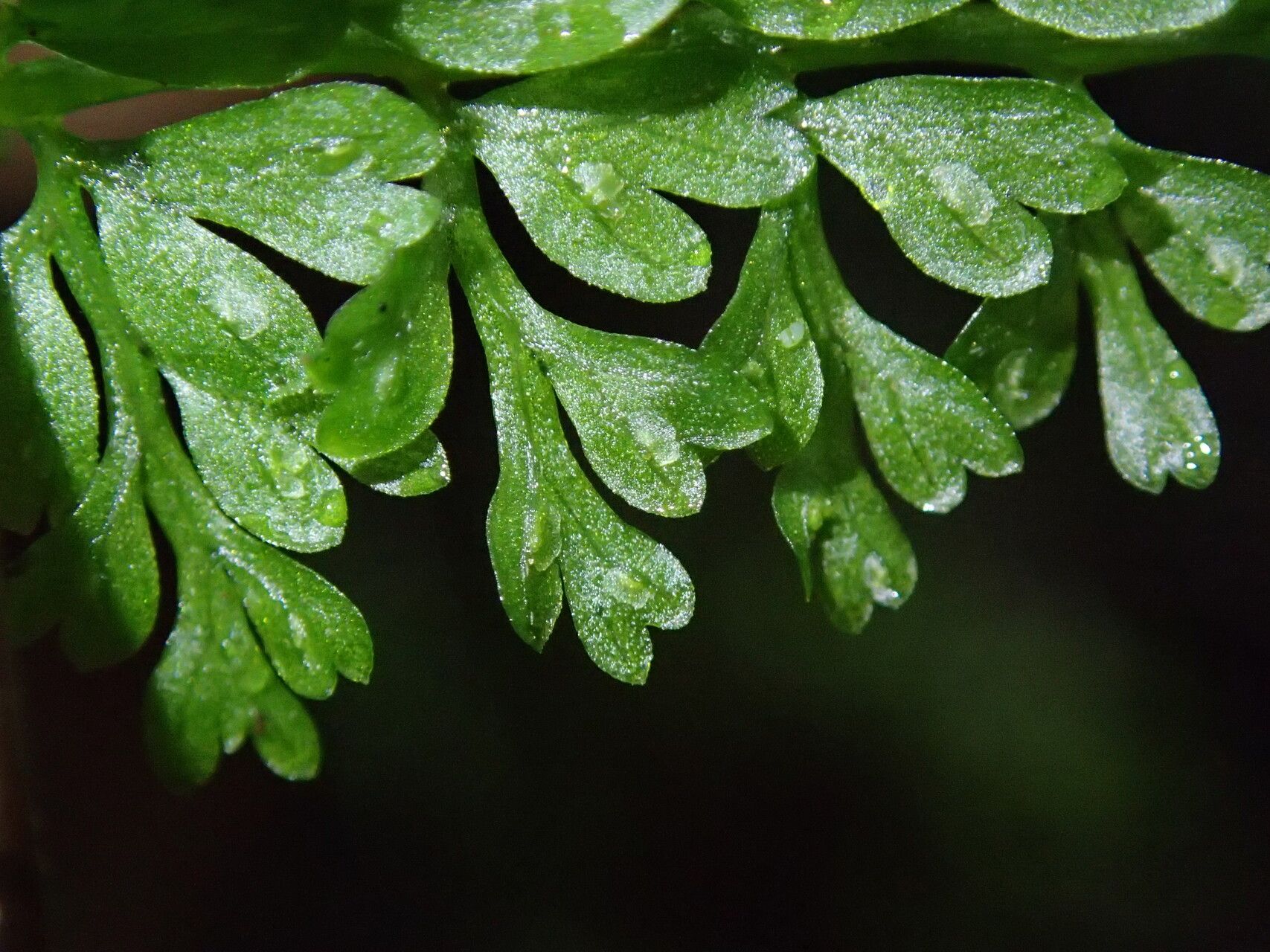
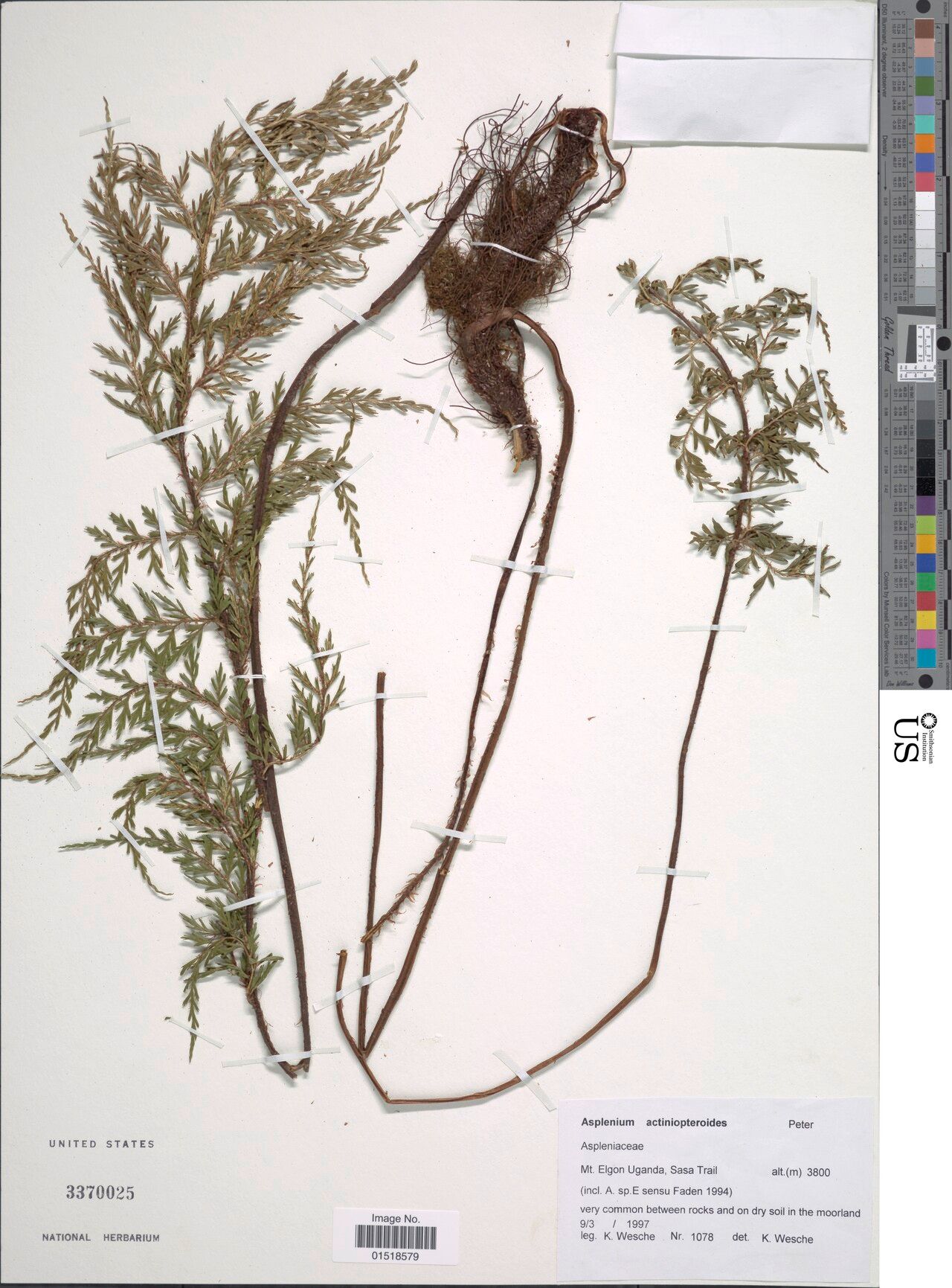
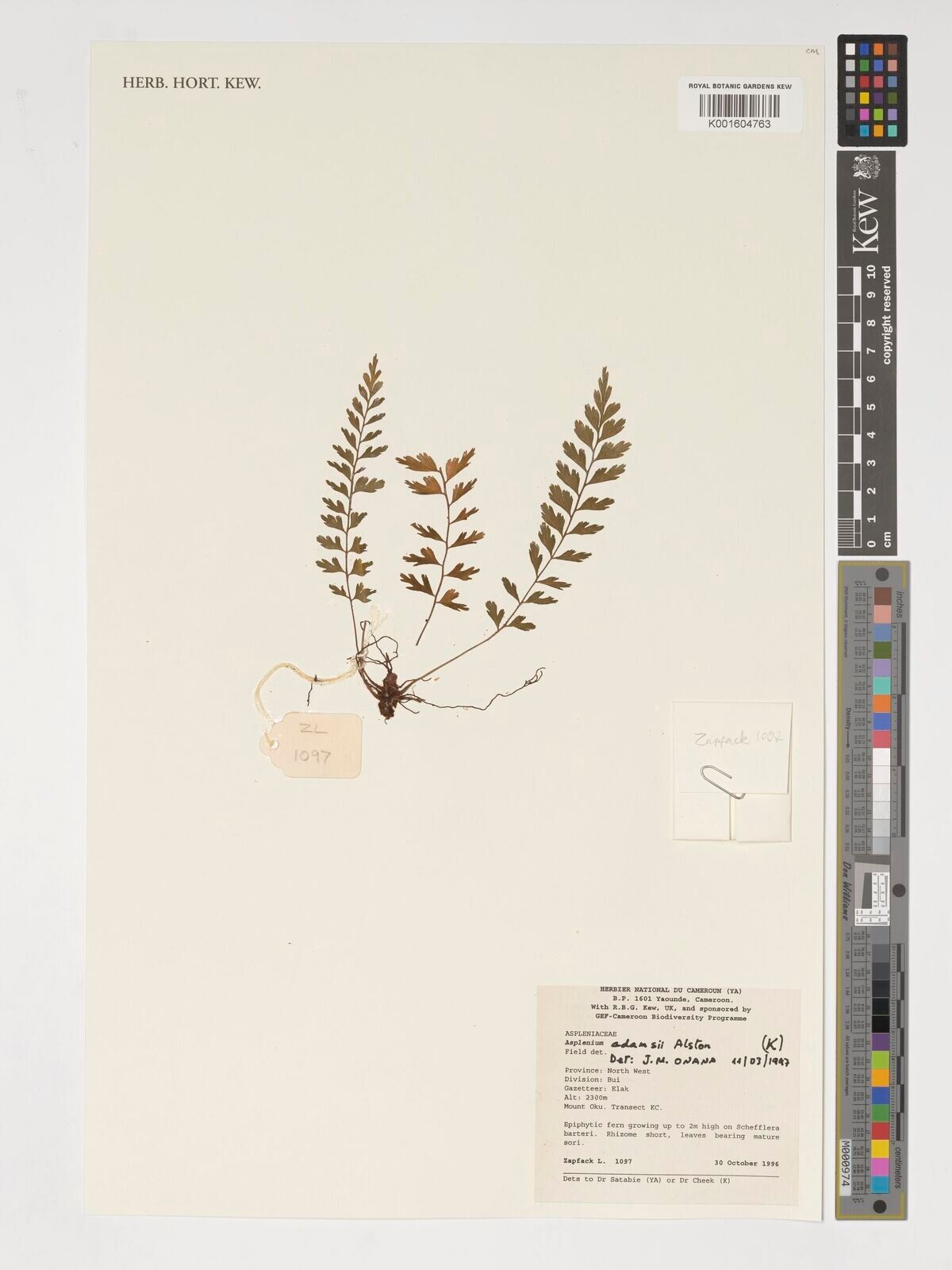
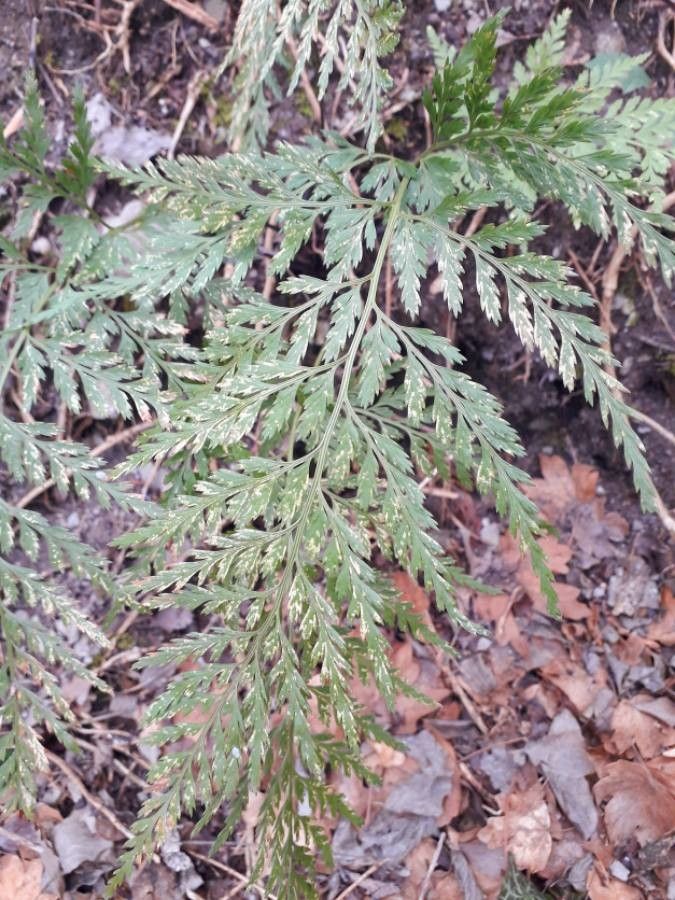
Mexican spleenwort typically shows strong disease resistance and is affected by relatively few insect pests. Its care is regarded as difficult because it needs a consistently moist environment and frequent watering. At the same time, the roots can rot if the plant is overwatered or if the surroundings lack good ventilation. This fern is appropriate for growers with some experience, since most people can keep it alive for a limited period. Nevertheless, Mexican spleenwort can struggle to prosper, and its leaves may dry out and decline in health over time.
How to keep Asplenium Praemorsum.
Light
The Mexican spleenwort favors very low light and does best in darker spots where the sun is blocked by larger structures. At every stage of its growth, this plant requires limited illumination. It prospers in its original growing environment, which gets less sunlight. Too much light can harm it, while too little does not significantly affect it.
Water
The Mexican spleenwort flourishes in humid environments, where it prefers consistent moisture and moderate light levels. To keep the soil evenly moist, it should be watered twice a week. As an epiphytic fern, it needs careful attention to watering, especially during its growth period, to maintain its lush foliage.
Temperature
Mexican spleenwort comes from tropical areas, where the climate is generally warm and humid. Consequently, it is adapted to high temperatures and humidity. It dislikes sudden temperature shifts and prefers a steady thermal environment, so avoiding temperature fluctuations indoors is important. It typically does not tolerate cold and needs warmer conditions to grow. If the ambient temperature falls too low, the plant may stop growing or even die.
Pruning
The Mexican spleenwort features delicate, arching fronds and thrives in shaded, moist environments. To maintain its health and appearance, prune the plant in early spring. Use sterile tools to remove dead fronds and prevent disease. Pruning at this time encourages denser foliage and helps control the plant's size. For the best recovery and growth, aim to prune after the last frost.
Botanical profile.
- Plant Type
- Fern
- Life Cycle
- Perennial
- Genus
- Asplenium
- Family
- Aspleniaceae
- Hardiness Zone
- 9-11
- Mature Height
- 30 cm to 61 cm
- Mature Spread
- 30 cm to 46 cm
- Leaf Color
- Dark Green, Forest Green
- Leaf Type
- Evergreen
- Planting Time
- Spring, Summer, Autumn
- Native Area
- Honduras, Mexico, Guatemala, Peru, Panama, Jamaica, Colombia, Cuba, Bolivia, Venezuela, Guyana, El Salvador, Nicaragua, Brazil, Ecuador, Costa Rica
Reader questions.
What are the light requirements for Mexican spleenwort?
Mexican spleenwort requires less than 3 hours of sunlight and thrives in fully shaded areas. It prefers minimal light exposure and can flourish in environments where sunlight is mostly blocked by larger structures. During its growth stages, this plant demands limited illumination to stay healthy. Too much light can harm it, although it's somewhat tolerant to lower light conditions. It's essential to monitor the sunlight's movement in your garden to ensure the plant receives the ideal balance of light and shade.
What is the Mexican spleenwort?
The Mexican spleenwort, scientifically known as Asplenium praemorsum, is a plant species. Unfortunately, the provided data does not include specific details about its characteristics, uses, or habitat preferences.
How can artificial lighting benefit indoor Mexican spleenwort plants?
Indoor Mexican spleenwort plants benefit significantly from artificial lighting, especially when natural sunlight is insufficient. Such conditions can occur in winter or less sunny spaces within a home. Artificial lights, particularly LED lights, can be customized to provide specific wavelengths needed by plants. For optimal growth, full sun plants should receive 30-50W/sq ft of artificial light, partial sun plants 20-30W/sq ft, and full shade plants like the Mexican spleenwort require 10-20W/sq ft. The correct distance (12-36 inches above the plant) and duration (8-12 hours per day) of artificial lighting are crucial in mimicking natural sunlight conditions.
What are the signs of insufficient or excessive light in Mexican spleenwort?
Mexican spleenwort shows various symptoms when exposed to insufficient or excessive light. Insufficient light may lead to smaller new leaves, leggy or sparse growth, faster leaf drop, slower or no new growth, and pale or irregularly colored new leaves. Excessive light can cause chlorosis, sunscald, leaf curling, wilting, and leaf scorching. Chlorosis results in leaves losing their green color, while sunscald involves damage from intense sunlight exposure. Leaf curling serves as a defense mechanism against excessive light, and wilting or leaf scorching indicates serious moisture loss or damage from too much sunlight.
How do I address light-related issues for my Mexican spleenwort?
To address light-related issues in Mexican spleenwort, indoor plants can be moved to spots where they'll receive ample filtered light, including direct morning sunlight, ideally placed 1-2 meters away from a window. Use artificial light, such as desk or ceiling lamps for at least 8 hours a day, or invest in professional plant grow lights if the plant is large or not easily movable. For outdoor plants, gradually acclimate them to sunnier locations weekly to prevent sunburn. Reducing obstructions, like pruning overhead trees, or transplanting to a sunnier location with good drainage can also help outdoor and ground plants receive more sunlight. Note that parts of the plant damaged by inadequate light may not recover, but new growth should be healthy with improved light conditions.