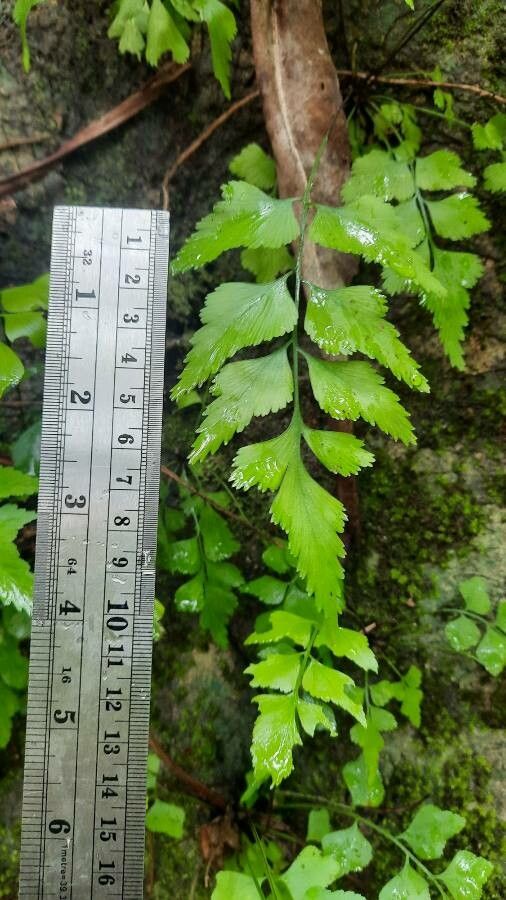
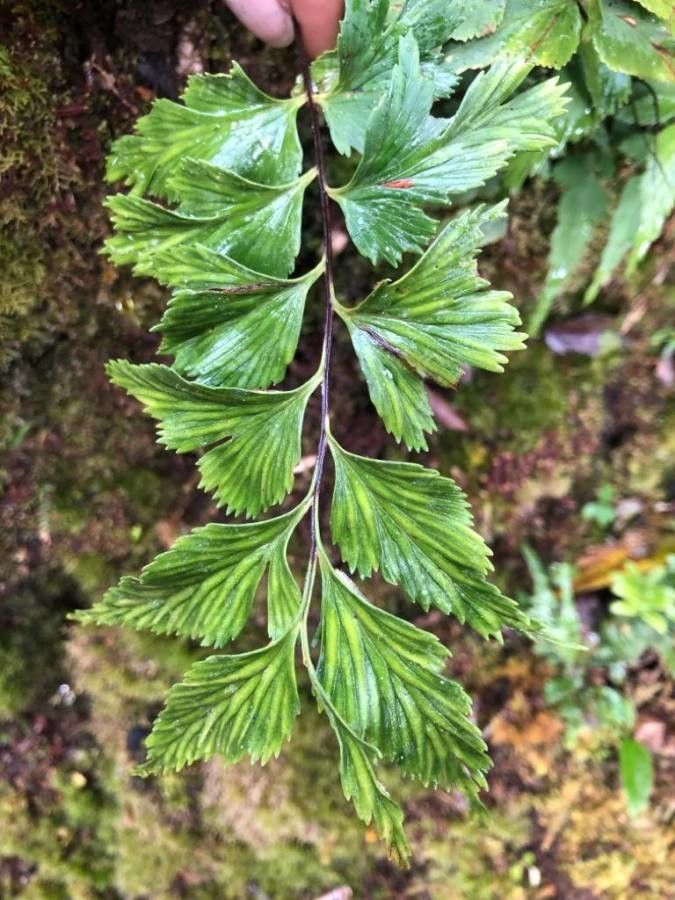
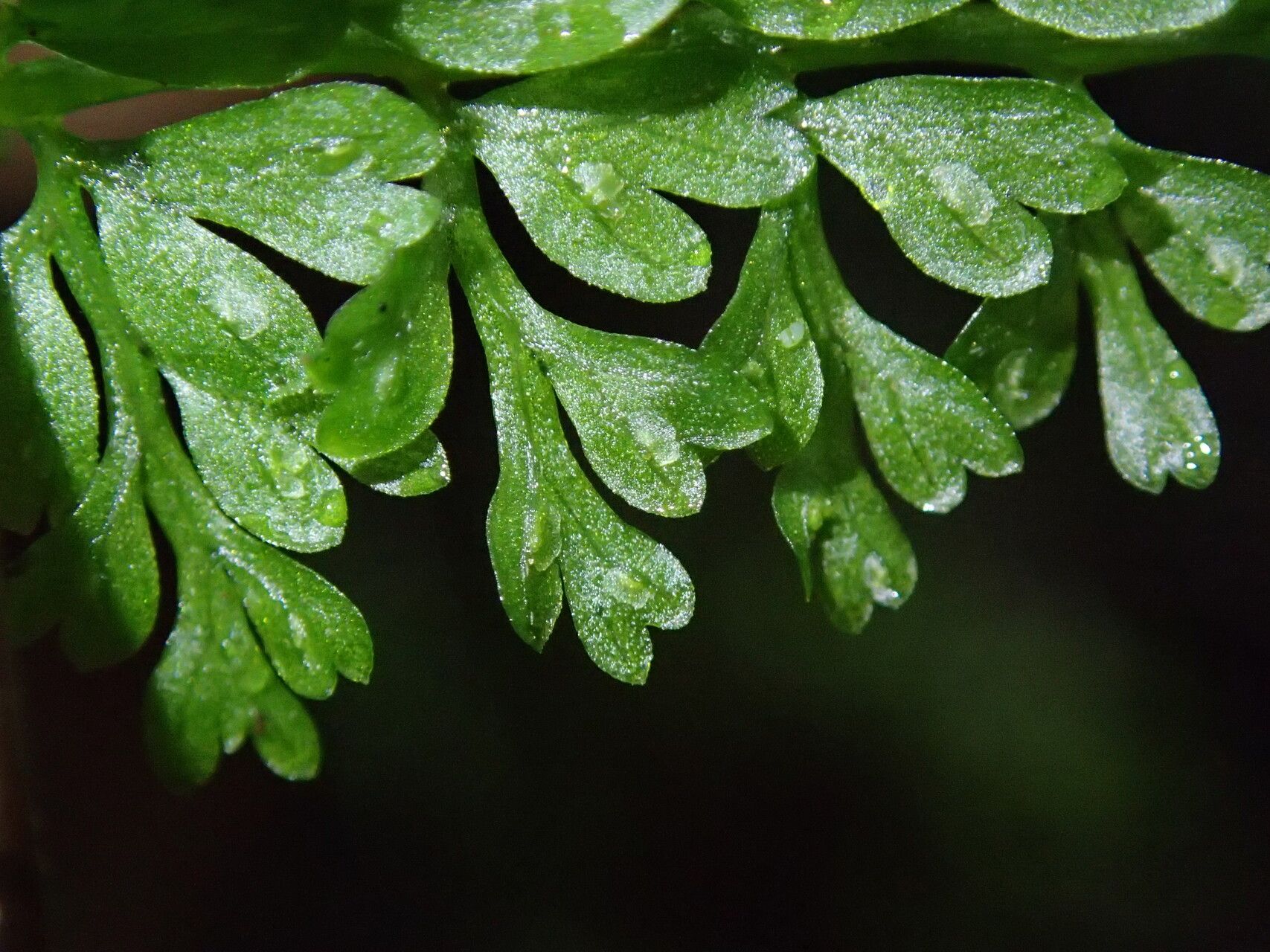
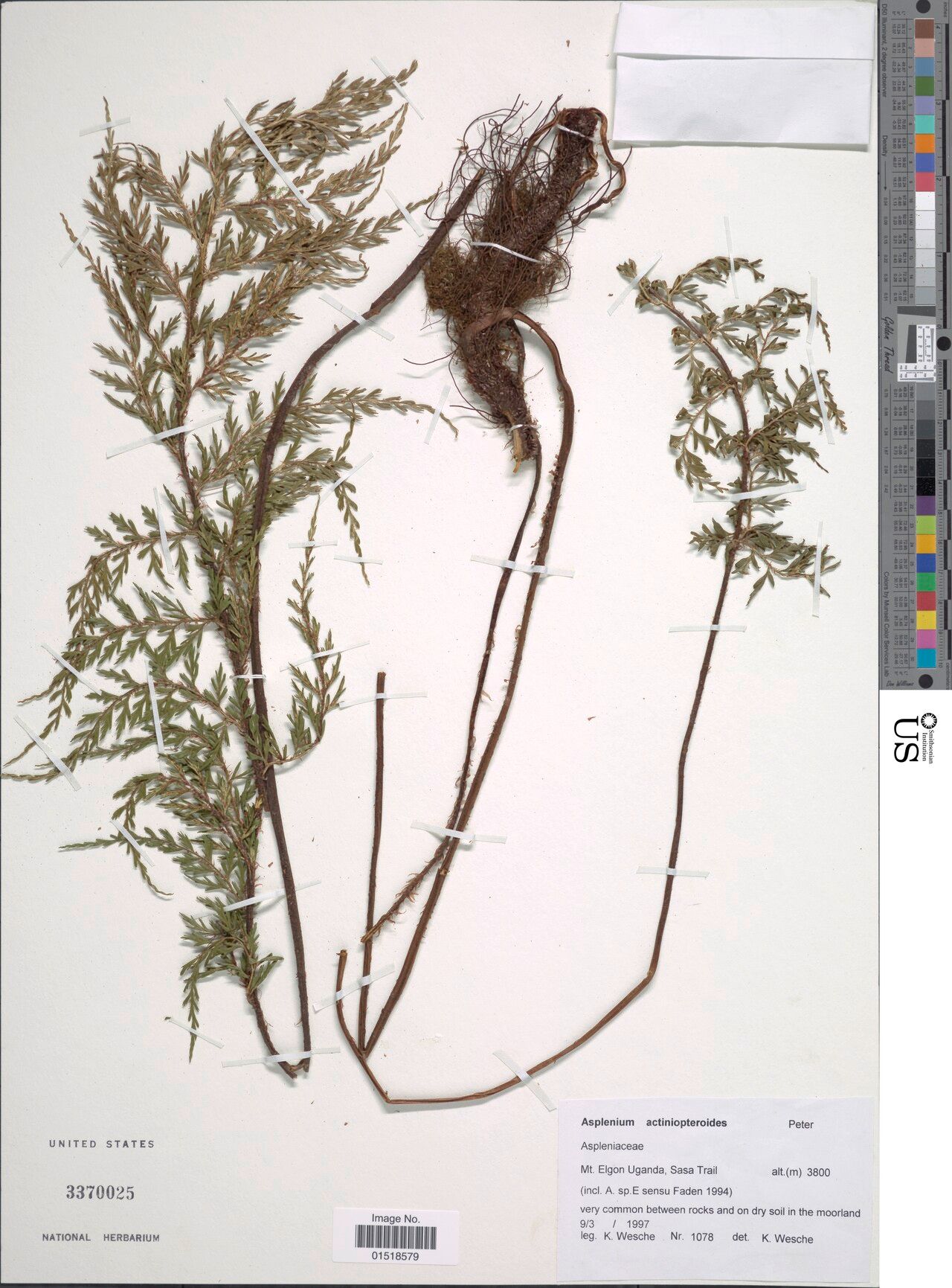
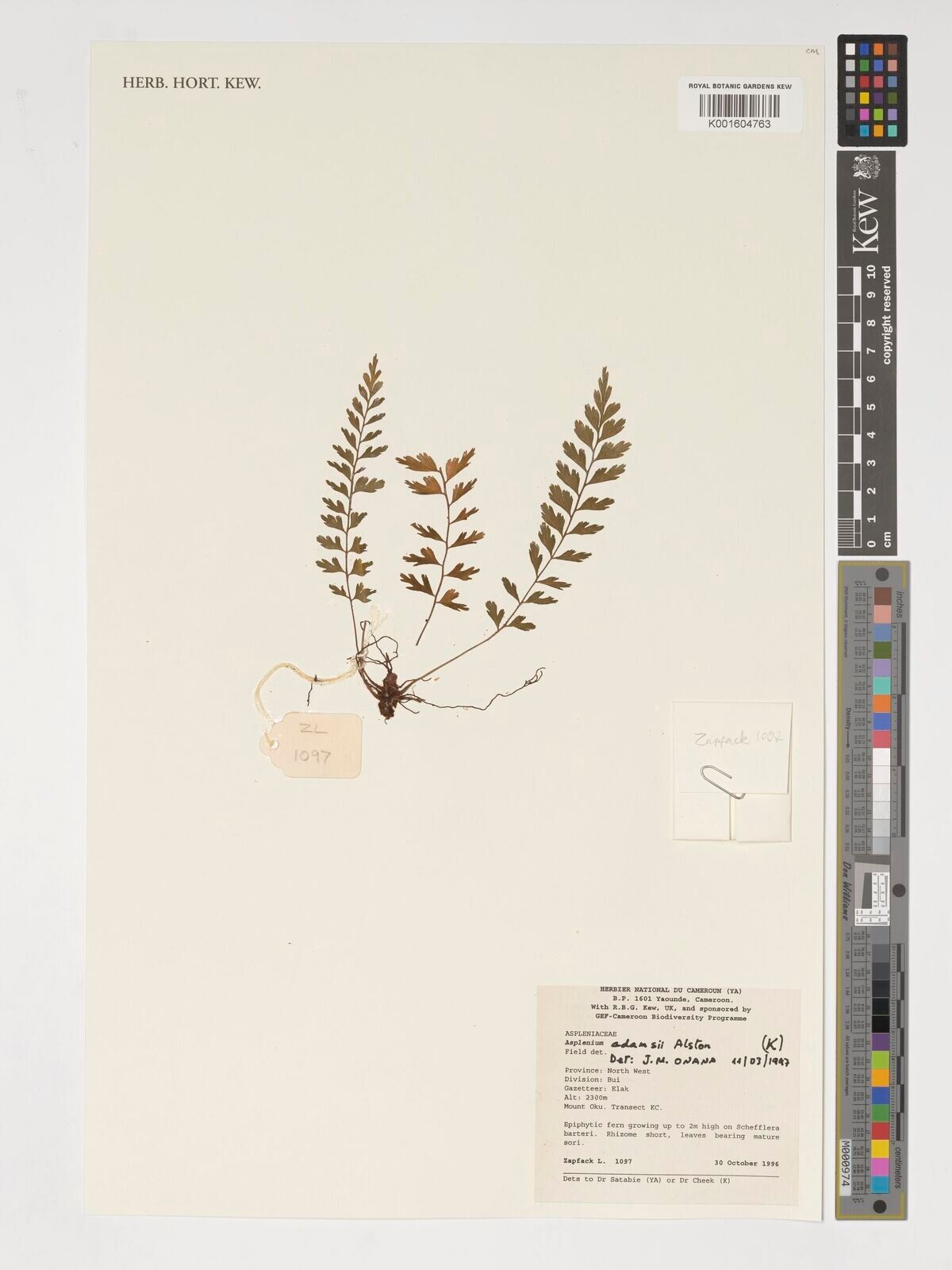
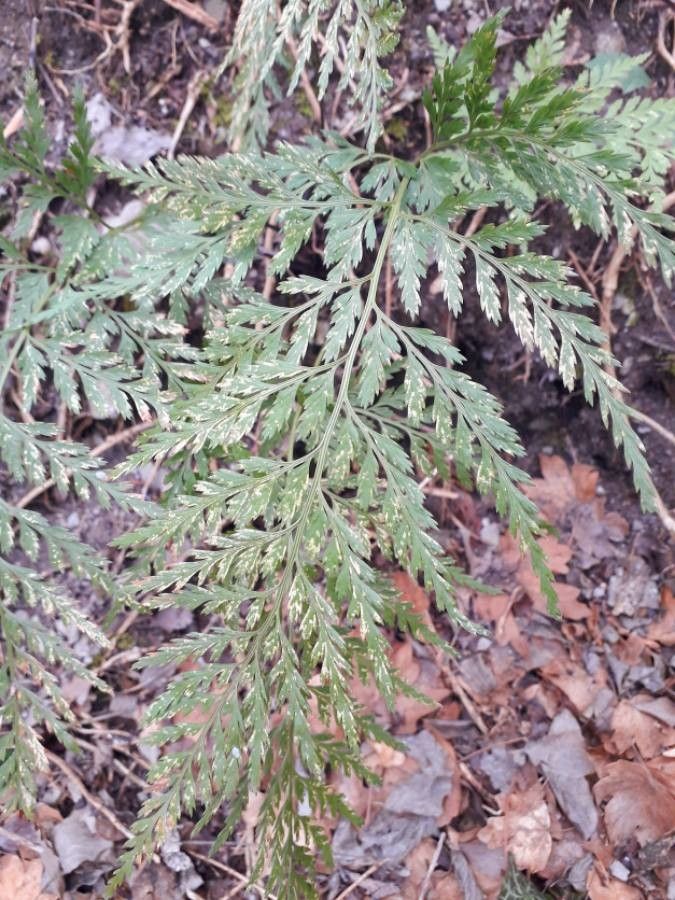
Asplenium polyodon, commonly known as sickle spleenwort, is a species of fern in the family Aspleniaceae. The distribution of A. polyodon includes parts of the countries of Australia and New Zealand. A specific locale of occurrence is in forested areas of Westland, New Zealand, where associate understory species include crown fern.
Mare's tail fern is fairly disease-resistant and generally not prone to illness. However, it can be affected by pests and diseases present in its surroundings. These problems are typically not serious. For care, this plant needs moderate upkeep. It should be pruned regularly to keep a neat appearance and support healthy growth. Fertilizing can also help encourage flowering. Mare's tail fern is suitable for anyone with outdoor space, such as a garden or patio, and does not demand extensive plant-care experience. It may need more attention when kept indoors.
How to keep Asplenium Polyodon.
Light
Mare's tail fern is native to habitats such as forest understories and rocky areas, where it grows in natural shade. It prefers partial sun but can adapt to full sun or full shade, demonstrating its versatile and hardy nature.
Water
The mare's tail fern flourishes in consistently moist conditions, similar to its native humid forest environment. While it isn't particularly drought-tolerant, this plant needs weekly watering to stay healthy. As an evergreen, the mare's tail fern remains lush throughout the year and benefits from regular watering, even during the colder months.
Temperature
Mare's tail fern comes from tropical areas where the climate is generally warm and humid. Consequently, it is adapted to high heat and moisture. It does not tolerate sudden temperature shifts and prefers a steady thermal environment, so avoiding temperature variations indoors is important. It typically cannot withstand cold and needs relatively warm conditions to grow. If the surrounding temperature falls too low, the plant may stop growing or even die.
Fertilizer
Mare's tail fern needs the most fertilizer during its active growth period, which takes place mainly in spring, summer, and early fall. Fertilizing supplies essential nutrients the soil may lack, supporting healthy root and stem growth and the attractive foliage that is a key characteristic of this plant.
Pruning
The mare's tail fern is characterized by its feathery, light green fronds. To promote growth, maintain shape, and prevent disease, prune any dead or damaged fronds from early to late spring using sterilized tools. Be careful not to cut into the crown, as this helps preserve the plant's vitality. By aligning pruning with the fern's active growth phase, you ensure optimal recovery.
Botanical profile.
- Plant Type
- Herb
- Life Cycle
- Perennial
- Genus
- Asplenium
- Family
- Aspleniaceae
- Hardiness Zone
- 9-11
- Mature Height
- 76 cm to 91 cm
- Mature Spread
- 1.22 m
- Leaf Color
- Dark Green, Forest Green
- Leaf Type
- Evergreen
- Planting Time
- Spring, Summer, Autumn
- Native Area
- New Zealand
Other names.
Reader questions.
What are the sunlight requirements for a Mare's tail fern?
Mare's tail fern, scientifically known as Asplenium polyodon, thrives in conditions of full shade, which means it requires less than 3 hours of sunlight daily. It is important to observe the way sunlight moves through your garden to find spots that offer the right balance of light and shade. This careful selection ensures the fern's health and happiness by providing an ideal environment tailored to its needs.