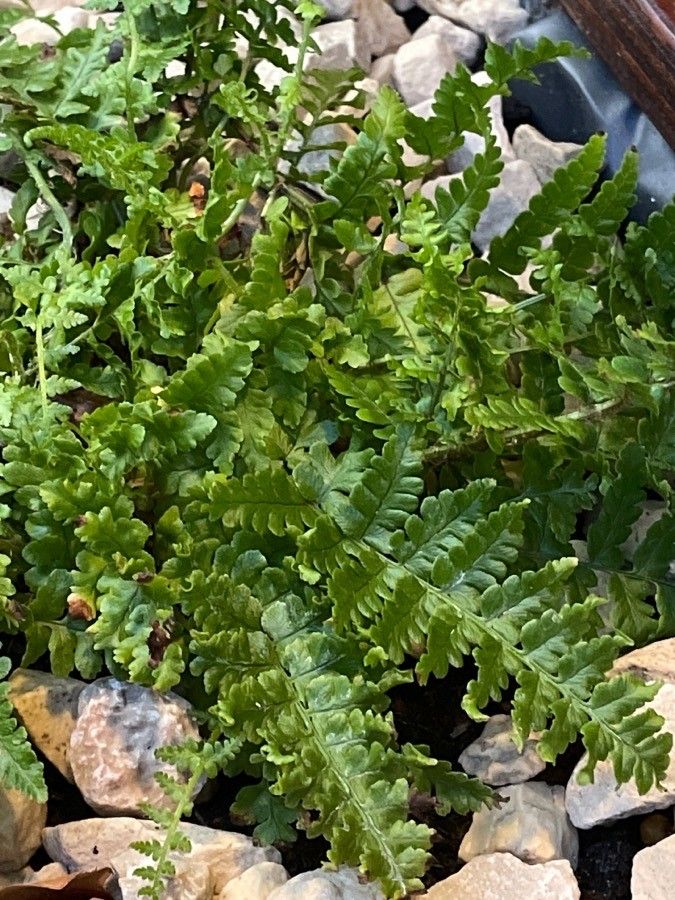
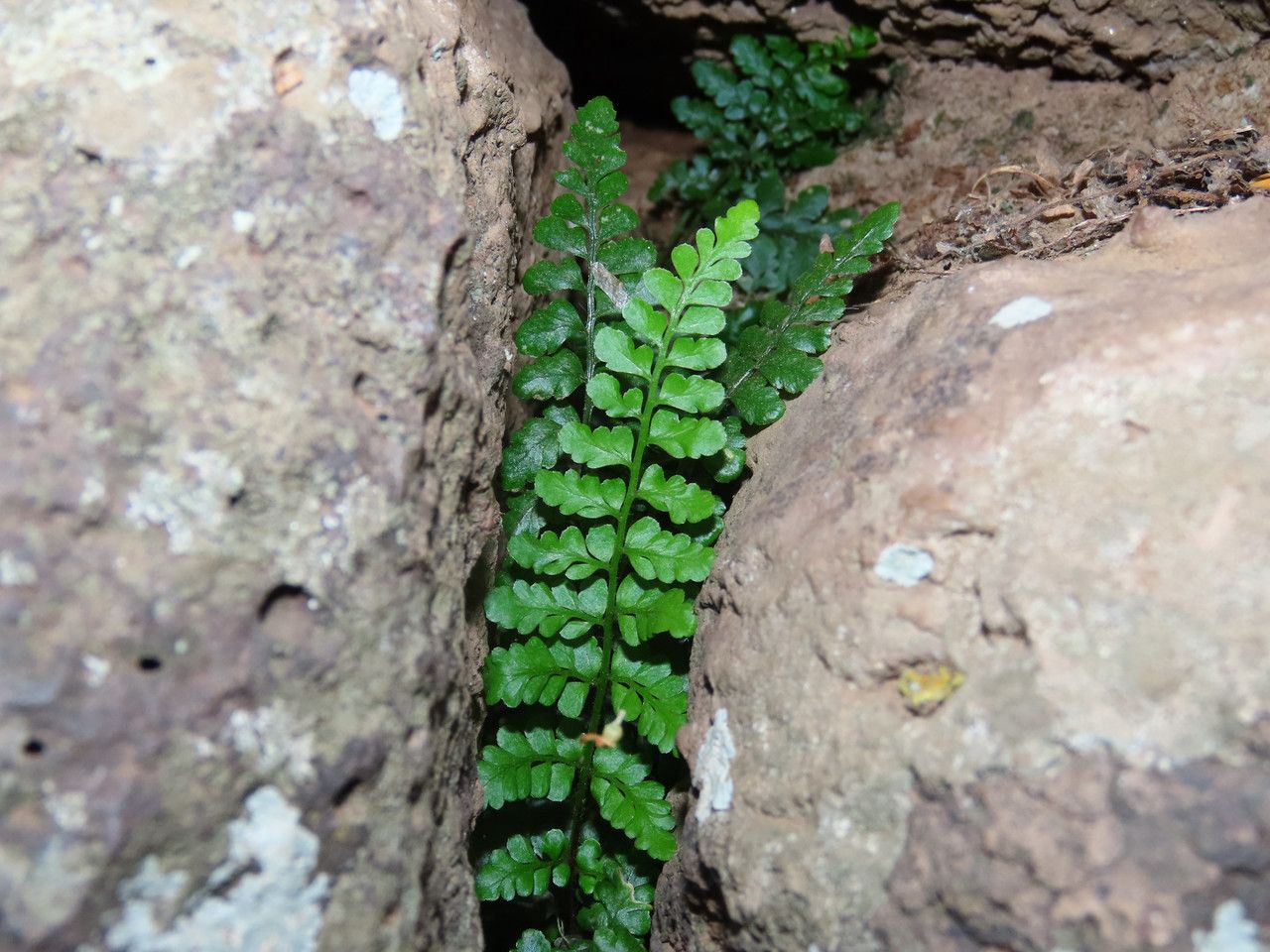
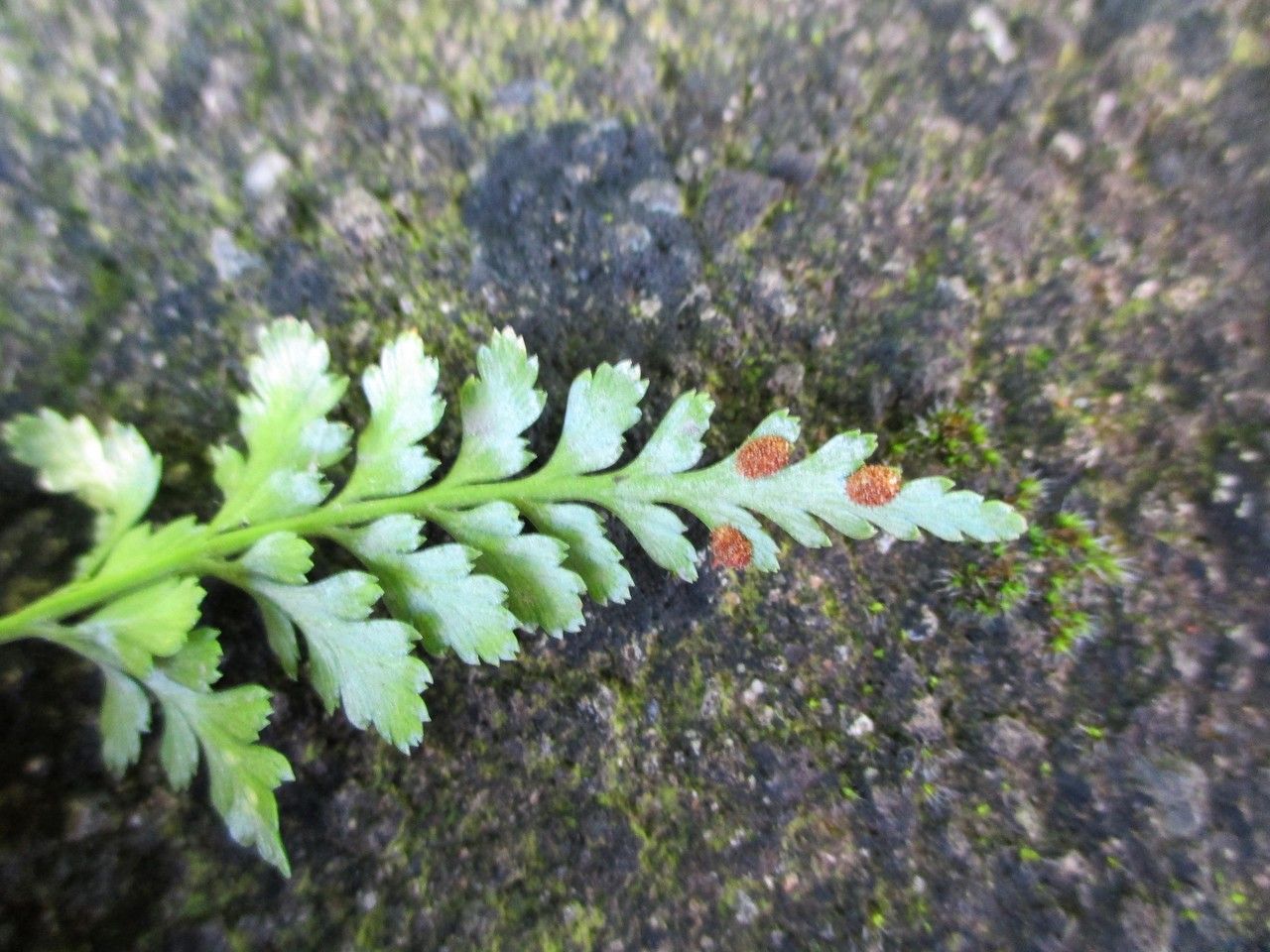
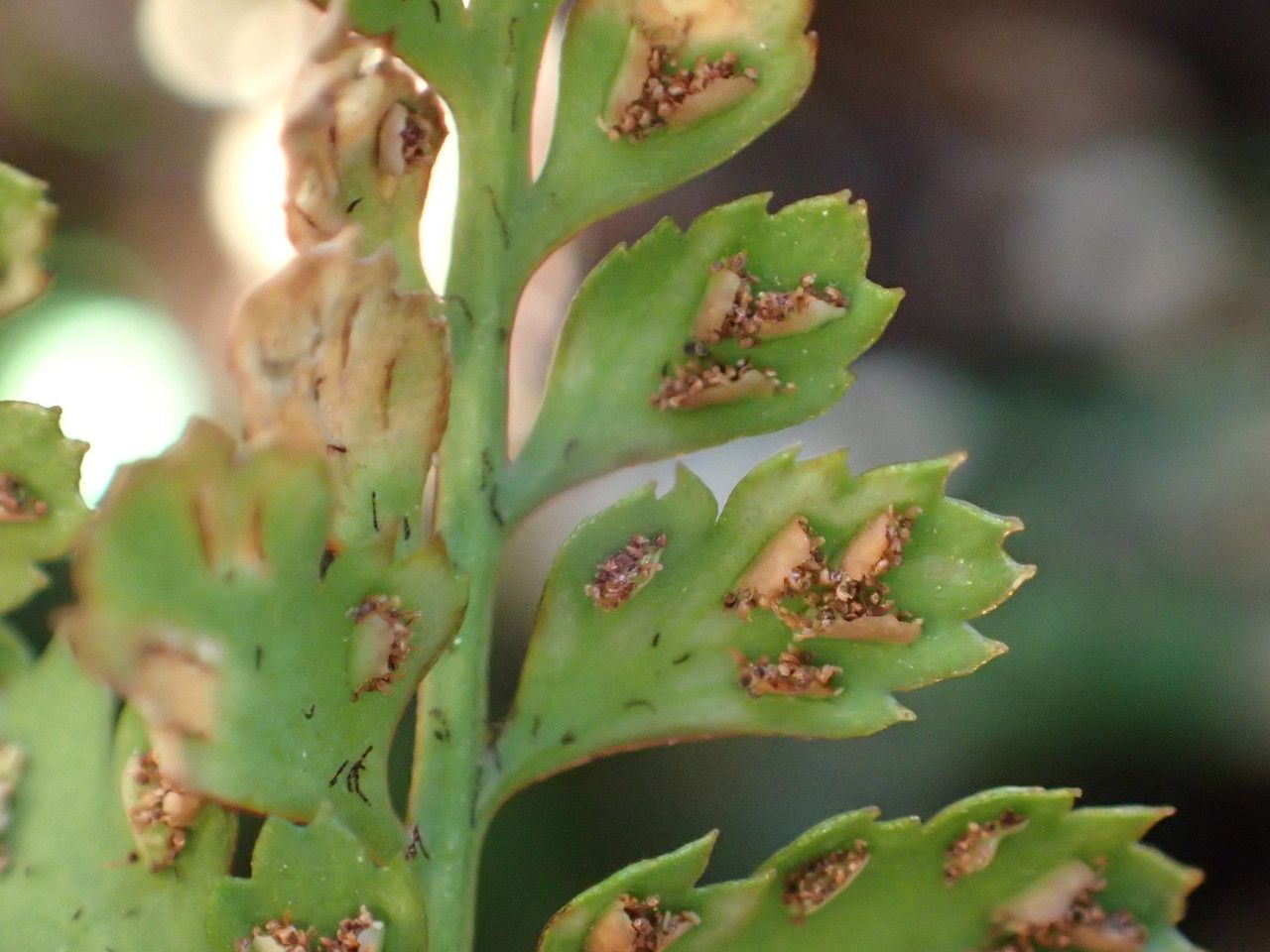
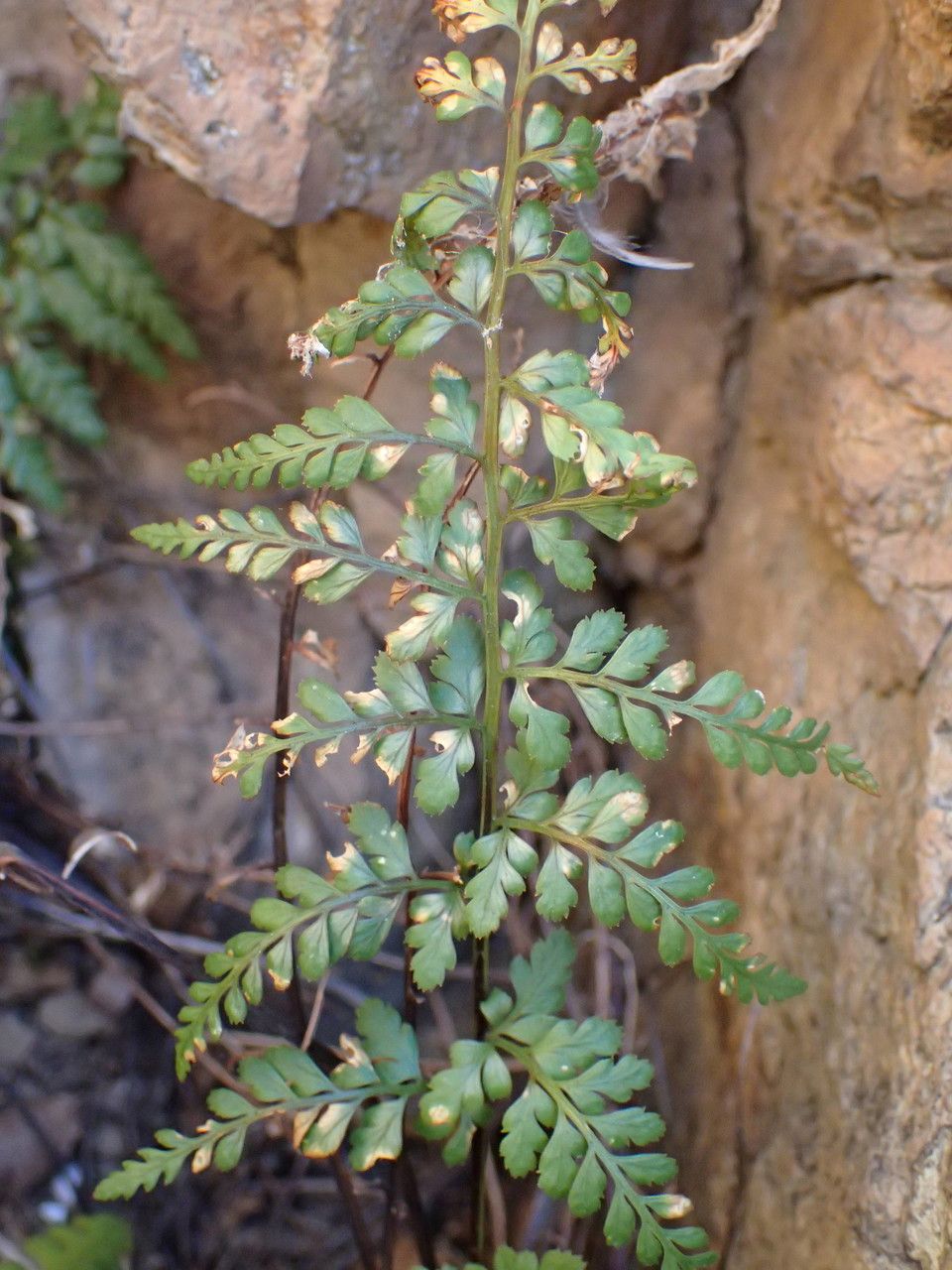
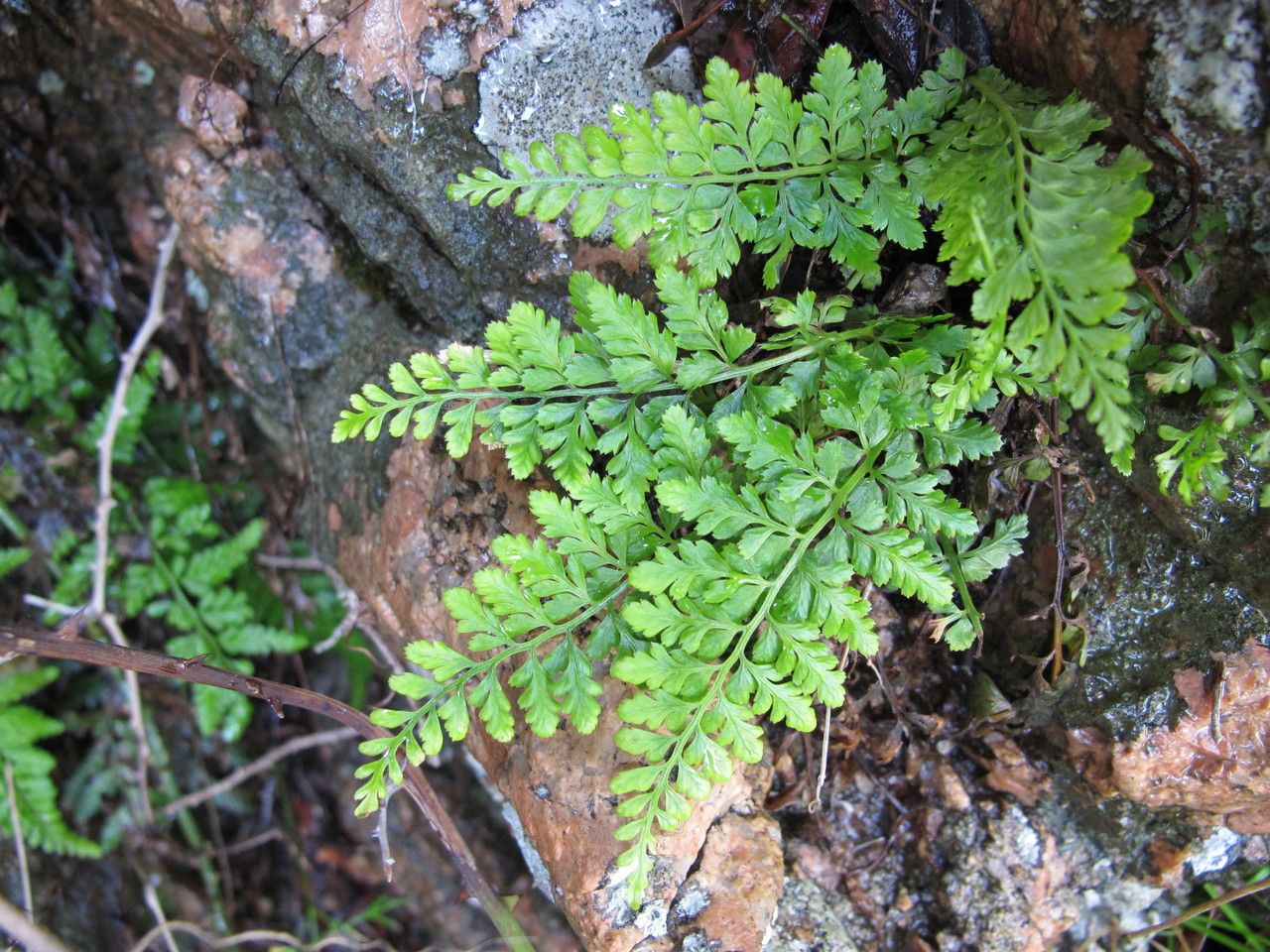
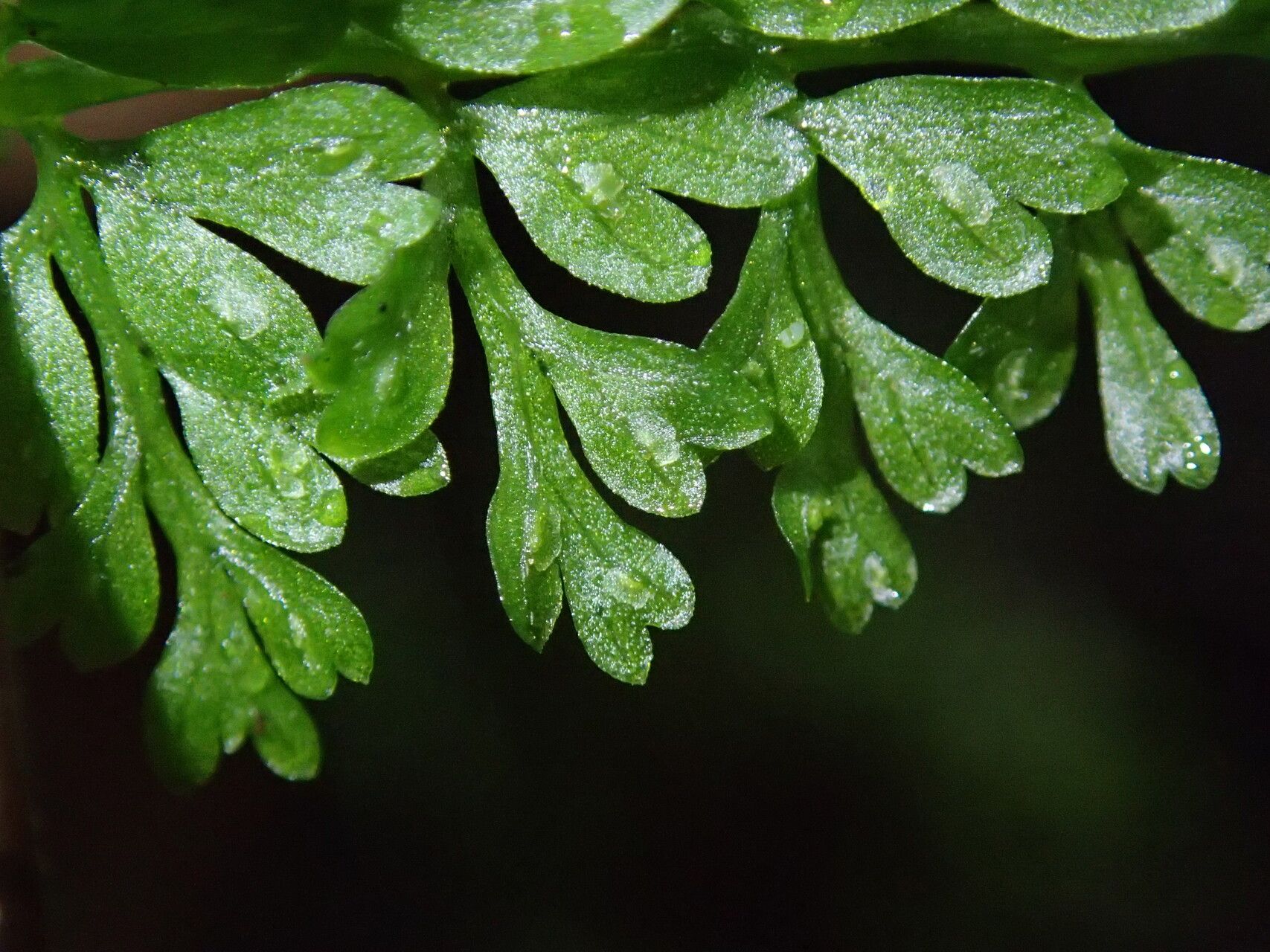
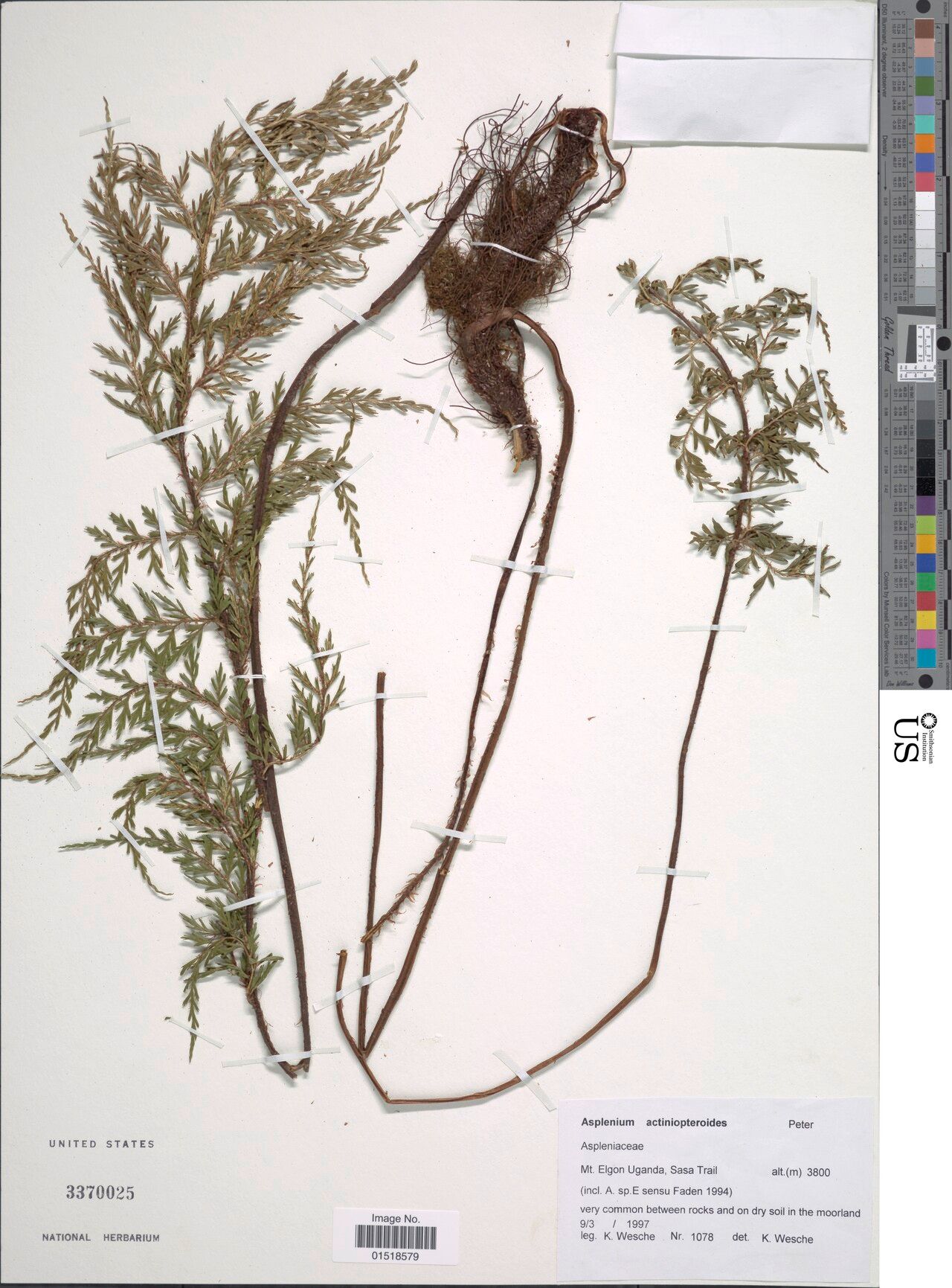
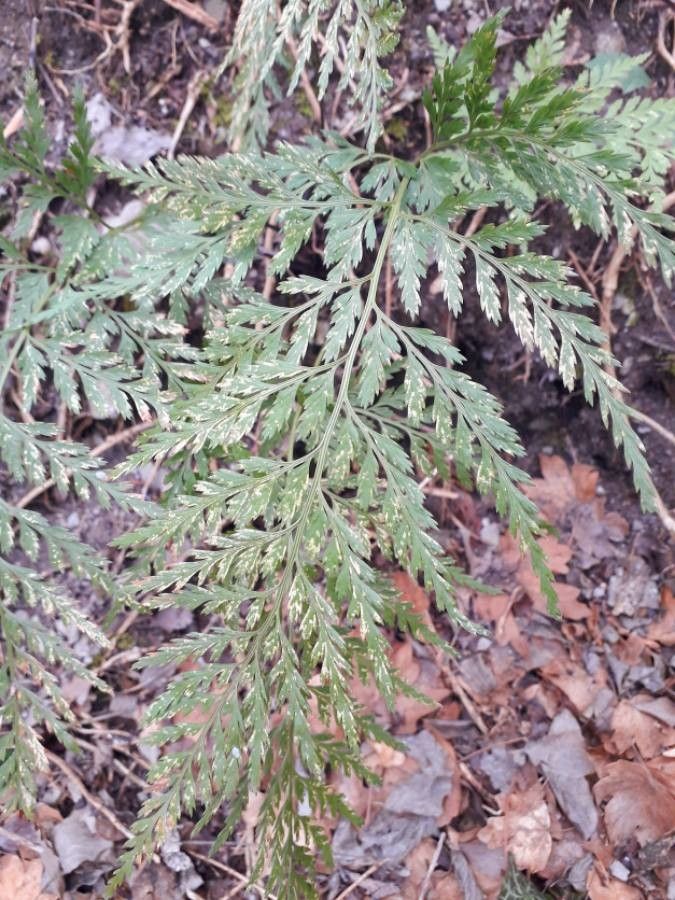
Lanceolate spleenwort generally resists disease well and has relatively few insect pests. Its care is considered difficult because it needs a consistently moist environment and frequent watering. However, its roots are susceptible to rot if overwatered or if the surroundings lack good ventilation. Lanceolate spleenwort is appropriate for people with some growing experience, as most individuals can keep it alive for a certain amount of time. Nevertheless, the plant may struggle to thrive and its leaves can dry out and become less healthy over time.
How to keep Asplenium Obovatum.
Light
Lanceolate spleenwort comes from habitats such as forest understories and rocky sites that provide natural shade. It prefers Full Shade but can tolerate Partial Sun.
Water
The lanceolate spleenwort flourishes in humid, shaded environments, and needs steady moisture without becoming waterlogged. To best care for it, water the plant twice a week and mist it regularly to replicate its tropical habitat. This epiphytic fern prefers indirect light, making it ideal for indoor growth. It thrives in controlled temperatures and high humidity.
Temperature
Lanceolate spleenwort grows best in forest undergrowth. It is very sensitive to temperature and moisture; excessive heat, dry conditions, and strong sunlight can all make the plant uncomfortable. In summer it needs adequate shading and a humid environment. Generally it does not require special care in winter, but a prolonged dry period during winter can still be fatal.
Pruning
To keep lanceolate spleenwort healthy and vibrant, it's important to prune it in early spring. This involves removing dead fronds and trimming older leaves. Doing so promotes new growth, improves air circulation, reduces the risk of disease, and maintains balance within the plant. These practices make lanceolate spleenwort an appealing addition to any garden.
Botanical profile.
- Plant Type
- Fern
- Life Cycle
- Perennial
- Genus
- Asplenium
- Family
- Aspleniaceae
- Hardiness Zone
- 7-10
- Mature Height
- 15 cm to 20 cm
- Mature Spread
- 20 cm to 30 cm
- Leaf Color
- Dark Green, Forest Green
- Leaf Type
- Evergreen
- Planting Time
- Spring, Summer, Autumn
Other names.
Reader questions.
If I give my Lanceolate spleenwort too much water or too little water, what should I do?
The Lanceolate spleenwort can be overwatered if it is left in a pool of water or if the planter it is in does not have drainage holes. This can result in the roots being unable to take up nutrients and moisture and can also lead to fungal or bacterial diseases. Signs of overwatering include wilted and yellow leaves, drooping or falling stems, and soft or mushy texture. It is important to rule out other causes if overwatering is suspected, as similar symptoms can be caused by different issues. On the other hand, underwatering can be a problem if the plant is not kept sufficiently moist, especially if it is not in a self-watering planter. The plant can quickly change from being lush and green to turning brown and crispy. In severe cases, it may appear that there are no living fronds left, but if some roots are still healthy, the plant may be salvageable. Cutting off dry and dead stems, thoroughly watering, and returning the plant to its usual location can help it recover. With proper care, the plant can be resilient and start growing new fronds, although it may take several months to reach its previous size.
What are the sunlight requirements for plants?
Plants require specific sunlight conditions to thrive, which can range from full sun to full shade. For instance, the Lanceolate spleenwort prefers full shade but can also tolerate partial sun. This means it originates from environments like forest understories or rocky areas that offer natural shade. However, if your garden does not provide the natural light conditions your plant prefers, artificial lighting can be a suitable alternative, especially for indoor plants. LED lights are recommended for their adjustable wavelengths, with varying wattages needed depending on whether the plant is full sun, partial sun, or full shade. The goal is to mimic the natural sunlight as closely as possible, adjusting the light's distance and duration based on the plant's needs.
What is Lanceolate spleenwort?
Lanceolate spleenwort, scientifically known as Asplenium obovatum, is a species of spleenwort. It does not have additional content or specific details on its essentials and symptoms provided.
How should I water my Lanceolate spleenwort correctly?
To provide the ideal environment for your Lanceolate spleenwort, it is important to keep the soil consistently moist, resembling its native habitat. This may involve watering it as frequently as every one or two days. The plant should never be allowed to dry out, so it's crucial to water it whenever the top layer of soil shows slight dryness. When you water, make sure to thoroughly soak the soil until water drains out of the pot. Additionally, remember to discard any excess water to prevent the pot from sitting in a puddle. By following this method, you can ensure that the soil remains adequately hydrated at all times.
How can I tell if my plant is getting too much or too little light?
Symptoms of inadequate light in Lanceolate spleenwort include small leaves, leggy or sparse growth, faster leaf drop, slower or no new growth, lighter-colored new leaves, and specific conditions such as chlorosis, sunscald, leaf curling, wilting, and leaf scorching. Each of these symptoms indicates either an excess or deficiency in light exposure, affecting the plant's health and growth. For instance, chlorosis and sunscald are typically caused by too much direct sunlight, while smaller leaves or slower growth may indicate insufficient light. Observing your plant for these signs can help you adjust its light exposure to better meet its needs.
What do I need to think about when watering my Lanceolate spleenwort?
The humidity levels around your Lanceolate spleenwort will determine how often you should water it. Higher humidity means less frequent watering because evaporation is slower. Be careful not to place the plant near heating or cooling vents, as it can dry out quickly. Instead, choose a location that is protected from drafts. Lanceolate spleenwort prefers dappled and indirect sunlight and temperatures between 55-80 degrees F (13-27 degrees C). Avoid placing the fern in a warm and sunny spot on a windowsill, as it may become dehydrated quickly. Rainwater or distilled water is ideal for this plant, but tap water works fine in most places. Tap water may contain minerals and chemicals that can cause brown leaf tips, especially since Lanceolate spleenwort has delicate leaves. Using small pots can be problematic for Lanceolate spleenwort because they hold less potting medium and dry out more quickly. It is best to give this plant more space in the pot compared to other houseplants. Consider using a self-watering planter for Lanceolate spleenwort. These pots have a wicking system that allows the soil to continuously absorb water from a reservoir, maintaining consistent moisture levels. Not only does this save you from constantly watering the fern, but it also benefits the roots by providing a steady water supply instead of fluctuating between dry and wet conditions.
What steps can I take to optimize light conditions for my plant?
Optimizing light conditions for your Lanceolate spleenwort involves adjusting either the plant's location or the light source. For indoor plants, gradually increasing sunlight exposure or using artificial lighting can help. Move the plant to sunnier spots each week or use a desk, ceiling, or professional grow lights for at least 8 hours daily. For outdoor plants, gradually move them to sunnier locations while avoiding drastic changes to prevent sunburn. Additionally, reducing obstructions such as tree branches can help increase sunlight exposure. If needed, smaller plants can be transplanted to sunnier spots during their dormant period for improved growth. It's important to note that while adjusting light conditions can promote new healthy growth, parts of the plant that have already been adversely affected may not recover.