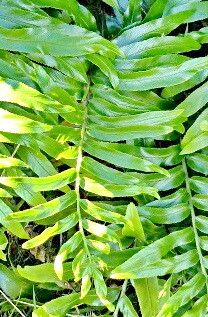
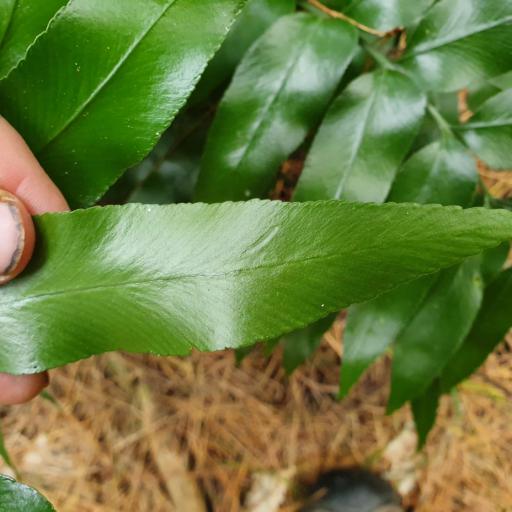
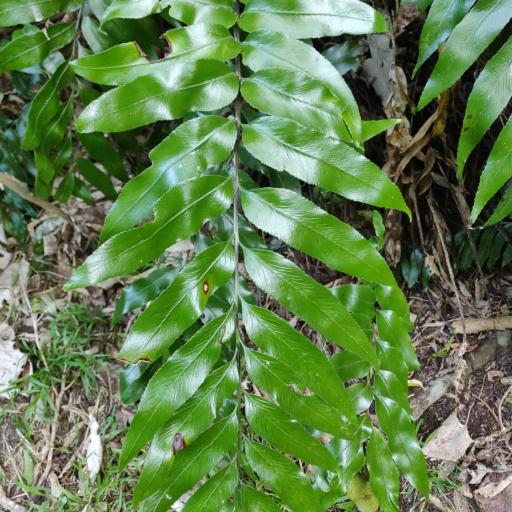
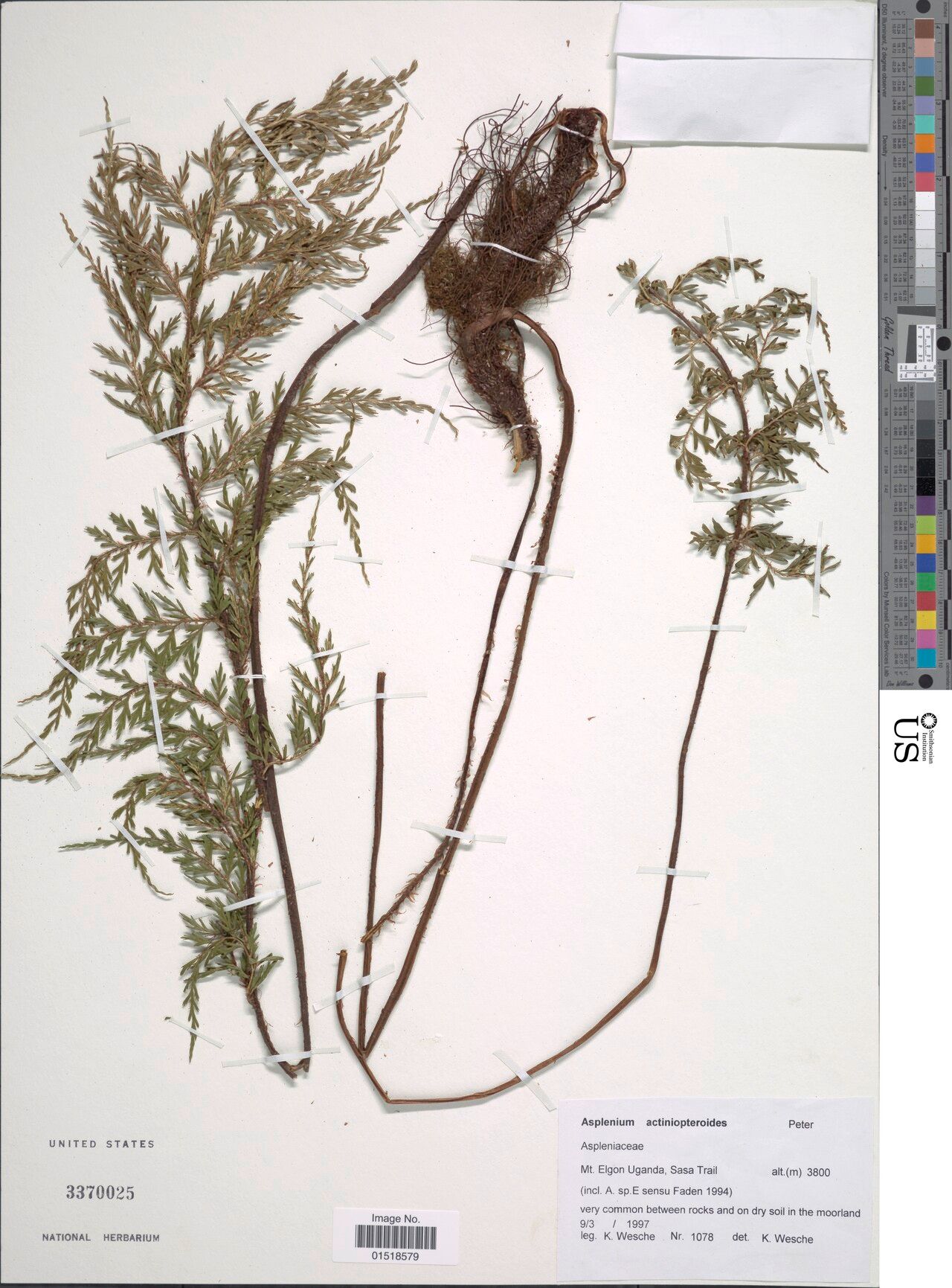
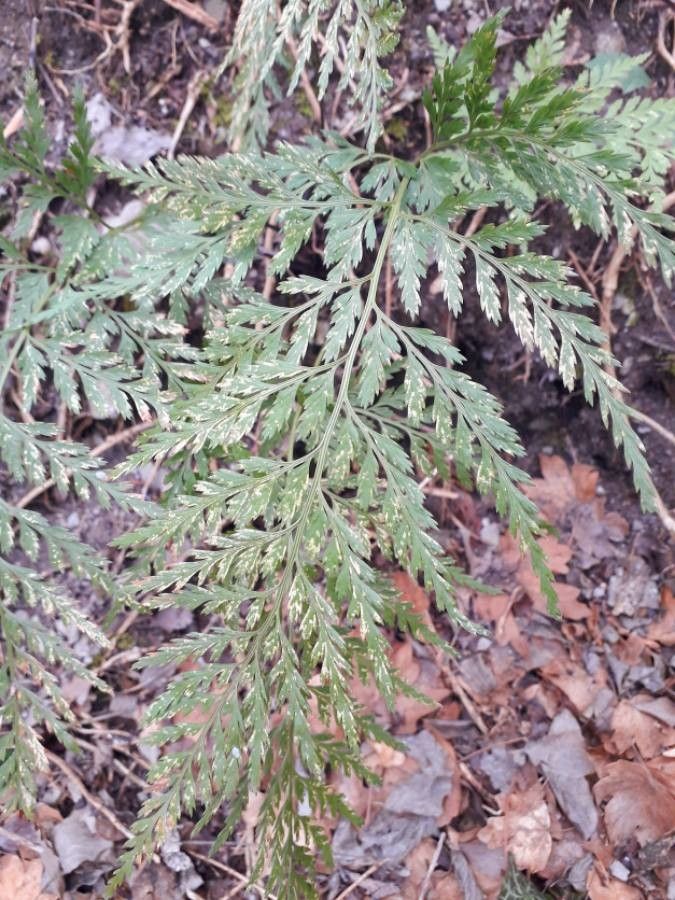
Asplenium oblongifolium is a native species of fern from New Zealand. The plant's common name is shining spleenwort and its Māori name is huruhuruwhenua. A. oblongifolium is found on the North, South, Chatham and Kermadec Islands, and is found from the coast to the mountains.
Shining spleenwort is generally resistant to disease and encounters relatively few insect pests. Its care is regarded as difficult because it requires a consistently moist environment and frequent watering. However, its roots are susceptible to rot if overwatered or if the environment lacks adequate ventilation. Shining spleenwort is best suited to people with some growing experience, since most individuals can keep it alive for a period of time. Nevertheless, it may struggle to thrive, and its leaves can dry out and become less healthy over time.
How to keep Asplenium Oblongifolium.
Light
The shining spleenwort does best in places that receive very little sunlight. These low light levels strongly affect its growth, health, and development. Excessive light can be harmful, while too little light does not present a danger. This reflects its adaptation to the understory of its native forest habitats.
Water
Shining spleenwort flourishes in consistently humid environments and requires balanced moisture. To simulate its natural habitat, water the plant twice a week. It is often grown indoors and thrives in rooms with high humidity or when placed on pebble trays to boost ambient moisture levels.
Temperature
Shining spleenwort naturally thrives in temperate climates and is comfortable at temperatures of 68 to 95 °F (20 to 35 ℃). For optimal growth, replicate this range. Adjust accordingly if seasonal temperatures fall outside this range.
Pruning
Shining spleenwort is a unique fern known for its glossy leaves. To encourage new growth, it's beneficial to prune it in early spring by removing any dead fronds. Thinning out crowded areas can also help, as it improves air circulation and prevents disease. Be sure to avoid cutting healthy fronds, as this can cause stress to the plant. By following these tips and seeking reliable horticultural advice, you can promote vibrant and vigorous foliage.
Botanical profile.
- Plant Type
- Fern
- Life Cycle
- Perennial
- Genus
- Asplenium
- Family
- Aspleniaceae
- Hardiness Zone
- 9
- Mature Height
- 91 cm
- Mature Spread
- 76 cm
- Leaf Color
- Forest Green, Dark Green
- Leaf Type
- Evergreen
- Planting Time
- Spring, Summer, Autumn
- Native Area
- New Zealand