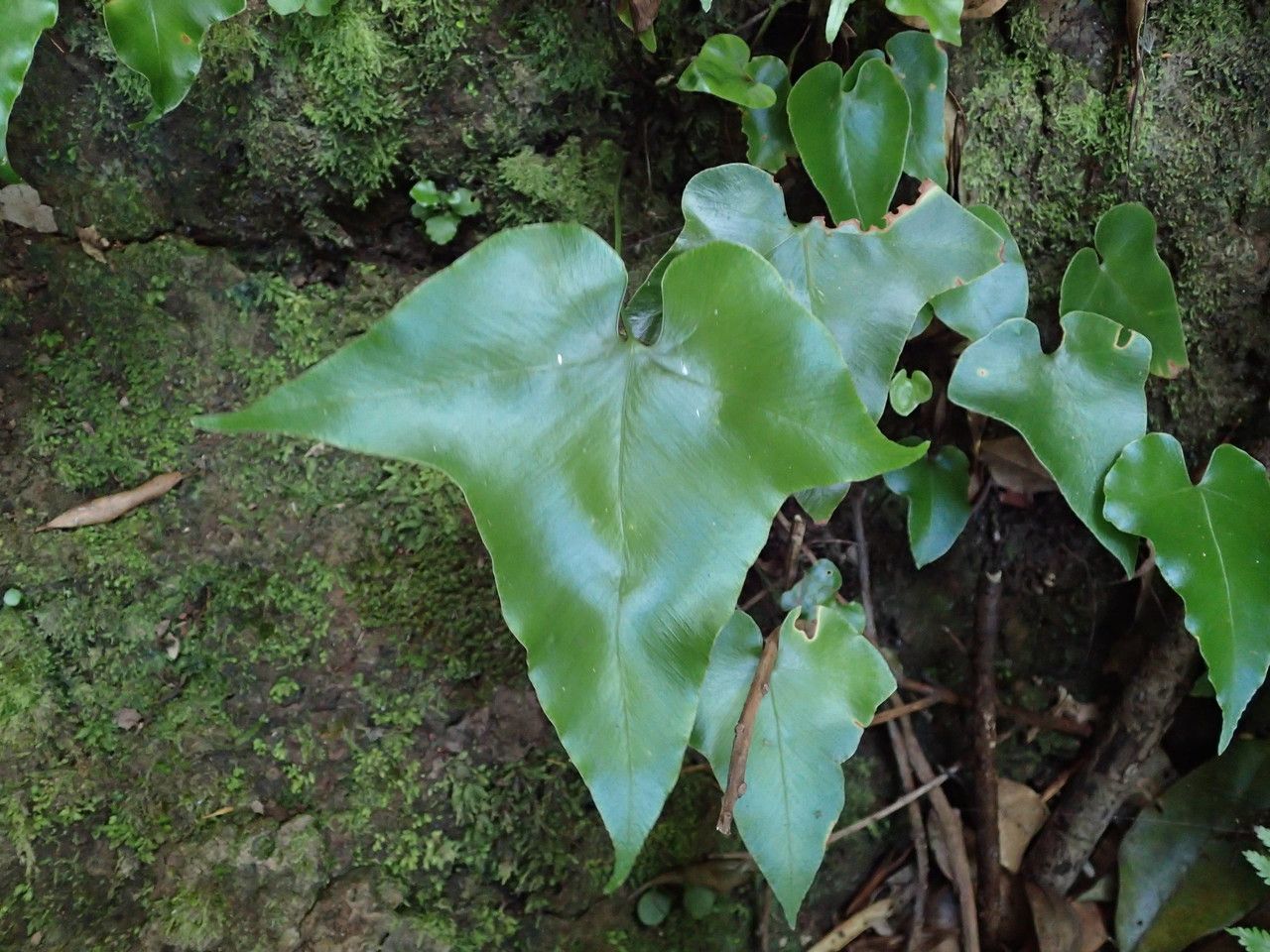
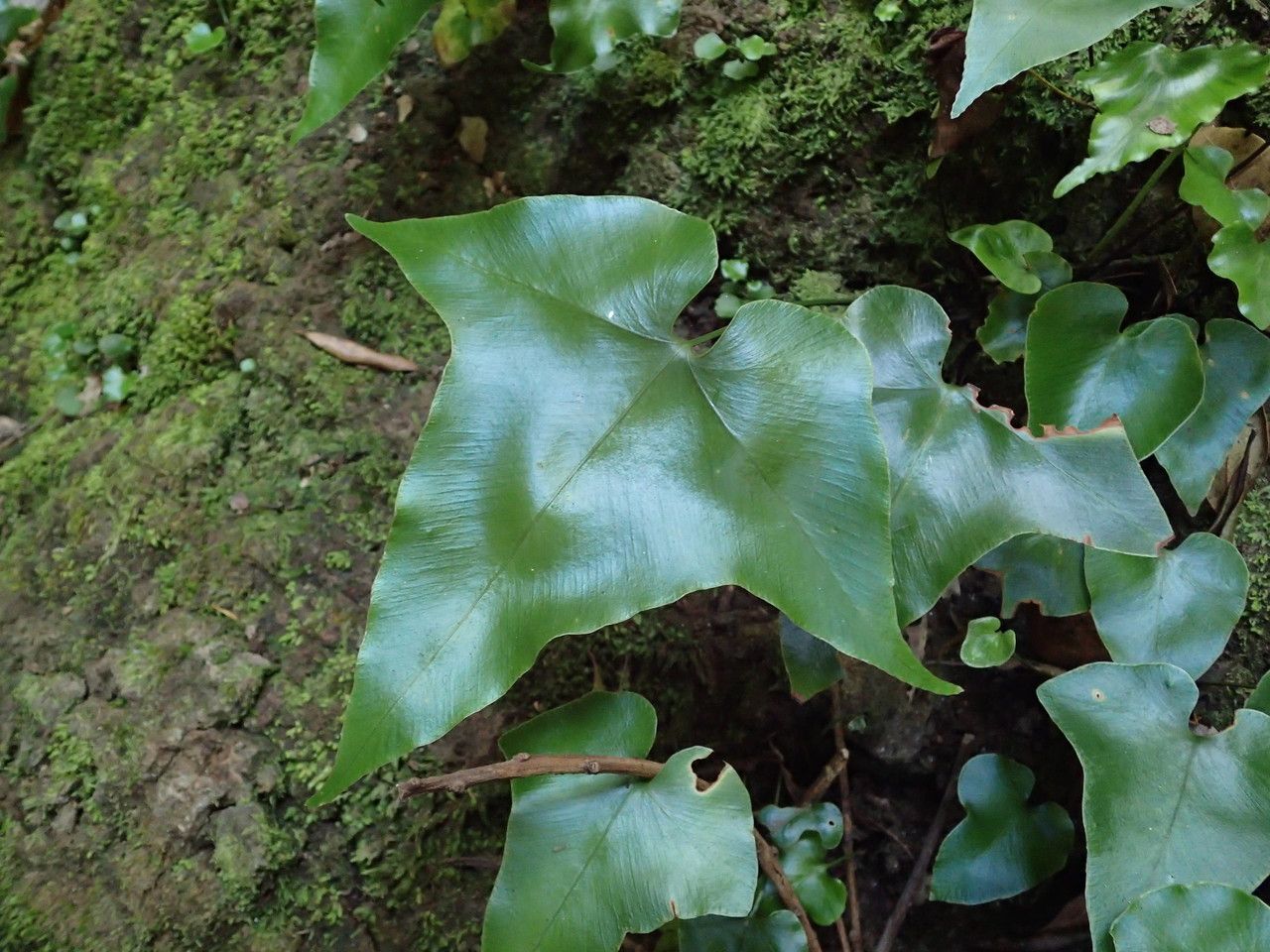
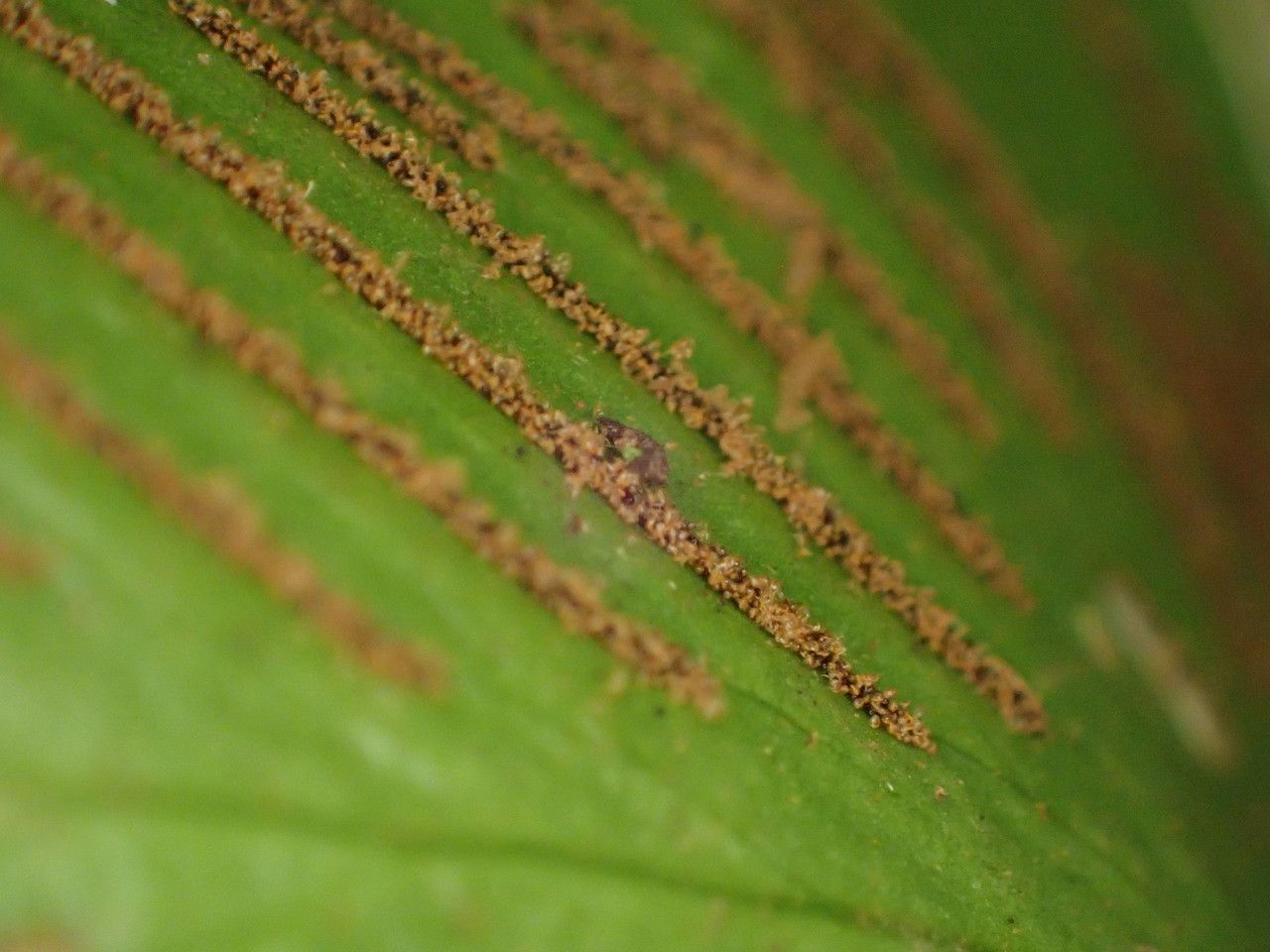
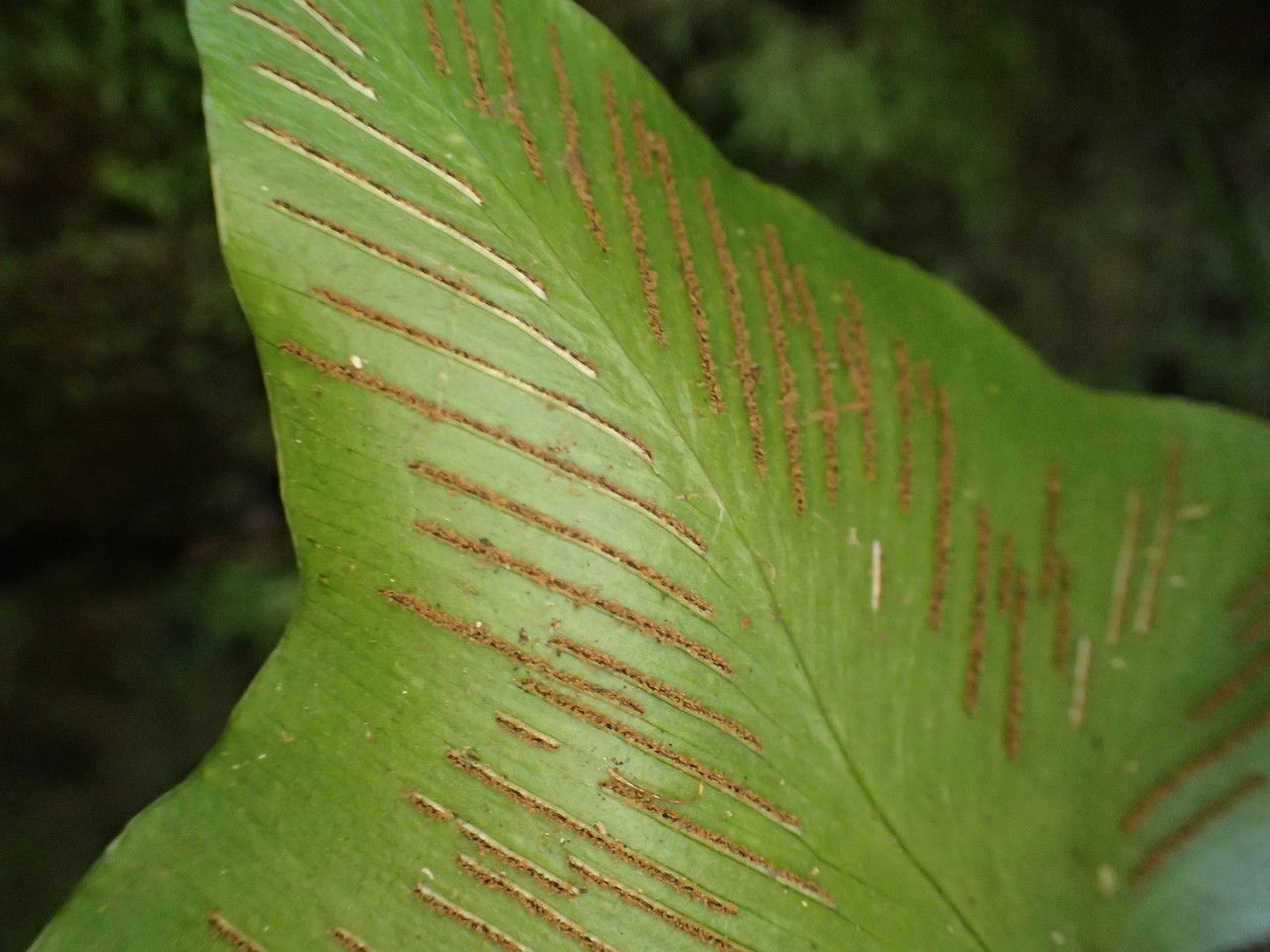
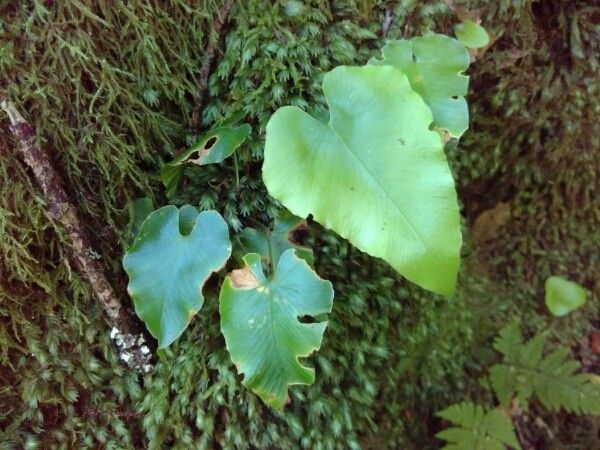
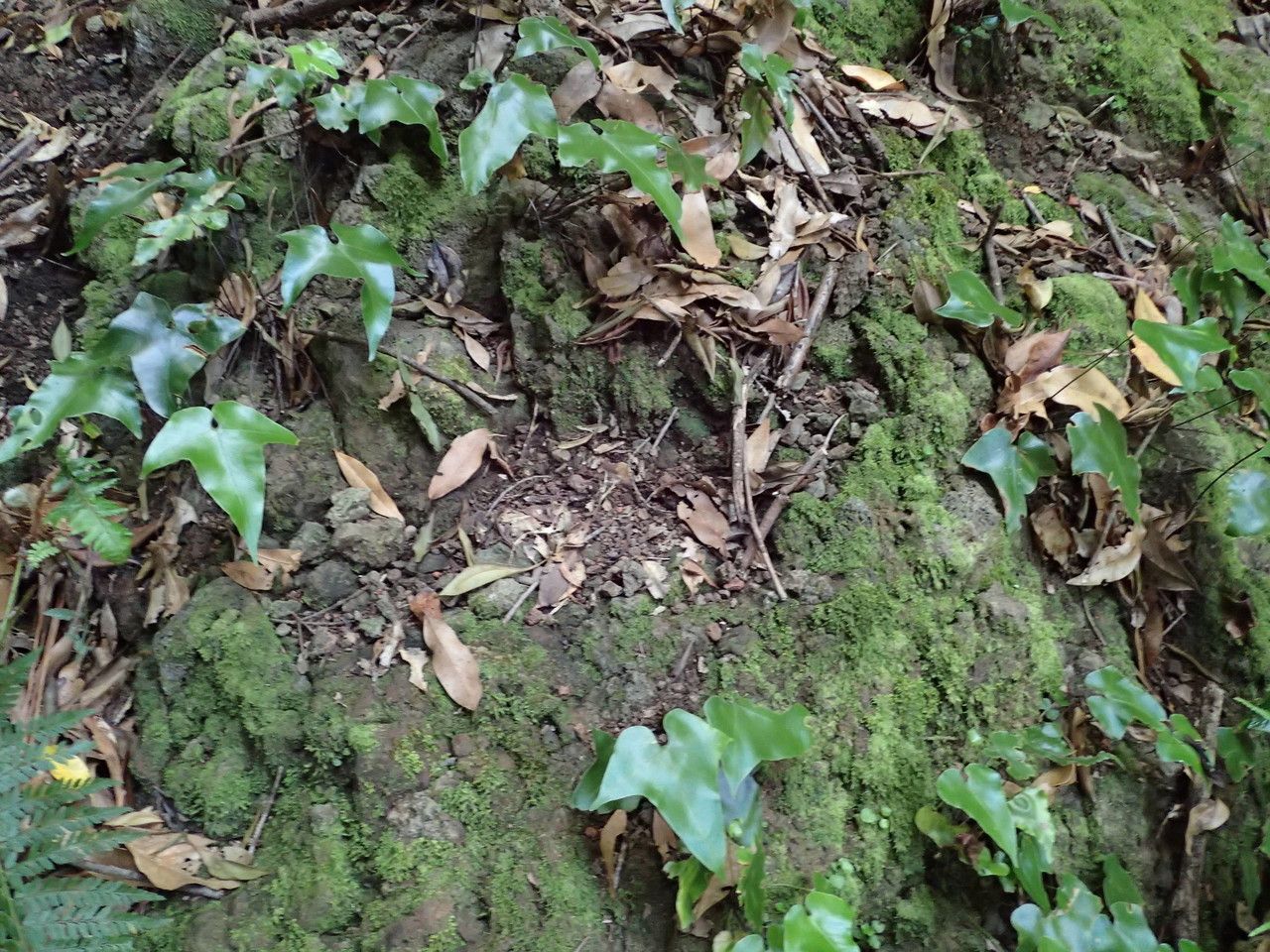
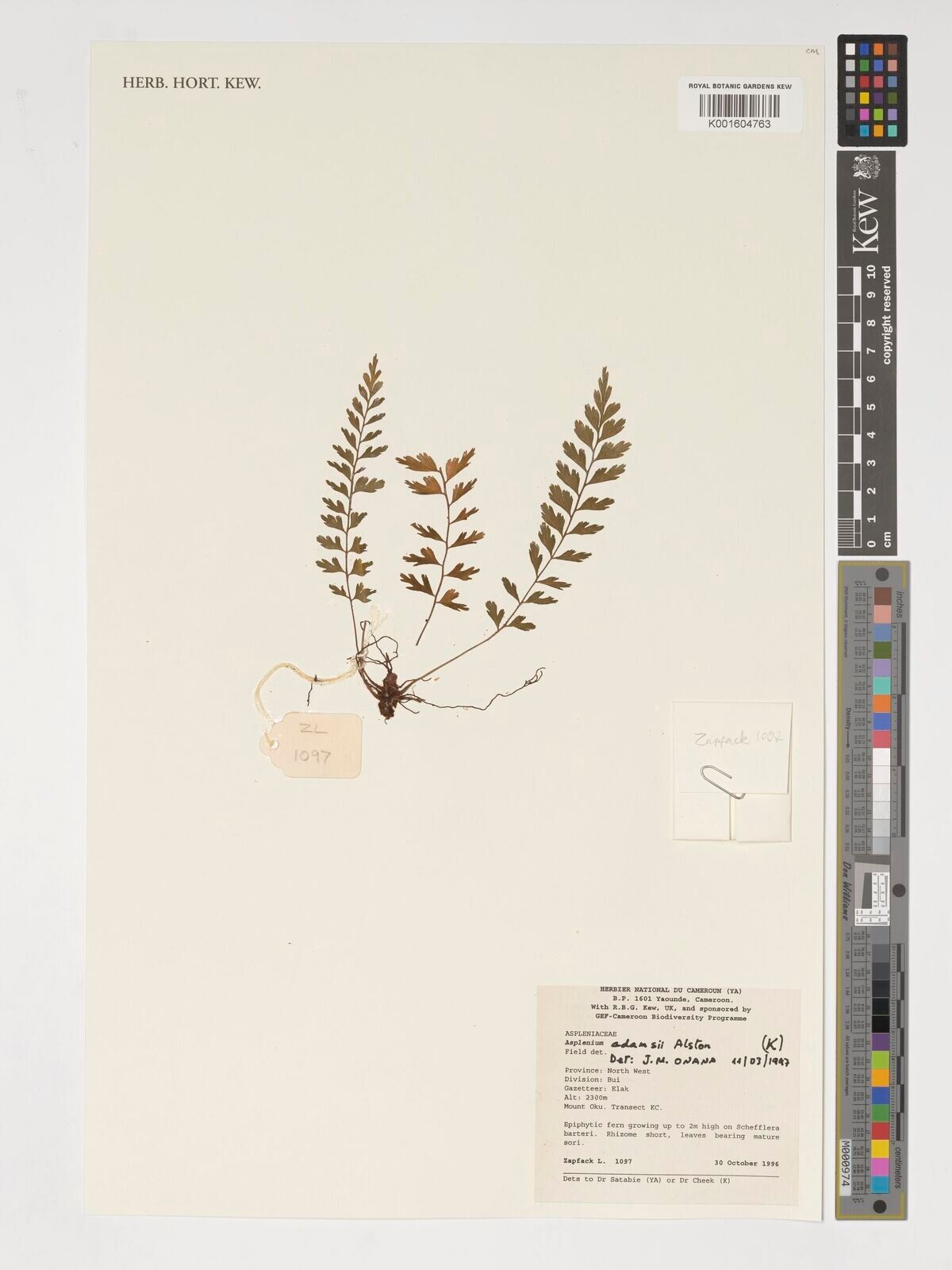
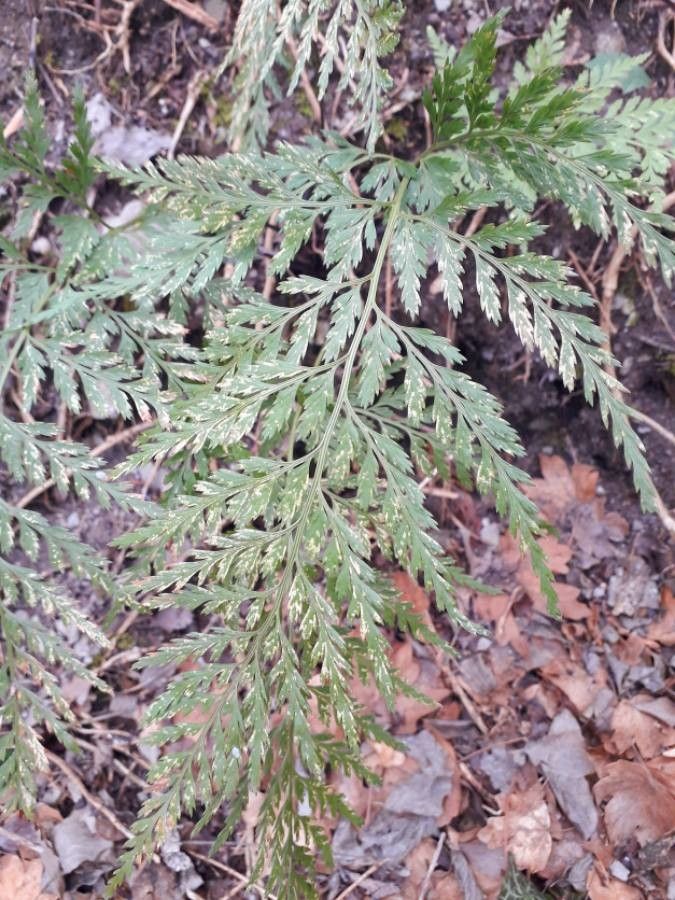
Asplenium hemionitis is a species of fern native to Macaronesia, Northwest Africa and mainland Portugal. It inhabits humid woods and other shady areas, sometimes in uncovered slopes subject to high ocean humidity.Linnaeus was the first to describe the species with the binomial Asplenium hemionitis in his Species Plantarum of 1753.
Asplenium sagittatum generally has good resistance to disease and is affected by relatively few insect pests. Its care is considered difficult because it requires a moist environment and frequent watering. However, its roots are prone to rotting if overwatered or if the environment is not well ventilated. It is suitable for people with some growing experience, since most people can keep it alive only for a limited time. Nevertheless, Asplenium sagittatum may have difficulty thriving, and its leaves can dry out and become less healthy over time.
How to keep Asplenium Hemionitis.
Light
Asplenium sagittatum comes from habitats like forest understories or rocky areas that provide natural shade. Its preferred light condition is Full Shade, although it can tolerate Partial Sun.
Humidity
This plant needs special care because it loves high humidity levels of 60-80% or more. The best way to achieve this is by placing a humidifier near the plant. Daily misting is also essential! Make sure the room has good ventilation.
Temperature
Asplenium sagittatum comes from tropical areas, where the climate is usually warm and humid. Consequently, it is adapted to high temperatures and humidity. It does not tolerate sudden temperature shifts and prefers a steady thermal environment, so indoor temperature fluctuations should be avoided. It generally cannot withstand cold and needs higher temperatures to grow; if the ambient temperature falls too low, growth may stop or the plant may die.
Pruning
The Mule's Fern is known for its lush, cascading fronds. To maintain its health, prune the fern in early spring by removing any dead fronds. This encourages healthy growth. When pruning, make sure to cut back to the base without damaging any new growth. Regular pruning helps improve the plant's shape and increases air circulation, which reduces the risk of fungal infections. Always use clean, sharp tools to prevent the spread of disease.
Botanical profile.
- Plant Type
- Fern
- Life Cycle
- Perennial
- Genus
- Asplenium
- Family
- Aspleniaceae
- Hardiness Zone
- 9-11
- Mature Height
- 30 cm to 61 cm
- Mature Spread
- 30 cm to 49 cm
- Leaf Color
- Dark Green, Forest Green
- Leaf Type
- Semi-evergreen
- Planting Time
- Spring, Summer
- Native Area
- Libya, Turkey, Tunisia, Syria, Italy, Spain, Algeria, Lebanon, Croatia, Morocco, France
Other names.