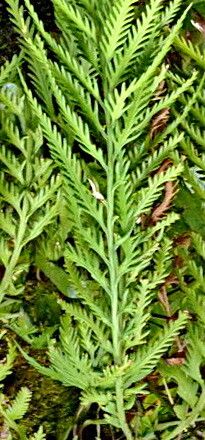
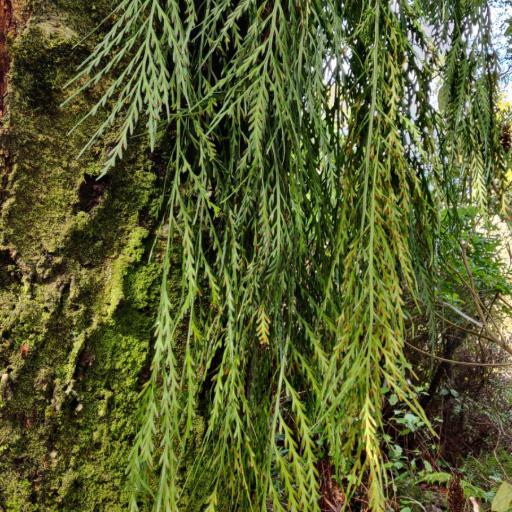
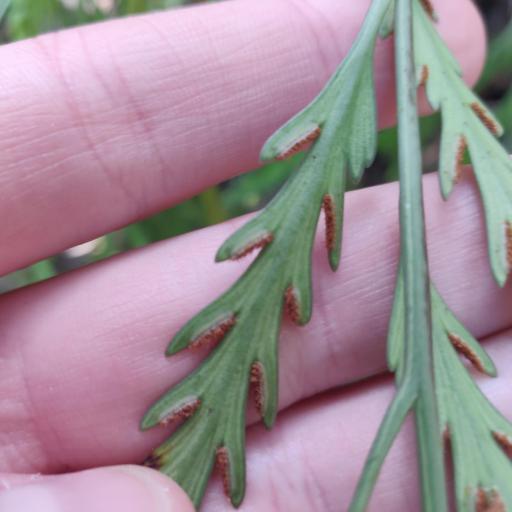
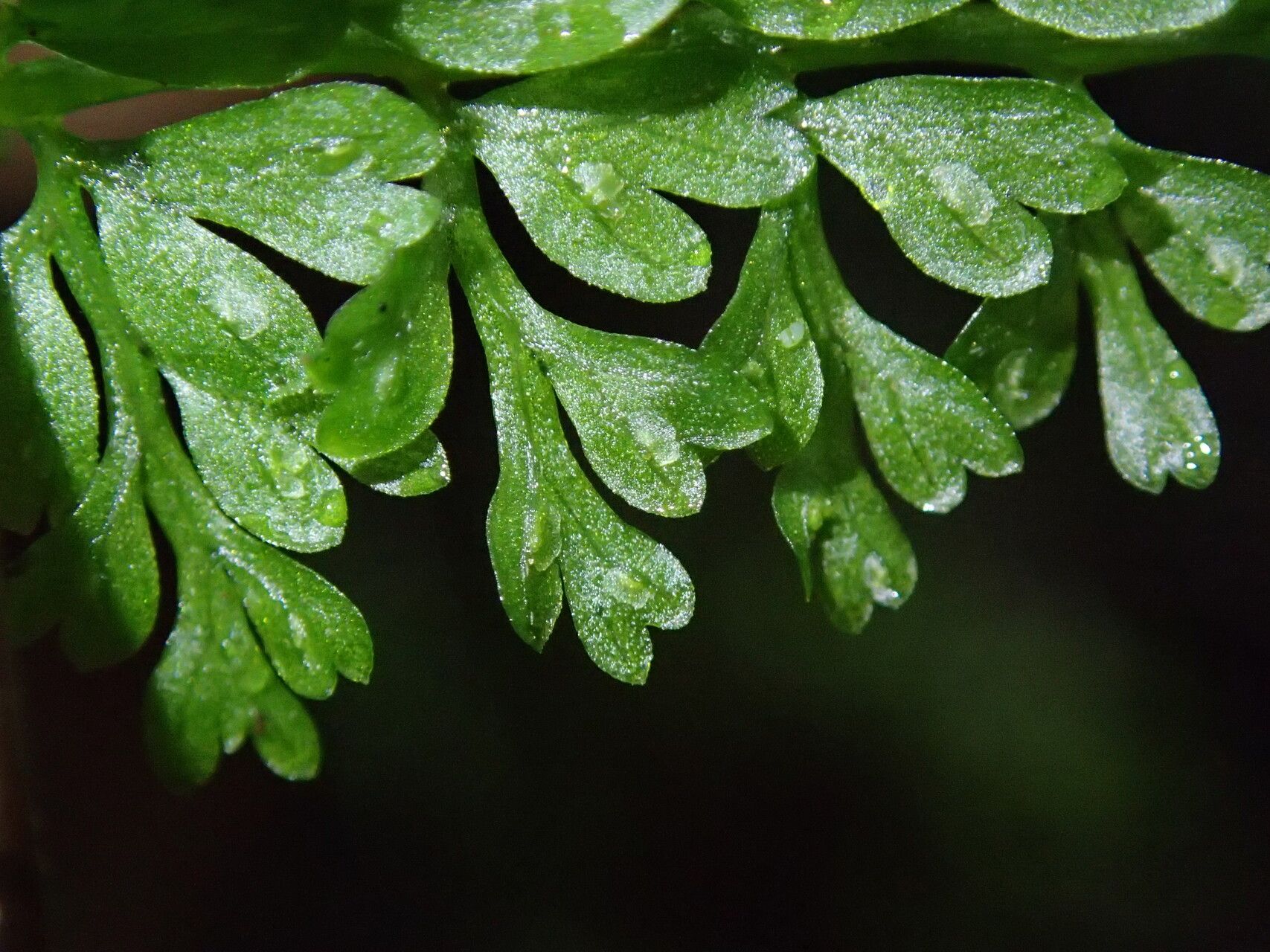
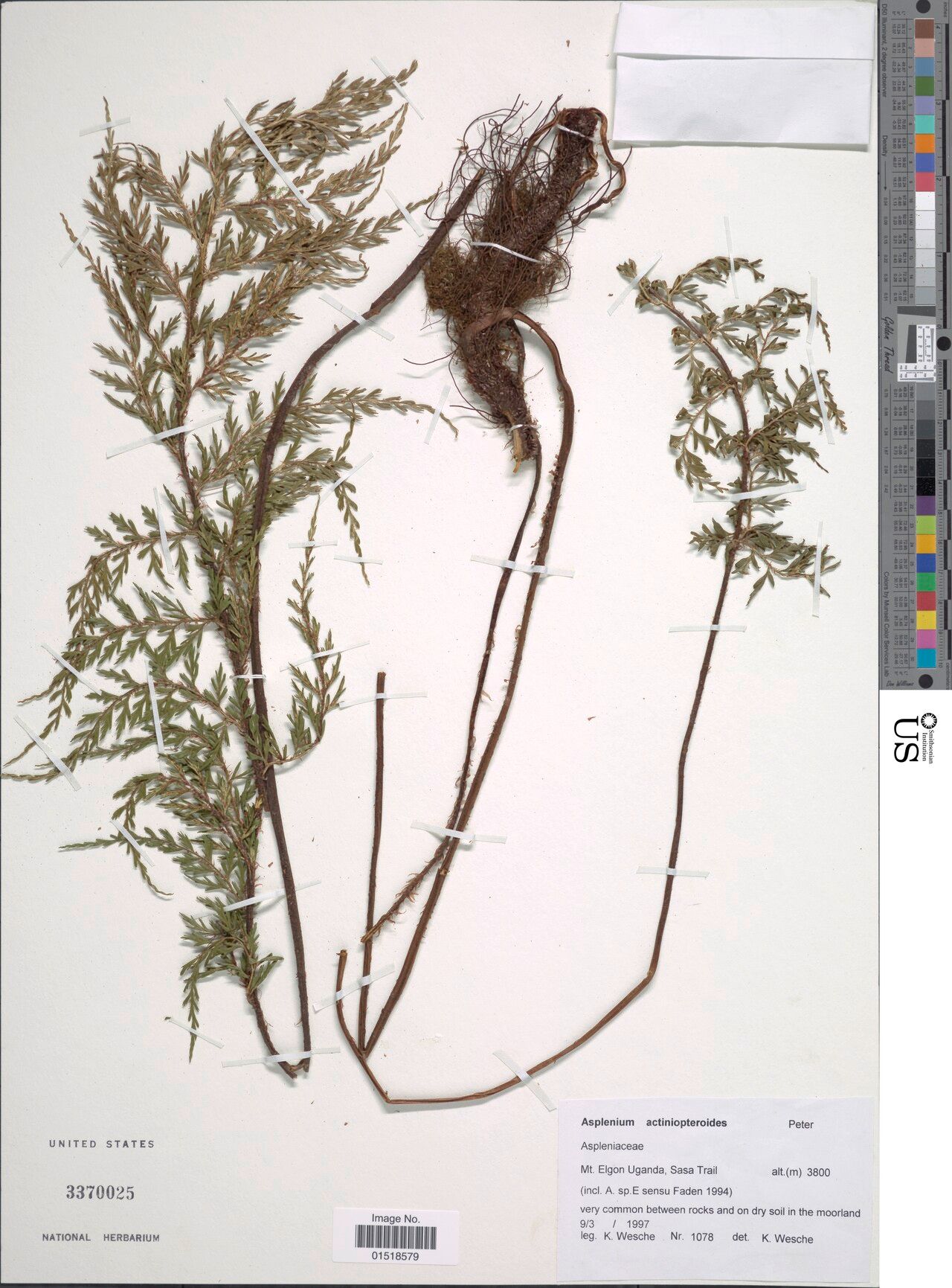
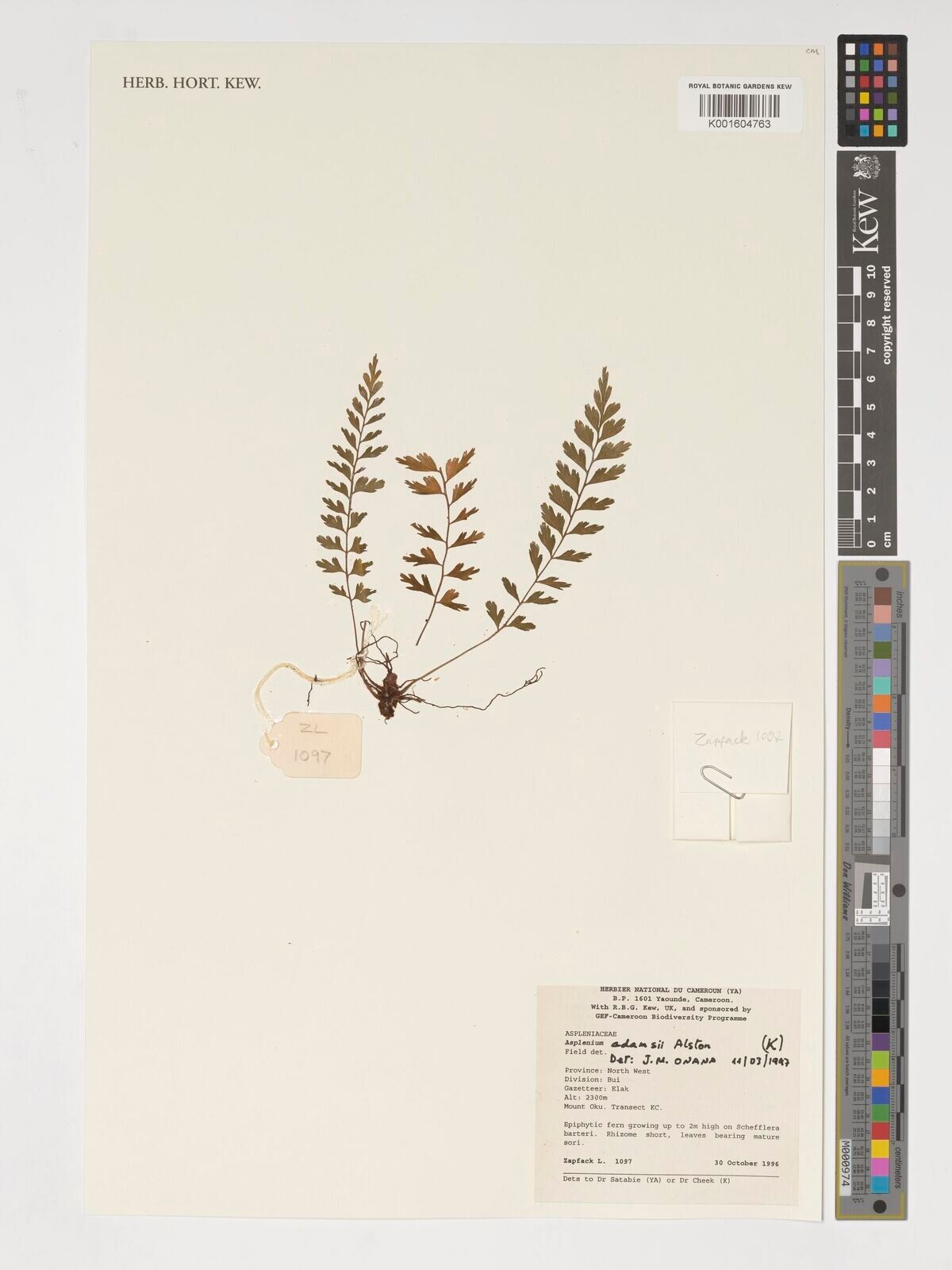
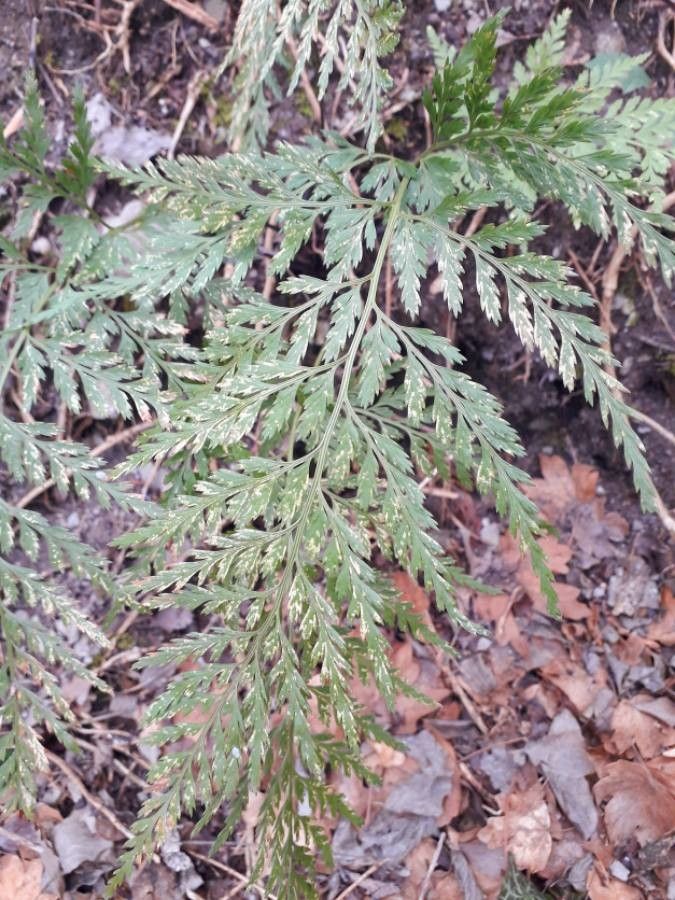
Asplenium flaccidum is a species of fern in the family Aspleniaceae. The plant common name is drooping spleenwort or weeping spleenwort, and the species name flaccidum derives from the Latin root meaning drooping. An example occurrence of A. flaccidum is within a Nothofagus-Podocarp forest at Hamilton Ecological District on New Zealand's North Island in association with other fern species understory plants, crown fern, Blechnum discolor being an example.
Drooping spleenwort typically shows strong resistance to disease and has comparatively few insect pests. Its care is considered challenging, because it needs a moist environment and frequent watering. Nevertheless, the roots can rot if the plant is overwatered or the surroundings lack good ventilation. Drooping spleenwort is best for growers with some experience, as most people can keep it alive for a time. Still, it may struggle to flourish, and its leaves can dry out and become less healthy as time passes.
How to keep Asplenium Flaccidum.
Light
Drooping spleenwort does well in low-light conditions, reflecting its origin in the native understorey habitat. Its growth can be hindered by either too much or too little light. Although it can cope without sunlight, optimal health requires some, albeit minimal, light exposure.
Water
Drooping spleenwort thrives in humid environments, requiring consistent moisture and high humidity to flourish. Ideally, it should be watered in a balanced manner, about twice a week. As an epiphyte, it absorbs moisture from the air, making it well-suited for indoor settings with moderate humidity levels.
Temperature
Drooping spleenwort is native to environments with temperatures ranging from 41 to 105°F (5 to 41℃). It does best within this range and may need adjustments, such as added shade or heat sources, when temperatures fall outside these limits.
Pruning
Drooping spleenwort benefits from light pruning in early spring. This involves removing dead or damaged fronds to encourage healthy growth and maintain its appearance. When pruning, cut the fronds close to the base but be careful to preserve areas with new growth. This practice improves air circulation and reduces the risk of disease, contributing to a healthy and vigorous plant.
Botanical profile.
- Plant Type
- Fern
- Life Cycle
- Perennial
- Genus
- Asplenium
- Family
- Aspleniaceae
- Hardiness Zone
- 5-13
- Mature Height
- 61 cm
- Mature Spread
- 20 cm
- Leaf Color
- Green, Dark Green
- Leaf Type
- Evergreen
- Planting Time
- Spring, Summer
- Native Area
- New Zealand