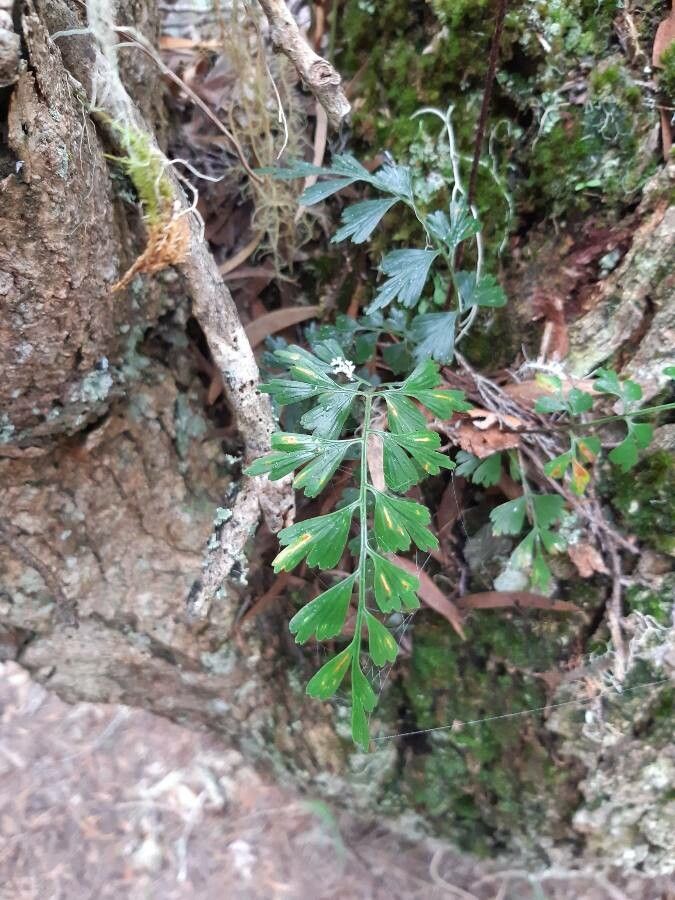
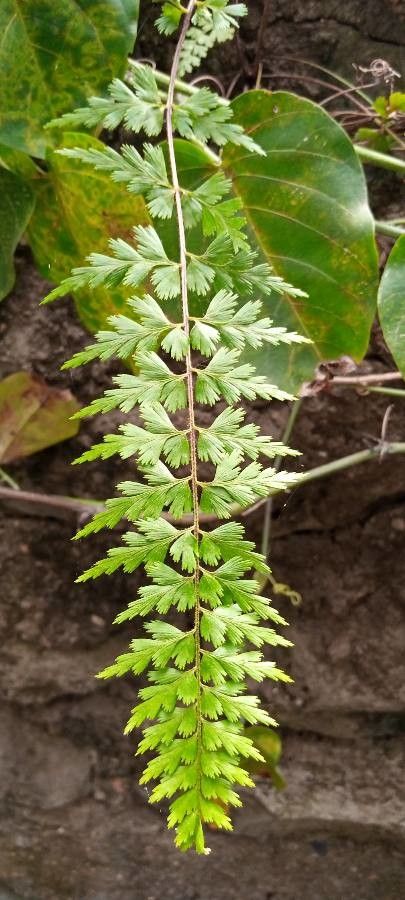
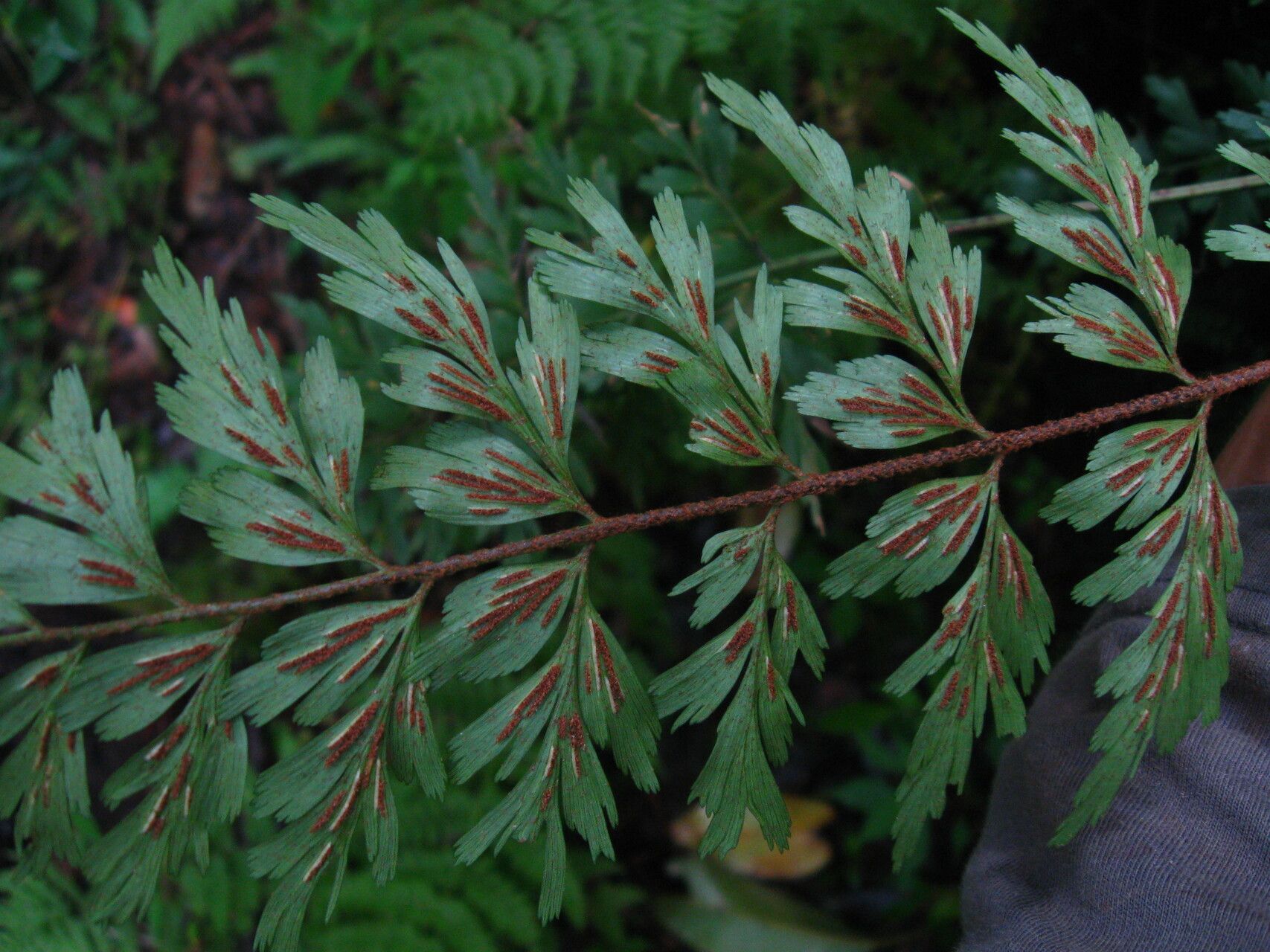
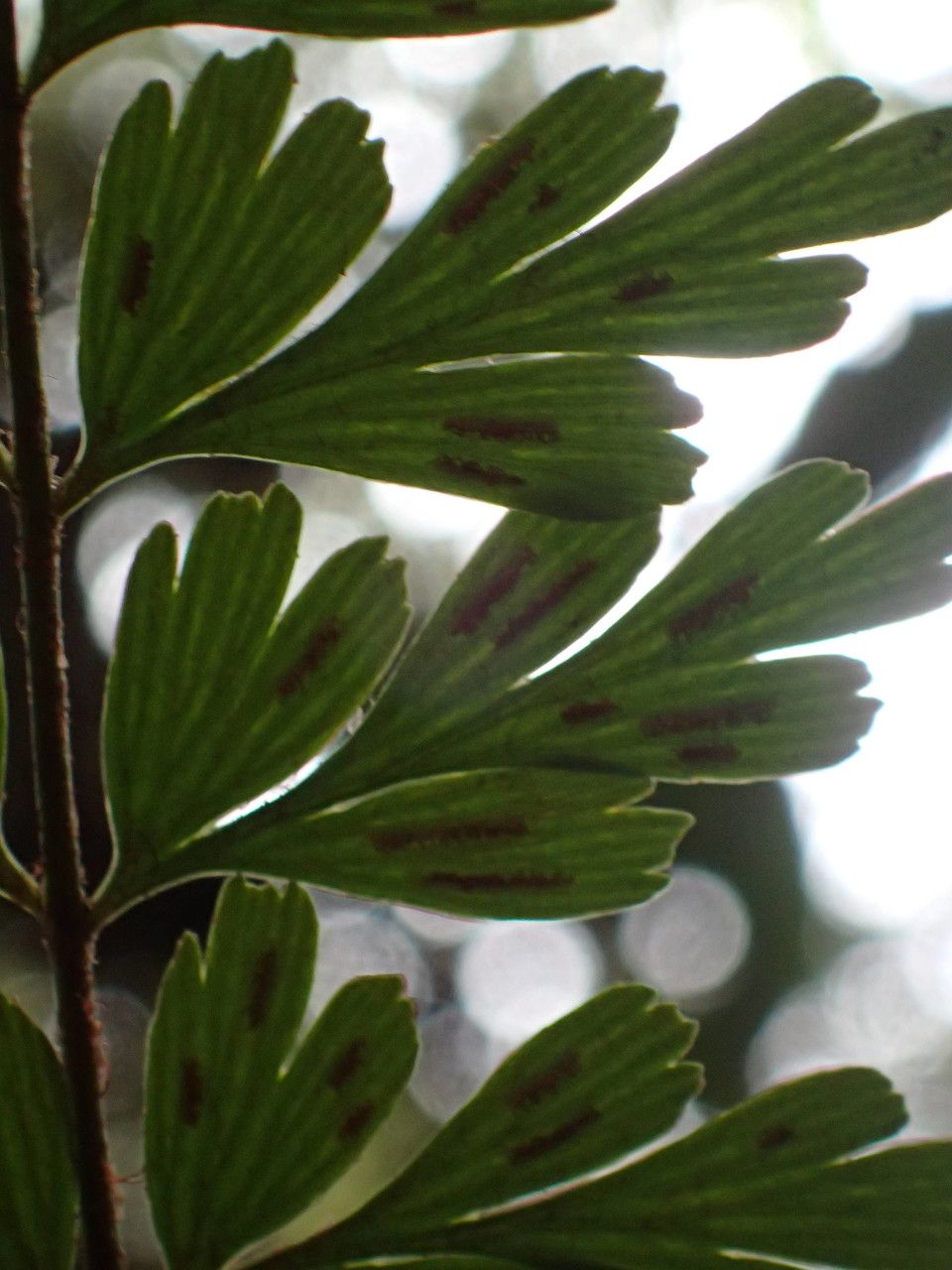
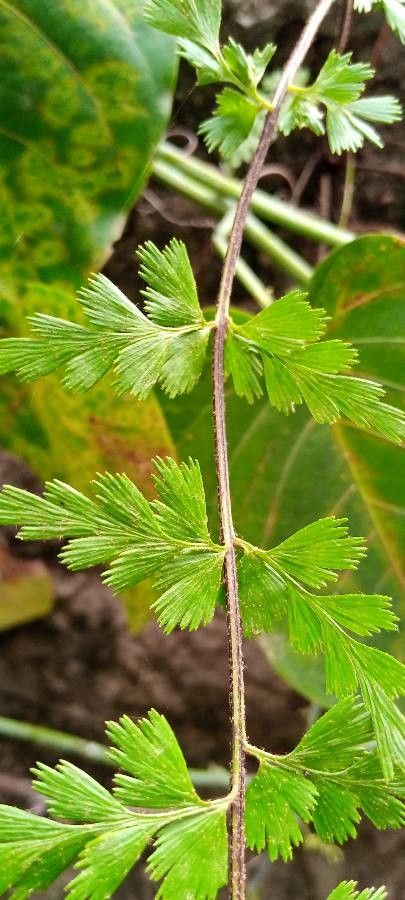
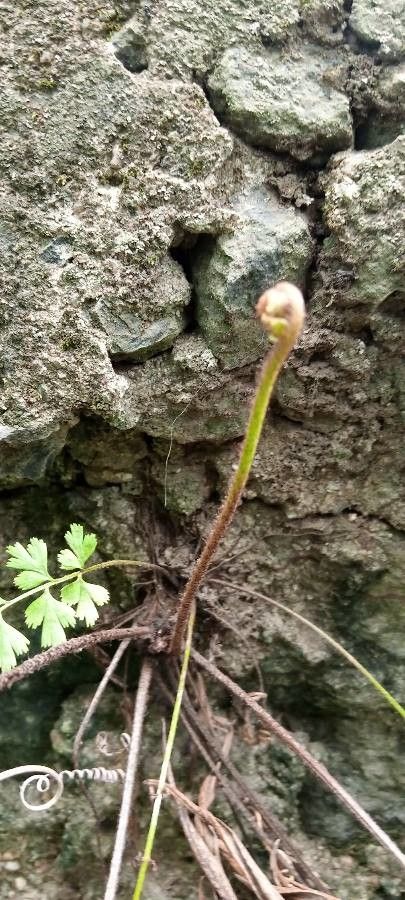
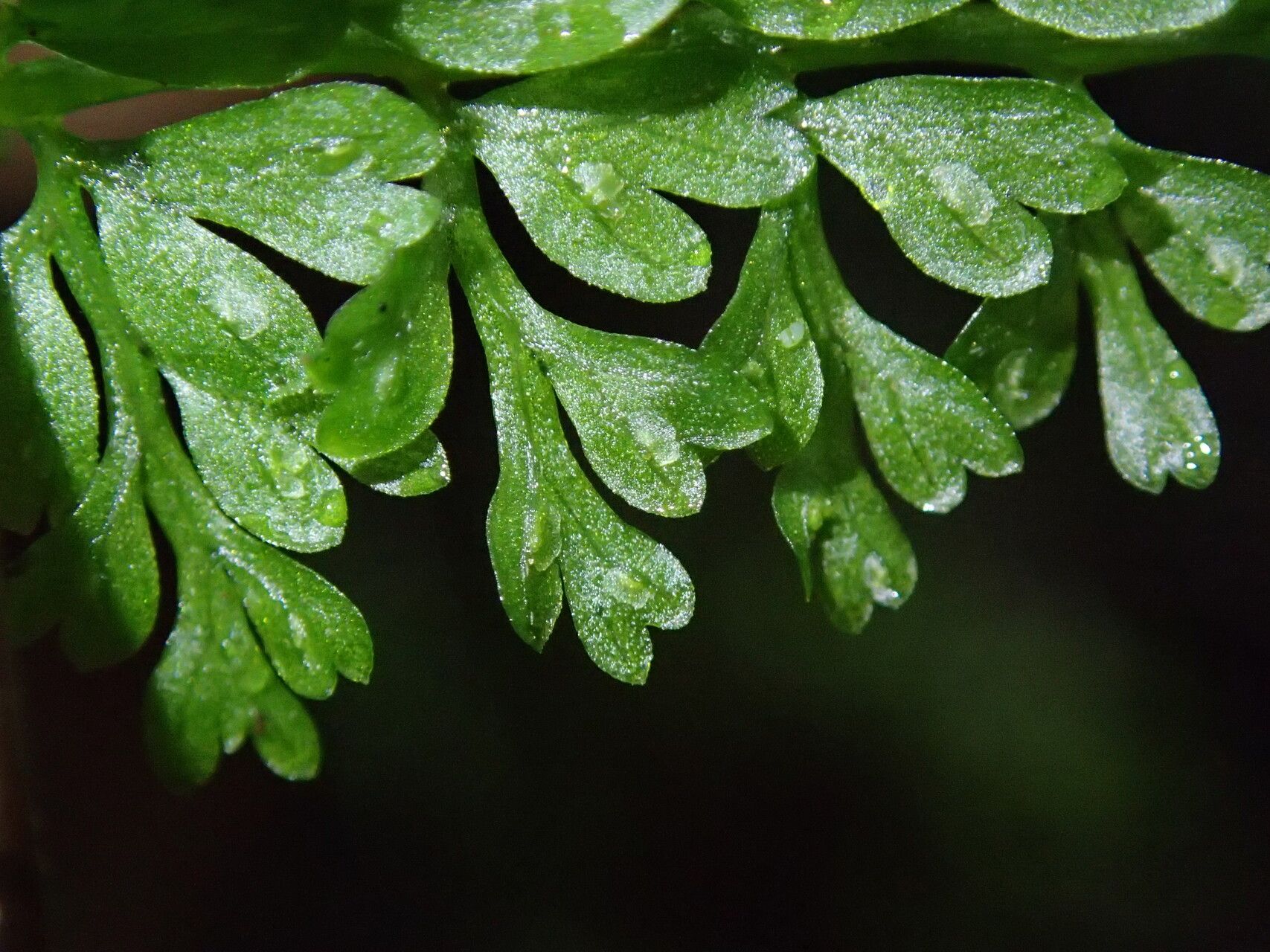
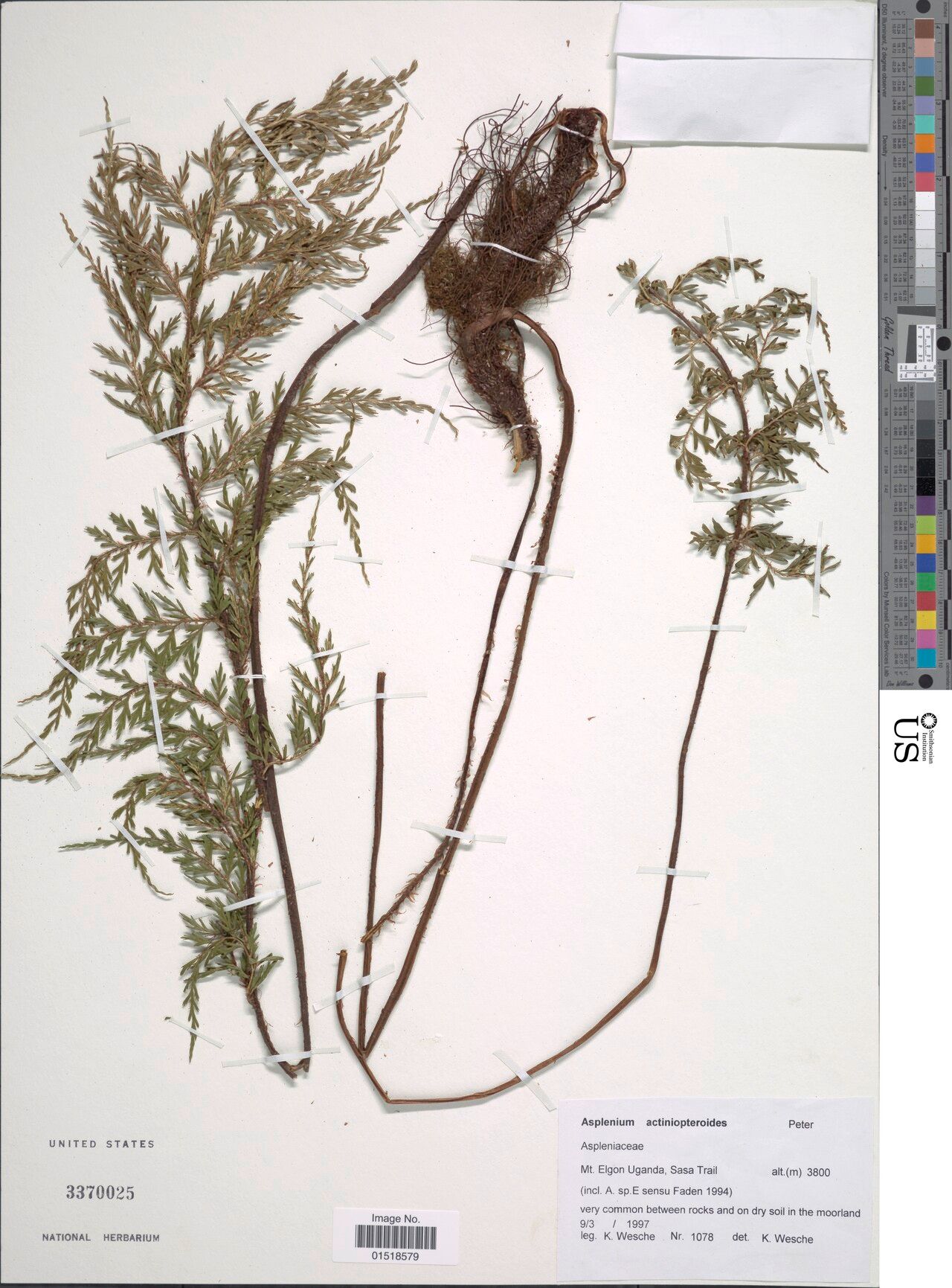
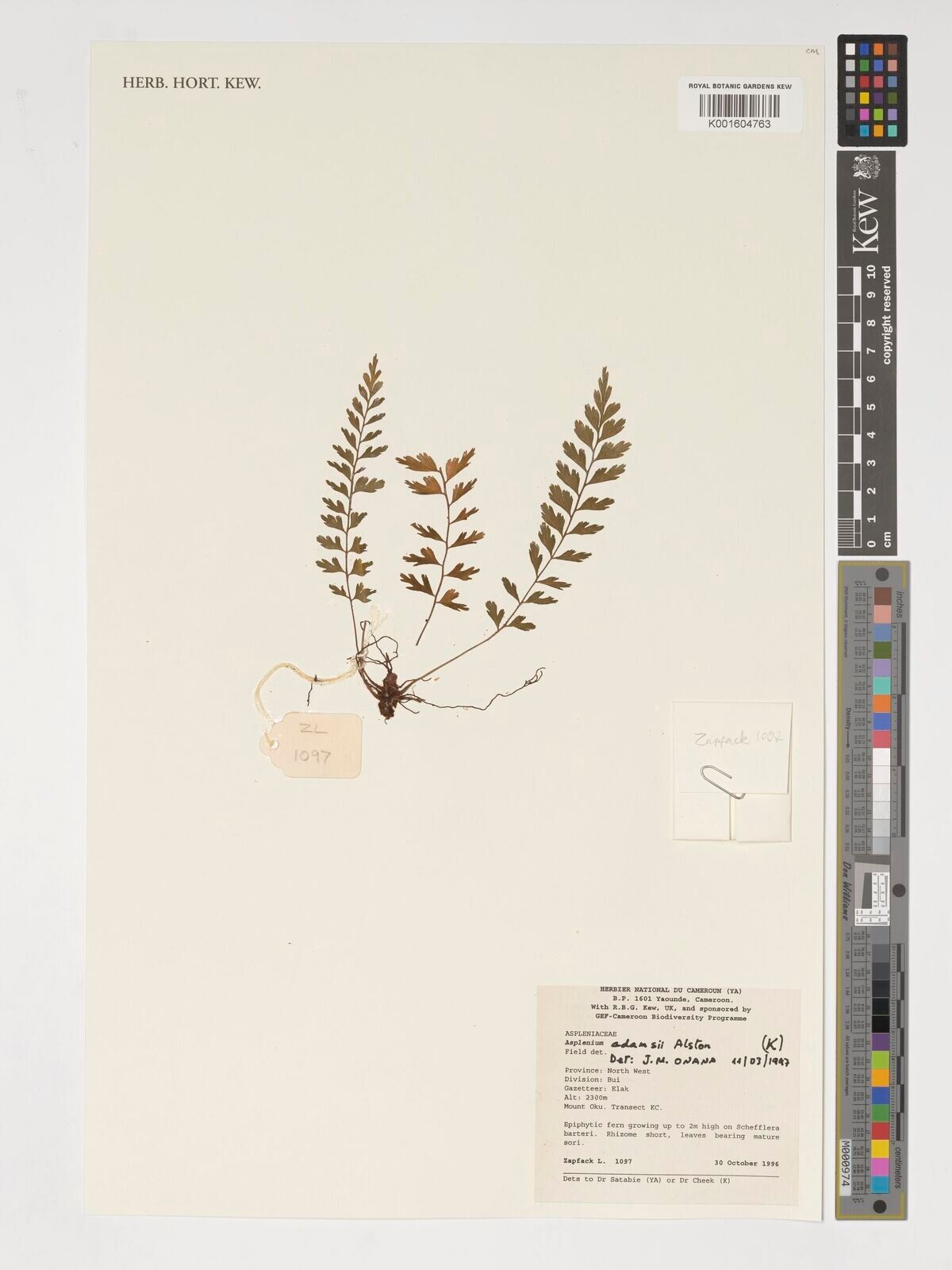
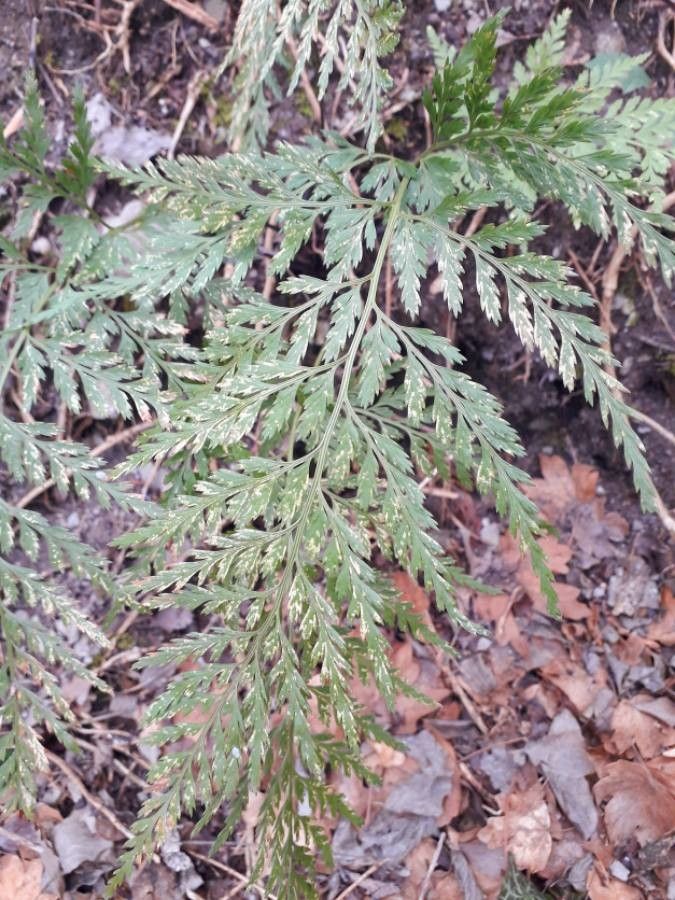
Asplenium aethiopicum is a lithophytic or sometimes epiphytic species of fern found in Southern and tropical Africa, tropical America, Asia and Australia. It is listed as critically endangered in Victoria, Australia. It is considered exotic in New Zealand.
The Egyptian spleenwort has strong resistance to disease and is typically not vulnerable to illnesses. Still, it can be affected by pests and diseases present in its environment. Such infections are generally mild. Regarding care, this plant needs a moderate level of attention. It should be pruned regularly to preserve an attractive appearance and healthy growth. Applying fertilizer can also encourage flowering. The Egyptian spleenwort is appropriate for anyone who has an outdoor area, like a garden or patio, and does not demand extensive gardening experience. It may need extra care if kept indoors.
How to keep Asplenium Aethiopicum.
Light
Egyptian spleenwort naturally occurs in habitats like forest understories or rocky areas, where it is subjected to natural shade. It prefers partial sun but can tolerate full sun or full shade, showing its versatile and hardy character.
Water
The Egyptian spleenwort thrives in humid environments and does well with consistent, moderate hydration. A weekly watering schedule is ideal. This plant can tolerate short periods of dryness and is best suited for indoor use. For optimal growth, place the Egyptian spleenwort in bright, humid areas such as well-lit bathrooms to replicate its natural habitat.
Temperature
Egyptian spleenwort comes from tropical areas where the climate is generally warm and humid. Consequently, it is adapted to high heat and humidity. It is sensitive to abrupt temperature changes and prefers a steady temperature, so indoor temperature swings should be avoided. It typically cannot tolerate cold and needs warmer conditions to grow. If the temperature falls too far, the plant’s growth can stop or it may die.
Fertilizer
Egyptian spleenwort needs the most fertilizer during its active growing period, which takes place mainly in spring, summer, and early fall. Fertilizing supplies essential nutrients that the soil may lack, supporting healthy root and stem growth and encouraging the attractive foliage that is a notable feature of this plant.
Pruning
Egyptian spleenwort is a low-maintenance plant that thrives with minimal care. It should be pruned from early to late spring. To maintain its health and improve its appearance, remove any dead or damaged fronds, but avoid heavy pruning to prevent stress on the plant. Light trimming helps improve air circulation and reduces the risk of disease, thus enhancing its ornamental value.
Botanical profile.
- Plant Type
- Herb
- Life Cycle
- Perennial
- Genus
- Asplenium
- Family
- Aspleniaceae
- Hardiness Zone
- 9-11
- Mature Height
- 25 cm to 46 cm
- Mature Spread
- 20 cm to 40 cm
- Leaf Color
- Green
- Leaf Type
- Evergreen
- Planting Time
- Spring, Autumn
Other names.
Reader questions.
What are the sunlight requirements for the Egyptian spleenwort?
The Egyptian spleenwort, botanically known as Asplenium aethiopicum, thrives in partial sun conditions, requiring about 3-6 hours of sunlight daily. It's important to observe the movement of sunlight through your garden to find spots that offer an ideal balance of light and shade, ensuring the plant's wellbeing.
What is the botanical name of the Egyptian spleenwort?
The botanical name of the Egyptian spleenwort is Asplenium aethiopicum. This name helps in scientifically identifying the plant, distinguishing it from other species within the Asplenium genus.