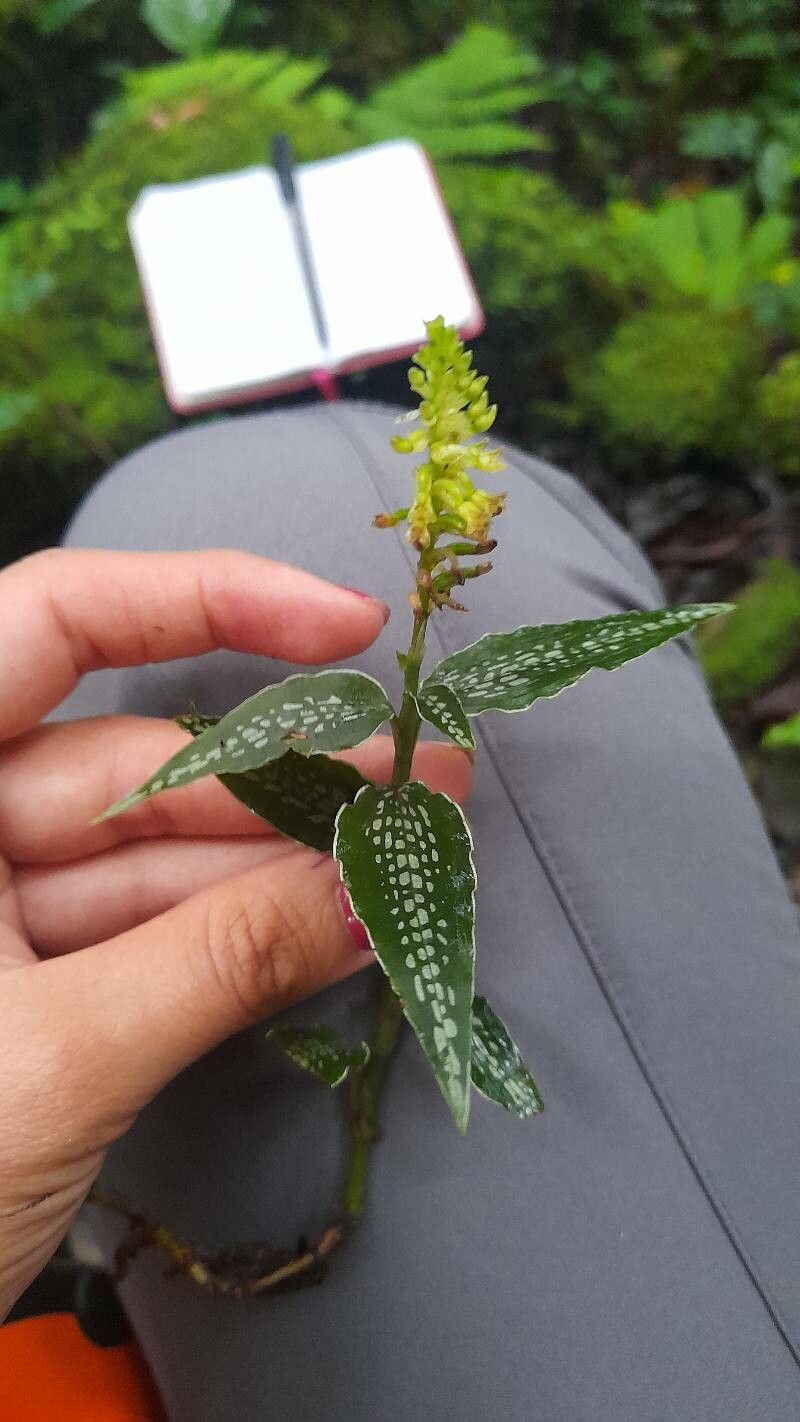
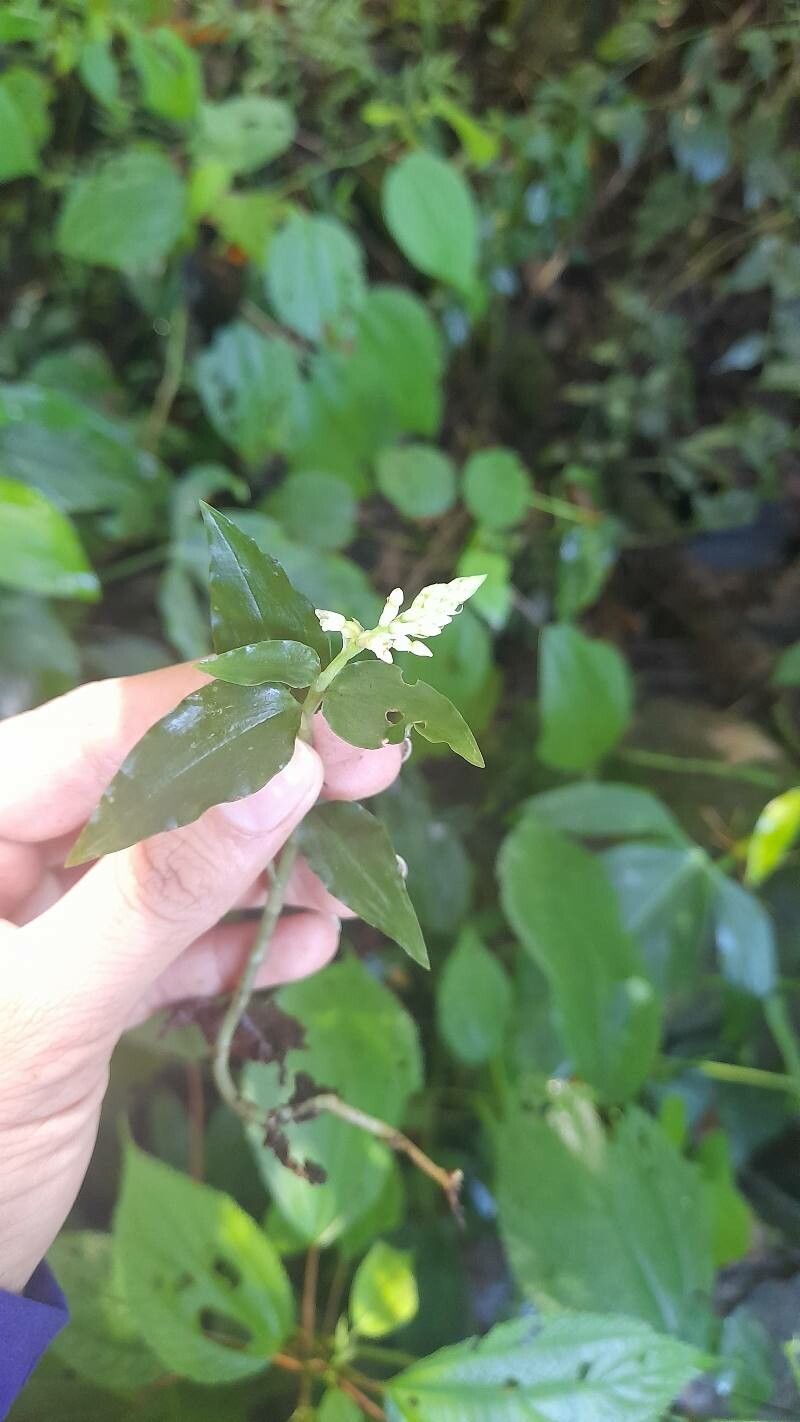
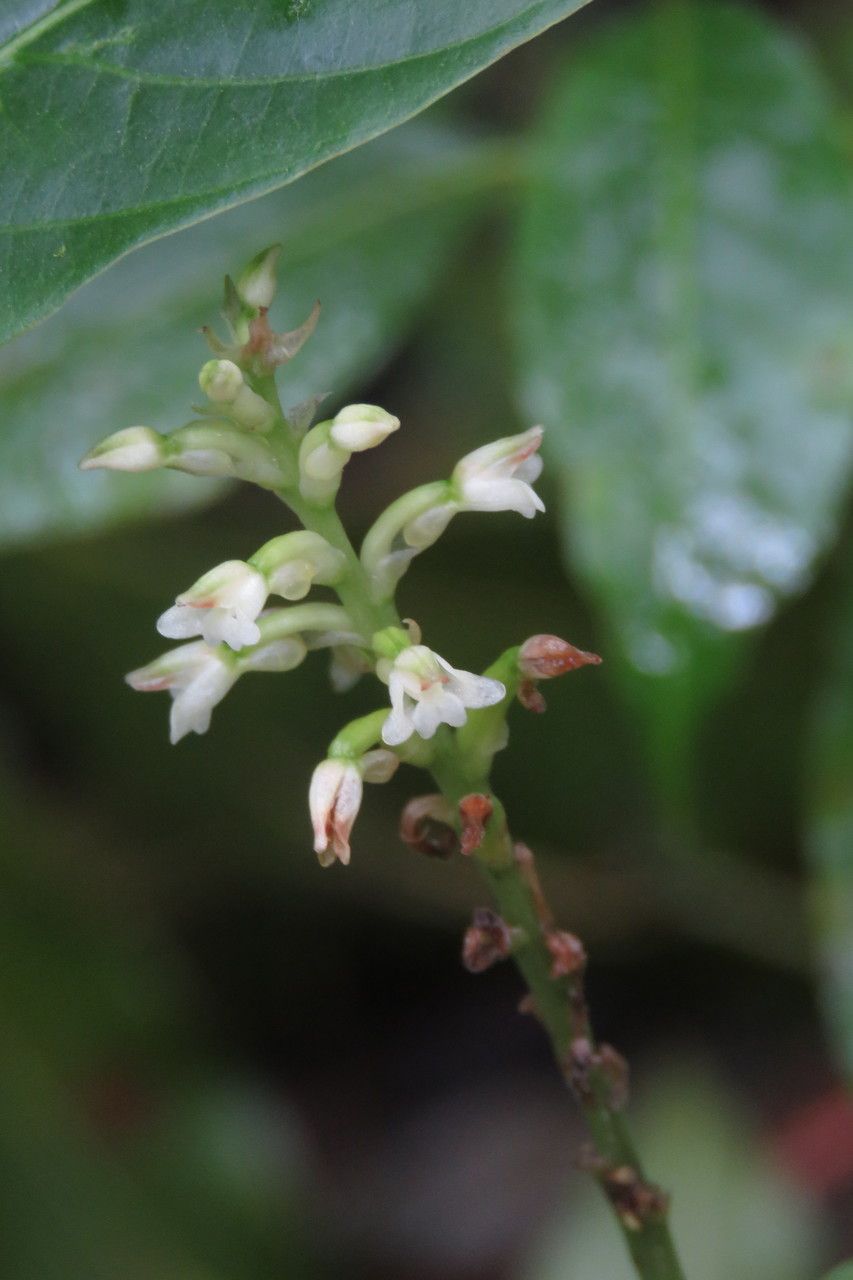
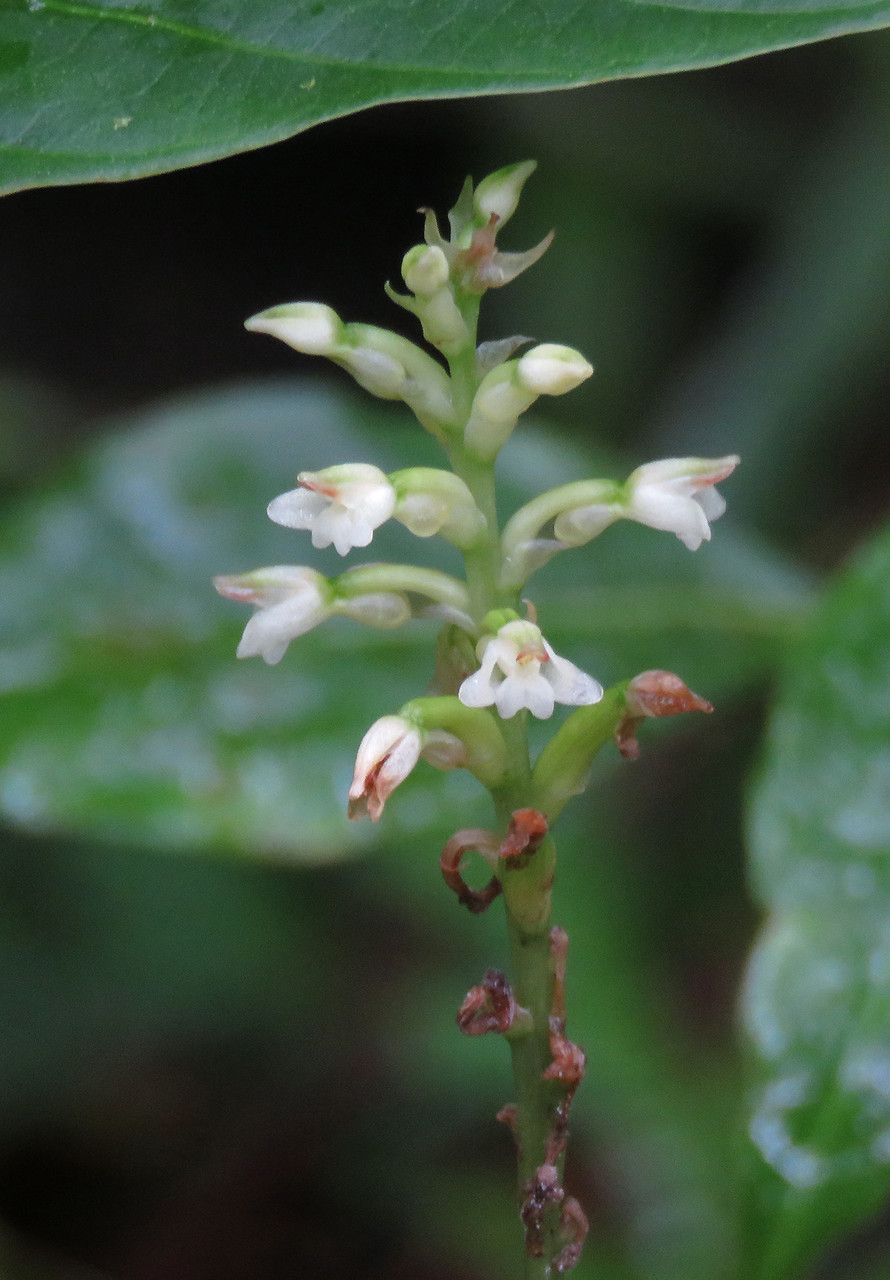
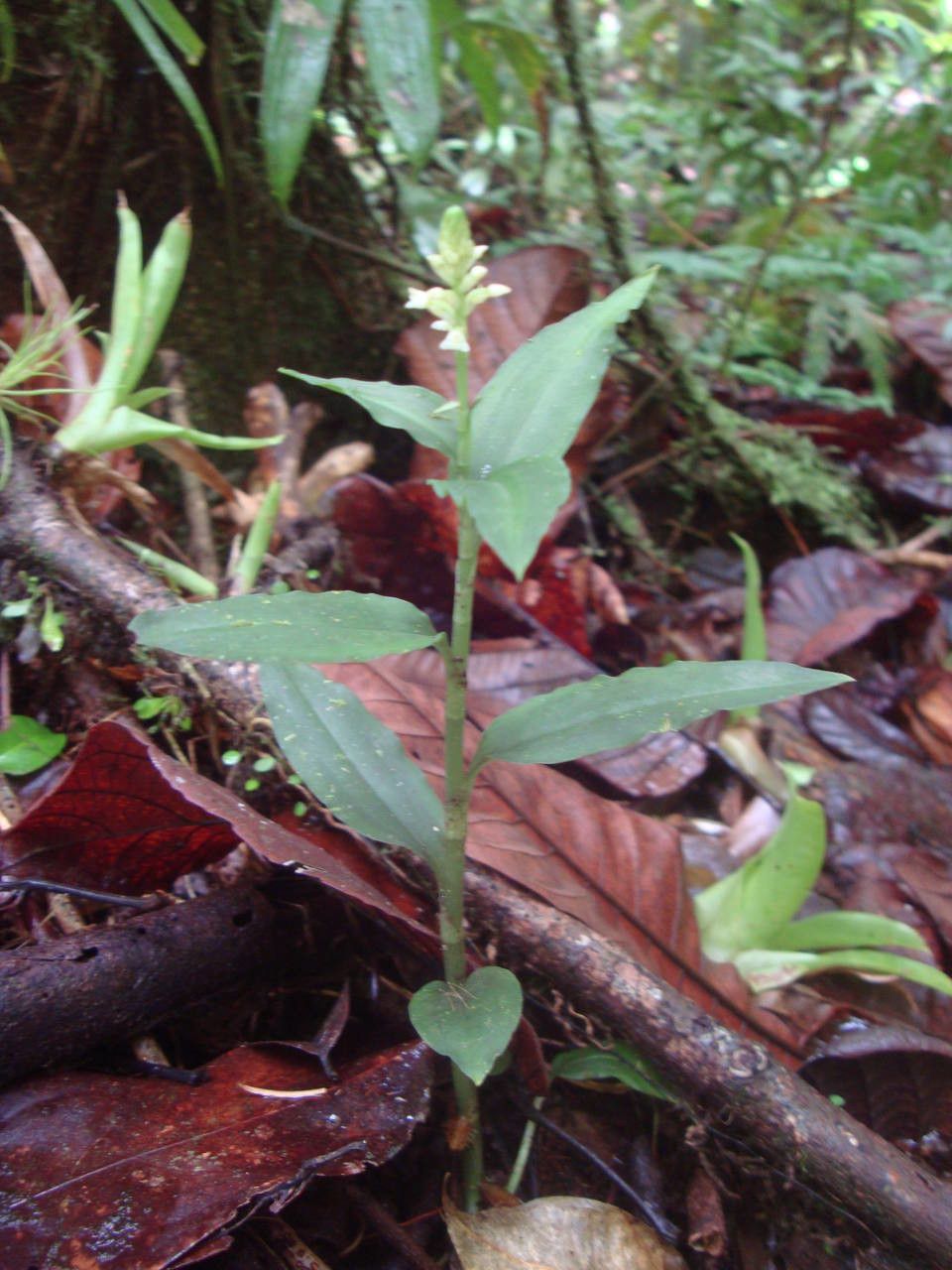
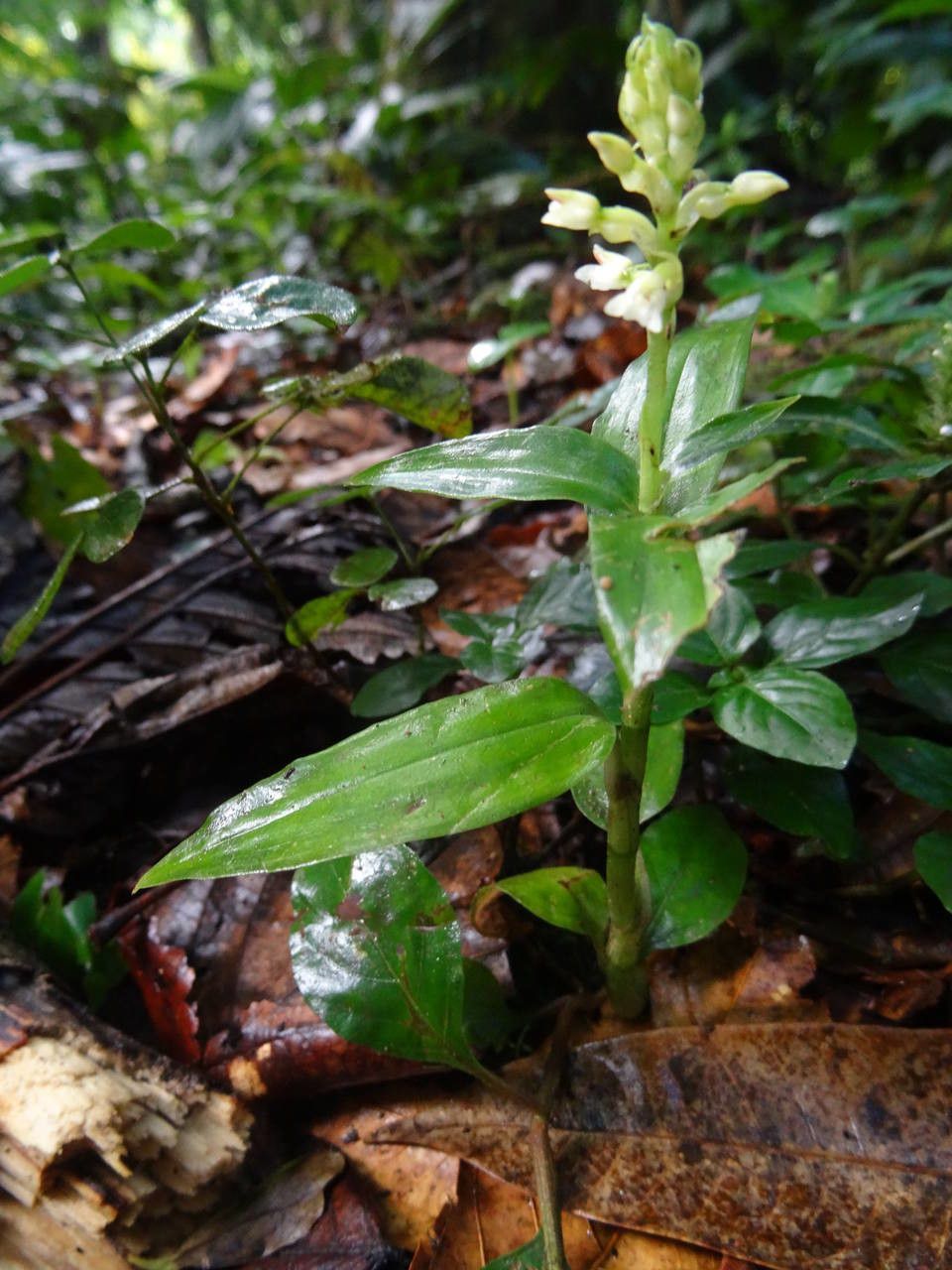
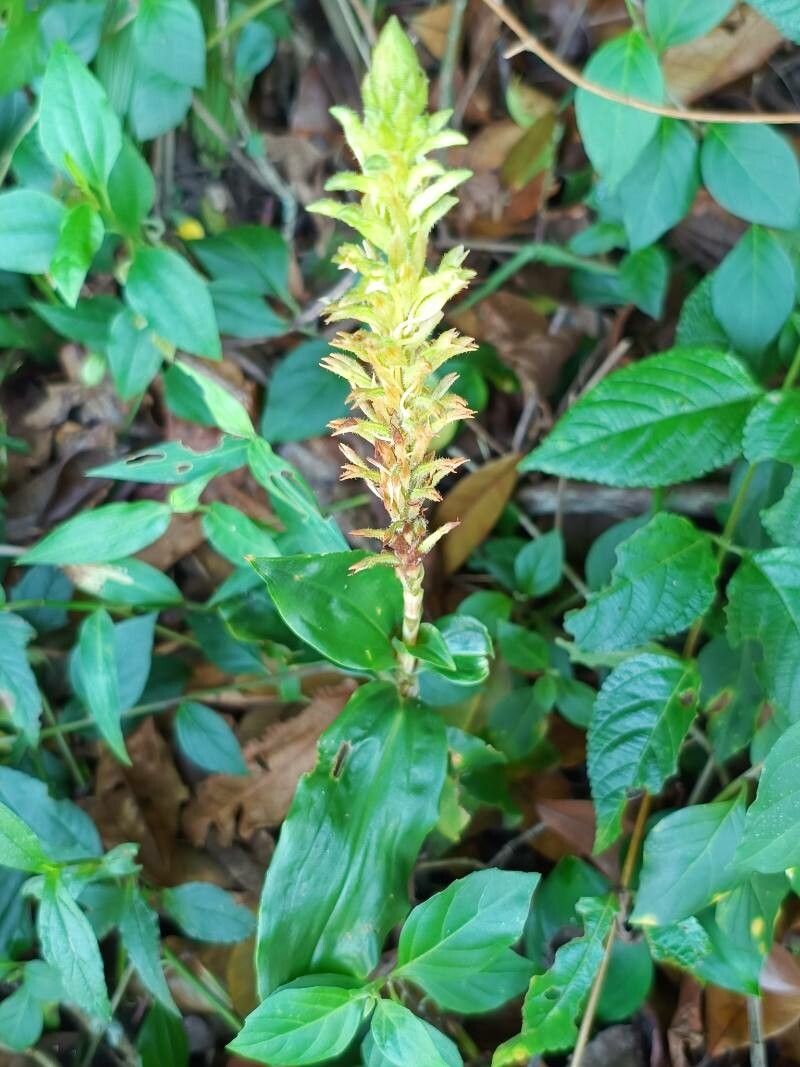
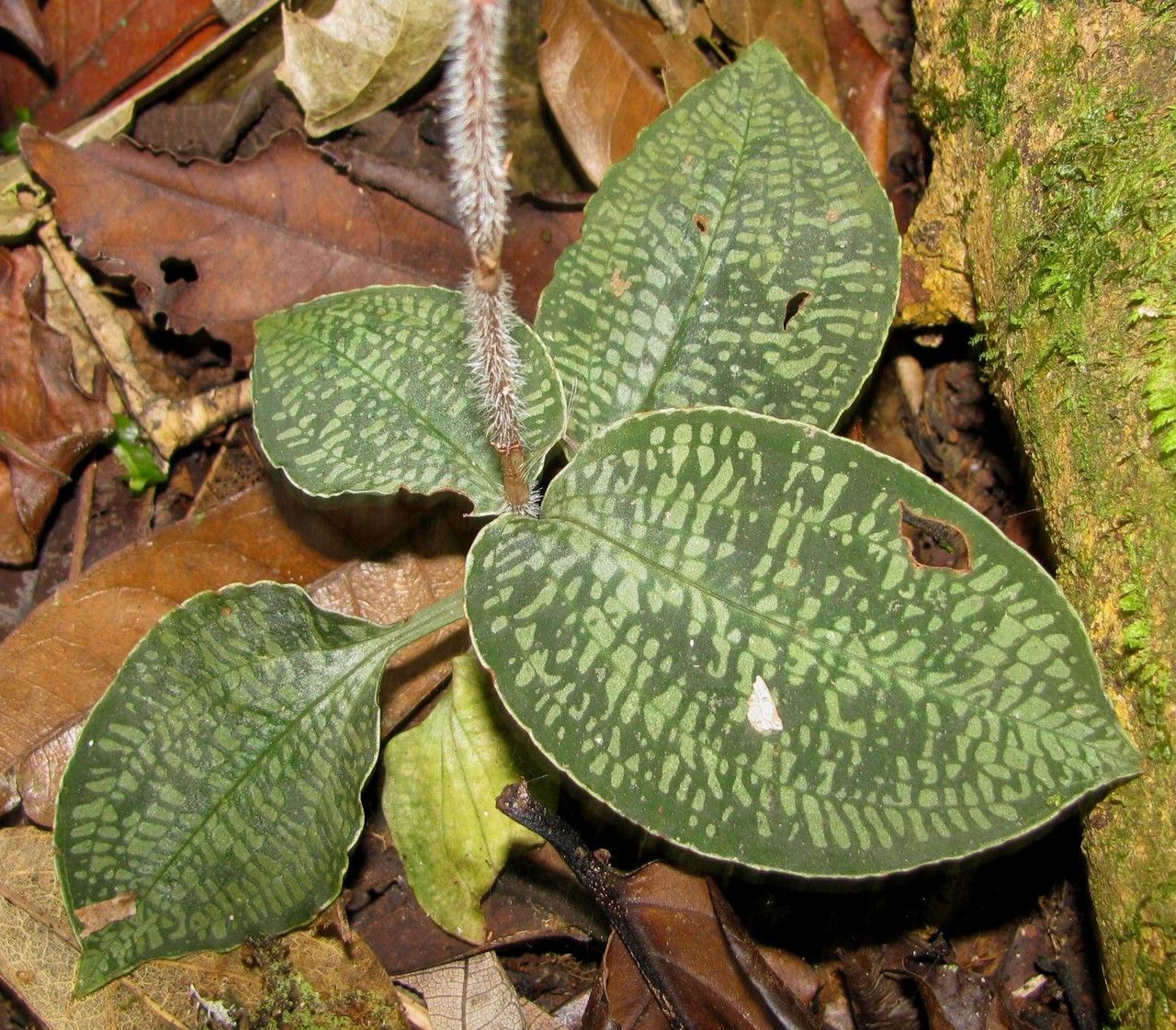
Aspidogyne querceticola is generally quite resistant to disease and is subject to relatively few insect pests. Its cultivation is considered difficult because it needs high humidity combined with good ventilation and an environment with few harmful pathogens. Excessive watering can cause root rot. Although anyone can grow Aspidogyne querceticola, keeping it healthy and getting it to flower again requires more growing experience.
How to keep Aspidogyne Querceticola.
Light
Aspidogyne querceticola thrives in particular habitats such as forest undergrowth and rocky regions that supply natural protection from the sun. It favors conditions of Full Shade though it can withstand Partial Sun.
Temperature
Aspidogyne querceticola flourishes in balmy settings. It optimally develops in heat that is reasonably intense but not overly hot and moist. The plant benefits from sunlight, as it aids in warming it and encourages flower blooming. Nevertheless, extended periods of direct sunlight in the summer may cause sunburn, making it crucial to monitor its sunlight intake during this season. The plant generally struggles in chilly temperatures, so it needs sufficient shelter and higher temperatures throughout the winter to avert freezing.
Fertilizer
During its active growth stage in spring, summer, and early fall, Aspidogyne querceticola necessitates substantial fertilizer. Essential nutrients that might be deficient in the soil are supplemented by fertilization to support robust development of roots and stems, as well as to enhance leaf beauty, an important characteristic of this particular plant.
Botanical profile.
- Plant Type
- Herb
- Life Cycle
- Perennial
- Genus
- Aspidogyne
- Family
- Orchidaceae
- Hardiness Zone
- 10-12
- Mature Height
- 10 cm to 20 cm
- Mature Spread
- 5 cm to 10 cm
- Leaf Color
- Dark Green
- Leaf Type
- Evergreen
- Flower Size
- 0.51 cm to 0.76 cm
- Bloom Time
- Summer
- Planting Time
- Spring, Summer, Autumn
- Harvest Time
- Late summer, Early fall, Mid fall
Other names.