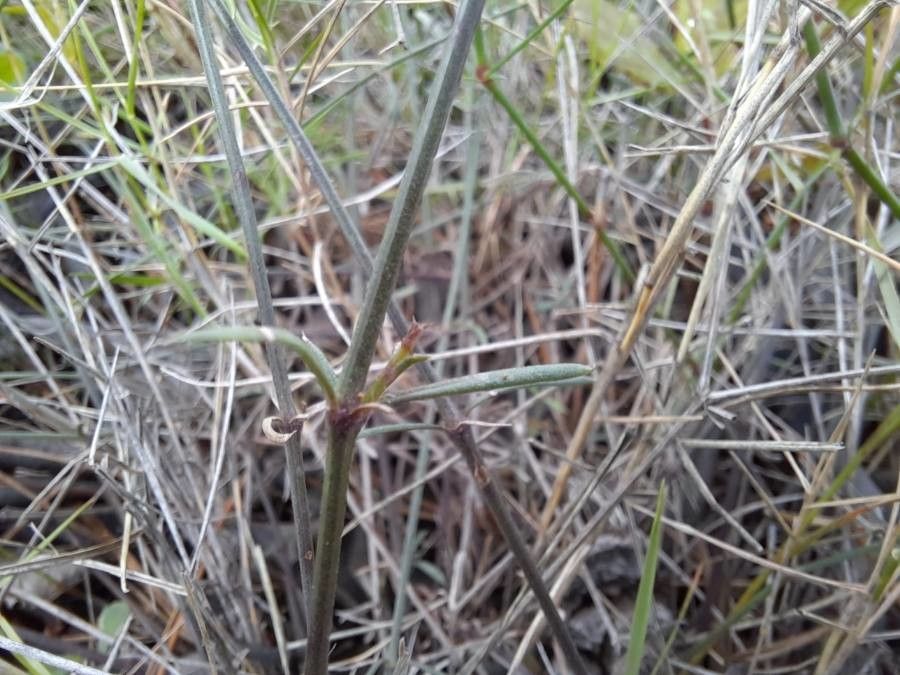
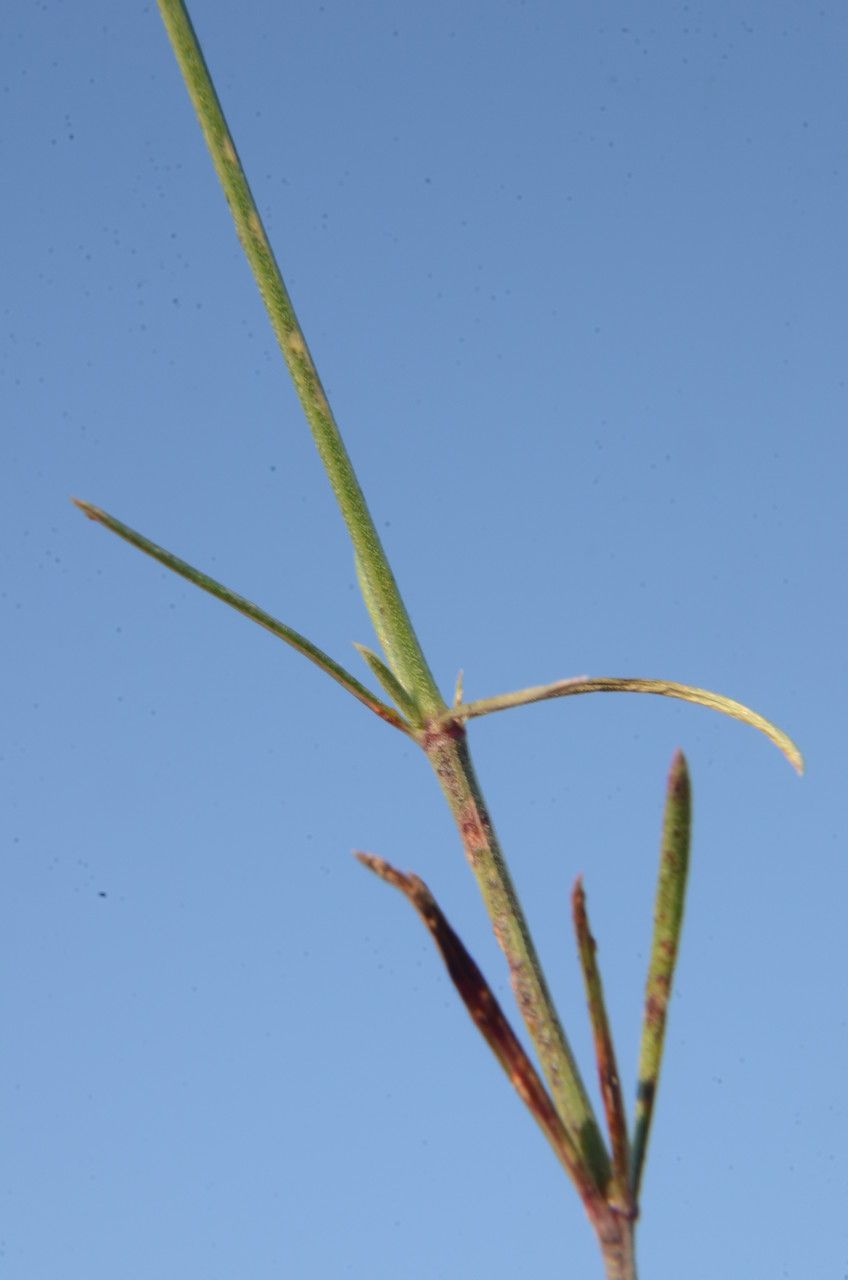
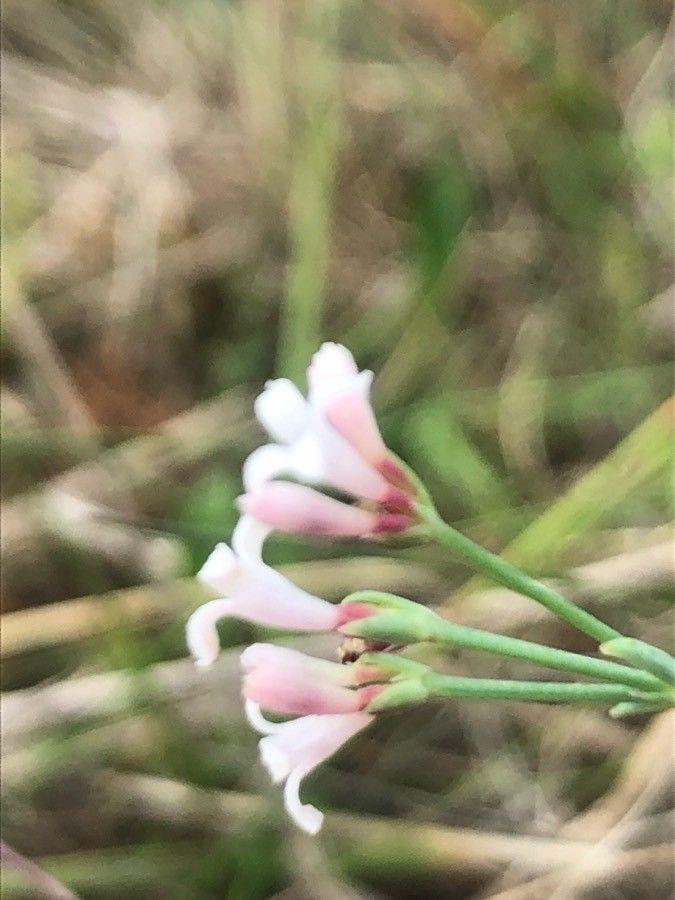
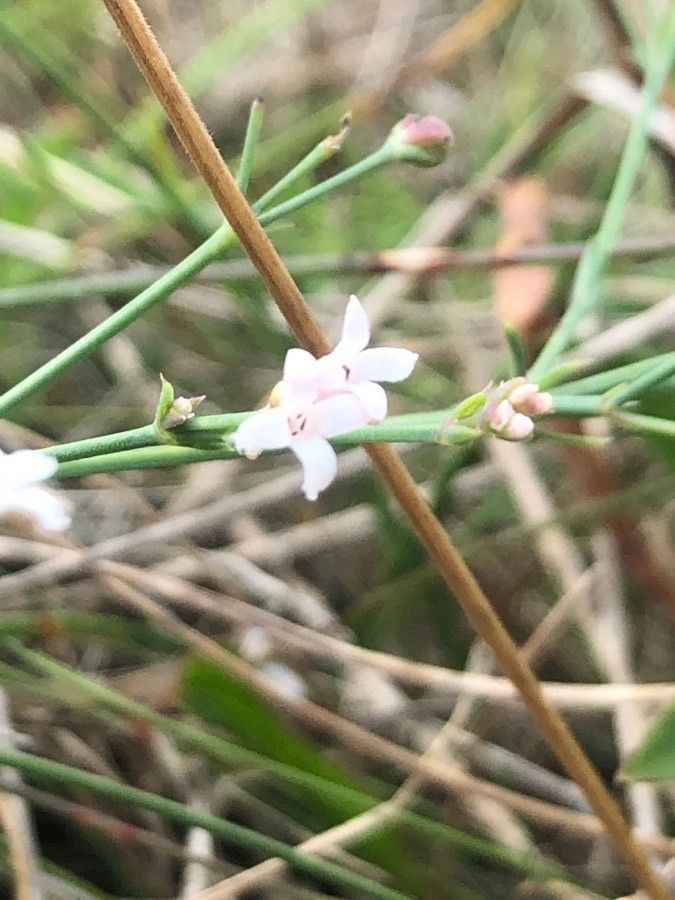
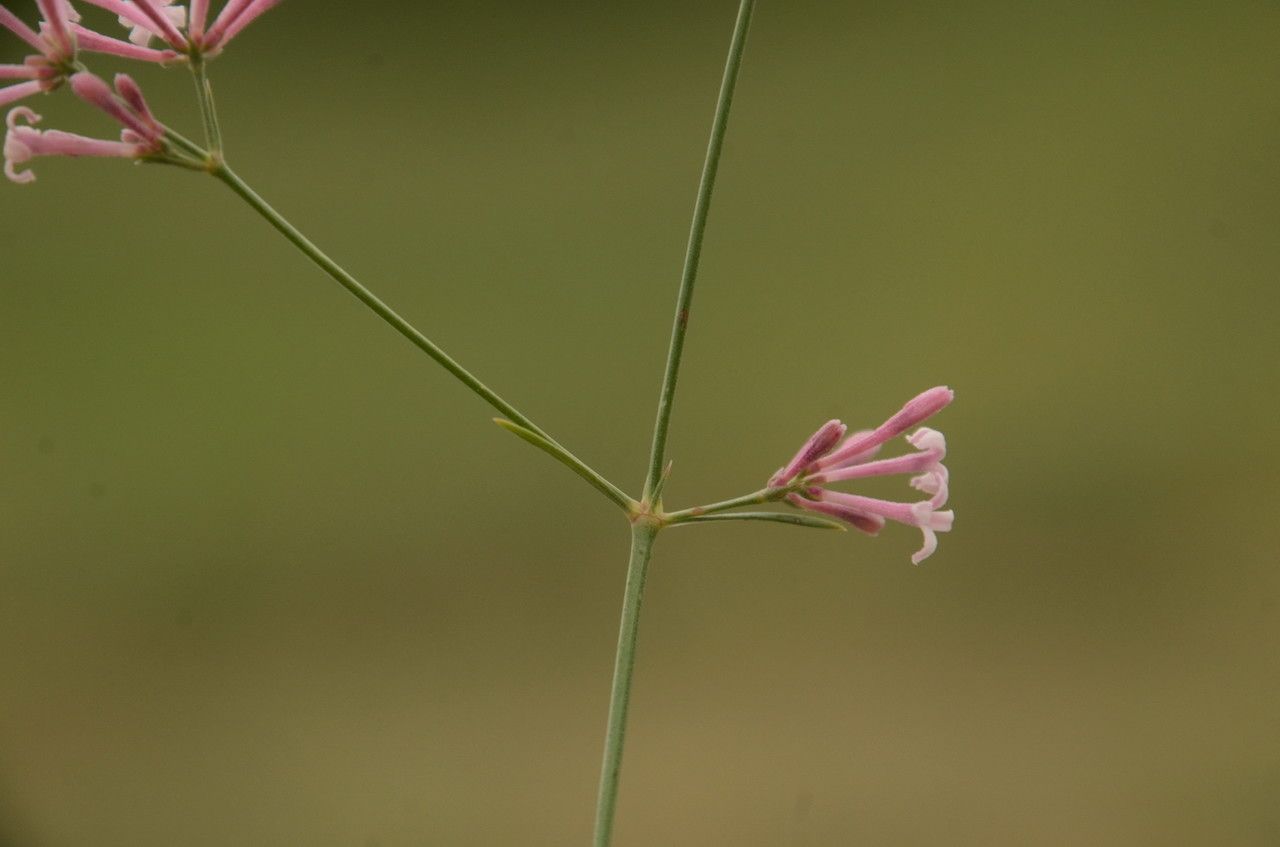
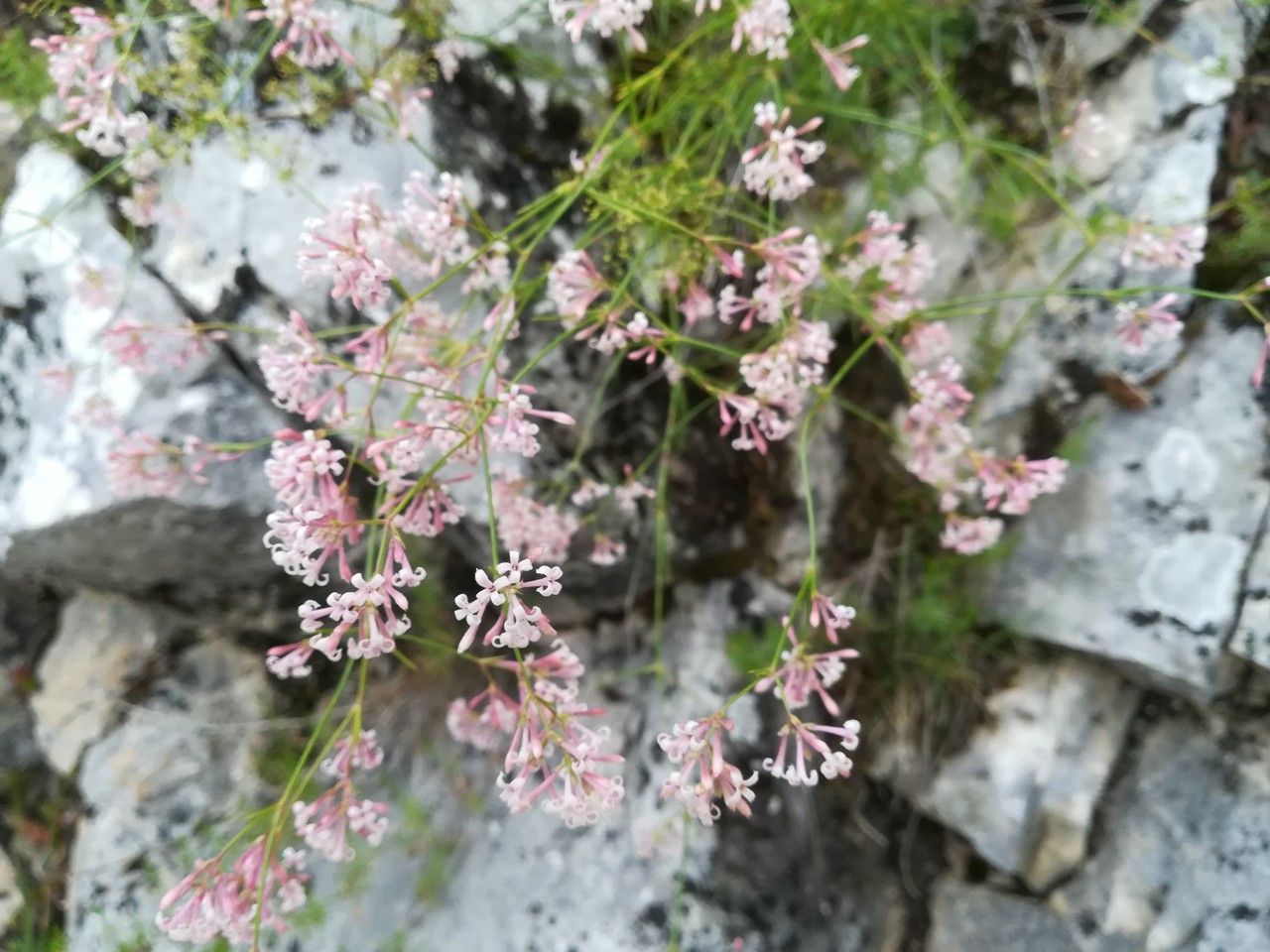
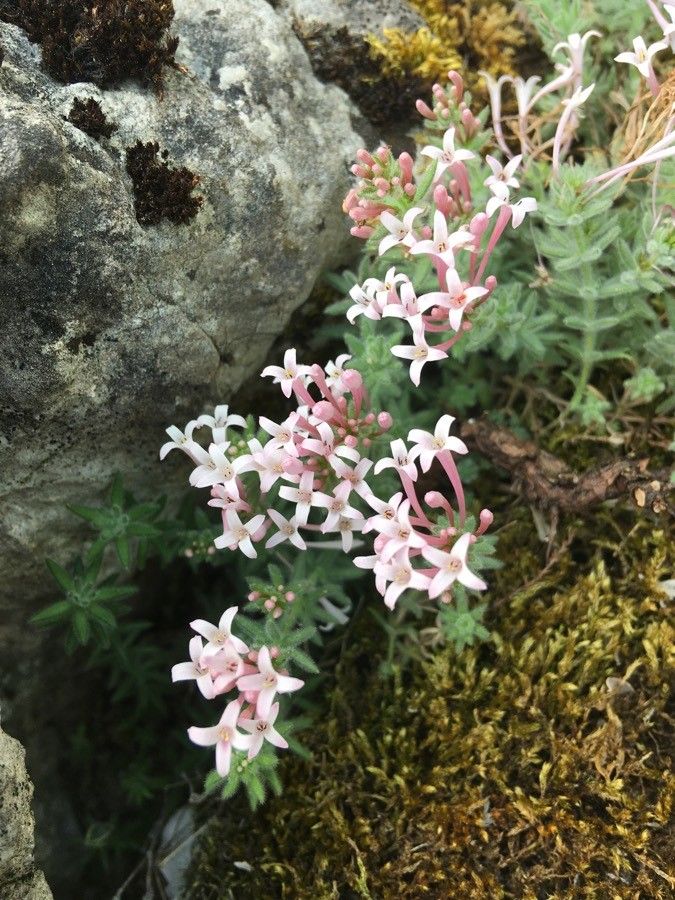
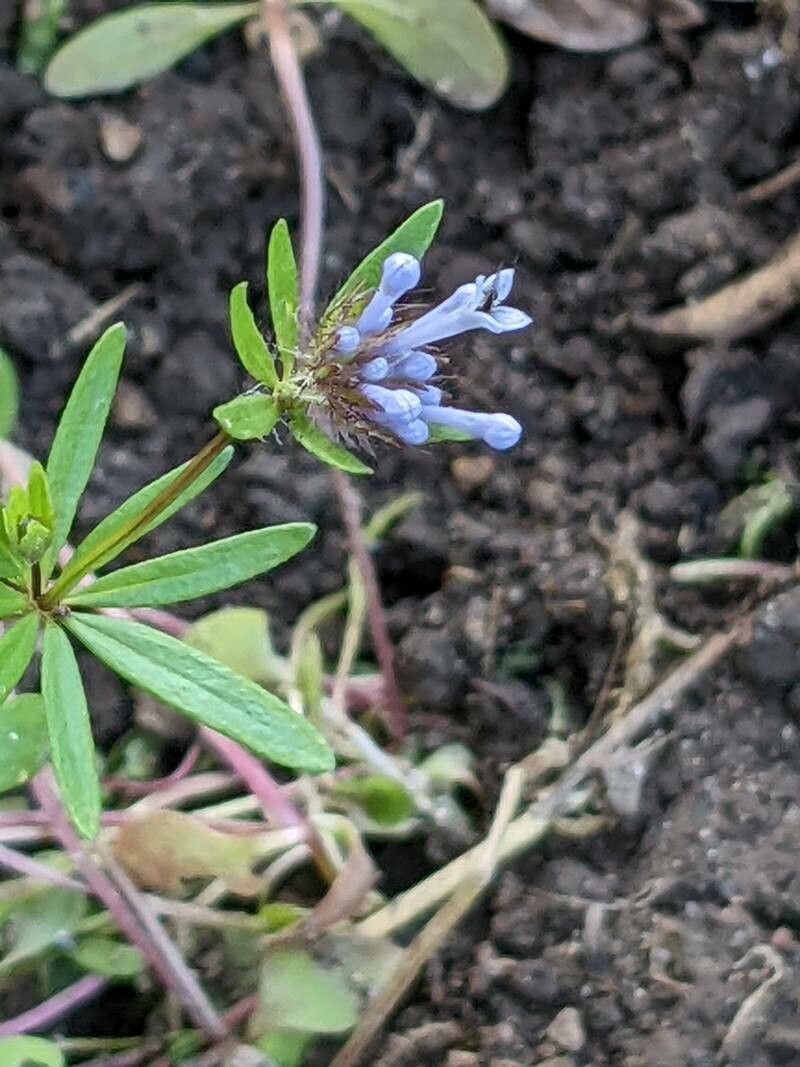
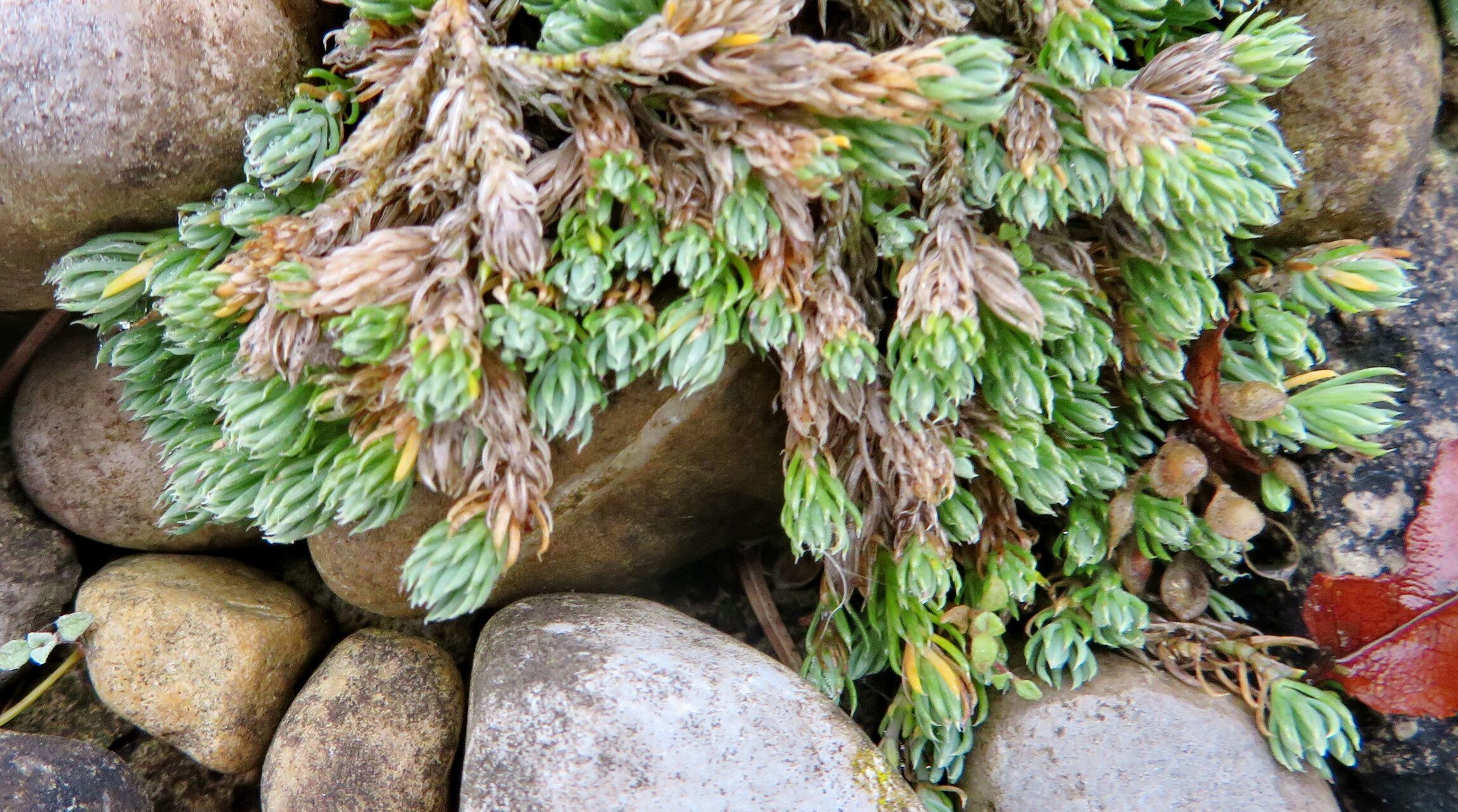
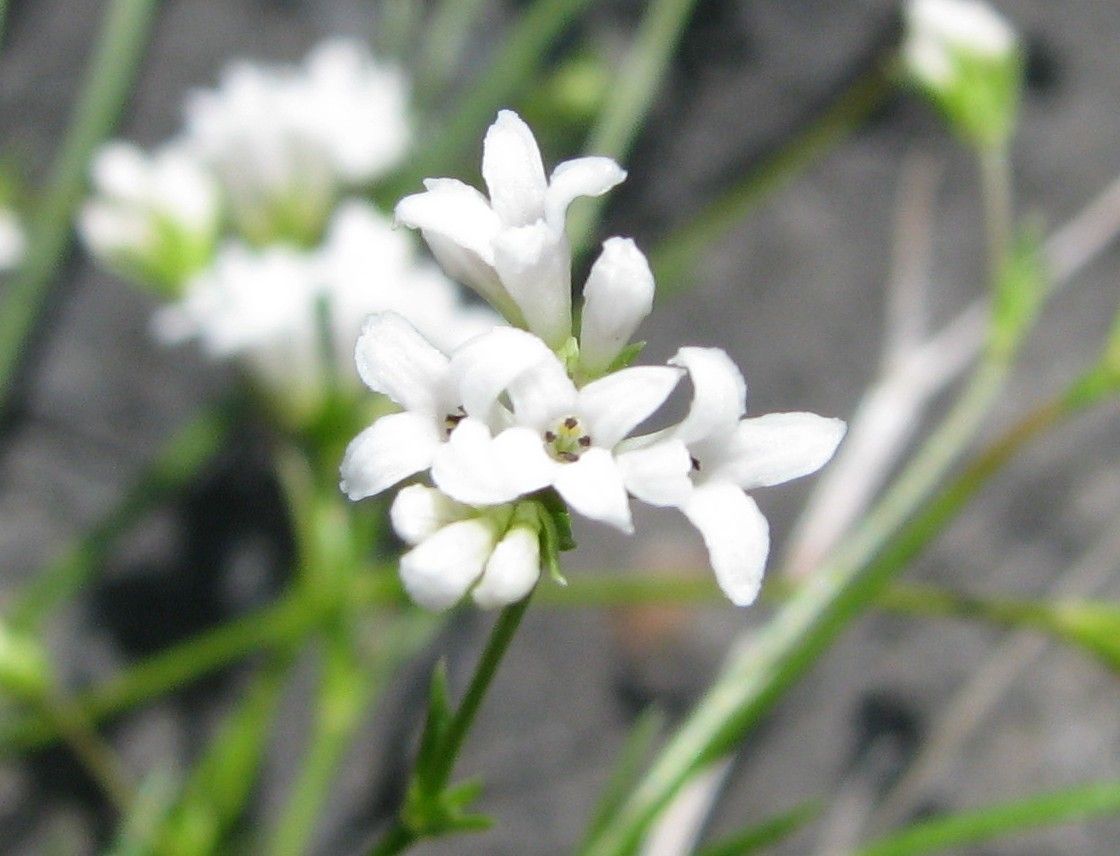
Asperula aristata is a deciduous species of perennial groundcover, and a flowering plant in the family Rubiaceae, known as woodruff. It is native to Morocco, Libya, Algeria, Tunisia, Azerbaijan, Georgia, Armenia, Greece, Bulgaria, Albania, Serbia, North Macedonia, Croatia, Italy, Austria, Switzerland, France, Spain, and Portugal.
Southern squinancywort shows strong resistance to disease and is generally not susceptible to illnesses. Nonetheless, it can be affected by pests and diseases present in its environment. Such infections are typically mild. Regarding care, the plant needs moderate maintenance. It should be pruned regularly to preserve a neat appearance and encourage healthy growth. Applying fertilizer can also help stimulate flowering. Southern squinancywort is appropriate for anyone with outdoor space, such as a garden or patio, and does not demand extensive care experience. It may, however, need more attention when cultivated indoors.
How to keep Asperula Aristata.
Light
Southern squinancywort is a perennial, herbaceous, sun-loving plant that comes from open habitats and is commonly found in meadows and grasslands. It prefers full sun but can also tolerate partial sun.
Water
Southern squinancywort thrives in moderate climates, where it prefers consistent moisture and regular weekly watering without becoming waterlogged. When grown outdoors in temperate zones, it benefits from seasonal rains, which promote its growth and help maintain a stable environment.
Fertilizer
For Southern squinancywort, the primary time to fertilize is in early spring when the flowers are developing. The appropriate fertilizer promotes better blooms and helps Southern squinancywort produce attractive flowers. Fertilizing in early spring ensures strong flowering during the season and provides energy for dormant growth phases.
Pruning
Southern squinancywort is known for its delicate pink or white flowers and low-growing habit. To encourage fresh growth and plentiful blooms, prune the plant between early and late spring. Regular pruning helps maintain the plant’s shape, improves air circulation, and prevents overcrowding. For the best results, use clean, sharp tools when pruning.
Botanical profile.
- Plant Type
- Herb
- Life Cycle
- Perennial
- Genus
- Asperula
- Family
- Rubiaceae
- Hardiness Zone
- 5-9
- Mature Height
- 10 cm to 30 cm
- Mature Spread
- 15 cm to 25 cm
- Leaf Color
- Green
- Leaf Type
- Semi-evergreen
- Flower Color
- White, Pink
- Flower Size
- 0.25 cm to 0.51 cm
- Bloom Time
- Summer
- Planting Time
- Spring, Autumn
- Harvest Time
- Late summer, Early fall, Mid fall