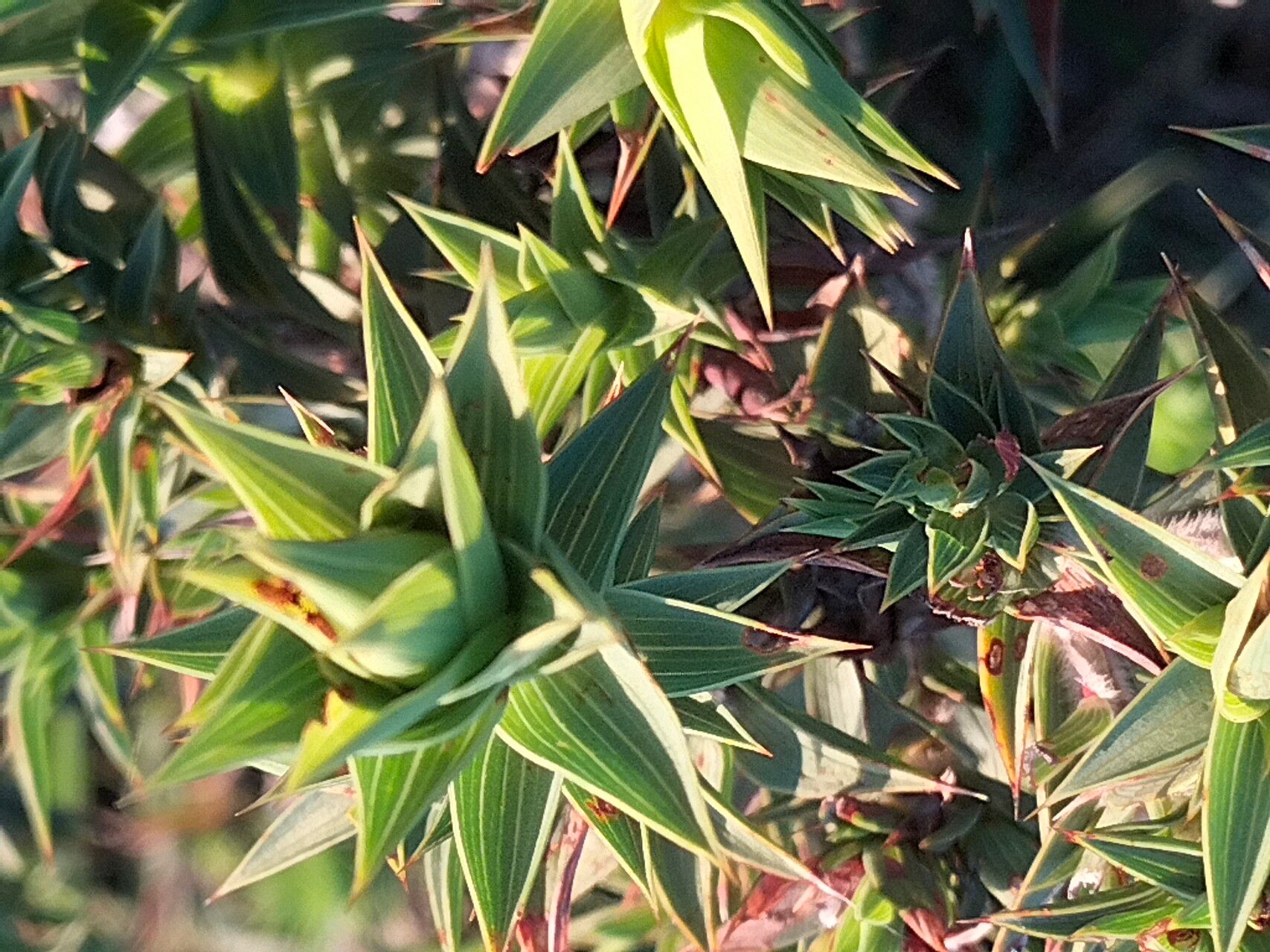
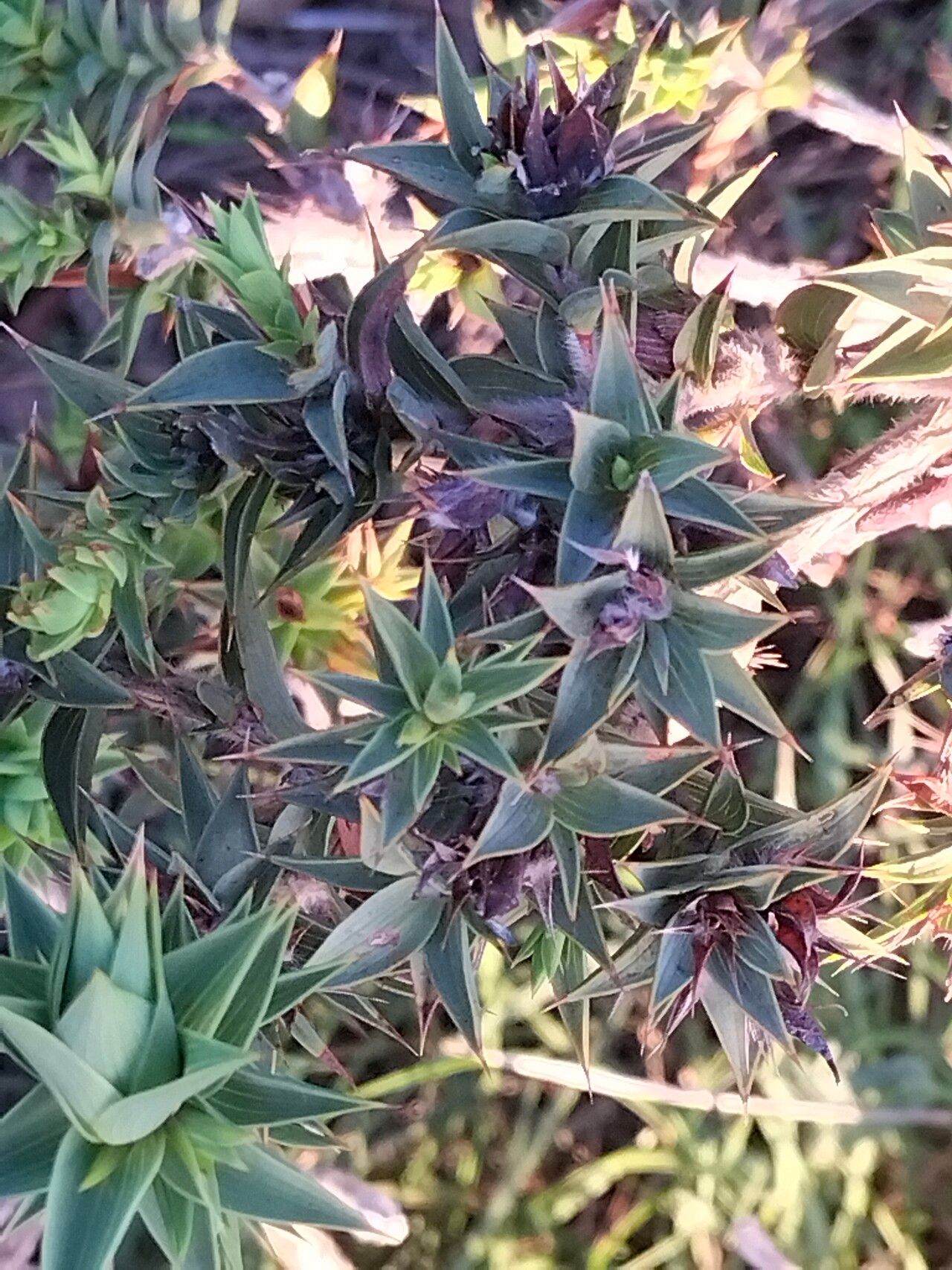
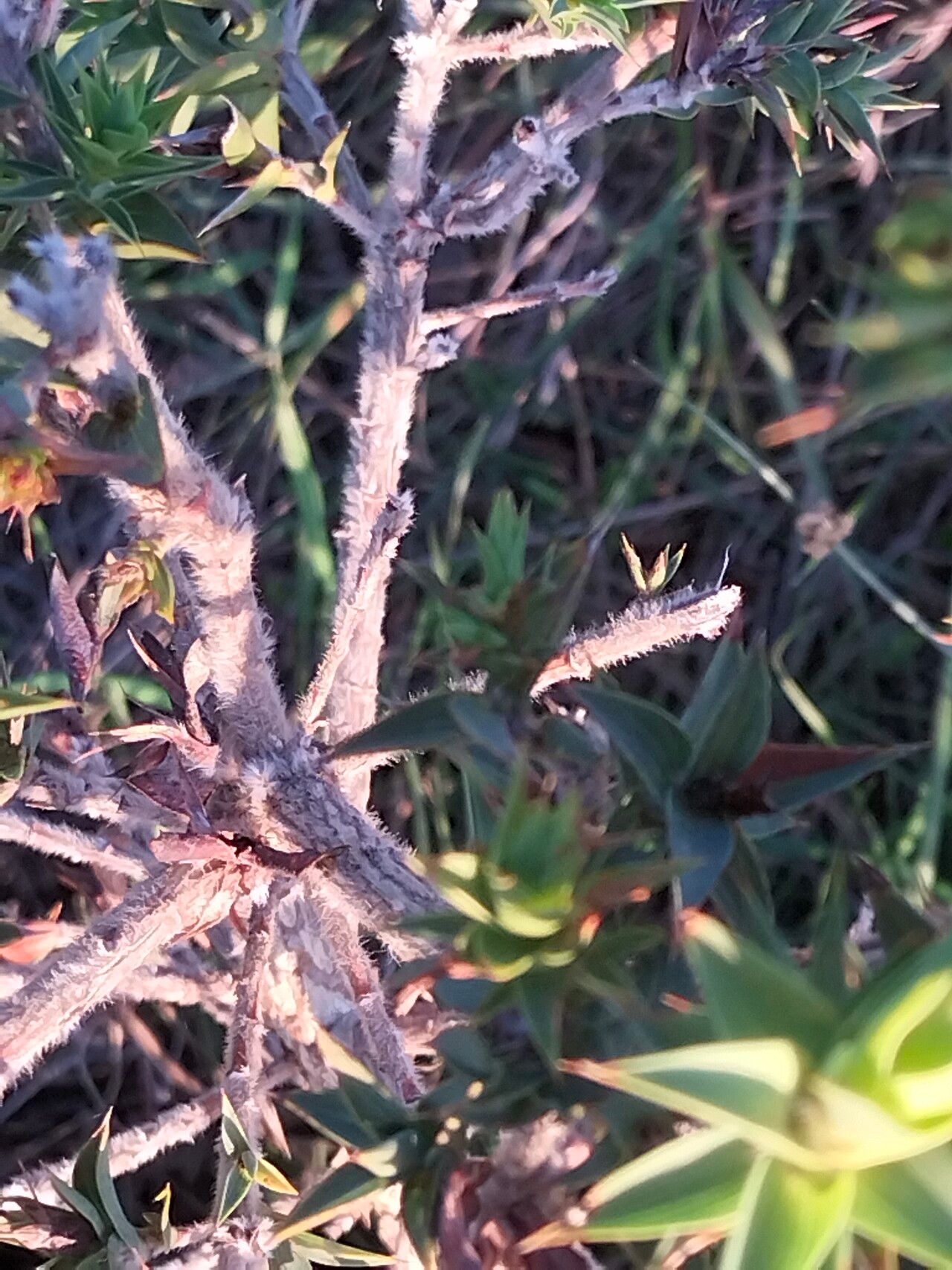
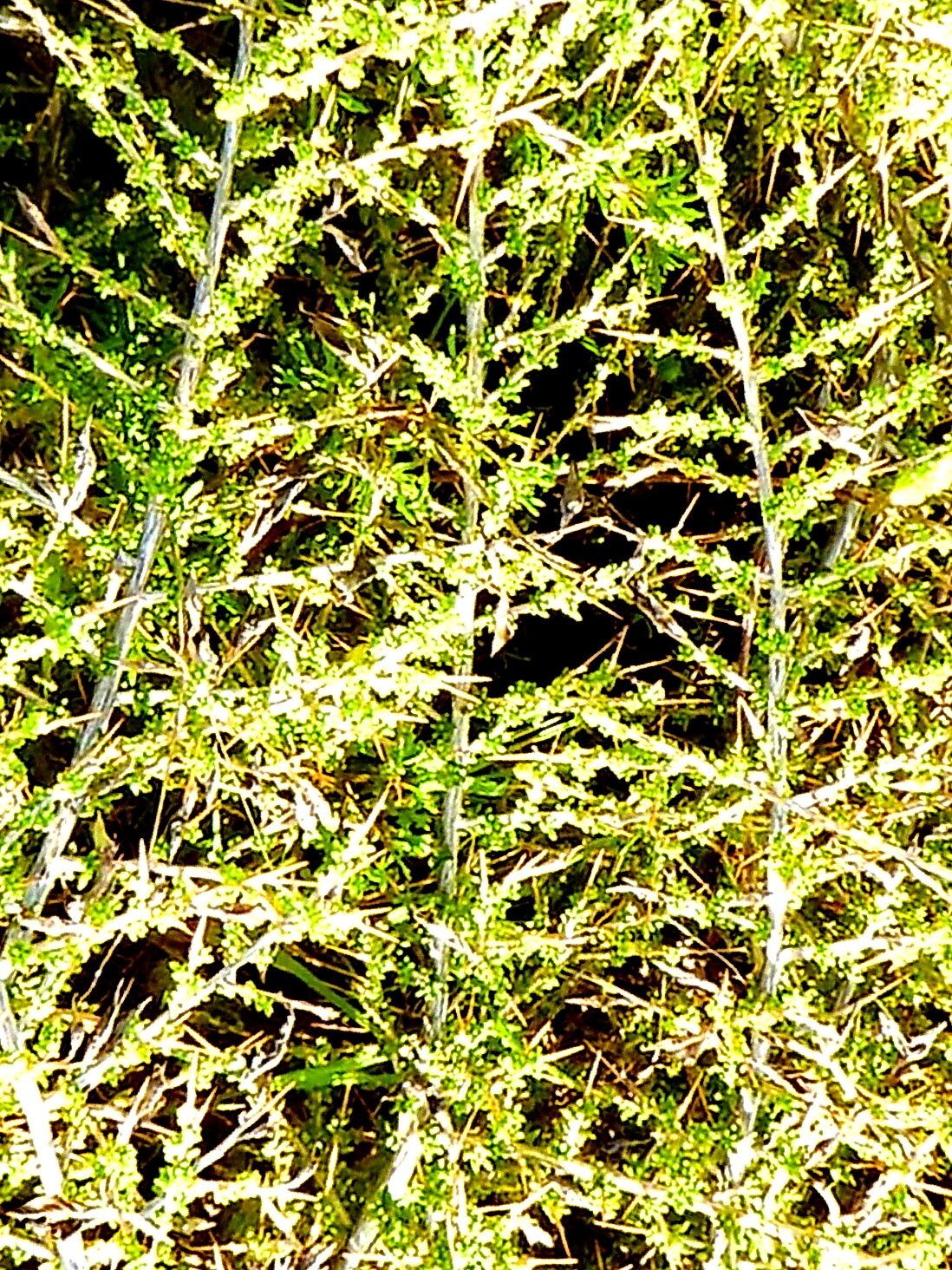
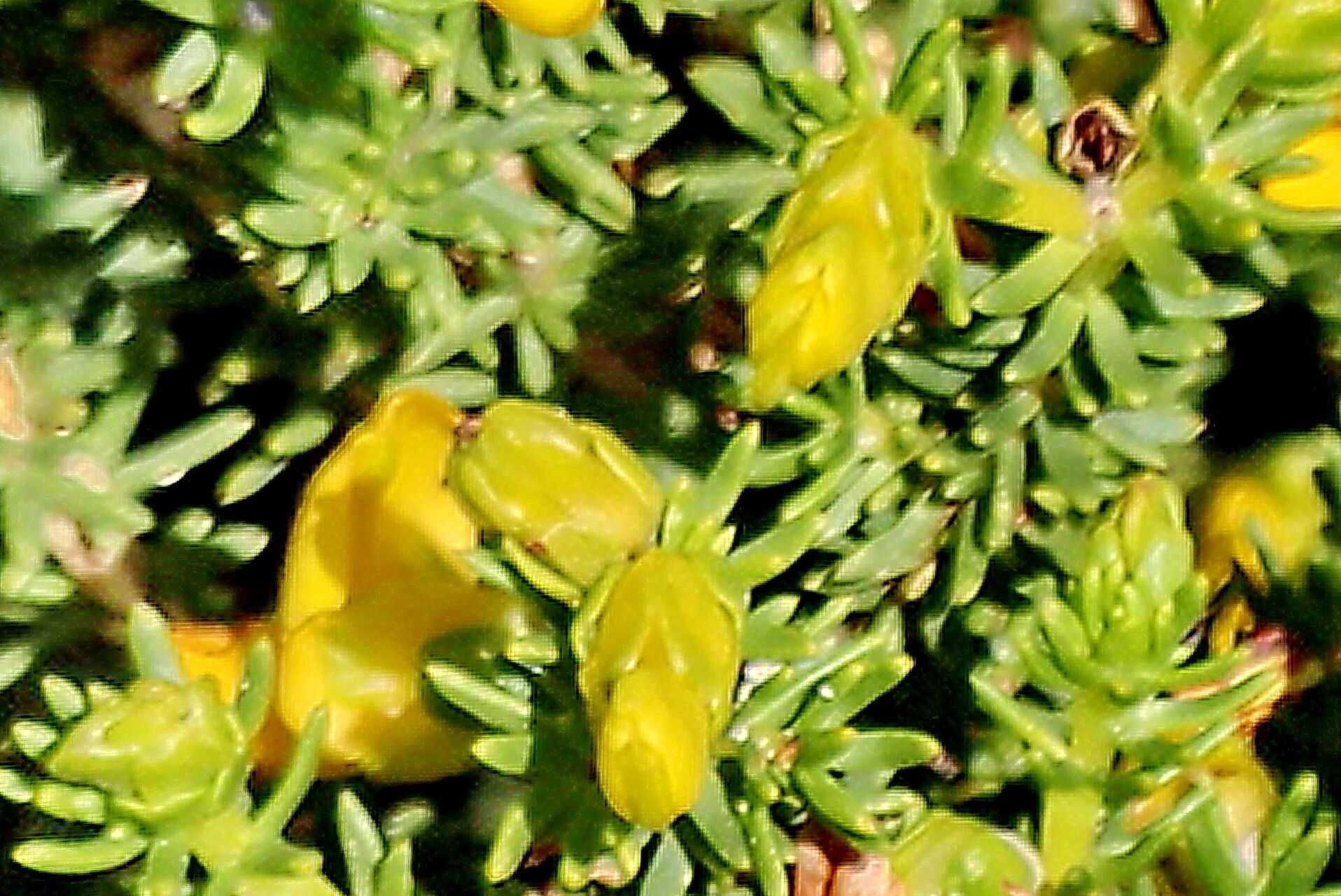
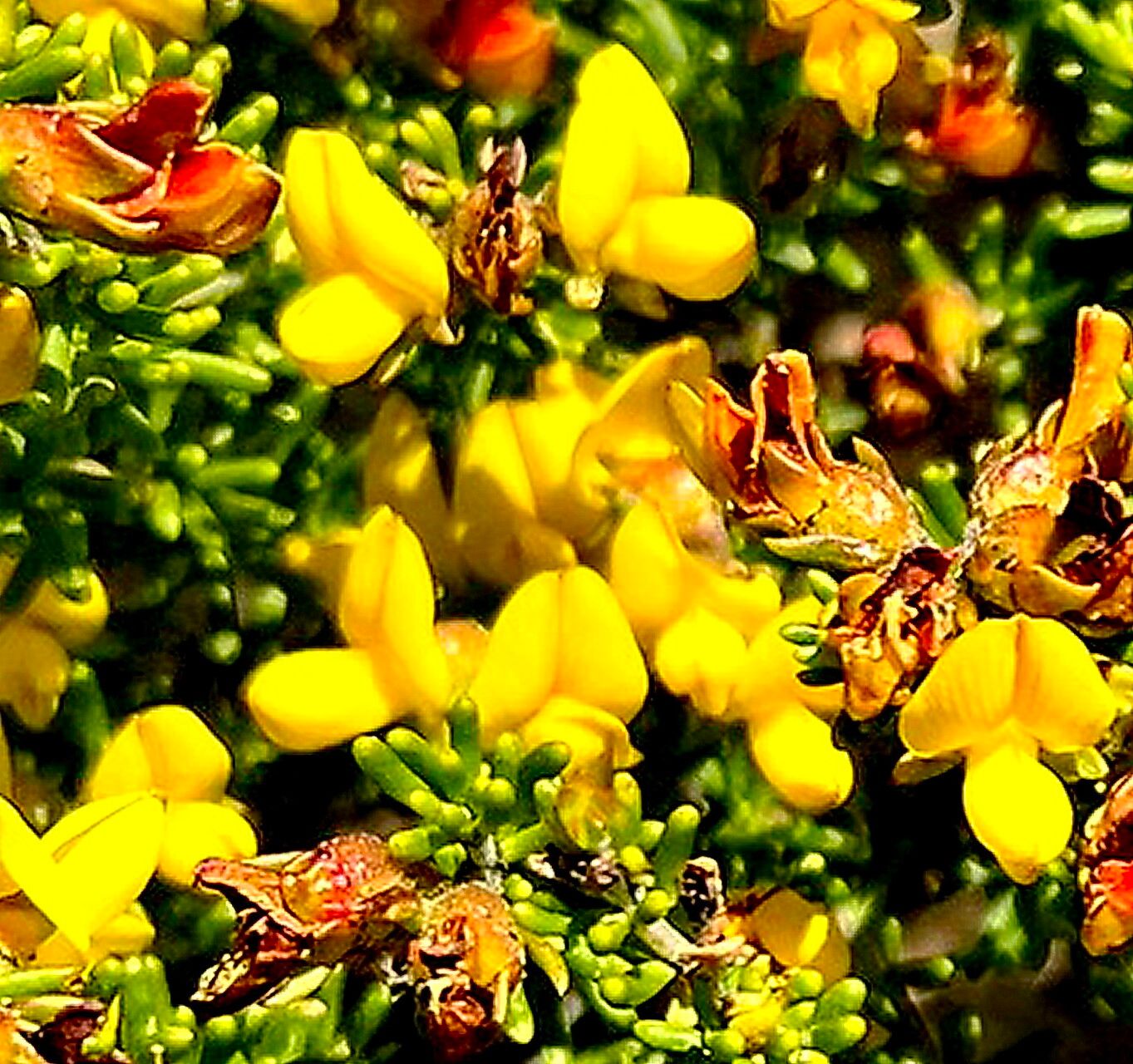
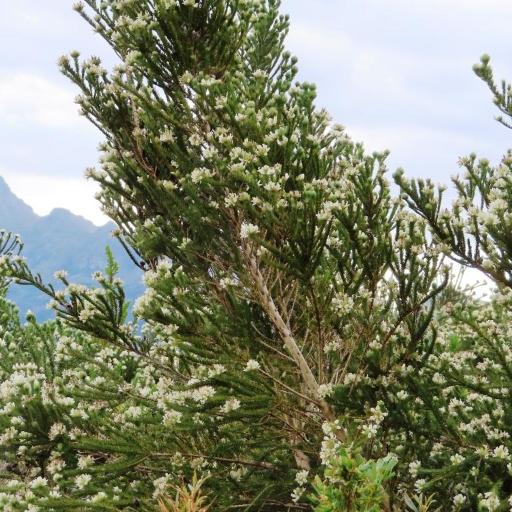
Aspalathus cordata is a shrub belonging to the family Fabaceae. The species is endemic to the Western Cape and forms part of the fynbos. It occurs from Piketberg to the Cape Peninsula and the mountains between Tulbagh and Hangklip.
Heartleaf capegorse is quite resistant to disease and typically does not suffer from illness. Regarding care, this plant is fairly low-maintenance. When grown outdoors it needs minimal watering, and larger plants generally do not need pruning. Smaller plants, however, should be pruned after they have finished blooming. Heartleaf capegorset is appropriate for anyone with an outdoor area, such as a garden or deck, and does not require extensive plant-care experience.
How to keep Aspalathus Cordata.
Light
Heartleaf capegorse is native to open habitats, such as sunlit meadows and forest edges, where light is plentiful. It prefers Full Sun but can also tolerate Partial Sun, adjusting well to a range of sunlight conditions.
Water
Heartleaf capegorse is native to the fynbos biome, where it thrives in a Mediterranean climate. It prefers consistent moisture, so it should be watered twice a week. When grown outdoors, it needs well-draining soil to prevent excess water retention and to ensure optimal growth during its active season.
Temperature
Heartleaf capegorse is fairly adaptable to heat, tolerating high temperatures and a wide range of temperature swings. In hot conditions, be sure to water appropriately and provide some shade to prevent sunburn. On the other hand, it is not very tolerant of cold; while it can endure mild chill, overly cold conditions can cause frost damage.
Fertilizer
Timing is important for fertilizing Heartleaf capegorse. Apply fertilizer in early spring and continue once a month until early summer. Fertilizer promotes lovely blooms and supplies energy during both dormant periods and active growth.
Pruning
Heartleaf capegorse is known for its heart-shaped leaves and vibrant blooms. To keep the plant healthy, it is important to prune it in early spring. The key techniques for effective pruning include removing dead stems, thinning branches to improve airflow, and shaping the plant. These steps stimulate growth and help prevent diseases. Regular pruning also ensures that the plant maintains a robust and attractive appearance.
Botanical profile.
- Plant Type
- Shrub
- Life Cycle
- Perennial
- Genus
- Aspalathus
- Family
- Leguminosae
- Hardiness Zone
- 9-11
- Mature Height
- 0.49 m to 1.52 m
- Mature Spread
- 49 cm to 91 cm
- Leaf Color
- Dark Green
- Leaf Type
- Semi-evergreen
- Flower Color
- Yellow
- Flower Size
- 1.02 cm to 1.52 cm
- Bloom Time
- Early fall, Mid fall
- Planting Time
- Spring, Summer
- Harvest Time
- Late fall, Early winter
- Native Area
- South Africa