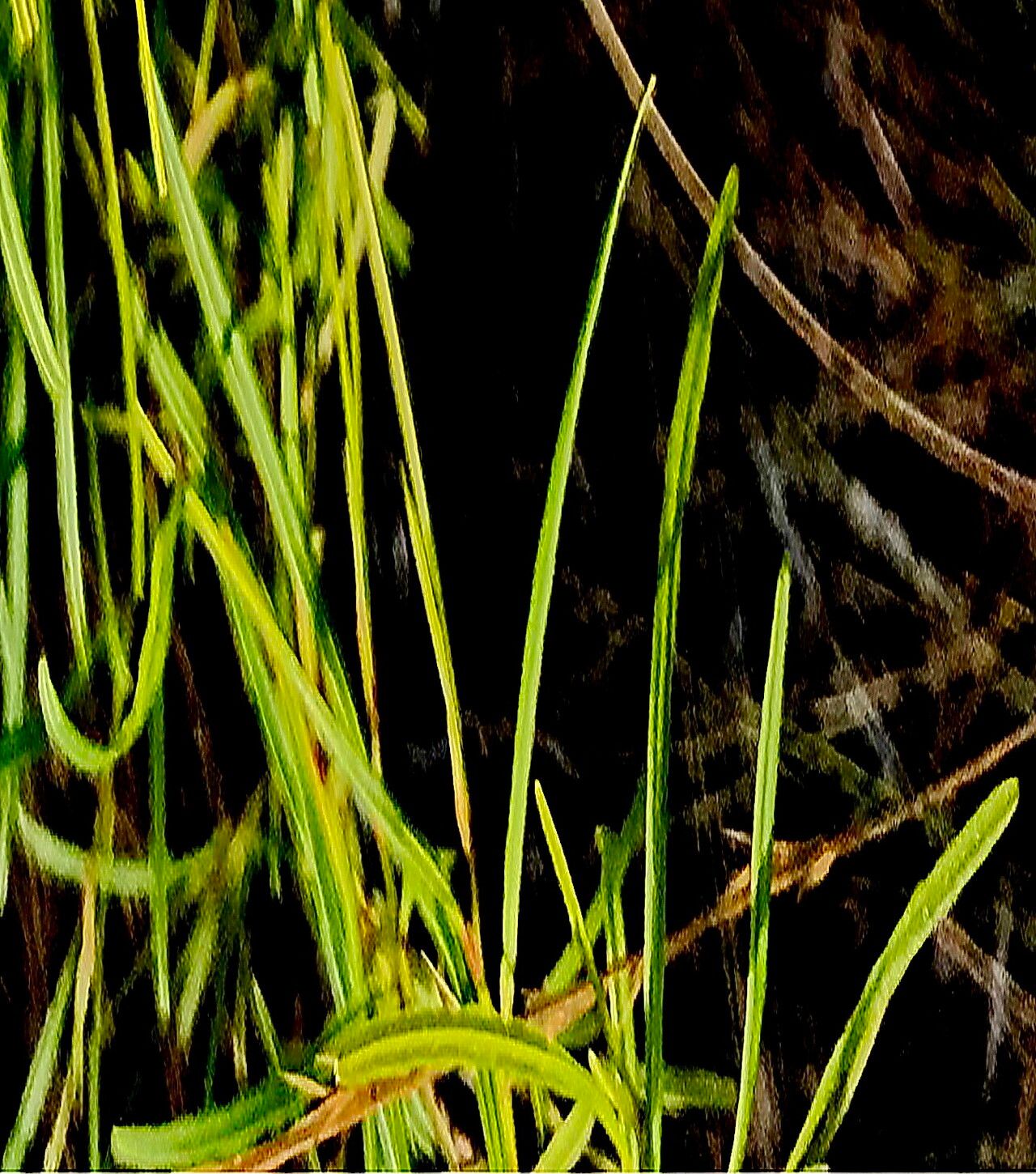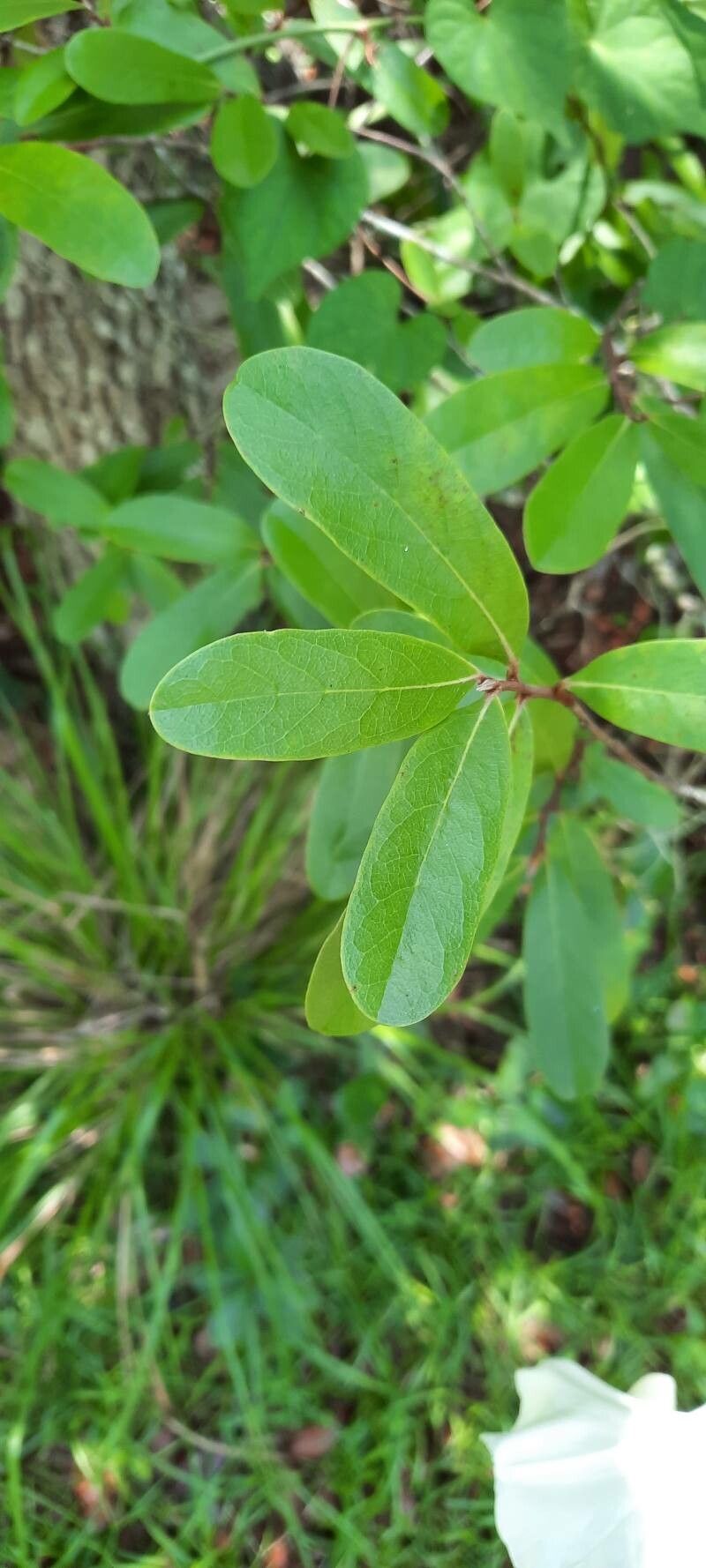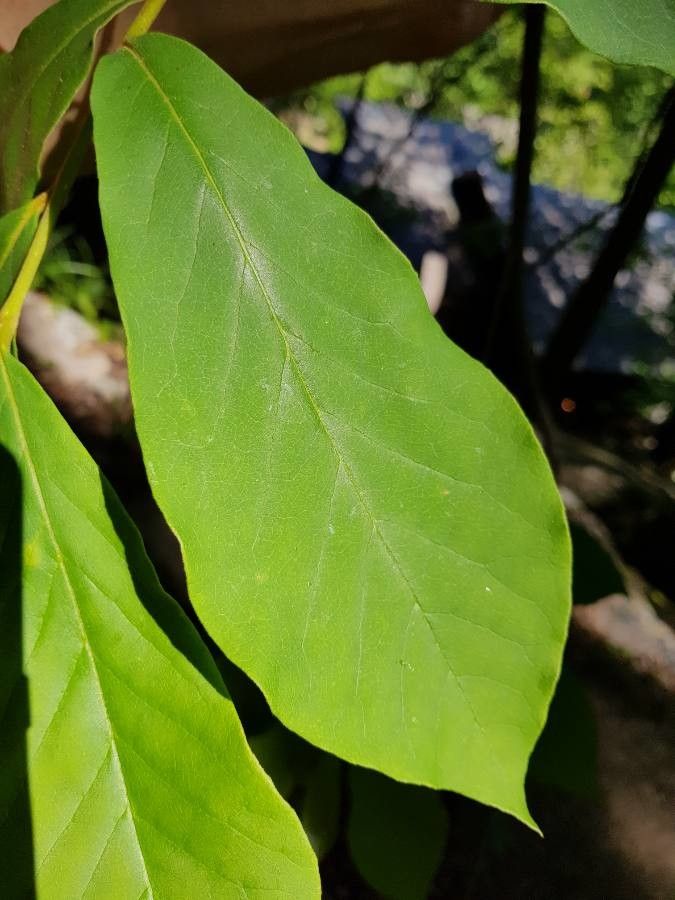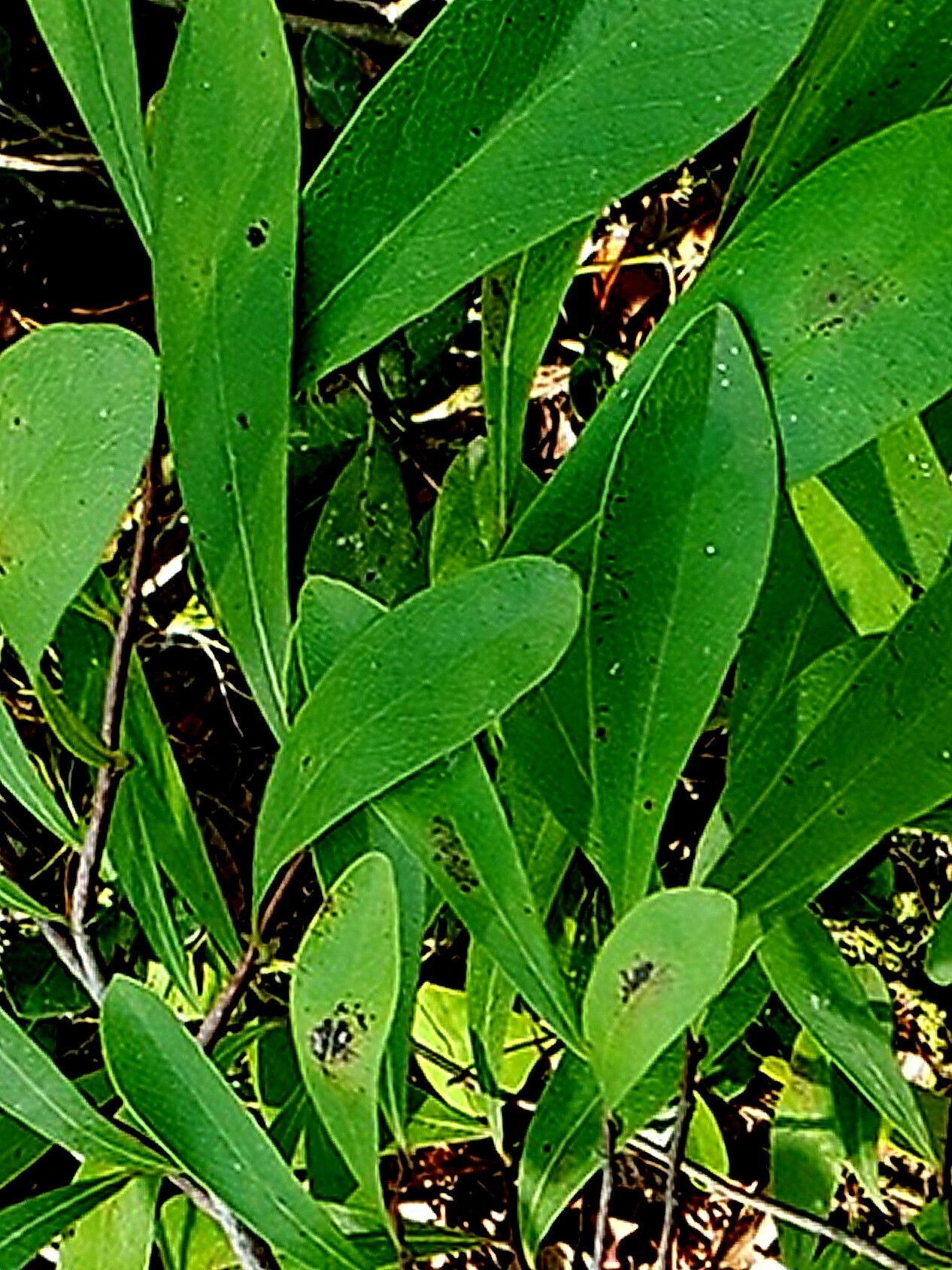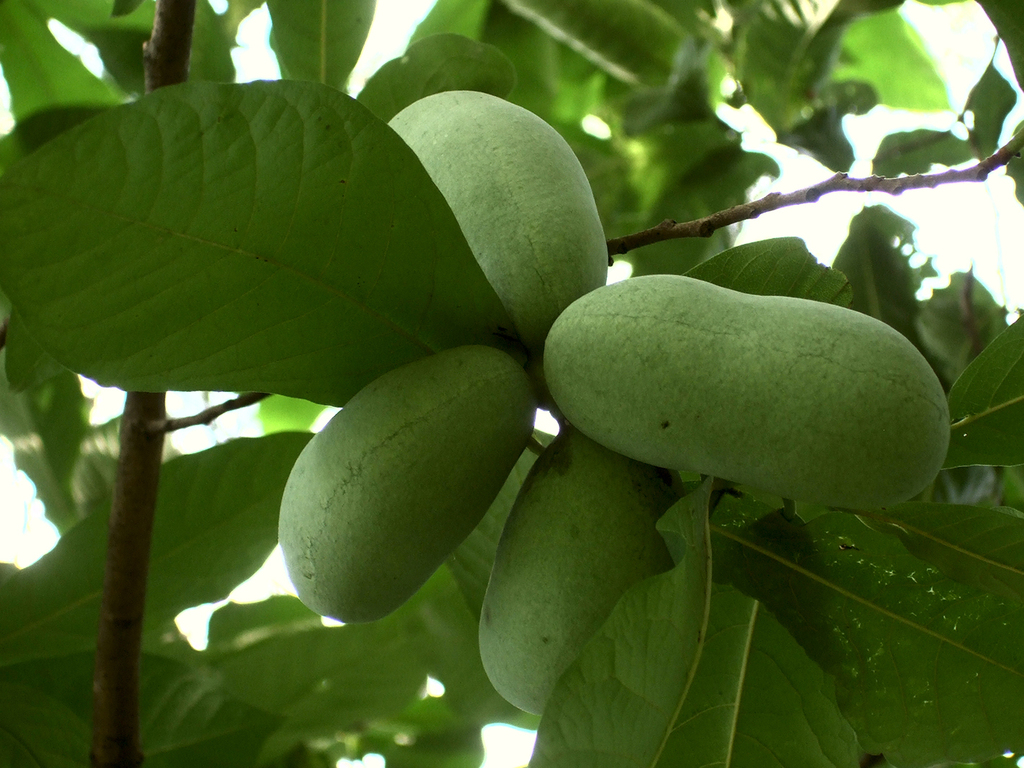
Asimina triloba, the American papaw, pawpaw, paw paw, or paw-paw, among many regional names, is a small deciduous tree native to the eastern United States and Canada, producing a large, yellowish-green to brown fruit. Asimina is the only temperate genus in the tropical and subtropical flowering plant family Annonaceae, and Asimina triloba has the most northern range of all. Well-known tropical fruits of different genera in family Annonaceae include the custard-apple, cherimoya, sweetsop, ylang-ylang, and soursop. The pawpaw is a patch-forming (clonal) understory tree of hardwood forests, which is found in well-drained, deep, fertile bottomland and also hilly upland habitat. It has large, simple leaves with drip tips, more characteristic of plants in tropical rainforests than within this species' temperate range. Pawpaw fruits are the largest edible fruit indigenous to the United States (not counting gourds, which are typically considered vegetables rather than fruit for culinary purposes, although in botany they are classified as fruit).Pawpaw fruits are sweet, with a custard-like texture, and a flavor somewhat similar to banana, mango, and pineapple. They are commonly eaten raw, but are also used to make ice cream and baked desserts. The bark, leaves, and seeds contain the insecticidal neurotoxin annonacin.
Pawpaw resists disease well and is generally not susceptible to illnesses. In terms of care, this plant is fairly low-maintenance. When grown outdoors it needs little watering, and larger specimens typically do not require pruning. Smaller plants, however, should be trimmed after they have finished blooming. Pawpawt is suitable for anyone with outdoor space, such as a garden or a deck, and does not demand extensive care experience.
How to keep Asimina Triloba.
Light
Pawpaw needs plenty of sunlight for optimal growth, with the sun largely unobstructed throughout the day. It can tolerate reduced sunlight, but that may negatively affect its growth. Excessive sun exposure can potentially damage the plant. Its native habitat was open, unshaded ground that favored sunlight.
Water
Pawpaw plants come from temperate woodlands and thrive in moist, well-drained soil. They prefer consistent moisture but can tolerate short periods of dryness. Water your pawpaw every 1-2 weeks, adjusting the frequency based on the plant's environment. When grown outdoors, pawpaws benefit from mulching, which helps retain moisture during their active growing season.
Temperature
The pawpaw grows in its native habitat with a preferred temperature range of about 41 to 95 ℉ (5 to 35 ℃). It is a temperate woody plant that favors cooler temperatures in autumn to prepare for the onset of dormancy.
Fertilizer
The pawpaw plant needs adequate nutrients to achieve optimal fruit production. Fertilize in early spring to encourage new growth and bloom development. Regular fertilization helps the plant remain healthy, produce tastier fruit, and prevents nutrient deficiency problems like yellow leaves and poor fruit production.
Pruning
Pawpaw trees benefit from proper pruning, which is best performed in late winter. This timing helps improve the tree's structure and remove any unhealthy wood. Thinning the canopy allows for better airflow and sunlight penetration, resulting in healthier growth and a higher fruit yield. Be careful not to prune heavily during the growing season, as this can stress the tree.
Botanical profile.
- Plant Type
- Tree, Shrub
- Life Cycle
- Perennial
- Genus
- Asimina
- Family
- Annonaceae
- Hardiness Zone
- 5-9
- Mature Height
- 10.97 m to 14.02 m
- Mature Spread
- 4.57 m to 9.14 m
- Leaf Color
- Green, Yellow
- Leaf Type
- Deciduous
- Flower Color
- Purple
- Flower Size
- 3.05 cm to 5.08 cm
- Bloom Time
- Mid spring, Late spring
- Planting Time
- Spring, Autumn
- Harvest Time
- Mid summer
- Native Area
- Eastern North America
Other names.
Reader questions.
What is the most effective way to water my Pawpaw?
To ensure excellent root development, we recommend placing a garden hose at the base of the plant. Avoid spraying the leaves directly, especially if the plant is outdoors and exposed to direct sunlight. For moistening the roots, you can use bubblers for each plant or soaker hoses that cover the entire garden or bed. When adding or removing plants, use soaker hoses to help the roots penetrate deeply. After watering, make sure to drain any excess water and allow the soil to dry before watering again. To prevent diseases, water at ground level instead of spraying the leaves. On sunny days, it can be beneficial to spray the entire bush with water. Whether your Pawpaw is potted or in the ground, keep in mind that it prefers deep watering rather than light sprinkling.
Why should I put fertilizer on my Pawpaw plant?
Plants naturally deplete the soil of nutrients as they grow, especially fast-growing types. Therefore, regularly fertilizing the Pawpaw plant is crucial for maintaining its health and promoting the production of delicious fruit. If plants are not fertilized for a long time, they may encounter various problems. Nutrient deficiency can result in issues such as yellow leaves, reddish leaf coloration, distorted shapes, withered tips, or significant dieback. Additionally, bark disorders, slow growth, poor shoot development, and a lack of fruit production can also be caused by certain types of nutrient deficiency.
What are the sunlight requirements for Pawpaw?
Pawpaw plants thrive in environments with abundant sun exposure, typically where sunlight is unobstructed for most of the day. They require more than 6 hours of sunlight daily, falling into the 'Full sun' category, to ensure optimum growth. However, they can also tolerate 'Partial sun' conditions, defined as about 3-6 hours of sunlight per day, although less sun exposure may negatively affect their growth. It is important to watch how sunlight moves through your garden and choose spots that offer the perfect balance of light and shade, ensuring the plants' happiness and growth.
What are the temperature preferences and essentials for growing pawpaw?
The pawpaw, scientifically known as Asimina triloba, thrives in temperatures ranging from approximately 41 to 95°F (5 to 35°C), favoring a temperate climate. It prepares for dormancy with cooler autumn temperatures. Pawpaws possess strong cold resistance, diminishing the need for special frost protection measures. Nonetheless, in extremely cold winters with temperatures plummeting below the plant's tolerable limit, safeguarding measures become essential. Wrapping the trunk and branches with non-woven fabric or cloth is recommended, alongside thorough watering before the first freeze of autumn to maintain soil moisture, thereby preventing drought and water scarcity in winter and early spring.
What should I do if I give Pawpaw too much or too little water?
When a Pawpaw is overwatered, its leaves can turn yellow, drop off, and wilt, giving the plant a dull and unhealthy appearance. Mushy stems may also be visible. To address these signs, it's best to adjust watering schedule if possible. However, wilting can also indicate under watering. In this case, the leaves may become crispy and dry. When the soil is dry and regular watering is insufficient, give the Pawpaw a thorough watering. Although this will help the plant recover, it may still have dry and yellow leaves for a few days due to damage to the root system. Once the plant returns to normal, the yellowing of the leaves will cease. When growing the Pawpaw indoors, always check the moisture levels in the pot and be cautious not to overwater. Look out for black spots, as these are signs of overwatering. If present, allow the soil to dry out by refraining from watering for a few days. Overwatering can lead to root rot, so if you observe discolored and slimy roots, consider transferring the plant to a different pot. It's crucial to prevent root rot by avoiding excessively soggy soil. When planting the Pawpaw outdoors, ensure adequate watering by checking the soil's moisture level with your fingers. If it feels too dry, it may indicate underwatering, and the plant will require sufficient watering to recover.
When should I fertilize my Pawpaw tree?
The best time to fertilize Pawpaw trees is in early spring, before the buds start to emerge. During this time, Pawpaw trees use the energy they stored during winter dormancy to grow new branches and blooms. To ensure adequate nutrition for the upcoming bloom, it's recommended to fertilize about 2 to 4 weeks before the expected bloom time. This allows enough time for the soil to absorb and distribute the nutrients throughout the plant. While it's possible to continue fertilizing during spring, it's advisable to avoid fertilizing in autumn. Fertilizing during this time can result in excessive late-season foliage growth, which increases the vulnerability of the leaves to winter damage.
How does artificial lighting affect Pawpaw indoor growth?
For indoor Pawpaw plants, when natural sunlight is insufficient, artificial lighting becomes crucial for optimal growth, especially during winter or in less sunny spaces. LED lights are a popular choice because they can provide specific wavelengths of light needed by the plants. Full sun plants, like Pawpaw, generally need 30-50W/sq ft of artificial light, with the light source placed 12-36 inches above the plant to mimic natural sunlight. The duration of exposure should mimic natural daylight hours, typically 8-12 hours per day, to promote faster, healthier growth.
How does low temperature affect pawpaw and what are the solutions?
Pawpaws are cold-tolerant and perform best in temperatures above their minimum growth threshold. Keeping them above the minimum tolerable growing temperature during winter is crucial. Exposure to temperatures below the critical limit might not manifest immediate damage during winter, but come spring, affected branches may appear brittle, dry, and fail to sprout new shoots. The recommended solution for this damage is to prune any dead branches that have not produced new leaves during spring.
How often do I need to water my Pawpaw plant?
The Pawpaw plant prefers deep watering, but not too often. It's best to give them a gallon of water each time, especially if they're in pots. Potted plants have limited water storage, so the soil dries out faster. In cold regions, water them every 3 to 5 days. Water in the morning when the soil is dry, whether they're indoors or outdoors. You can also check the soil to see if it needs watering - if the top 2-3 inches are dry, it's time to water. In hot weather, check the moisture daily as the heat can quickly dry out the soil in the pot. If you have a garden, you'll need to irrigate the soil too. In hot climates, watering once a week is usually sufficient. Only water when you notice the top 2-3 inches of soil becoming too dry, indoors or outdoors. Be mindful of rainwater - if there's been a lot of rainfall, additional watering may not be necessary to avoid root rot. Pawpaw plants generally grow in spring and fall. When they're outside, adding 3-4 inches of mulch can help conserve water. Sandy soil requires more frequent watering, while clay soil needs less often. You can mark the date on the calendar to keep track of when you last watered, and if you notice the leaves drooping, it may be a sign that you need to water slightly sooner.
When should I not put fertilizer on my Pawpaw plant?
Here are some tips to follow when fertilizing Pawpaw plants: 1. Avoid fertilizing in the first year of growth, and be cautious about fertilizing if it's not necessary. 2. Don't fertilize if you pruned 20% or more of the plant the previous year. 3. Hold off on fertilizing plants that are diseased or damaged, as this can do more harm than good. 4. Remember that fertilizer is not a cure-all; try to address the root cause of any issues before considering fertilizer. 5. Avoid fertilizing after the peak of summer to prevent excessive growth before winter. 6. Do not fertilize during hot and dry times of the year, as dry soil doesn't absorb fertilizer as effectively. 7. Fertilizing at this time can also stimulate growth that requires more water than may be available. 8. It's best to fertilize earlier in the season when temperatures are cooler. 9. Be cautious about inadvertently giving nearby plants or lawns a double-dose of fertilizer, as Pawpaw can absorb it.
What are the signs of improper lighting for Pawpaw?
Pawpaw plants exhibit several symptoms when subjected to suboptimal lighting conditions. These include small and light-colored new leaves, which indicate a deficiency in chlorophyll and essential nutrients. The plant may also show leggy or sparse growth, faster leaf drop, and cease new growth as it enters survival mode. Additionally, excessive sunlight can cause chlorosis (yellowing leaves), sunscald, leaf curling, wilting, and leaf scorching. These signs reflect the plant's struggle with inadequate or excessive light exposure, impacting its health and development.
How does high temperature affect pawpaw and what are the solutions?
During the summer months, it is important to ensure that pawpaws remain below their maximum suitable growth temperature limit. Exceeding the maximum tolerable growing temperature can cause the leaves to lighten in color and the tips to become dry and withered, increasing susceptibility to sunburn. To mitigate these effects, it is advisable to trim away sunburned and dried parts, relocate the plant to a shaded area during midday and afternoon sun, or provide shade with a cloth. Additionally, watering the plant in the morning and evening helps keep the soil moist, further protecting the plant from the effects of high temperatures.