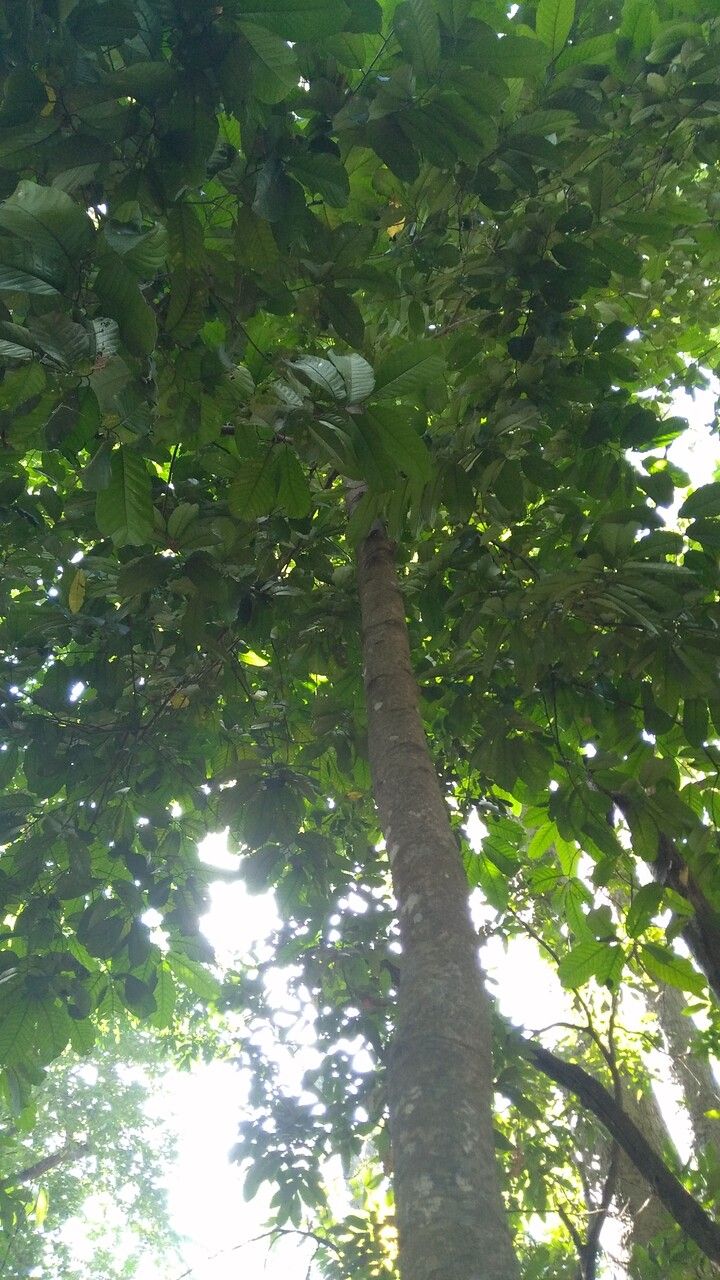
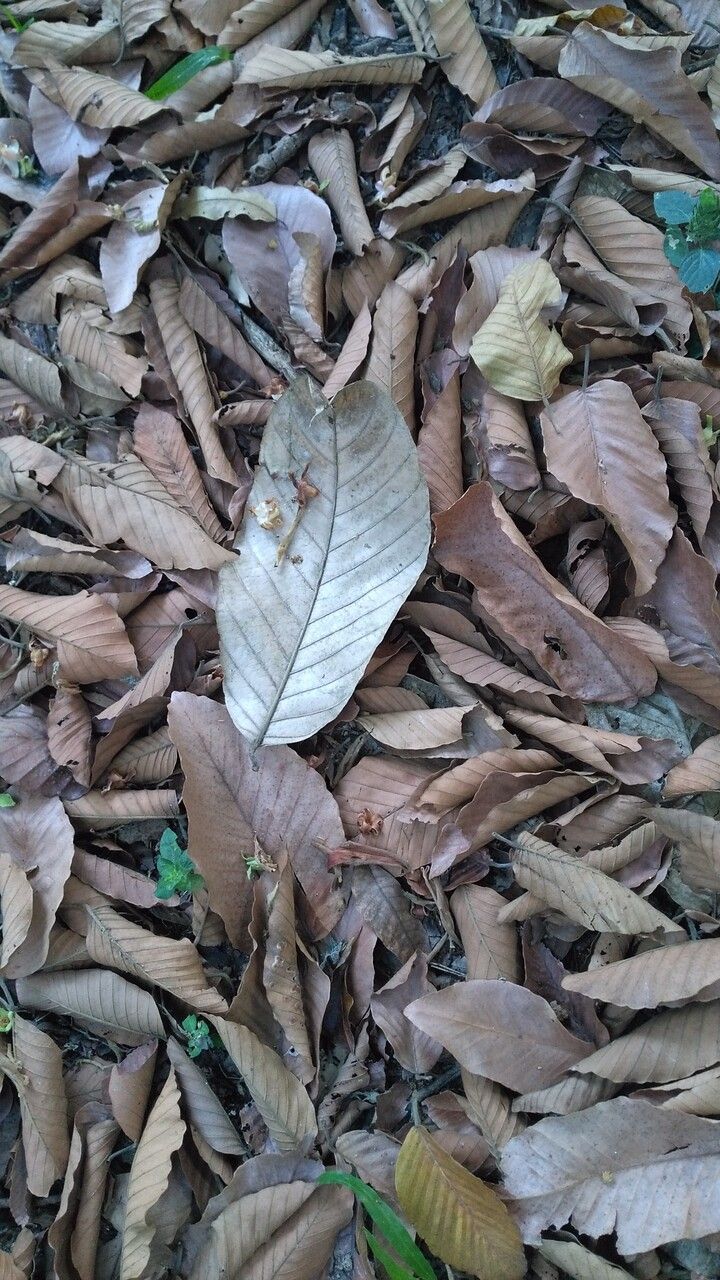
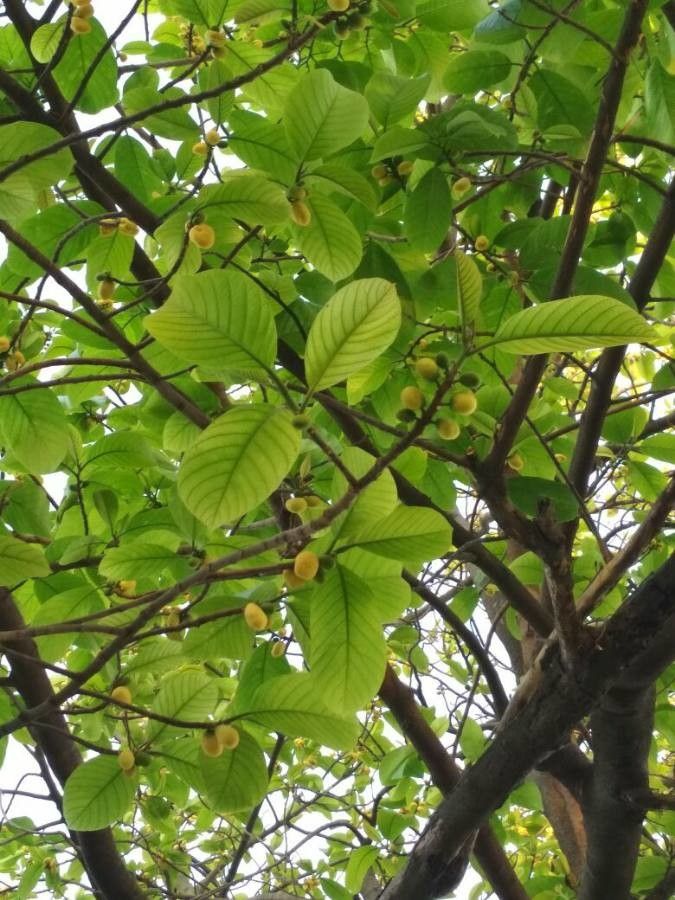
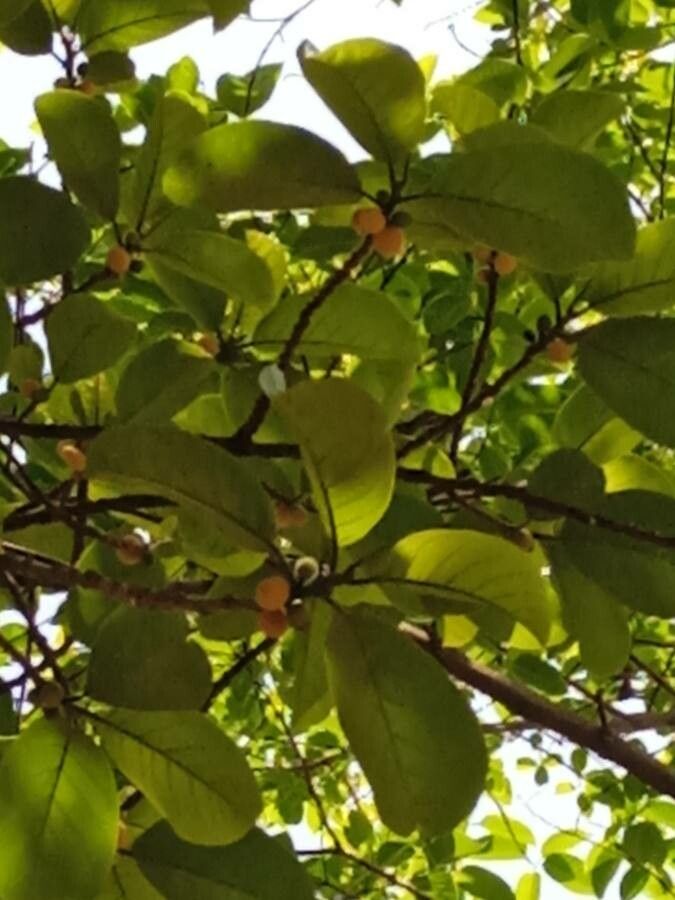
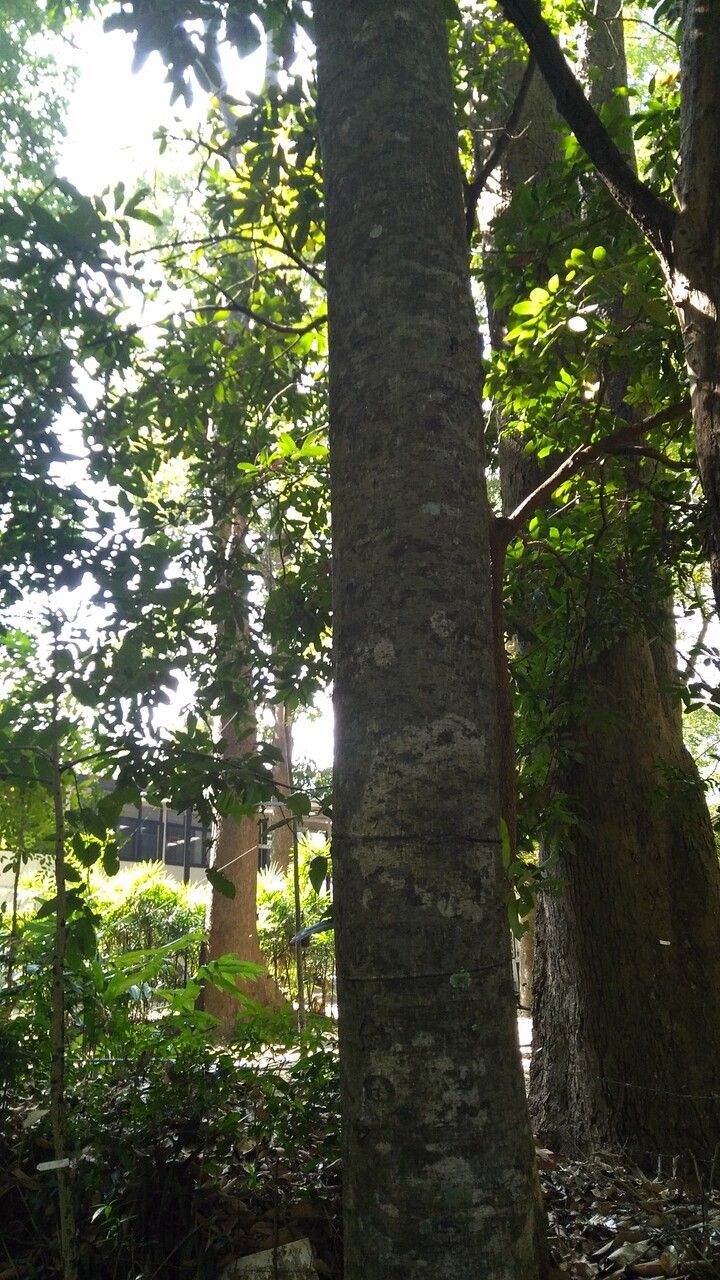
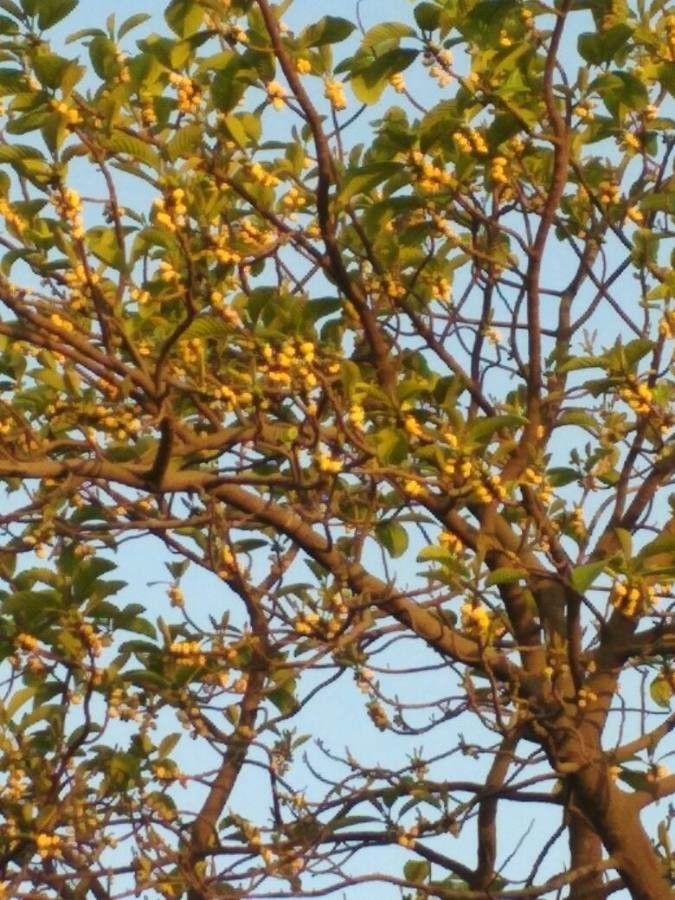
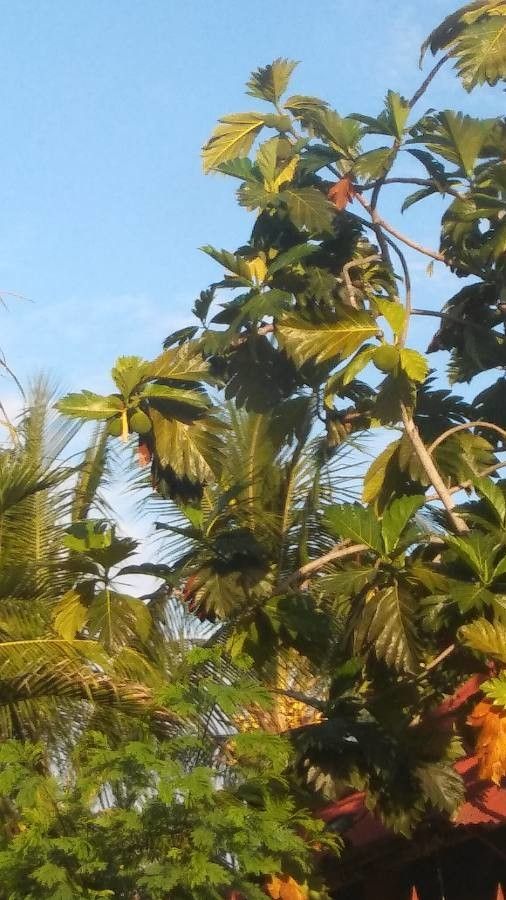
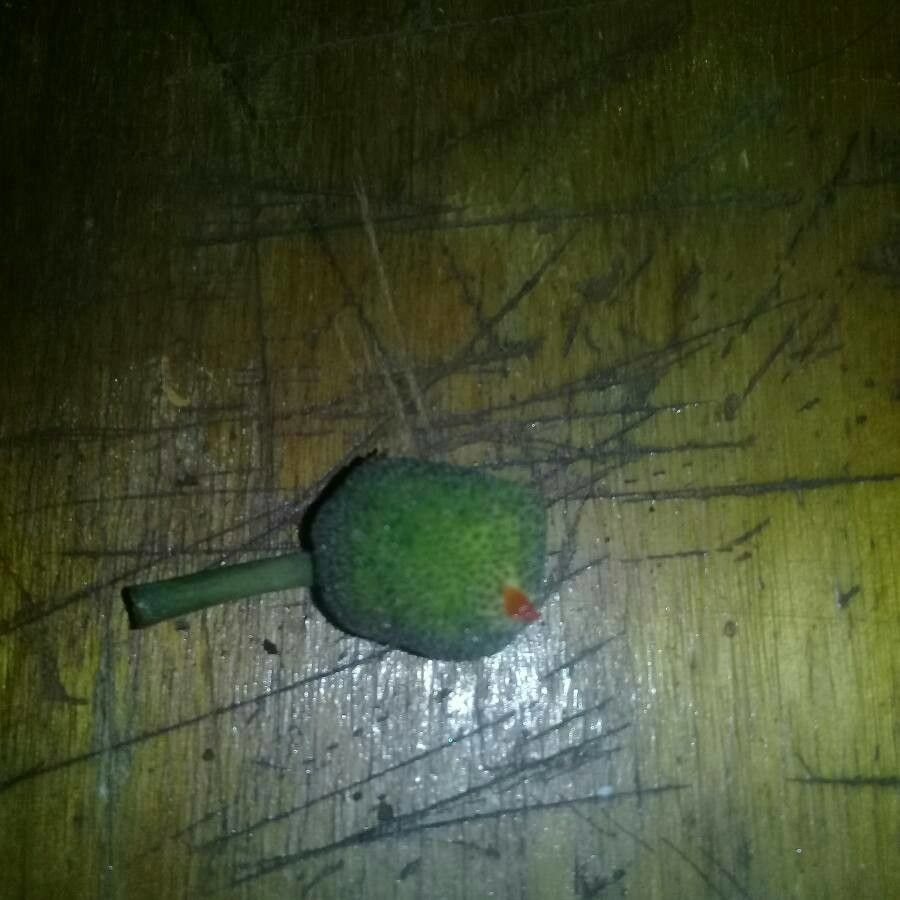
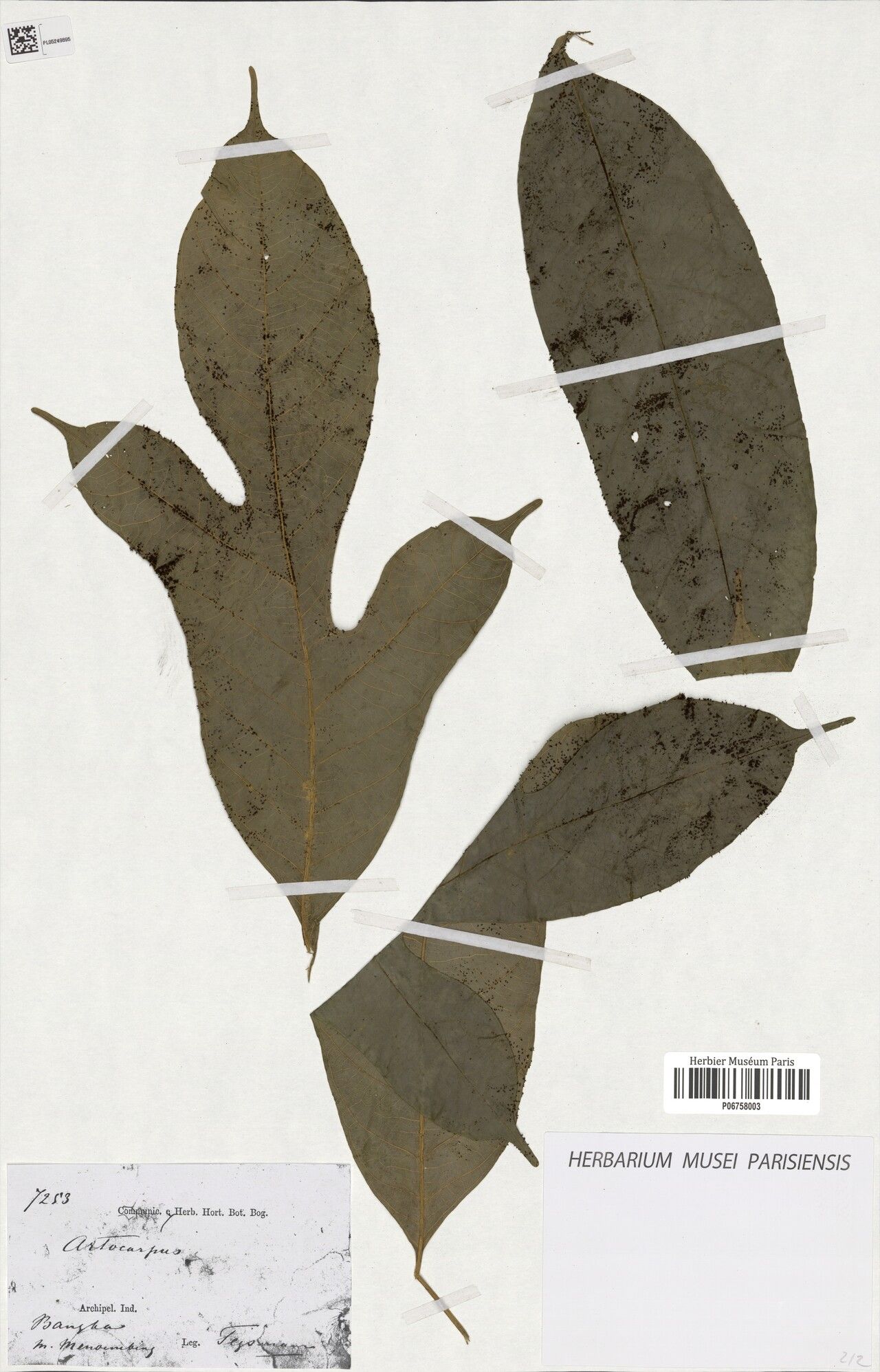
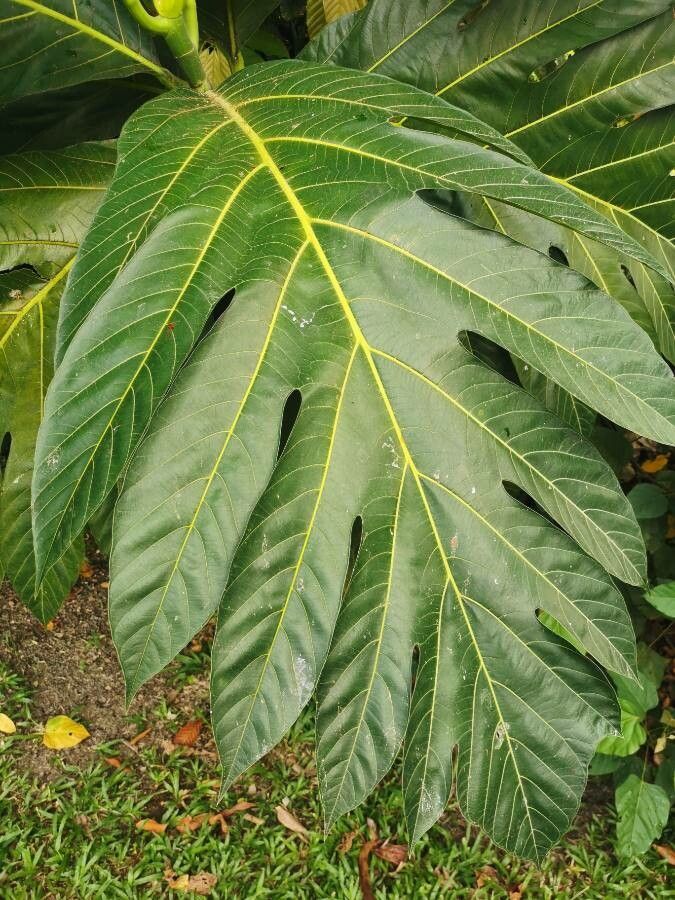
Artocarpus lacucha, also known as monkey jack or monkey fruit, is a tropical evergreen tree species of the family Moraceae. It is distributed throughout the Indian Subcontinent and Southeast Asia. The tree is valued for its wood; its fruit is edible and is believed to have medicinal value. In Northeastern Thailand, the wood is used to make pong lang, a local traditional instrument.The stilbenoid oxyresveratrol can be isolated from the heartwood of Artocarpus lacucha as well as in Puag Haad, the light brown powder obtained from the aqueous extract of the wood chips of A. lakoocha by boiling, then slow evaporation, followed by cooling. This traditional drug is effective against the intestinal fluke Haplorchis taichui or against taeniasis.This tree is mentioned in the Arthashastra.
Monkey fruit is resistant to disease and generally does not tend to develop illnesses. As for care, this plant is fairly low-maintenance. When grown outdoors it needs only light watering, and larger specimens typically do not need pruning. Smaller plants, however, should be pruned after they finish blooming. Monkey fruit is suitable for anyone with outdoor space, like a garden or a deck, and does not demand extensive plant-care experience.
How to keep Artocarpus Lacucha.
Light
Monkey fruit is native to open habitats like sunny meadows and forest edges that supply abundant light. It does best in Full Sun but will also tolerate Partial Sun, adjusting well to a range of sunlight conditions.
Water
Monkey fruit thrives in tropical rainforests and prefers high humidity with consistent watering every 2-3 weeks. It is not drought-tolerant and retains its leaves year-round, which indicates its continuous need for water, even during dormancy.
Temperature
Monkey fruit comes from tropical areas, where the climate is usually warm and humid. Consequently, it is adapted to high temperatures and moisture. It does not tolerate sudden temperature changes and prefers a consistent thermal environment, so avoiding indoor temperature fluctuations is important. It generally cannot withstand cold and needs higher temperatures to grow. If the surrounding temperature falls too low, the plant may stop growing or even die.
Fertilizer
Use organic fertilizers (for example, fish emulsion or compost) instead of chemical ones for Monkey fruit. Give young plants higher levels of nitrogen and phosphorus in spring. Mix compost or fertilizer into the soil before or immediately after planting. For mature plants, apply a balanced fertilizer or one formulated for specific deficiencies in spring. Nutrient deficiency results in small leaves, short branches, yellow or bronze foliage, acidic fruits, premature fruit drop, and fruit splitting.
Pruning
Monkey fruit is a plant known for its broad leaves and vigorous growth. To keep it healthy, prune it between early and late winter. Focus on removing dead branches and thinning out crowded areas to improve air circulation. When pruning, use clean, angled cuts just above the buds to shape the plant effectively. It's important to sterilize your tools to prevent disease. For more detailed care techniques, consult reliable gardening resources.
Botanical profile.
- Plant Type
- Tree
- Life Cycle
- Perennial
- Genus
- Artocarpus
- Family
- Moraceae
- Hardiness Zone
- 10-12
- Mature Height
- 10.06 m to 14.94 m
- Mature Spread
- 2.44 m
- Leaf Color
- Green
- Leaf Type
- Evergreen
- Flower Color
- Yellow, Red, Orange
- Flower Size
- 1.52 cm to 2.03 cm
- Bloom Time
- Late spring, Early summer, Mid summer
- Planting Time
- Spring, Summer, Autumn
- Harvest Time
- Late summer, Early fall, Mid fall
- Native Area
- Nepal, India, Malaysia, Indonesia, Cambodia, Vietnam, Myanmar, Philippines, Bhutan, Singapore, Bangladesh, Laos, Brunei, Thailand, China
Other names.
Reader questions.
What are the sunlight requirements for monkey fruit?
Monkey fruit plants thrive best in environments that mimic their native habitat, which includes sunny meadows and forest edges. They require full sun, equating to more than 6 hours of direct sunlight daily, but can also tolerate partial sun, with about 3-6 hours of sunlight. When planning where to place your monkey fruit plants, it's essential to observe the movement of sunlight through your garden over the day to find the ideal spot that provides a balance of light and shade, ensuring the plants' health and happiness.
What is Monkey fruit?
Monkey fruit, scientifically known as Artocarpus lacucha, is a species of tree in the Moraceae family. It is known for its edible fruit and is native to various parts of Asia.
How can artificial lighting be used for indoor monkey fruit plants?
Indoor monkey fruit plants require sufficient lighting to grow well, particularly when natural sunlight is inadequate, such as in winter or less sunny indoor spaces. Utilizing artificial lights is vital in these scenarios to promote healthy plant growth. LED lights are recommended due to their customizable wavelengths tailored to the plants' needs. For full sun plants, 30-50W per square foot is needed; partial sun plants require 20-30W per square foot, while full shade plants need 10-20W per square foot. The artificial light source should be placed 12-36 inches above the plant to simulate natural sunlight conditions, ensuring the plant receives 8-12 hours of light per day to mimic the natural daylight cycle.
What are common symptoms of inadequate light in monkey fruit plants?
Monkey fruit plants show several symptoms when they don't receive enough light, indicating they are struggling to adapt to suboptimal indoor lighting conditions. These include smaller new leaves, leggy or sparse growth, faster leaf drop, slower or no new growth, lighter-colored new leaves due to a lack of chlorophyll, chlorosis (leaves turning yellow or pale), sunscald indicating damage from intense sunlight, leaf curling as a defense mechanism against overexposure, wilting from excessive water loss, and leaf scorching characterized by brown, dry edges on leaves. Paying attention to these symptoms can help determine when to adjust the plant's light exposure.
How can I manage and prevent light-related issues in monkey fruit plants?
Managing and preventing light-related issues in monkey fruit plants involves adjusting their exposure to sunlight whether they are indoors, outdoors, or in the ground. For indoor plants, gradually move them to sunnier locations each week until they receive at least 6 hours of direct sunlight daily. Utilize south-facing windows and keep curtains open during the day. Artificial lights, such as desk or ceiling lamps, should be used for at least 8 hours daily if the plant is large or not easily movable. Outdoor plants should also be moved gradually to sunnier spots to prevent sunburn, making minor adjustments each week. If obstructions block sunlight, consider pruning or transplanting smaller plants during their dormant period to a location with better sunlight and drainage. Although parts of the plant that have suffered from insufficient sunlight might not recover, new growth should be healthier following these adjustments.