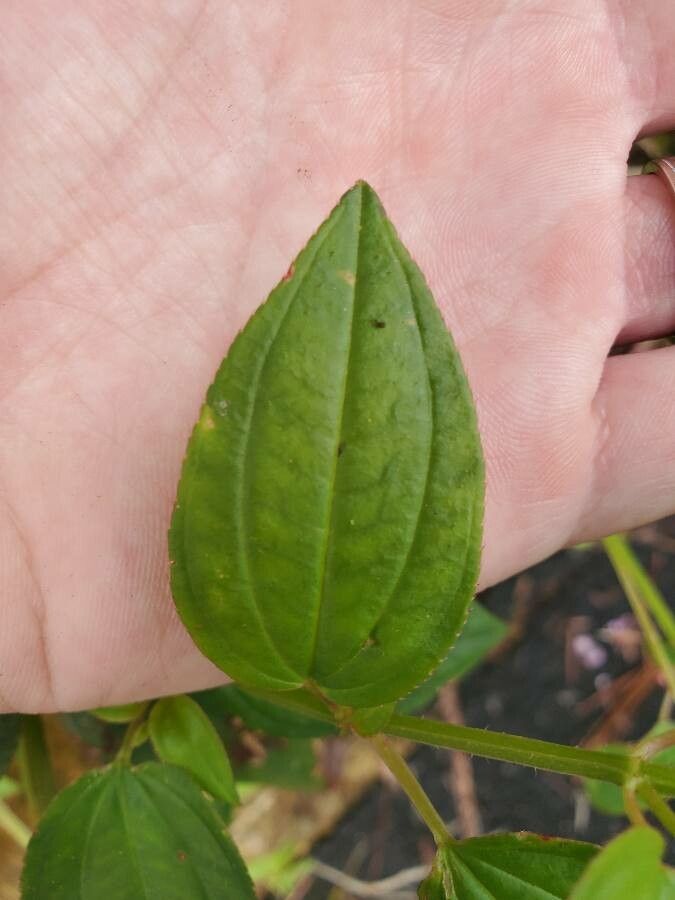
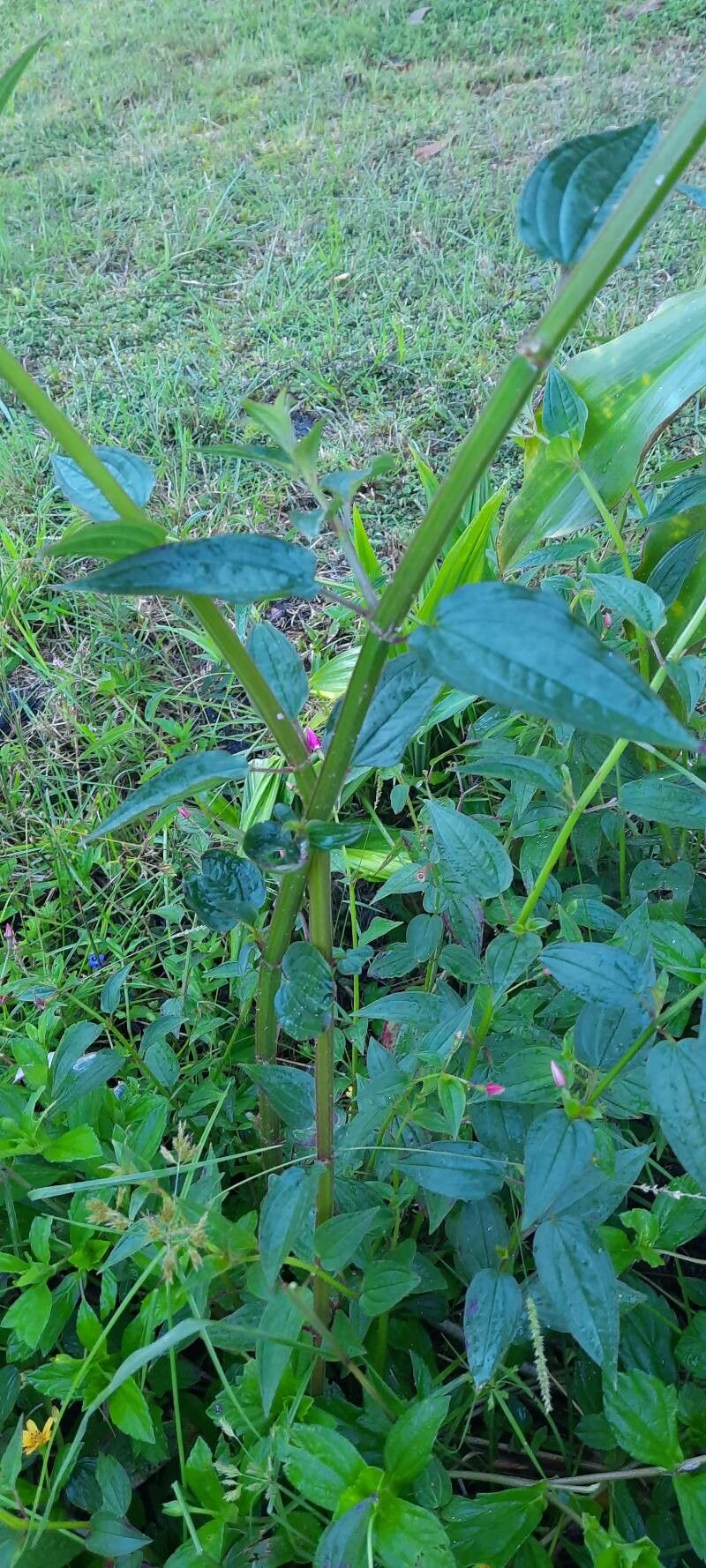
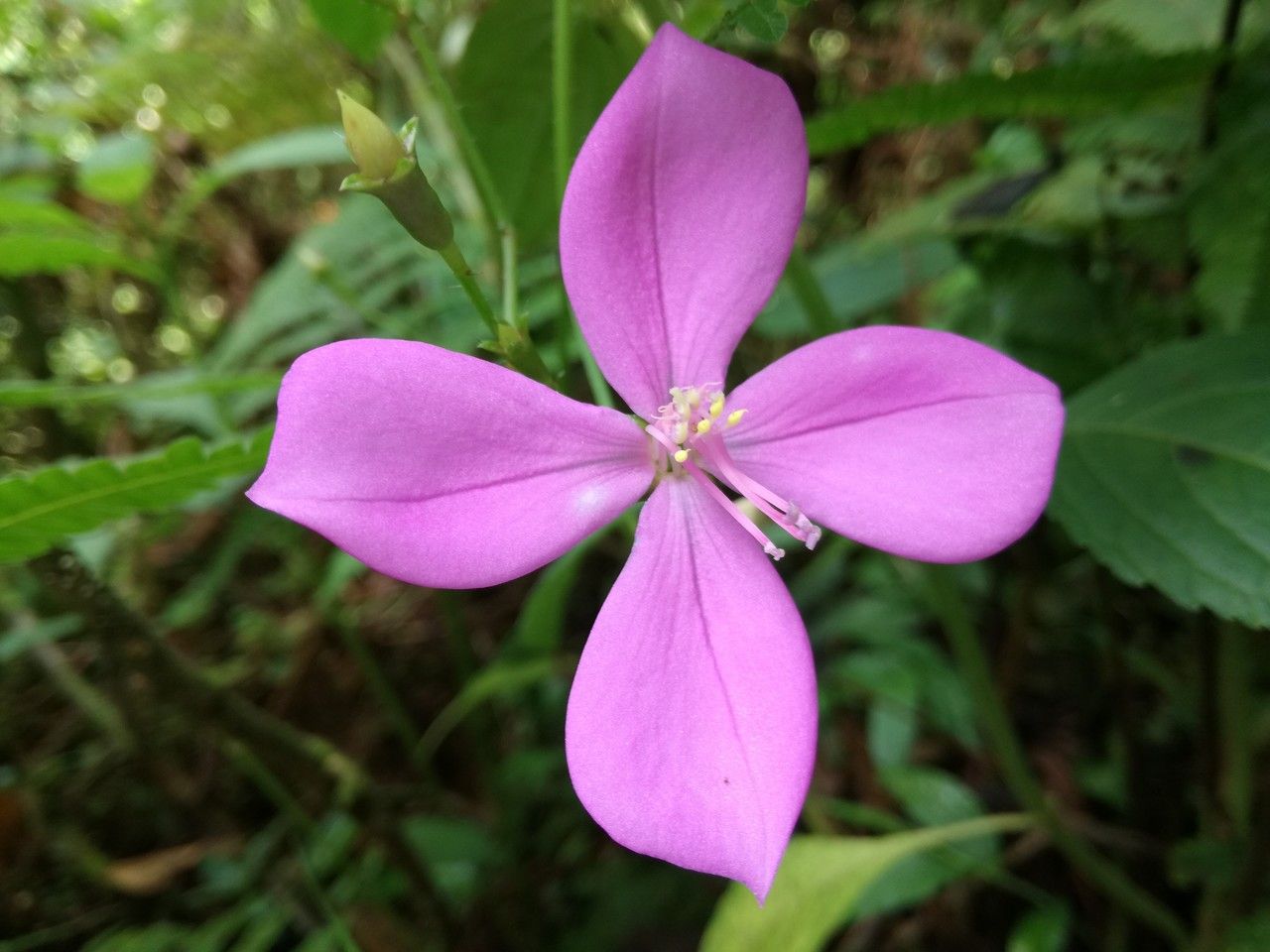
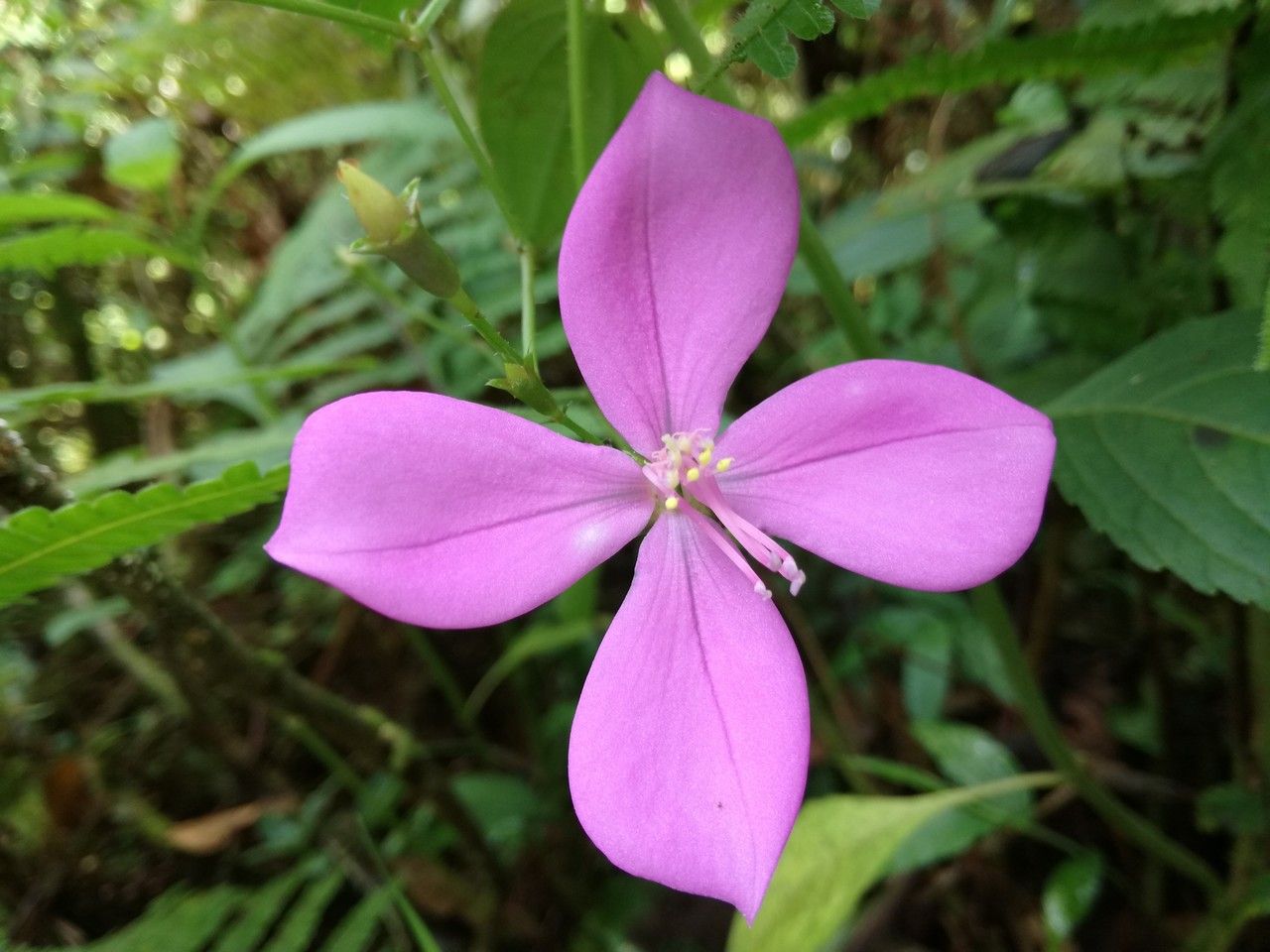
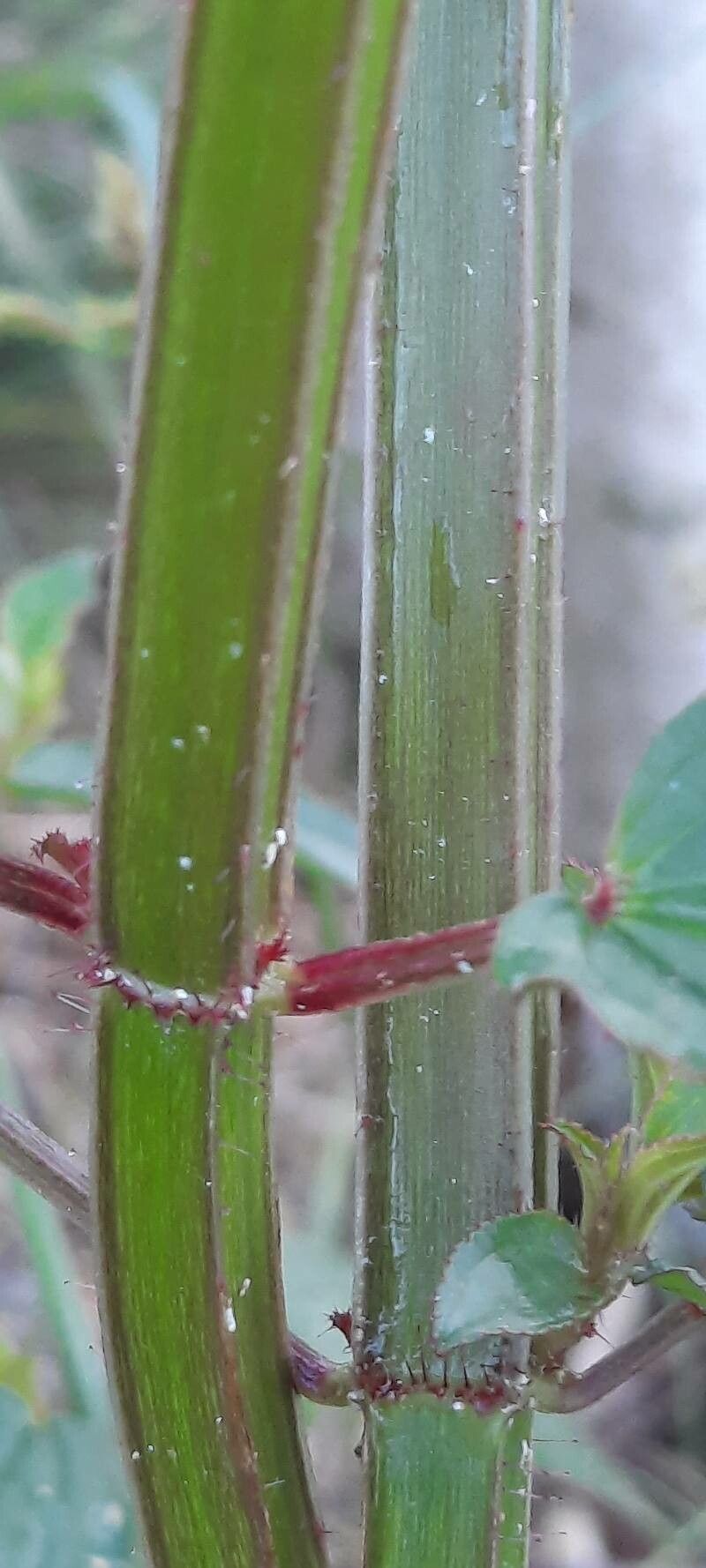
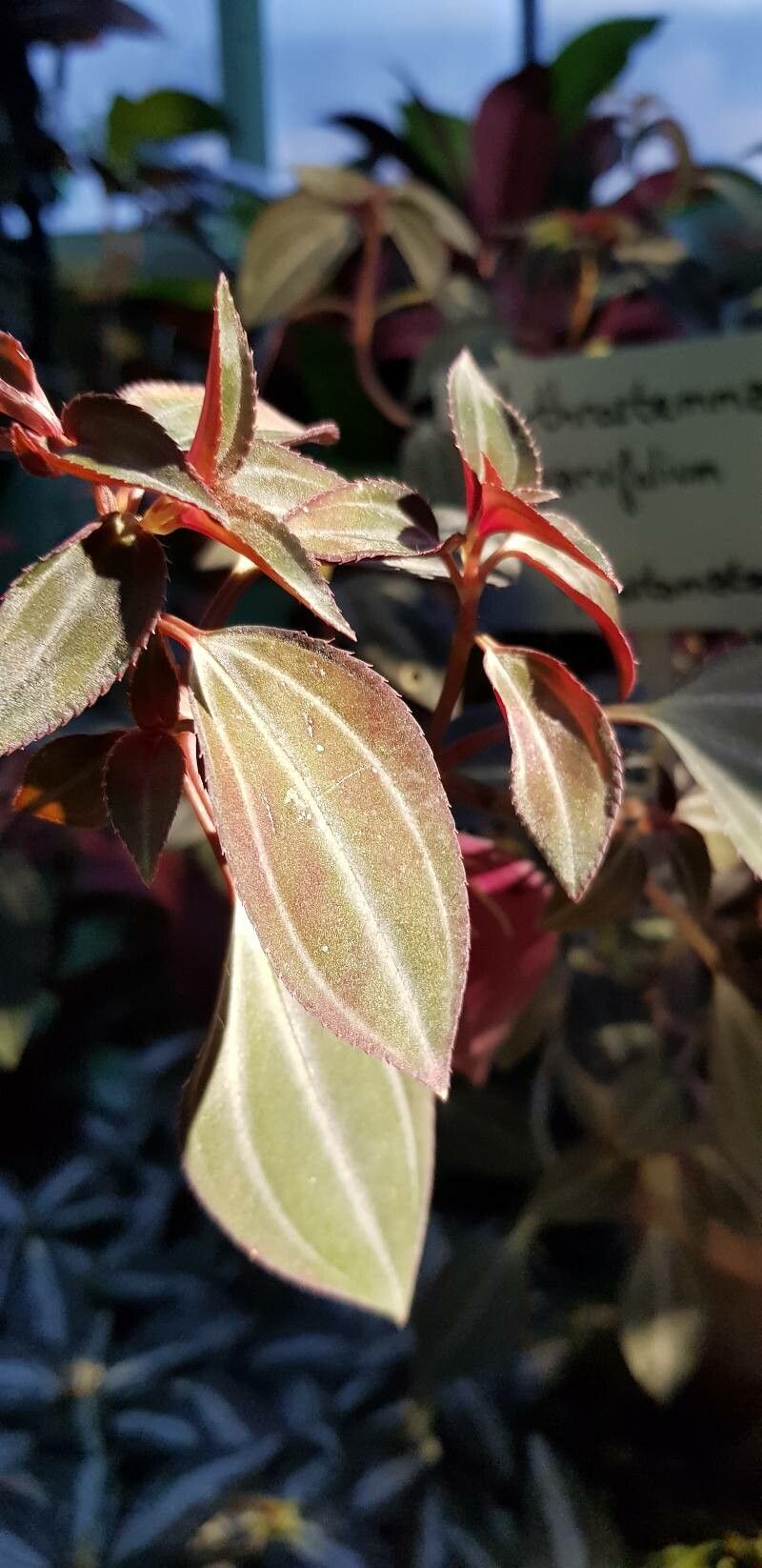
Arthrostemma ciliatum, commonly known as pinkfringe, is a species of flowering plant native to the tropical Americas.
Pinkfringe is fairly disease-resistant and is typically not prone to illnesses. However, it can still be affected by pests and diseases present in its environment. These issues are generally mild. In terms of care, this plant needs moderate maintenance. Regular pruning is necessary to keep a tidy appearance and encourage healthy growth. Applying fertilizer can also help promote flowering. Pinkfringe is suitable for anyone with outdoor space, such as a garden or patio, and does not require extensive care experience. It may need more attention when grown indoors.
How to keep Arthrostemma Ciliatum.
Light
Pinkfringe is a sun-loving perennial herbaceous plant native to open habitats, commonly thriving in meadows and grasslands. Its sunlight preference is full sun, though it can also tolerate partial sun.
Water
Pinkfringe is native to the understories of tropical rainforests and thrives in high humidity. While it can tolerate brief periods of drought, it flourishes best with weekly watering and consistent humidity levels. These conditions make it well-suited for indoor growth, where it can maintain vibrant health.
Temperature
Pinkfringe comes from tropical areas, where the climate is generally warm and humid. As a result, it is well suited to high temperatures and humidity. It does not tolerate abrupt temperature changes and prefers a stable thermal environment, so indoor temperature swings should be avoided. It typically cannot endure cold and needs relatively high temperatures to grow. If temperatures fall too low, growth may stop or the plant may perish.
Fertilizer
Appropriate fertilization is vital for Pinkfringe's vigor and appearance. Apply fertilizer to Pinkfringe during the summer, repeating the treatment once each month throughout the season. The nutrients provide energy for growth and help maintain the plant's parts. Fertilizing improves Pinkfringe's floral display, helping to produce the best blooms.
Pruning
Pinkfringe showcases vibrant pink flowers with fringed petals. To ensure the best growth, it's important to prune them from early to late spring. During pruning, remove any dead or damaged stems and thin out overcrowded branches. This process improves air circulation and light penetration, which enhances blooming, promotes healthy growth, and reduces the risk of disease. Therefore, pruning is essential for maintaining pinkfringe.
Botanical profile.
- Plant Type
- Herb
- Life Cycle
- Perennial
- Genus
- Arthrostemma
- Family
- Melastomataceae
- Hardiness Zone
- 9-11
- Mature Height
- 30 cm to 61 cm
- Mature Spread
- 30 cm to 49 cm
- Leaf Color
- Green
- Leaf Type
- Semi-evergreen
- Flower Color
- Pink
- Flower Size
- 2.03 cm to 3.05 cm
- Bloom Time
- Summer, Early fall, Mid fall
- Planting Time
- Spring, Summer, Autumn
- Harvest Time
- Late summer, Fall, Early winter
- Native Area
- Colombia, Cuba, Honduras, Mexico, Guatemala, Bolivia, Venezuela, Peru, Brazil, Nicaragua, Ecuador, Costa Rica, Panama, Jamaica
Other names.
Reader questions.
What are the sunlight requirements for Pinkfringe?
Pinkfringe, scientifically known as Arthrostemma ciliatum, is a sun-loving perennial herbaceous plant that thrives in full sun conditions, which means it requires above 6 hours of sunlight daily. However, it can also tolerate partial sun, needing about 3-6 hours of sunlight. It's vital to observe how sunlight moves through your garden to find spots that offer the right balance of light and shade, ensuring the plant's health and happiness.
How can artificial lighting support indoor Pinkfringe plants?
For indoor Pinkfringe plants, when natural sunlight is insufficient, artificial lighting can be a crucial supplement, especially during winter or in less sunny spaces. Good practice includes choosing the right type of artificial light such as LED lights, which are efficient and can be customized to provide specific wavelengths needed by the plant. The intensity of the artificial light should be 30-50W/sq ft for full sun plants and 20-30W/sq ft for partial sun plants. The light source should be placed 12-36 inches above the plant and be kept on for 8-12 hours per day to mimic natural daylight hours and promote healthier growth.
What are common symptoms of light deficiency in Pinkfringe?
If a Pinkfringe plant does not receive adequate light, it may exhibit several symptoms. This includes developing smaller leaves than previous ones, experiencing leggy or sparse growth that gives the plant a stretched-out look, shedding older leaves early, showing slower or no new growth, and having paler new leaves. Also, yellowing of the leaves, known as chlorosis, can occur due to excessive sunlight, which affects photosynthesis. Symptoms like sunscald, leaf curling, wilting, and leaf scorching indicate damage from too much direct sunlight.
How can you manage and improve light conditions for Pinkfringe?
To optimize growth for Pinkfringe, gradually moving the plant to a location with at least 6 hours of direct sunlight daily is crucial. Indoors, use a south-facing window or artificial grow lights to ensure enough light. Outdoor plants should be moved to sunnier spots gradually to prevent sunburn. If plants are obstructed by elements like trees, consider pruning to improve sunlight exposure. For smaller plants, you might also consider transplanting during their dormant period to a location with better sunlight and drainage.