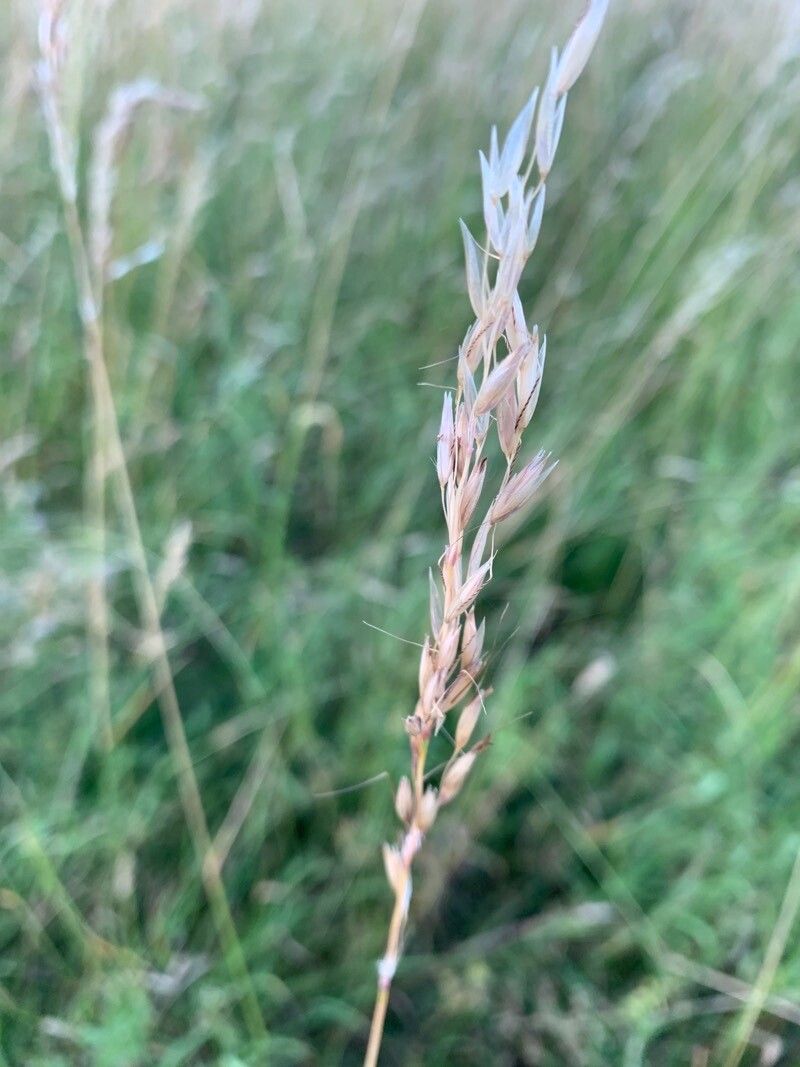
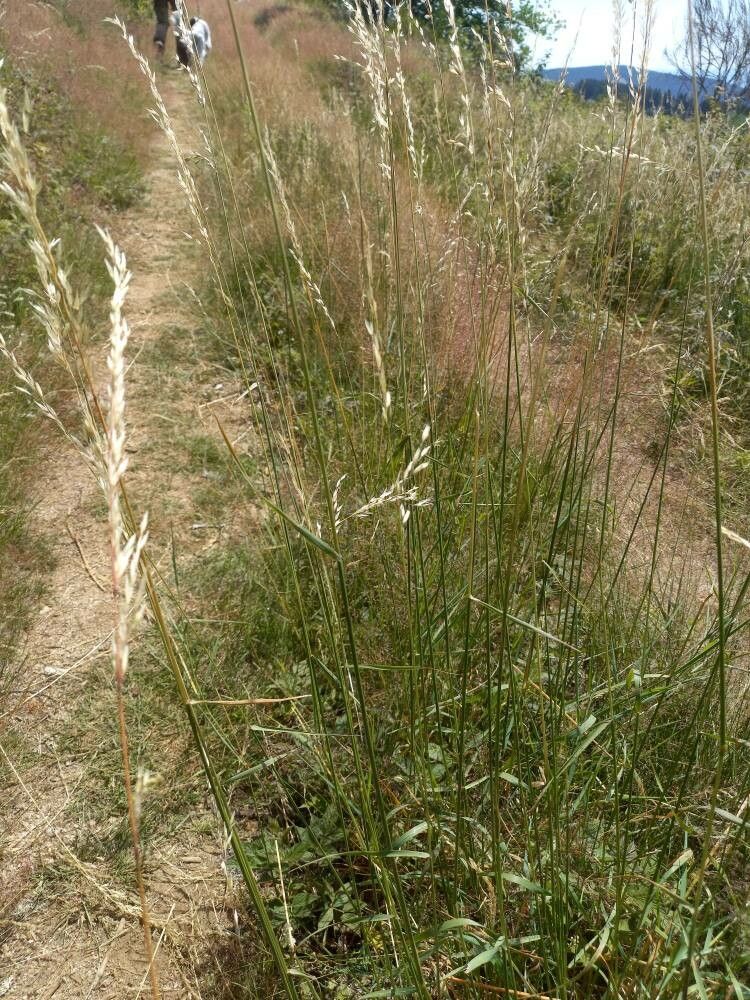
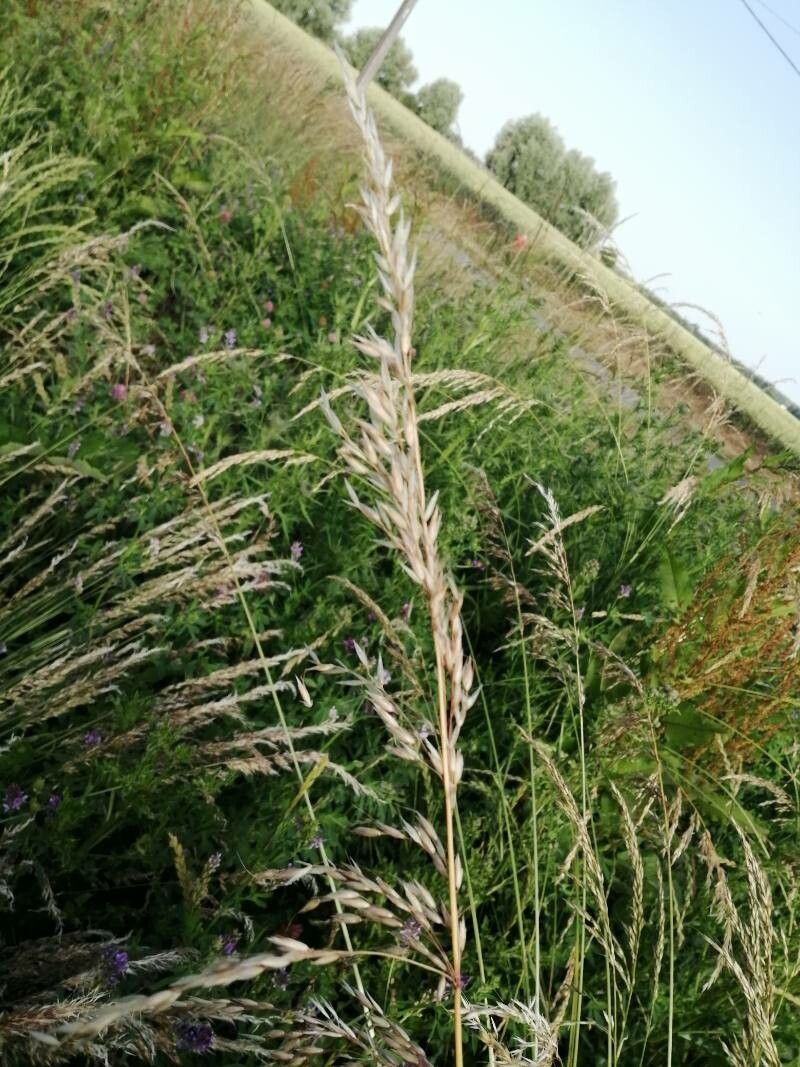
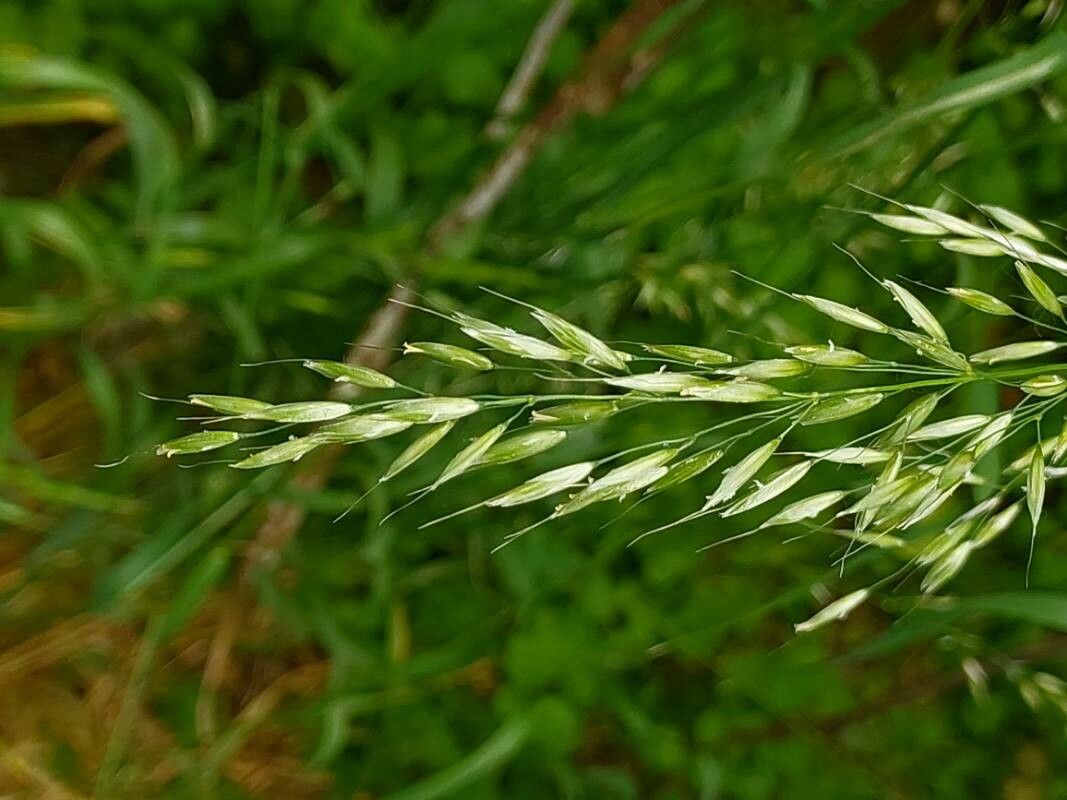
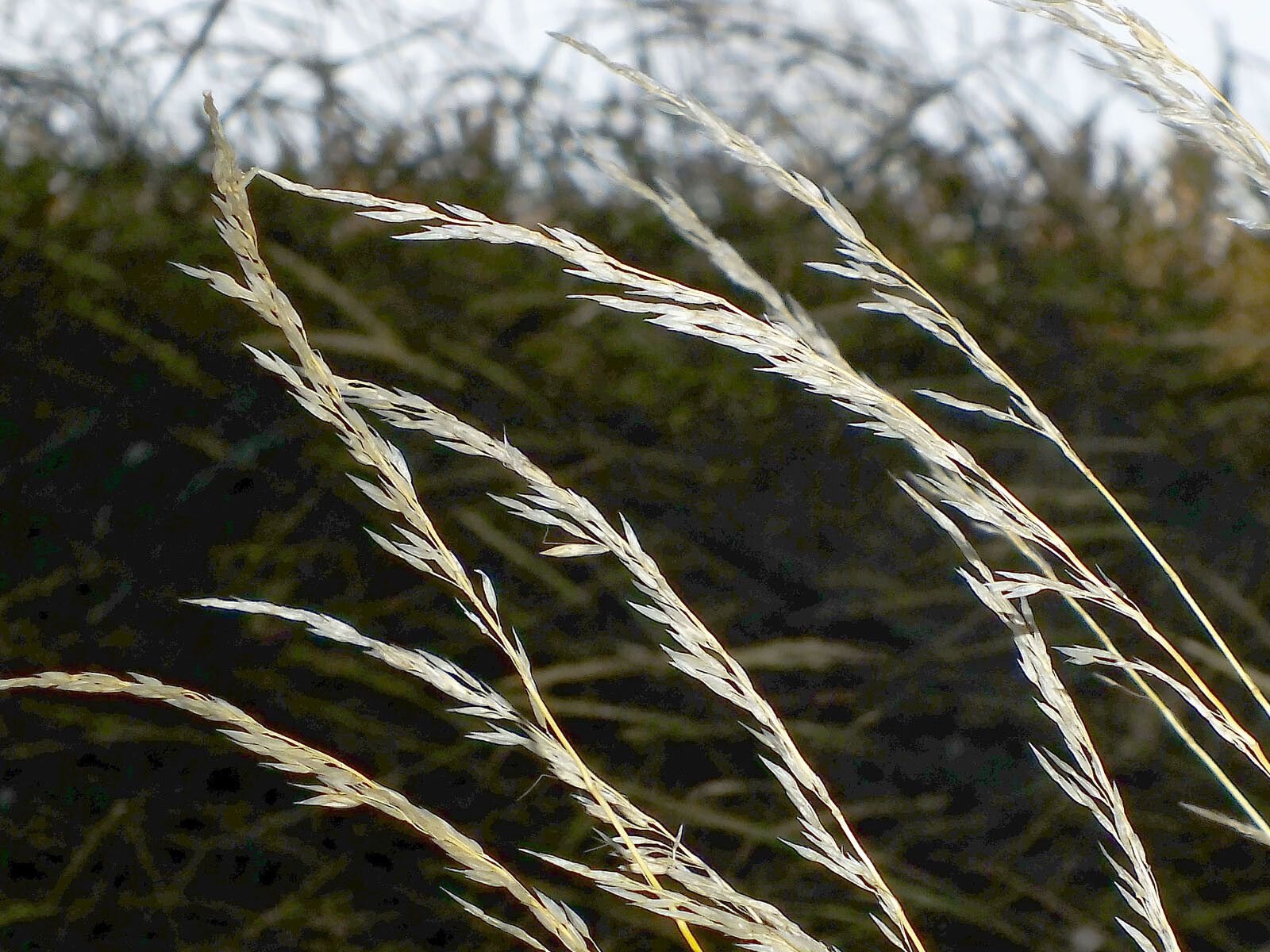
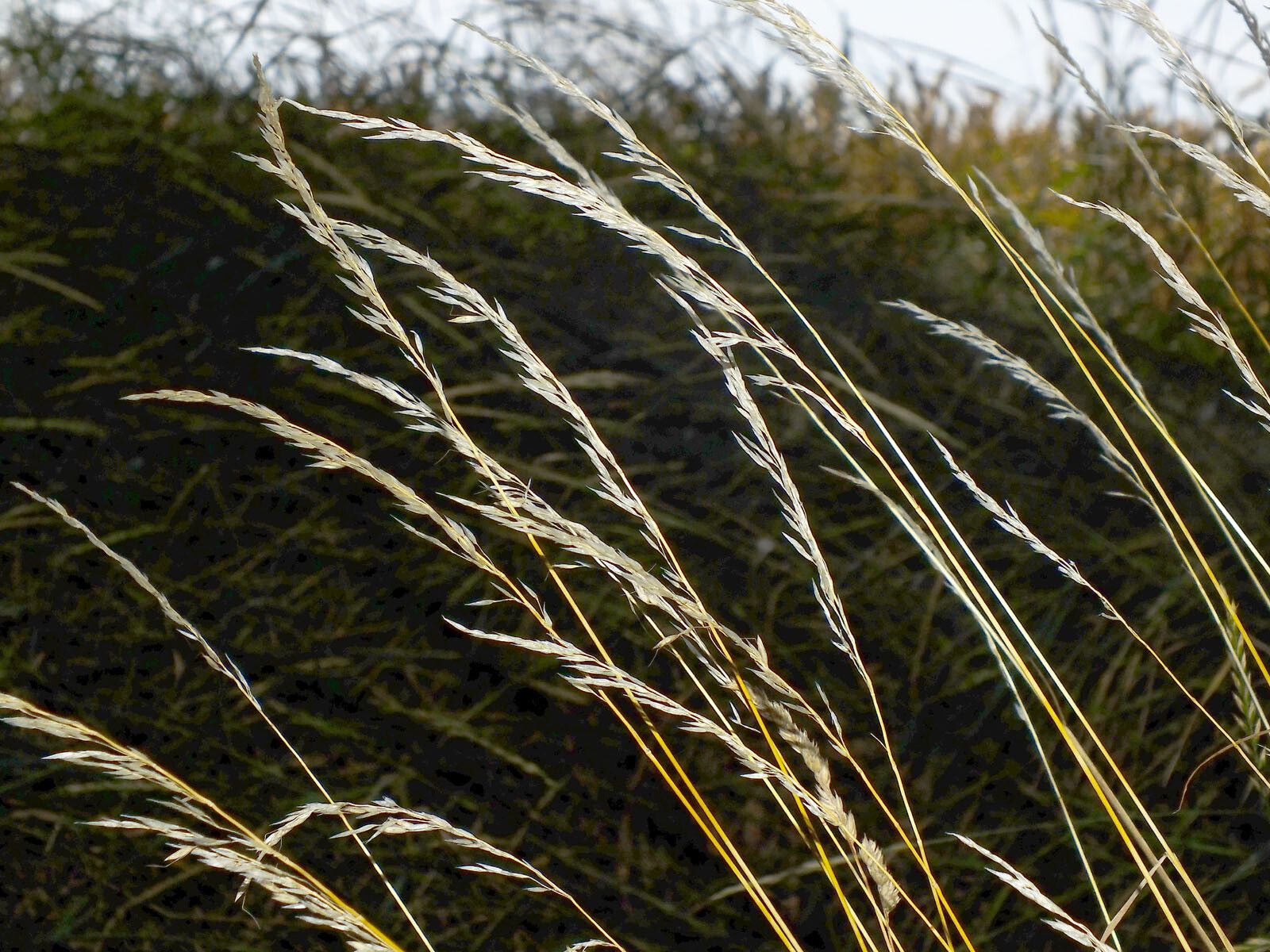
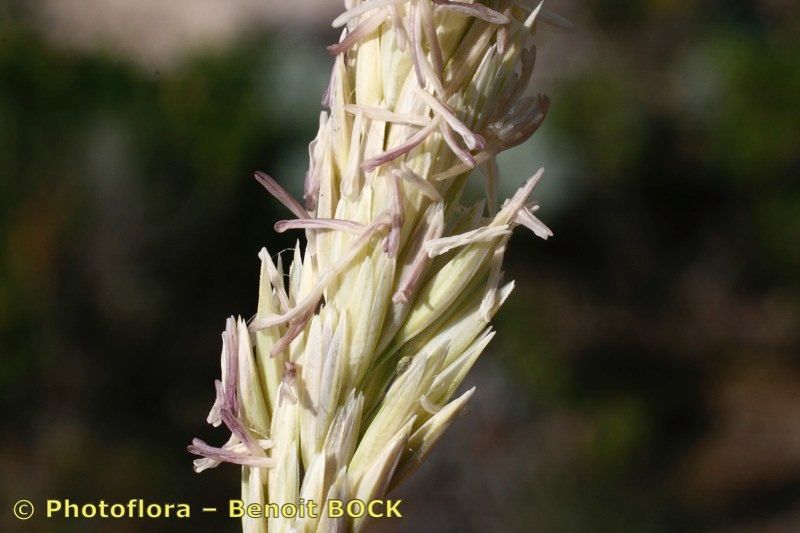
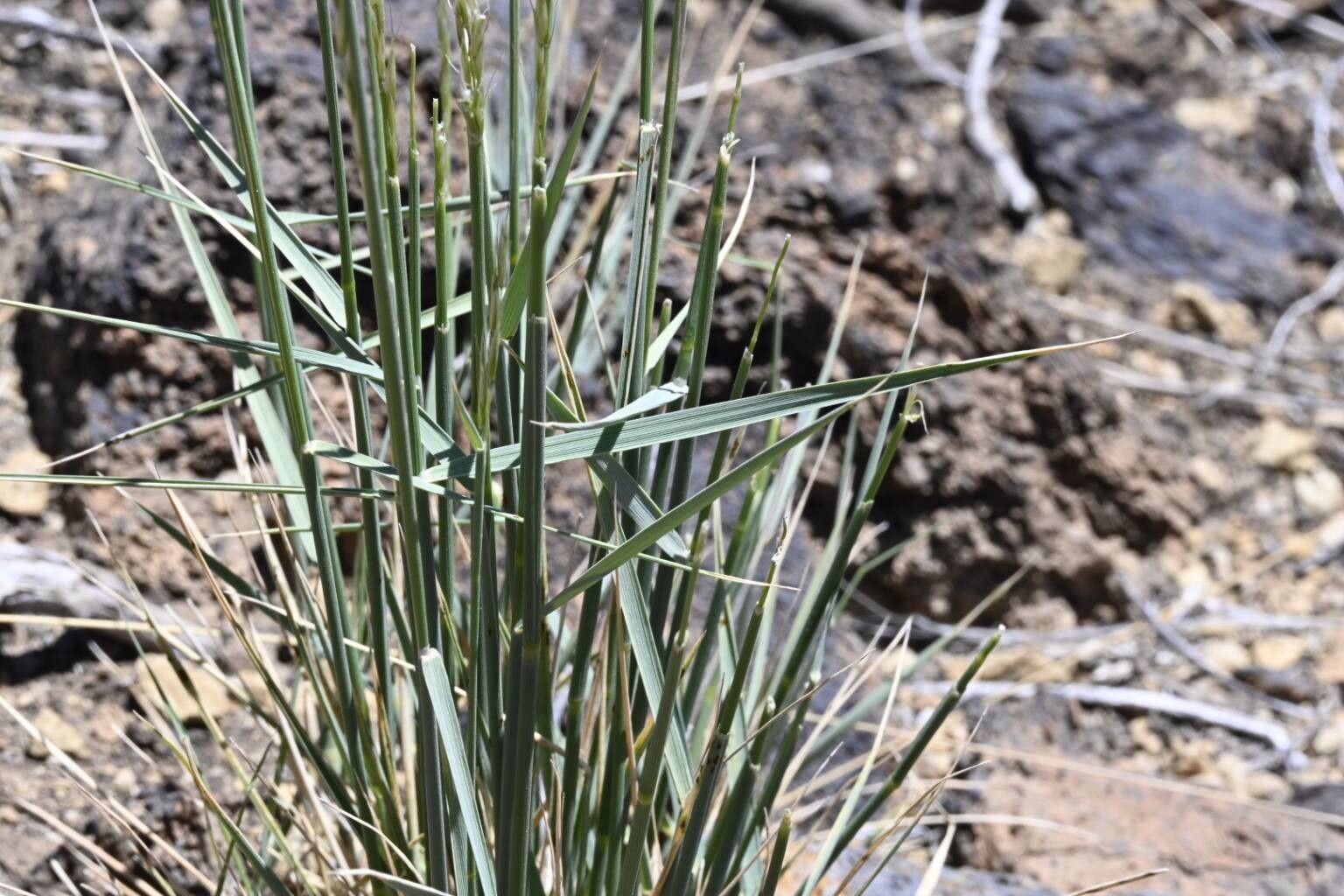
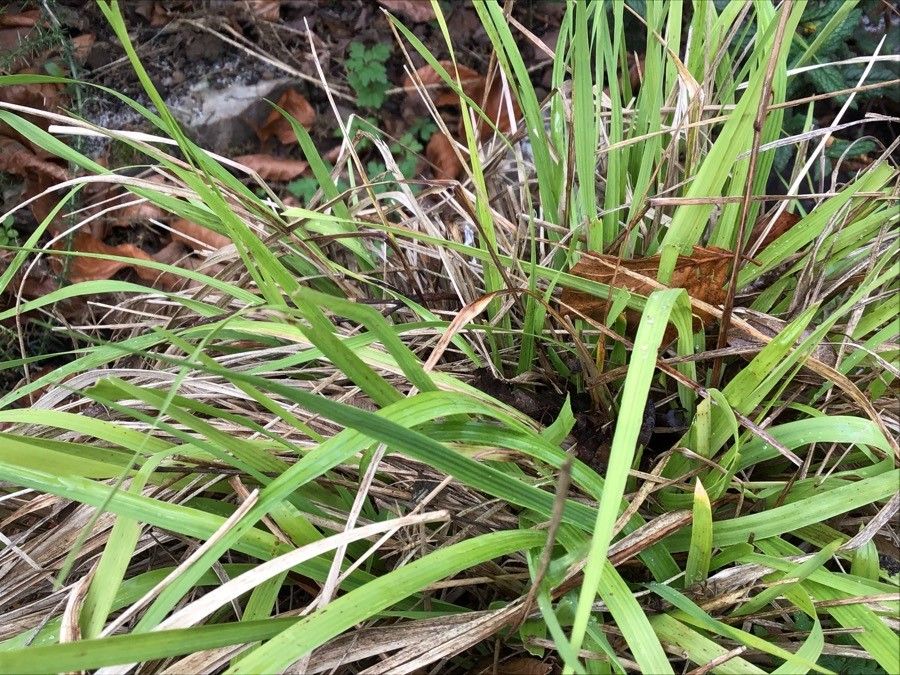
Arrhenatherum elatius, with the common names bulbous oat grass, false oat-grass, tall oat-grass, tall meadow oat, onion couch and tuber oat-grass, is a species of perennial grass, native to Europe, western Asia, and northern Africa.This bunchgrass is often used as an ornamental grass and is sometimes marketed as "cat grass". It is native to Europe but can be found elsewhere as an introduced species. It is found especially in prairies, at the side of roads and in uncultivated fields. The bulbous subspecies can be a weed of arable land. It is palatable grass for livestock and is used both as forage (pasture) and fodder (hay and silage).
False oat-grass shows strong disease resistance and is generally unlikely to develop problems. In terms of care, this plant is fairly low-maintenance. When kept outdoors it needs minimal watering, and larger specimens typically do not require pruning; however, smaller plants should be pruned after they bloom. False oat-grass is suitable for anyone with an outdoor area, like a garden or deck, and does not need extensive care experience.
How to keep Arrhenatherum Elatius.
Light
False oat-grass grows best when exposed to plenty of sunlight throughout the day. This light supports the plant's health and promotes its growth. It comes from environments that receive abundant sunlight. Too much or too little sunlight can harm it and cause growth problems.
Water
False oat-grass thrives in environments with consistent moisture levels. It requires moderate hydration, which can be achieved by watering it twice a week. Although it can tolerate short periods of dryness, rainwater during the growing season enhances its robust growth. When grown outdoors, the availability of water should mimic its native temperate habitat.
Temperature
False oat-grass is native to temperate regions and prefers a steady temperature range of 41 to 90 °F (5 to 32 ℃). Seasonal adjustments may be needed in colder areas, particularly during winter months.
Fertilizer
False oat-grass needs extra nutrients to encourage healthy new growth. In spring, placing compost around the plant’s base can effectively supply the required nourishment. Fertilizing supports vigorous growth and helps the plant resist diseases and pests.
Pruning
To promote new growth and maintain the shape of false oat-grass, it's important to prune it in early spring. This involves cutting back the old stems and removing any spent flower heads to minimize self-seeding. Pruning at this time enhances the plant's vigor and improves air circulation, which reduces the risk of disease. As a result, the plant remains healthier and more attractive.
Botanical profile.
- Plant Type
- Grass
- Life Cycle
- Perennial
- Genus
- Arrhenatherum
- Family
- Poaceae
- Hardiness Zone
- 5-8
- Mature Height
- 30 cm to 46 cm
- Mature Spread
- 30 cm to 61 cm
- Leaf Color
- Green
- Leaf Type
- Deciduous
- Flower Color
- Green, Yellow
- Flower Size
- 0.51 cm to 0.76 cm
- Bloom Time
- Late spring, Early summer, Mid summer
- Planting Time
- Spring, Summer, Autumn
- Harvest Time
- Mid summer
- Native Area
- Turkey, Sweden, India, Austria, Slovenia, Morocco, Croatia, Belarus, Russia, Iraq, Germany, Jordan, Iceland, Estonia, Romania, Latvia, Belgium, Moldova, Portugal, Netherlands, France, Tunisia, Cyprus, Bulgaria, Poland, Armenia, Greece, Ukraine, Serbia, Lebanon, Lithuania, Norway, Syria, Italy, Kazakhstan, Spain, Switzerland, Denmark, Finland, Israel, Iran, Albania, Ireland, United Kingdom, Hungary, Algeria, Azerbaijan, Turkmenistan
Other names.
Reader questions.
What should I do if I give my False oat-grass too much or too little water?
Proper watering is essential for this beautiful ornamental grass. In the ground, watering issues can be addressed. However, in a container, too much or too little water will quickly harm False oat-grass. When False oat-grass doesn't receive the correct amount of water, its growth may be stunted. Overwatering can cause yellow leaves with brown tips, while underwatering can lead to drooping leaves, weak seed head production, and browned leaves. If you suspect improper watering, determine if there is too much or too little water. If there is too much water, stop watering immediately. It may take weeks for heavy soils to dry, so patience is necessary. Once new growth appears, test the soil's moisture level to decide if more water is needed. On the other hand, if there is too little water, simply give the grass a deep drink and see if it improves. Remember that a long, deep watering is better than shallow, frequent waterings. Deep watering encourages deep root growth, making the grass more resistant to drought and water-related problems.
Why should I fertilize my False oat-grass plant?
Fertilizing False oat-grass is important for a few reasons. Firstly, it provides your plant with the necessary nutrients to promote healthy new growth. Additionally, these extra nutrients also help maintain the health of the existing growth, and can aid in protecting your plant against diseases and pests.
What are the sunlight requirements for False oat-grass?
False oat-grass (Arrhenatherum elatius) thrives best when exposed to full sun, which is defined as receiving more than 6 hours of sunlight per day. It's essential to monitor your garden's sun and shade patterns to ensure your plants get the proper balance for optimal growth. This grass originates from habitats that offer abundant sunlight, so both excessive or restricted sunlight can lead to growth issues. When natural light isn't enough, especially indoors or during winter, artificial lighting can be a significant aid. Adequate artificial lighting promotes faster and healthier growth, with recommendations varying based on plant type: 30-50W/sq ft for full sun plants, 20-30W/sq ft for partial sun, and 10-20W/sq ft for full shade plants.
What is the native climate for False oat-grass?
False oat-grass, or Arrhenatherum elatius, is native to temperate climates and prefers a consistent temperature range of 41 to 90 °F (5 to 32 °C). It thrives best when the temperature remains within these limits, adjusting to the seasonal changes, especially in colder climates where winter care might be necessary.
How often should I water my False oat-grass plant?
The watering needs of False oat-grass will vary depending on its planting location. In general, watering once a week is recommended. However, in hot climates, watering once or twice a week during the summer may be necessary. In moderate climates, watering once every seven days or even less may be sufficient. Grass in containers usually requires more frequent watering than grass planted in the ground. Additionally, the amount of sunlight the grass receives - whether full sun or part shade - will also affect its watering needs. Shaded grasses require less frequent watering compared to grasses grown in the ground. It is important to only water False oat-grass when the soil is dry. To determine if the soil is dry, you can press your finger a couple of inches into the soil or weigh the pot to check if it is light. Wilting blades and folded centers are signs of insufficient water. Although False oat-grass is drought-tolerant, regular and deep waterings will result in vibrant color. Despite its ability to withstand harsh conditions, consistent watering is recommended for optimal growth. When first planted, False oat-grass requires more frequent watering until it develops deep roots. Potted False oat-grass in direct sunlight may dry out quickly, so the soil should be tested every 3 to 4 days and watered only when it feels dry. Watering needs for ground-planted False oat-grass depend on the type of soil; heavy clay may retain moisture below the surface even when it appears dry, while sandy soil that drains quickly may require more frequent watering.
When should I fertilize my False oat-grass for the best results?
To ensure the survival of False oat-grass in your garden, it is important to know when to fertilize. This plant does not require a lot of nutrients, especially when it is dying back. Instead of using diluted fertilizer at the beginning of the growing season, it is advisable to apply mulch or compost around the base of the plant.
What are the symptoms of light deficiency in False oat-grass?
When False oat-grass experiences insufficient light, several symptoms may appear, indicating the plant's struggle. These include smaller new leaves, leggy or sparse growth, faster leaf drop, halted or no new growth, pale new leaves indicating a lack of chlorophyll, and eventually, chlorosis, where leaves lose their green hue and turn yellow. Excessive sunlight can also harm, leading to sunscald, leaf curling as a defense against too much light, wilting from water loss, and leaf scorching. The appearance of sunscald shows in pale, bleached, or necrotic spots on the plant, indicating damage from intense exposure.
Does False oat-grass require special frost protection in winter?
False oat-grass has a strong resistance to cold temperatures and typically does not require special frost protection during winter. However, if temperatures are expected to drop below -25°C, it is important to provide cold protection by covering the plant with materials such as soil or straw. Additionally, watering the plant abundantly before the first freeze in autumn helps the soil stay moist and prevents drought and water scarcity for the plant during winter and early spring.
What do I need to watch out for when watering my False oat-grass in different seasons, climates, or during different stages of growth?
It is often easy to determine if you are watering your grass enough by observing its growth rate. False oat-grass, for example, tends to double in size within a year during the hottest months. If the weather is hot but the grass is not growing rapidly, you may need to adjust your watering schedule. During winter, you may be able to water just once a month, but it is still important to feel the soil to check for moisture. In the warmest months, when the grass is in a growth cycle, it will require more water than usual. However, during winter and cooler months, the need for water will significantly decrease. The most crucial thing to remember when dealing with False oat-grass is that the soil should always be allowed to completely dry out before adding water.
When should I not put fertilizer on my False oat-grass?
If you're not using packaged fertilizers, there's no need to concern yourself with when to stop feeding False oat-grass. Simply adding compost or mulch in the spring will sufficiently nourish the grass for the whole year. During the dormant winter season, you don't need to worry about mulching or composting.
How can I address light-related issues with my False oat-grass?
To manage light-related issues with False oat-grass, a gradual increase in sunlight exposure is key. For indoor plants needing more light, start by moving them closer to a south-facing window or supplementing with artificial light for at least 8 hours daily. For outdoor plants, relocate them gradually to sunnier spots to prevent shock. Pruning surrounding vegetation can enhance sunlight reach. If a plant is too large or impractical to move, consider grow lights as a solution for indoor settings. Note, however, that parts of the plant already affected by insufficient light may not recover, but with improved lighting conditions, new growth should be healthy. For ground-planted grass, reducing shade by pruning and possibly relocating the plant during its dormant period can ensure better light exposure.
How does low temperature affect False oat-grass?
False oat-grass is cold-tolerant and best maintained at temperatures above 5°C. In winter, it's crucial to keep it above -20°C. When temperatures fall below -25°C, the grass may not show immediate changes, but a decrease in sprouting or even a complete lack of sprouting can occur in spring. To manage this, any parts of the plant that have failed to sprout by spring should be removed.