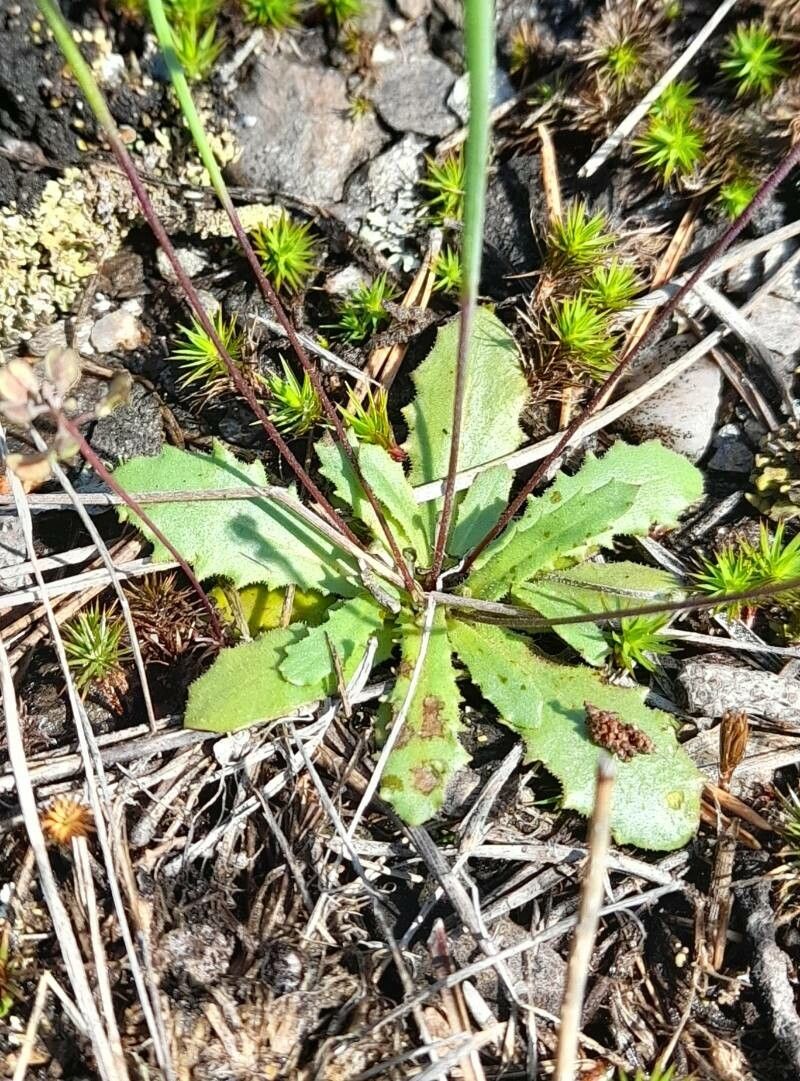
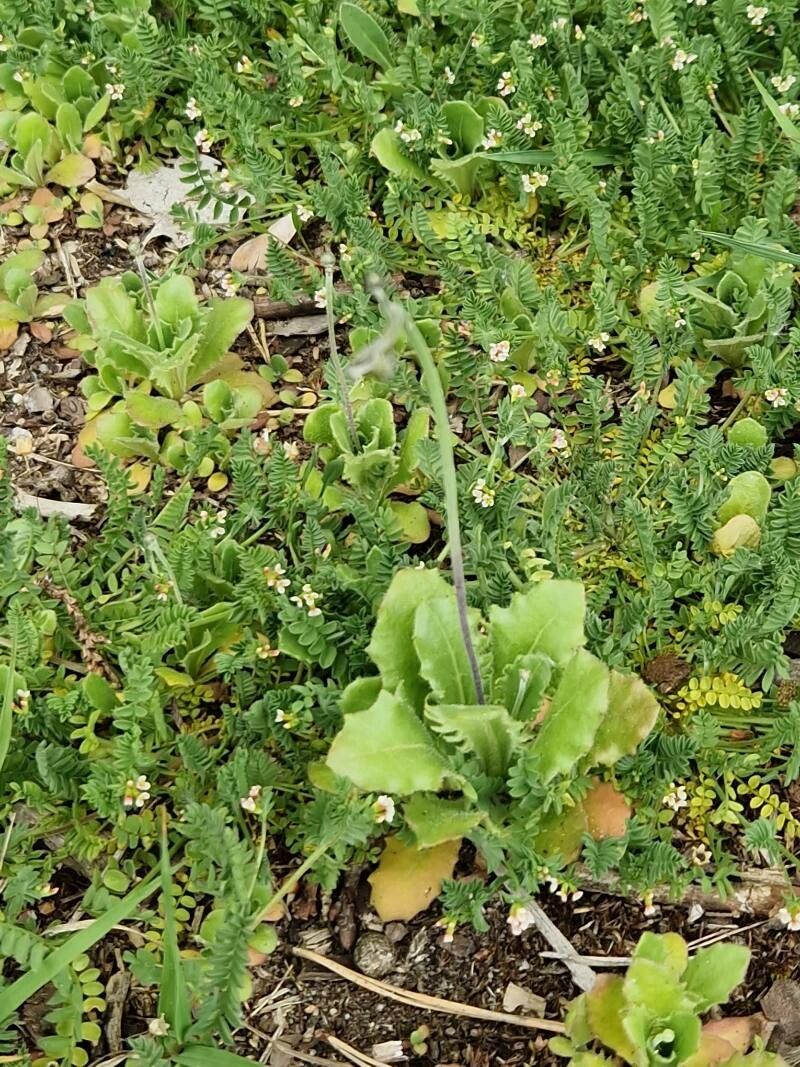
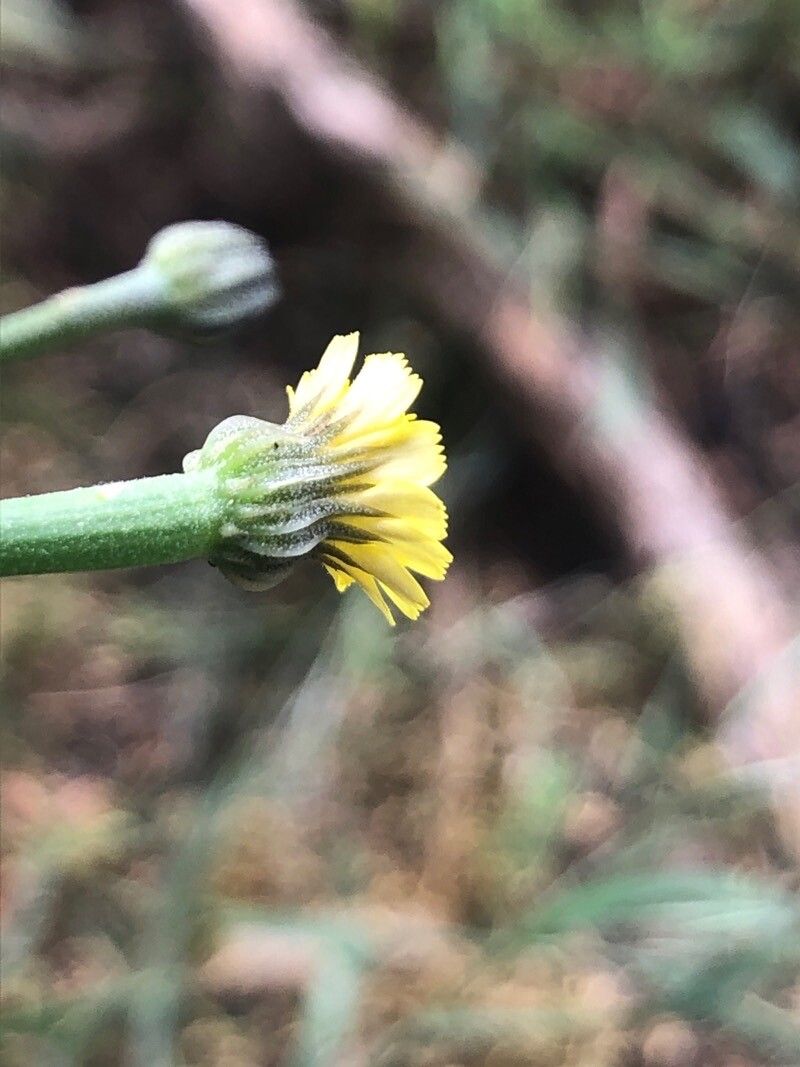
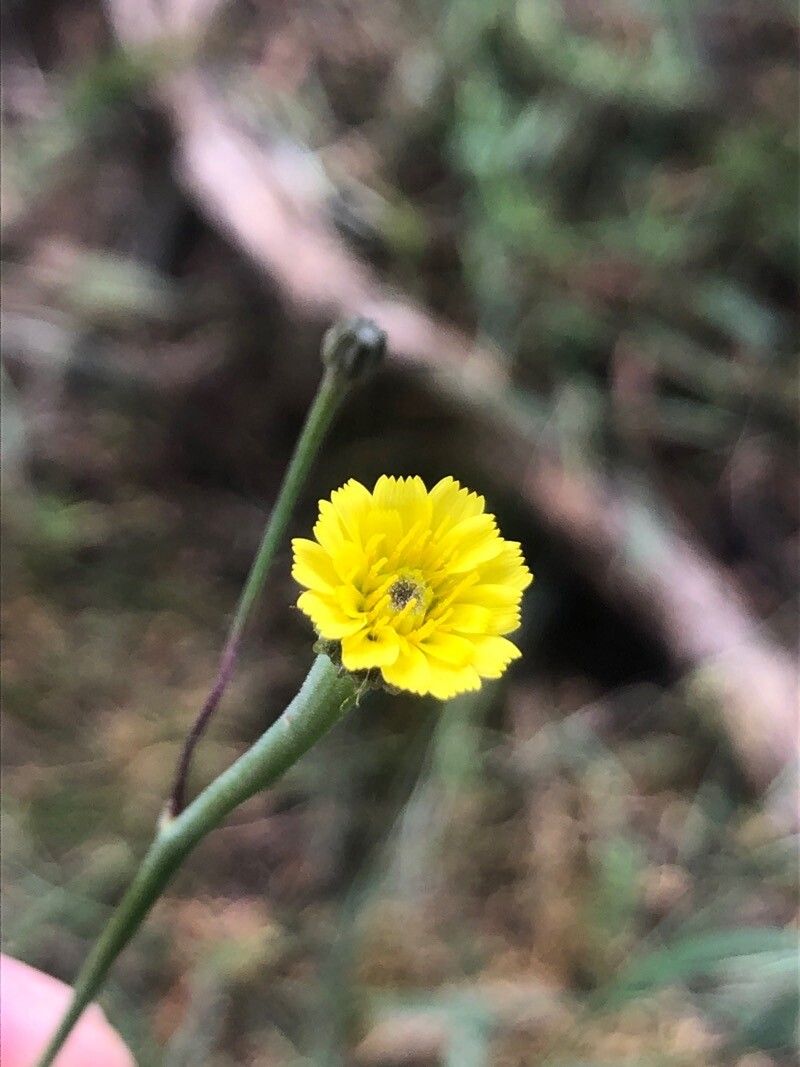
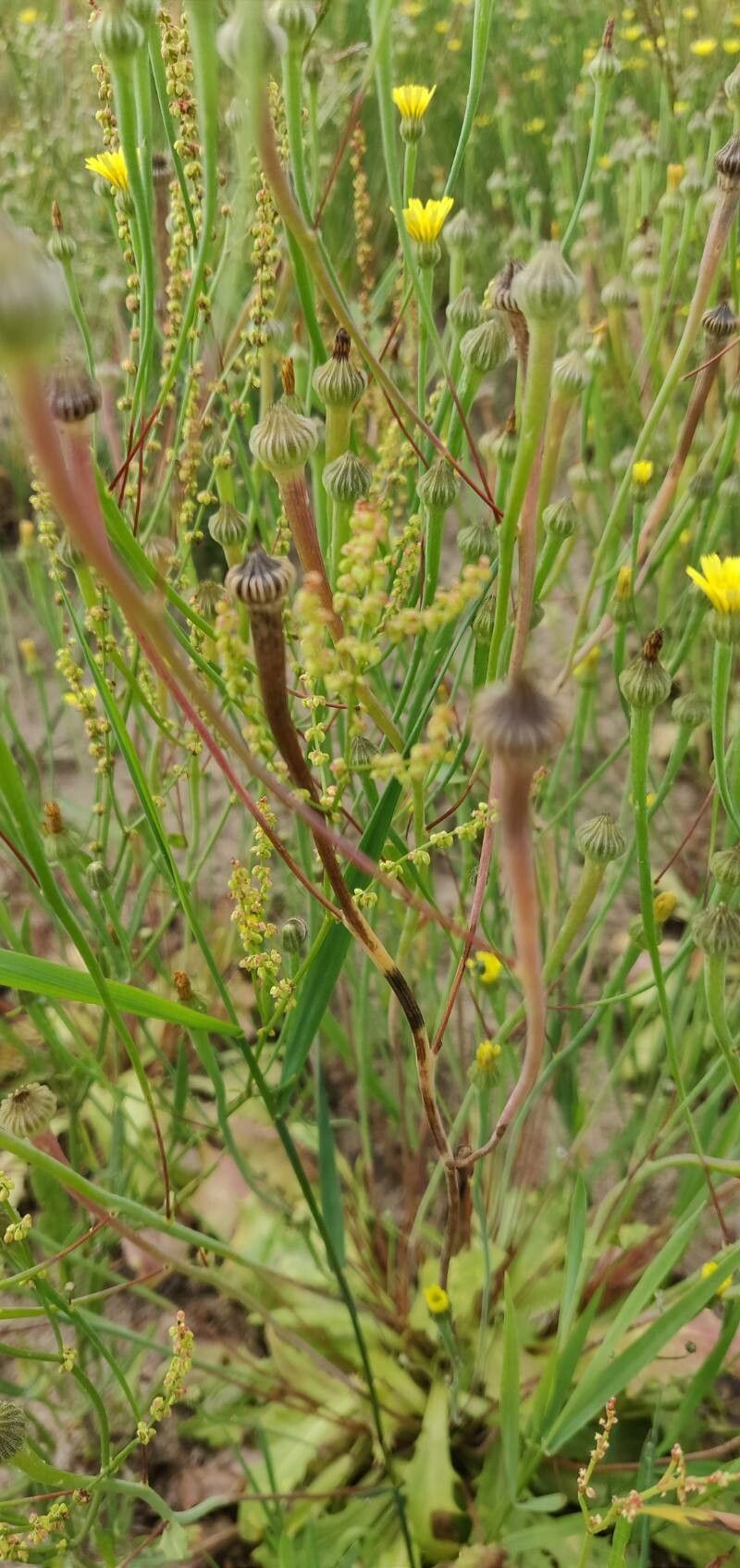
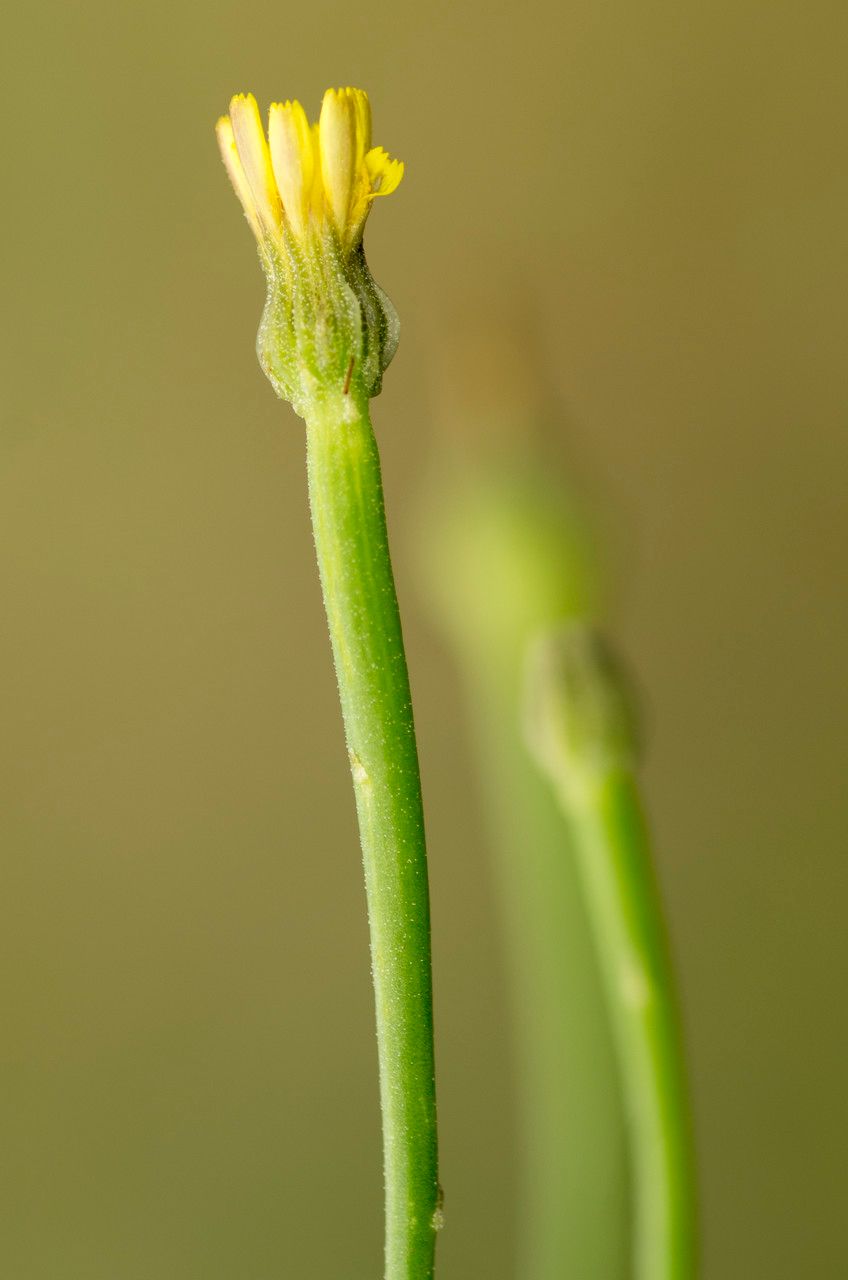
Arnoseris minima, commonly known as dwarf arnoseris or lamb succory, is a small herbaceous plant in the Asteraceae family. Native to Europe and Asia, it thrives in various habitats, including meadows, pastures, and rocky areas.
The plant features a rosette of deeply lobed basal leaves with toothed edges. Its stem can grow up to 20 cm tall and is topped with small yellow flowers that bloom from June to September. These flowers are arranged in clusters, adding a splash of color to the landscape.
Historically, Arnoseris minima has been valued for its anti-inflammatory properties and was used medicinally for centuries. Ancient Greeks also consumed it as a food source, believing in its healing powers.
Arnoseris minima is easy to cultivate. It can be propagated from seeds or by dividing established plants. This plant prefers well-drained soil and full sunlight. While it can be grown in rock gardens or containers, regular watering is essential during dry periods.
In summary, Arnoseris minima is a charming perennial that enhances the beauty and diversity of any garden. Additionally, it offers medicinal benefits, making it a valuable addition for those interested in herbal remedies.
Lamb's succory is fairly disease-resistant and typically not vulnerable to illnesses. However, it can be affected by pests and diseases present in its surroundings. These infections are usually mild. Regarding care, this plant needs a moderate level of maintenance. It should be pruned regularly to keep a good appearance and to encourage healthy growth. Fertilizing can also help stimulate flowering. Lamb's succory is suitable for anyone with outdoor space, such as a garden or patio, and does not demand extensive care experience. It may need more attention if grown indoors.
How to keep Arnoseris Minima.
Light
Lamb's succory comes from bright, open habitats and flourishes in full sun. It can tolerate partial sun but favors direct sunlight for optimal growth. This plant, which may be annual or biennial, is known for its sun-loving nature.
Water
Lamb's succory grows best in well-drained soil with moderate moisture. To mimic its natural habitat, it's important to water it weekly. While it is an herbaceous plant, lamb's succory needs more frequent watering during its active growth phases, particularly in outdoor gardens, to support healthy development.
Temperature
Lamb's succory is well adapted to temperatures between 68 and 95 °F (20 and 35 ℃). It prefers the warmer portion of that range and performs best toward the higher end. Because it tolerates this span well, frequent seasonal adjustments are generally unnecessary.
Fertilizer
Lamb's succory benefits from regular, dilute applications of fertilizer to encourage healthy leaf growth. You should feed Lamb's succory roughly once a month during the summer months. Nitrogen is essential for foliage, and providing nitrogen-rich fertilizers helps Lamb's succory flourish.
Pruning
Lamb's succory is an annual herb known for its small yellow flowers and basal leaves. To improve its foliage and overall health, prune the plant from early to late spring. Regularly remove spent flowers and damaged parts to promote blooming and prevent disease. This practice also helps to maintain an attractive shape.
Botanical profile.
- Plant Type
- Herb
- Life Cycle
- Annual
- Genus
- Arnoseris
- Family
- Compositae
- Hardiness Zone
- 8-10
- Mature Height
- 30 cm
- Mature Spread
- 5 cm to 15 cm
- Leaf Color
- Light Green
- Leaf Type
- Deciduous
- Flower Color
- Yellow
- Flower Size
- 10.16 cm
- Bloom Time
- Summer
- Planting Time
- Spring, Summer, Autumn
- Harvest Time
- Late summer, Early fall, Mid fall
- Native Area
- Sweden, Austria, Czech Republic, Slovakia, Poland, Croatia, Slovenia, Morocco, Belarus, Ukraine, Germany, Portugal, Italy, Spain, Switzerland, Denmark, France, United Kingdom, Belgium, Moldova, Netherlands
Other names.
Reader questions.
How should I water my Lamb's lettuce?
To water Lamb's succory, you have several options. You can use a garden hose with a spray nozzle, a watering can, or any other common watering tool. When it comes to the type of water, Lamb's succory is not too picky. It can survive with rainwater, tap water, or filtered water. However, it is generally advised not to water this plant from overhead as it can harm the leaves, flowers, and potentially lead to disease. Setting up a drip irrigation system is often the best way to water Lamb's succory. These systems distribute water evenly and directly to the soil. If you are growing Lamb's succory in a container, you can use a similar watering approach but with different tools. Instead, use a cup, watering can, or tap to apply water directly to the soil.
What are the sunlight requirements for Lamb's succory?
Lamb's succory thrives in environments with full sun, requiring above 6 hours of sunlight daily. It can also tolerate partial sun, about 3-6 hours of sunlight, but prefers full sun for optimal growth. This plant originates from bright, open environments, making it well-suited for locations with plenty of direct sunlight. When selecting a spot for your Lamb's succory, it's essential to watch how sunlight moves through your garden to ensure you provide the perfect balance of light and shade, ensuring the plant's happiness.
What is the ideal temperature range for Lamb's succory?
Lamb's succory thrives in environments with temperatures ranging from 68 to 95 °F (20 to 35 °C). It prefers warmer temperatures and adapts well within this specified range. Though Lamb's succory can tolerate colder conditions, it generally does not require special care when temperatures are above 0°C. However, if temperatures are expected to drop below freezing, protective measures such as wrapping the plant with materials like plastic film or fabric should be implemented. These protections should be removed once temperatures rise again.
What should I do if I give my Lamb's succory too much or too little water?
Underwatering Lamb's succory is easily resolved by watering it more regularly when you notice it lacks moisture. Overwatering, on the other hand, can be much more problematic if not recognized early. It can lead to diseases and the plant's decline and death. To prevent this, it's important to choose a suitable location for the plant that receives enough sunlight to dry the soil and has good drainage to avoid waterlogged soil. If you overwater a potted Lamb's succory, it may be necessary to change it to a new pot with better drainage. Ensure that the new pot has loose soil and efficient drainage as you repot the overwatered plant.
How can artificial lighting support Lamb's succory growth indoors?
When natural sunlight is insufficient, especially in winter or less sunny spaces, indoor plants like Lamb's succory require adequate artificial lighting for optimal growth. LED lights are a popular choice because they can provide specific wavelengths of light needed by the plants. Full sun plants need 30-50W per square foot, partial sun plants need 20-30W per square foot, and full shade plants require 10-20W per square foot of artificial light. The light source should be placed 12-36 inches above the plant to mimic natural sunlight, and most plants need 8-12 hours of light per day.
How does Lamb's succory respond to low temperatures?
Lamb's succory has a moderate tolerance to low temperatures but thrives best above 20°C. To prevent damage during winter, it is advisable to keep the plant above 0°C. If temperatures fall below -10°C, you may observe drooping leaves, which can recover in mild cases. However, in severe conditions, leaves will wilt and fall off. To protect against frost damage, trim off the frost-damaged parts, wrap the plant with non-woven fabric or cloth, and construct a wind barrier for additional protection against the cold wind.
How often should I water my Lamb's succory plant?
Lamb's succory requires regular watering throughout the growing season. In the spring, watering it once a week is sufficient. As the season progresses and temperatures rise, you may need to increase watering to two or three times a week. However, be careful not to exceed this rate as it can harm the plant. Regardless of watering frequency, make sure the soil is consistently moist but not soaked. When it comes to potted Lamb's succory, you'll need to water it more frequently compared to plants in the ground. Generally, watering a container-grown Lamb's succory a few times per week is necessary, while an in-ground plant only needs watering once per week, in most cases.
What are some common symptoms of light deficiency in Lamb's succory?
Common symptoms of light deficiency in Lamb's succory when grown indoors include smaller new leaves, leggy or sparse growth, faster leaf drop, slower or no new growth, and lighter-colored new leaves or chlorosis, which is a condition where leaves lose their green color and turn yellow. Other symptoms due to excessive sunlight include sunscald, leaf curling, wilting, and leaf scorching. These symptoms indicate a lack of or too much exposure to sunlight, affecting the plant's ability to photosynthesize and maintain health.
What should be done if Lamb's succory experiences high temperatures?
During the summer, it's crucial to ensure Lamb's succory does not exceed temperatures of 35°C. Exposure to temperatures above 41°C can result in lighter leaf colors, dry and withered leaf tips, curling leaves, and an increased risk of sunburn. To mitigate damage, trim away sunburned and dried parts of the plant. Relocating the plant to a shaded area or using a shade cloth to protect it from the midday and afternoon sun is beneficial. Additionally, watering the plant in the morning and evening helps keep the soil moist and supports plant health under high temperature stress.
How much water does my Lamb's succory plant need?
There are different ways to determine how much water to give to your Lamb's succory. Some gardeners prefer to check the soil moisture by feeling it, suggesting to water until the top six inches of soil feel moist. Another option is to use a set measurement, such as giving your Lamb's succory about two gallons of water per week, adjusting for temperature and soil dryness. However, strict guidelines can lead to overwatering if your plant needs less water. When growing Lamb's succory in a container, a different method is necessary. In this case, water enough to moisten all the dry layers of soil. You can check for moisture by sticking your finger in the soil or by noticing a slight trickle of water from the pot's drainage holes.
What solutions are available for Lamb's succory suffering from inadequate sunlight?
To ensure Lamb's succory receives adequate sunlight, gradually move it to a sunnier location, aiming for at least 6 hours of direct sunlight daily. For indoor plants that are large or not easily movable, consider using artificial light, keeping a lamp on for at least 8 hours daily, or invest in professional plant grow lights. When moving plants outdoors, do so gradually to avoid sunburn. If dealing with ground plants, reduce obstructions by pruning trees or transplanting to a location with ample sunlight and good drainage. Though parts of the plant that suffered from insufficient sunlight may not recover, increasing light exposure will ensure new growth is healthy.
What is the botanical name of Lamb's succory?
The botanical name of Lamb's succory is Arnoseris minima.