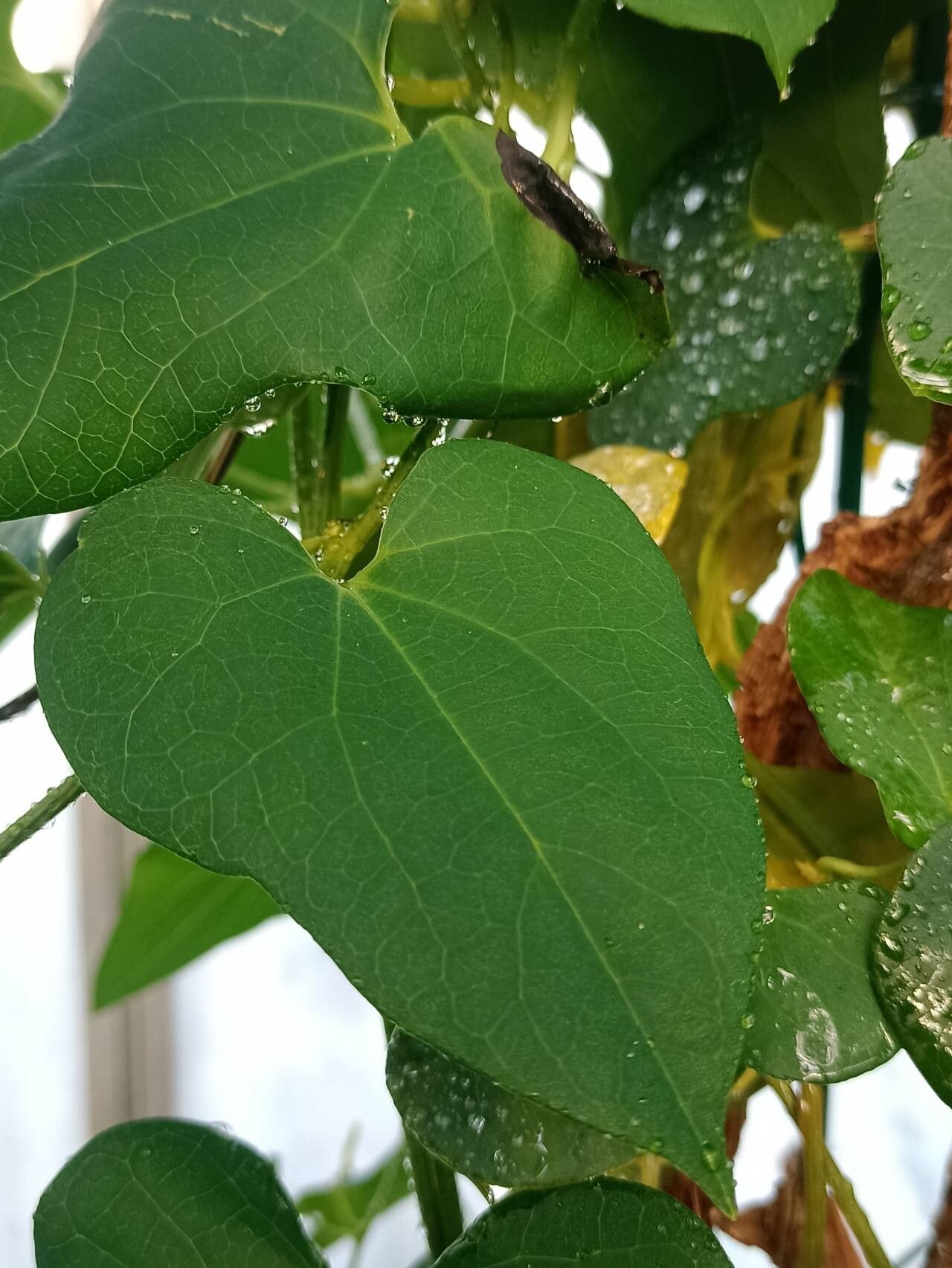
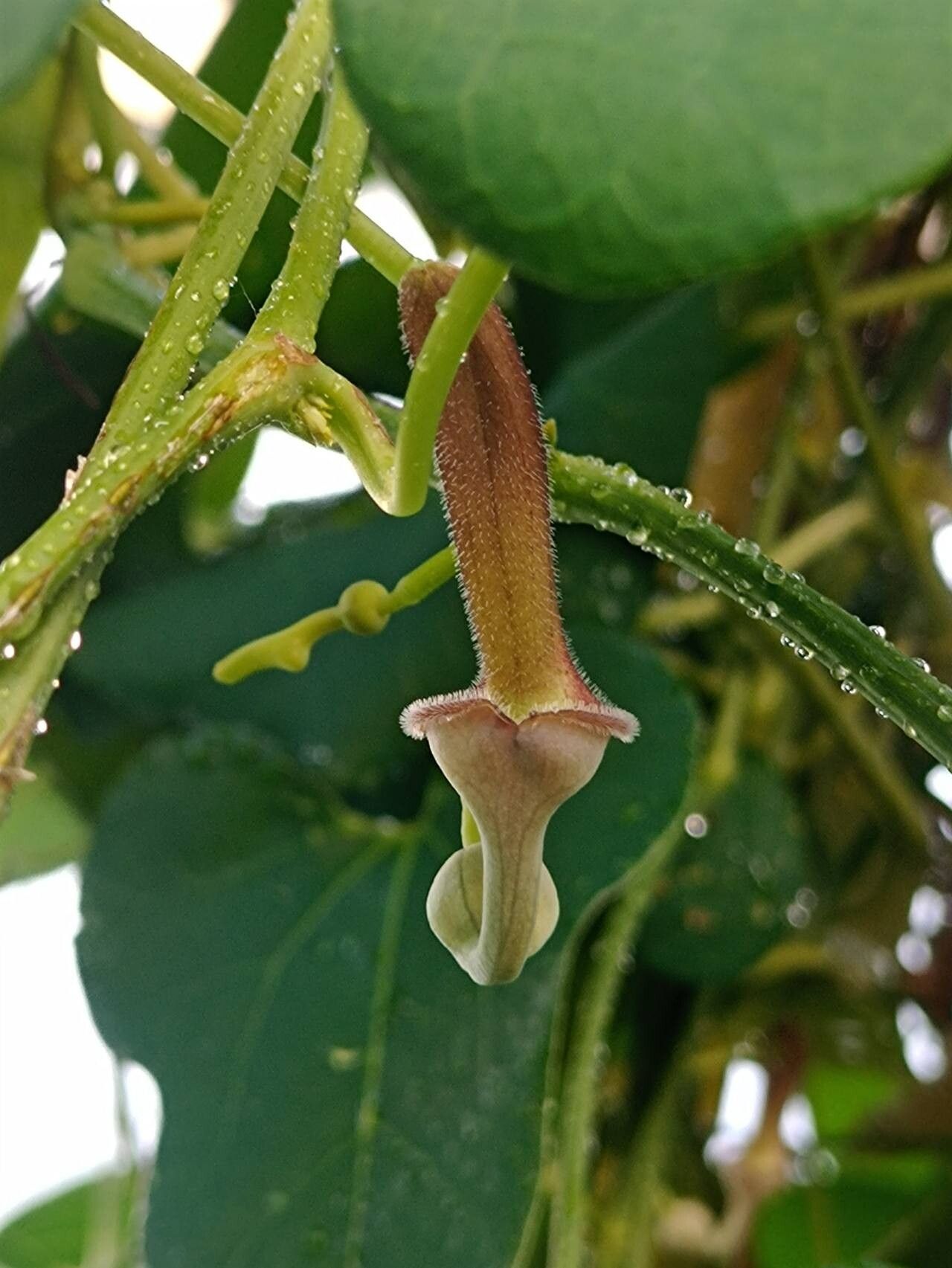
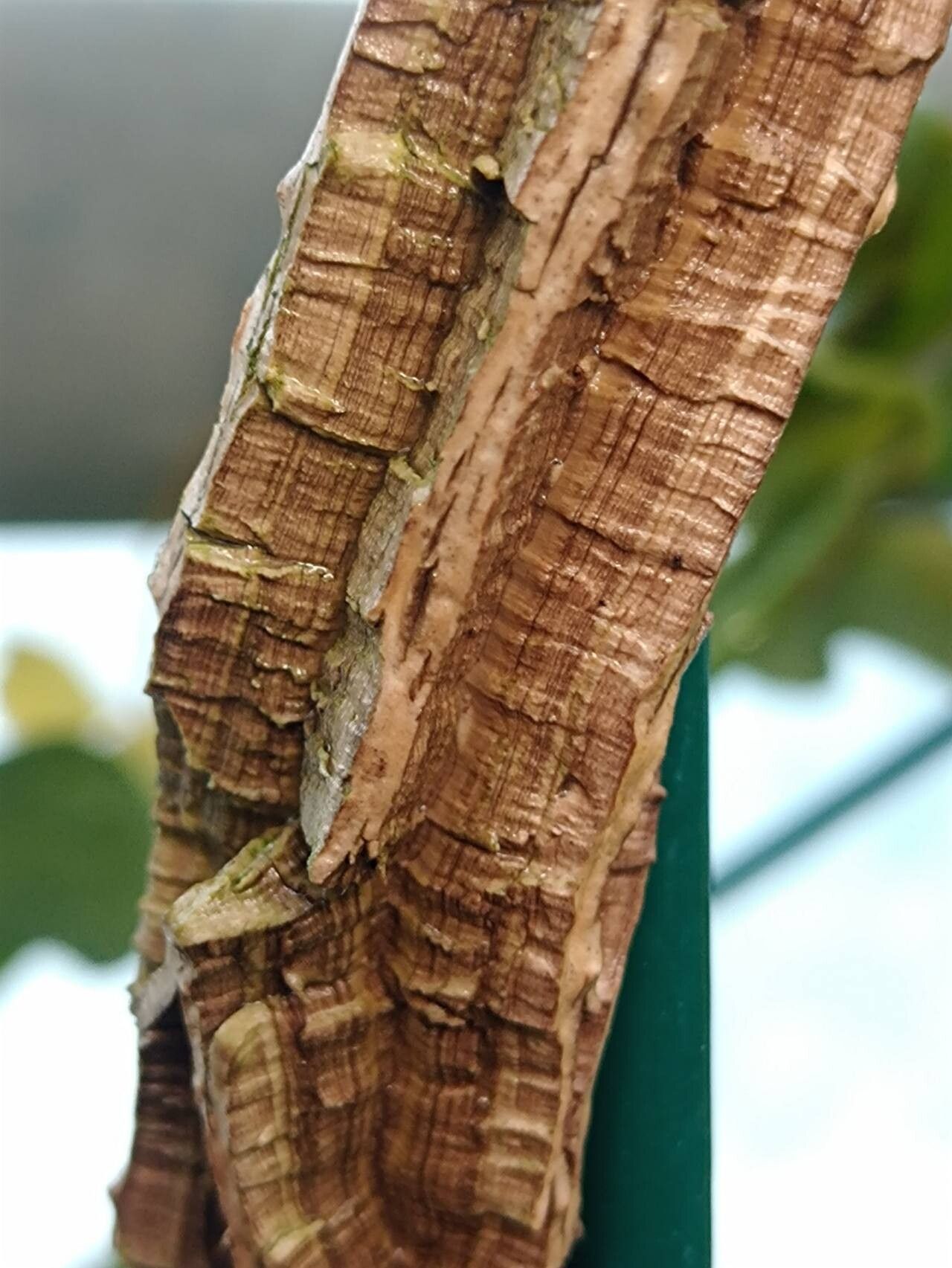
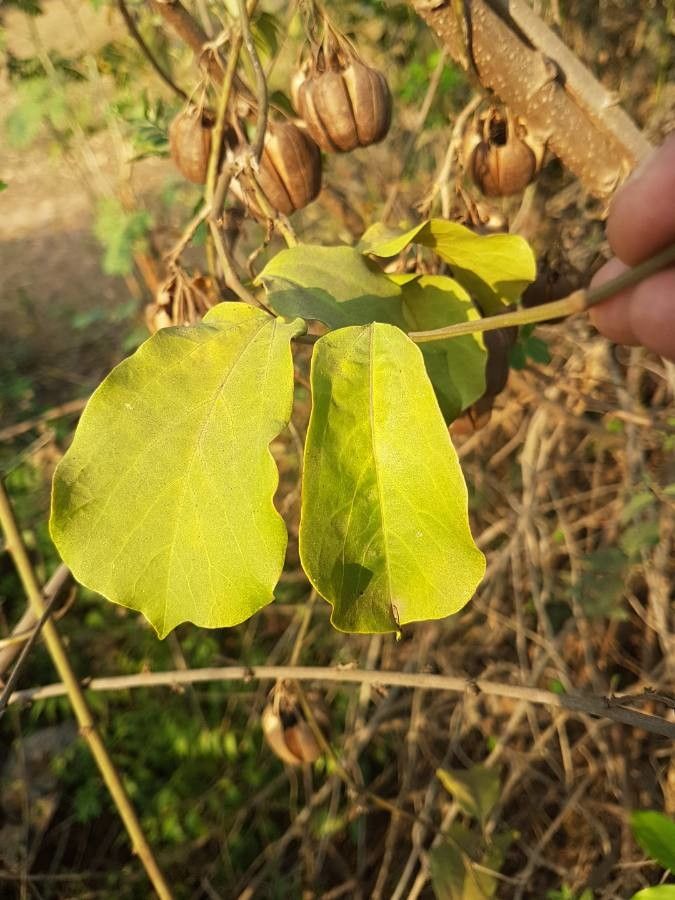
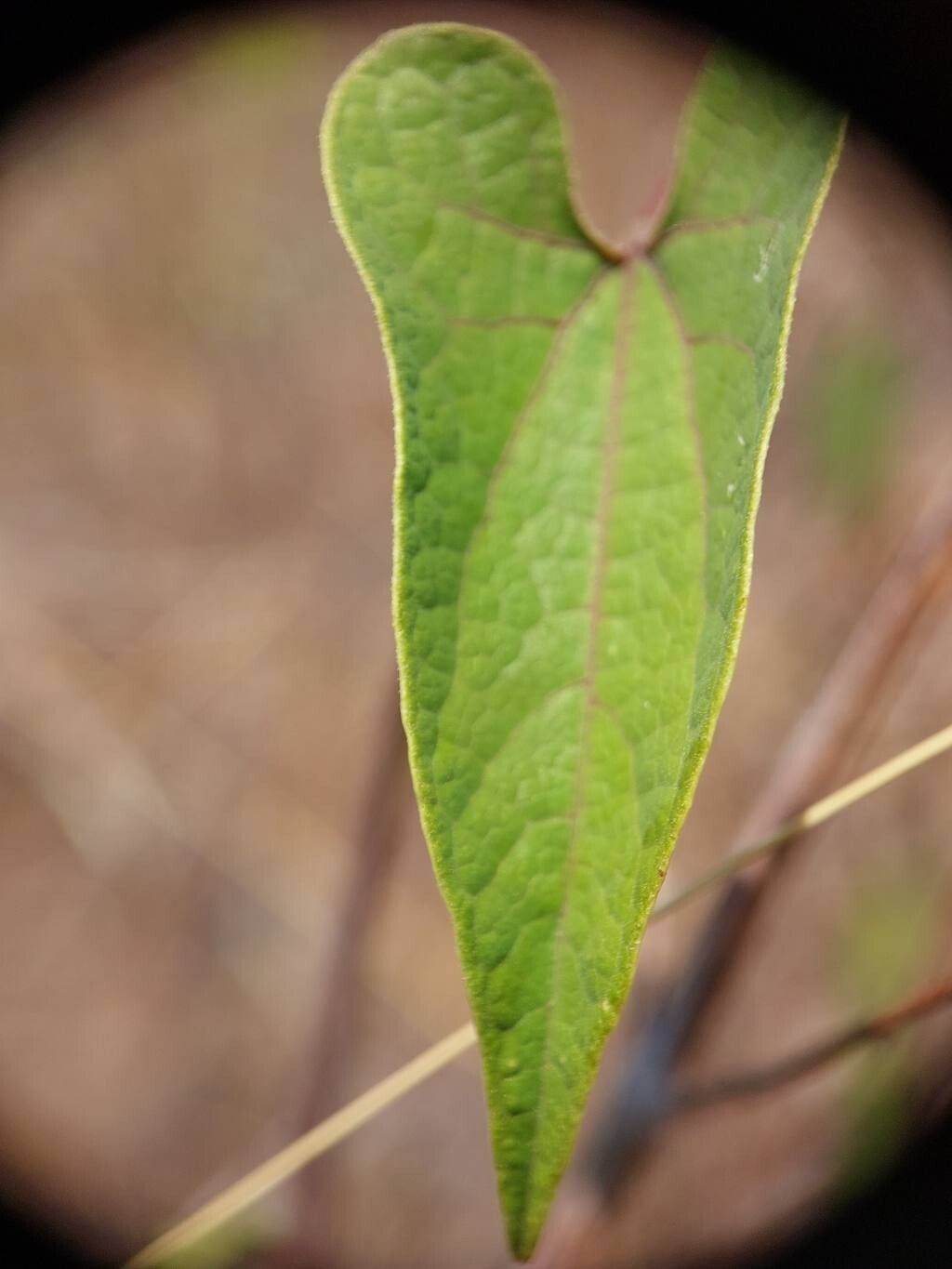
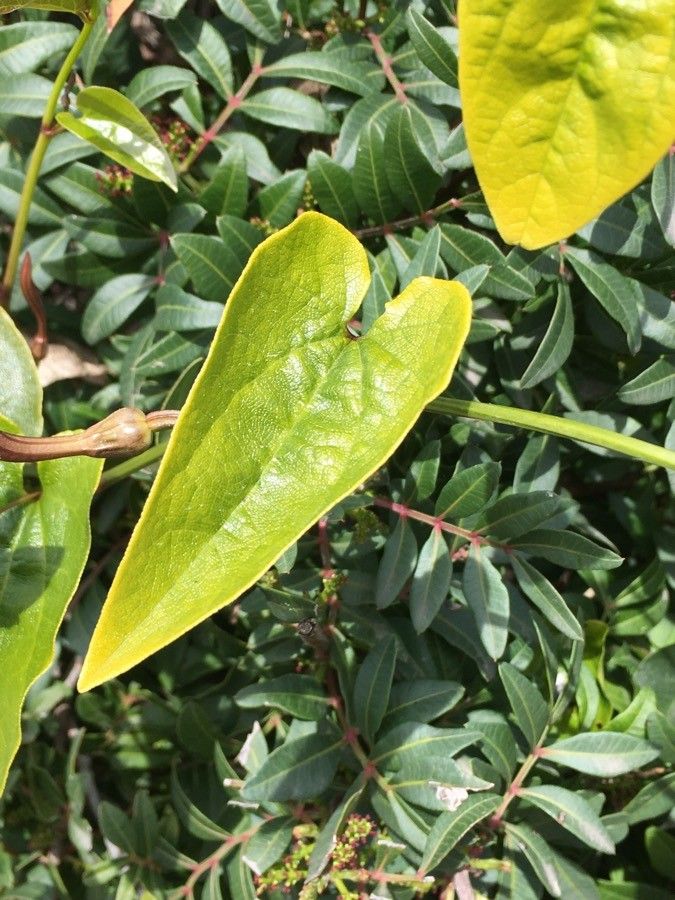
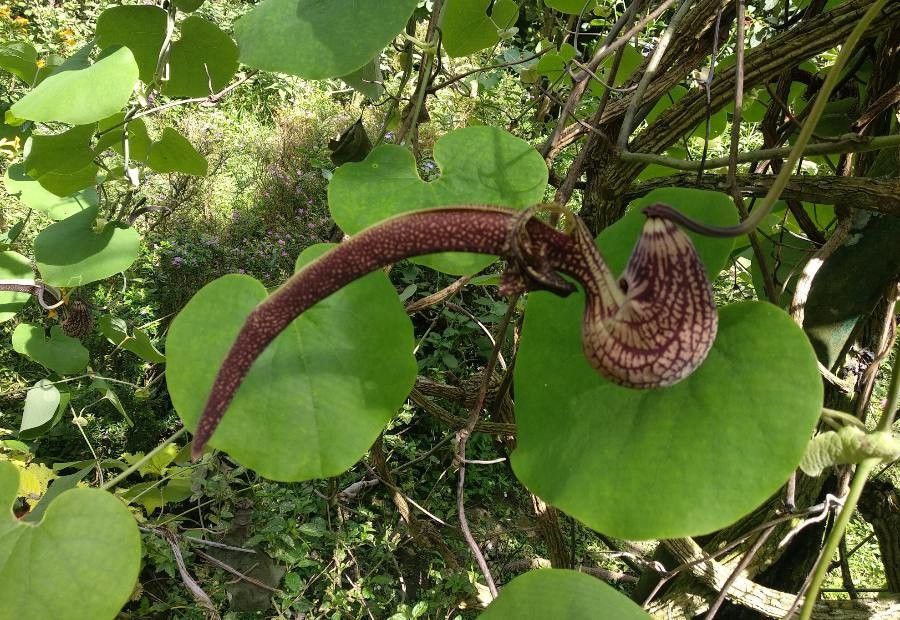
Zollinger dutchmanspipe shows good resistance to disease and is generally not susceptible to illnesses. In terms of care, this plant is fairly low-maintenance. When grown outdoors it requires only minimal watering, and larger plants typically do not need pruning. However, smaller plants should be pruned after they have bloomed. Zollinger dutchmanspipet is suitable for anyone with an outdoor space, such as a garden or deck, and does not require a lot of care experience.
How to keep Aristolochia Zollingeriana.
Light
Zollinger dutchmanspipe naturally occurs in habitats such as forest understories and rocky locations, where it is exposed to natural shade. It prefers partial sun but can also tolerate full sun or deep shade, reflecting its hardy, adaptable nature.
Temperature
Zollinger dutchmanspipe occurs naturally in areas with temperatures between 41 and 90°F (5 to 32℃). It grows best within that range; when winters are colder it may need extra mulching or a protective cover.
Fertilizer
The best time to fertilize a Zollinger dutchmanspipe is in early spring as it comes out of dormancy. This encourages overall growth and supports flower development. Fertilizing improves foliage, stems, and branches, while encouraging large, vibrant, and long-lasting blooms. It helps transfer nutrients from the roots to the flowers and enhances the plant’s health and disease resistance.
Botanical profile.
- Plant Type
- Vine
- Life Cycle
- Perennial
- Genus
- Aristolochia
- Family
- Aristolochiaceae
- Hardiness Zone
- 4-8
- Mature Height
- 3.05 m
- Mature Spread
- 2.13 m to 3.05 m
- Leaf Color
- Green
- Leaf Type
- Deciduous
- Flower Color
- Green, Brown
- Flower Size
- 5.08 cm
- Bloom Time
- Late spring, Summer, Early fall
- Planting Time
- Spring
- Harvest Time
- Late summer, Fall
- Native Area
- Indonesia, Philippines, China