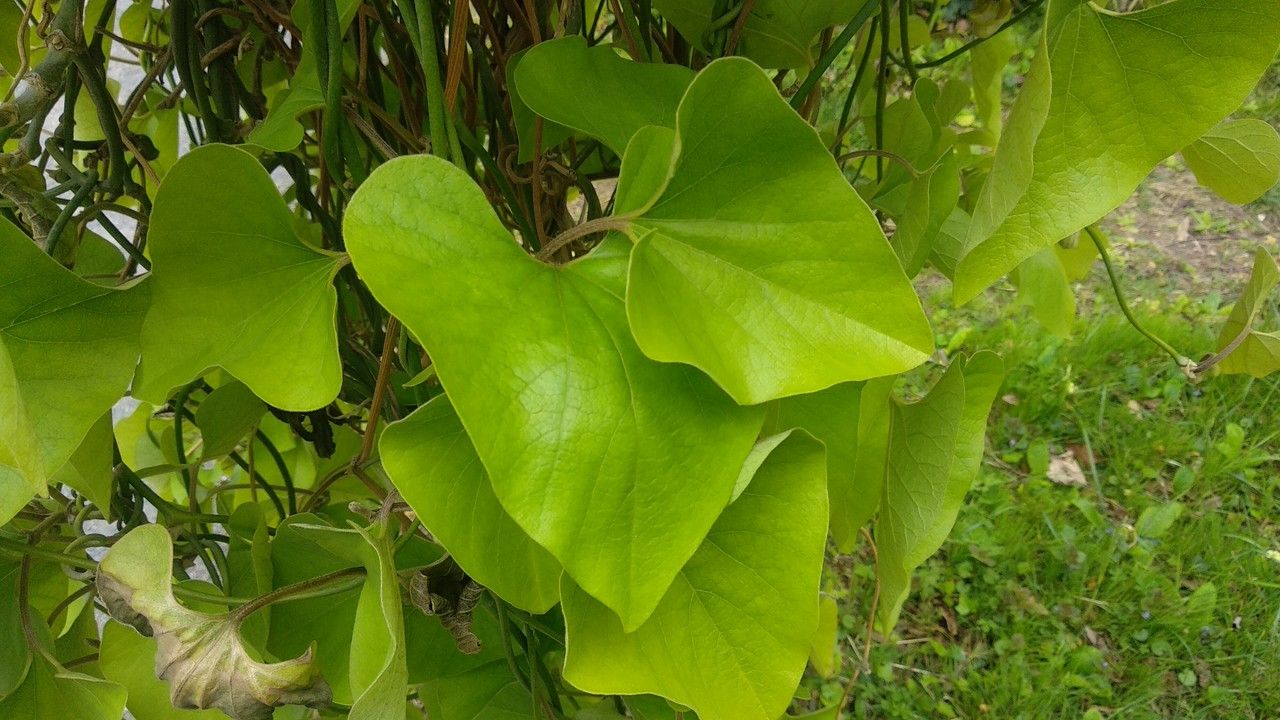
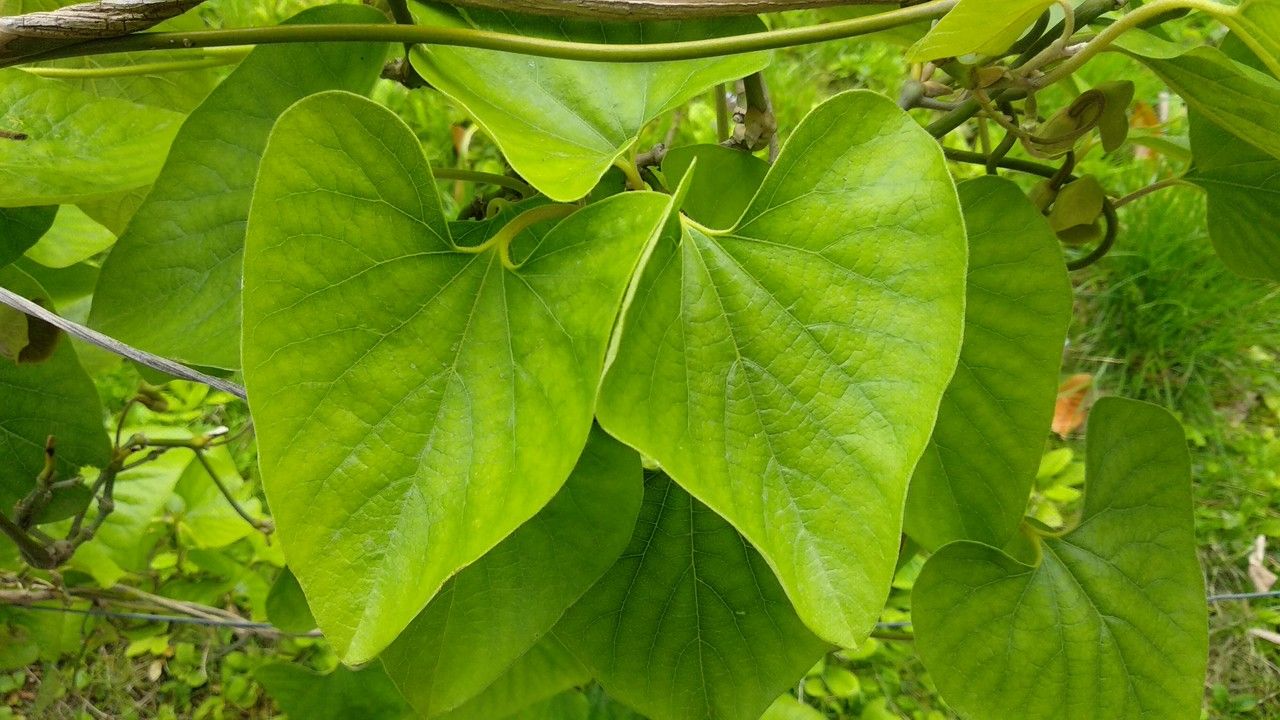
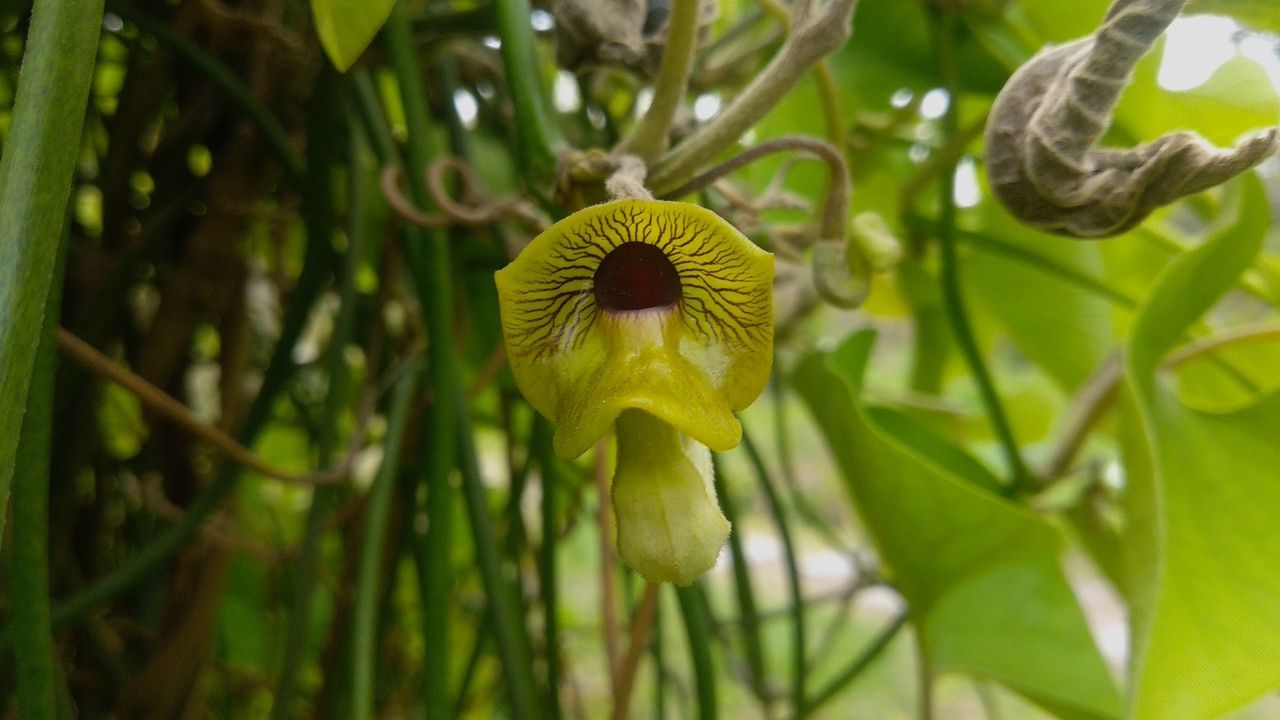
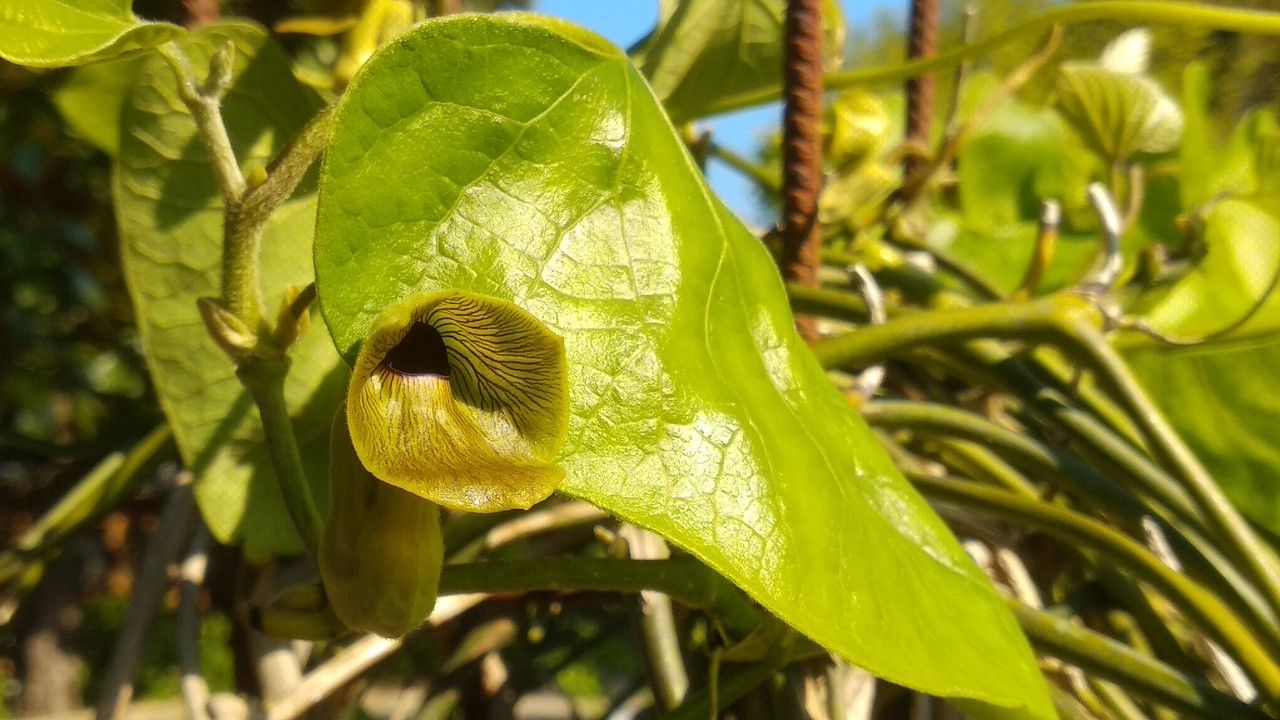
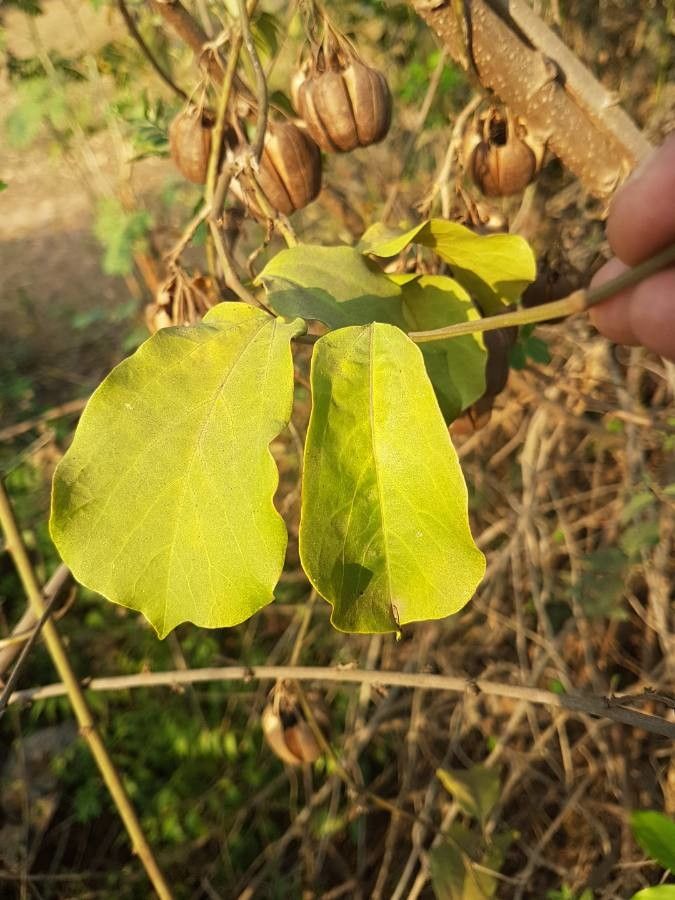
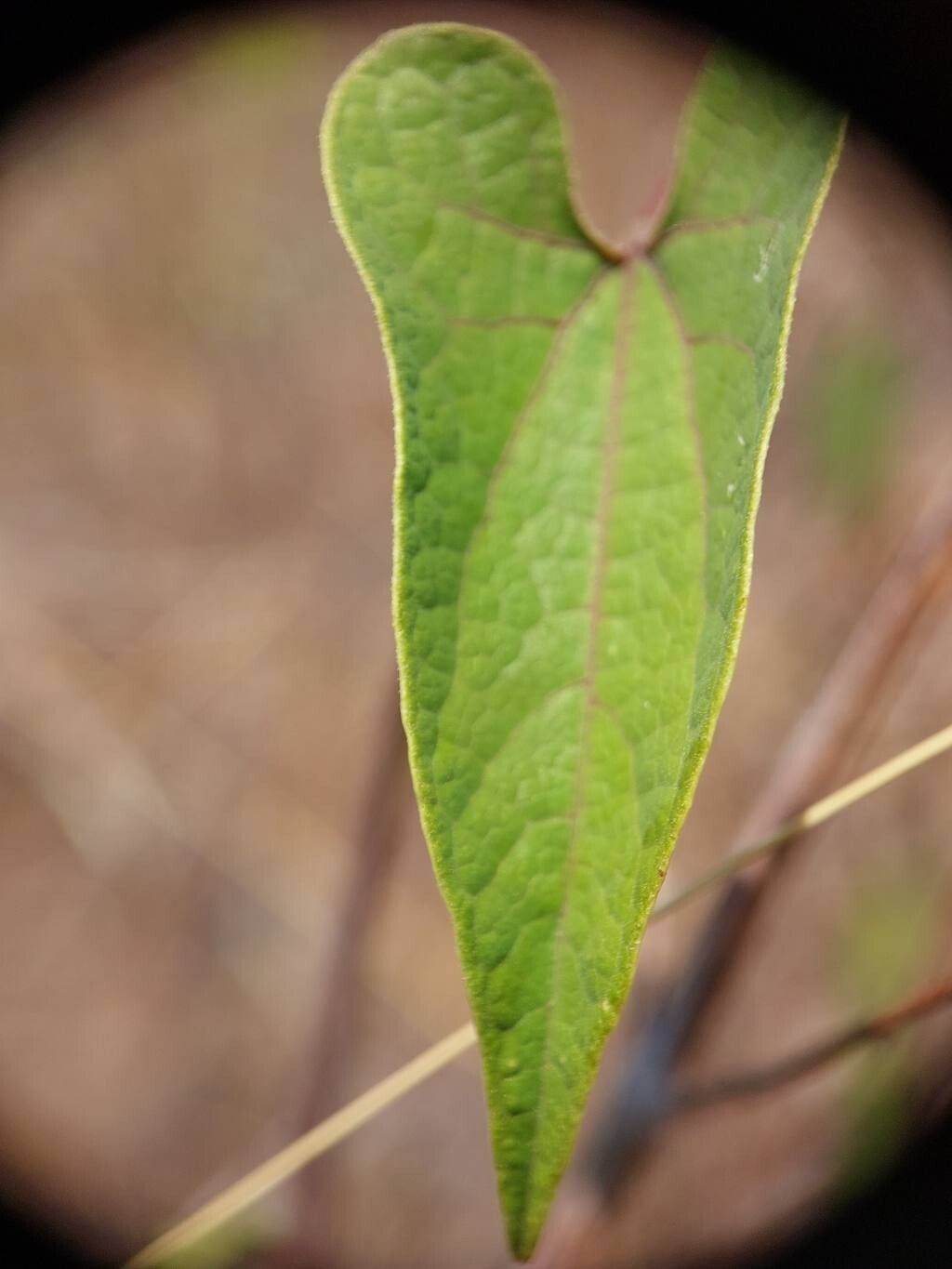
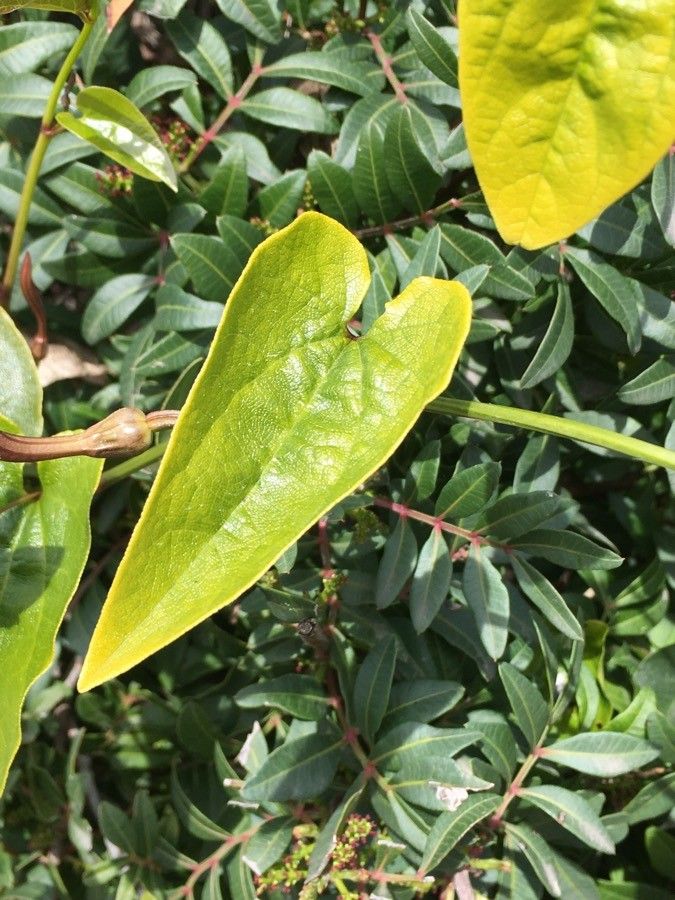
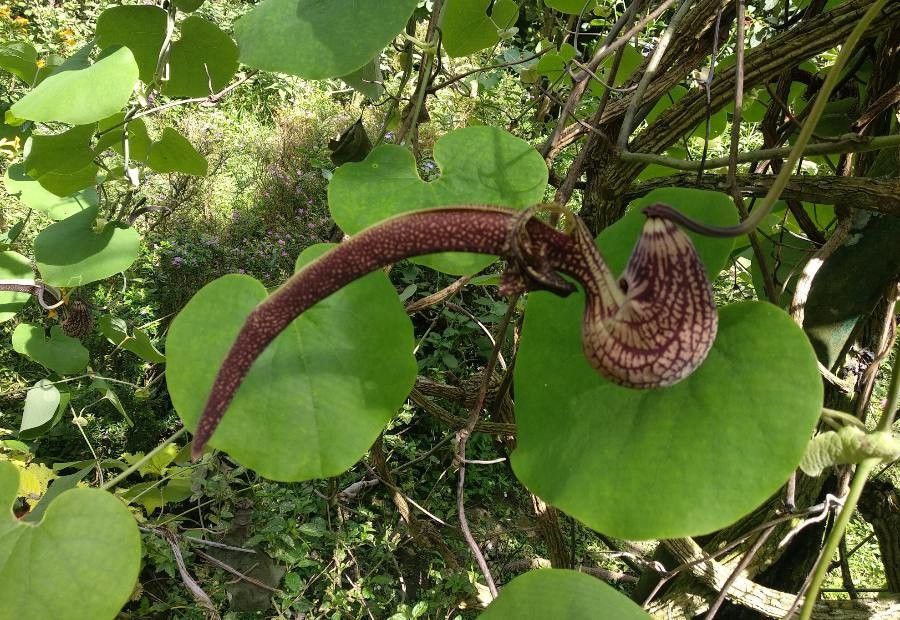
Dutchman's pipe vine is resistant to disease and typically not susceptible to illnesses. Regarding upkeep, this plant is fairly easy to care for. When grown outdoors it needs only light watering, and mature specimens usually do not require pruning. Young or smaller specimens, however, should be trimmed after flowering. Dutchman's pipe vinet is appropriate for anyone with outdoor space — for example a garden or a deck — and does not demand extensive gardening experience.
How to keep Aristolochia Kaempferi.
Light
The Dutchman's pipe vine comes from the understory of tropical forests, where it receives dappled sunlight. It performs well in partial sun but can also tolerate full sun, adapting readily to different light levels.
Water
The Dutchman's pipe vine thrives in humid and moist conditions, commonly found in tropical undergrowth. While it can withstand infrequent watering—ideally once every three weeks—it is mainly grown outdoors and requires attention during dry periods to keep the soil moist, especially when it is actively growing.
Temperature
Dutchman's pipe vine originates from temperate areas and needs temperatures of 68 to 100.4 °F (20 to 38 °C) to prosper. They may need seasonal changes, such as extra shading in hotter months, to maintain those optimal temperatures.
Fertilizer
Early spring, when the Dutchman's pipe vine breaks dormancy, is the best time to apply fertilizer. This encourages overall growth and flower development. Fertilizing benefits the foliage, stems, and branches and supports flowers that are larger, more vivid, and longer-lasting. It helps transport nutrients from the roots to the blooms and enhances the plant's health and resistance to disease.
Pruning
The Dutchman's pipe vine is a vigorous plant known for its unique flowers and lush foliage. To maintain its shape, improve airflow, and promote healthy growth, it is best to prune the vine in early spring. Be sure to remove any dead or overcrowded branches to enhance the plant's vitality. Additionally, it's important to clean your pruning tools to prevent the spread of disease. Regular pruning will encourage robust flowering and support the vine's overall health.
Botanical profile.
- Plant Type
- Vine, Shrub
- Life Cycle
- Perennial
- Genus
- Aristolochia
- Family
- Aristolochiaceae
- Hardiness Zone
- 9-11
- Mature Height
- 91 cm
- Mature Spread
- 1.22 m to 2.44 m
- Leaf Color
- Green, Dark Green
- Leaf Type
- Deciduous
- Flower Color
- Purple, Brown
- Flower Size
- 5.08 cm to 7.62 cm
- Bloom Time
- Mid spring, Late spring, Early summer
- Planting Time
- Spring, Summer
- Harvest Time
- Mid summer, Late summer, Early fall
Reader questions.
What are the sunlight requirements for Dutchman's pipe vine (Aristolochia kaempferi)?
Dutchman's pipe vine (Aristolochia kaempferi) requires full sun, which means it needs above 6 hours of sunlight each day. It's important to observe how sunlight moves through your garden to find spots that provide the perfect balance of light and shade. This ensures the plants remain happy and healthy by getting the right amount of sunlight they need.
What is the native environment of Dutchman's pipe vine, and what are its optimal temperature requirements?
Dutchman's pipe vine is native to regions with temperate climates and thrives best within a temperature range of 68 to 100.4 °F (20 to 38 °C). It is an extremely heat-loving plant that may require seasonal adjustments such as additional shading during hotter seasons to maintain these optimal temperature conditions. During colder periods, particularly in autumn, it is advisable to move the plant indoors and place it near a bright window, while ensuring it is not too close to heaters to avoid damage. Keeping the temperature above 20°C during the winter is beneficial for the plant's growth, as temperatures approaching 0°C can be harmful.
How does low temperature affect Dutchman's pipe vine, and what measures can be taken to protect it?
Dutchman's pipe vine prefers warm temperatures and is not tolerant of low temperatures, thriving best when the temperature is above 20°C and requiring protection during the winter to keep it above 0°C. Exposure to temperatures below -5°C may result in the leaves lightening in color, with frost damage causing them to turn brown or black and exhibit symptoms such as wilting and drooping. To protect the vine from cold damage, frost-damaged parts should be trimmed off and the plant moved indoors to a warm environment. It's beneficial to place the plant near a south-facing window for ample sunlight while avoiding proximity to heaters or air conditioning vents to prevent excessive air dryness.
What are the effects of high temperatures on Dutchman's pipe vine and how can they be mitigated?
Dutchman's pipe vine should be kept below 38°C during the summer to prevent stress from high temperatures. When the temperature exceeds 43°C, the leaves may lighten in color and the plant becomes more susceptible to sunburn. To mitigate damage from high temperatures, sunburned and dried parts should be trimmed away and the plant should be moved to a location where it is shaded from the midday and afternoon sun. Additionally, watering the plant in the morning and evening helps keep the soil moist, assisting in cooling and providing necessary hydration.