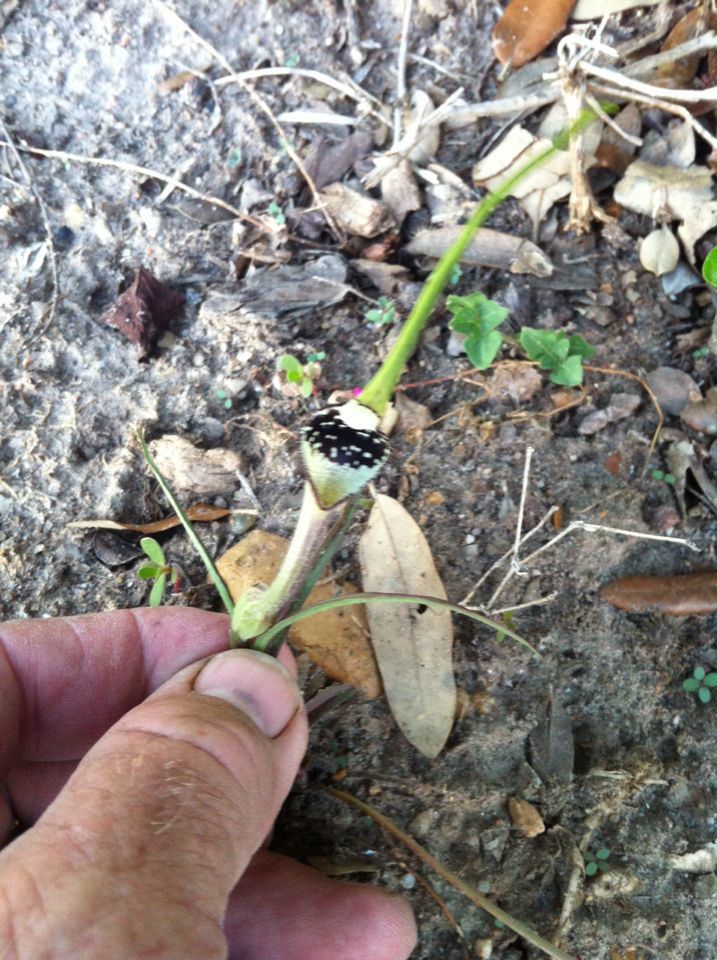
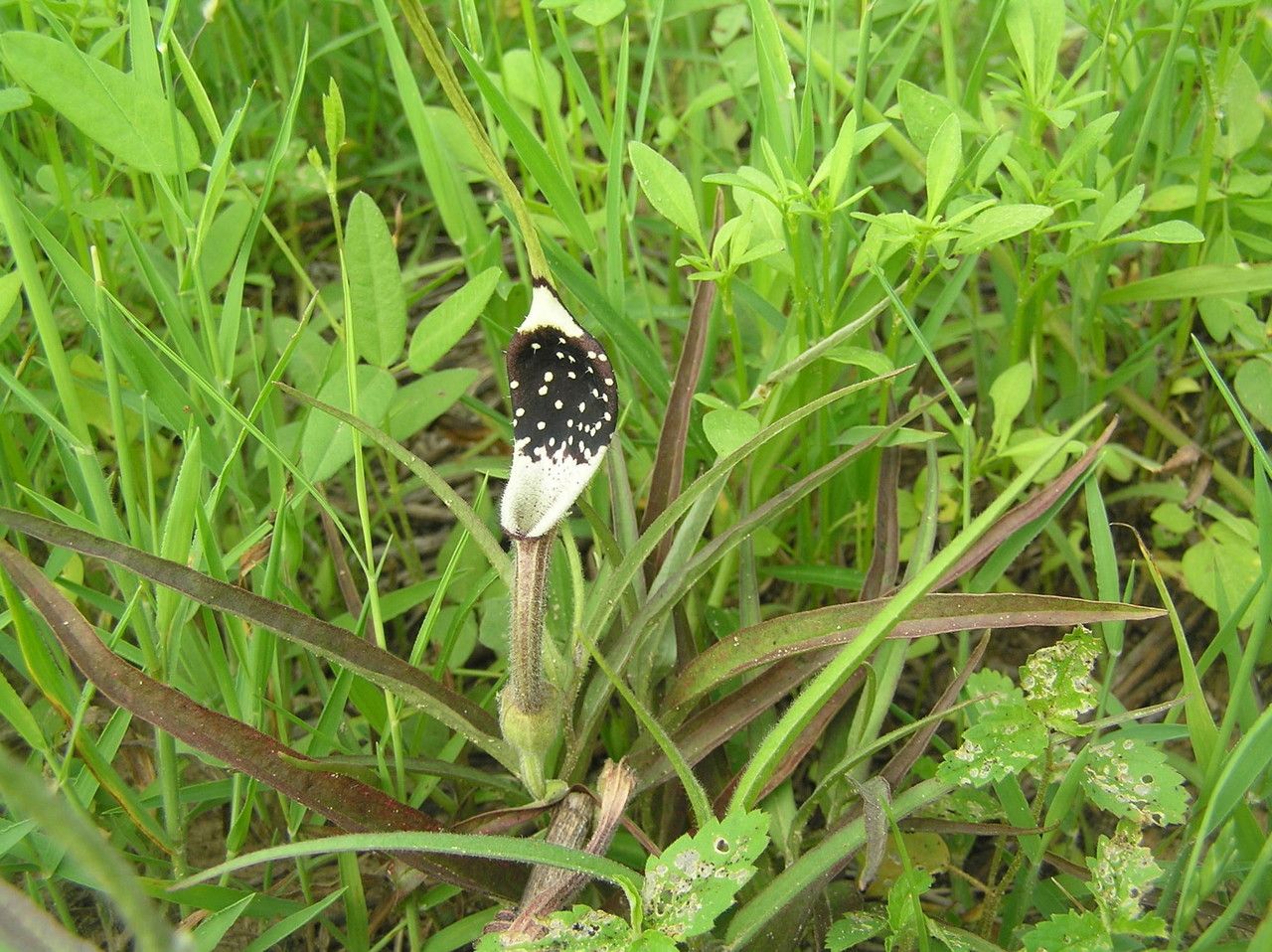
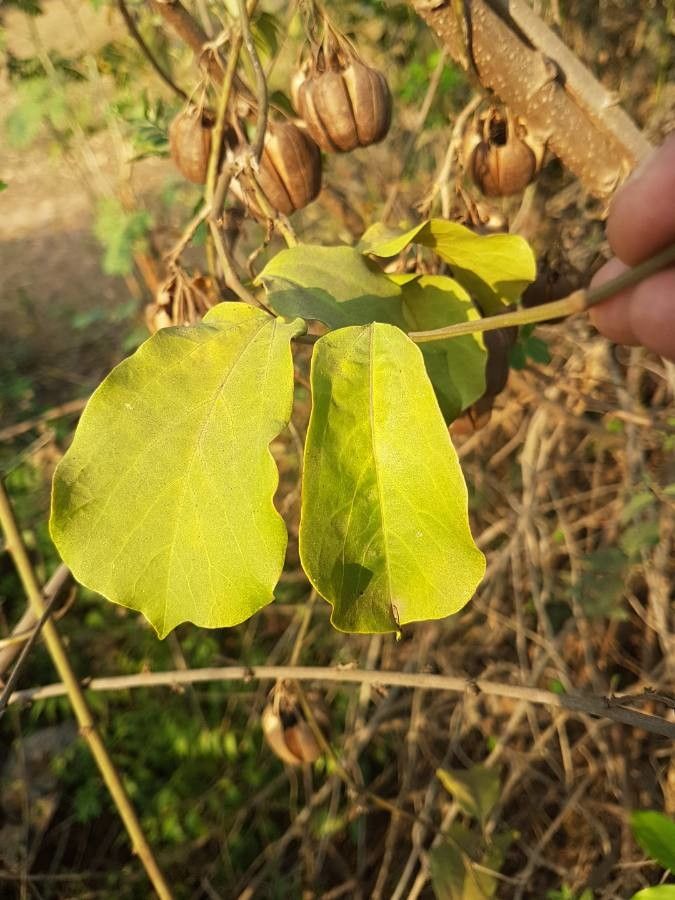
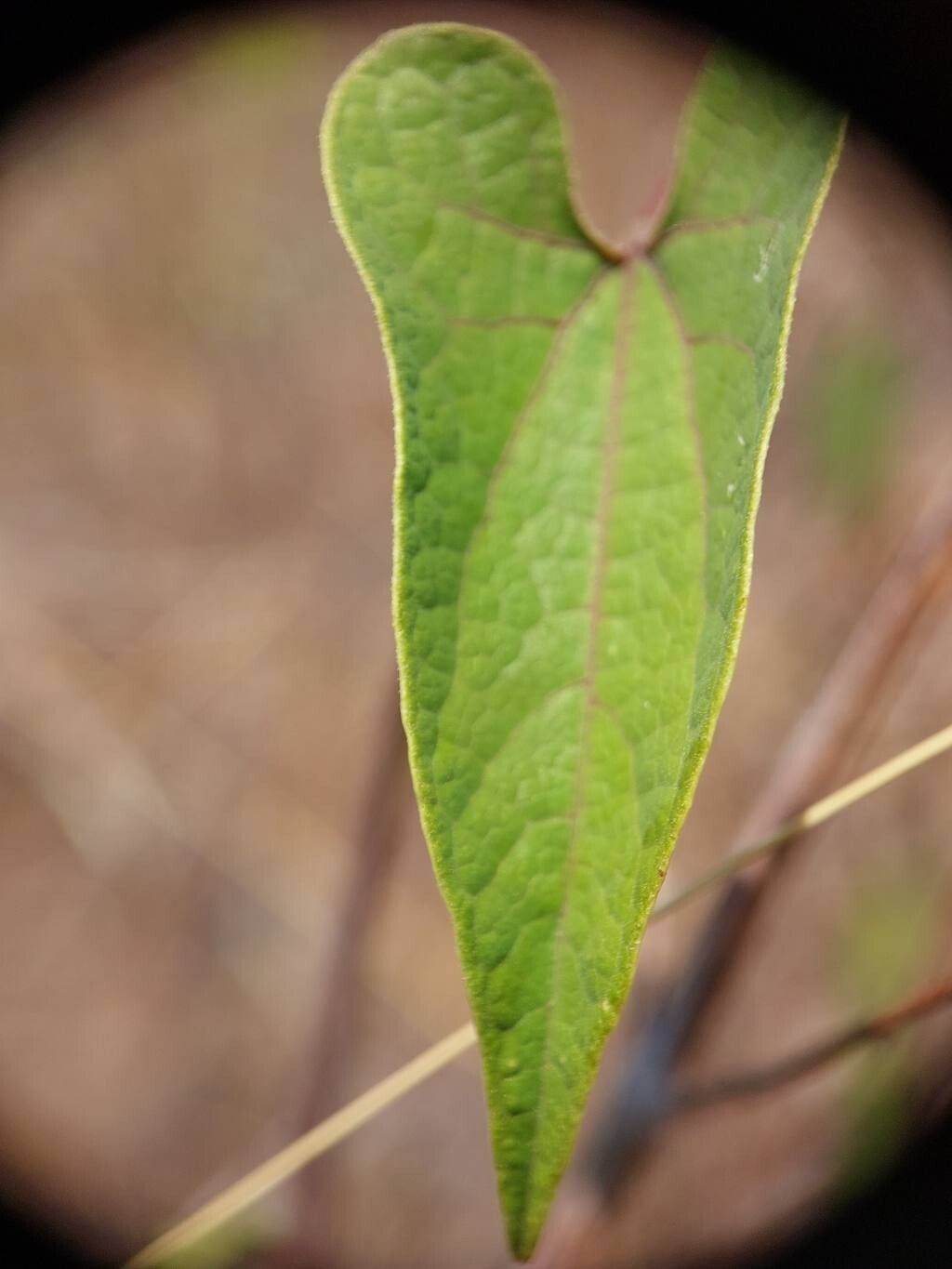
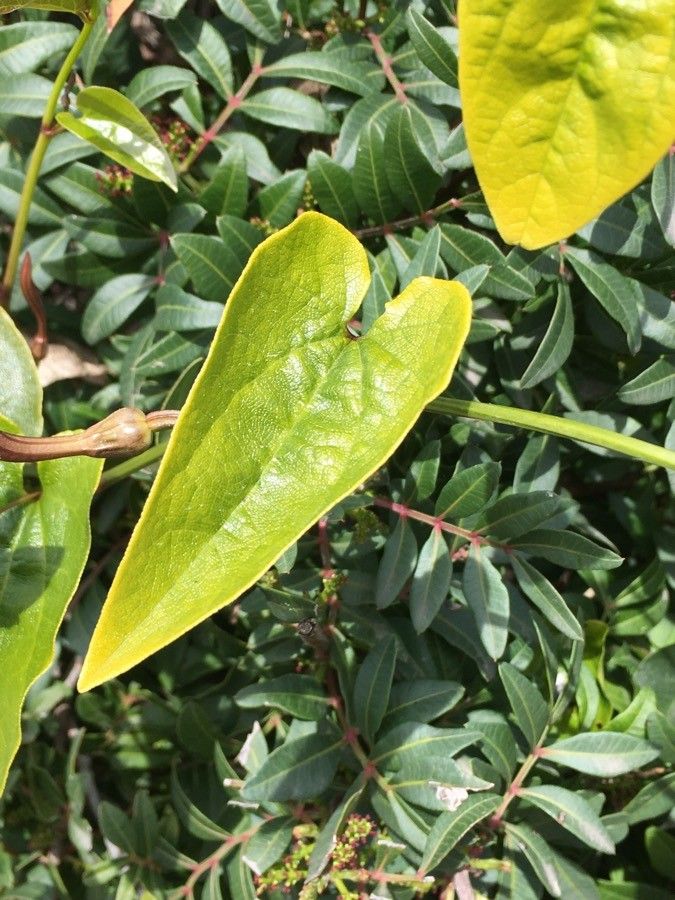
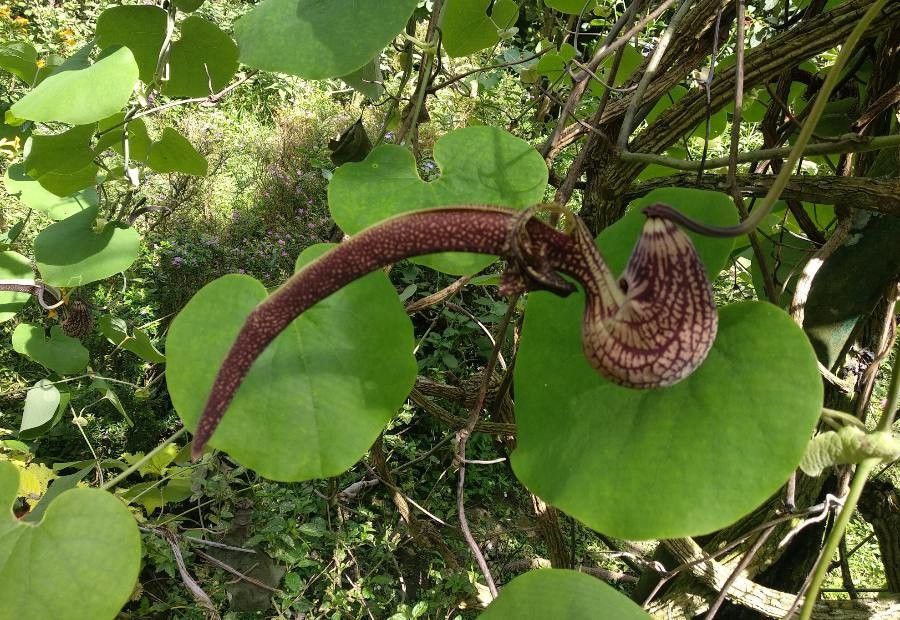
Swan flower is fairly disease-resistant and typically not prone to illnesses. Nonetheless, it can be vulnerable to pests and diseases present in its environment. Such infections are generally mild. Regarding care, this plant needs moderate maintenance. Regular pruning is necessary to maintain a neat appearance and support healthy growth. Applying fertilizer can also help stimulate flowering. The swan flower is suitable for anyone with outdoor space, such as a garden or patio, and does not require extensive care experience. However, it may need extra attention when grown indoors.
How to keep Aristolochia Erecta.
Light
Swan flower is native to habitats like forest understories and rocky areas, where it grows in natural shade. It prefers partial sun but can adapt to full sun or full shade, showing that it is versatile and hardy.
Water
The swan flower, well-suited to its natural environment, flourishes when it receives consistent moisture and grows best in evenly moist soil. To ensure its health and vibrant blooms, it is important to water it weekly during the active growing season. This regular care highlights its strength as an outdoor plant, cherished for its fascinating flowers.
Temperature
Swan flower can tolerate a broad range of temperature conditions, but its range may still be constrained by different combinations of moisture and heat. It grows best in warm summer climates with sufficient rainfall or watering. Extended periods of cloudy, rainy weather or prolonged high temperatures can raise the risk of Swan flower mortality. In winter, protecting the plant from cold can help increase its chances of survival.
Fertilizer
The best time to fertilize a Swan flower is in early spring, as it comes out of dormancy and starts active growth. Fertilizing supplies the essential nutrients needed for healthy development. Although the Swan flower has fairly low fertilizer requirements, applying fertilizer annually can improve its survival and encourage better, longer-lasting blooms.
Pruning
Swan flower features upright stems and vibrant blossoms. To promote growth and maintain its shape, begin pruning in early spring. Start by removing any dead stems, then thin out crowded areas to improve airflow. This regular maintenance encourages blooming and helps prevent disease, resulting in a healthy and colorful plant throughout the growing season.
Botanical profile.
- Plant Type
- Herb, Vine
- Life Cycle
- Perennial
- Genus
- Aristolochia
- Family
- Aristolochiaceae
- Hardiness Zone
- 8-11
- Mature Height
- 0 cm to 30 cm
- Mature Spread
- 30 cm to 46 cm
- Leaf Color
- Green, Dark Green
- Leaf Type
- Deciduous
- Flower Color
- Purple
- Flower Size
- 2.03 cm to 3.05 cm
- Bloom Time
- Mid spring, Late spring, Early summer, Mid summer
- Planting Time
- Spring, Summer, Autumn
- Harvest Time
- Summer, Early fall
- Native Area
- Mexico
Other names.
Reader questions.
What are the sunlight requirements for Swan Flower (Aristolochia erecta)?
Swan Flower, also known by its botanical name Aristolochia erecta, requires full sun to thrive well. It should receive above 6 hours of sunlight daily. It's important to observe the way sunlight moves through your garden to find the perfect balance of light and shade for your plants. Choosing the right spots ensures the plants remain happy and healthy.
What is the Swan Flower?
The Swan Flower, known botanically as Aristolochia erecta, is a unique plant. The specifics about its essentials, such as care, habitat, and usage, as well as any symptoms related to it, have not been provided. However, its distinctive name 'Swan Flower' suggests a possibly interesting shape or appearance that might mimic a swan in some way.