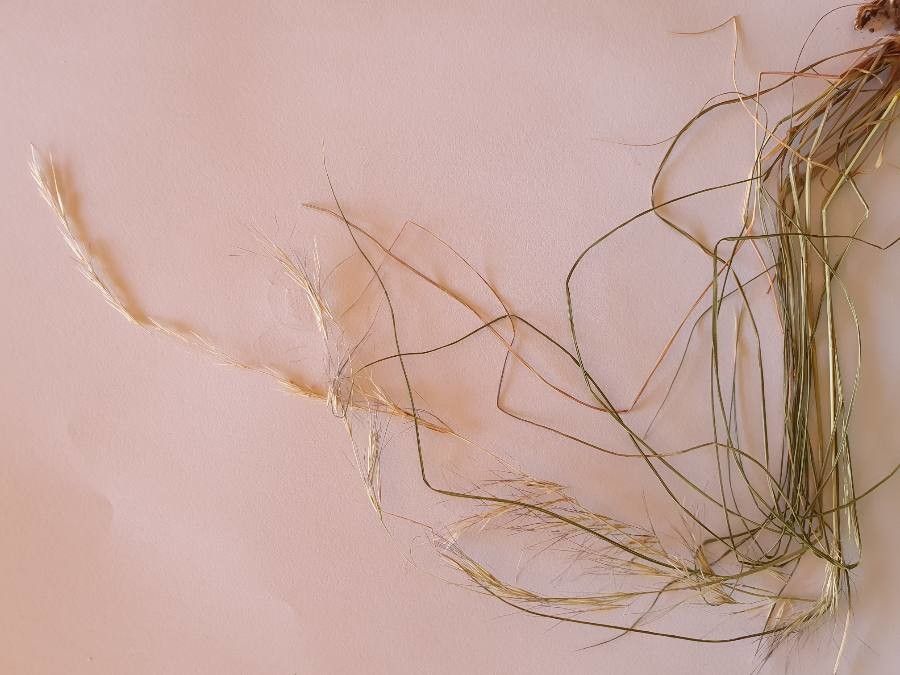
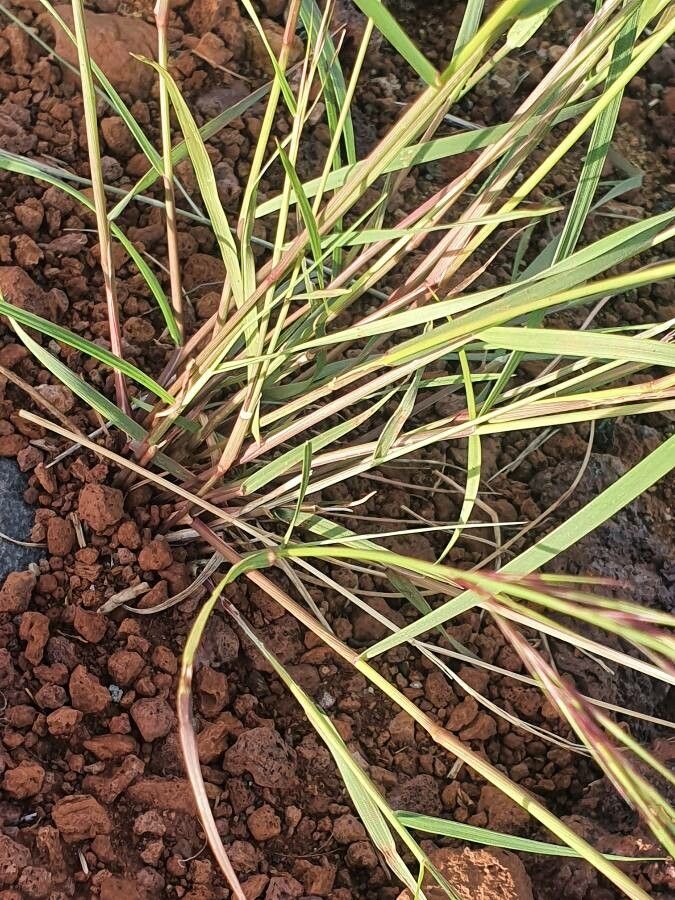
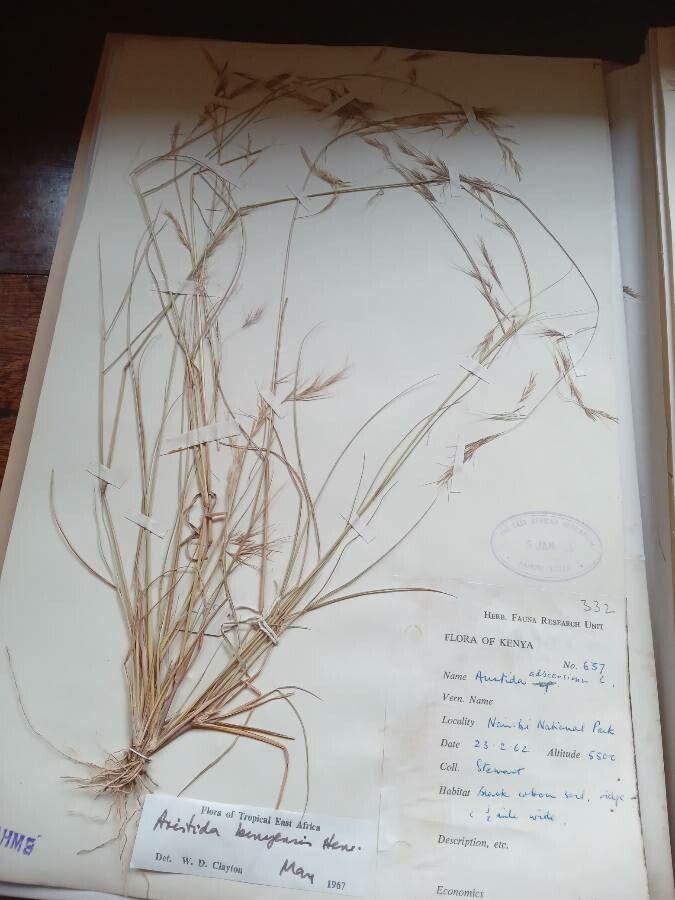
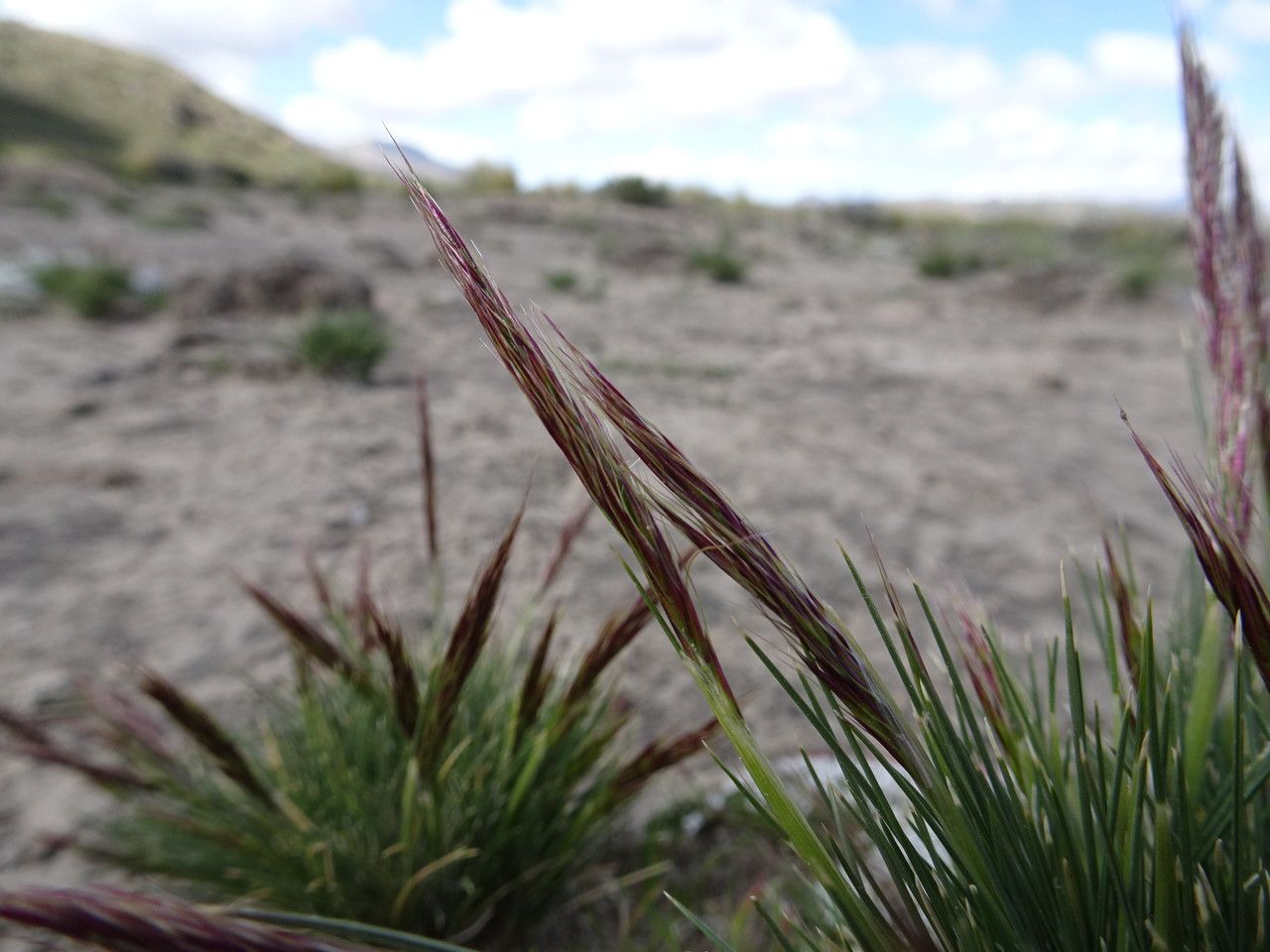
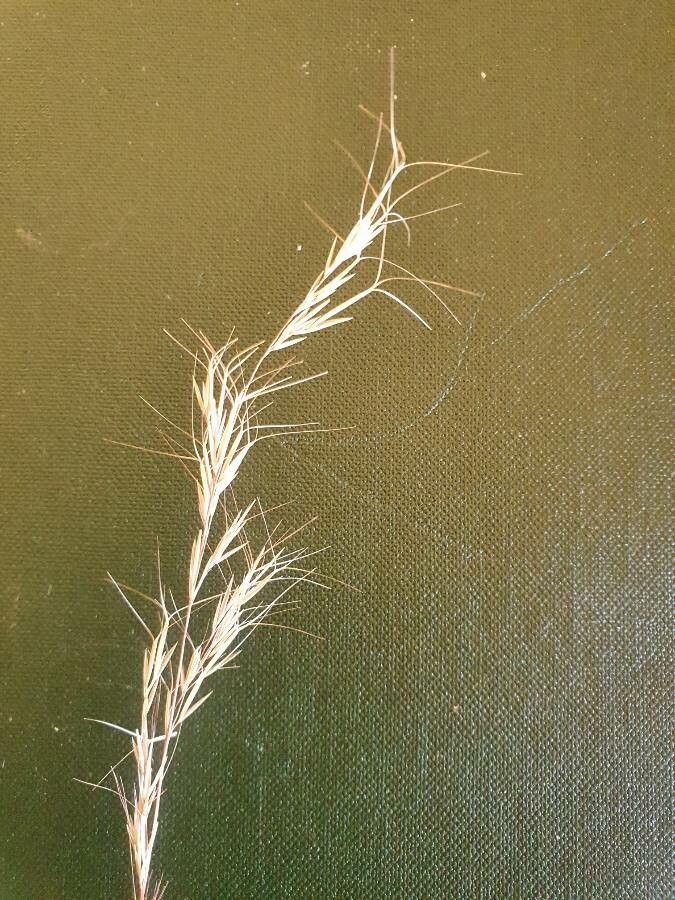
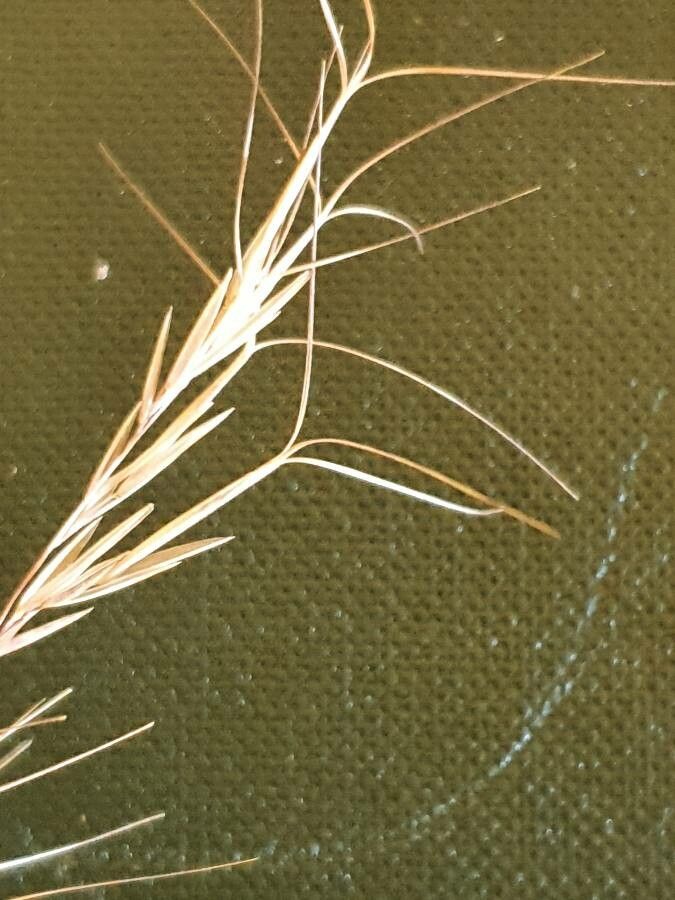
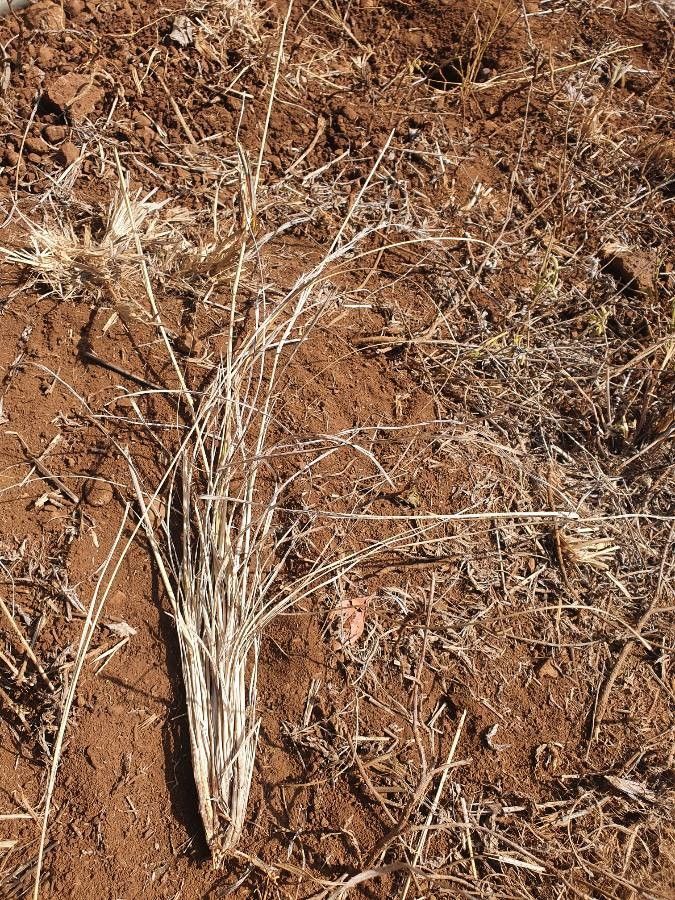
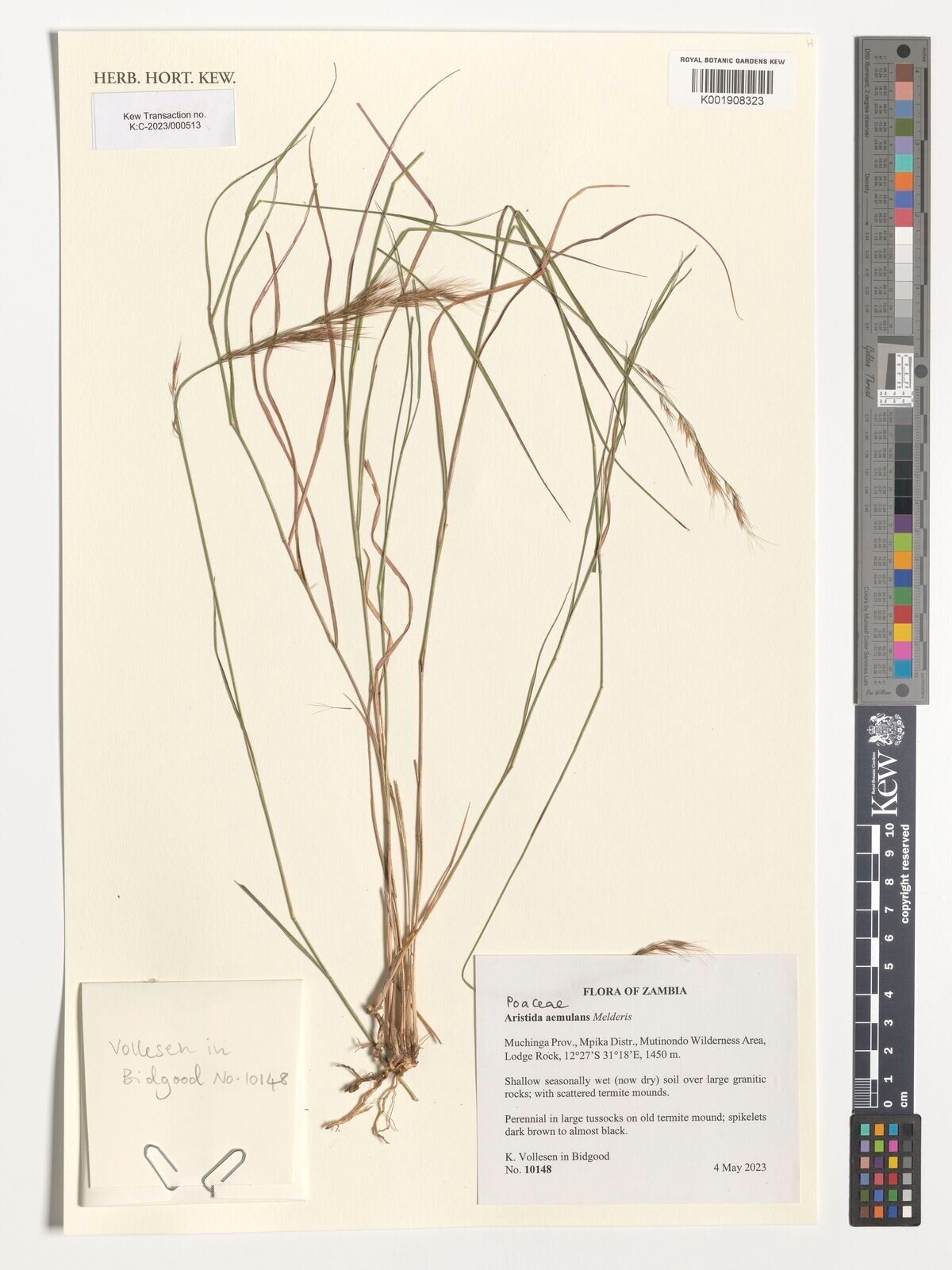
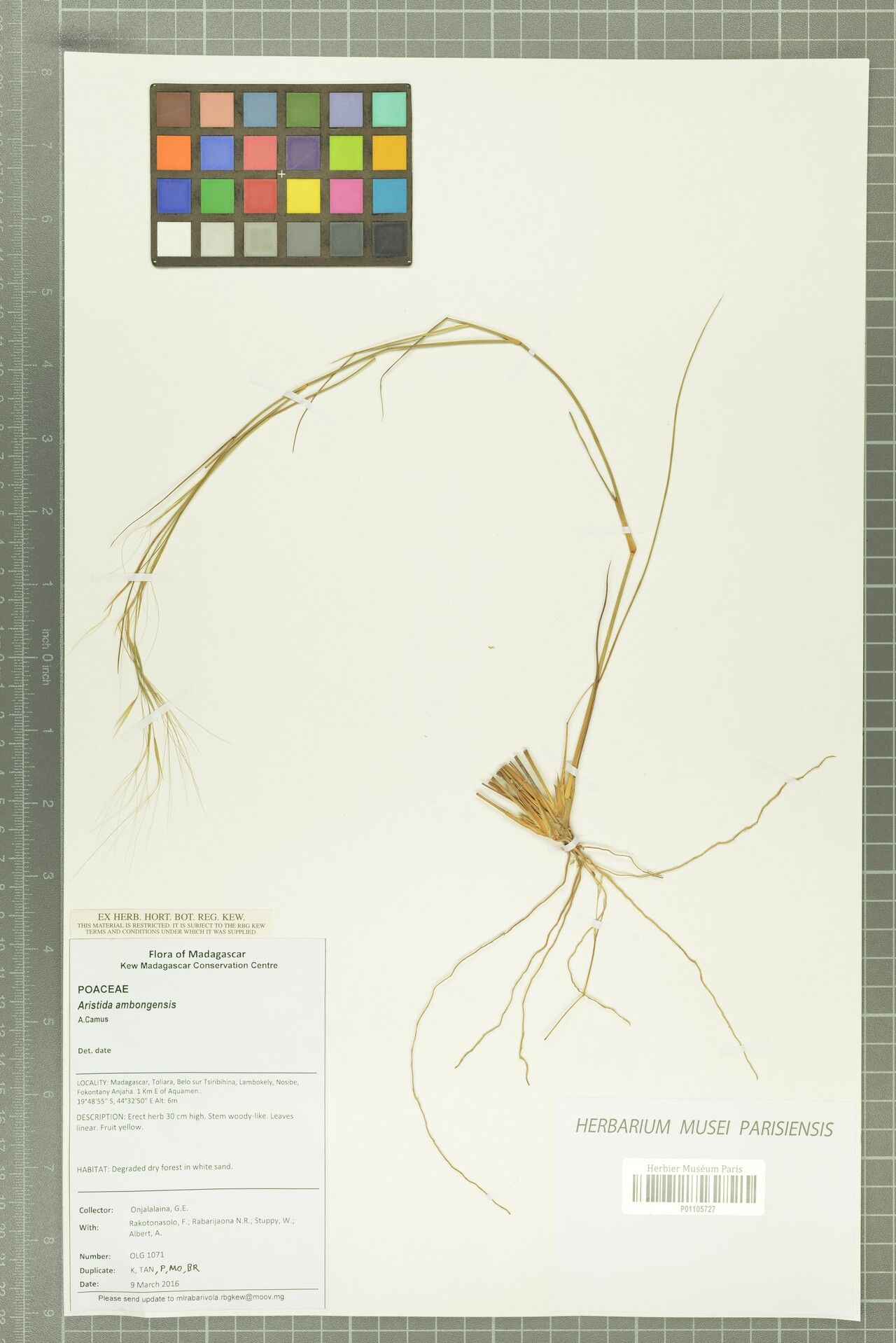
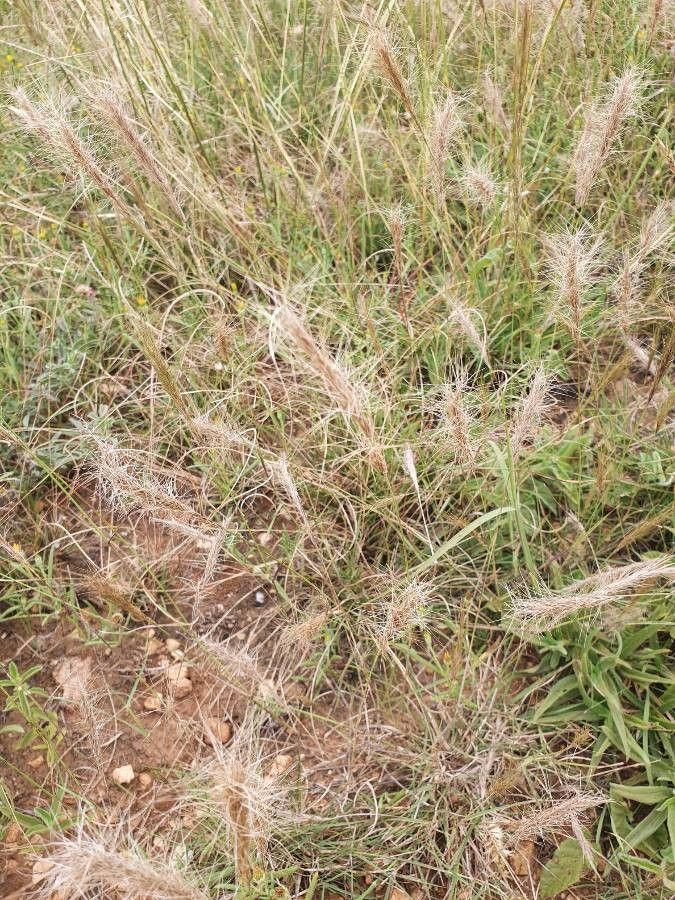
Aristida adscensionis is a species of grass known by the common name sixweeks threeawn. It is native to the Americas but it is distributed nearly worldwide. It grows easily in disturbed and waste areas and has potential to become a weed.
Sixweeks three-awn has good disease resistance and is generally not prone to illnesses. Regarding care, this plant is fairly low-maintenance. When grown outdoors it needs minimal watering, and larger plants typically do not require pruning. Smaller plants, however, should be pruned after they have finished blooming. Sixweeks three-awnt is suitable for anyone with an outdoor space, such as a garden or deck, and does not require much care experience.
How to keep Aristida Adscensionis.
Light
Sixweeks three-awn is a perennial herbaceous plant that loves sunlight, traditionally found in open environments such as meadows and grasslands. It thrives best under full sun, although it can still survive in partially sunny areas.
Water
Sixweeks three-awn is well-suited to arid conditions, needing only minimal moisture and weekly watering. It thrives in well-draining soil, similar to its natural grassland habitat, and grows best in low humidity, reflecting its adaptation to dry environments.
Temperature
The Sixweeks three-awn originally thrives in climates with temperatures between 68 to 95 °F (20 to 35 ℃). These temperatures are its optimal conditions. Any changes in temperature must take these preferred conditions into account across different seasons.
Fertilizer
For the healthy development of new sprouts, Sixweeks three-awn necessitates extra nutrition. During the spring season, by distributing compost around the stem's bottom part, one can offer the much-needed nutrients efficiently. Providing fertilizer sustains robust growth and assists the plant in fending off illnesses and pest infestations.
Pruning
Sixweeks three-awn is a rapidly growing annual grass known for its distinctive seed heads. To promote healthy regrowth and prevent disease, prune it in early spring using sharp shears to remove any dead stems. Thinning out crowded areas can also improve air circulation, which is essential for the plant's health and vitality. For the best results, consult horticultural guides for expert recommendations and techniques.
Botanical profile.
- Plant Type
- Grass
- Life Cycle
- Perennial, Annual
- Genus
- Aristida
- Family
- Poaceae
- Hardiness Zone
- 8
- Mature Height
- 5 cm to 76 cm
- Mature Spread
- 20 cm to 40 cm
- Leaf Color
- Green
- Leaf Type
- Semi-evergreen
- Flower Color
- Yellow, Green, Purple, Brown
- Flower Size
- 4.06 cm to 20.32 cm
- Bloom Time
- Summer
- Planting Time
- Spring, Summer
- Harvest Time
- Late summer, Early fall, Mid fall
- Native Area
- Sri Lanka, Libya, Burkina Faso, Turkey, India, United Arab Emirates, Mexico, Guatemala, Madagascar, Pakistan, Nigeria, Morocco, Uganda, Tanzania, Benin, Cameroon, Ethiopia, Saudi Arabia, Tunisia, Honduras, Peru, Philippines, Turkmenistan, Chad, Lebanon, Colombia, China, Afghanistan, Kyrgyzstan, Kazakhstan, Italy, Mongolia, Togo, El Salvador, Senegal, Eswatini, Iran, Ecuador, Côte d'Ivoire, Azerbaijan, Djibouti, Somalia, Lesotho, Egypt, Angola, Namibia, Rwanda, Eritrea, Yemen, Kenya, Niger, Jamaica, Uzbekistan, Mali, Iraq, Cuba, Venezuela, Brazil, Oman, Ghana, Qatar, Botswana, Nepal, Tajikistan, South Africa, Sudan, Mauritania, Armenia, Bahamas, Bolivia, Myanmar, Bhutan, Nicaragua, Algeria, Thailand
Other names.
Reader questions.
What do I need to do if I give too much or too little water to my Sixweeks three-awn plant?
Proper watering is essential for the optimal growth of this beautiful ornamental grass. When planted in the ground, watering issues can usually be resolved. However, in a container, an imbalance of watering, whether it is too much or too little, can quickly cause damage to Sixweeks three-awn. Insufficient water can result in stunted growth, whereas overwatering can cause yellow leaves with brown tips. Underwatering can cause drooping leaves, weak seed head production, and browned foliage. If you suspect incorrect watering, the first step is to determine if the issue is excessive or inadequate watering. If overwatering is the problem, stop watering immediately. It may take a few weeks for the waterlogged soil to dry out, so patience is essential. When new growth appears, test the soil's moisture levels to determine if additional water is needed. On the other hand, if the grass is receiving too little water, simply give it a deep drink and observe if it rejuvenates. However, keep in mind that it is better to water deeply and infrequently rather than shallow and frequent watering. This encourages the growth of deep roots, enhancing the grass's ability to withstand drought and reduce water-related problems.
What are the sunlight requirements for Sixweeks three-awn?
Sixweeks three-awn is a sun-loving plant that thrives in full sun, requiring above 6 hours of sunlight daily, but it can also tolerate partial sun conditions, meaning about 3-6 hours of sunlight. Observing how sunlight moves through your garden helps in choosing the best spots that provide the necessary balance of light and shade for the plant's optimal growth.
What are the preferred temperature conditions for Sixweeks three-awn?
Sixweeks three-awn, or Aristida adscensionis, thrives in environments where temperatures range between 68 to 95 °F (20 to 35 °C). These conditions are optimal for its growth, and care should be taken to adjust the environment according to these temperature preferences across different seasons.
How often should I give water to my Sixweeks three-awn plant?
The watering needs of Sixweeks three-awn grass vary depending on its location. Generally, watering once a week is recommended. In hot climates, watering once or twice a week during the summer may be necessary. In moderate climates, watering once every seven days or more may be enough. It's important to note that grass in containers usually requires more frequent watering than grass planted in the ground. Additionally, the location of the grass matters. Shaded grasses need less frequent watering compared to grasses planted in the ground. When watering Sixweeks three-awn, it should only be done when the soil is dry. To determine if the soil is dry, you can press your finger a couple of inches into it or weigh the potted grass to see how light it is. Lack of water may cause the grass blades to appear folded along their centers and thinner than usual. Despite its drought tolerance, regular and deep waterings will result in a beautiful color. In the wild, Sixweeks three-awn grows in open scrubland where it experiences extreme heat, bright sun, and intermittent rain. Although it is drought resistant, it still requires care and attention. Consistent watering is recommended for this grass to thrive. Newly planted Sixweeks three-awn will need more frequent watering until it establishes deep roots. For potted grass, the soil may dry out quickly, especially if exposed to hot, direct sunlight. Testing the soil every 3 to 4 days and watering when it feels dry is advised. Sixweeks three-awn grown in the ground generally requires less watering, but this depends on the type of soil it is planted in. Heavy clay soil can hold moisture below the surface even if it appears dry on top, while sandy soils that drain quickly may need more frequent watering.
How can artificial lighting be used for Sixweeks three-awn?
When natural sunlight is insufficient, artificial lighting can be a vital solution for Sixweeks three-awn, especially indoors or during less sunny periods like winter. LED lights are recommended due to their ability to provide specific wavelengths needed by plants. Full sun plants require 30-50W/sq ft of light, partial sun plants 20-30W/sq ft, and shade plants 10-20W/sq ft. The light source should be placed 12-36 inches above the plant, for 8-12 hours per day to mimic natural sunlight conditions.
Does Sixweeks three-awn require special frost protection during winter?
Sixweeks three-awn possesses strong cold resistance, and typically, special frost protection measures are not required during the winter months. However, if temperatures are anticipated to fall below -10°C, it's important to take steps to protect the plant from the cold. This can include covering the plant with soil or straw. Additionally, watering the plant abundantly before the first freeze in autumn is recommended to ensure the soil remains moist and enters the frozen state well-prepared to prevent drought and water scarcity during winter and early spring.
What should I remember when I give water to my Sixweeks three-awn plant in different seasons, climates, or during different stages of growth?
To determine if you are watering enough, observe the rate of growth of your grasses. Sixweeks three-awn typically doubles in size within a year during the hottest months. If the weather is hot but the grass is not growing vigorously, adjust your watering schedule. In winter, watering once a month may suffice, but check the soil for moisture. During the growth cycle, more water is needed, while in winter and cooler months, the water requirement is significantly lower. Remember to let the soil dry out completely before watering when dealing with Sixweeks three-awn.
What are the symptoms of Sixweeks three-awn when it receives inadequate light?
Sixweeks three-awn shows various symptoms under insufficient light, including smaller new leaves, leggy or sparse growth, faster leaf drop, slowed or halted growth, and lighter-colored new leaves. Conditions such as chlorosis (leaves turning yellow), sunscald, leaf curling, wilting, and leaf scorching can also occur, indicating either under or overexposure to sunlight.
What should be done if the Sixweeks three-awn experiences low temperatures below its cold tolerance level?
If the Sixweeks three-awn is subjected to temperatures below -10°C, you may not notice immediate changes during the winter, but there could be a decrease in sprouting or even a lack of sprouting in the spring. In such cases, it's advised to remove any parts of the plant that have failed to sprout in the spring as a response to the low-temperature exposure.
How can you solve lighting issues for Sixweeks three-awn?
To address lighting issues for Sixweeks three-awn, gradually move plants to sunnier locations to receive at least 6 hours of direct sunlight daily, utilizing south-facing windows. For indoor or immovable plants, use artificial lights like desk lamps or invest in grow lights for sufficient illumination. Gradually adapt plants to outdoor sunlight to prevent sunburn. For ground-planted Sixweeks three-awn, reduce sunlight obstructions by pruning and consider transplanting to sunnier spots with good drainage. Remember, affected parts may not recover, but new growth will be healthy with improved light exposure.
How should Sixweeks three-awn be cared for during high temperatures?
During the summer, when temperatures are expected to be high, it is crucial to ensure that Sixweeks three-awn does not experience temperatures above 95°F (35°C). Should the temperature rise beyond 100.4°F (38°C), the plant's leaves may become lighter, prone to curling, sunburned, and in severe cases, the entire plant might wilt and dry out. To mitigate these effects, trim away any sunburned or dried-up parts of the plant. Move it to a location that provides shade during the midday and afternoon, or utilize a shade cloth. Additionally, watering the plant in the morning and evening can help keep the soil moist and protect the plant from heat stress.