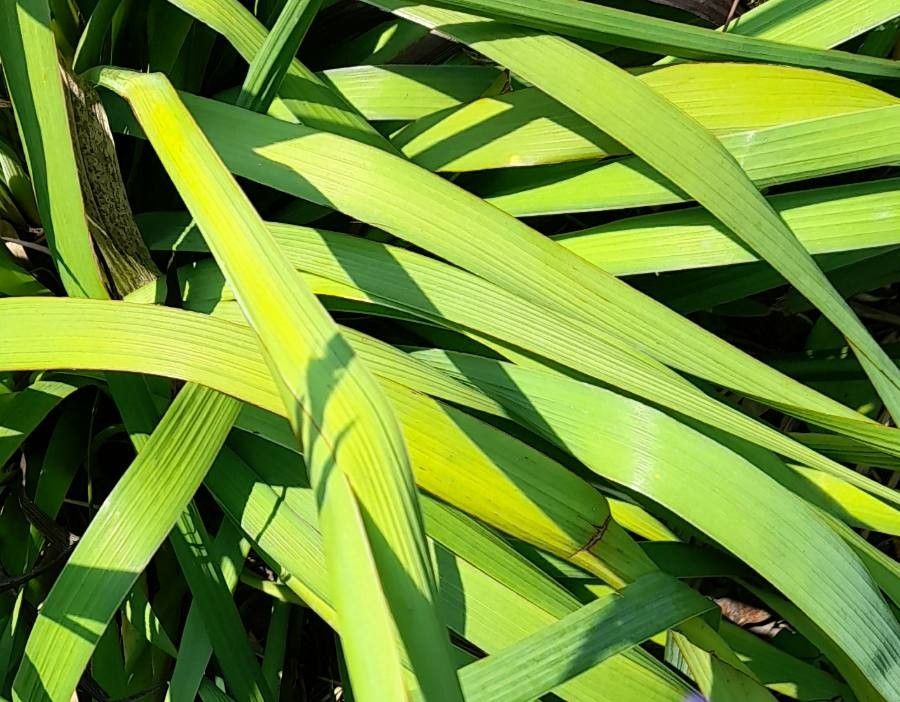
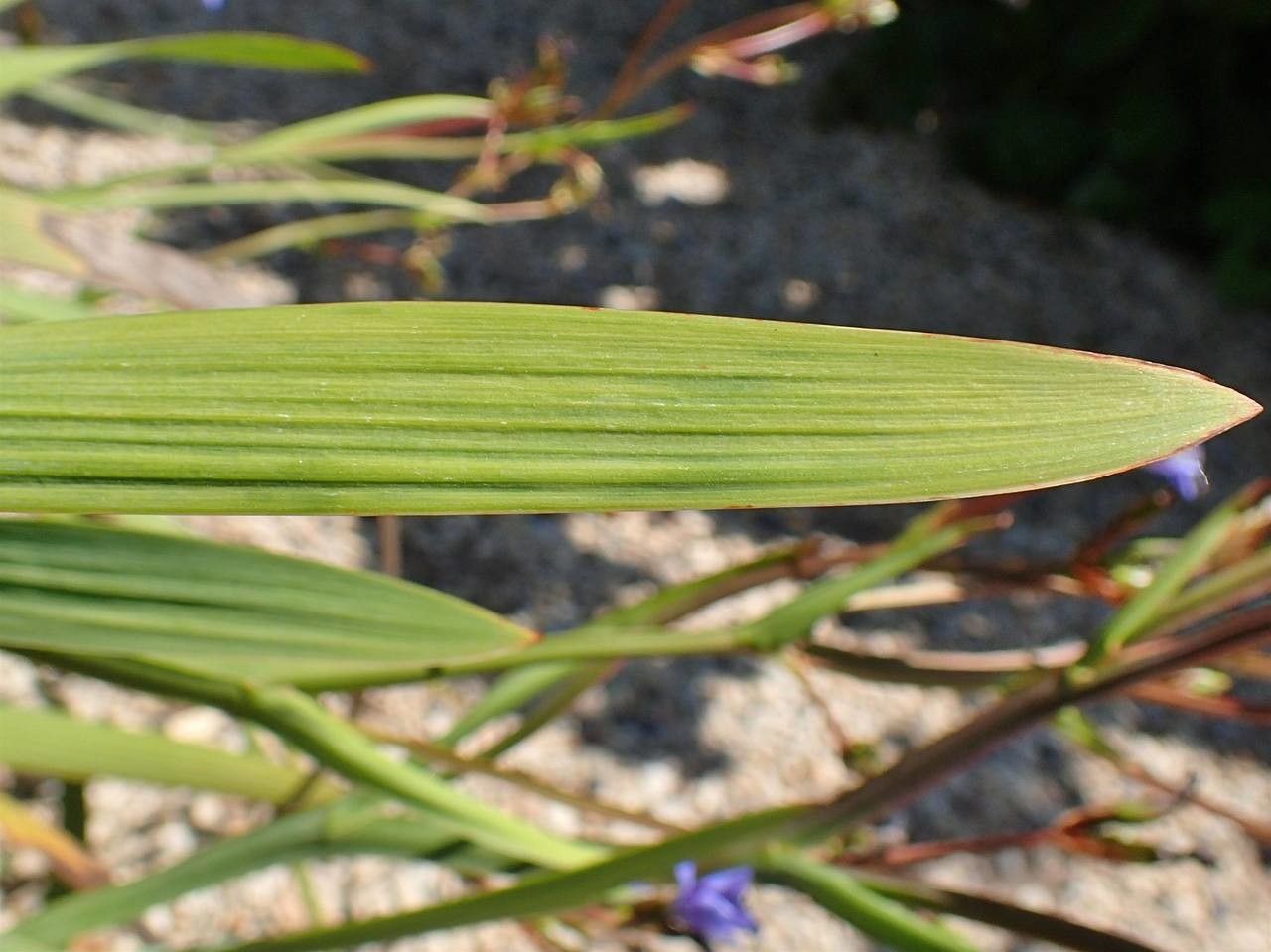
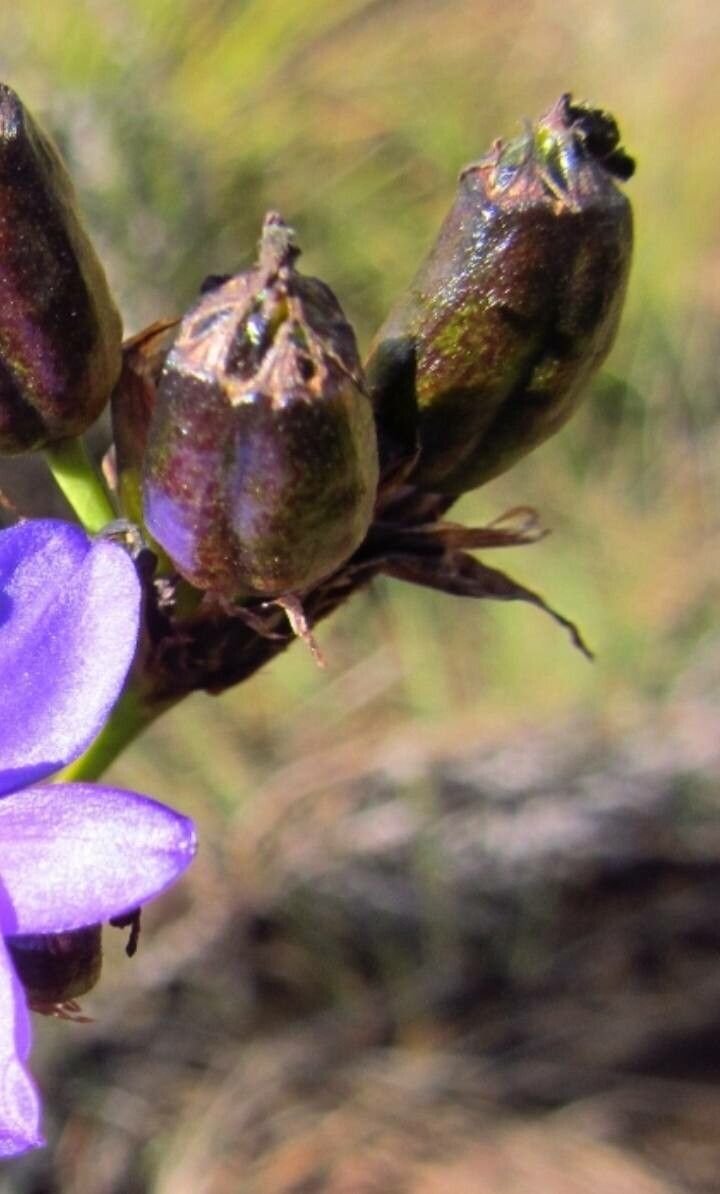
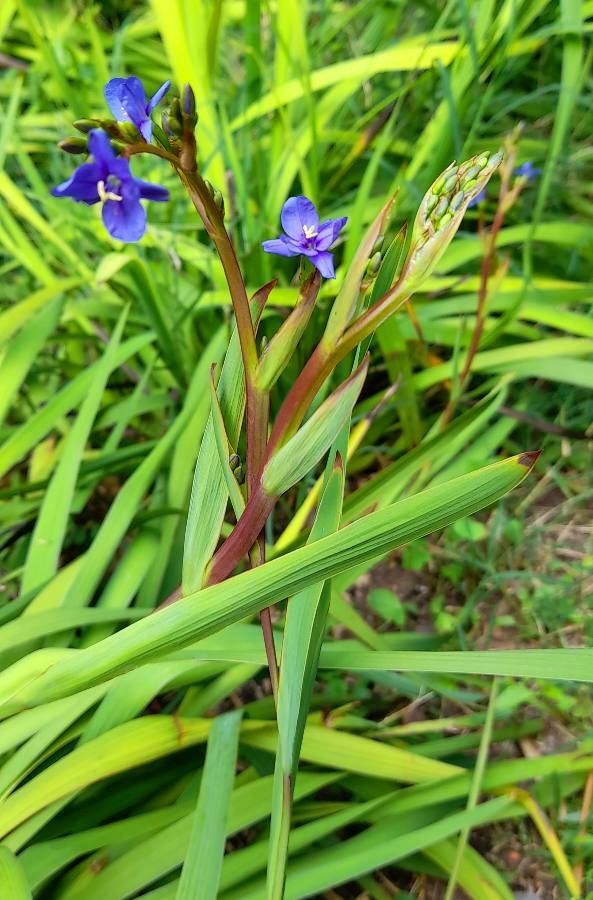
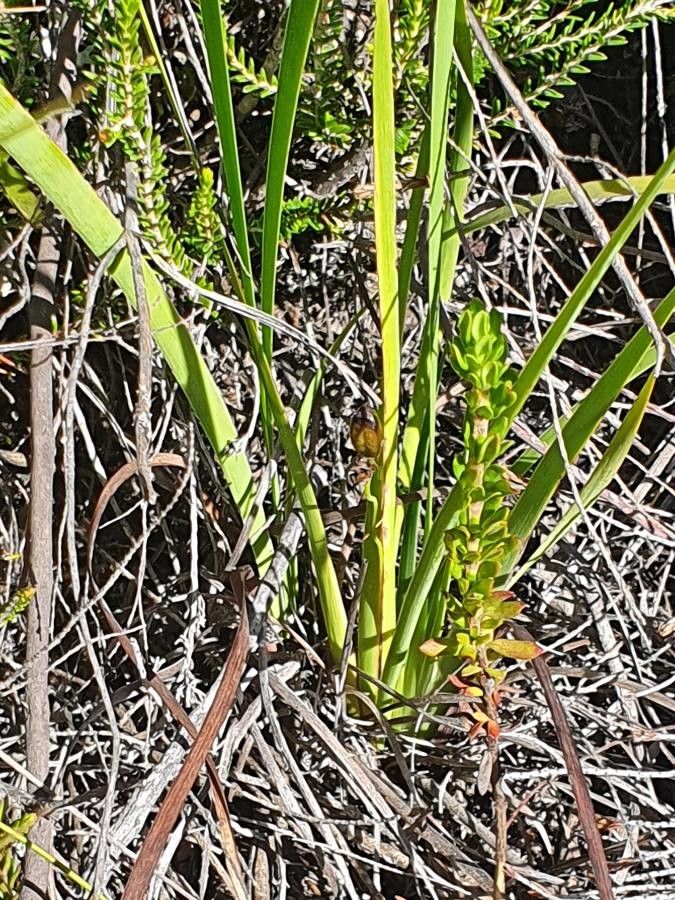
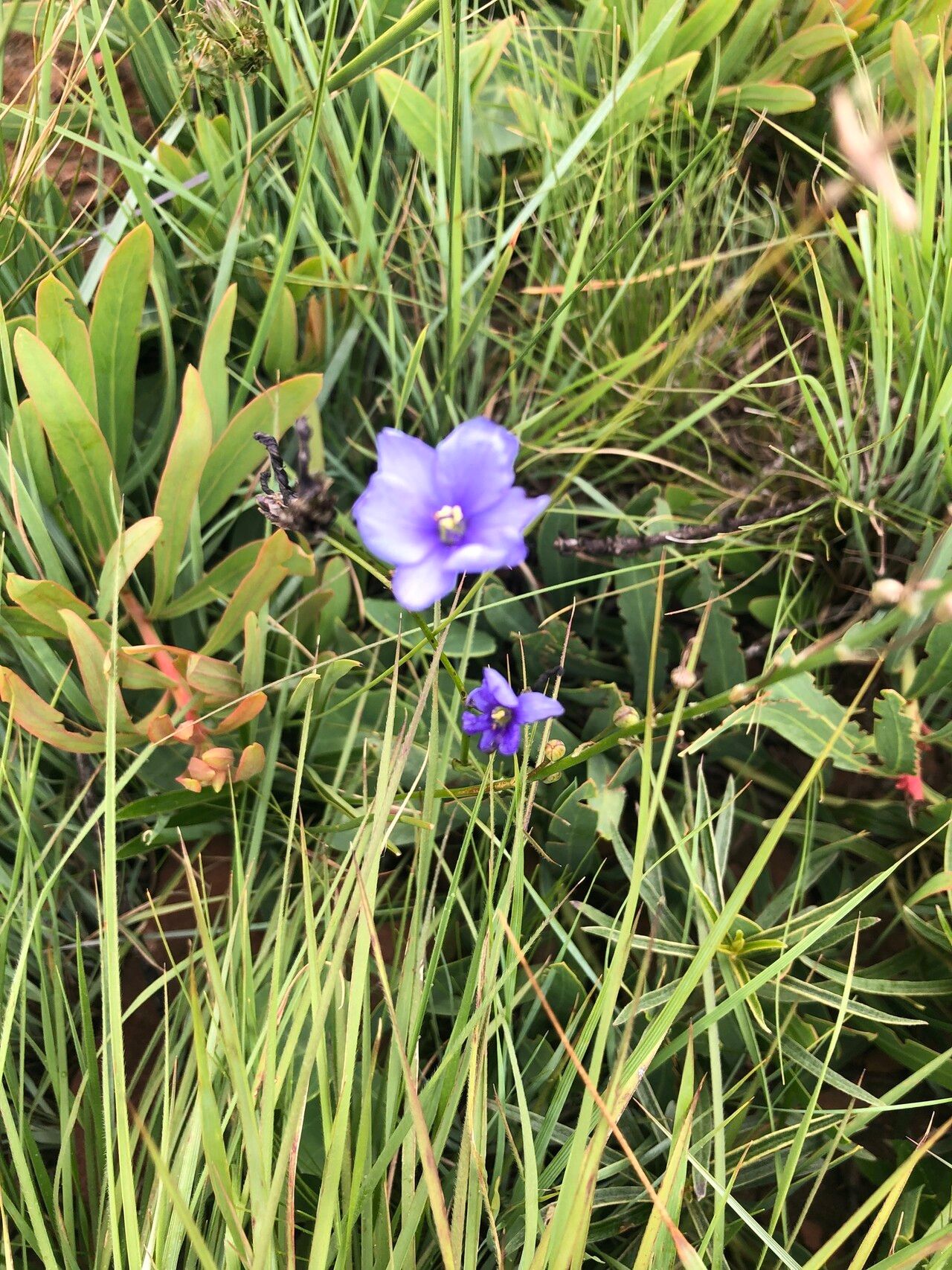
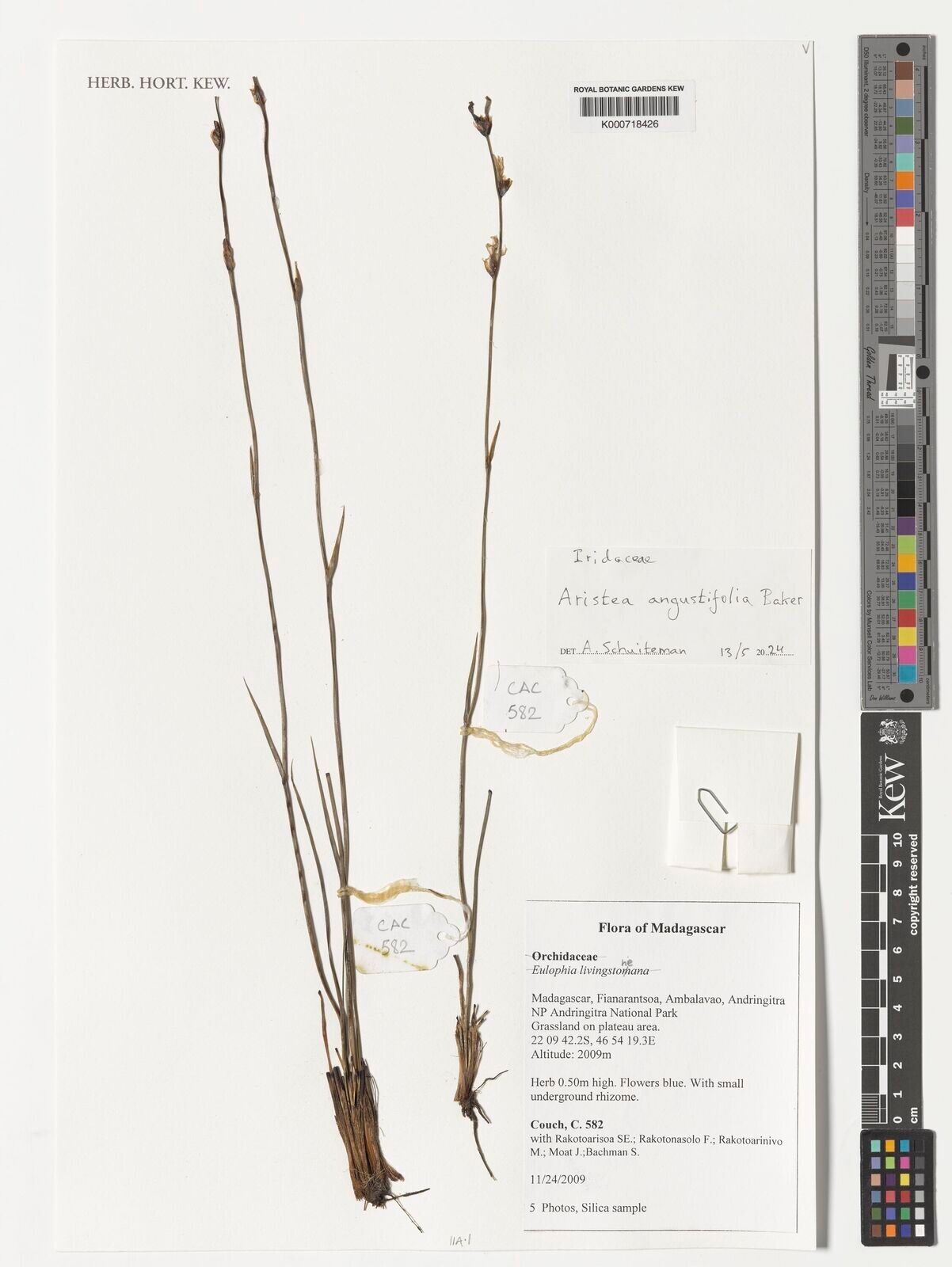
Aristea ecklonii is a perennial herbaceous plant that belongs to the Iridaceae family. Native to South Africa, it thrives in damp areas such as marshes, riverbanks, and wetlands. The plant features long, narrow leaves arranged in a fan-like shape at the base of its stem. These dark green leaves can grow up to 60 cm in length.
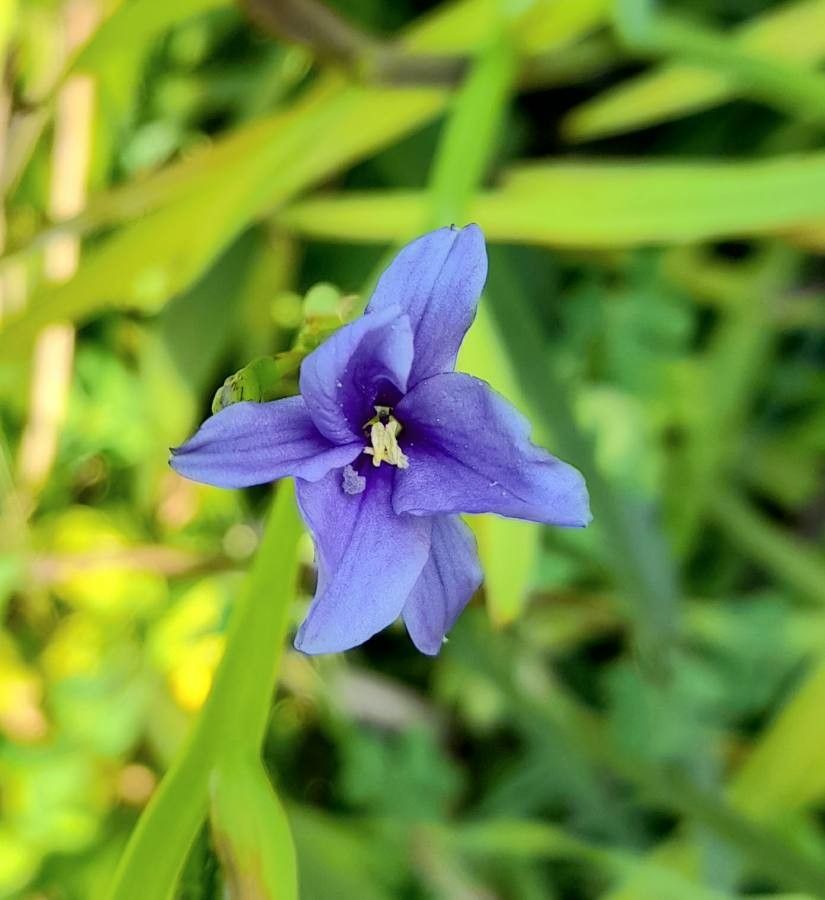
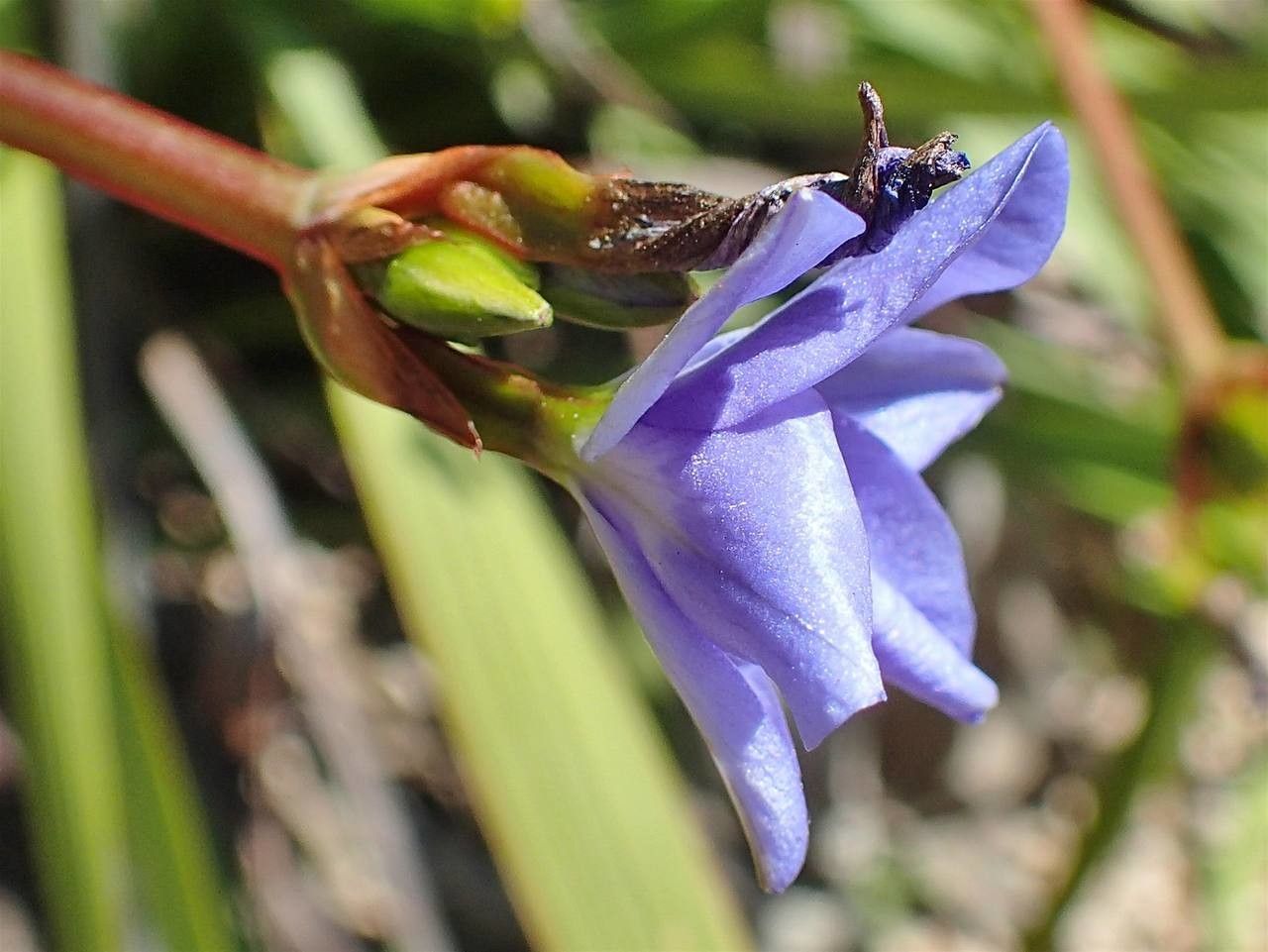
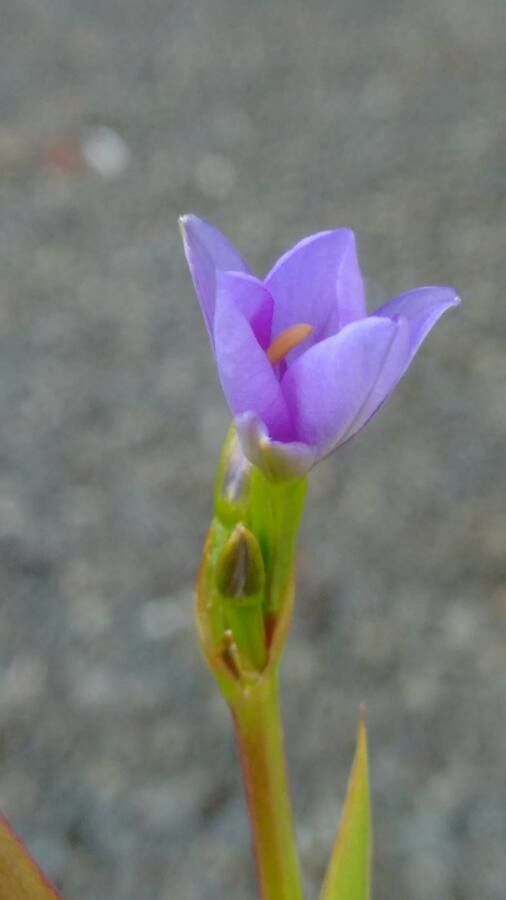
The flowers of Aristea ecklonii are blue-violet and consist of six petals arranged in a star shape. They bloom from late spring through summer on tall stems that can reach up to 1 meter in height.
Aristea ecklonii is often used as an ornamental plant because of its attractive flowers and foliage. It requires moist soil conditions but can tolerate some drought once established. The plant is also known to attract pollinators such as bees, butterflies, and birds.
In traditional medicine, Aristea ecklonii has been used for its anti-inflammatory properties to treat various ailments, such as arthritis pain and swelling from insect bites or stings.
Overall, Aristea ecklonii is an appealing ornamental plant with medicinal properties, making it a valuable addition to gardens or natural areas with damp soil conditions where it thrives best.
Blue flies has strong resistance to disease and is generally unlikely to develop illnesses. However, it can be vulnerable to pests and diseases present in its environment. These problems are typically not serious. Regarding care, this plant requires moderate maintenance. It should be pruned regularly to keep a pleasing appearance and support healthy growth. Fertilizing can also aid in promoting blooms. Blue flies is suitable for anyone with outdoor space, such as a garden or patio, and does not demand extensive care experience. It may need more attention when cultivated indoors.
How to keep Aristea Ecklonii.
Light
Blue flies tend to thrive in conditions where they can obtain abundant sunlight. Originally native to areas that offer ample sun, their growth can be hindered if they are not given sufficient light. However, excessive sun exposure can result in potential damage to the plant.
Water
Blue flies thrive in moist grasslands and prefer consistent moisture without becoming waterlogged. To mimic natural precipitation, they should be watered weekly. As evergreens, blue flies require steady hydration to maintain their foliage throughout the year, especially when grown outdoors where weather conditions can vary.
Temperature
Blue flies are native to climates where temperatures typically range from 68 to 100 °F (20 to 38 ℃). They favor warmer conditions and reach optimal growth toward the upper end of that range.
Fertilizer
The best time to fertilize a Blue flies is in early spring, as it comes out of dormancy and begins active growth. Fertilization supplies essential nutrients for healthy growth. Although Blue flies has relatively low fertilizer requirements, an annual application can boost its survival and encourage better, longer-lasting flowers.
Pruning
Blue Flies showcases beautiful blue flowers and grass-like leaves. Prune it from late winter to early spring, removing dead stems and spent flowers to promote growth and extend bloom duration. Use sharp tools for clean cuts, and be careful not to over-prune to maintain optimal density and vibrancy.
Pot & Repot
Repot blue flies every 2-3 years, using a slightly larger pot filled with well-draining soil. The best time to do this is in early spring. After repotting, place the blue flies in a location with bright, indirect light. Once you notice new growth, resume watering to keep the sword-shaped foliage healthy and the vibrant blue blooms thriving.
Botanical profile.
- Plant Type
- Herb
- Life Cycle
- Perennial, Annual
- Genus
- Aristea
- Family
- Iridaceae
- Hardiness Zone
- 8-11
- Mature Height
- 91 cm
- Mature Spread
- 46 cm
- Leaf Color
- Green
- Leaf Type
- Evergreen
- Flower Color
- Blue
- Flower Size
- 2.54 cm
- Bloom Time
- Late spring, Summer
- Planting Time
- Spring, Summer, Autumn, Winter
- Harvest Time
- Late summer, Fall
- Native Area
- Cameroon, Burundi, Mozambique, South Africa, Zambia, Eswatini, Rwanda, Congo (DRC), Uganda, Tanzania, Zimbabwe
Other names.
Reader questions.
What is the native climate of Blue flies?
Blue flies is native to climates where temperatures typically range from 68 to 100 °F (20 to 38 °C). It thrives best in warmer environments, particularly in the higher segments of this temperature range. This plant demonstrates some level of cold tolerance and does not generally require additional protection as long as the temperature remains above 0°C. However, in instances where temperatures are expected to fall below freezing, temporary measures such as wrapping the plant with plastic film, fabric, or other insulating materials are necessary. These protective measures should be removed once temperatures rise to ensure the plant's health.
How does Blue flies react to low temperatures?
Blue flies has a moderate tolerance to low temperatures but thrives optimally when the temperature is above 20°C. During the winter months, it's crucial to keep the temperature above 0°C to avoid damage. Exposure to temperatures falling below -10°C may cause the leaves to droop; while they might recover in mild cases, severe exposure can lead to wilting and eventual leaf loss. The recommended solution for frost damage includes trimming off the frost-damaged parts. To prevent recurrence, it's advisable to wrap the plant with non-woven fabric or cloth and construct a wind barrier to shield it from cold winds.
What measures should be taken for Blue flies in high temperatures?
In the summer months, it is important to ensure that Blue flies is kept below 38°C to prevent heat stress. Temperatures exceeding 43°C can deteriorate the plant's health, leading to lighter leaf color, dry and withered leaf tips, leaf curling, and a heightened risk of sunburn. To mitigate these effects, it is recommended to trim away any sunburned or dry parts and relocate the plant to an area with shade from the midday and afternoon sun, or use a shade cloth. Additionally, watering the plant in the morning and evening can help maintain soil moisture, further protecting the plant from high-temperature stress.