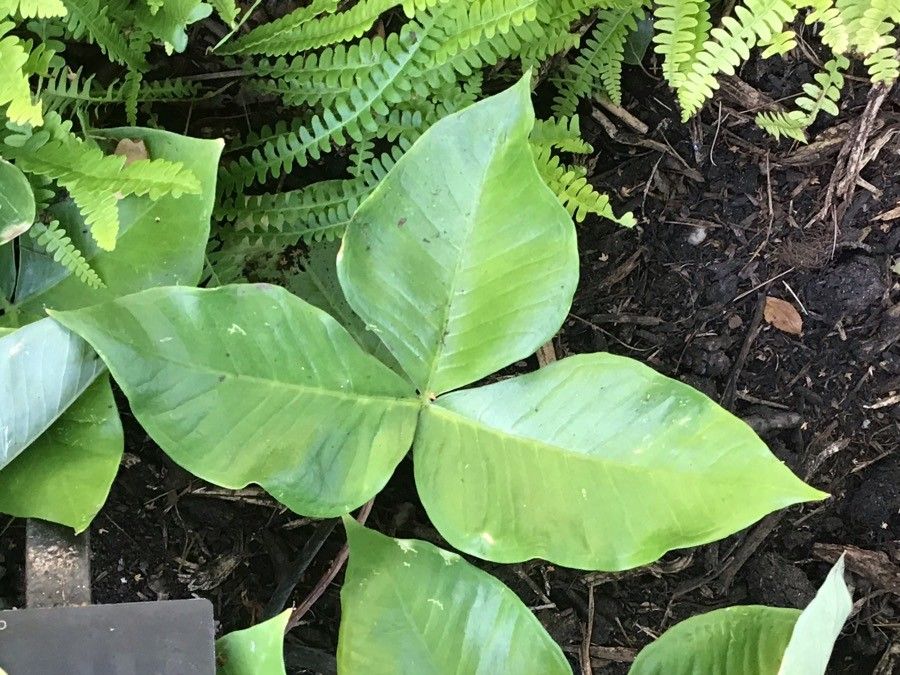
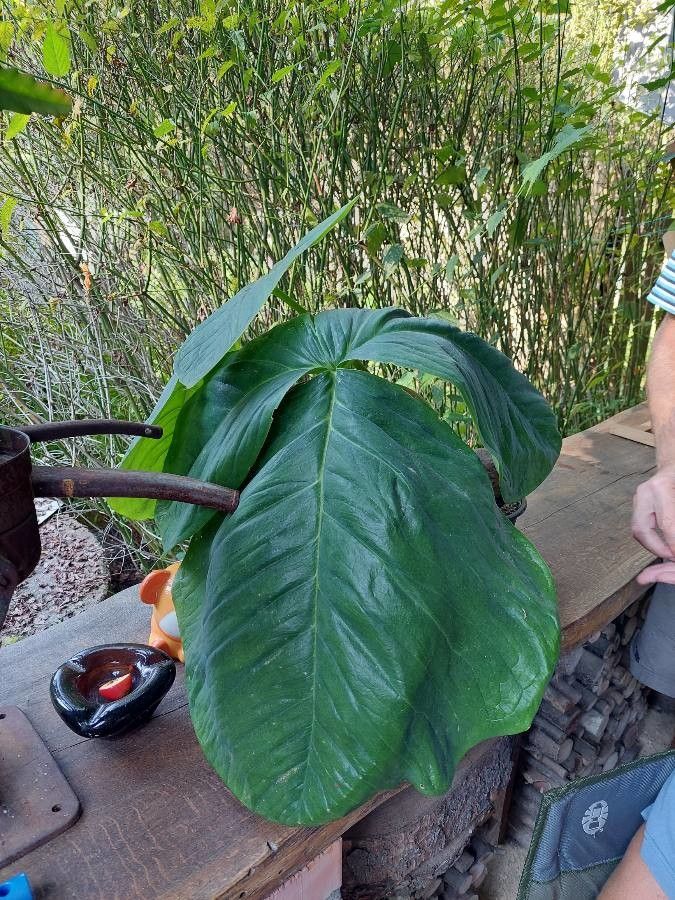
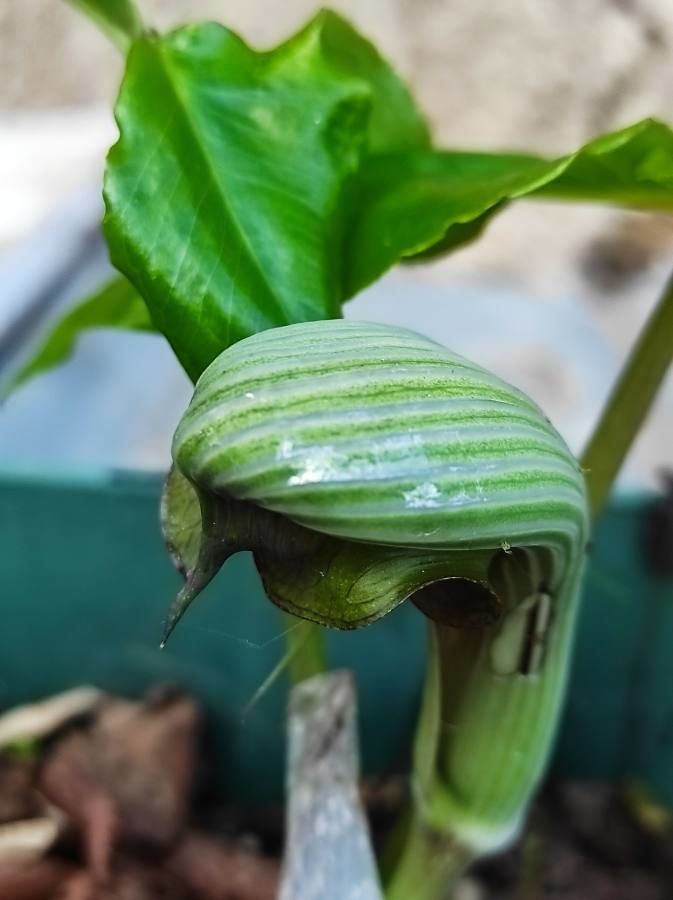
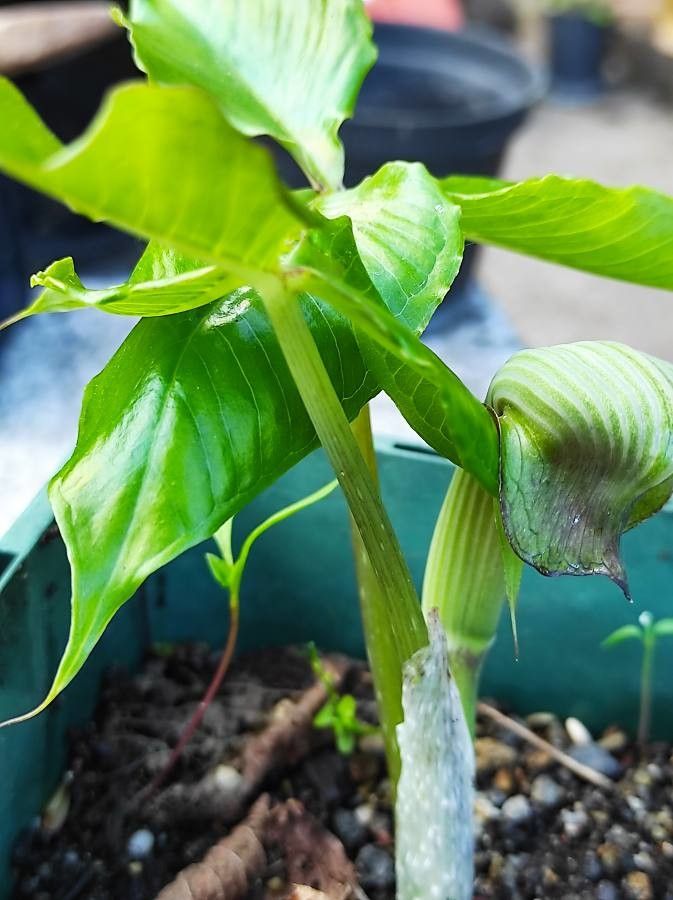
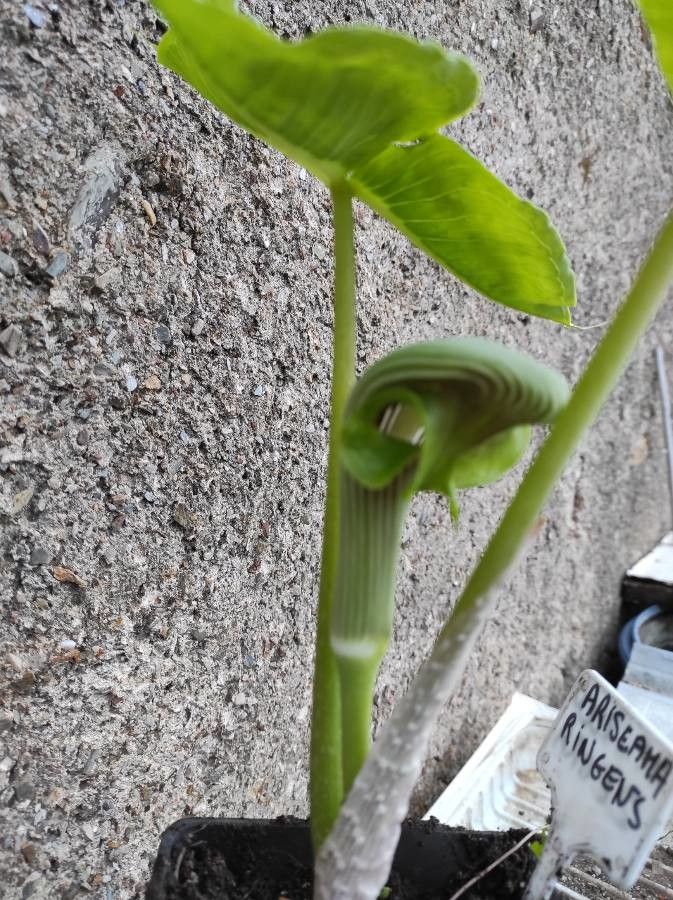
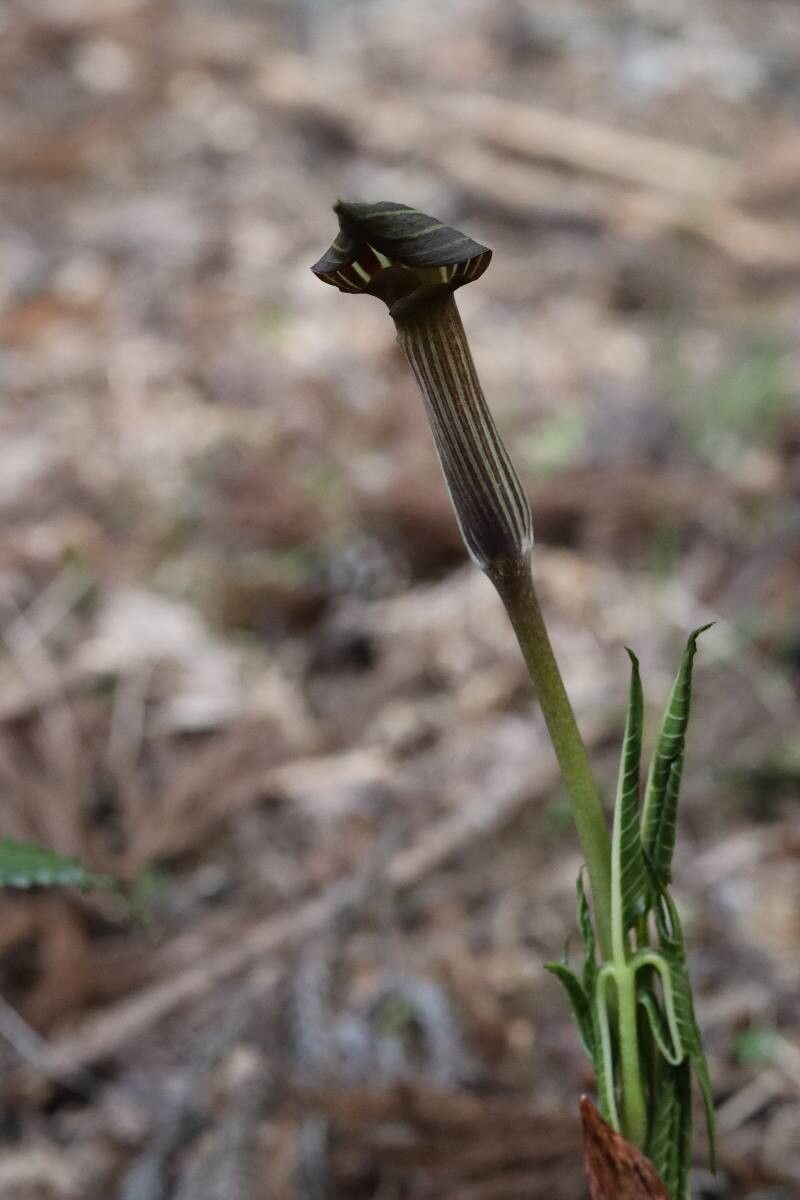
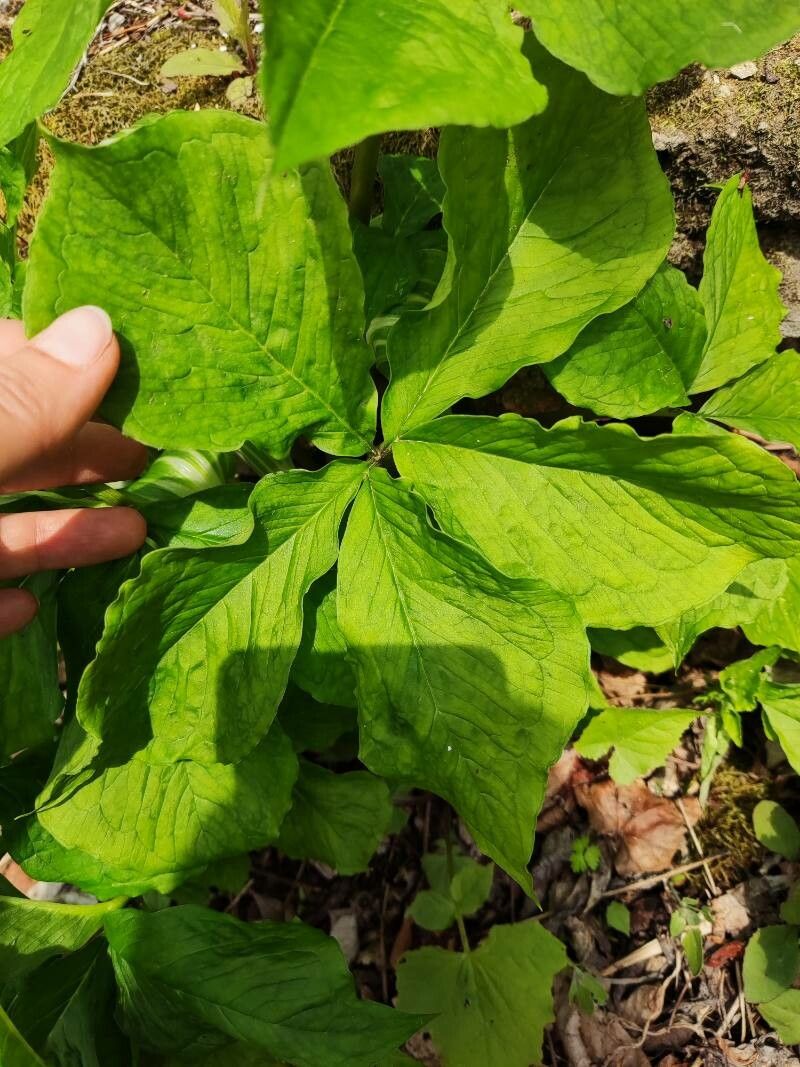
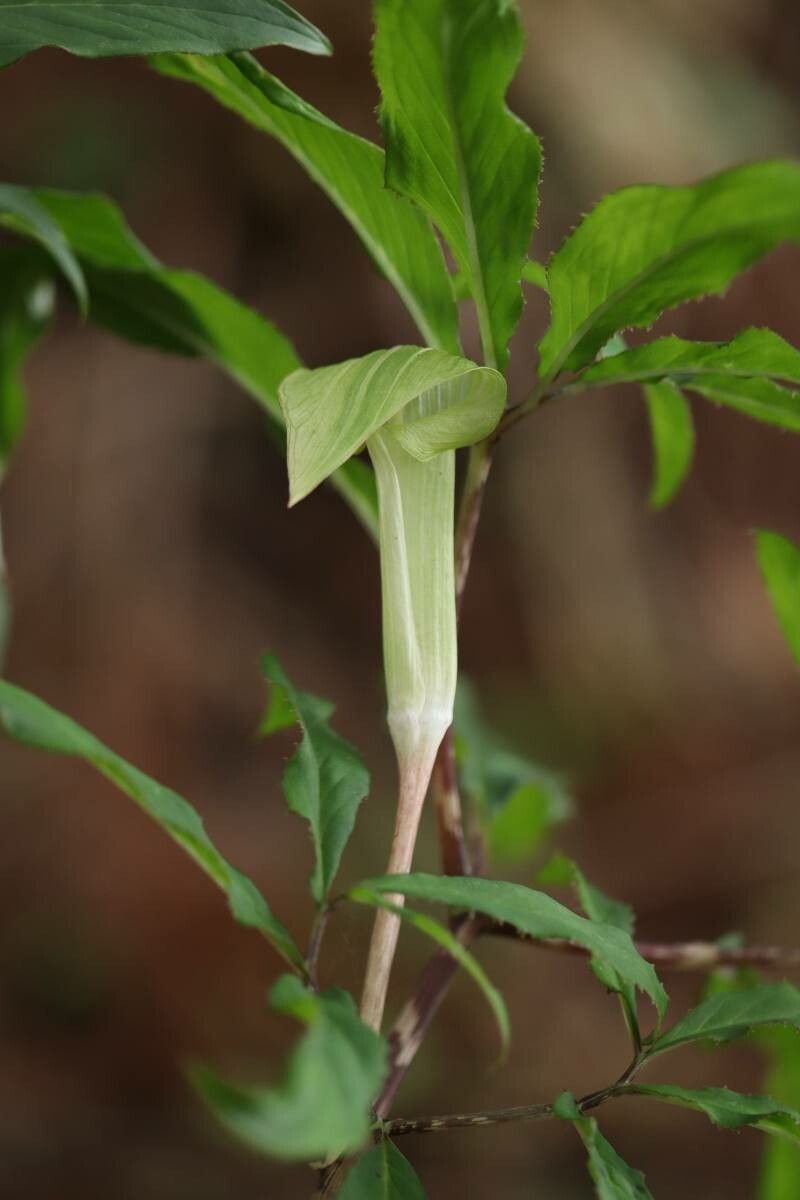
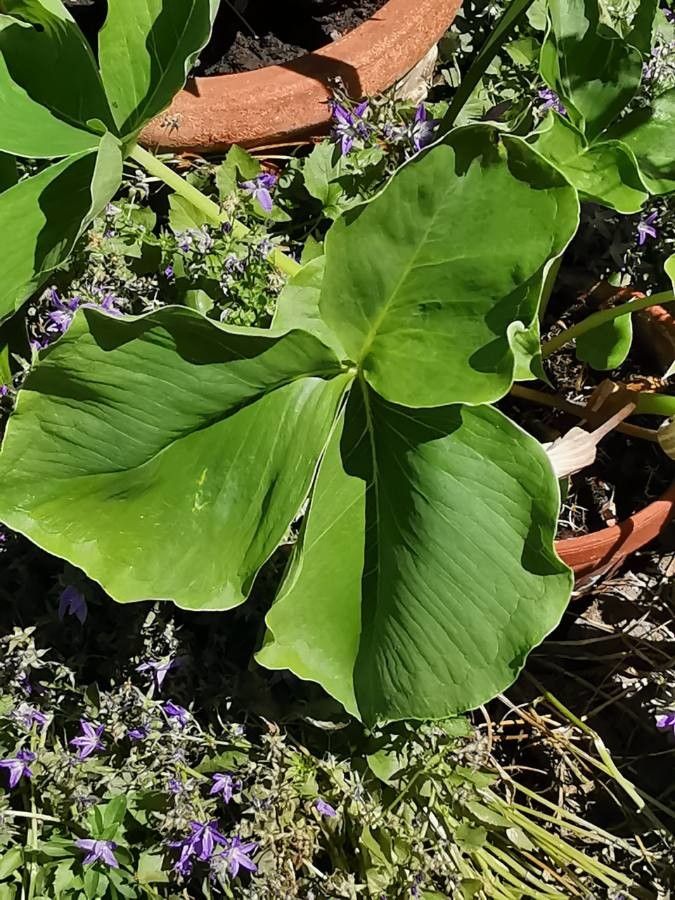
Arisaema ringens, the Japanese cobra lily, is a species of flowering plant in the family Araceae, native to the Zhoushan Islands of China, Taiwan, South Korea, central Japan, and the Ryukyu Islands. A tuberous geophyte reaching 45 cm (18 in), in the wild they are found at low elevations in forests. A dioecious species, it is pollinated by flies. In the garden it needs moist, humus-rich soil, and is hardy in USDA zones 6 through 9.
The Japanese cobra lily has strong resistance to disease and is generally not prone to illnesses. However, it can be vulnerable to pests and diseases present in its environment. These infections are typically not severe. For care, this plant needs a moderate amount of maintenance. It should be pruned regularly to preserve its appearance and support healthy growth. Fertilizing can also help encourage flowering. The Japanese cobra lily is well suited for anyone with outdoor space, such as a garden or patio, and does not demand extensive care experience. It may need extra attention when grown indoors.
How to keep Arisaema Ringens.
Light
The Japanese cobra lily thrives in filtered sunlight, reflecting the understory conditions of its native habitat, which also makes it tolerant of shady situations. However, too much or too little light can impede its growth, causing withered leaves in the former case and stunted development in the latter.
Water
The Japanese cobra lily thrives in moist environments, preferring high humidity and damp soil. Although it can tolerate moderate drought, regular weekly watering helps maintain the moisture levels it needs. As an herbaceous perennial, the Japanese cobra lily is typically grown outdoors, where it relies on natural rainfall that aligns with its seasonal growth cycles.
Temperature
The Japanese cobra lily is native to climates with temperatures of about 50 to 95 °F (10 to 35 °C). It grows best within that range and may require seasonal adjustments to maintain ideal growing conditions.
Fertilizer
The best time to fertilize a Japanese cobra lily is in early spring, as it comes out of dormancy and begins active growth. Applying fertilizer supplies essential nutrients needed for healthy development. Although the Japanese cobra lily requires relatively little fertilization, feeding it once a year can improve its survival and encourage better, longer-lasting flowers.
Pruning
The Japanese cobra lily is known for its vibrant, hooded flowers and glossy leaves. When it comes to pruning, keep it minimal. Focus on removing dead or damaged foliage in early spring and trim away any faded blooms after they have bloomed. Avoid heavy pruning after late spring, as this can disrupt the plant's growth cycle. Proper pruning improves airflow, reduces the risk of disease, and promotes healthy growth.
Pot & Repot
Repot your Japanese cobra lily every spring, choosing a slightly larger pot with good drainage. Ensure the plant has consistent moisture and receives indirect light, but be careful to avoid waterlogging. Use a well-draining soil mix to support healthy growth.
Botanical profile.
- Plant Type
- Herb
- Life Cycle
- Perennial
- Genus
- Arisaema
- Family
- Araceae
- Hardiness Zone
- 6-9
- Mature Height
- 30 cm to 46 cm
- Mature Spread
- 15 cm to 23 cm
- Leaf Color
- Green
- Leaf Type
- Deciduous
- Flower Color
- Green, Purple
- Flower Size
- 1.52 cm
- Bloom Time
- Early spring, Mid spring
- Planting Time
- Spring
- Harvest Time
- Late summer, Early fall, Mid fall
- Native Area
- Japan, China
Other names.
Reader questions.
What is the ideal temperature range for growing Japanese cobra lily?
The Japanese cobra lily thrives in temperatures ranging from 50 to 95 °F (10 to 35 °C), which are its indigenous climate conditions. This temperature range is optimal for its growth, allowing the plant to develop fully throughout its growing season. Special measures for cold protection are generally not needed due to the plant's strong cold resistance, although precautions should be taken if temperatures are expected to drop below -25°C.
How should Japanese cobra lily be cared for during winter?
During winter, Japanese cobra lily requires little special care because of its cold resistance. However, if temperatures are anticipated to fall below -25°C, it's important to provide some form of cold protection. This can be achieved by covering the plant with protective materials like soil or straw. Additionally, watering the plant abundantly before the first freeze in autumn is recommended. This ensures the soil remains moist and prevents drought and water scarcity during the colder months, thereby aiding the plant's survival through winter and early spring.
What are the symptoms of low temperature stress in Japanese cobra lily and how can it be managed?
Japanese cobra lily is cold-tolerant, preferring temperatures to remain above 10°C. During winter, it's essential to keep it above -15°C. If temperatures drop below -25°C, there may not be immediate visible damage, but the plant could exhibit decreased sprouting or fail to sprout at all in spring. Should this occur, it's advised to remove any parts of the plant that have failed to sprout once warmer temperatures return in spring.
How does high temperature affect Japanese cobra lily and what are the solutions?
In summer, the optimal temperature for Japanese cobra lily should not exceed 35°C. If the temperature goes over 38°C, the plant might show signs of stress such as leaves becoming lighter, prone to curling, susceptible to sunburn, and in severe cases, wilting or drying out completely. To mitigate these issues, it is recommended to trim away the sunburned and dried-up parts. Additionally, moving the plant to a shadier location or using a shade cloth to protect it from the midday and afternoon sun can help. Ensuring the soil remains moist by watering in the morning and evening is also beneficial.