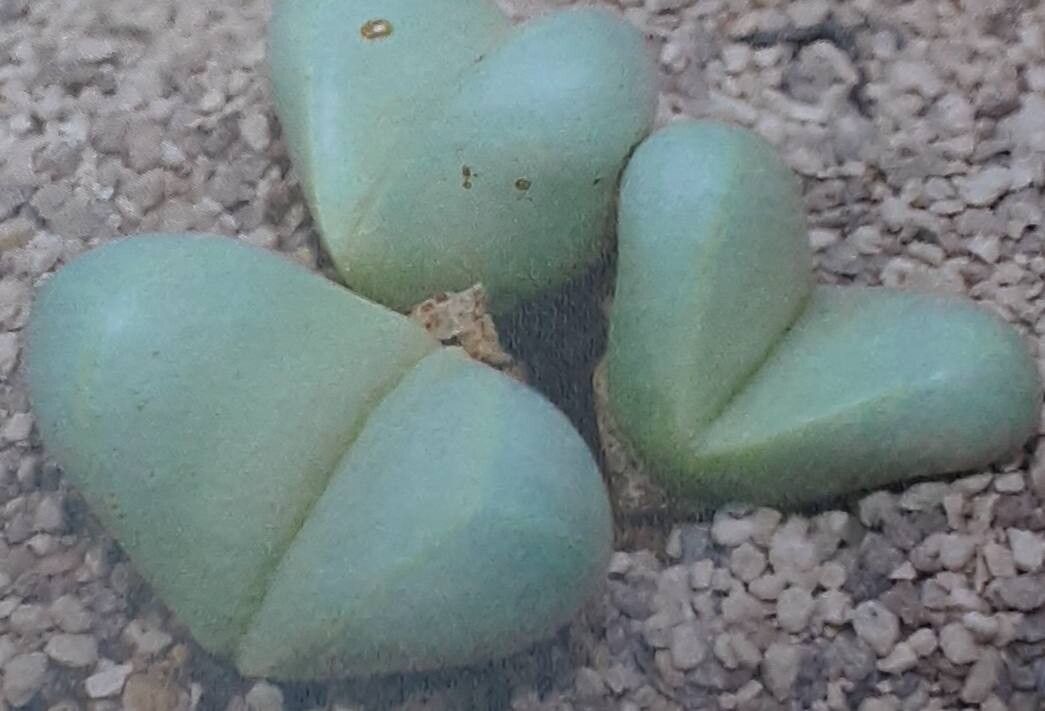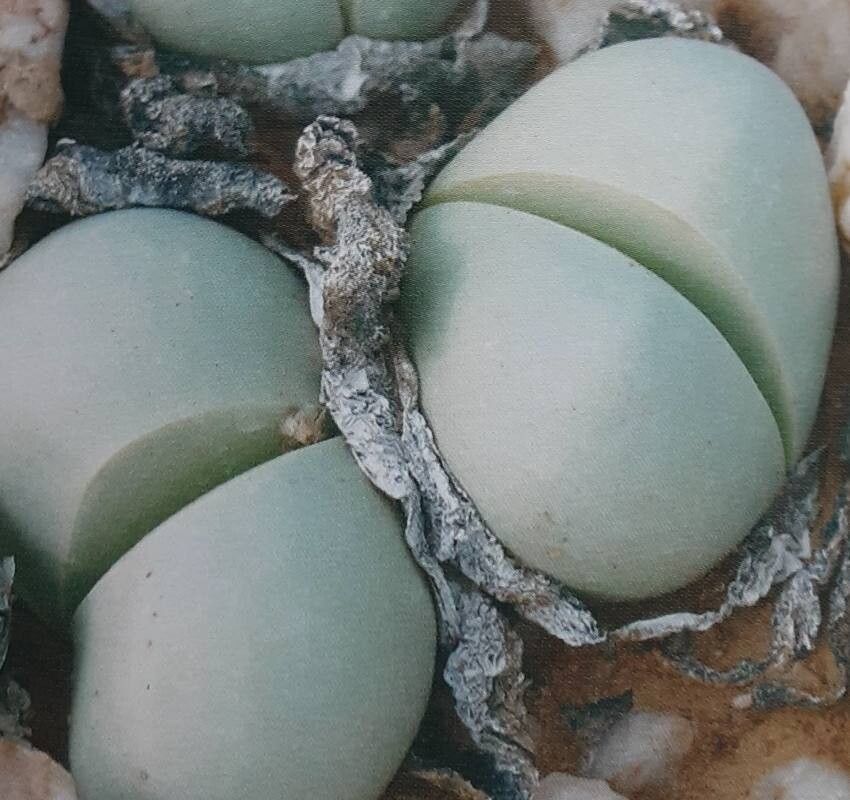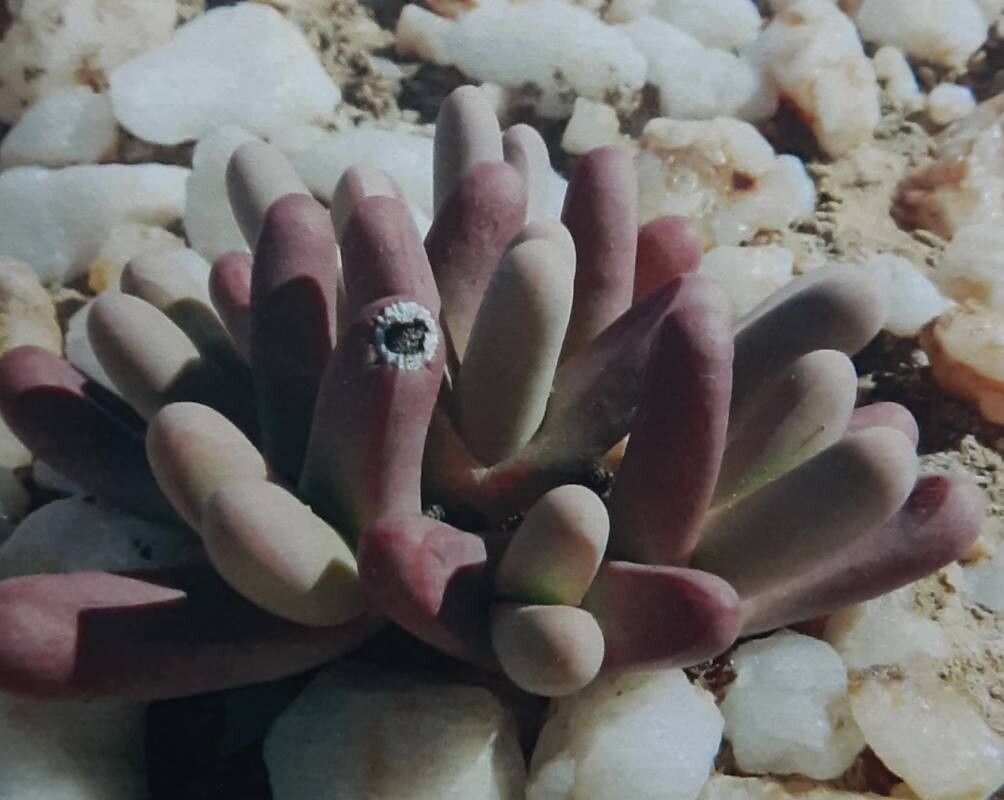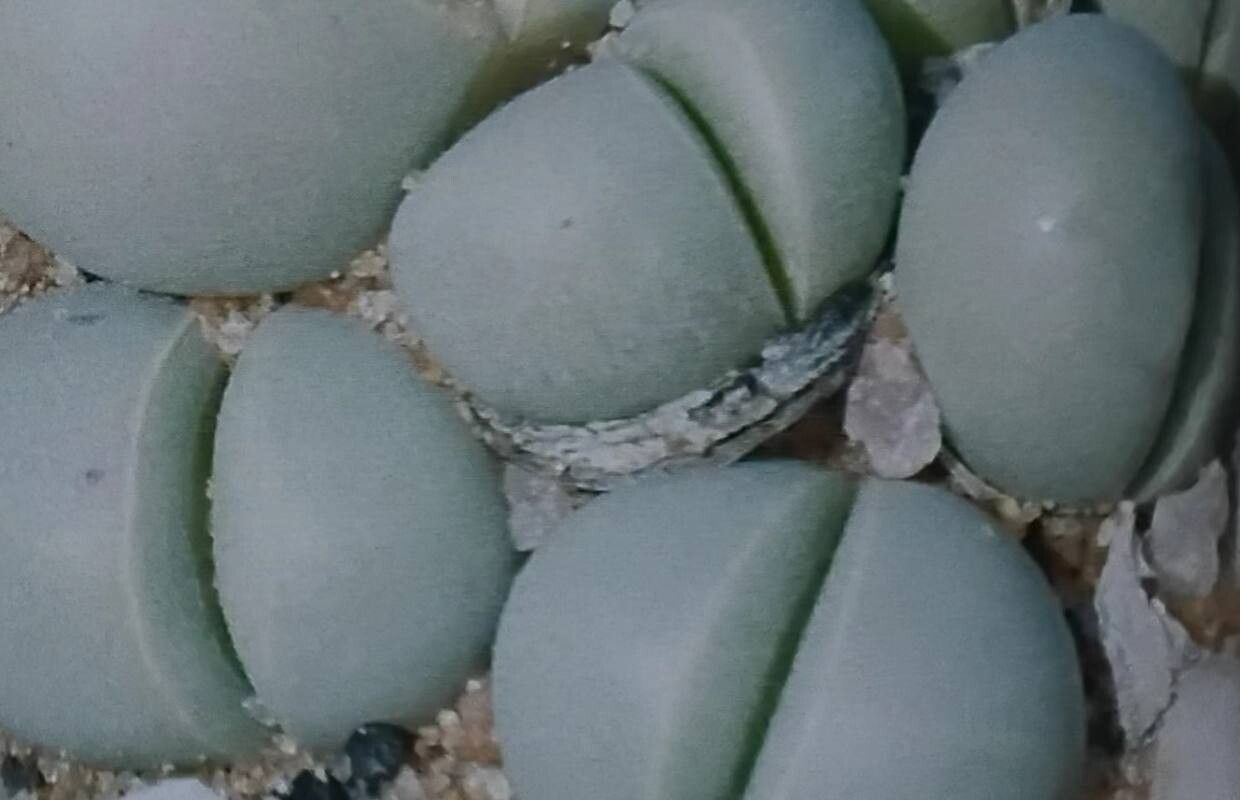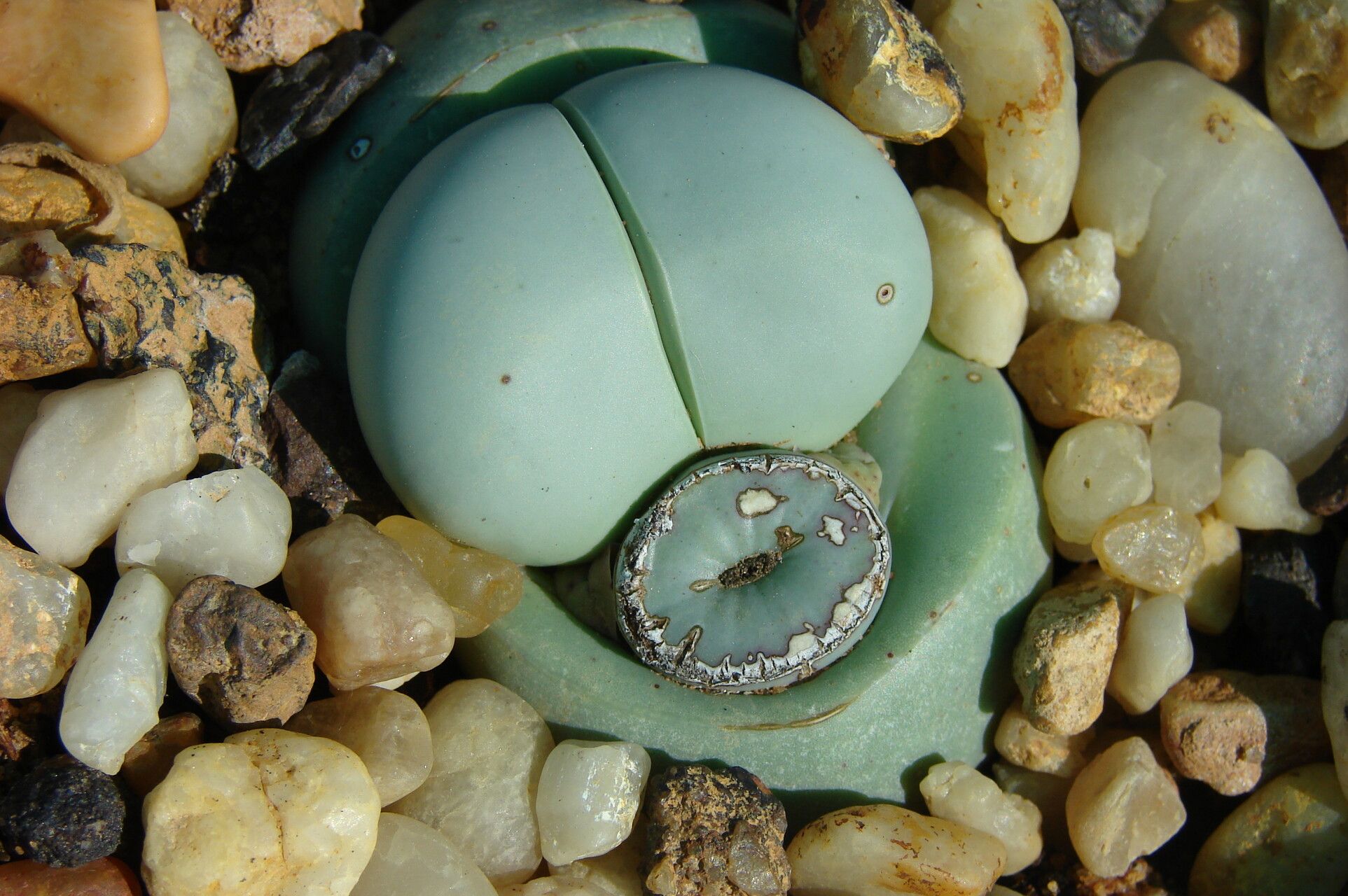
Baby-bottoms has moderate resistance to disease but is more sensitive to humidity. It becomes vulnerable to illness when humidity is high and is likely to suffer root rot during dormancy. Concerning care needs, Baby-bottoms tolerates drought yet requires increased watering in the growing season. Watering should be greatly reduced or stopped entirely during the dormant period. Baby-bottoms is appropriate for growers with some experience, though it can be challenging to look after, particularly during dormancy. It is especially suitable for those who have time to devote to its care over the winter months.
How to keep Argyroderma Delaetii.
Light
The growth of baby-bottoms flourishes in conditions with plenty of sunlight during the day. This plant can also survive in areas where sunlight isn't consistently present. Nonetheless, its development might be stifled if it doesn't receive sufficient sunlight, and it could get sunburned if exposed to too much sun.
Water
Adapted to arid habitats, baby-bottoms efficiently store water and thrive in dry conditions. This drought-tolerant plant only needs to be watered once every three weeks. It's ideal for indoor cultivation and prefers well-draining soil that mimics its natural environment.
Temperature
Baby-bottoms can tolerate some warmth, but it flourishes primarily in cooler weather and becomes inactive during summertime. It's critical to provide shelter during the warm summer months to protect it from intense sunlight burn. During this period, you should also minimize or even stop watering to avoid root decay. The plant demonstrates robust growth in winter and spring. As long as the temperature doesn't fall excessively, Baby-bottoms' growth will remain consistent.
Fertilizer
For Baby-bottoms, moderate applications of fertilizer once or twice a year throughout the growing season will suffice. Refrain from fertilizing during its dormant periods in winter and summer. Minimize fertilization for plants that have been repotted, and allow a few months to pass after repotting before adding fertilizer. The action of fertilizing promotes robust growth and stimulates flowering.
Pruning
To keep large succulent plants, such as baby-bottoms, in good shape, it is important to prune them in the spring and autumn. This involves removing any excess or dense branches. For propagation, you can cut leaves or sturdy stems and treat the wounds with sulfur powder. After the cuttings have healed, plant them in slightly moist soil.
Pot & Repot
In the process of repotting Baby-bottoms, pick out a pot slightly bigger than the current one equipped with efficient drainage. Make use of a sharply draining, gritty sauce of succulent or cactus. Meticulously extract the plant from its former pot, get rid of excess dirt, and reposition at an equal depth. Postpone watering for several days, which gives any root injury time to recover. Repotting should be conducted in spring or fall, and the plant should be placed in an area with abundant light.
Botanical profile.
- Plant Type
- Succulent
- Life Cycle
- Perennial
- Genus
- Argyroderma
- Family
- Aizoaceae
- Hardiness Zone
- 9-11
- Mature Height
- 1 cm
- Mature Spread
- 2 cm
- Leaf Color
- Gray, Light Gray
- Leaf Type
- Evergreen
- Flower Color
- Pink
- Flower Size
- 2.03 cm to 3.05 cm
- Bloom Time
- Late summer, Early fall, Mid fall
- Planting Time
- Spring, Summer
- Harvest Time
- Mid fall, Late fall, Early winter
- Native Area
- South Africa