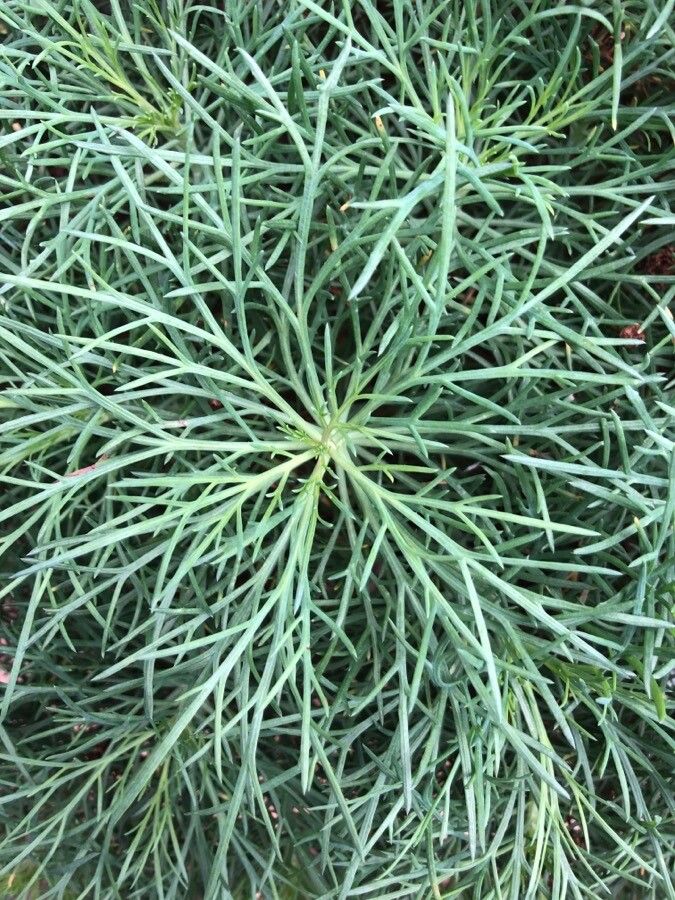
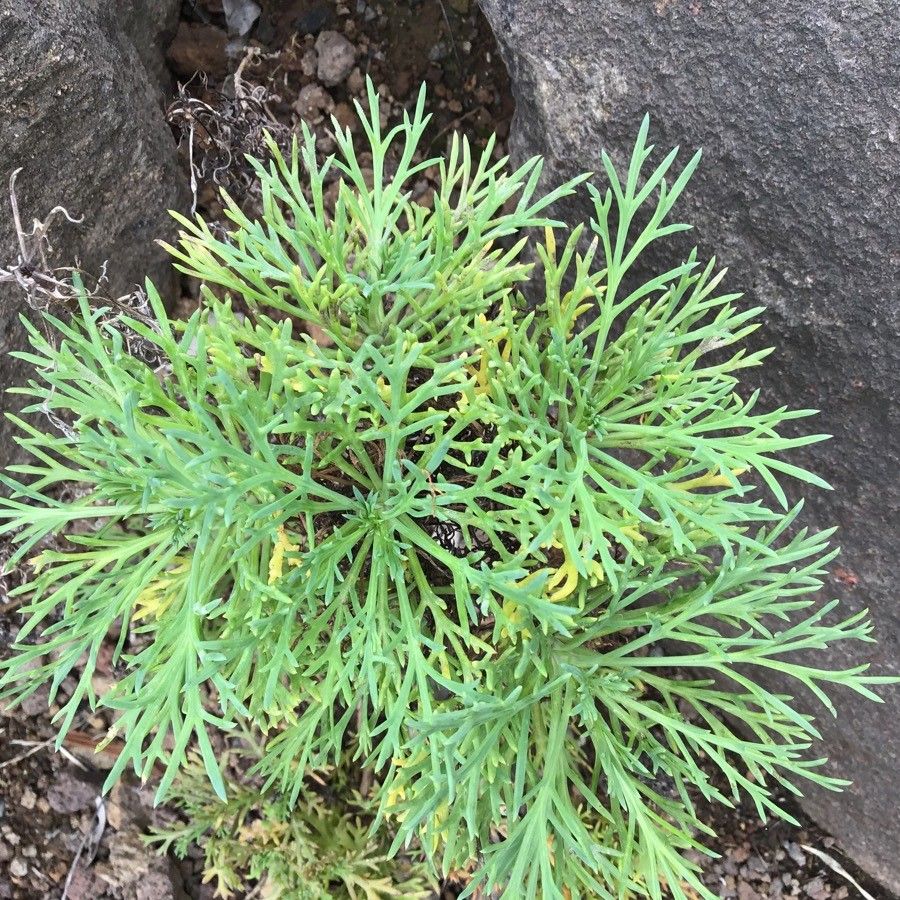
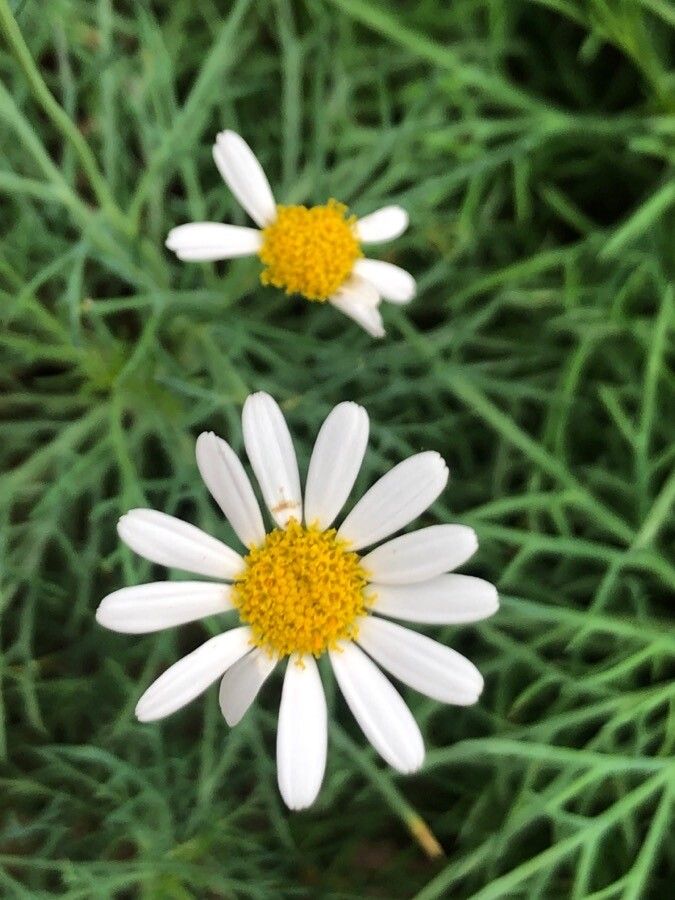
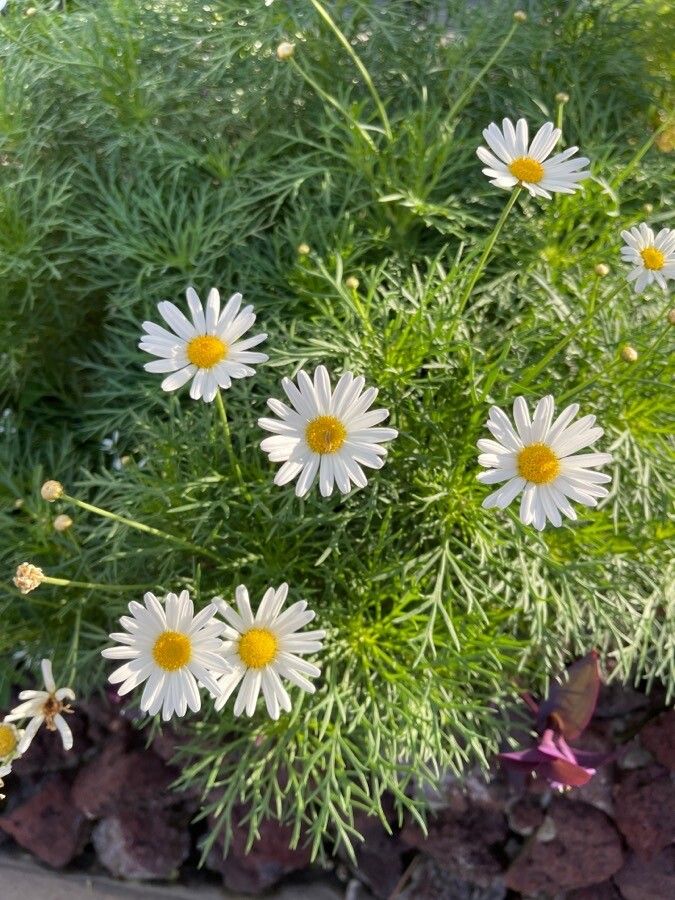
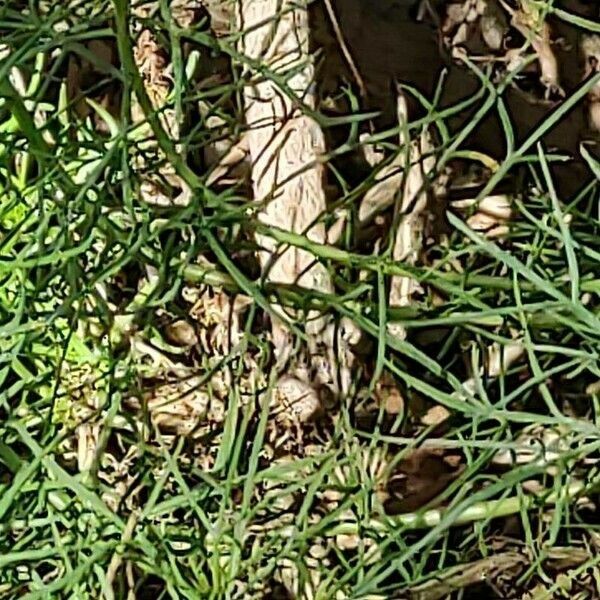
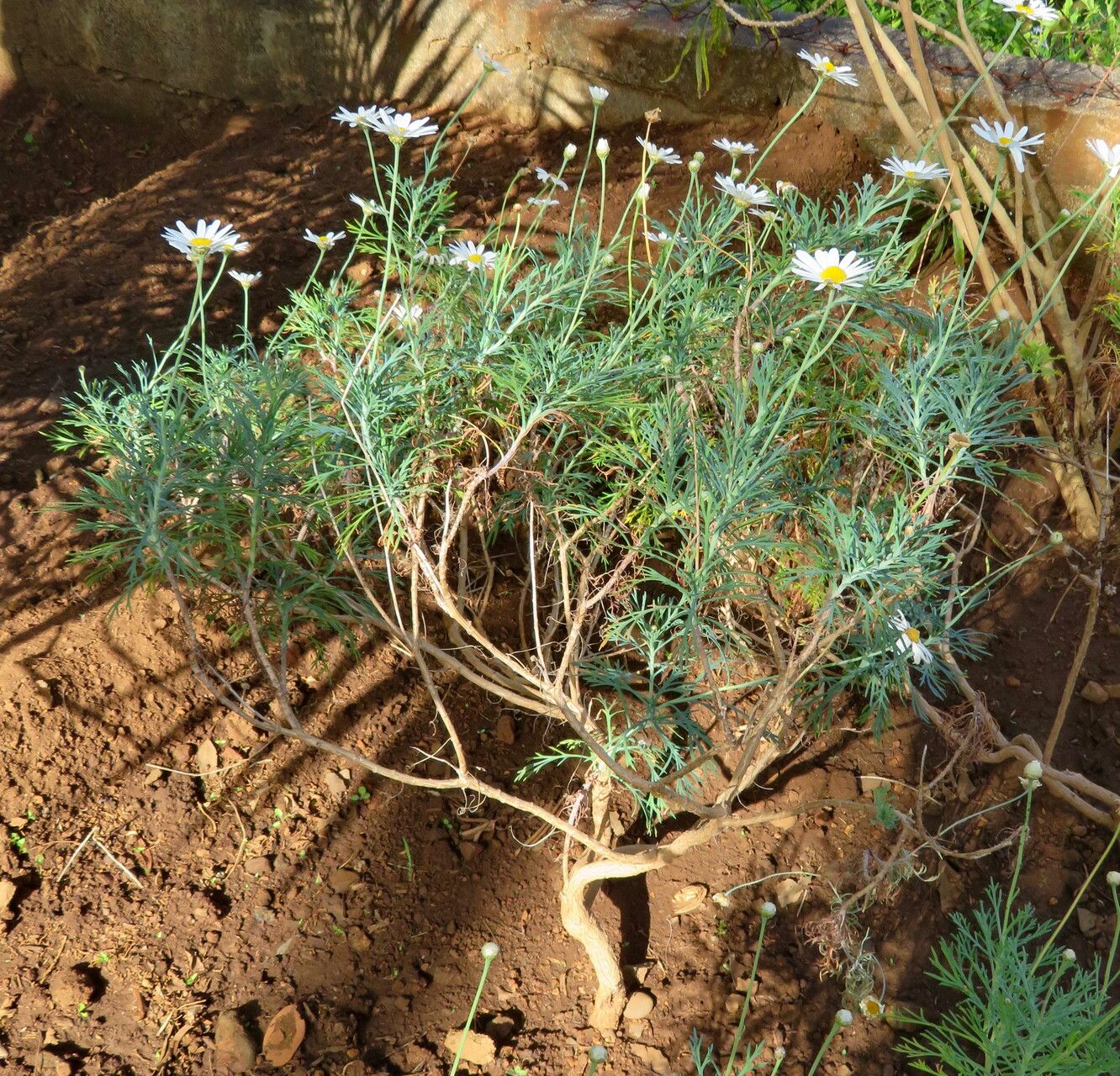
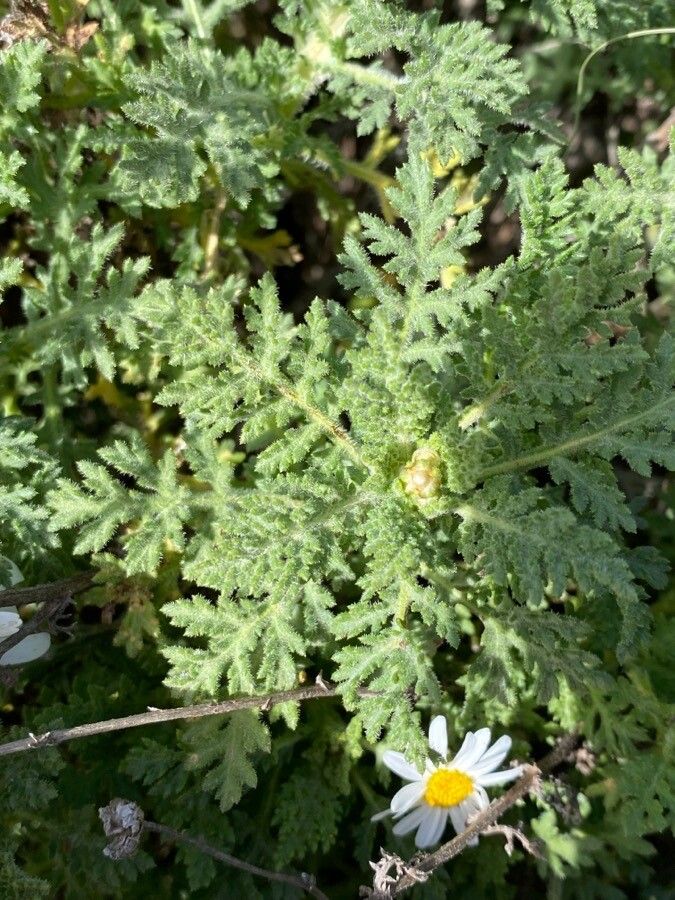
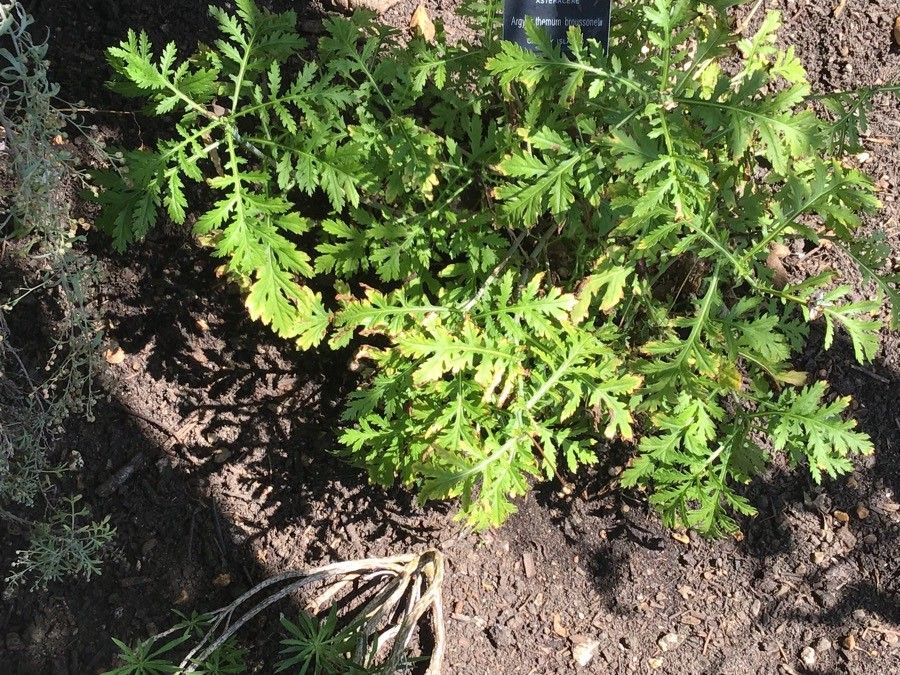
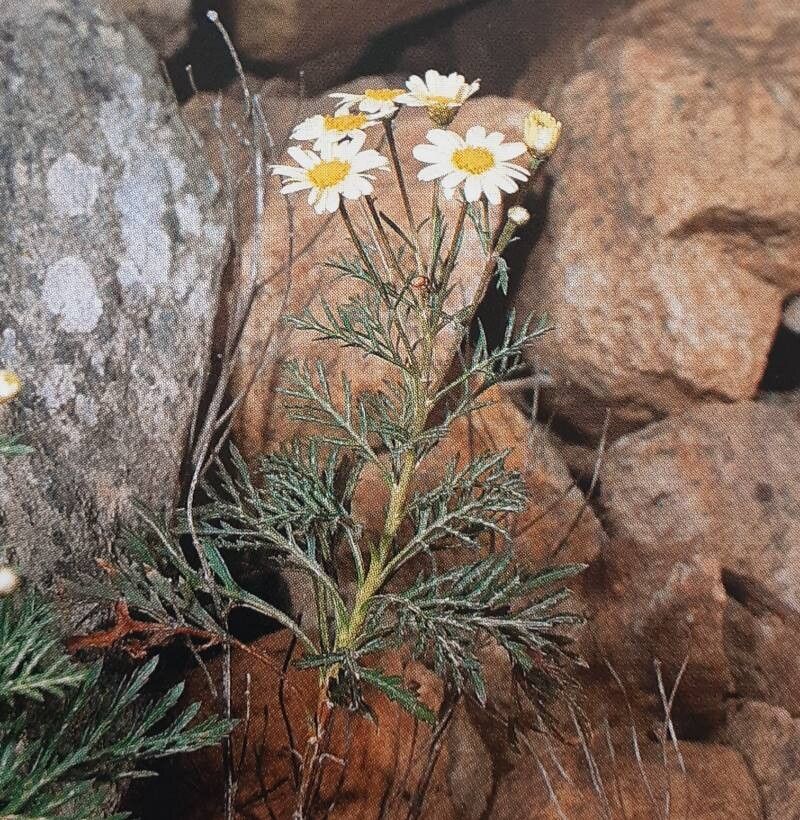
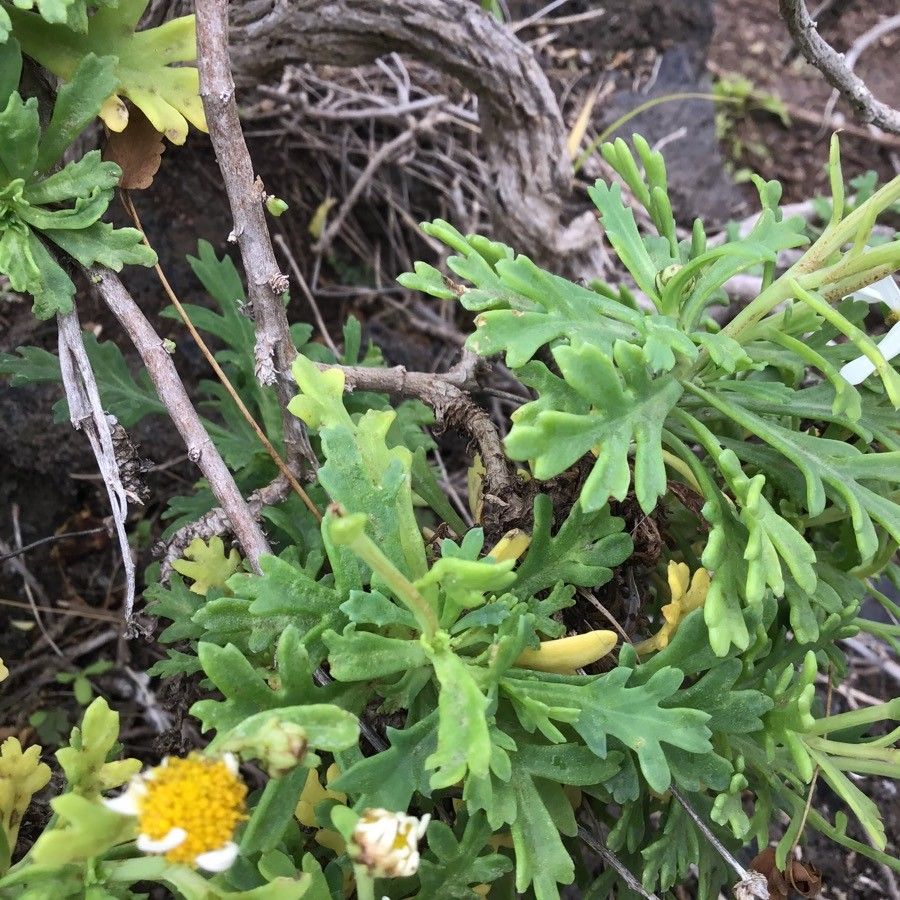
Argyranthemum foeniculaceum, called the Canary Island marguerite, is native to the Canary Islands, (part of Spain). It is widely cultivated as an ornamental and naturalized in California and Australia.
Dill daisy has strong disease resistance and is generally not very susceptible to illnesses. However, it can be affected by pests and diseases present in its environment. Such infections are typically mild. Regarding care, this plant needs moderate maintenance. It should be pruned regularly to maintain an attractive appearance and healthy growth. Fertilizing can also help encourage flowering. Dill daisy is suitable for anyone with outdoor space, such as a garden or patio, and does not require extensive care experience. It may need more attention when kept indoors.
How to keep Argyranthemum Foeniculaceum.
Light
Dill daisy is a perennial herbaceous plant that favors sunny conditions and comes from open habitats, commonly growing in meadows and grasslands. It prefers full sun but can tolerate partial sun.
Temperature
Dill daisy shows strong temperature adaptability, tolerating higher heat and broader temperature swings. In hot conditions, care should be taken to water adequately and provide suitable shade to avoid sunburn. Conversely, dill daisy is relatively sensitive to cold; it can endure some chill, but excessively low temperatures may cause frost damage.
Fertilizer
The best time to fertilize a Dill daisy is in early spring, when it is coming out of dormancy and starting active growth. Fertilizing supplies essential nutrients for healthy growth. Although Dill daisy has relatively low fertilizer requirements, an annual application can improve its survival and encourage better, longer-lasting flowers.
Pruning
To keep dill daisies healthy and attractive, start by pruning them in early spring. Cut any dead stems down to the base to encourage new growth. Remove faded blooms regularly by pinching them off; this helps extend the flowering period and maintain the plant's shape. Consistent pruning encourages strong growth, enhances the plant's appearance, and prevents it from becoming leggy.
Botanical profile.
- Plant Type
- Herb
- Life Cycle
- Perennial
- Genus
- Argyranthemum
- Family
- Asteraceae
- Hardiness Zone
- 9-11
- Mature Height
- 30 cm to 61 cm
- Mature Spread
- 30 cm to 46 cm
- Leaf Color
- Blue, Gray, Silver
- Leaf Type
- Evergreen
- Flower Color
- White, Yellow
- Flower Size
- 3.05 cm to 5.08 cm
- Bloom Time
- Mid spring, Late spring, Summer, Early fall
- Planting Time
- Spring, Summer
- Harvest Time
- Summer, Early fall, Mid fall
Other names.
Reader questions.
What are the sunlight requirements for Dill Daisy (Argyranthemum foeniculaceum)?
Dill Daisy (Argyranthemum foeniculaceum) thrives in various sunlight conditions. For full sun exposure, ensure it receives above 6 hours of sunlight daily. If your garden provides partial sun, about 3-6 hours of sunlight will be sufficient. It's crucial to observe how sunlight moves through your garden throughout the day. Selecting the ideal spots that offer a harmonious balance of light and shade will significantly contribute to your plants' health and happiness.