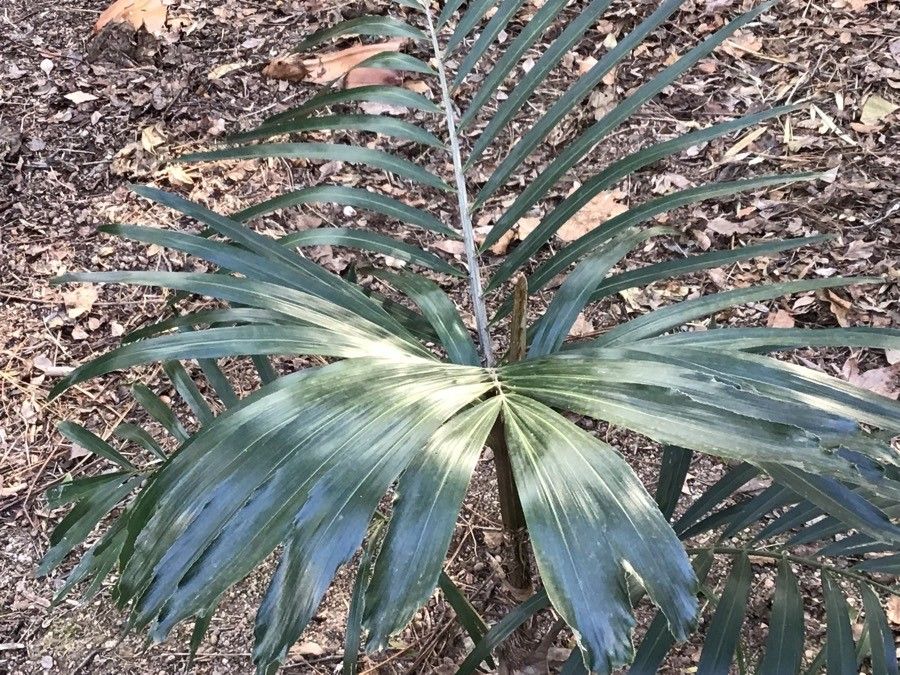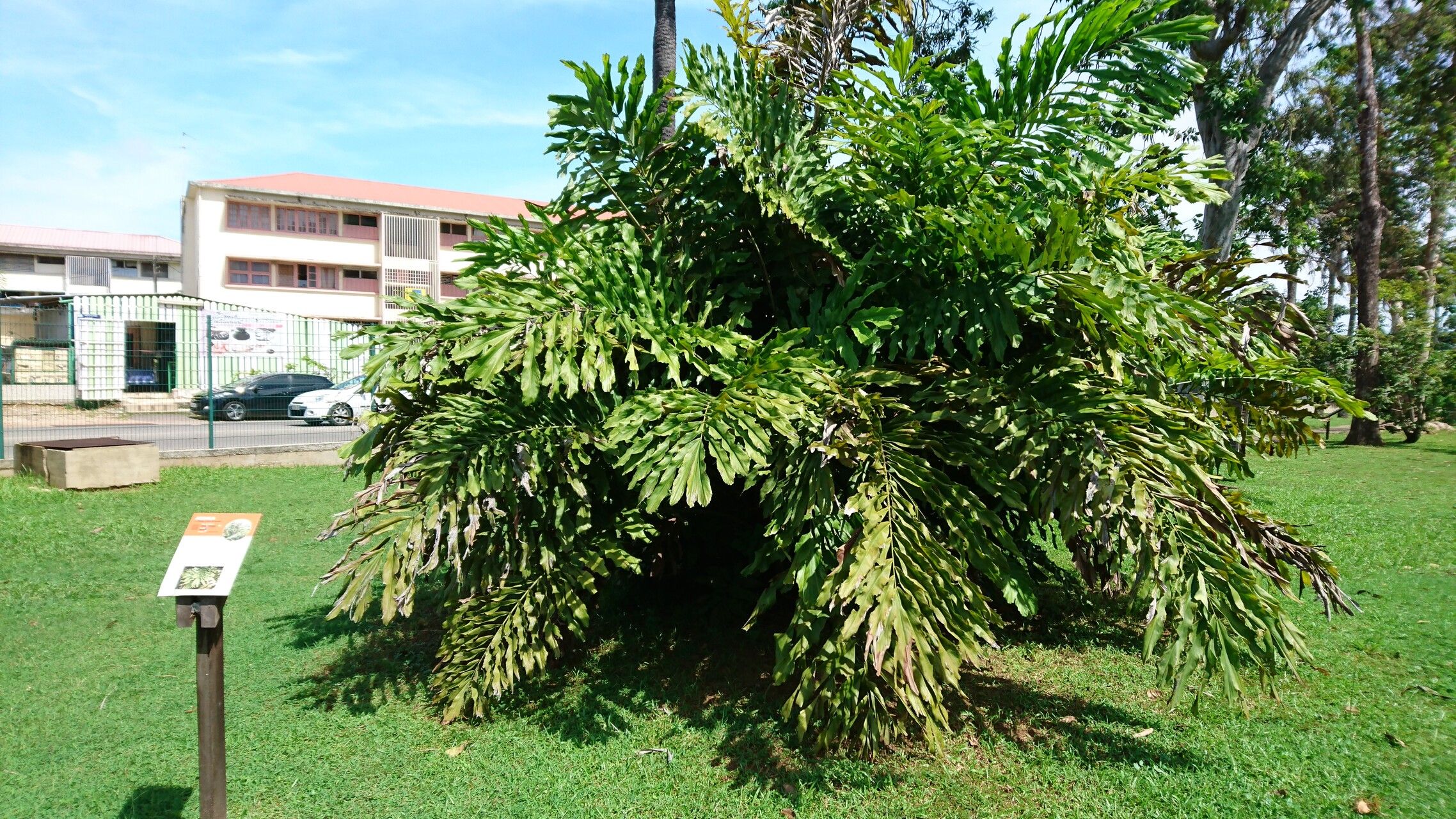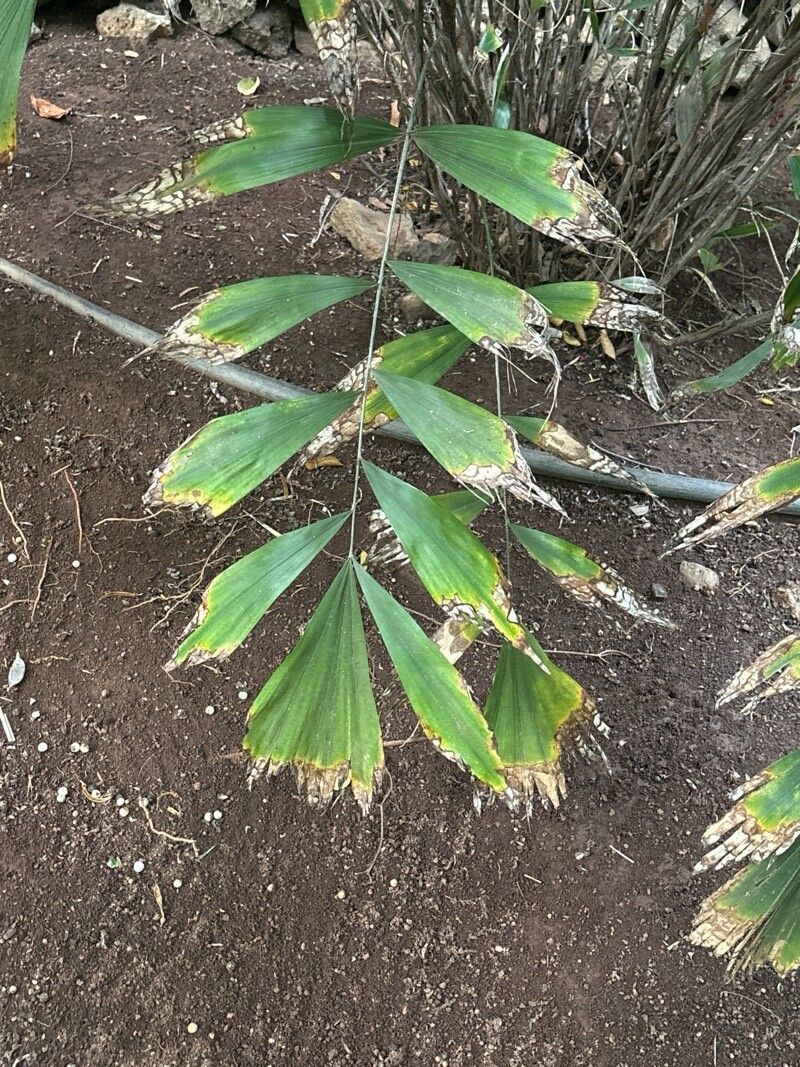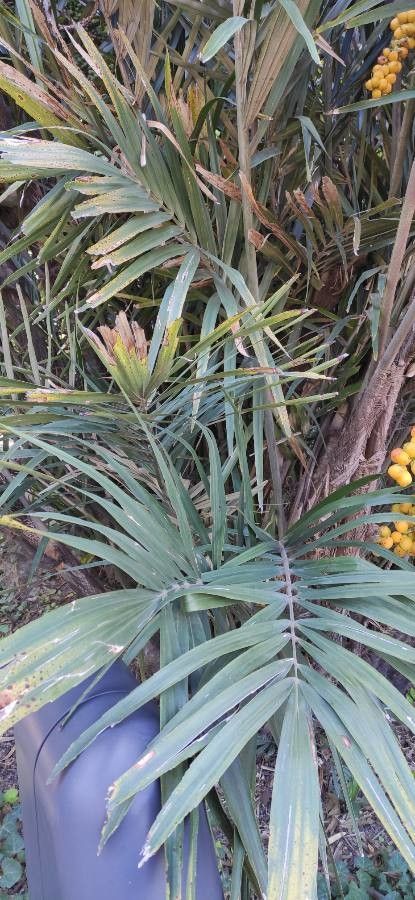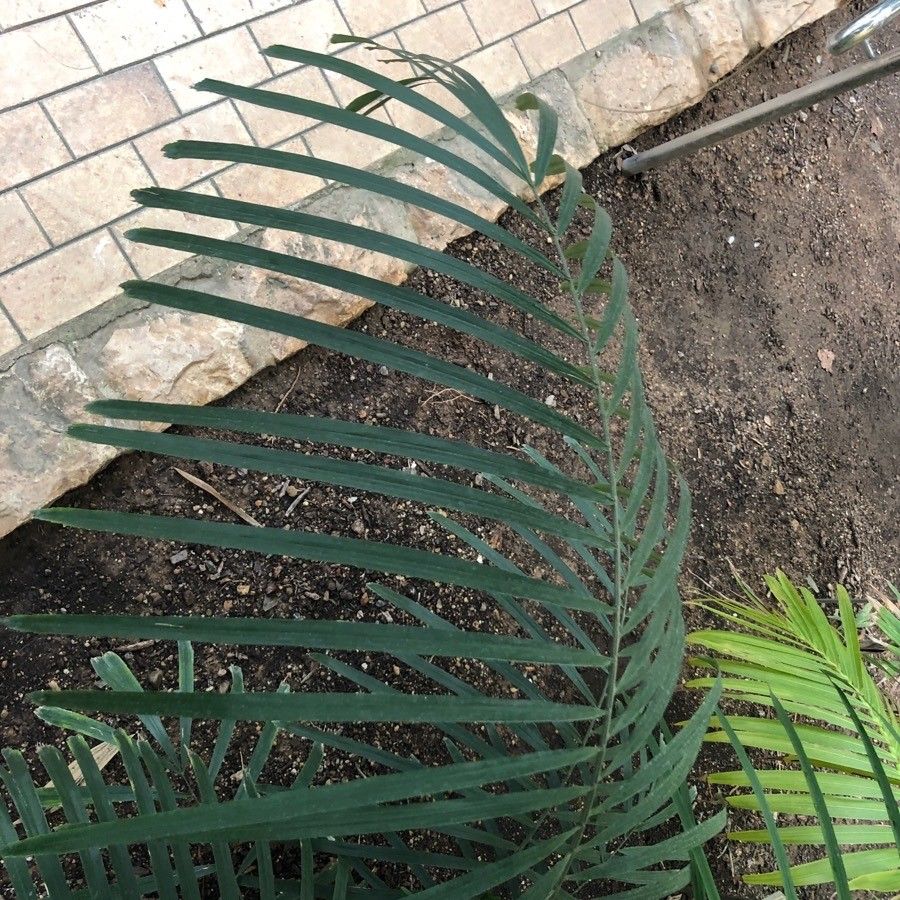
Arenga tremula is resistant to disease and is usually not susceptible to illnesses. Regarding care, this plant is fairly low-maintenance. When grown outdoors it needs only minimal watering, and larger specimens typically do not require pruning. Smaller plants, however, should be pruned after they have bloomed. Arenga tremulat is appropriate for anyone with an outdoor area, such as a garden or deck, and does not demand much prior care experience.
How to keep Arenga Tremula.
Light
Arenga tremula comes from open habitats, like sunny meadows and forest edges, where there is plenty of light. It performs best in Full Sun but can also tolerate Partial Sun, adapting well to different sunlight conditions.
Temperature
Arenga tremula comes from tropical areas, where conditions are generally warm and humid. Consequently, it is adapted to elevated temperatures and humidity. It does not tolerate abrupt temperature shifts and favors a constant thermal environment, so indoor temperature swings should be avoided. It typically cannot withstand cold and needs warmer conditions to grow. If the surrounding temperature falls too far, the plant may stop growing or even perish.
Fertilizer
Fertilize your Arenga tremula in early spring to encourage healthy growth. Regular fertilization boosts overall health, resulting in vigorous growth, greater resilience to harsh conditions, and improved resistance to pests and diseases. Follow a specific fertilization schedule for your Arenga tremula to maintain vibrant foliage with deep color and a lush appearance.
Pruning
Arenga tremula benefits from pruning in early spring, which helps remove dead fronds and encourages new growth. To maintain an attractive shape and fullness, trim the old fronds at the base. Be careful not to prune too heavily, as this can cause stress to the plant. Pruning also helps with pest control. Always use clean, sharp tools to reduce the risk of infection.
Botanical profile.
- Plant Type
- Palm
- Life Cycle
- Perennial
- Genus
- Arenga
- Family
- Arecaceae
- Hardiness Zone
- 10-12
- Mature Height
- 10.06 m to 14.94 m
- Mature Spread
- 4.88 m to 7.01 m
- Leaf Color
- Dark Green
- Leaf Type
- Evergreen
- Bloom Time
- All year round
- Planting Time
- Spring, Autumn
- Harvest Time
- All year round
- Native Area
- Philippines