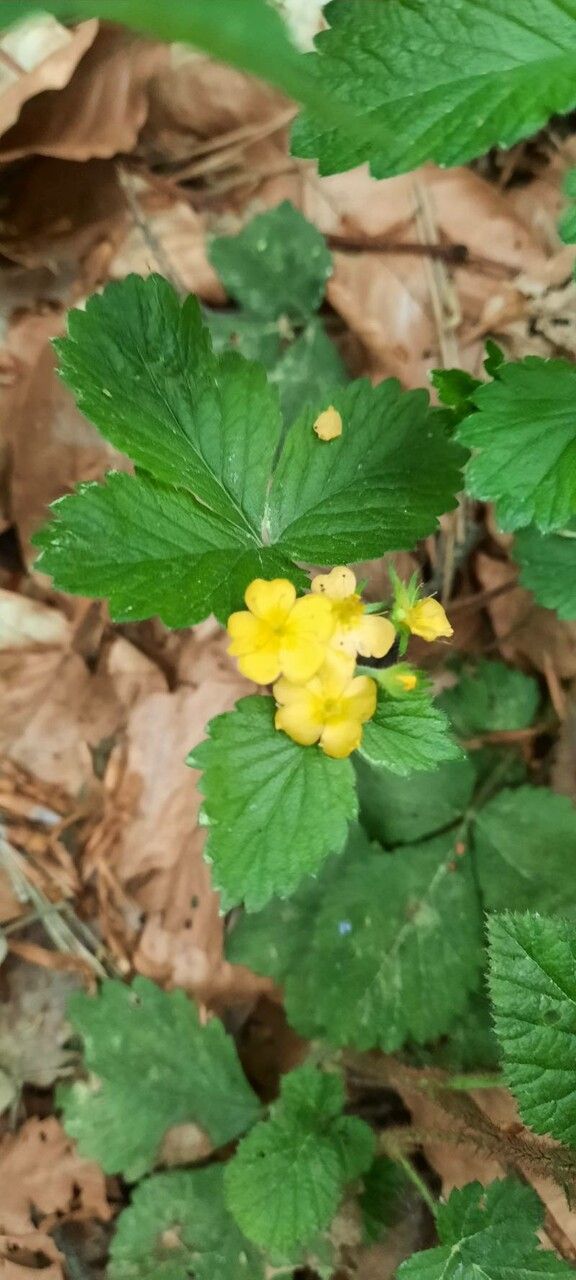
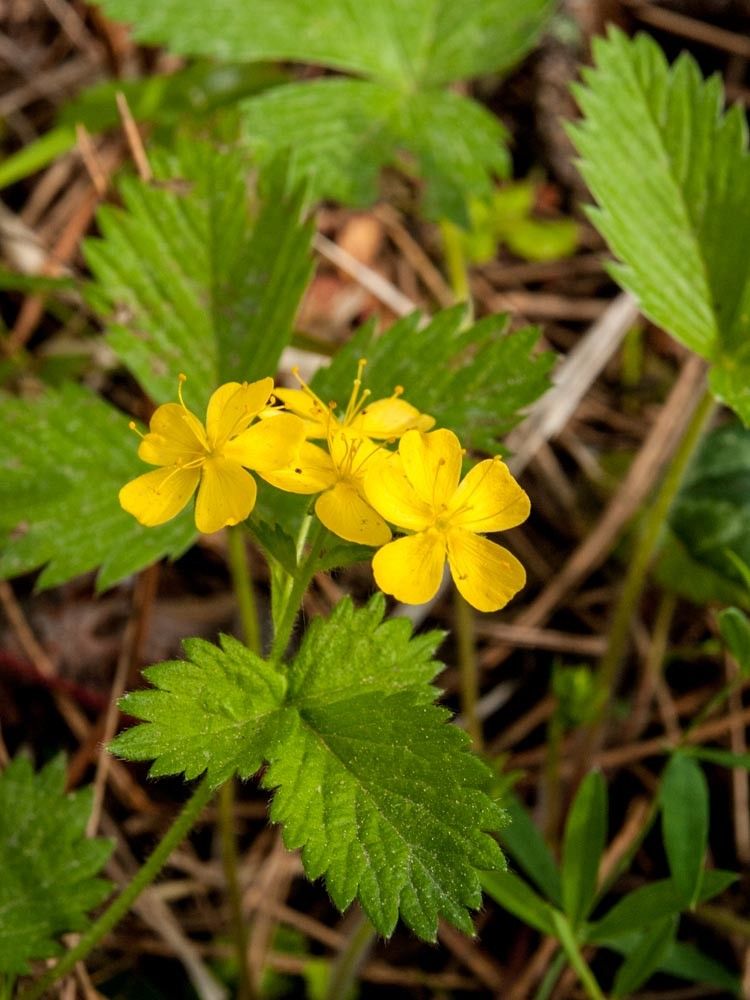
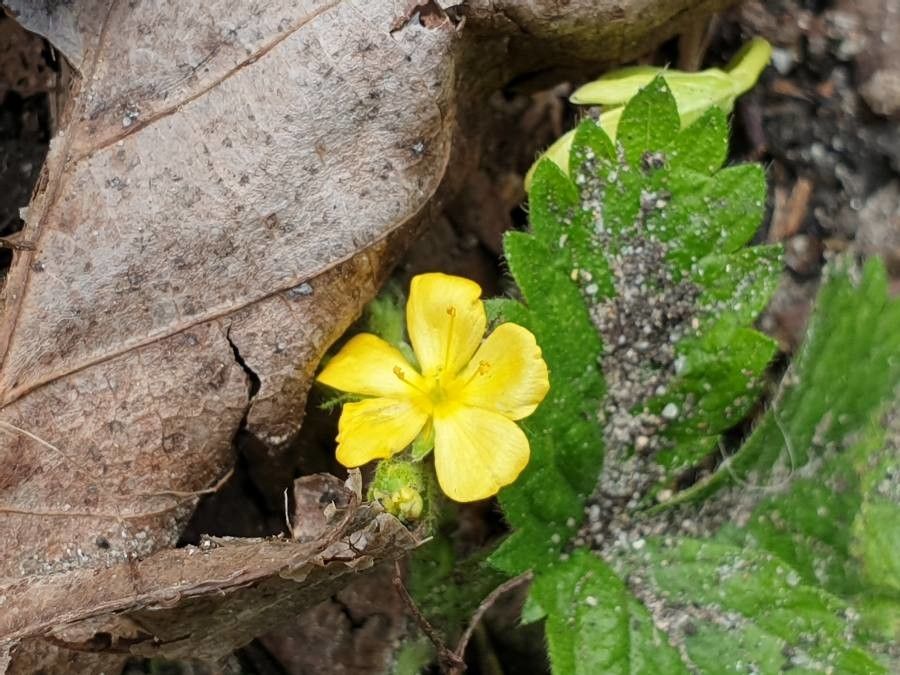
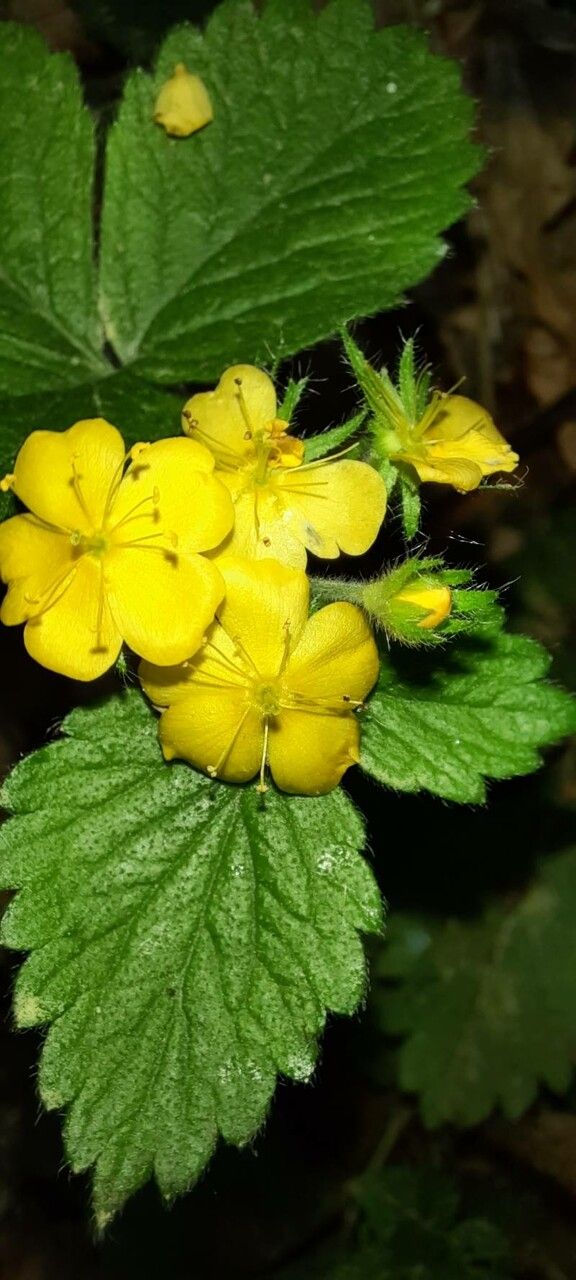
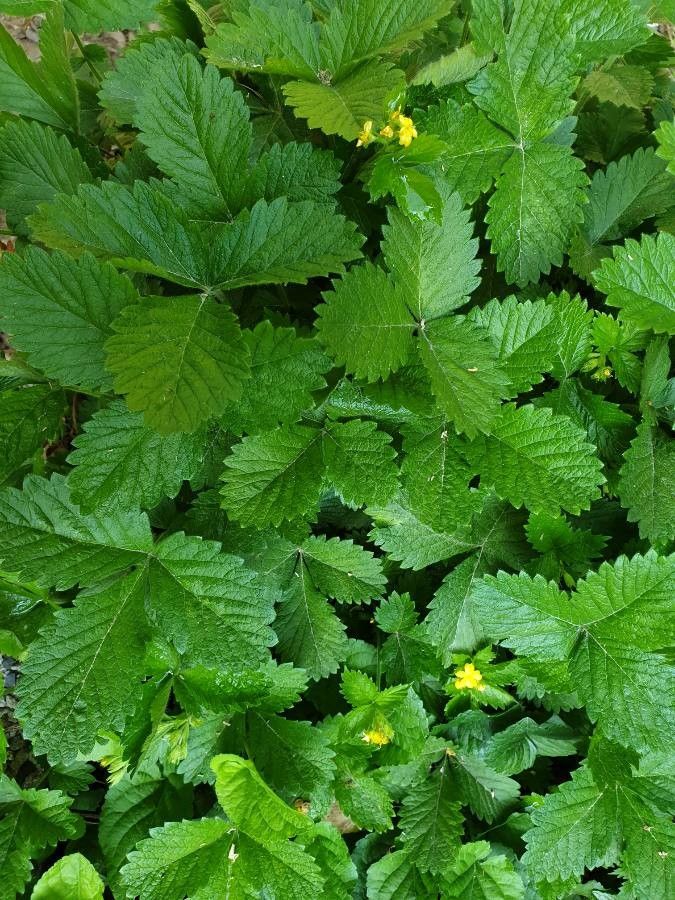
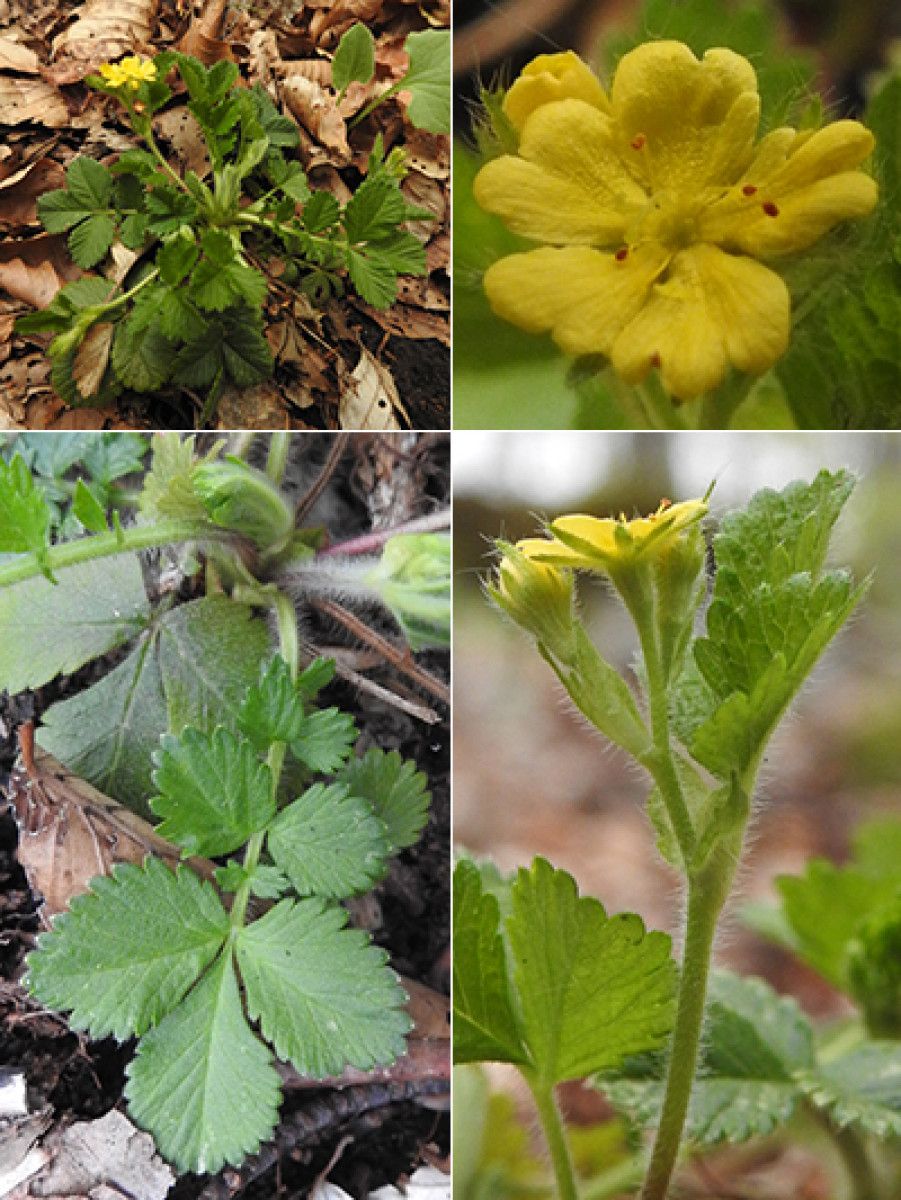
Aremonia agrimonoides, commonly known as mountain everlasting or silverleaf, is a perennial herbaceous plant belonging to the Asteraceae family. Native to the Mediterranean region, this plant thrives in rocky and dry habitats, such as mountain slopes and cliffs. The plant reaches a height of up to 50 cm and features silver-green leaves covered with fine hairs. Its small, yellowish-white flowers bloom from June to August. Historically, Aremonia agrimonoides has been valued for its medicinal properties, particularly for its anti-inflammatory effects. Additionally, it has been used as a natural dye for textiles. For those interested in cultivation, Aremonia agrimonoides prefers well-drained soil and full sun exposure. It can be propagated through seeds or cuttings. Overall, Aremonia agrimonoides is a fascinating plant with both ornamental appeal and medicinal benefits, making it a notable choice for gardeners and herbalists alike.
Bastard agrimony is fairly disease-resistant and typically not very prone to illnesses. Nevertheless, it can be vulnerable to pests and diseases present in its surroundings. These problems are generally minor. Care-wise, the plant needs moderate maintenance. It should be pruned regularly to preserve a neat appearance and support healthy growth. Fertilizing can also help encourage flowering. Bastard agrimony is appropriate for anyone with outdoor space, such as a garden or patio, and does not require extensive care experience. It may demand more attention when kept indoors.
How to keep Aremonia Agrimonoides.
Light
Bastard agrimony naturally occurs in habitats such as forest understories or rocky areas, where it grows in natural shade. It prefers partial sun but can tolerate full sun or full shade, illustrating its versatility and hardiness.
Water
Bastard agrimony, originally found in moist woodlands, thrives in consistently damp conditions. It prefers to be watered weekly but can endure brief periods of dryness. This plant is ideal for outdoor cultivation and flourishes in temperate gardens with well-draining soil, where it benefits from natural rainfall.
Temperature
Bastard agrimony can tolerate a wide range of temperatures, though its distribution can still be restricted by different combinations of moisture and heat. It performs best in warm summer climates with sufficient rainfall or watering. Long stretches of cloudy, rainy weather or prolonged high temperatures can raise the chance of Bastard agrimony dying. In winter, protecting the plant from cold can increase its survival rate.
Fertilizer
One spring application of fertilizer is generally enough for Bastard agrimony, although additional feedings can enhance growth. Apply fertilizer every one to one and a half months. Fertilization improves the leaves' appearance and function, helping maintain uniform color and a healthy texture. It also promotes root development and nutrient uptake for the plant's long-term health.
Pruning
Bastard agrimony is a perennial herb known for its yellow flowers and serrated leaves. To encourage growth, maintain its shape, and enhance its blooms, it is best to prune it from early to late spring. By removing crowded stems, you can improve air circulation, reduce the risk of disease, and ensure vibrant flowering and a pleasing appearance.
Botanical profile.
- Plant Type
- Herb
- Life Cycle
- Perennial
- Genus
- Aremonia
- Family
- Rosaceae
- Hardiness Zone
- 5-8
- Mature Height
- 15 cm to 30 cm
- Mature Spread
- 20 cm to 40 cm
- Leaf Color
- Forest Green
- Leaf Type
- Semi-evergreen
- Flower Color
- Yellow
- Flower Size
- 0.51 cm to 1.02 cm
- Bloom Time
- Mid spring, Late spring
- Planting Time
- Spring, Summer, Autumn
- Harvest Time
- Early summer, Mid summer
Other names.