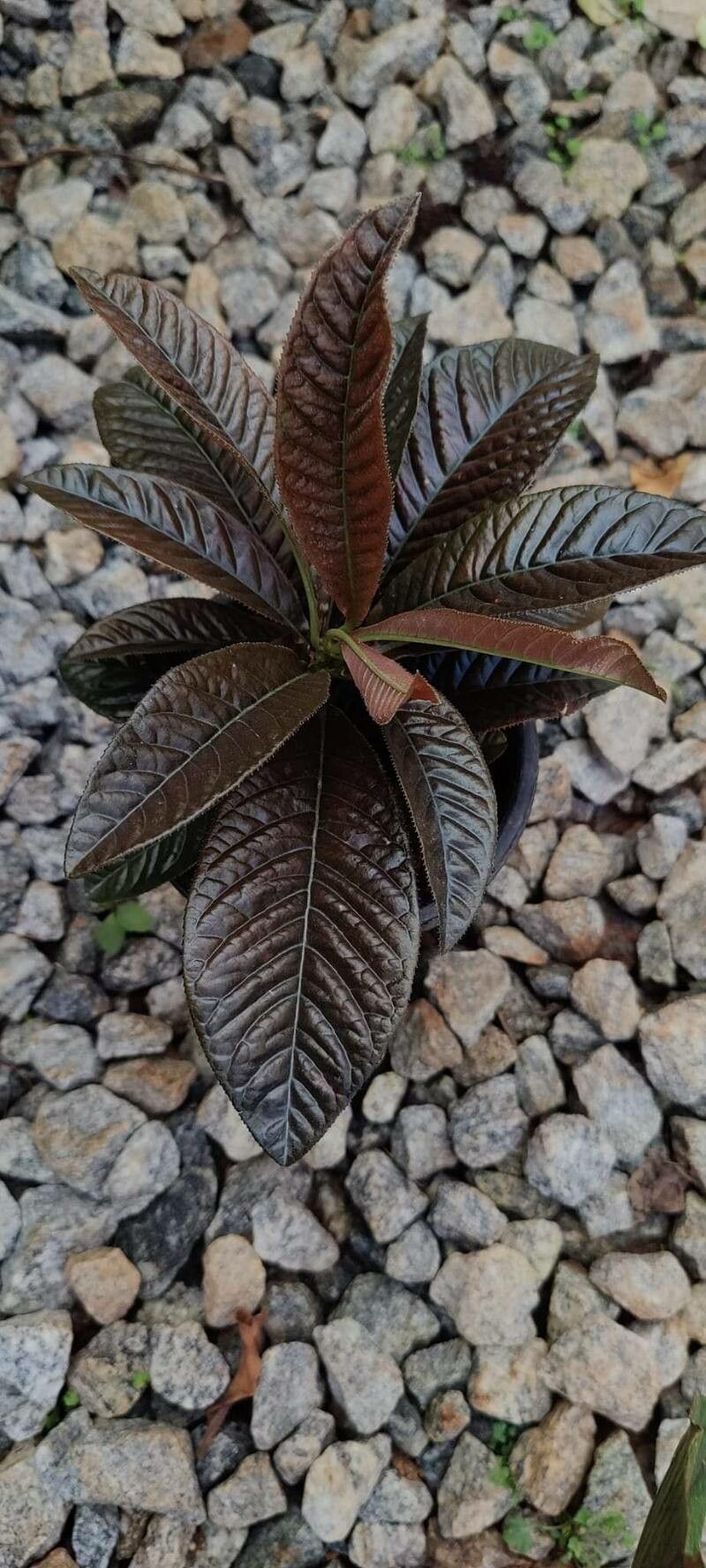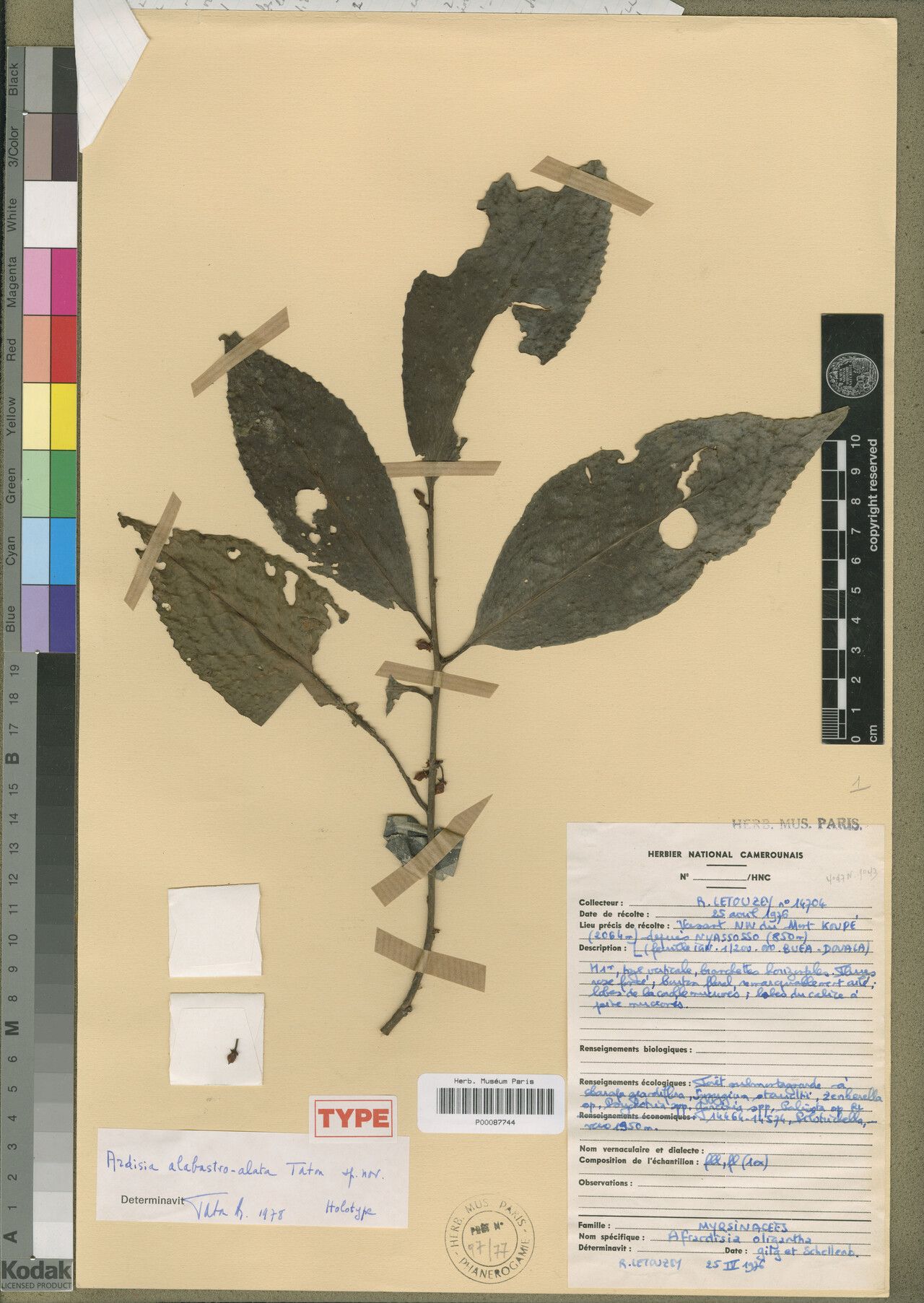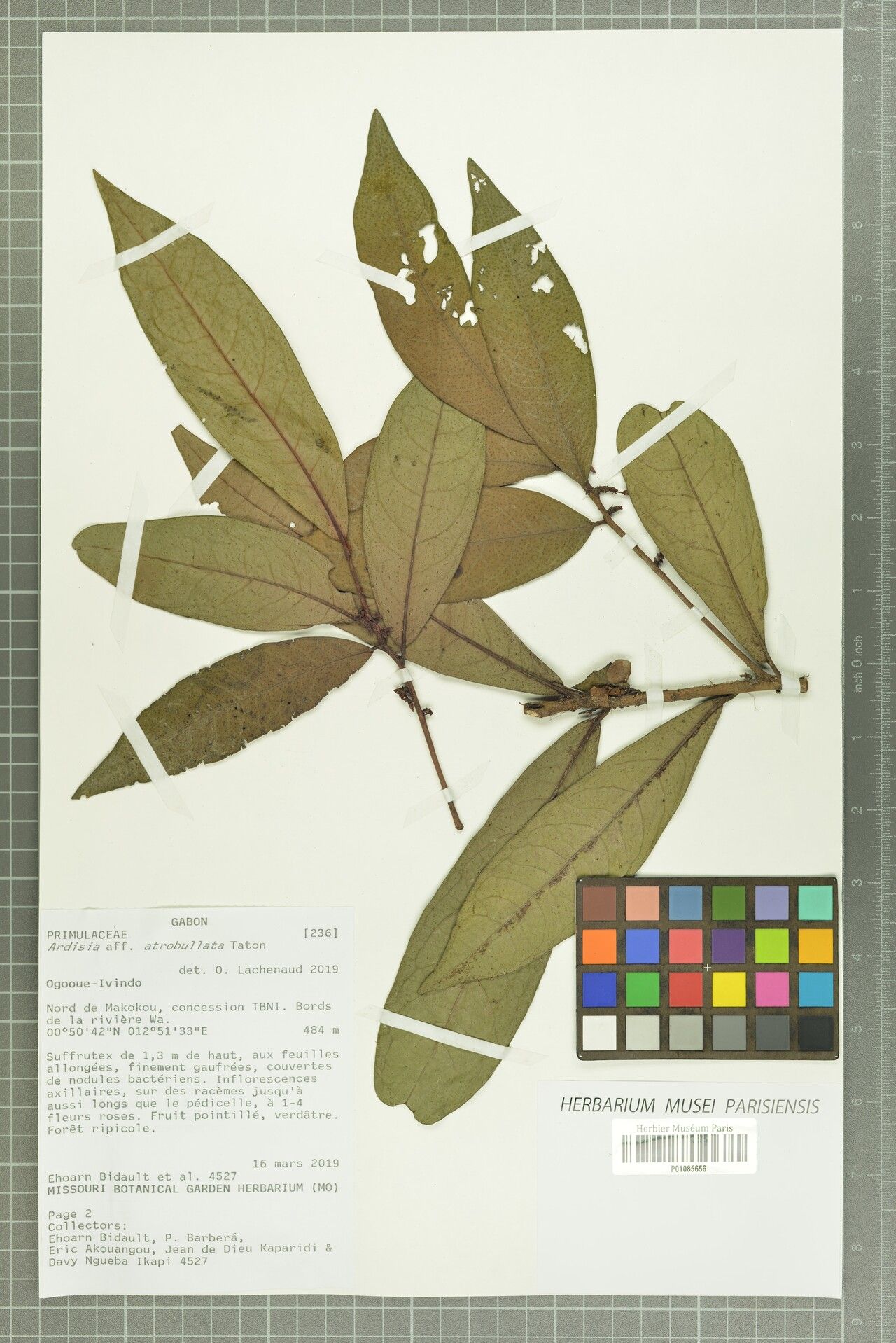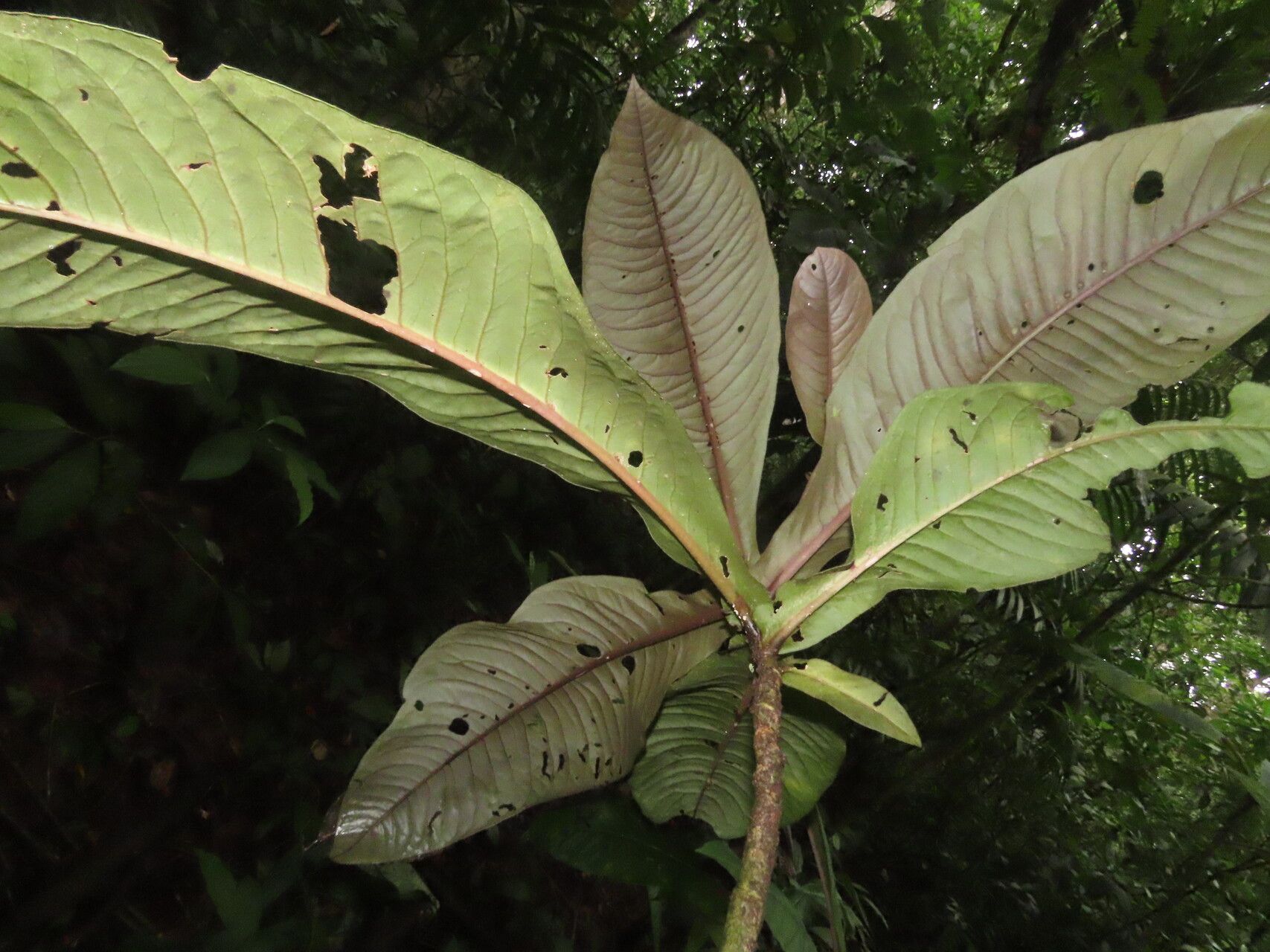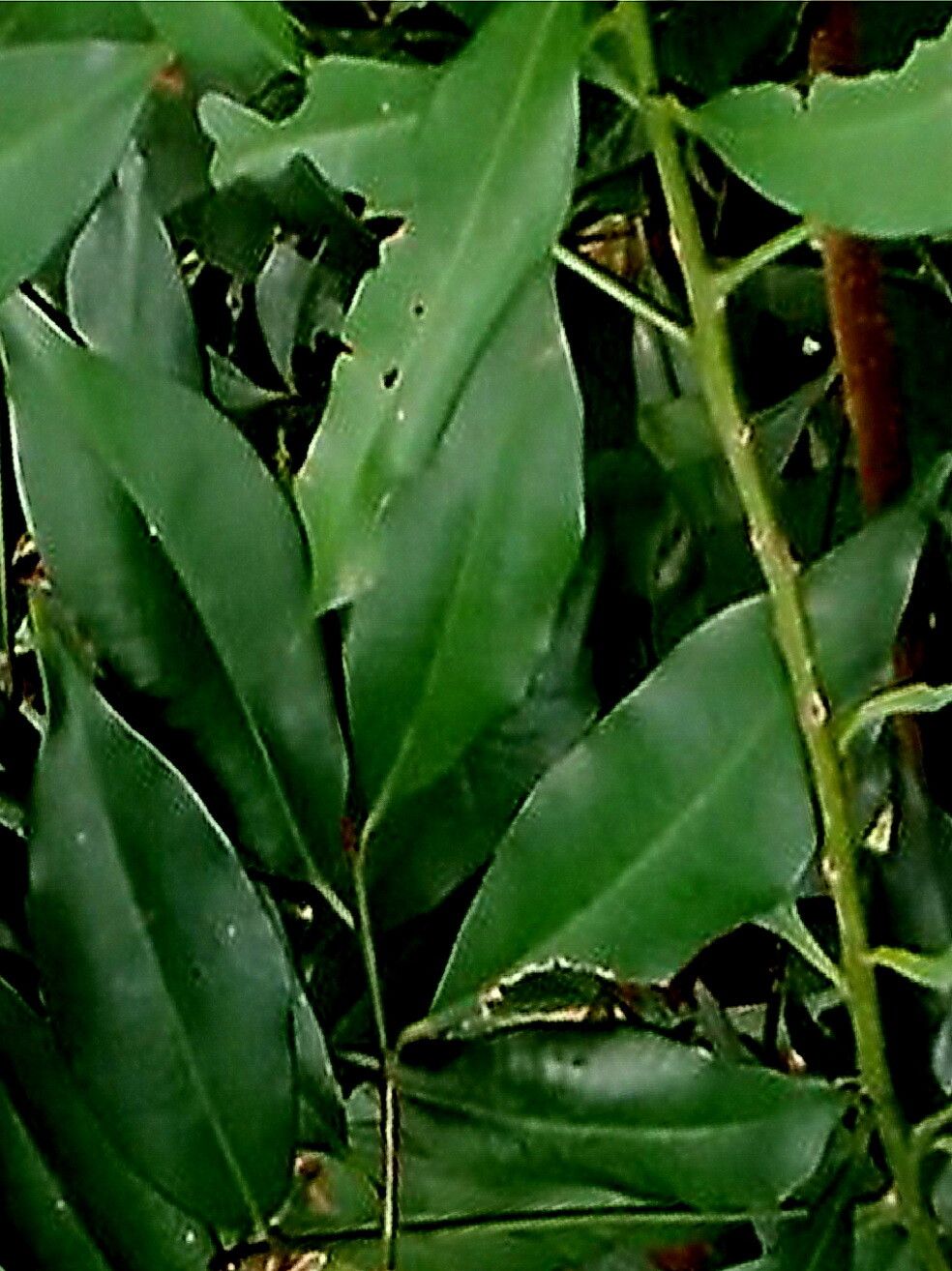
The Incense Tree is disease-resistant and typically not susceptible to illnesses. In terms of care, this plant is fairly low-maintenance. When grown outdoors it needs only light watering, and larger plants usually do not require pruning. Smaller plants, however, should be pruned after they finish blooming. Incense Treet is suitable for anyone with an outdoor area, such as a garden or deck, and does not demand extensive plant-care experience.
How to keep Ardisia Quinquegona.
Light
The Incense Tree naturally grows in settings like forest undergrowth or stony regions, where it is commonly shielded from sun. It favors semi-sunny conditions but shows adaptability towards full sun or complete shade, highlighting its flexible and robust characteristics.
Temperature
The Incense Tree typically thrives in climates that experience temperatures ranging from 59 to 100.4 °F (15 to 38 ℃). This plant is most suited to moderate temperatures, and it is crucial to modify its environment based on the changes in seasons.
Fertilizer
The best time to fertilize an Incense Tree is in early spring when it comes out of dormancy. This supports overall growth and flower development. Fertilizing improves the foliage, stems, and branches, and encourages large, vibrant, long-lasting flowers. It also helps move nutrients from the roots to the flowers and enhances the plant’s health and disease resistance.
Botanical profile.
- Plant Type
- Tree, Shrub
- Life Cycle
- Perennial
- Genus
- Ardisia
- Family
- Primulaceae
- Hardiness Zone
- 8-11
- Mature Height
- 0.91 m to 2.13 m
- Mature Spread
- 20 cm to 40 cm
- Leaf Color
- Green
- Leaf Type
- Evergreen
- Flower Color
- White, Pink
- Flower Size
- 3.05 cm to 5.08 cm
- Bloom Time
- Summer
- Planting Time
- Spring, Summer
- Harvest Time
- Late summer, Early fall, Mid fall
- Native Area
- India, Malaysia, Indonesia, Cambodia, Vietnam, Japan, Laos, Thailand, China