Arctotheca calendula, commonly known as Cape weed or Cape daisy, is a perennial herbaceous plant belonging to the Asteraceae family. Native to South Africa, it has been introduced and naturalized in many parts of the world, including Australia and New Zealand.
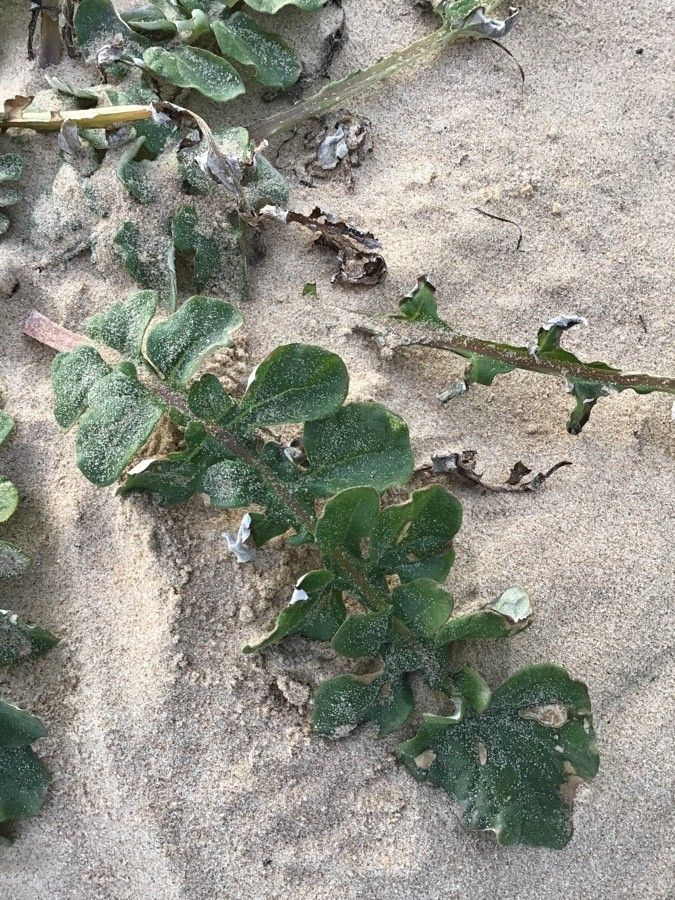
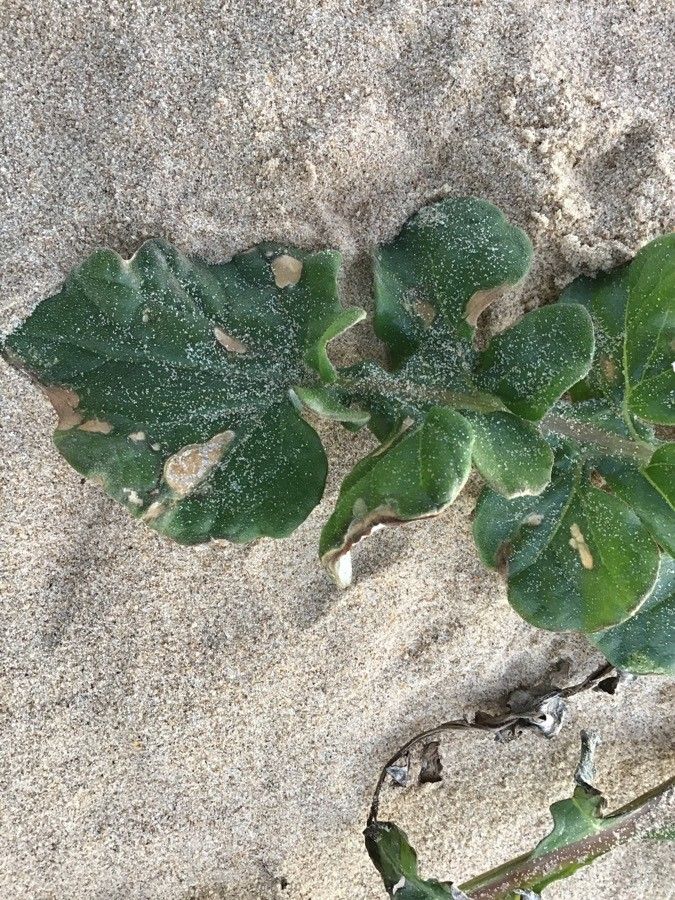
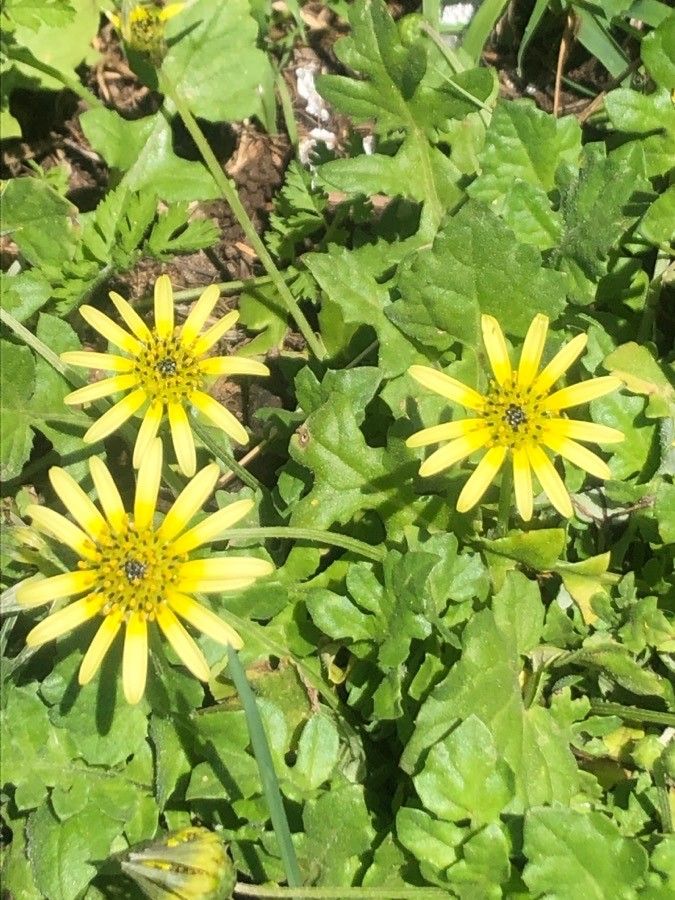
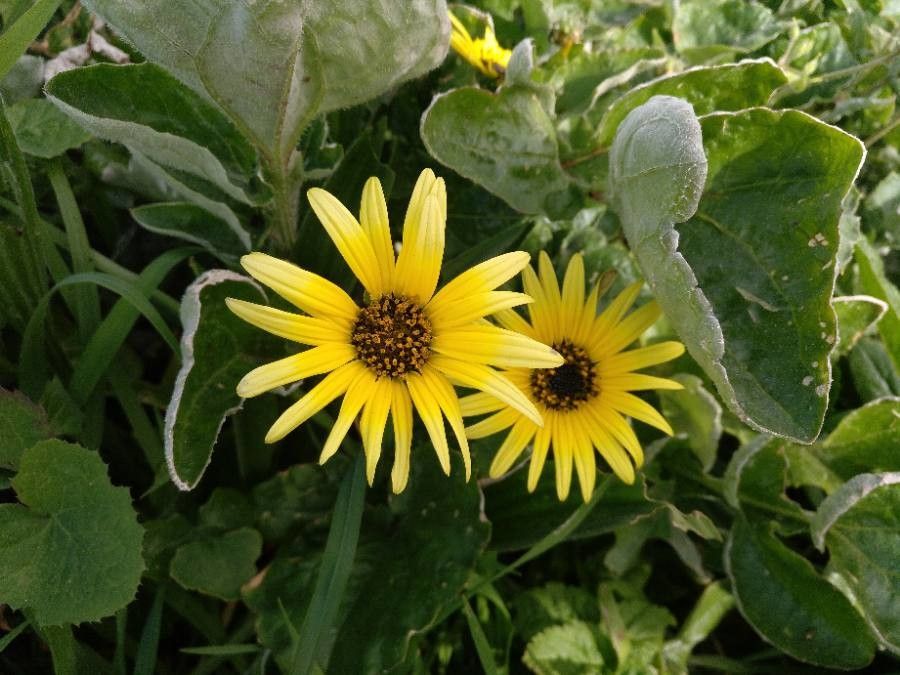
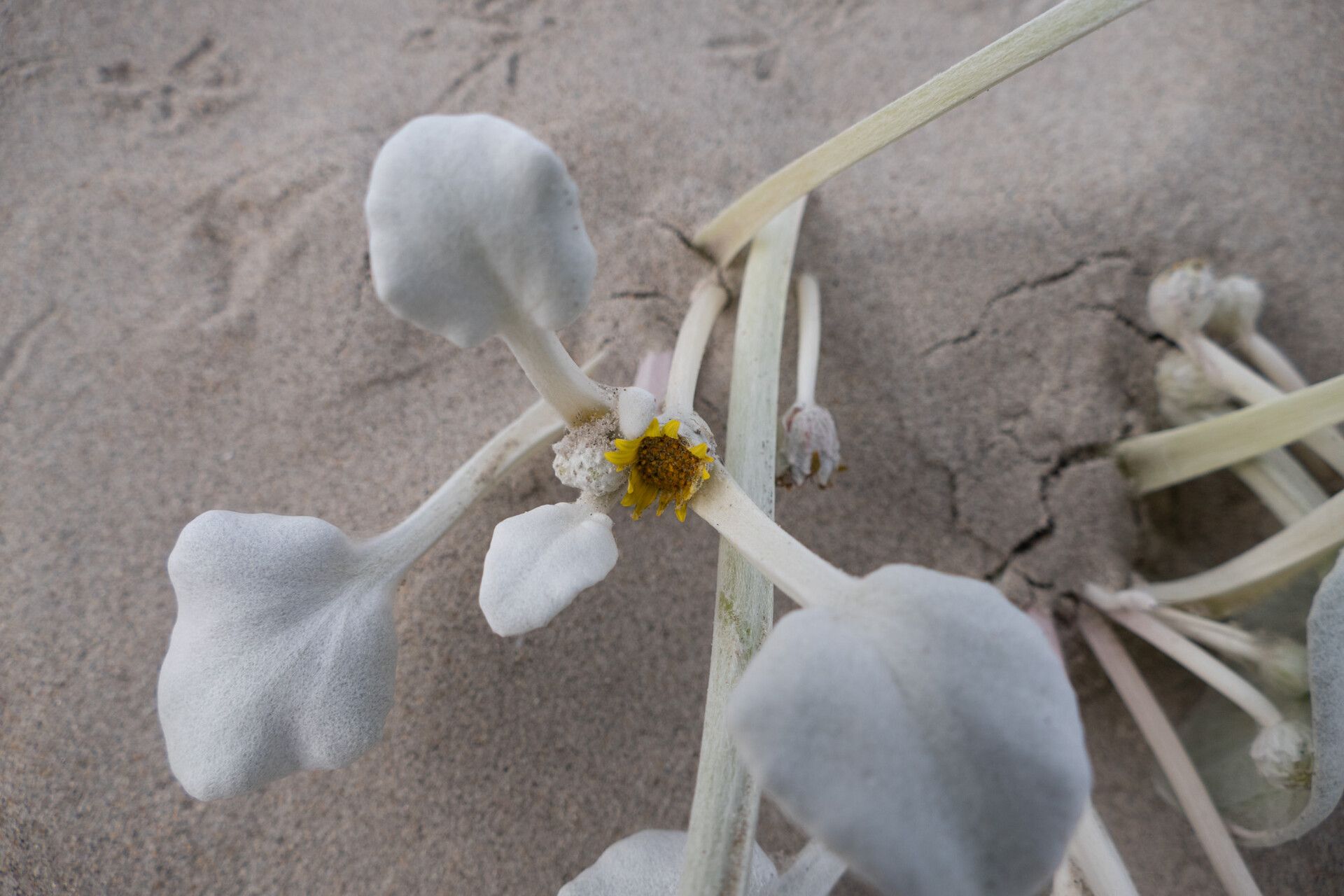
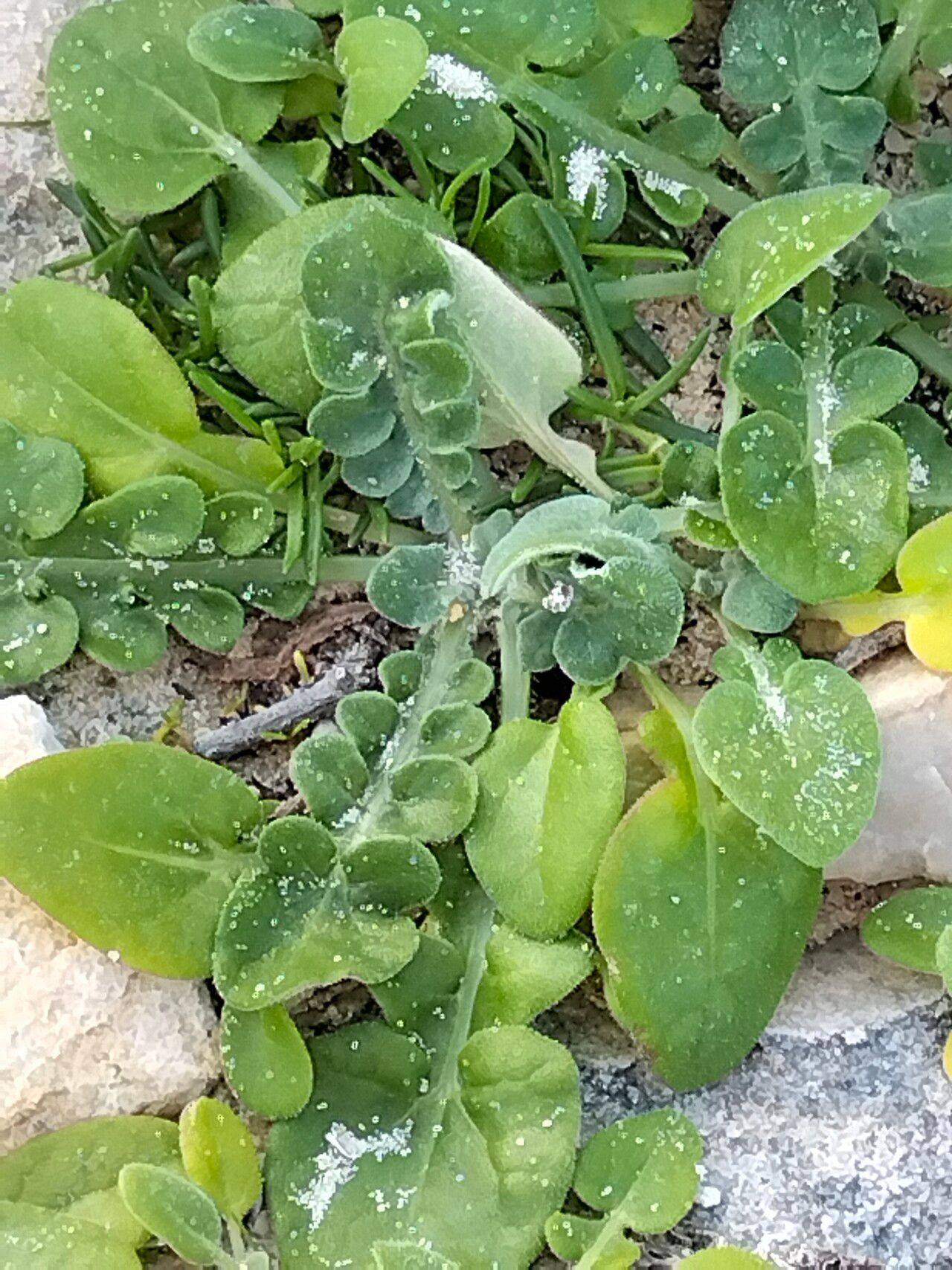
This plant features a prostrate growth habit with stems that can extend up to 1 meter in length. Its fleshy, lobed leaves have toothed margins. The flowers are yellow-orange with dark centers, blooming from spring through summer.
Arctotheca calendula thrives in well-drained soils and full sun exposure but can also tolerate partial shade. It is commonly found along roadsides, in disturbed areas, or as a weed in agricultural fields.
Indigenous people of South Africa have used the plant for medicinal purposes, utilizing its anti-inflammatory properties to treat various ailments such as stomach disorders and skin infections.
Besides its medicinal uses, Arctotheca calendula is an important source of nectar for bees and other pollinators, thanks to its abundant flower production.
In summary, Arctotheca calendula is an interesting herbaceous perennial that offers ornamental value through its bright yellow-orange flowers and ecological benefits by supporting pollinators like bees.
Cape dandelion is fairly disease-resistant and typically not prone to illnesses. However, it can be affected by pests and diseases present in its environment. Such infections are generally mild. Regarding care, this plant needs moderate maintenance. Regular pruning is necessary to keep it looking good and to encourage healthy growth. Applying fertilizer can also help promote flowering. The Cape dandelion is suitable for anyone with outdoor space, such as a garden or patio, and does not require much caring experience. It may need more attention when grown indoors.
How to keep Arctotheca Calendula.
Light
Cape dandelion flourishes with the greatest possible daily sunlight. It requires full sun exposure for vigorous growth and good health. Native to open areas, the cape dandelion is adapted to plentiful sunlight. An imbalance — either too much or too little sun — can lead to subpar growth and reduced vigor.
Water
Cape dandelion thrives in coastal habitats and requires moderate weekly watering to mimic its natural environment. It prefers well-draining soil when grown indoors to prevent root rot and benefits from consistent moisture levels. This consistent care ensures year-round growth without the risk of overwatering, showcasing the plant's resilience to drought conditions.
Temperature
Cape dandelion is native to milder climates and prefers an ideal temperature range of 68 to 100 °F (20 to 38 ℃). To help it withstand seasonal changes, adjust its surroundings to maintain this temperature range whenever possible.
Fertilizer
Once most of a Cape dandelion's blooms have fully opened, it's time to resume fertilizing. When the flowers are at peak production, start fertilizing again every three to four weeks, weather permitting. Then, when the Cape dandelion begins to produce fewer new blooms, stop fertilizing; there's no need to feed the plant if it can no longer produce more flowers.
Pruning
The Cape dandelion is a resilient perennial plant known for its bright yellow flowers. To promote healthy growth and improve its appearance, prune the plant from early to late spring by trimming the stems back by one-third. Be sure to use sharp tools when pruning to prevent disease, encourage vigorous regrowth, and extend the flowering period.
Botanical profile.
- Plant Type
- Herb
- Life Cycle
- Annual, Perennial, Biennial
- Genus
- Arctotheca
- Family
- Asteraceae
- Hardiness Zone
- 9-11
- Mature Height
- 30 cm to 61 cm
- Mature Spread
- 25 cm
- Leaf Color
- Green, Gray
- Leaf Type
- Evergreen
- Flower Color
- Yellow, White
- Flower Size
- 2.54 cm to 4.06 cm
- Bloom Time
- All year round
- Planting Time
- Spring, Autumn
- Harvest Time
- Spring, Summer, Fall
- Native Area
- South Africa, Lesotho
Other names.
Reader questions.
How should I water my Cape dandelion plant?
To water a Cape dandelion, you can use various tools like a garden hose, watering can, or any common watering tool. Cape dandelions are not picky about their water source, as they can survive on rainwater, tap water, or filtered water. It's best to avoid watering them from overhead to prevent leaf and flower damage or disease. Using a drip irrigation system is often the optimal watering method for Cape dandelions as it provides even and direct water supply to the soil. When watering a Cape dandelion in a container, simply change the tool to a cup, watering can, or tap, and apply water directly to the soil.
Why should I put fertilizer on my Cape dandelion?
All plants require nutrients for growth, but some are able to obtain what they need without the use of fertilizers. Cape dandelion, like other plants, rely on nutrients to support growth and various internal processes. Nitrogen, phosphorus, and potassium are the main nutrients that plants utilize, and each of these contributes to essential plant functions. In particular, nitrogen is crucial for foliage growth. However, Cape dandelions often struggle to acquire sufficient nitrogen from the soil alone. As a result, many gardeners choose to supplement their Cape dandelions with a nitrogen source to ensure they receive enough of this vital nutrient.
What are the sunlight requirements for Cape dandelion?
Cape dandelion requires full sunlight to thrive, meaning it needs above 6 hours of sunlight daily. It's essential to observe how sunlight moves through your garden to find spots that offer a good balance of light and shade, ensuring the plant's health and happiness. Originating from open spaces, cape dandelion is used to abundant sunlight, so too much or too little sun might hinder its growth and vigor.
What is the native climate of Cape dandelion?
Cape dandelion, botanically known as Arctotheca calendula, is native to milder climates. It prefers an optimum temperature range of 68 to 100 °F (20 to 38 °C). The plant is extremely heat-loving and does not fare well in cold temperatures. To ensure its survival across varying seasons, it's recommended to adjust its environment to maintain this core temperature range. In the autumn, Cape dandelion grown outdoors should be brought indoors and placed near a bright window, albeit at a certain distance from heaters to avoid damage. It's beneficial to maintain temperatures above 20°C during winter, as temperatures approaching 0°C can be detrimental to the plant.
What should I do if I give my Cape dandelion too much or too little water?
If your Cape dandelion is not getting enough water, the solution is simple. Start watering it more regularly when you notice it is dry. Overwatering, on the other hand, can be a bigger problem. It can cause diseases that can lead to the decline and death of the plant. To prevent this, choose a location for your Cape dandelion that gets plenty of sunlight and has good drainage. This will help the soil dry out properly and prevent excess water from pooling. If you have overwatered a Cape dandelion in a pot, you may need to change the pot. The old container may not have good drainage or enough drainage holes. When repotting, use loose soil and a pot that drains well.
When should I fertilize my Cape dandelion?
Cape dandelion generally grows well. It benefits from applying fertilizer once a month, especially when it is actively growing. The best time to fertilize Cape dandelion is during the spring and summer months. It is not necessary to fertilize during fall and winter when the plant is less active and requires fewer nutrients. You can start fertilizing when you notice signs of new growth. Whether the plant is grown outside or in a container indoors, the fertilization schedule remains the same. However, if your Cape dandelion is in a container, you may not need to fertilize for the first one to two months. Container potting soil already contains enough nutrients. Only begin fertilizing after your plant has been in the same soil for a while.
How do you provide adequate lighting for indoor Cape dandelion plants?
For indoor Cape dandelion plants to grow optimally when natural sunlight is insufficient, artificial lighting can be a critical solution. LED lights are recommended for their ability to mimic the specific wavelengths of light needed by plants. Full sun plants should receive 30-50W/sq ft of artificial light, partial sun plants 20-30W/sq ft, and full shade plants 10-20W/sq ft. The light source should be placed 12-36 inches above the plant, and it should be on for 8-12 hours per day to mimic natural daylight hours.
How does Cape dandelion react to low temperatures?
Cape dandelion is not tolerant of low temperatures and shows preference for warmer conditions, thriving best above 20°C. In winter, ensuring the temperature remains above 0°C is crucial. Exposure to temperatures below -5°C can lead to a lightening in leaf color, with the color gradually turning brown or black after frost damage. Symptoms such as wilting and drooping may also occur. The best solution includes trimming off the frost-damaged parts and moving the plant indoors to a warm environment for protection against cold. A south-facing window is ideal for placement, ensuring ample sunlight without placing the plant near heaters or air conditioning vents, which could cause excessive dryness.
How regularly do I need to water my Cape dandelion?
To successfully care for your Cape dandelion, it is important to water it regularly throughout the growing season. In the spring, watering once a week should be sufficient. However, as the season progresses and temperatures rise, you may need to water it two to three times per week. It is crucial not to exceed this watering rate as it can harm the plant. Additionally, it is important to keep the soil moist but not soaked regardless of the watering frequency. When it comes to watering a Cape dandelion in a pot, the approach is slightly different. Potted plants tend to dry out faster due to the heat and limited soil volume. In most cases, you should water a potted Cape dandelion a few times per week compared to just once a week for a plant in the ground.
When is the best time to not use fertilizer on my Cape dandelion?
To ensure the health of your Cape dandelion, avoid fertilizing if it is not in good condition, such as when it has a disease or insect pests. Similarly, refrain from fertilizing a dehydrated plant since it can worsen the problem. Only use fertilizer for healthy plants. When watering, avoid splashing fertilizer onto the leaves or stem as it can cause burned spots. Take caution to prevent direct contact between the plant and fertilizer, unless you have a specific foliage fertilizer.
What are the symptoms of inadequate light for Cape dandelion?
When Cape dandelion doesn't receive enough light, it may exhibit various symptoms, including smaller new leaves, leggy or sparse growth, faster leaf drop, slower or no new growth, and lighter-colored or chlorotic leaves. Symptoms of too much light include sunscald, leaf curling, wilting, and leaf scorching. These indicators suggest the plant is struggling with the current light conditions, whether it's insufficient or excessive exposure.
What should be done when Cape dandelion is exposed to high temperatures?
During summer, it's important to keep Cape dandelion below 38°C to prevent heat stress. Exposure to temperatures exceeding 43°C can cause the leaves to lighten in color and make the plant more susceptible to sunburn. To mitigate high temperature stress, trim away sunburned and dried-up parts of the plant and move it to a location that provides shade during the midday and afternoon sun. Additionally, watering the plant in the morning and evening can help keep the soil moist, further aiding in the plant's recovery and well-being.