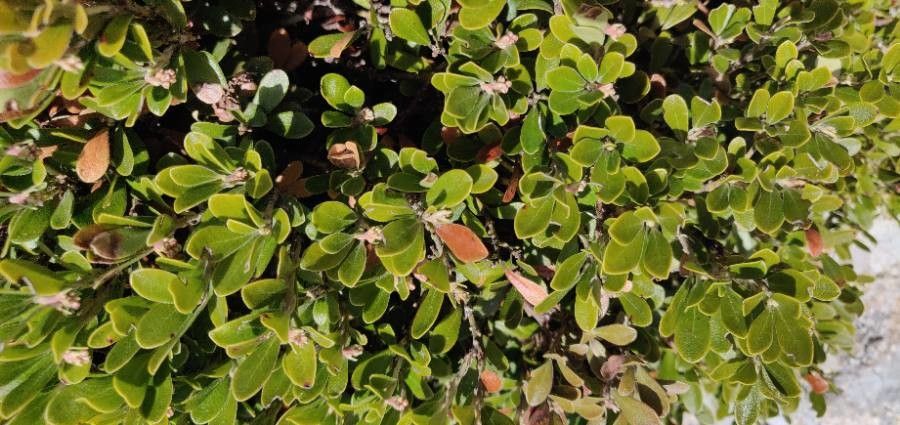
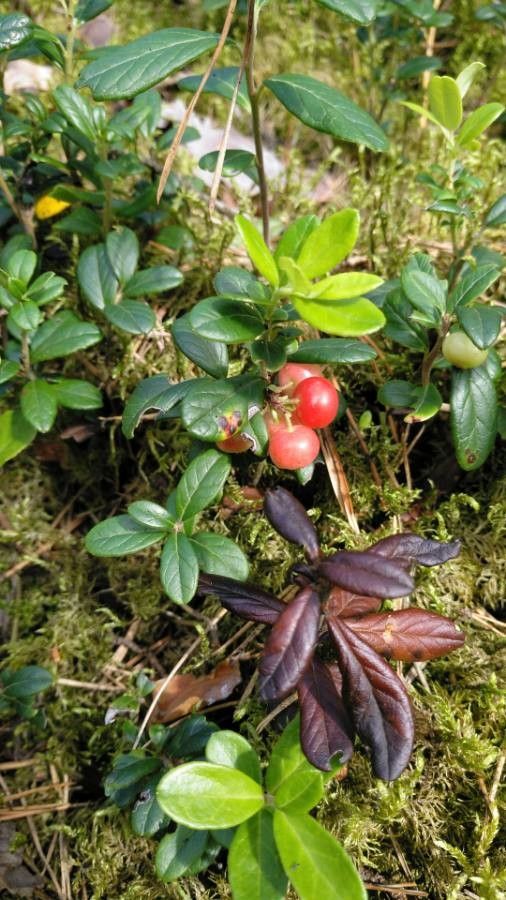
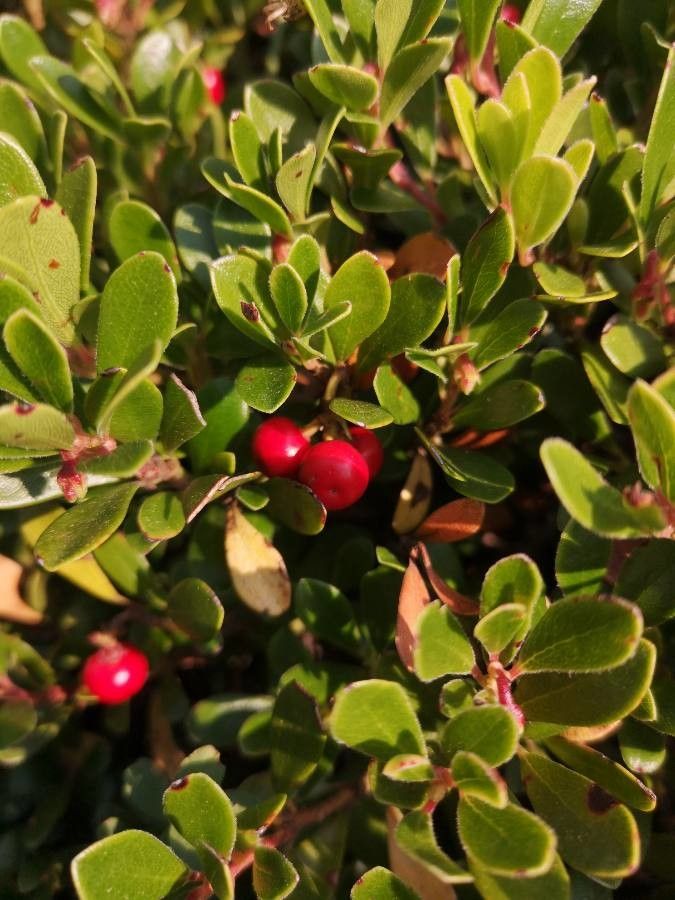
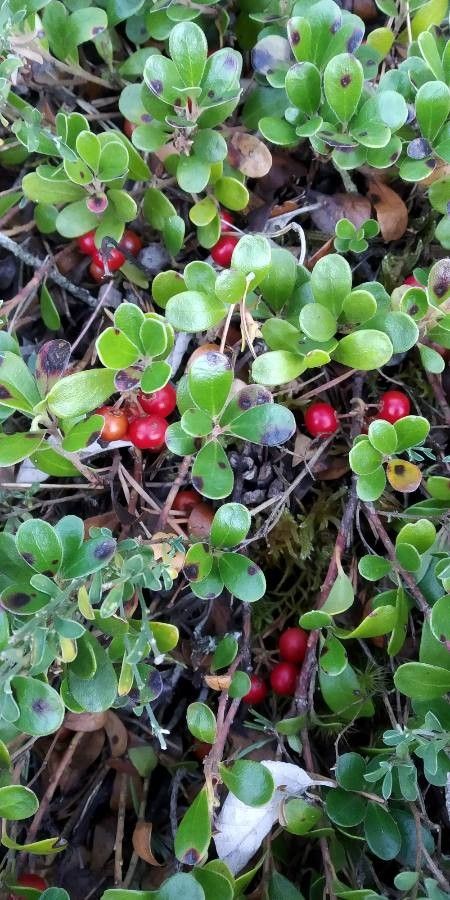
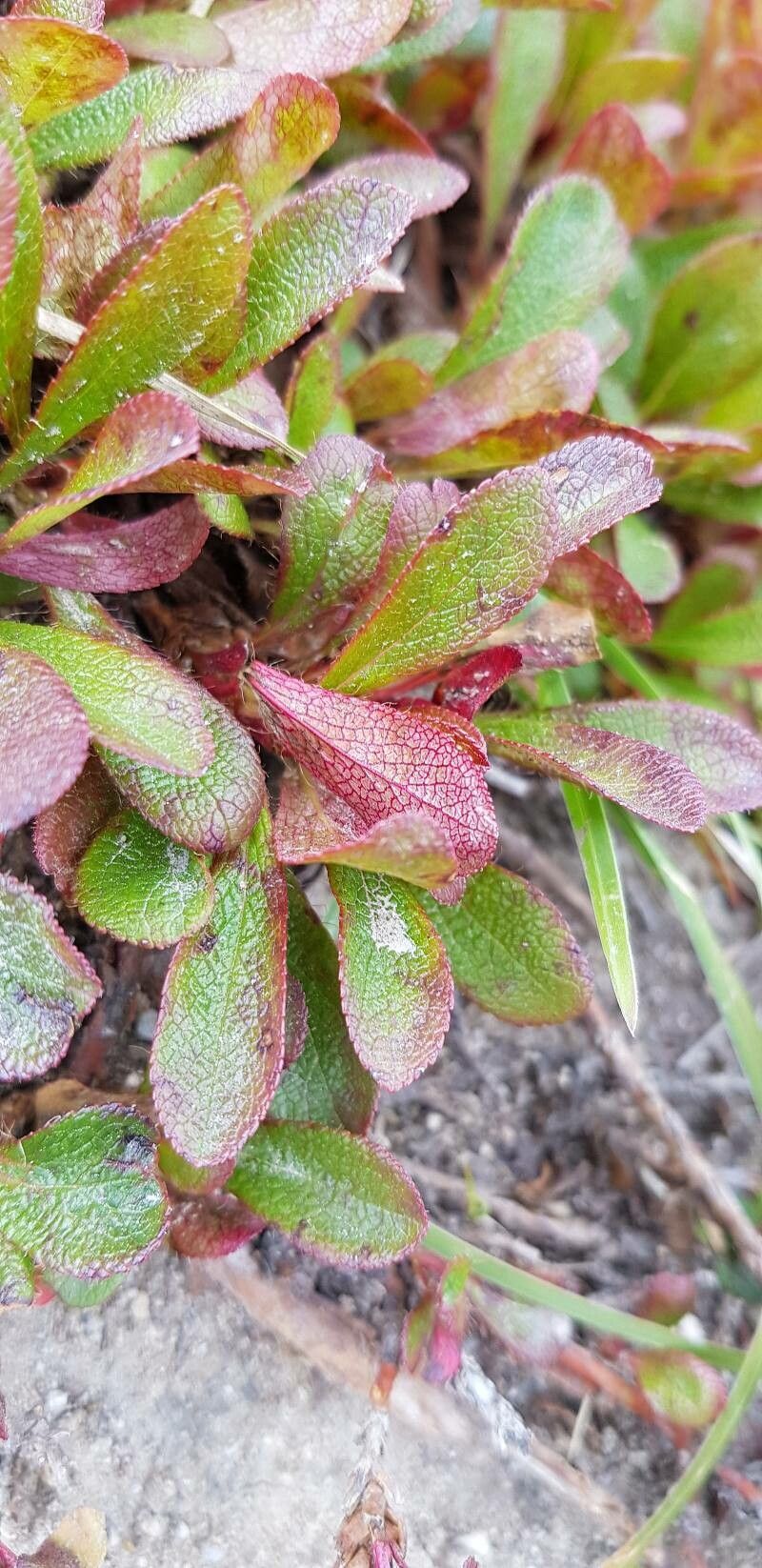
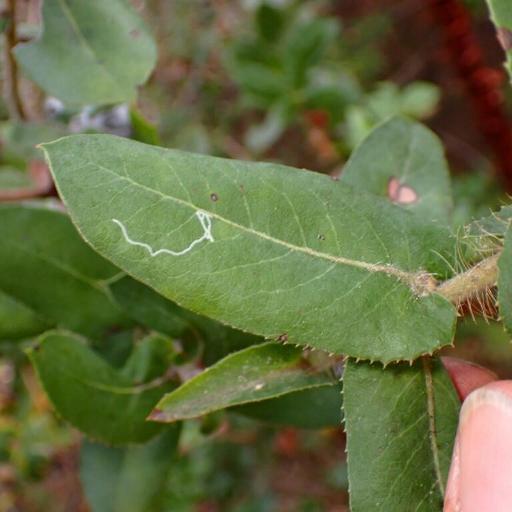
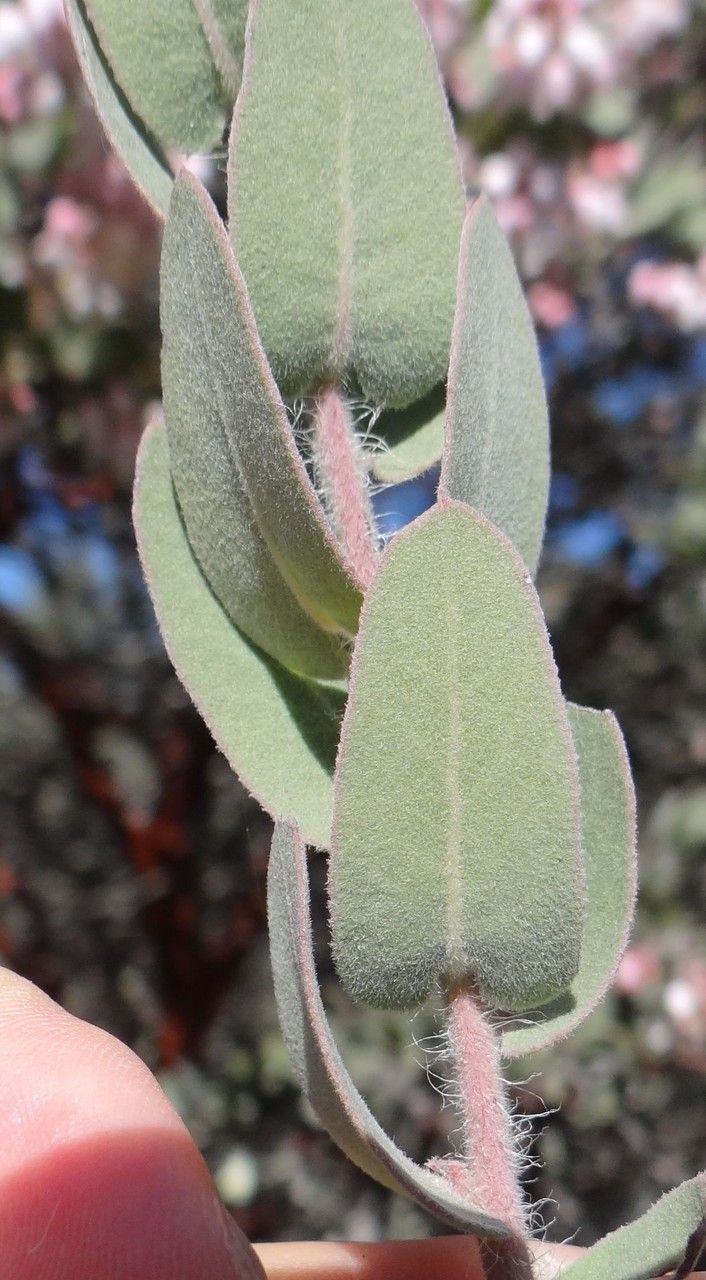
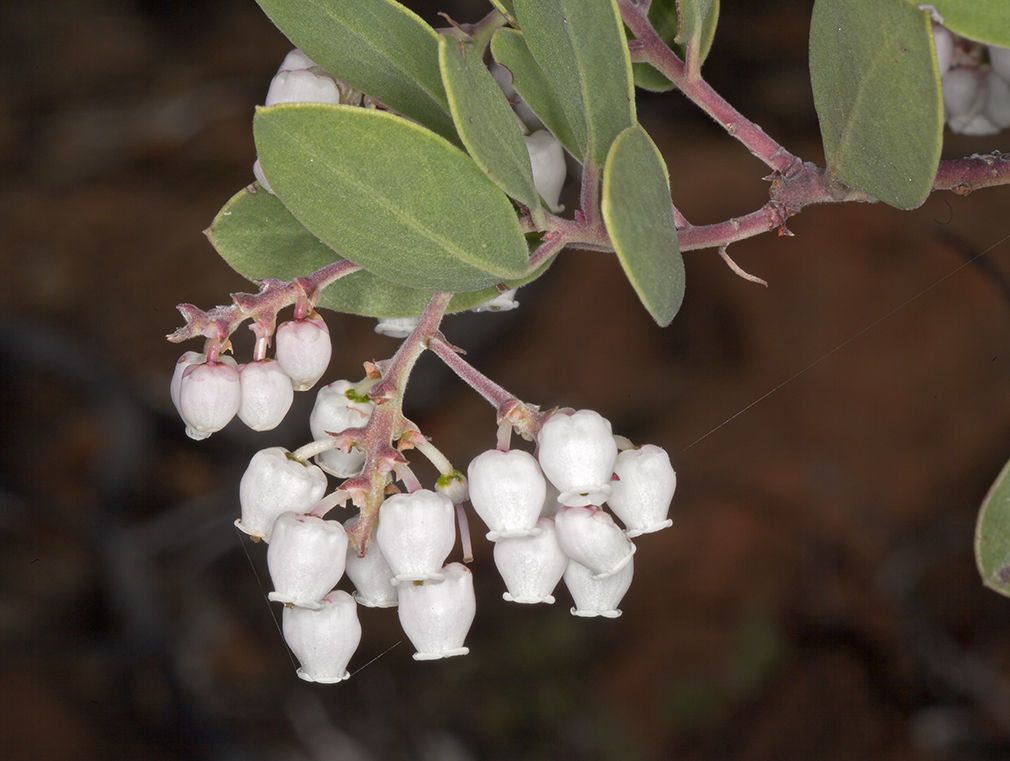
Arctostaphylos uva-ursi, commonly known as bearberry, is a low-growing evergreen shrub native to North America and Eurasia. This plant, part of the Ericaceae family, typically reaches heights of 1 to 2 feet. It features small, leathery leaves that are dark green and turn reddish-brown in the fall.
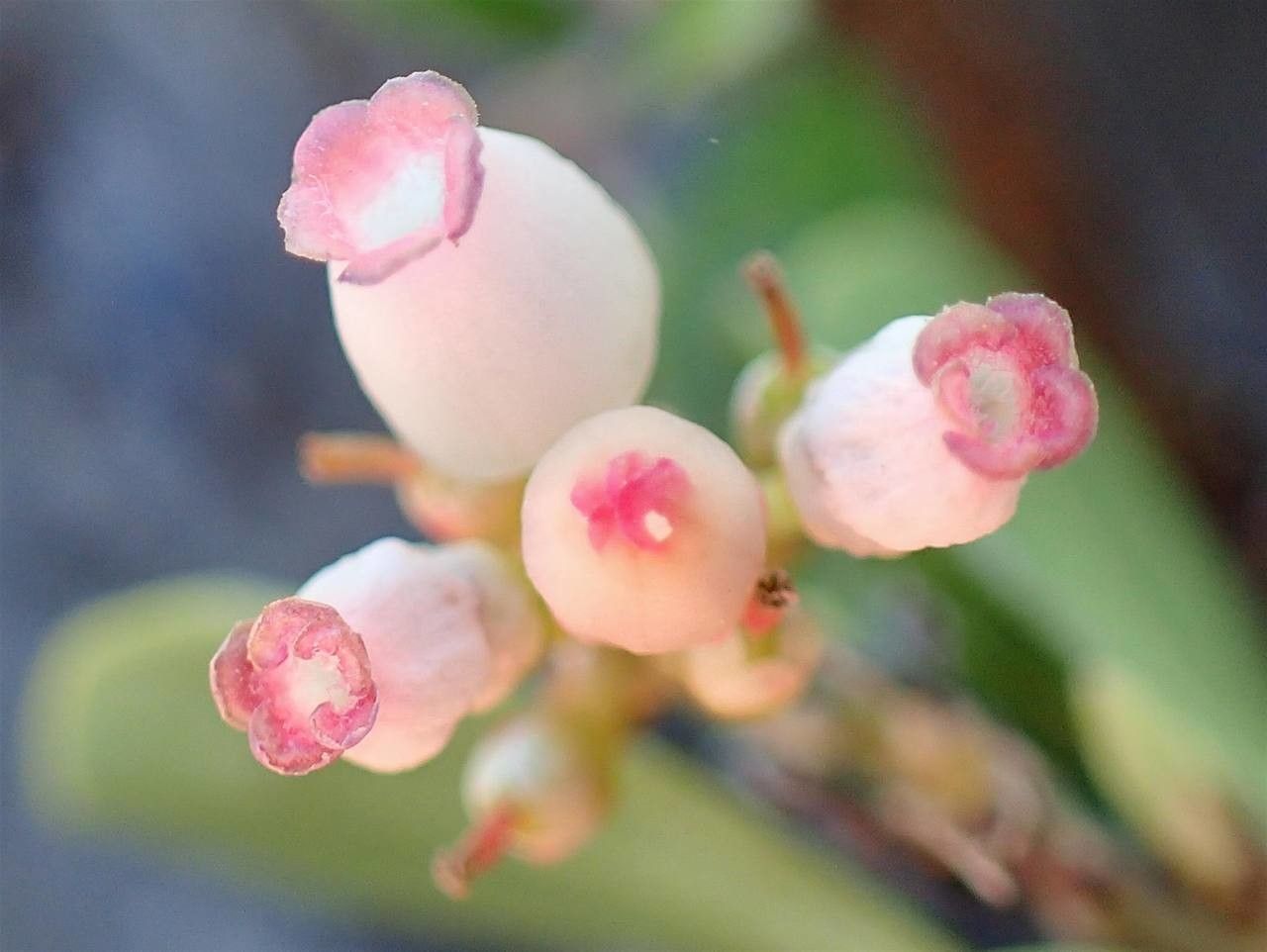
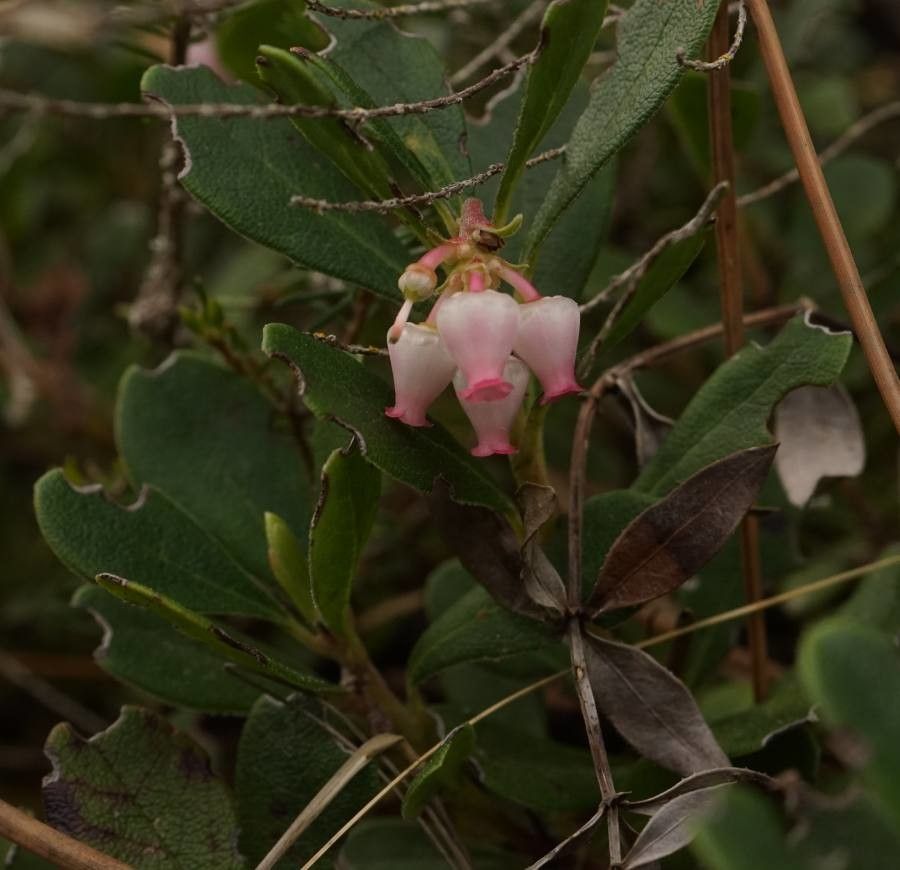
In late spring or early summer, bearberry produces small, bell-shaped flowers that are either pink or white. These flowers are followed by bright red berries that ripen in late summer or early fall. Although the berries are edible, they have a notably bitter taste.
Bearberry has been used for medicinal purposes for centuries, particularly by Native Americans and various cultures around the world. It contains a compound called arbutin, which has antibacterial properties useful in treating urinary tract infections.
The plant prefers well-drained soil with full sun exposure but can also tolerate partial shade. It is commonly found on rocky slopes, dry hillsides, and sandy soils within its native range.
Overall, Arctostaphylos uva-ursi is an attractive evergreen shrub with significant medicinal properties, making it an important species both ecologically and culturally.
Kinnikinnick is resistant to disease and is generally not susceptible to illnesses. In terms of care, the plant is fairly low-maintenance. When grown outdoors it needs only minimal watering, and larger specimens typically do not require pruning. Smaller plants, however, should be pruned after they finish blooming. Kinnikinnickt is well suited to anyone with an outdoor area, such as a garden or deck, and does not demand extensive care experience.
How to keep Arctostaphylos Uva Ursi.
Light
Kinnikinnick does best in locations that receive abundant sunlight daily, though it can also tolerate areas with only moderate sun. Originating from environments with predominantly clear skies, it has adapted to thrive with ample solar exposure. Light that is either excessively strong or too weak can notably impede its growth.
Water
Kinnikinnick thrives in well-drained sandy soils and is resistant to drought, requiring watering only every 1-2 weeks. As an evergreen groundcover, it grows best outdoors, so it's important to be mindful of local rainfall patterns to avoid overwatering and encourage healthy growth.
Humidity
This plant prefers dry conditions, so don't mist it. However, watering it less often can also thrive in higher humidity.
Temperature
The kinnikinnick prefers temperatures from 32 to 77 ℉ (0 to 25 ℃) and is commonly found in cool and temperate environments. It can endure lower temperatures in winter, but protection from extreme cold is advised.
Fertilizer
To encourage healthy growth, feed your Kinnikinnick in early spring. Consistent feeding boosts its overall health, producing vigorous growth, greater tolerance of harsh conditions, and better resistance to diseases and pests. Keep a regular fertilization routine for your Kinnikinnick to preserve bright, richly colored foliage and a full, lush appearance.
Pot & Repot
When repotting Kinnikinnick, select a container 1-2 inches (2.5–5.1 cm) larger that provides ample drainage. Use a well-draining potting mix. Repot in spring or fall, making sure the root ball sits slightly lower than the rim of the flower pot. Water thoroughly after repotting and place in a warm spot with indirect sunlight.
Botanical profile.
- Plant Type
- Shrub
- Life Cycle
- Perennial
- Genus
- Arctostaphylos
- Family
- Ericaceae
- Hardiness Zone
- 2-6
- Mature Height
- 5 cm to 30 cm
- Mature Spread
- 0.91 m to 1.83 m
- Leaf Color
- Green
- Leaf Type
- Evergreen
- Flower Color
- Pink, White
- Flower Size
- 0.10 cm
- Bloom Time
- Mid spring, Late spring
- Planting Time
- Spring, Autumn
- Harvest Time
- Mid summer
Other names.
Reader questions.
How should I water my Kinnikinnick plant?
Your Kinnikinnick plant is not too picky about how you water it. You can use a variety of common watering tools, such as watering cans, hoses, or even cups. It's important to apply the water directly to the soil and make sure all areas are evenly moistened. Using filtered water is helpful as tap water may have harmful particles. We also suggest using water that is at or slightly above room temperature to avoid shocking the plant. However, the Kinnikinnick plant generally responds well to any type of water.
Why should I put fertilizer on my Kinnikinnick?
No matter what type of Kinnikinnick you have, regular fertilization is key to ensuring its overall health. Providing the right nutrients will encourage strong growth and make your Kinnikinnick more resistant to challenging conditions and better equipped to fight off diseases and pests. Maintaining the attractive foliage of your Kinnikinnick is important, so it's crucial to establish and follow a specific fertilization schedule for your plant. This will result in vibrant leaves with rich color and a lush appearance.
How many hours of sunlight does Kinnikinnick need each day to grow healthy?
To ensure healthy growth, Kinnikinnick needs a minimum of 3–6 hours of sun daily. Many plants that can handle part sun can also thrive in full sun. However, since they require less light for photosynthesis, they are more adaptable than plants that require full sun or part shade.
What are the ideal temperature conditions for Kinnikinnick?
Kinnikinnick thrives in a temperature range of 32 to 77°F (0 to 25°C) and is adapted to cool and temperate environments. While the plant is highly cold-tolerant, withstanding lower temperatures in winter, it is advised to offer protection against the extreme cold. Before the first freeze of autumn, watering the plant generously to keep the soil moist is recommended, helping it prevent drought and water scarcity throughout the winter and early spring months.
What do I do if I give my Kinnikinnick plant too much or too little water?
Outdoor plants, especially newly planted ones or seedlings, can be vulnerable to lack of watering. It's important to water them adequately for the first few months, particularly when the tree is small or recently planted. Once the roots are established, Kinnikinnick can usually rely on rainwater. When growing Kinnikinnick in pots, be cautious about overwatering. If you accidentally overwater your Kinnikinnick, take immediate action to address the issue. Stop watering the plant right away to minimize the impact of overwatering. Check the roots by removing the plant from its pot. If there is no root rot, you can put the plant back in its container. If you find signs of root rot, trim away the affected roots and consider applying a fungicide to prevent further damage. Repot the Kinnikinnick in well-draining soil. In the case of underwatered Kinnikinnick, water the plant more frequently. Recognize the signs of underwatering, such as drooping and drying leaves that may fall off. Once you increase the watering, the leaves will regain their fullness. Correct the watering frequency as soon as you notice underwatering.
When should I fertilize my Kinnikinnick plant?
To keep your Kinnikinnick plant healthy and strong, it's important to fertilize it at two specific times. The first is in late winter or early spring, which provides the necessary nutrients for the plant to start growing again once the weather warms up. If you live in a warm climate, it can also be beneficial to give your Kinnikinnick another round of fertilizer in early fall. This not only adds nutrients for the following growing season but also helps the plant withstand winter cold. Fertilizing earlier in fall ensures that new branches have enough time to grow and be resilient during the winter.
What kind of sunlight does Kinnikinnick require?
Kinnikinnick thrives in full or part sun conditions. It prefers direct morning light, but during summer it should be shielded from strong afternoon sun to prevent leaf burn and maintain its overall appearance and health.
How should you care for Kinnikinnick during low temperatures?
Kinnikinnick exhibits a high tolerance to low temperatures, capable of enduring conditions above -40°C without significant changes. However, if temperatures drop below this threshold, branches may become brittle and fail to produce new shoots in spring. To counteract this, it is advisable to prune away any dead branches in the spring that have not produced new leaves, ensuring the plant remains healthy and capable of growth.
How much water does my Kinnikinnick need?
Most outdoor plants can grow naturally with rainfall. However, if your area lacks rainfall, you should water your plants every 2 weeks in the spring and fall, and more frequently in the summer. In the winter, when plants need less water, you can water them less often or not at all. If your Kinnikinnick plant is young or newly planted, it needs more frequent watering to help it establish and grow. For potted plants, there are two main ways to determine how often to water your Kinnikinnick. The first way is to set a schedule, watering once a week or every other week. However, this approach may not work well as it doesn't consider the specific growing conditions for your Kinnikinnick. You can also adjust your watering frequency based on the season. A predetermined schedule may not be enough during the summer when the plant's water needs are highest. Alternatively, you can monitor soil moisture and water when the top two to four inches of soil have dried out completely.
When should I not put fertilizer on my Kinnikinnick plant?
There are a few periods in the year when you shouldn't fertilize your Kinnikinnick. During the early and mid-winter months, your Kinnikinnick is dormant and doesn't need to be fed. Similarly, it's not a good idea to fertilize the plant in late spring and summer, when the weather is hotter and drier. These conditions can have a negative impact on the plant if it's fertilized. To prevent any issues, it's best to stick to a fertilization schedule that only includes early spring and early fall.
Can the sun harm Kinnikinnick plant? How can I keep Kinnikinnick safe from the sun and heat damage?
Kinnikinnick is sensitive to direct sunlight, so when moving it outdoors, it can easily get damaged. To prevent sunburn from overexposure, it is best to gradually move pots from a shaded area to a brighter spot. However, even if the plants have acclimated to the summer sun, extreme heat can still harm them. During a heatwave, it is crucial to keep the soil consistently moist to help the plants withstand high temperatures. To protect delicate Kinnikinnick during extreme weather events, it can be useful to move container plants to areas with afternoon shade or cover them with a shade cloth.
What should you do if Kinnikinnick is exposed to high temperatures?
Kinnikinnick struggles with high temperatures, particularly those exceeding 25°C, leading to significant leaf drop or, in extreme cases, the death of the plant. If exposed to such conditions, removing sunburned and dried parts of the plant is crucial. Relocating the plant to a shaded area or employing a shade cloth to protect it from midday and afternoon sun can help. Additionally, watering the plant during cooler times of the day, such as morning and evening, will help keep the soil adequately moist.