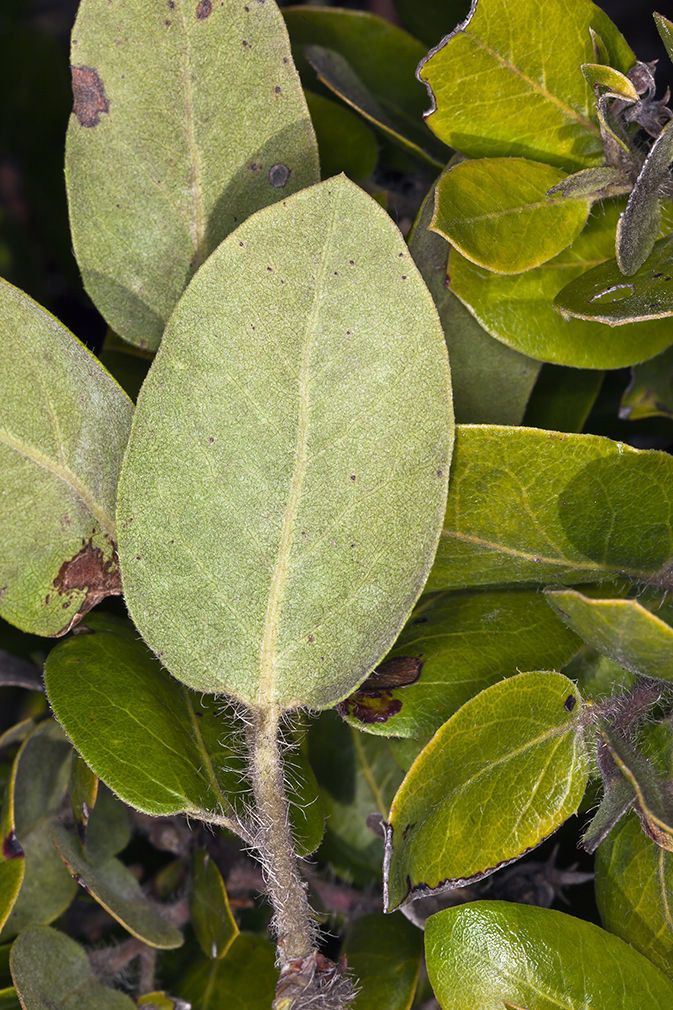
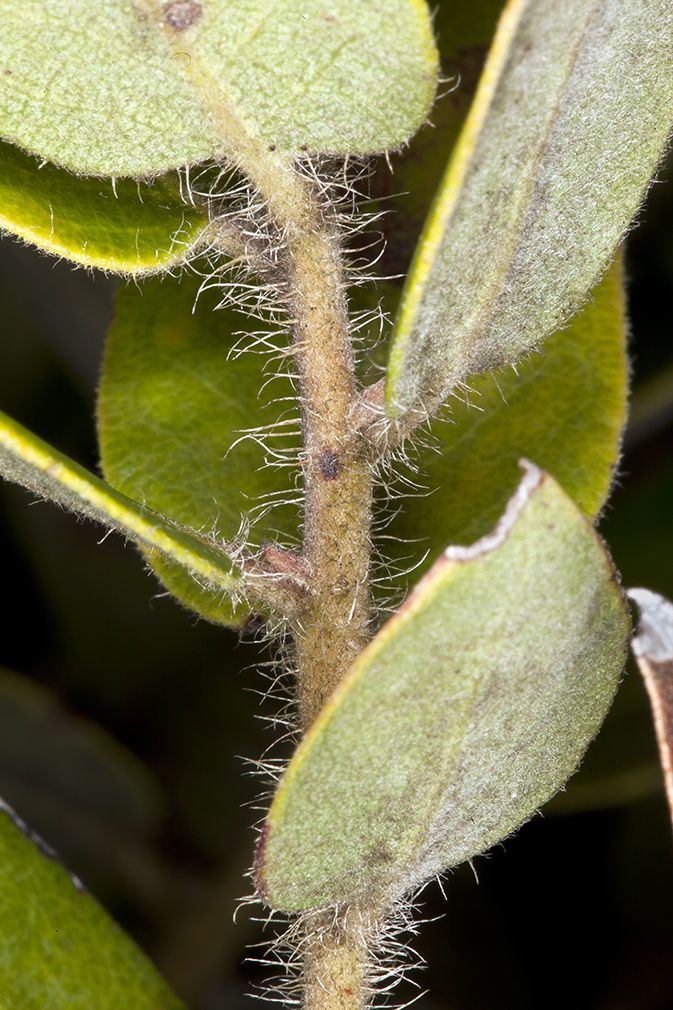
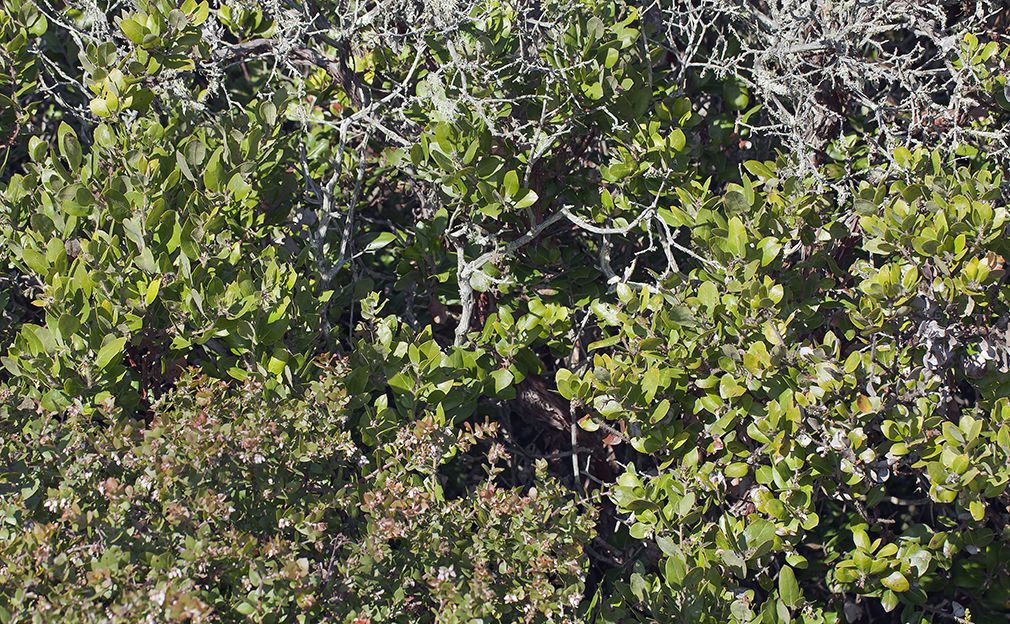
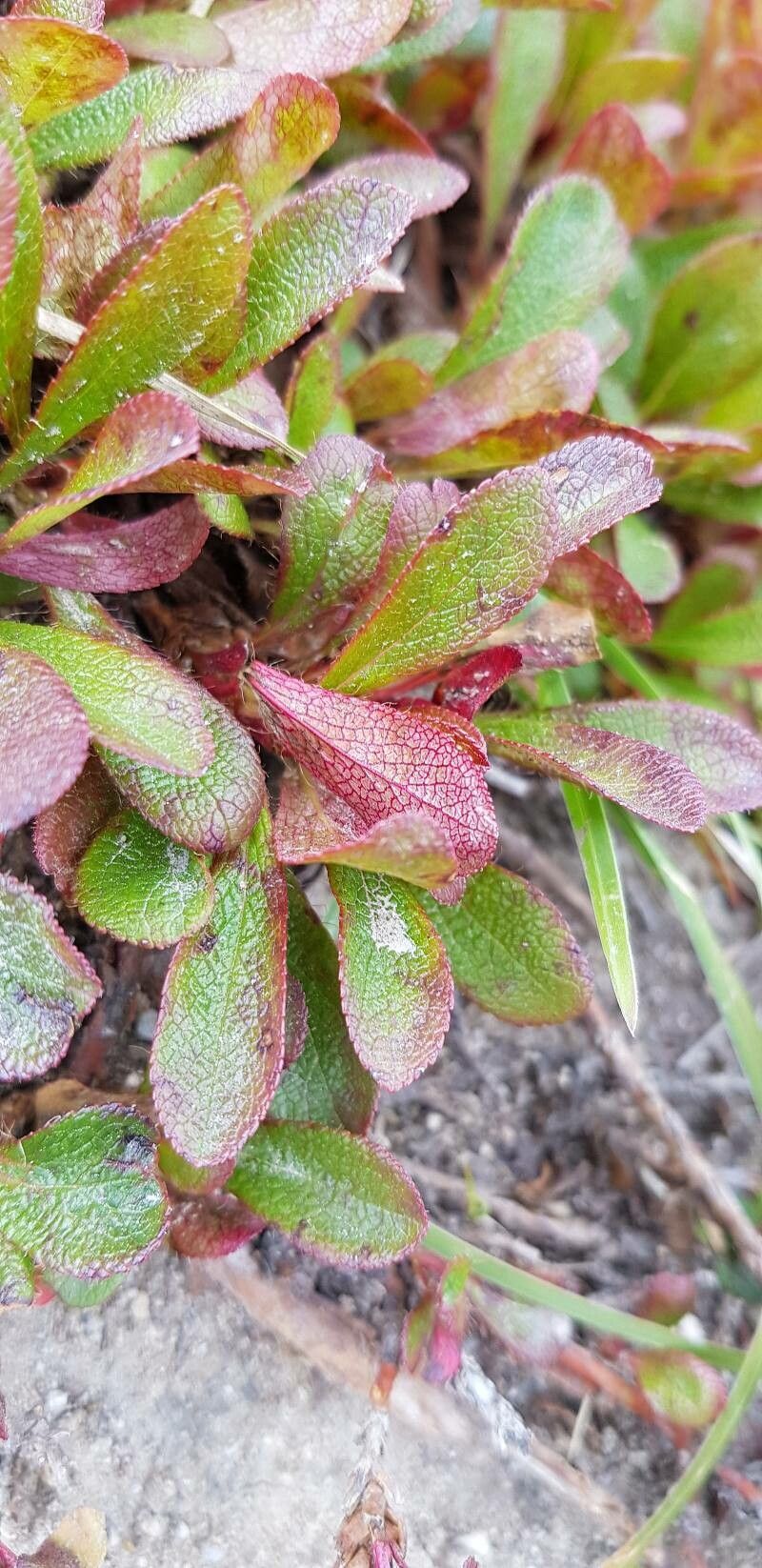
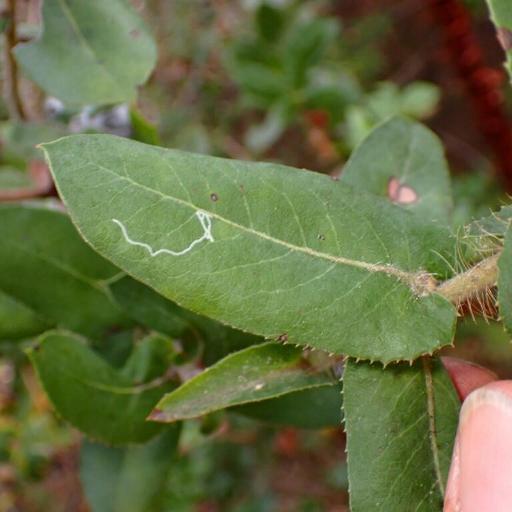
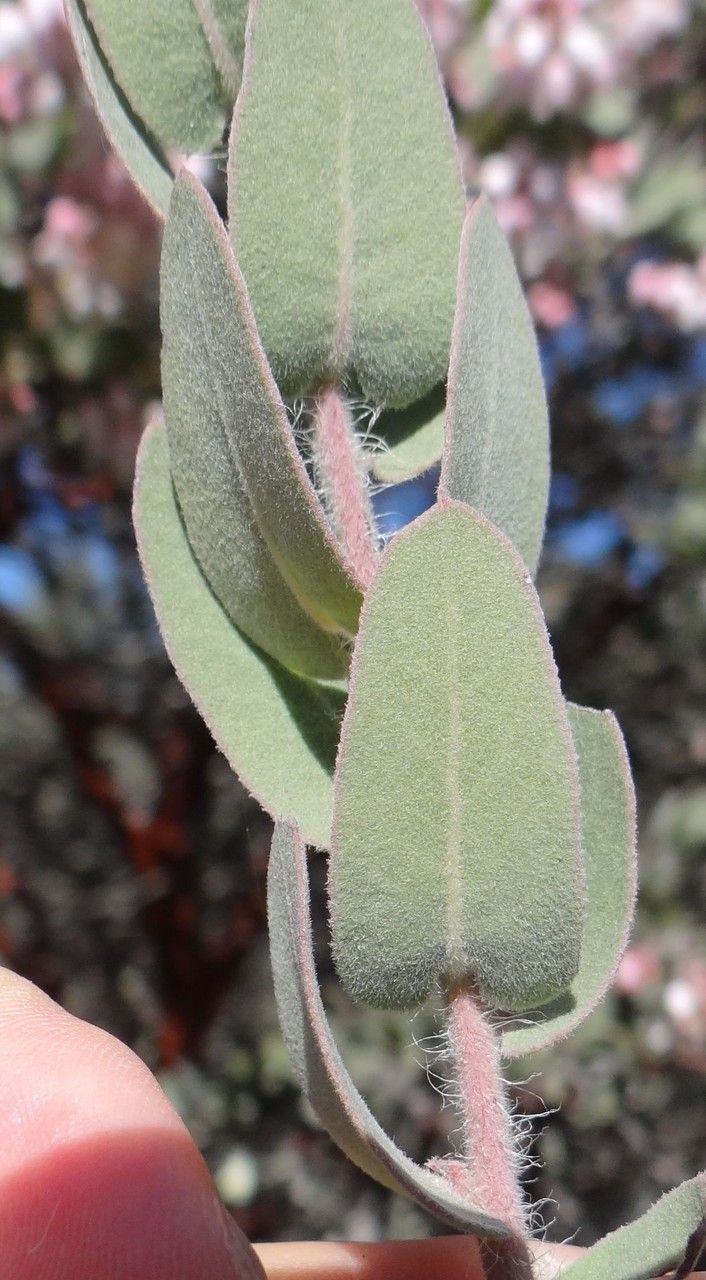
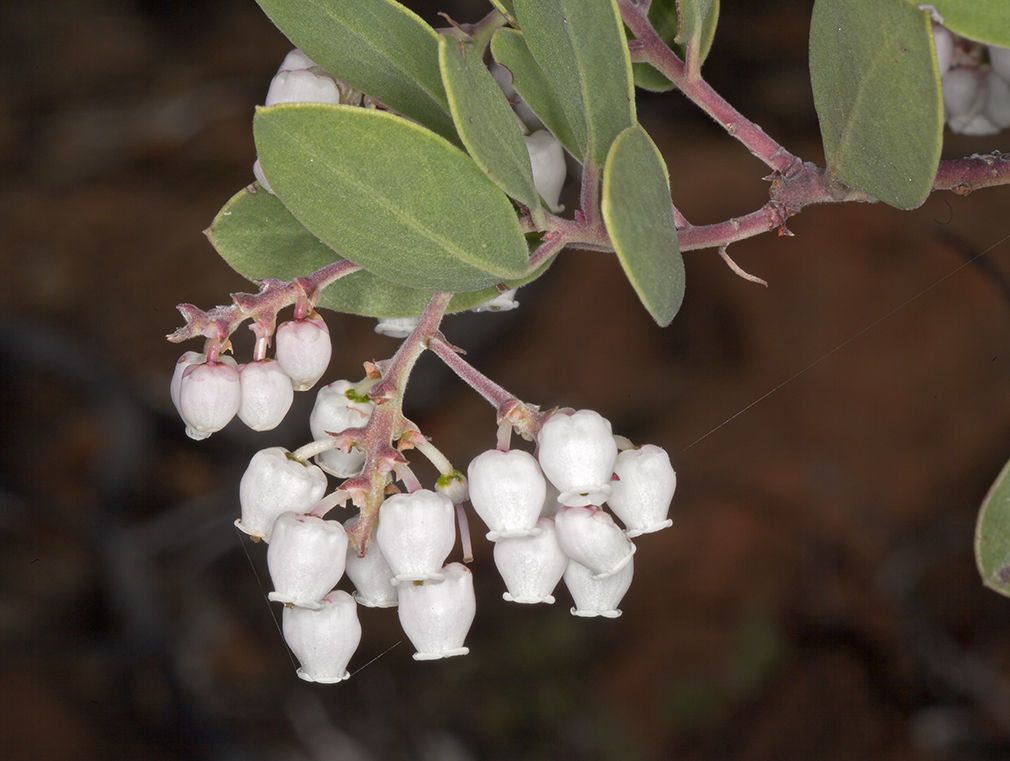
Arctostaphylos tomentosa, commonly known as the woollyleaf manzanita, is a small evergreen shrub native to California and Oregon in the United States. It typically grows up to 6 feet tall and 8 feet wide and has a dense branching structure. The leaves are small, oval-shaped, and have a woolly texture on both sides, giving the plant its common name.
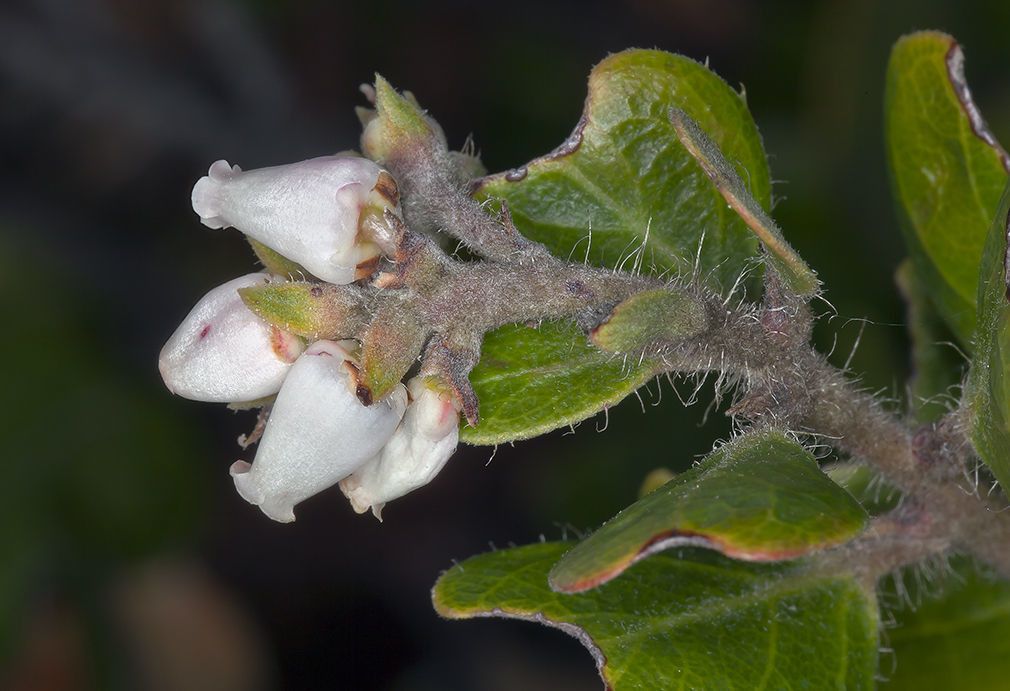
In late winter or early spring, Arctostaphylos tomentosa produces clusters of small pink or white flowers that attract bees and other pollinators. These flowers eventually give way to edible berries that ripen in late summer or early fall.
This shrub is well-suited for use in native plant gardens or as an ornamental shrub in dry gardens. It prefers well-drained soils and full sun exposure but can tolerate some shade. Its dense branching habit makes it an excellent choice for erosion control on slopes.
Overall, Arctostaphylos tomentosa is a hardy shrub with attractive, year-round foliage that provides important habitat for wildlife and adds aesthetic value to garden settings.
How to keep Arctostaphylos Tomentosa.
Pruning
The Woollyleaf manzanita is a shrub characterized by its dense, woolly leaves and bushy growth pattern. For best results, begin pruning in early spring, focusing first on removing any dead or diseased branches. Light shaping can be advantageous, but heavy pruning should be avoided to prevent plant stress. Regular pruning encourages flowering and improves the plant's overall health and vitality.
Botanical profile.
- Plant Type
- Shrub
- Genus
- Arctostaphylos
- Family
- Ericaceae
Other names.
Reader questions.
What are the sunlight requirements for Woollyleaf manzanita (Arctostaphylos tomentosa)?
Woollyleaf manzanita (Arctostaphylos tomentosa) thrives in locations that receive full sunlight for more than 6 hours a day. When selecting a planting spot in your garden for Woollyleaf manzanita, it’s essential to observe how sunlight moves through the area throughout the day. Aim to find a spot that offers a harmonious balance of light and shade to ensure the most favorable growing conditions for your plant. This careful consideration will contribute to the overall happiness and health of your Woollyleaf manzanita.