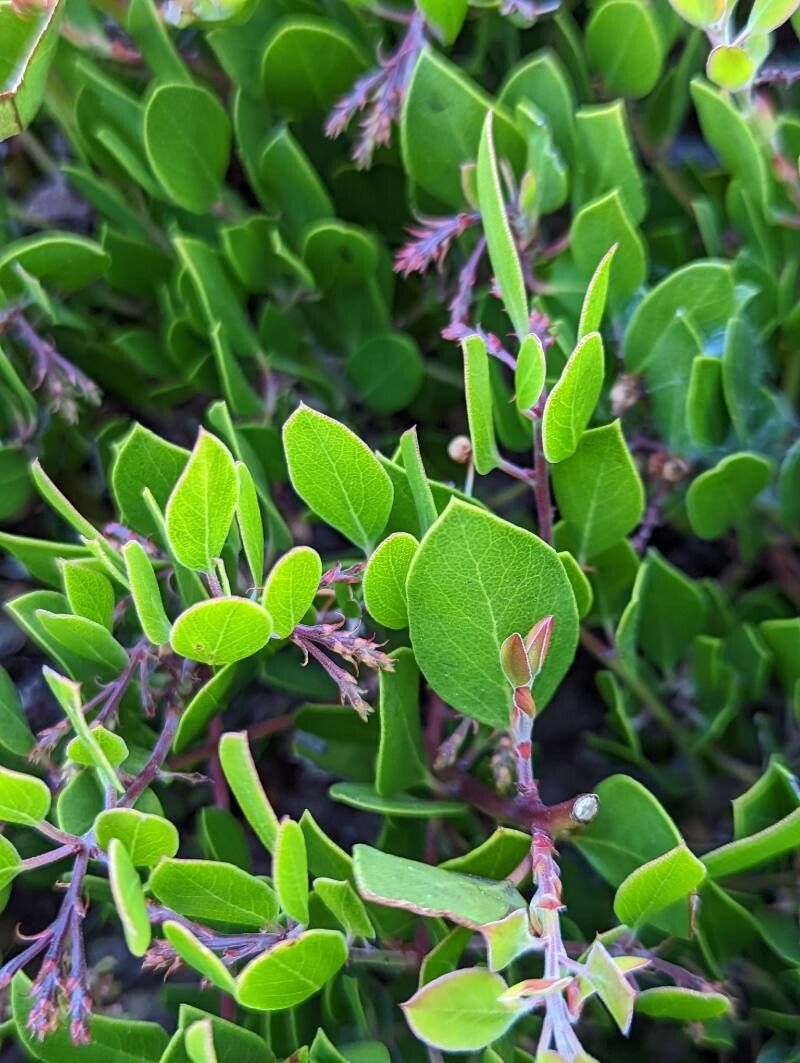
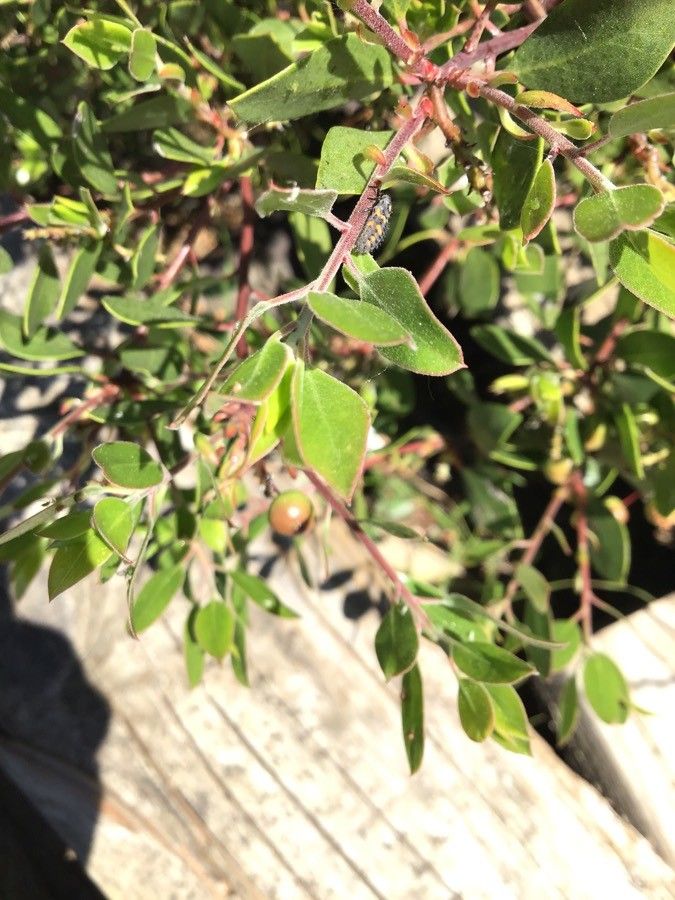
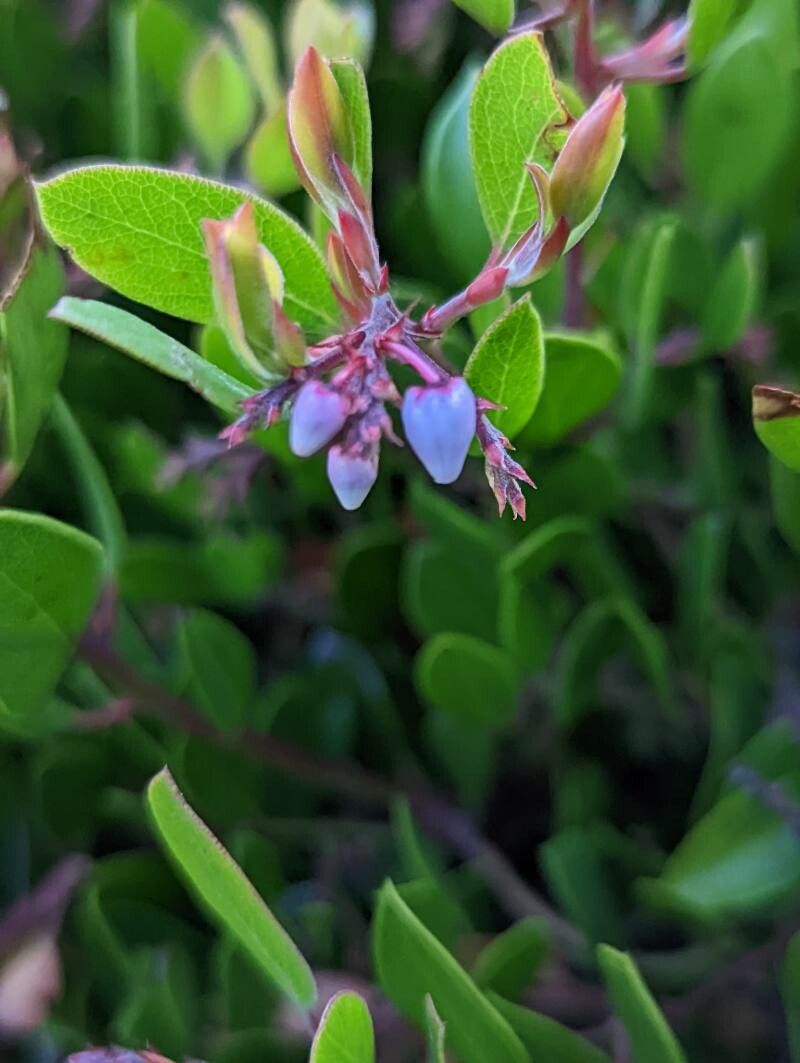
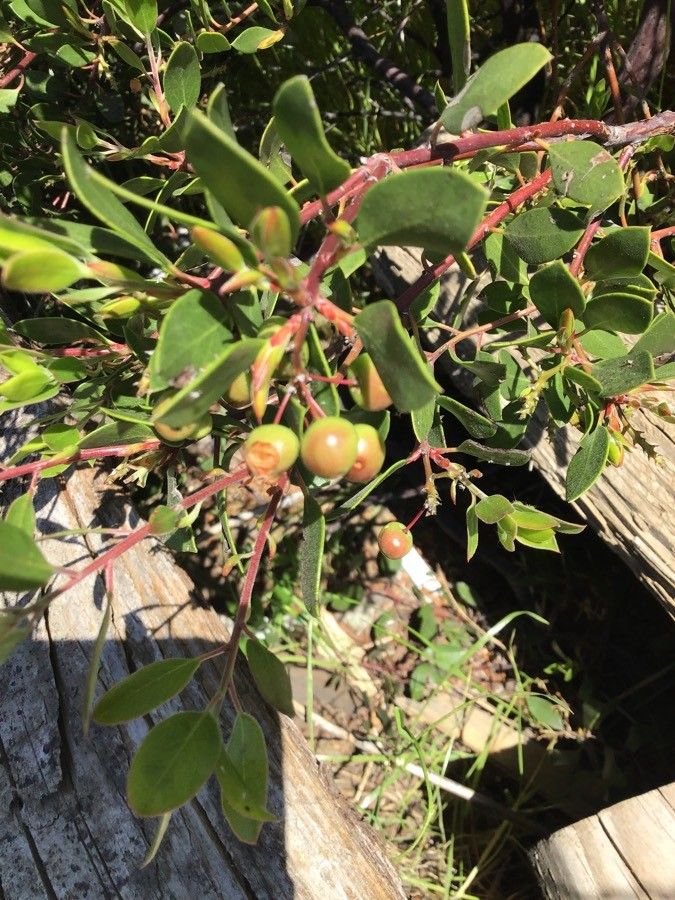
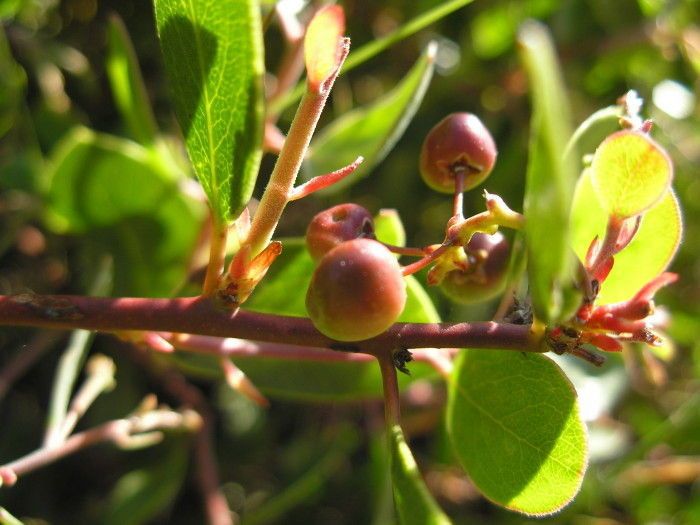
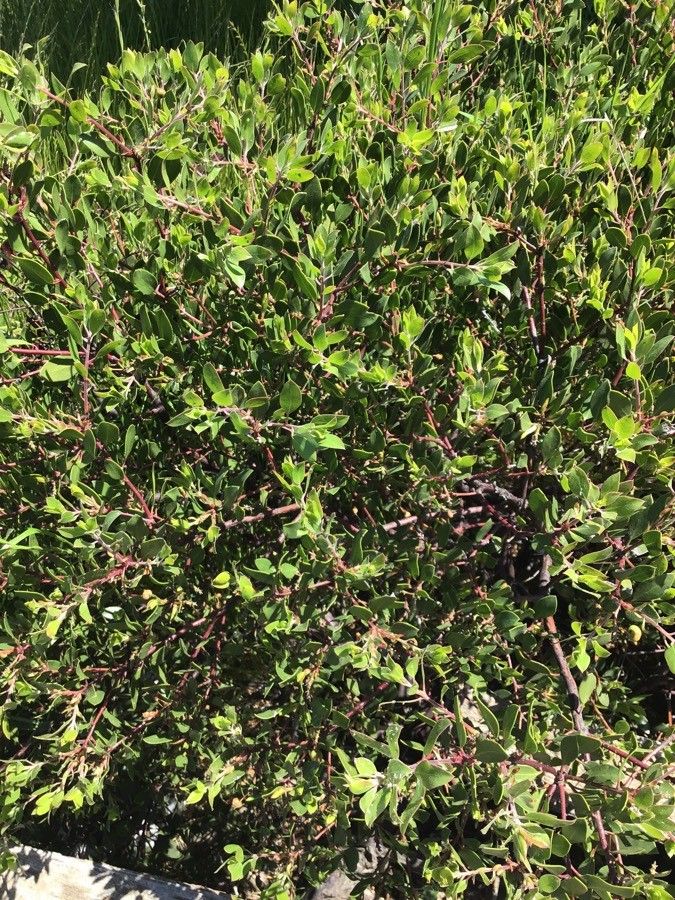
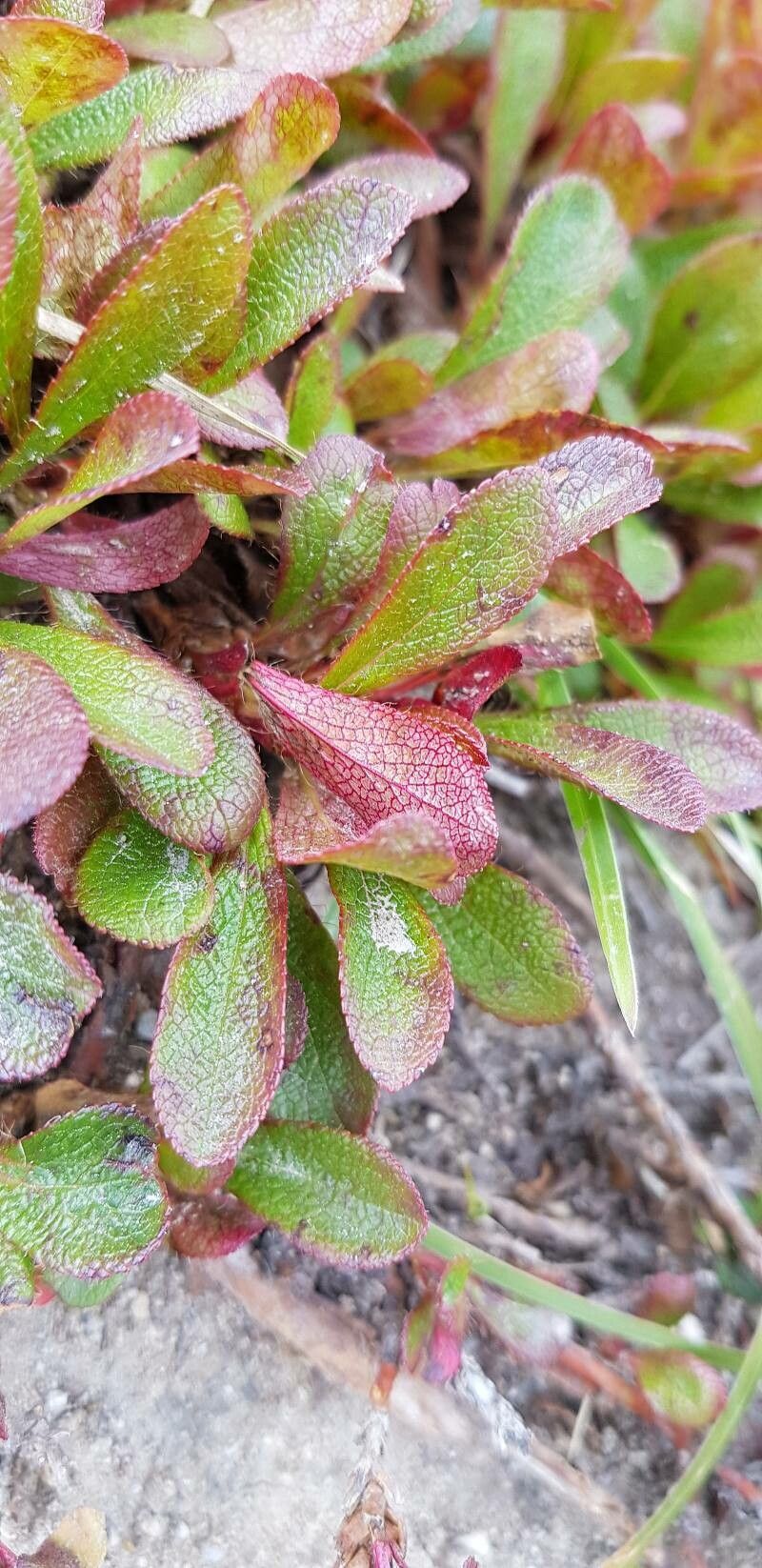
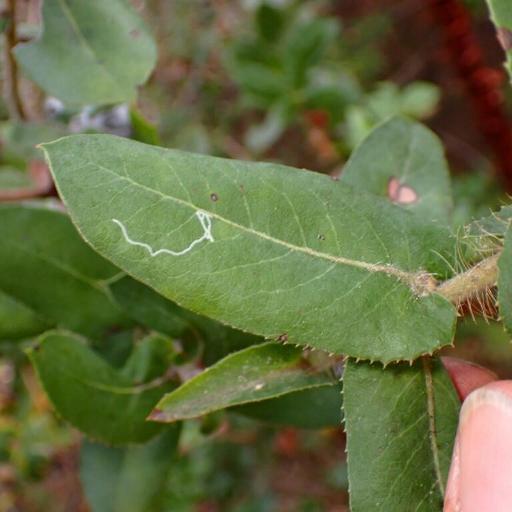
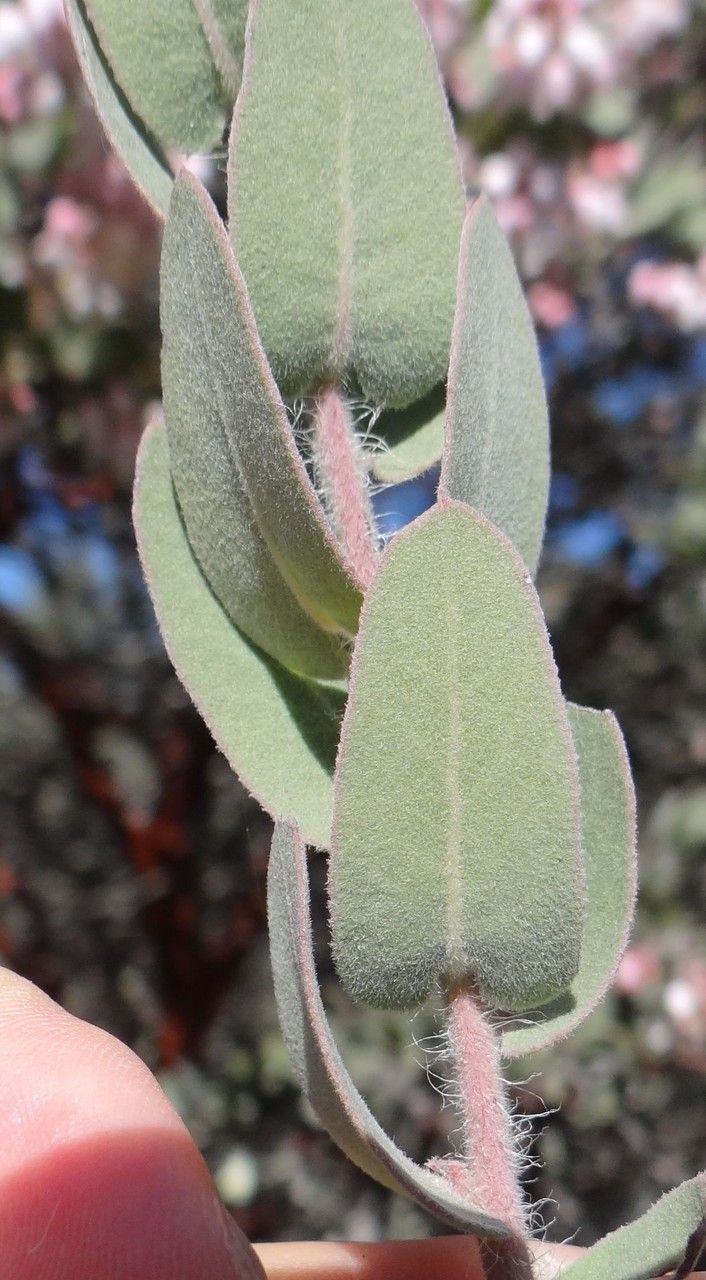
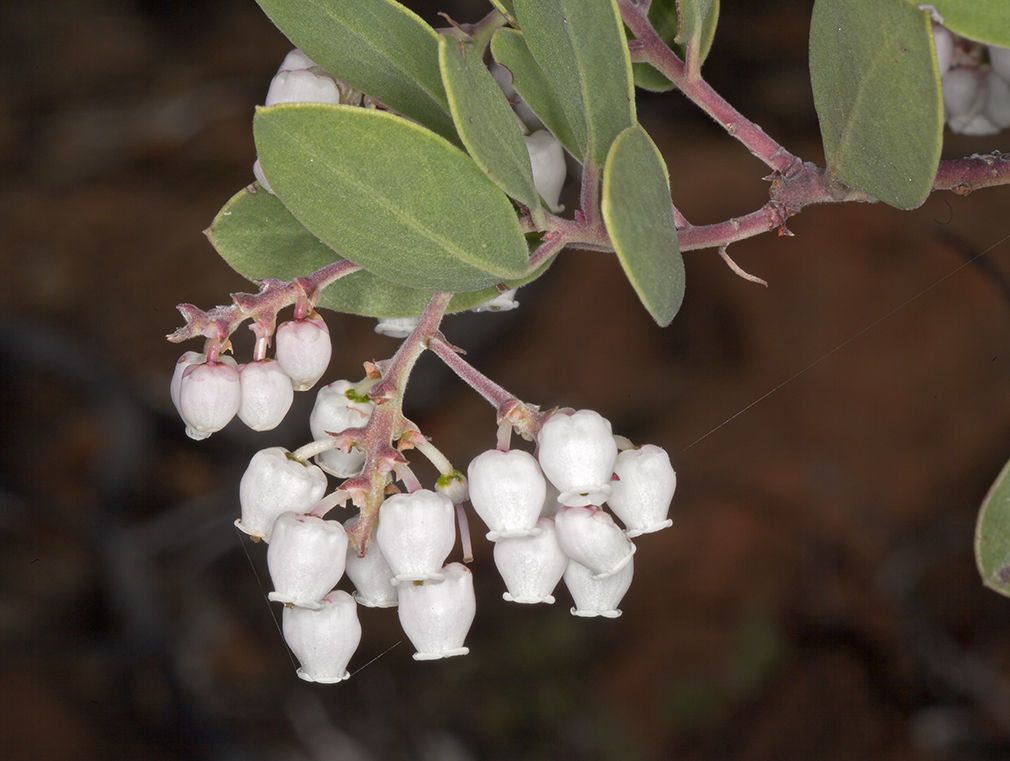
Arctostaphylos stanfordiana, with the common name Stanford's manzanita, is a species of manzanita that is endemic to northern California. It is known from the outer North Coast Ranges north of the San Francisco Bay Area.
Stanford's manzanita shows strong resistance to disease and is usually not susceptible to illnesses. Regarding maintenance, this plant is fairly low-maintenance. Outdoors it needs only light watering, and mature plants typically do not require pruning. Smaller specimens, however, should be pruned after they finish blooming. Stanford's manzanitat is appropriate for anyone who has an outdoor area, such as a garden or a deck, and it does not demand extensive gardening experience.
How to keep Arctostaphylos Stanfordiana.
Fertilizer
Fertilize your Stanford's manzanita in early spring to encourage healthy growth. Regular feeding improves overall plant health, producing vigorous growth, increased tolerance of harsh conditions, and better resistance to pests and diseases. Keep to a consistent fertilization schedule for your Stanford's manzanita to maintain vibrant, richly colored foliage and a lush appearance.
Pruning
Stanford's manzanita is an evergreen shrub known for its striking red-barked stems and bell-shaped flowers. To maintain its shape and encourage blooming, prune lightly in early spring by removing dead branches. Avoid heavy pruning. For care specific to your region’s climate, consult local gardening guides.
Botanical profile.
- Plant Type
- Shrub
- Life Cycle
- Perennial
- Genus
- Arctostaphylos
- Family
- Ericaceae
- Hardiness Zone
- 8-11
Other names.
Reader questions.
What is Stanford's manzanita?
Stanford's manzanita is a plant known scientifically as Arctostaphylos stanfordiana. Detailed information about its essentials, such as care, habitat, and others, was not provided. Similarly, symptoms related to the plant, be it about common diseases, pests, or care mistakes, have not been shared.