Arctostaphylos parryana, commonly known as Parry's manzanita, is an evergreen shrub in the Ericaceae family. Native to California, it thrives in a variety of habitats, including chaparral, coastal sage scrub, and oak woodlands.
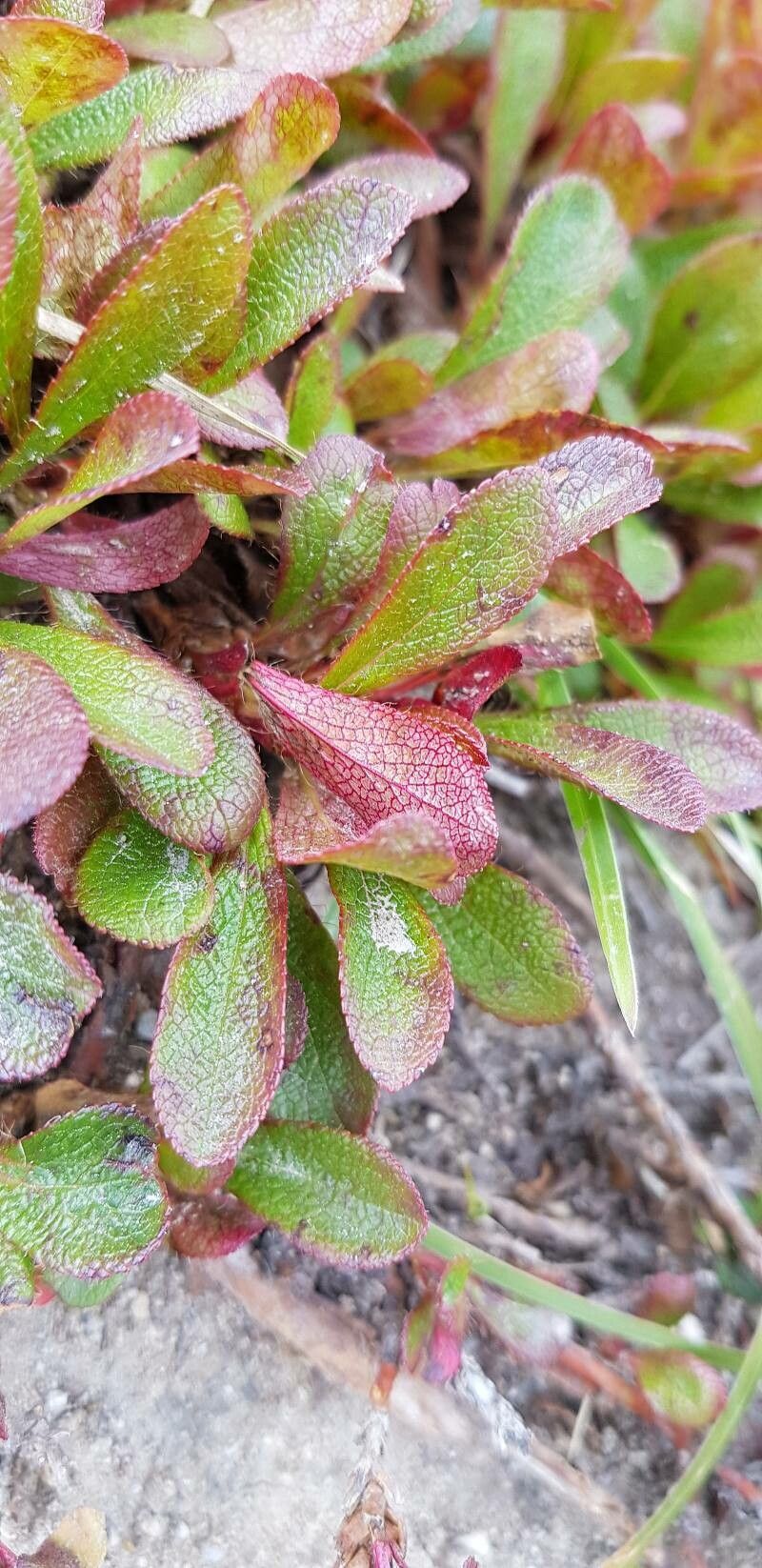
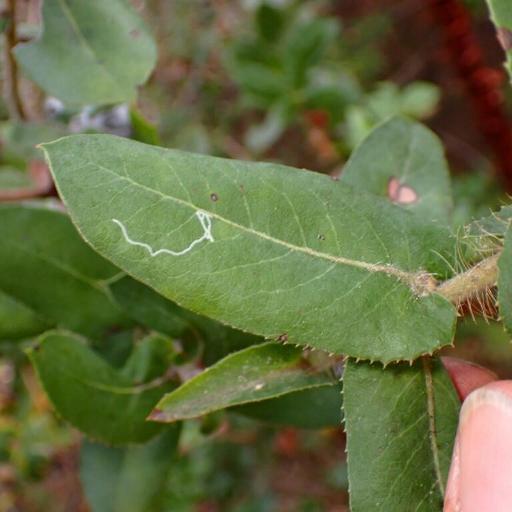
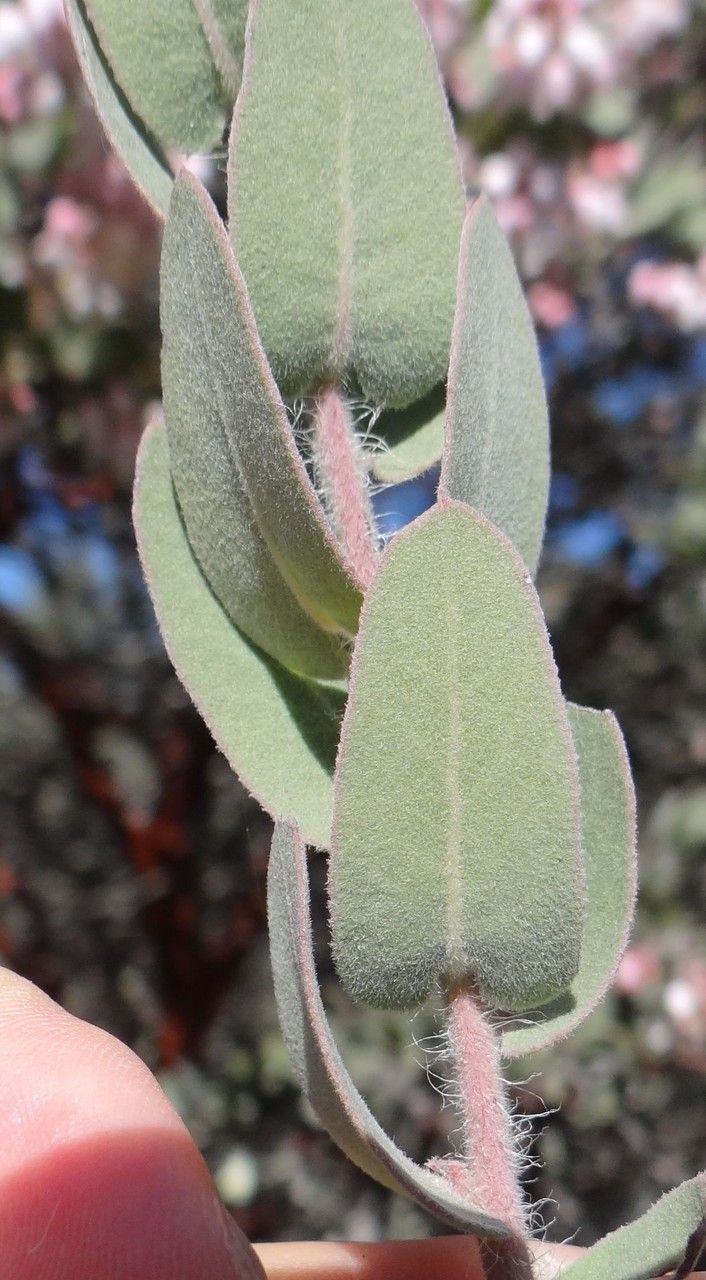
Parry's manzanita typically reaches a height of up to 6 feet and a width of about 8 feet. It has a dense branching habit and is characterized by smooth, reddish-brown bark that peels off in thin flakes, revealing a shiny red-brown surface underneath. The leaves are small, around 1 inch long, oval-shaped, and dark green.
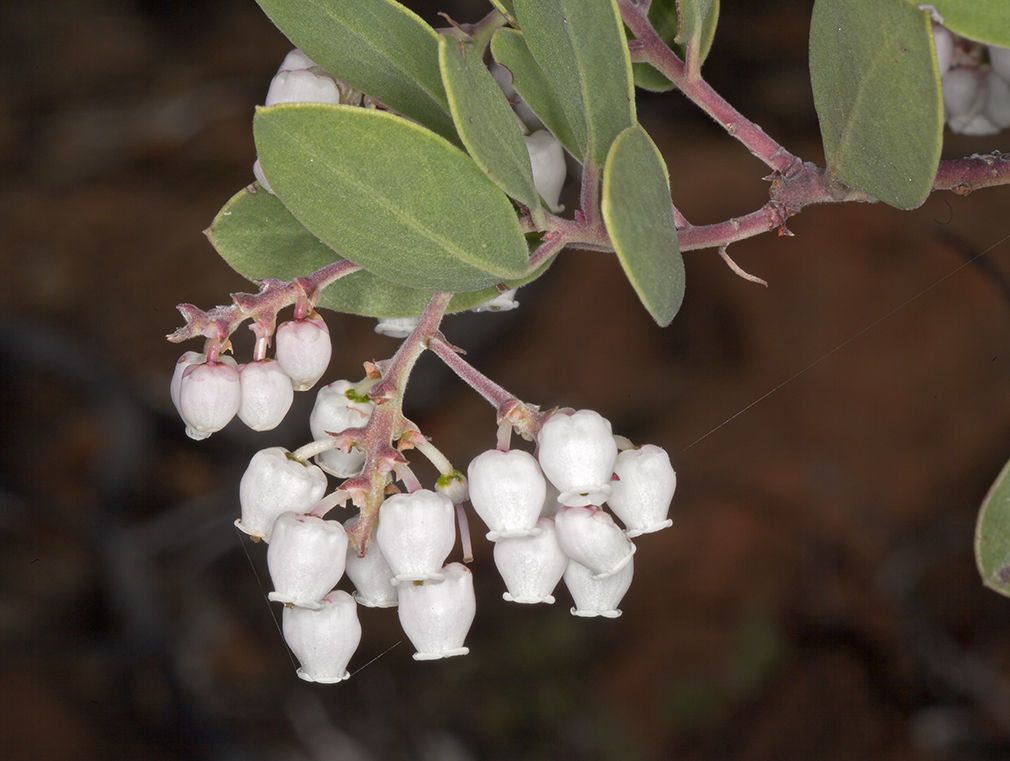
From late winter through early spring, the plant produces clusters of small white or pinkish flowers that attract bees and other pollinators. These flowers eventually give way to small red berries, which are edible but not commonly eaten by humans.
Arctostaphylos parryana plays a crucial role in the ecosystem, providing food for birds such as thrashers, towhees, quail, and jays, which feed on its berries. Its dense foliage also offers shelter for various animals, including lizards.
This shrub prefers well-drained soil and requires moderate watering during the growing season. However, it is drought-tolerant once established, making it ideal for xeriscaping gardens or landscapes where water conservation is essential.
Overall, Arctostaphylos parryana is an attractive evergreen shrub that enhances any landscape with its beauty and offers numerous ecological benefits. It is a valuable addition to gardens or natural area restoration projects.
Parry manzanita is resistant to disease and, in general, is not susceptible to illnesses. As for care, this plant is fairly low-maintenance. When grown outdoors it needs little watering, and larger specimens typically do not require pruning. Smaller plants, however, should be pruned after they finish blooming. Parry manzanita is suitable for anyone with an outdoor area, such as a garden or a deck, and does not demand extensive plant-care experience.
How to keep Arctostaphylos Parryana.
Light
Parry manzanita is native to open habitats, such as sunlit meadows and forest margins, that offer abundant light. It thrives in Full Sun but can also tolerate Partial Sun, adjusting well to a range of light conditions.
Temperature
Parry manzanita is highly adaptable to a range of climate conditions, from blistering summers to cold winters. Still, it has a preferred temperature range for growth. When temperatures rise too high, the plant can suffer from heat and humidity stress that may kill it. In areas where temperatures approach the lower limit of its cold tolerance, applying insulation is important to protect the plant.
Fertilizer
The timing of fertilization is important for Parry manzanita. Apply fertilizer in early spring and continue monthly through early summer. Fertilizer aids in producing attractive blooms and supplies energy during both dormant and active growth phases.
Botanical profile.
- Plant Type
- Shrub
- Life Cycle
- Perennial
- Genus
- Arctostaphylos
- Family
- Ericaceae
- Hardiness Zone
- 7-10
- Mature Height
- 0.91 m to 2.13 m
- Mature Spread
- 2.13 m to 3.05 m
- Leaf Color
- Dark Green, Gray
- Leaf Type
- Evergreen
- Flower Size
- 0.51 cm to 0.76 cm
- Bloom Time
- Late winter, Early spring
- Planting Time
- Spring, Summer, Autumn
- Harvest Time
- Mid summer, Late summer, Early fall