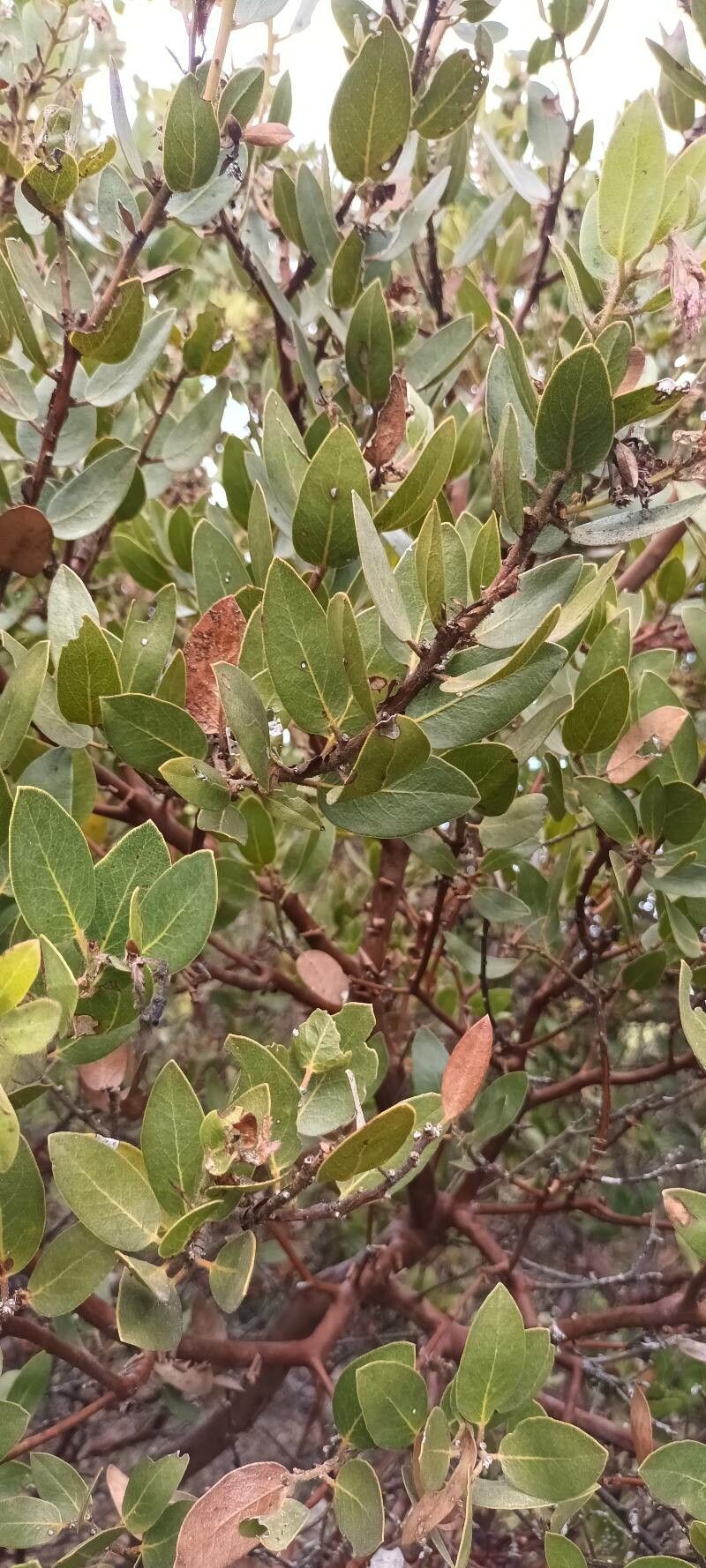
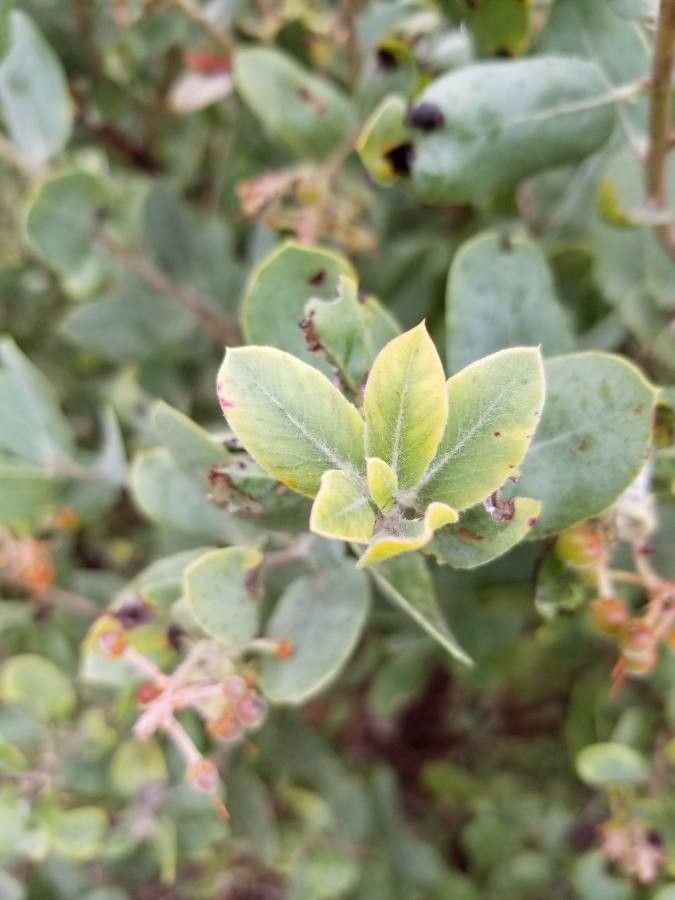
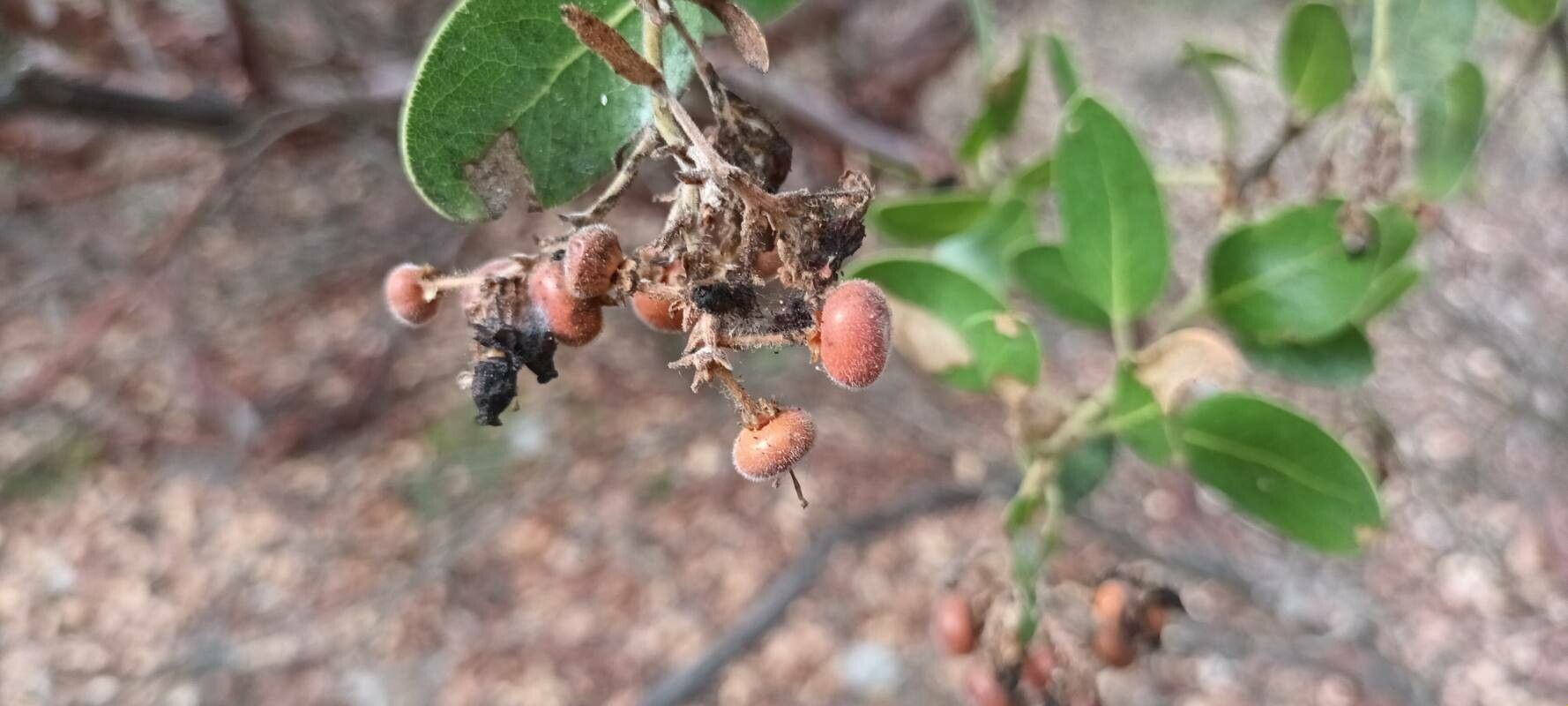
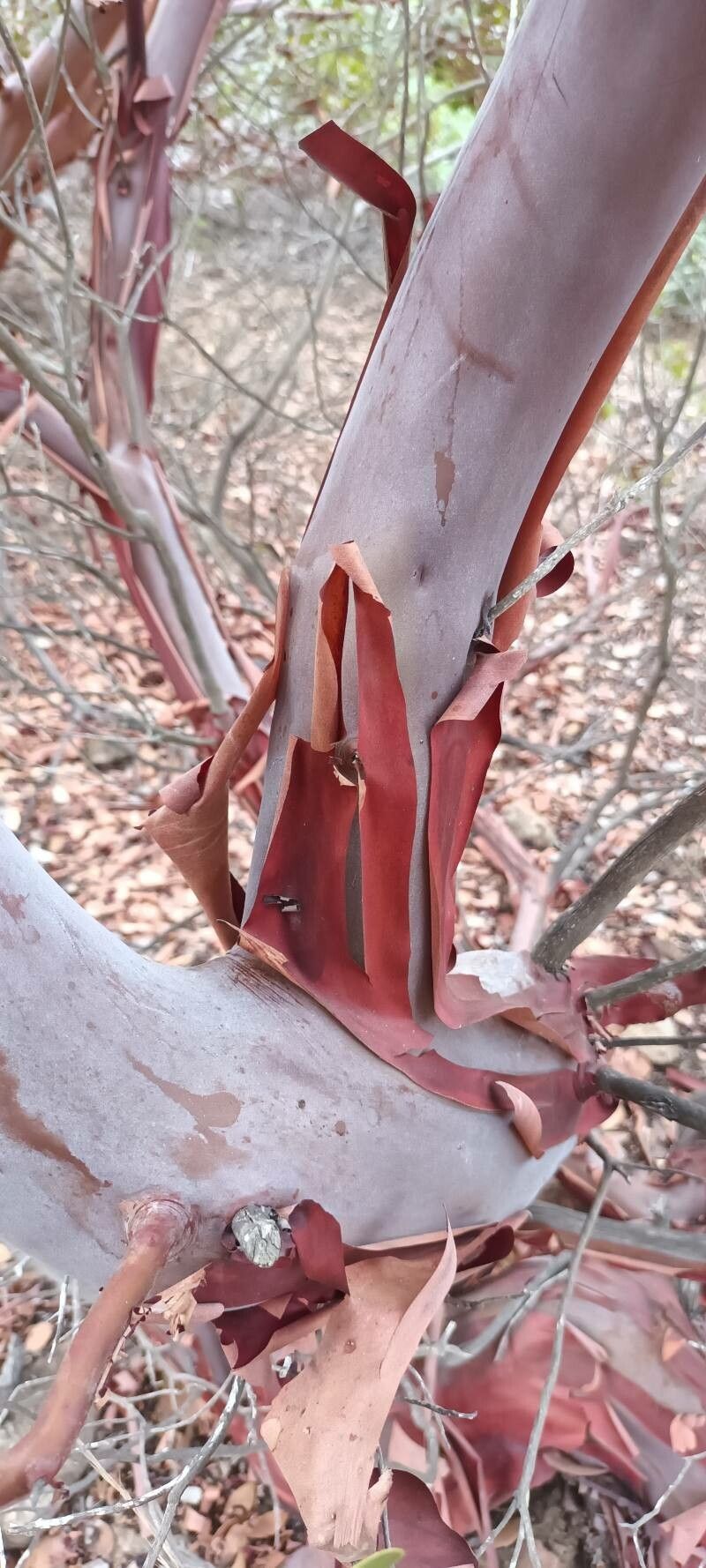
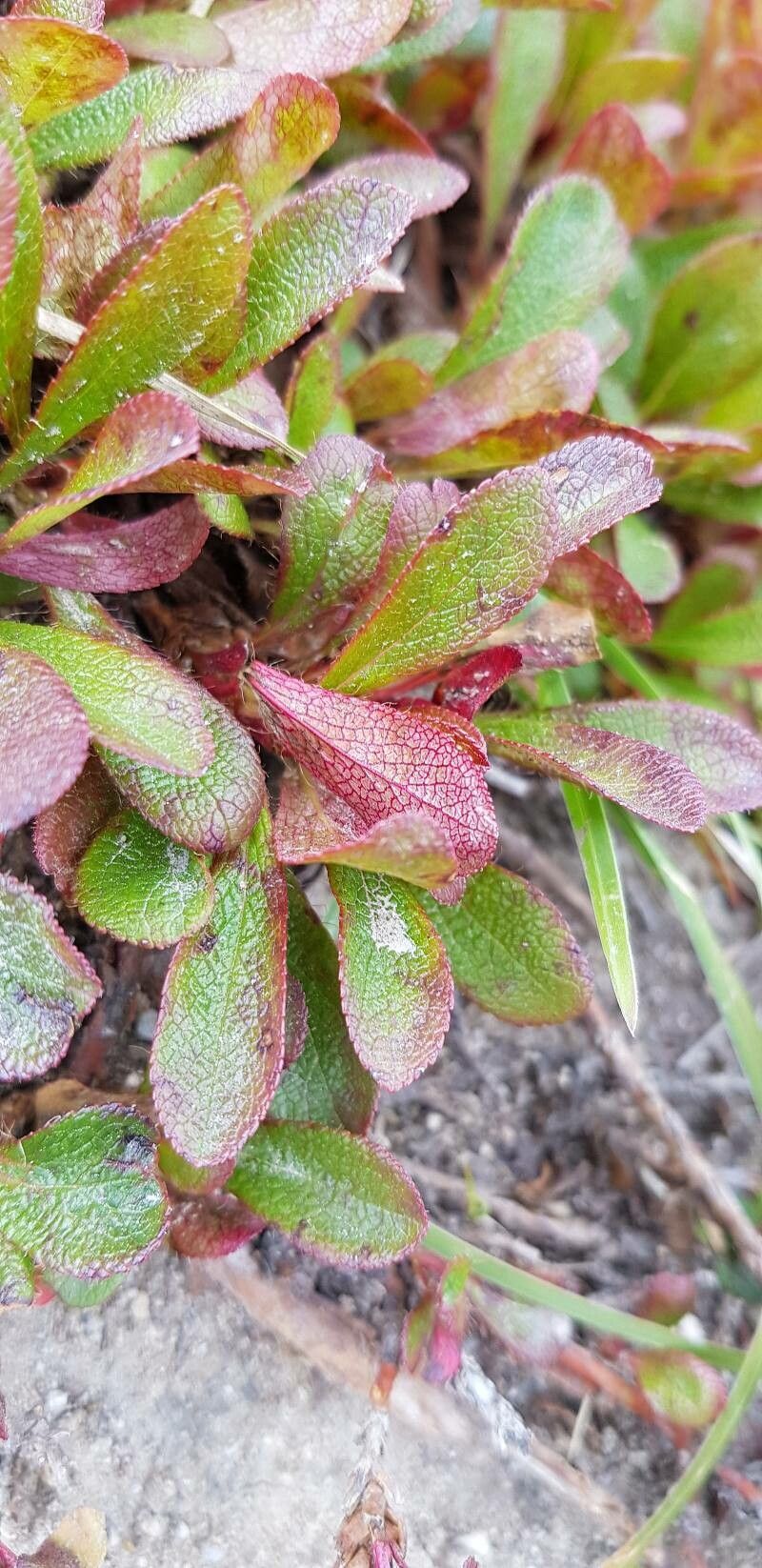
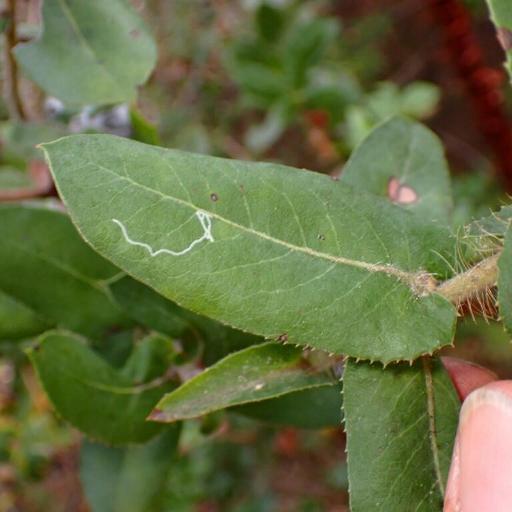
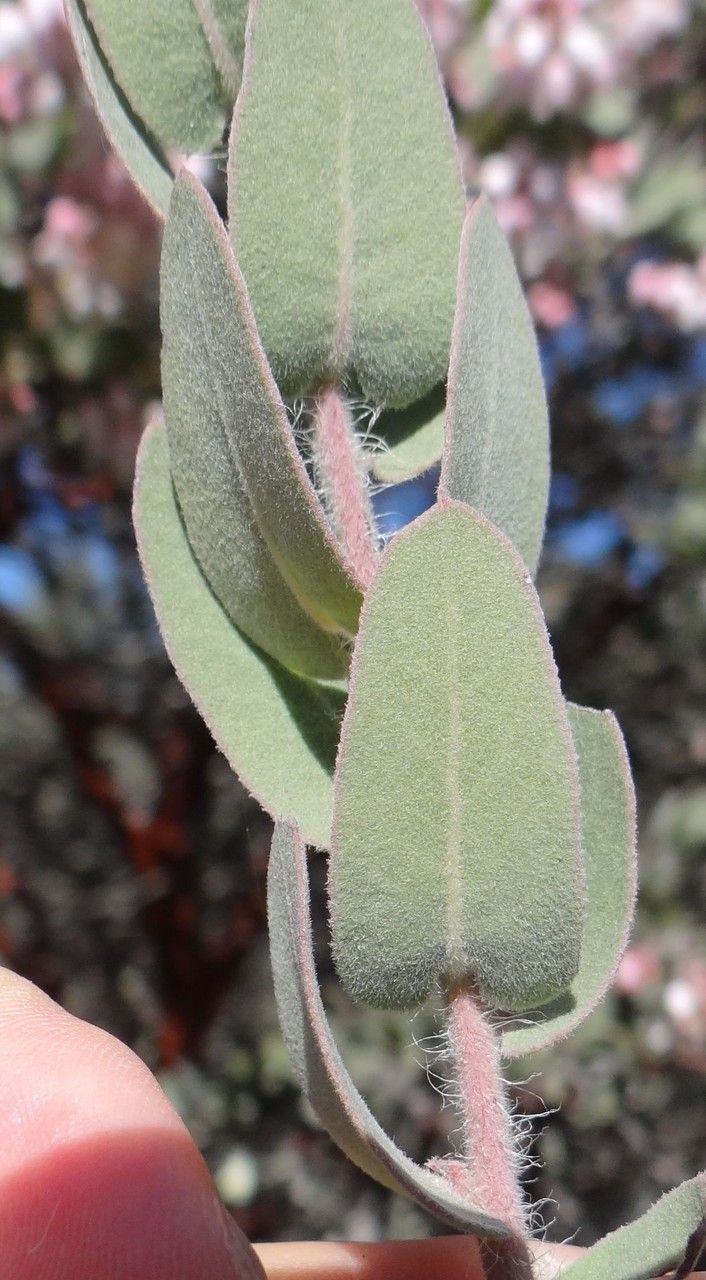
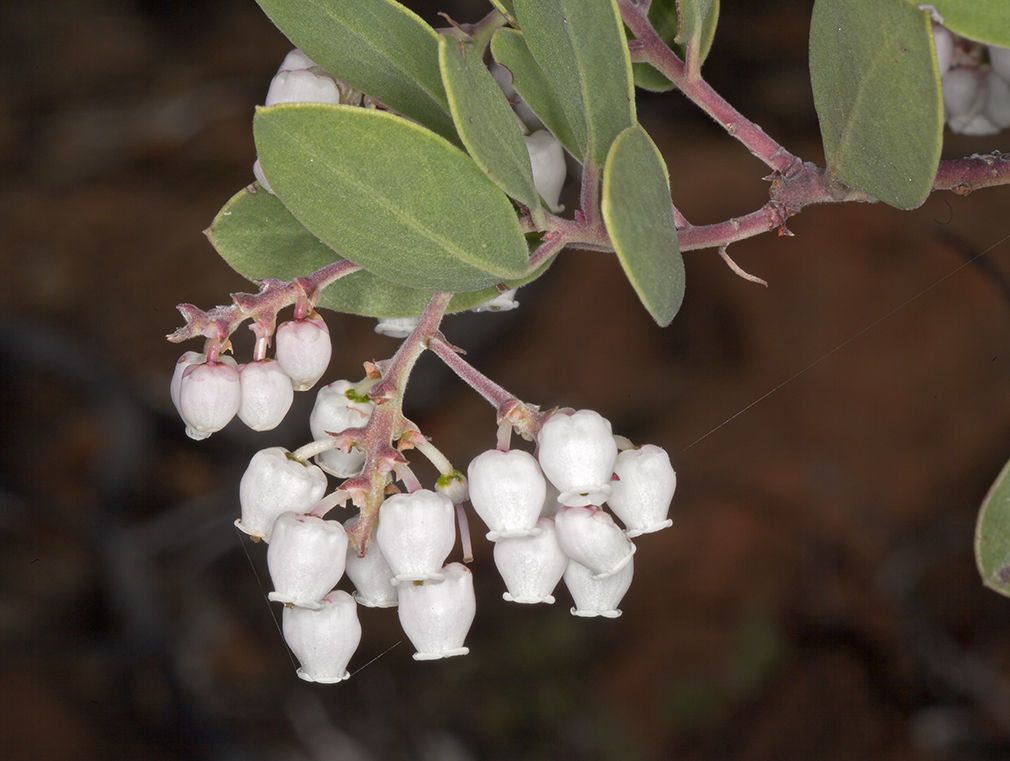
Arctostaphylos glandulosa, with the common name Eastwood's manzanita, is a species of manzanita.
Eastwood's manzanita is disease-resistant and typically not susceptible to illnesses. With respect to care, this plant is fairly low-maintenance. Planted outdoors it needs only light watering, and larger specimens usually do not require pruning. Smaller plants, however, should be pruned after they finish blooming. Eastwood's manzanita is suitable for anyone who has outdoor space, such as a garden or deck, and it does not call for extensive gardening experience.
How to keep Arctostaphylos Glandulosa.
Light
For healthy growth, Eastwood's manzanita does best with uninterrupted sun exposure throughout the day. In its natural habitat it grows well beneath open skies. It can also tolerate reduced sunlight, though growth may be lessened. Too little or too much light can produce changes in shape or lowered vigor.
Water
Eastwood's manzanita is well-suited for dry, arid regions due to its high drought tolerance. It requires watering only every 2-3 weeks, allowing the soil to dry out in between. Usually grown outdoors, this plant thrives in well-draining soil and benefits from seasonal rainfalls that align with its growth cycles.
Temperature
Naturally thriving in climates with temperatures from 59 to 89.6 °F (15 to 32 ℃), eastwood's manzanita favors temperate zones. To recreate its native habitat, control seasonal temperature variations by keeping them within that range.
Fertilizer
The timing of fertilization is important for Eastwood's manzanita. Apply fertilizer in early spring and continue once a month until early summer. Fertilizer encourages attractive blooms and supplies energy during both dormant and active growth periods.
Pruning
Eastwood's manzanita is a small evergreen shrub characterized by its leathery leaves and bell-shaped flowers. For optimal health, prune the shrub from early to late winter. Focus on removing dead wood and thinning out congested branches to improve air circulation. Always use sharp, sterilized tools to encourage healthy growth and minimize the risk of disease.
Botanical profile.
- Plant Type
- Shrub
- Life Cycle
- Perennial
- Genus
- Arctostaphylos
- Family
- Ericaceae
- Hardiness Zone
- 7
- Mature Height
- 61 cm
- Mature Spread
- 1.83 m
- Leaf Color
- Dark Green
- Leaf Type
- Evergreen
- Flower Color
- Pink, White
- Flower Size
- 0.51 cm to 0.76 cm
- Bloom Time
- Late winter, Early spring, Mid spring
- Planting Time
- Autumn
- Harvest Time
- Summer
Other names.
Reader questions.
How can I water my Eastwood's manzanita plant in the best way?
Your Eastwood's manzanita is not picky about how you water it, so you can use any common watering tool like watering cans, hoses, or cups. Just make sure to water the soil directly and evenly to provide the necessary moisture to all parts of the root system. Using filtered water instead of tap water is advised to avoid harmful particles. Additionally, it is better to use water at or slightly above room temperature, as extremely cold or hot water may shock the plant. However, the Eastwood's manzanita typically responds well to any type of water.
What are the sunlight requirements for Eastwood's Manzanita?
Eastwood’s manzanita requires continuous exposure to sunlight throughout the day for healthy growth, thriving best under open skies in its natural environment. It can endure lower amounts of sunlight, but its growth may be diminished. The plant needs above 6 hours of sunlight for full sun conditions, or about 3-6 hours for partial sun. It's crucial to watch how sunlight moves through your garden to choose spots that provide the perfect balance of light and shade for your plants, ensuring their happiness.
What is the preferred climate for Eastwood's manzanita?
Eastwood's manzanita thrives in climates with temperatures ranging from 59 to 89.6 °F (15 to 32 ℃), preferring temperate zones. To mimic its ideal environment, it's important to regulate seasonal temperature changes to stay within this range. The plant has notable cold resistance, and special frost protection is generally not needed in winter. However, if temperatures are anticipated to drop below -15°C, protective measures such as wrapping the trunk and branches with non-woven fabric or cloth are recommended. Ample watering before the first autumn freeze is advisable to keep the soil moist and prevent drought and water shortages during winter and early spring.
What should I do if I give too much or too little water to my Eastwood's manzanita plant?
Outdoor plants, especially newly planted ones or seedlings, are often at risk of not receiving enough water. To address this issue, it's important to maintain regular watering for a few months when the tree is small or recently planted. Once the roots are established, Eastwood's manzanita will rely on rainwater for the most part. When Eastwood's manzanita is planted in pots, it is more prone to being overwatered. In case of accidental overwatering, it's essential to promptly take action. First, stop watering the plant immediately to minimize the negative effects. Then, remove the plant from its pot and examine the roots. If there are no signs of root rot, it may be safe to return the plant to its container. However, if root rot is present, carefully trim any affected roots and consider using a fungicide to prevent further damage. Finally, repot the Eastwood's manzanita in well-draining soil. In the instance of underwatering, it is a simpler issue to fix. If the plant is underwatered, its leaves may droop, dry out, and fall off. However, with proper watering, the leaves will quickly regain their fullness. It is important to adjust the watering frequency as soon as underwatering is detected.
How can artificial lighting be used for Eastwood's Manzanita indoors?
Indoor Eastwood's manzanita plants require adequate lighting for optimal growth. When natural sunlight is insufficient, artificial lights offer a vital solution. It's recommended to use LED lights that can be customized to provide the specific wavelengths of light your plants need. For different lighting needs, full sun plants should have 30-50W/sq ft of artificial light, partial sun plants 20-30W/sq ft, and full shade plants 10-20W/sq ft. The light source should be placed 12-36 inches above the plant to mimic natural sunlight, with a duration of 8-12 hours per day to mimic natural daylight hours for the species.
How does Eastwood's manzanita react to low temperatures?
Eastwood's manzanita is cold-tolerant, ideally remaining above 15°C. In winters, keeping the temperature above -10°C is necessary. If temperatures fall below -15°C, the plant may not show immediate damage in winter, but come spring, branches may become brittle and dry, with no new shoots emerging. The solution to this is to prune any dead branches that have failed to produce new leaves in spring.
How many times do I need to water my Eastwood's manzanita?
Most plants can rely on rainfall for their water needs. However, if you live in a dry area, you should water your plants every 2 weeks in the spring and fall. In the summer, you will need to water them more frequently. During the slow-growing winter season, you can reduce watering. Potted plants, like the Eastwood's manzanita, require different watering strategies. One approach is to follow a set schedule, watering once a week or every other week. However, this may not always suit the plant's specific growing conditions. Another option is to check the soil moisture and water when the top two to four inches have dried out.
What are some symptoms of insufficient or excessive sunlight in Eastwood's Manzanita?
Eastwood's manzanita, when exposed to suboptimal sunlight conditions, may exhibit symptoms such as smaller new leaves compared to mature ones, leggy or sparse growth, faster leaf drop, slower or halted growth, lighter-colored new leaves, and chlorosis. Excessive sunlight exposure can cause sunscald, leaf curling, wilting, or leaf scorching. These symptoms indicate either a lack of or too much sunlight, affecting the plant's ability to photosynthesize and maintain healthy growth.
What are the effects of high temperatures on Eastwood's manzanita, and how can they be mitigated?
During the summer, Eastwood's manzanita should be kept below 32°C. Temperatures exceeding 35°C may cause the leaves to lighten in color and the tips to become dry and withered, making the plant more prone to sunburn. To mitigate these effects, trim away sunburned and dried-up parts. Move the plant to a shaded location, especially away from midday and afternoon sun, or use a shade cloth. Ensure the soil is kept moist by watering the plant in the morning and evening.
How much water does my Eastwood's manzanita plant need?
To water your Eastwood's manzanita effectively, remember that it doesn't always require a lot of water. If only a few inches of soil have dried since your last watering, give it about five to ten ounces of water each time. You can also gauge the water amount based on the dryness of the soil. If more than half the soil has dried, increase the water but stop when you see excess water draining from the pot's holes. If your Eastwood's manzanita is planted in a rainy area, it may not need extra watering. For young or newly established plants, provide 1-2 inches of rain per week. Once it's grown and well-established, rely on rainwater unless there's a prolonged dry spell. In that case, give it a thorough watering to prevent stress.
How can one address sunlight-related issues for Eastwood's Manzanita both indoors and outdoors?
For sunlight-related issues in Eastwood's manzanita, gradual adaptation to the right amount of sunlight is key. Indoors, gradually move plants to sunnier locations or use artificial lighting, aiming for at least 6 hours of direct sunlight daily or 8 hours of artificial light. Outdoors, similar gradual adaptation to sunlight helps, but avoid sudden changes to prevent sunburn. If sunlight is obstructed, consider pruning branches or moving plants to sunnier locations. Remember, while new growth can be healthy after adapting to more light, parts affected by previous poor light conditions may not recover.
How do I know if I'm watering my Eastwood's manzanita plant enough?
The Eastwood's manzanita is more likely to be overwatered, and there are specific signs to watch out for. When overwatered, the plant's leaves turn yellow and some may fall off. Overwatering can also make the overall structure of the plant shrink and may lead to root rot. On the other hand, an underwatered Eastwood's manzanita will also start to droop and its leaves may turn brown or become brittle. If you notice signs of either overwatering or underwatering, take action to bring your Eastwood's manzanita back to health.