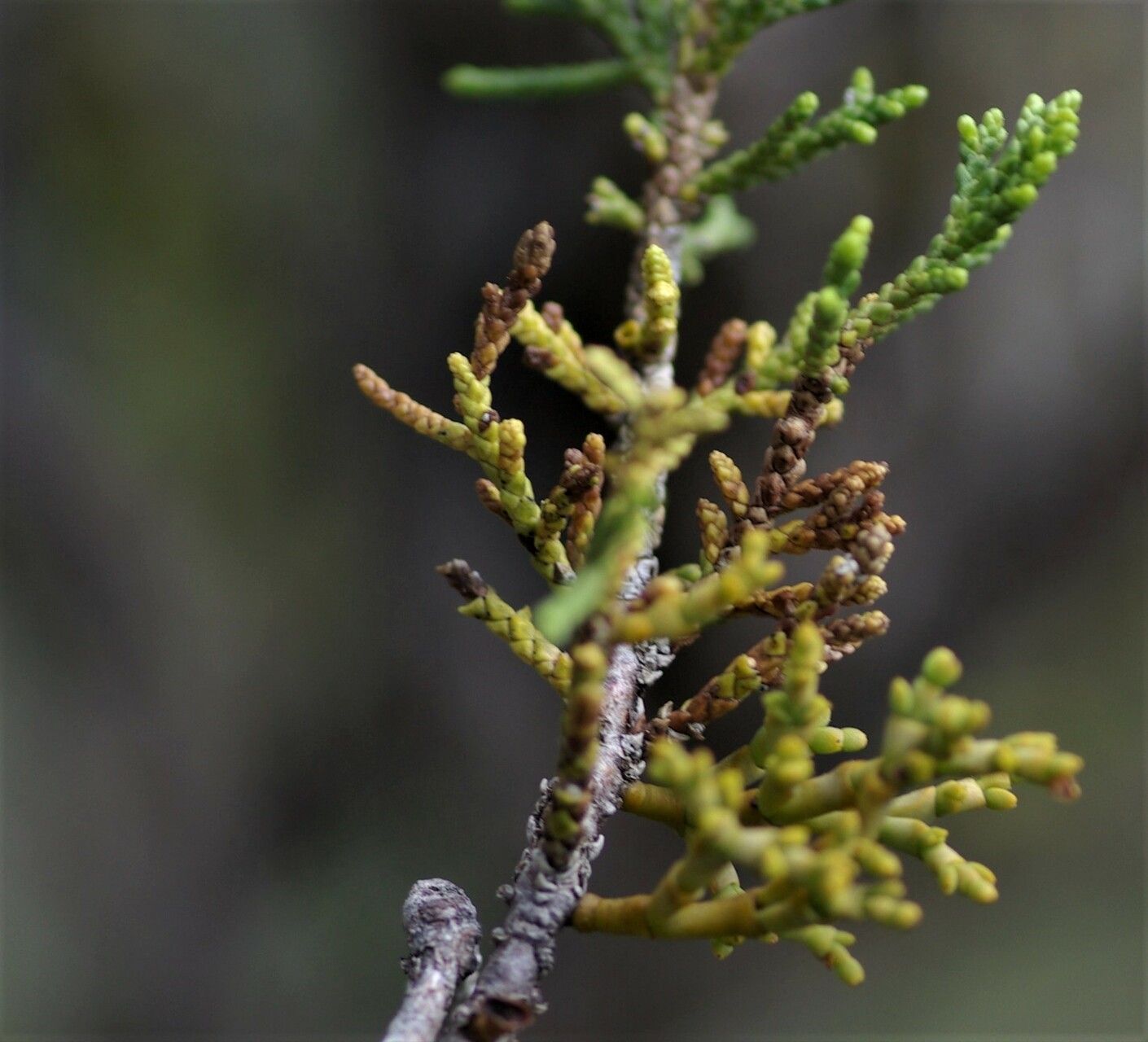
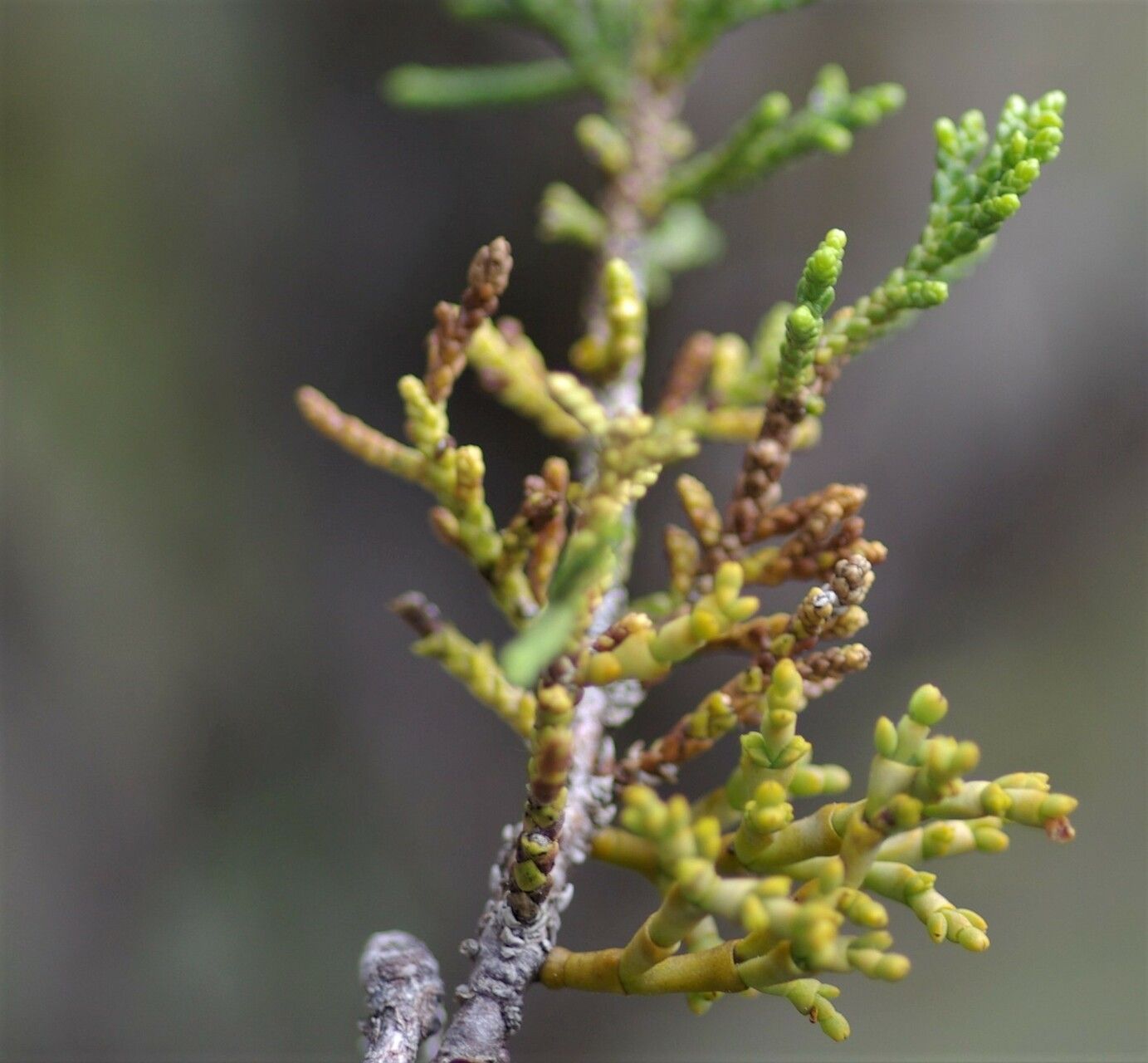
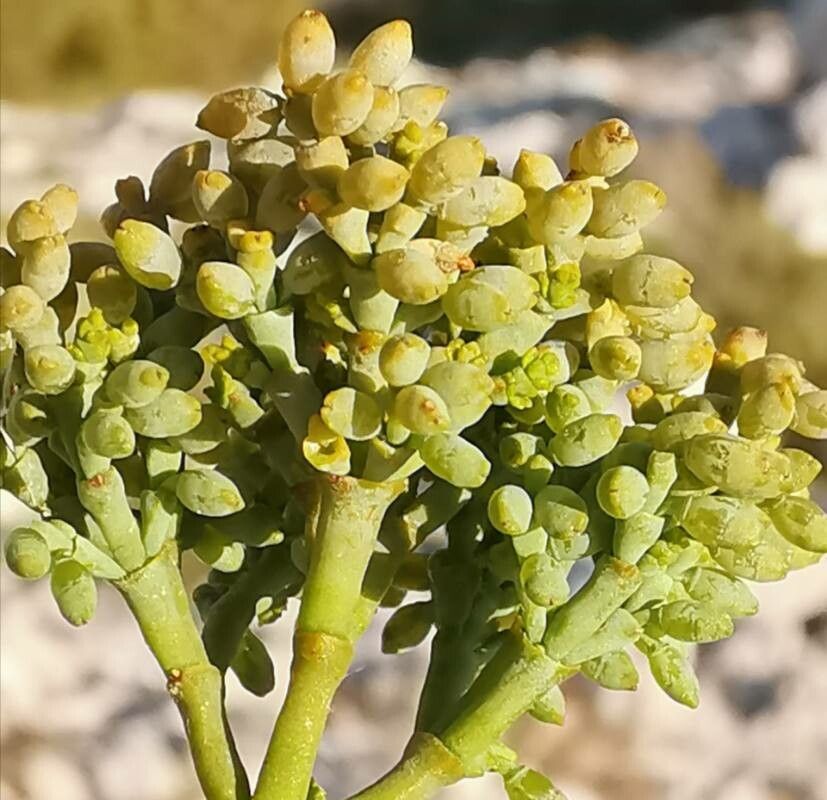
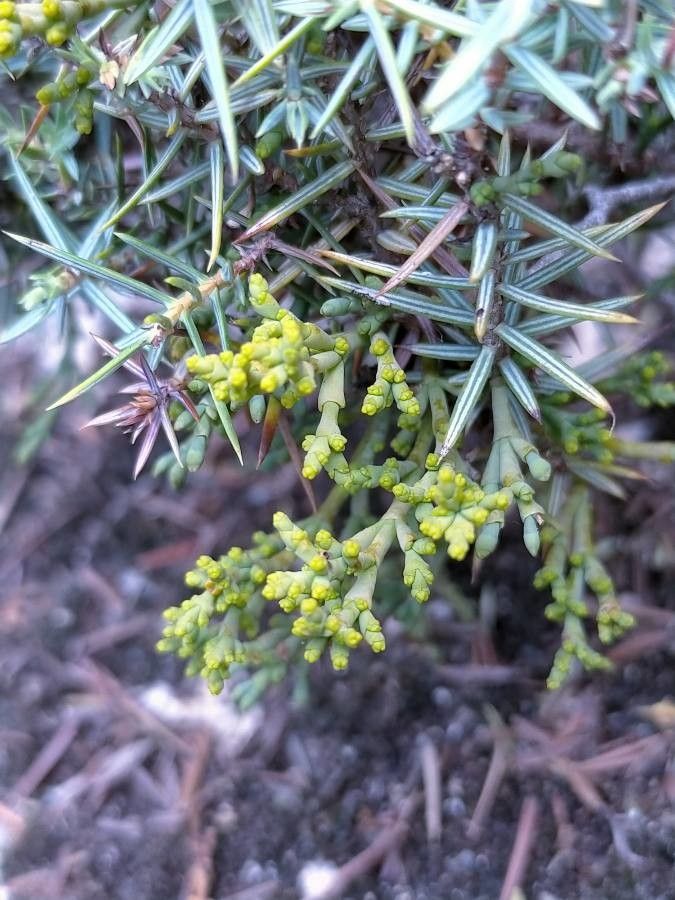
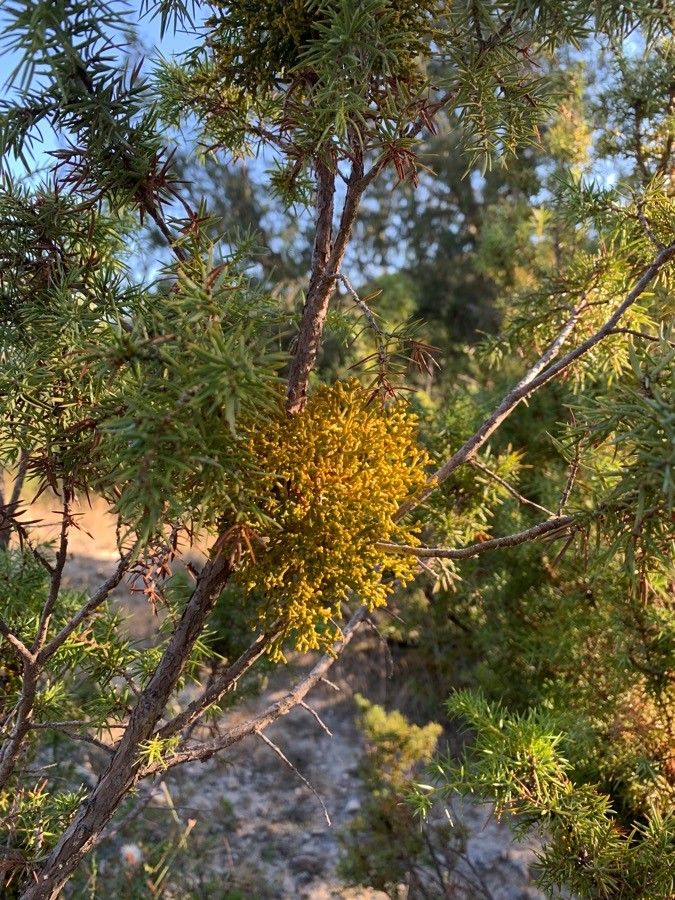
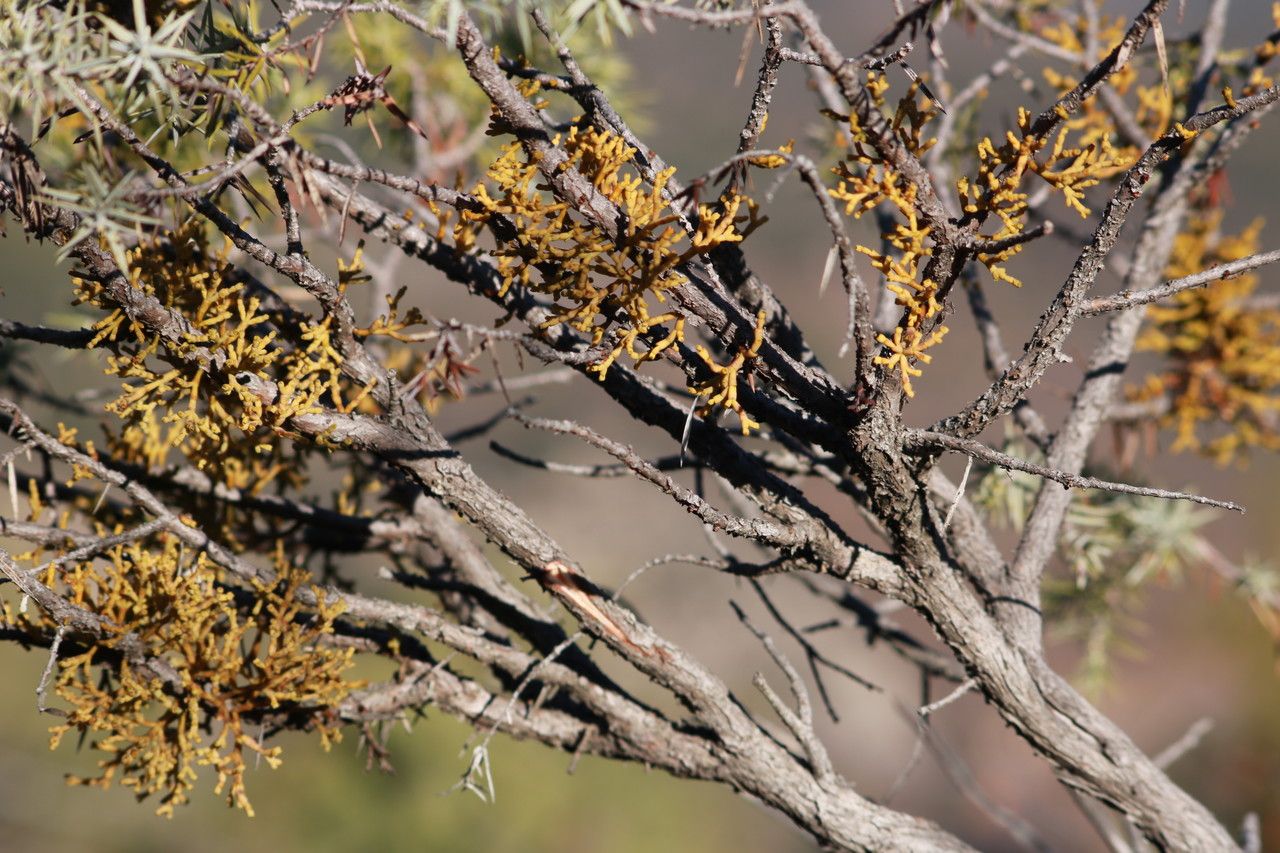
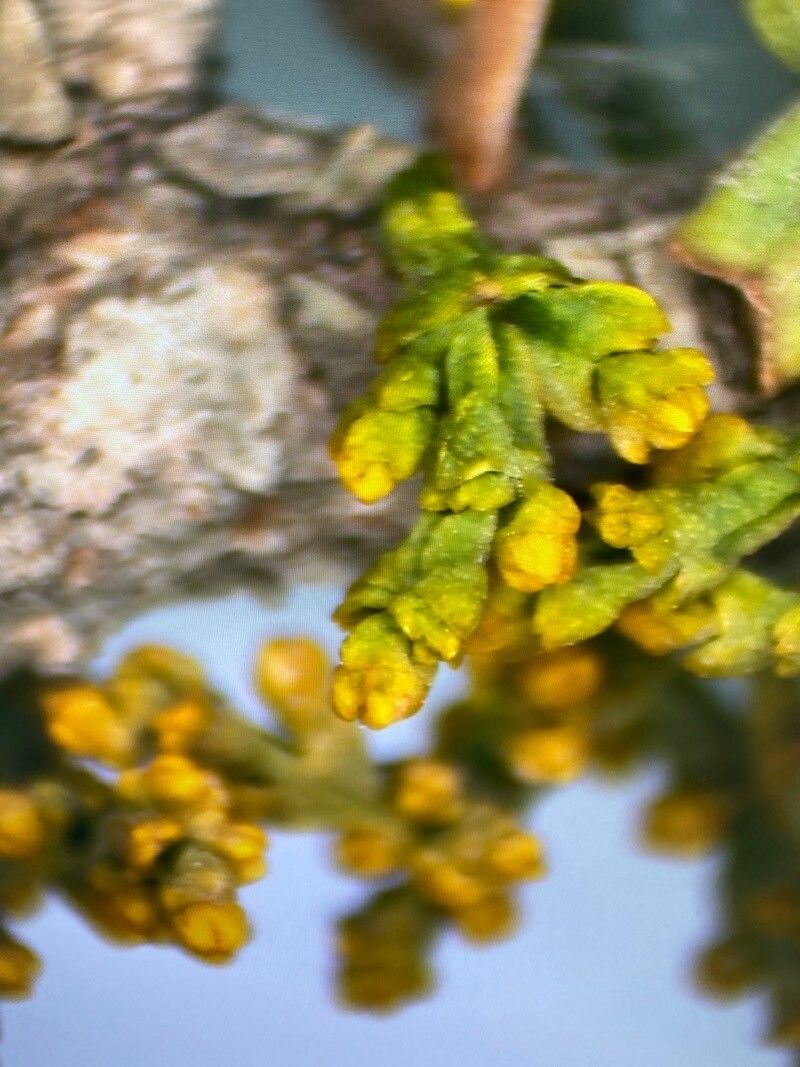
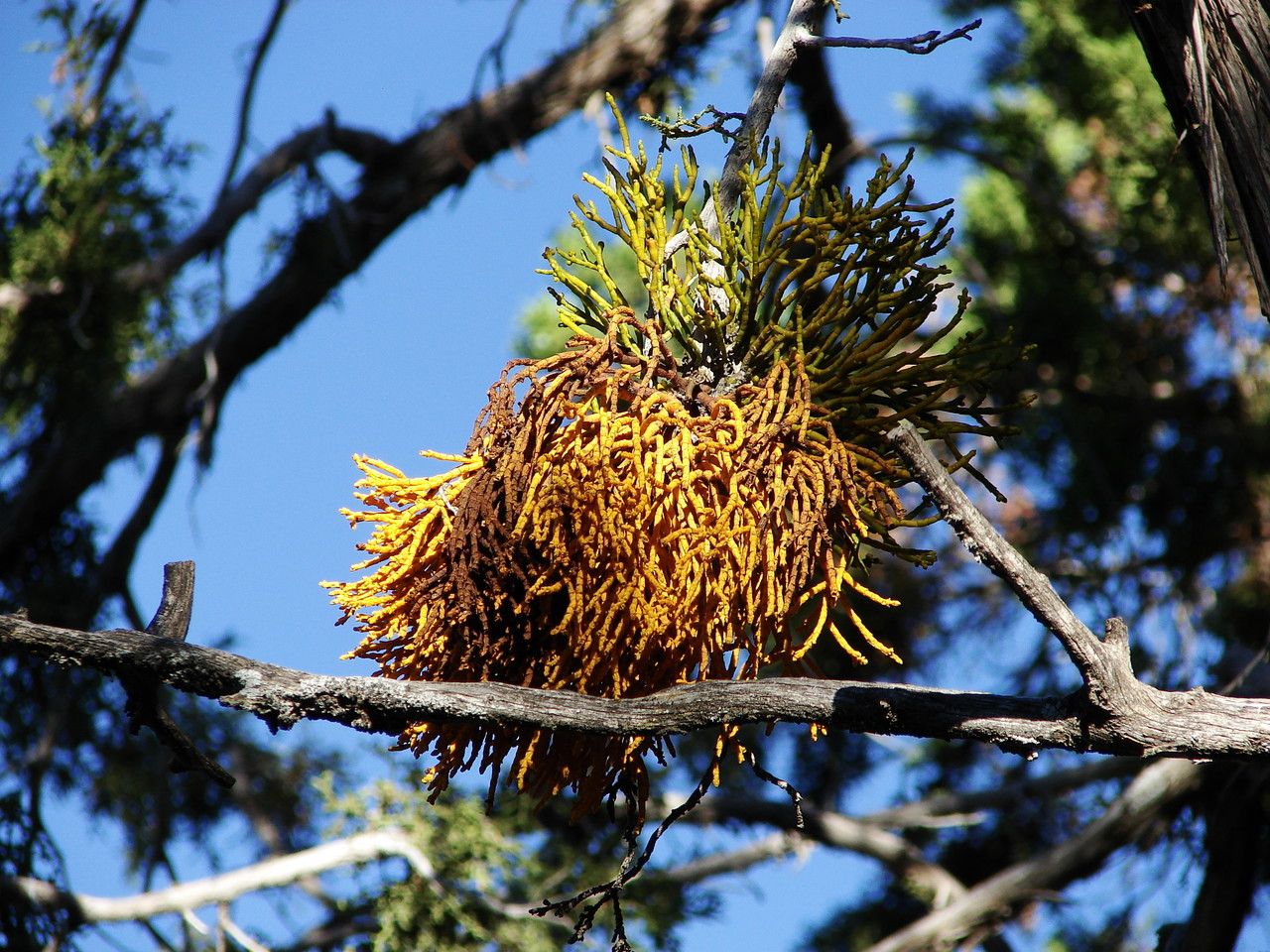
Arceuthobium oxycedri, juniper dwarf mistletoe, is a hemiparasite of the family Santalaceae. It parasitizes members of the genus Juniperus, especially Juniperus oxycedrus and Juniperus communis.
Juniper dwarf mistletoe shows strong disease resistance and is generally not susceptible to diseases. Regarding care, this plant is relatively low-maintenance. When grown outdoors it requires minimal watering, and larger specimens typically do not need pruning. However, smaller plants should be pruned after they have bloomed. Juniper dwarf mistletoet is suitable for anyone with an outdoor space, like a garden or deck, and does not demand much care experience.
How to keep Arceuthobium Oxycedri.
Light
Juniper dwarf mistletoe naturally occurs in settings such as forest understories and rocky areas, where it is exposed to natural shade. It prefers partial sun but can tolerate both full sun and full shade, illustrating its adaptable, hardy nature.
Water
Juniper dwarf mistletoe thrives in dry habitats due to its preference for low humidity and its high tolerance for drought. It's important to water it weekly. Its deep root system is designed to maximize water uptake from infrequent rains, which allows it to adapt well to rocky terrains and fluctuations in soil moisture.
Temperature
Juniper dwarf mistletoe is highly adaptable to a broad spectrum of climate conditions, from blazing summers to frigid winters. Still, it has a preferred temperature range for growth. When temperatures climb too high, the plant is susceptible to heat and humidity stress, which can kill it. In areas where temperatures reach the lower boundary of its cold tolerance, insulating measures should be used to protect the plant.
Fertilizer
Fertilize your Juniper dwarf mistletoe in early spring to encourage healthy growth. Regular fertilization boosts overall health, leading to vigorous growth, greater resilience to harsh conditions, and improved resistance to diseases and pests. Stick to a defined fertilization schedule for your Juniper dwarf mistletoe to achieve vibrant, deeply colored foliage with a lush appearance.
Pruning
Juniper dwarf mistletoe is a parasitic plant that affects juniper trees and can be recognized by its small leaves. To prevent its spread, pruning should be done from early to late winter. Cut at least 12 inches below any swellings on the branches. Regular pruning helps minimize the disease's impact and improves the overall health of the host plant.
Botanical profile.
- Plant Type
- Shrub
- Life Cycle
- Perennial
- Genus
- Arceuthobium
- Family
- Santalaceae
- Hardiness Zone
- 5-9
- Mature Height
- 2 cm to 15 cm
- Mature Spread
- 10 cm to 30 cm
- Leaf Color
- Green
- Leaf Type
- Evergreen
- Flower Color
- Yellow, Green
- Flower Size
- 0.20 cm to 0.25 cm
- Bloom Time
- Late summer, Early fall
- Planting Time
- Spring, Summer, Autumn
- Harvest Time
- Mid fall, Late fall, Early winter
- Native Area
- Tajikistan, Turkey, India, Montenegro, Bulgaria, Pakistan, Armenia, Greece, Slovenia, Morocco, Croatia, North Macedonia, Ukraine, Lebanon, Uzbekistan, Russia, Serbia, China, Iraq, Syria, Kyrgyzstan, Kazakhstan, Spain, Iran, Albania, Azerbaijan, Algeria, Turkmenistan, France
Other names.