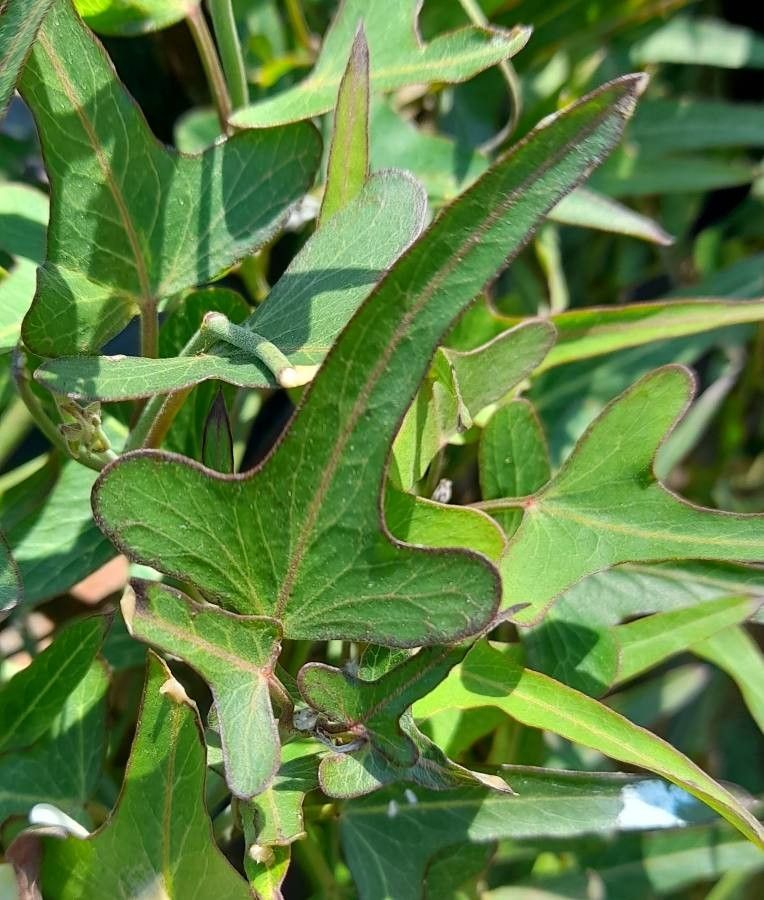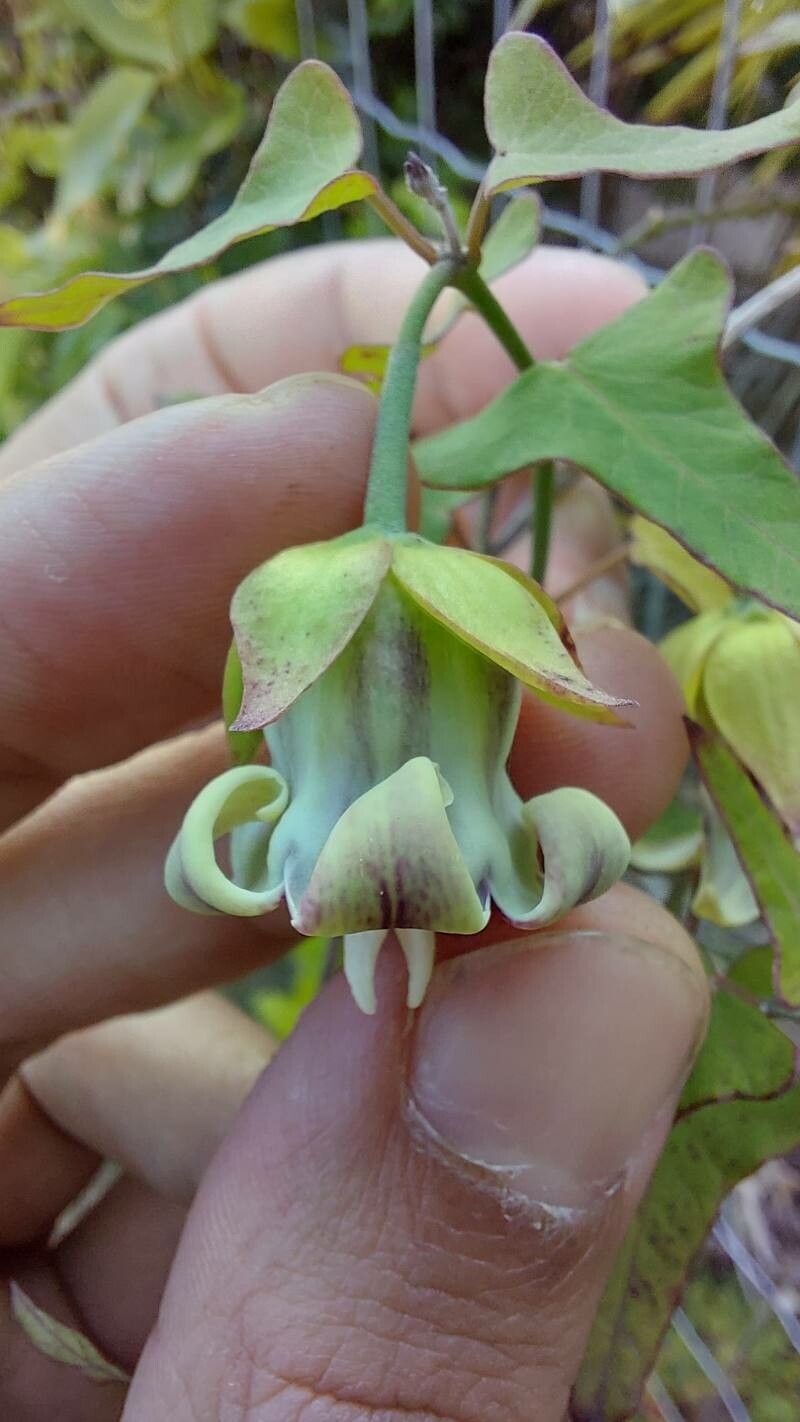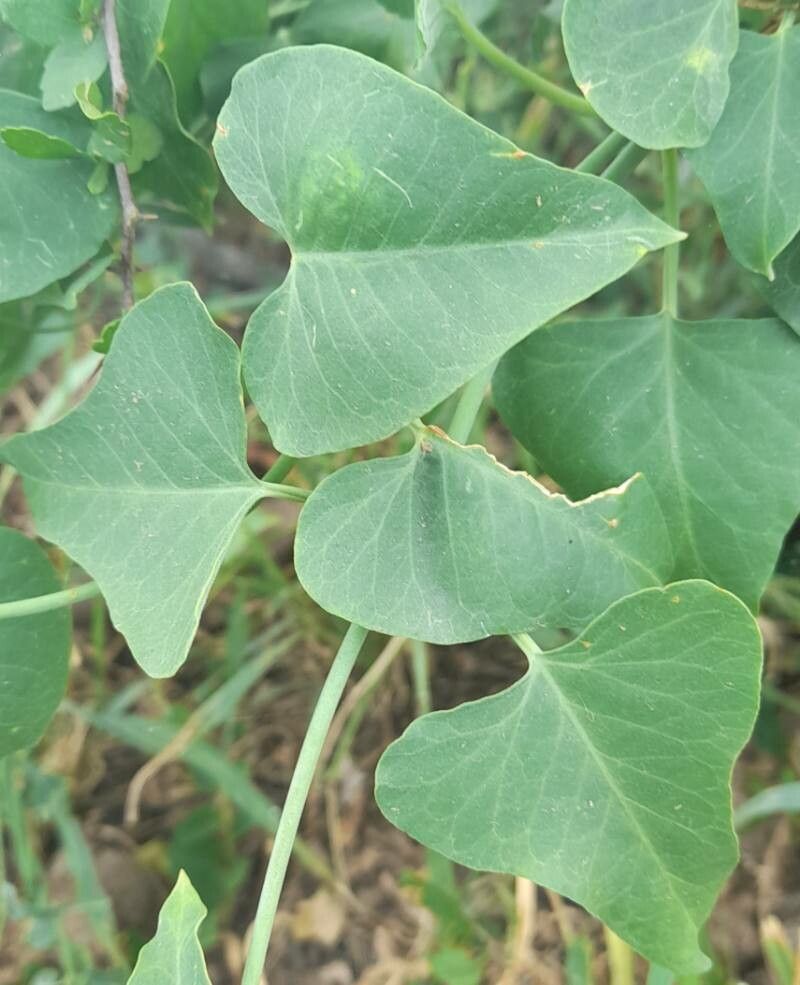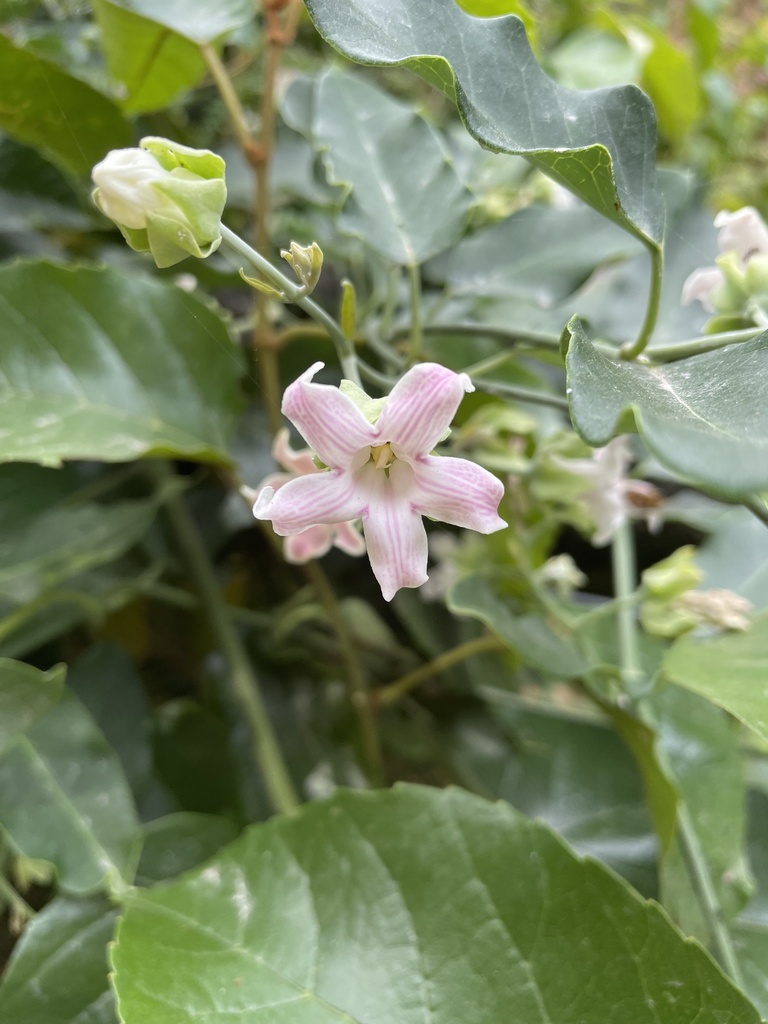
Araujia sericifera, commonly known as the moth plant or cruel vine, is a perennial vine native to South America. It belongs to the Apocynaceae family and can grow up to 10 meters in length. The plant features glossy green leaves and produces fragrant white flowers that bloom in the summer and fall.
The moth plant is considered an invasive species in many parts of the world due to its rapid growth, which can smother other plants. It spreads through wind-dispersed seeds contained in pods that split open when ripe.
Despite its invasive nature, Araujia sericifera has been used for medicinal purposes by indigenous people for centuries. The plant's sap has been utilized to treat skin conditions such as eczema and psoriasis.
The milky sap released from Araujia sericifera can irritate the skin or eyes in humans, making it a toxic plant. Additionally, the moth plant is reported to be poisonous, posing a danger not only to humans but also to livestock and pets. FUN FACT · FROM THE LIBRARY
In summary, Araujia sericifera is an intriguing but problematic species that necessitates careful management to prevent it from harming native ecosystems.
The moth plant releases a milky and unpleasant-smelling sap when its vine is damaged. While the plant can self-pollinate, it is frequently pollinated by moths, butterflies, and bees. This is why it is known as the moth plant.
Moth plant has good resistance to disease and is generally not easily affected by illnesses. However, it can be vulnerable to pests and diseases present in its environment. These infections are typically mild. Regarding care, this plant needs moderate maintenance. It should be pruned regularly to preserve a neat appearance and encourage healthy growth. Applying fertilizer can also help stimulate flowering. Moth plant is suitable for anyone who has outdoor space, such as a garden or patio, and does not require extensive plant-care experience. It may need more attention when grown indoors.
How to keep Araujia Sericifera.
Light
Moth plant grows best in places that get abundant sun throughout the day, though it can tolerate areas with less light. Providing plenty of sunlight boosts its vigor. Since it originates from habitats with strong illumination, exposure to either excessive or insufficient light can potentially damage its overall health and growth.
Water
Native to South America, the moth plant thrives in subtropical climates with consistent moisture and moderate humidity. To support its growth, it benefits from weekly watering, though it can withstand short periods of dryness. Typically grown outdoors, the moth plant requires careful watering to ensure a vigorous growing season and abundant flowering.
Temperature
Originating from temperate regions, the moth plant prefers a temperature range of 68 to 95 °F (20 to 35 ℃). It does best in warmer conditions. In colder weather, seasonal adjustments may be required for optimal growth.
Fertilizer
One fertilizer application in spring is usually enough for the Moth plant, though multiple feedings can maximize growth. Feed it once every month to a month and a half. Fertilizing improves the leaves' appearance and function, helping maintain consistent color and a healthy texture. It also encourages root development and better nutrient absorption, supporting long-term plant health.
Pot & Repot
Repot the Moth plant in early spring, selecting a pot only slightly larger than the current one and with adequate drainage. Use a well-draining potting mix, making sure the root ball remains at the same level as before. Gently tease out any root-bound roots. After repotting, water thoroughly and place the plant in a warm, shady spot. Regular pruning will help control its size and encourage new growth.
Botanical profile.
- Plant Type
- Vine, Herb
- Life Cycle
- Perennial, Annual
- Genus
- Araujia
- Family
- Apocynaceae
- Hardiness Zone
- 8-10
- Mature Height
- 4.88 m to 10.06 m
- Mature Spread
- 3.96 m to 7.92 m
- Leaf Color
- Green, White
- Leaf Type
- Evergreen
- Flower Color
- White
- Flower Size
- 2.03 cm
- Bloom Time
- All year round
- Planting Time
- Spring, Autumn
- Harvest Time
- All year round
- Native Area
- Peru
Other names.
Reader questions.
How should I water my Moth plant?
To properly water your Moth plant, use filtered water at room temperature or slightly warmer. Filtered water is preferable because tap water may contain harmful particles. Moth plants come from warm environments, so using cold water can be a shock to their system. Additionally, avoid overhead watering as it can lead to issues with the foliage. Instead, slowly apply your filtered room temperature water to the soil until it is completely soaked. This method is beneficial because it moistens the roots, allowing them to spread and gather the necessary nutrients from the soil.
What are the sunlight requirements for moth plants?
Moth plants require full sun, meaning they thrive best in locations that receive more than 6 hours of sunlight a day. They can also tolerate partial sun, which is about 3-6 hours of sunlight. It's important to observe the movement of sunlight through your garden to find spots that offer the right balance of light and shade, ensuring your moth plants grow happily.
What is the ideal temperature range for the moth plant's growth?
The moth plant, or Araujia sericifera, thrives in temperate climates with a preference for warmer weather, enjoying temperatures ranging from 68 to 95 °F (20 to 35 °C). It generally requires seasonal adjustments in colder temperatures to maintain optimal growth.
What should I do if I give my Moth plant too much or too little water?
Overwatering and underwatering can both harm your Moth plant, but overwatering is a more common issue. When the plant gets too much water, its stems and leaves may wilt and turn yellow. Overwatering for a long time can also cause diseases like root rot, mold, and mildew, which can kill the plant. Underwatering is less likely, as this plant can tolerate drought. However, it is still possible, and you may notice the leaves becoming brittle and brown. Detecting signs of overwatering is crucial and should be addressed promptly. Some diseases caused by overwatering, like root rot, cannot be fixed if you wait too long. If you see early signs of overwatering, reduce watering immediately and check the soil's drainage. Replace poorly draining soil with a loose, well-draining potting mix. If your plant shows signs of not getting enough water, simply increase your watering frequency until the signs improve.
How does sunlight affect moth plant growth?
Sunlight is crucial for the growth and health of moth plants. They primarily thrive in areas with abundant sun exposure throughout the day but can also grow in places with less sunlight. Adequate sunlight not only promotes vitality but is essential for the plant's survival. If a moth plant is exposed to too much or too little sunlight, its overall health and growth can be negatively affected. For indoor plants, artificial lighting can be used to supplement natural light, especially in less sunny locations or during winter. LED lights are recommended, and the amount of needed artificial light varies depending on whether the plant is full sun, partial sun, or full shade.
What should I do if the temperature drops below the moth plant's tolerable growing temperature?
When temperatures are expected to drop below the moth plant's tolerable growing temperature minimum, it is necessary to take temporary measures for cold protection. Wrapping the plant with plastic film, fabric, or other materials can help. Once temperatures rise again, these protective measures should be promptly removed to avoid any potential damage to the plant.
How frequently do I need to water my Moth plant?
If your Moth plant is in a pot, the best way to determine if it needs water is to check the soil by putting your finger in it. If the top two to three inches of soil are dry, then it's time to water it. The same method can be used for Moth plants grown outdoors in the ground. When the top few inches of soil have dried out, it's time to water them. Typically, during spring and early fall, watering once a week is sufficient. However, during extremely hot weather, you may need to water them two or more times per week. It's worth noting that mature Moth plants that are well-established can tolerate drought well.
What are the symptoms of inadequate sunlight for moth plants?
Symptoms of inadequate sunlight for moth plants include small or new leaves growing smaller than previous ones, leggy or sparse growth, faster leaf drop, slower or no new growth, and leaves that may appear lighter in color or develop irregular color patterns indicating a lack of chlorophyll. Additionally, chlorosis (leaves losing their green color), sunscald (damage from intense sunlight exposure), leaf curling (as a defense mechanism to reduce sunlight exposure), wilting (from excessive water loss), and leaf scorching (brown, dry edges from too much sun) are common symptoms.
How does the moth plant react to low temperatures, and what are the solutions?
The moth plant has a moderate tolerance to low temperatures and prefers to be kept above its suitable growth temperature minimum. If temperatures dip below its limit growth temperature, the leaves may droop and, in severe cases, wilt and fall off. To combat this, trim off frost-damaged parts and, to prevent future cold damage, wrap the plant with non-woven fabric or cloth and construct a wind barrier.
How much water does my Moth plant require?
When watering your Moth plant, don't hold back on the amount of water you give it. Wait until the first two to three inches of soil are dry, then give the plant a nice, deep watering. Make sure the water completely soaks the soil and drains out through the holes at the bottom of the pot. If you don't see excess water draining, you may not have given enough water. However, be careful not to let the water accumulate in the soil, as this can harm the plant. On the other hand, if you notice that water is not draining well, it could be a sign of poorly draining soil, which is not good for the plant's health. If the plant is outdoors, receiving about 1 inch of rain per week should be enough.
How can I address sunlight-related issues in moth plants?
To address sunlight-related issues in moth plants, follow these solutions: For indoor plants, gradually move them each week to locations with more sunlight until they receive at least 6 hours of direct sunlight a day. Use artificial light if needed, ensuring it's on for at least 8 hours daily. For outdoor plants, also gradually move them to sunnier locations to avoid sunburn, adapting them to the new light intensity. If the issue is due to sunlight obstruction, consider pruning any obstructive trees or transplanting smaller plants to sunnier locations during their dormant period for optimal sunlight exposure.
How should I care for a moth plant during high temperatures?
During summer, it's crucial to keep the moth plant below its suitable growth temperature maximum to prevent stress. Exceeding the tolerable growth temperature maximum can lead to lighter leaf colors, dry and withered leaf tips, curling leaves, and increased susceptibility to sunburn. To mitigate these issues, trim away sunburned and dried-up parts, provide shade during the midday and afternoon sun either naturally or with a shade cloth, and water the plant in the morning and evening to maintain soil moisture.